
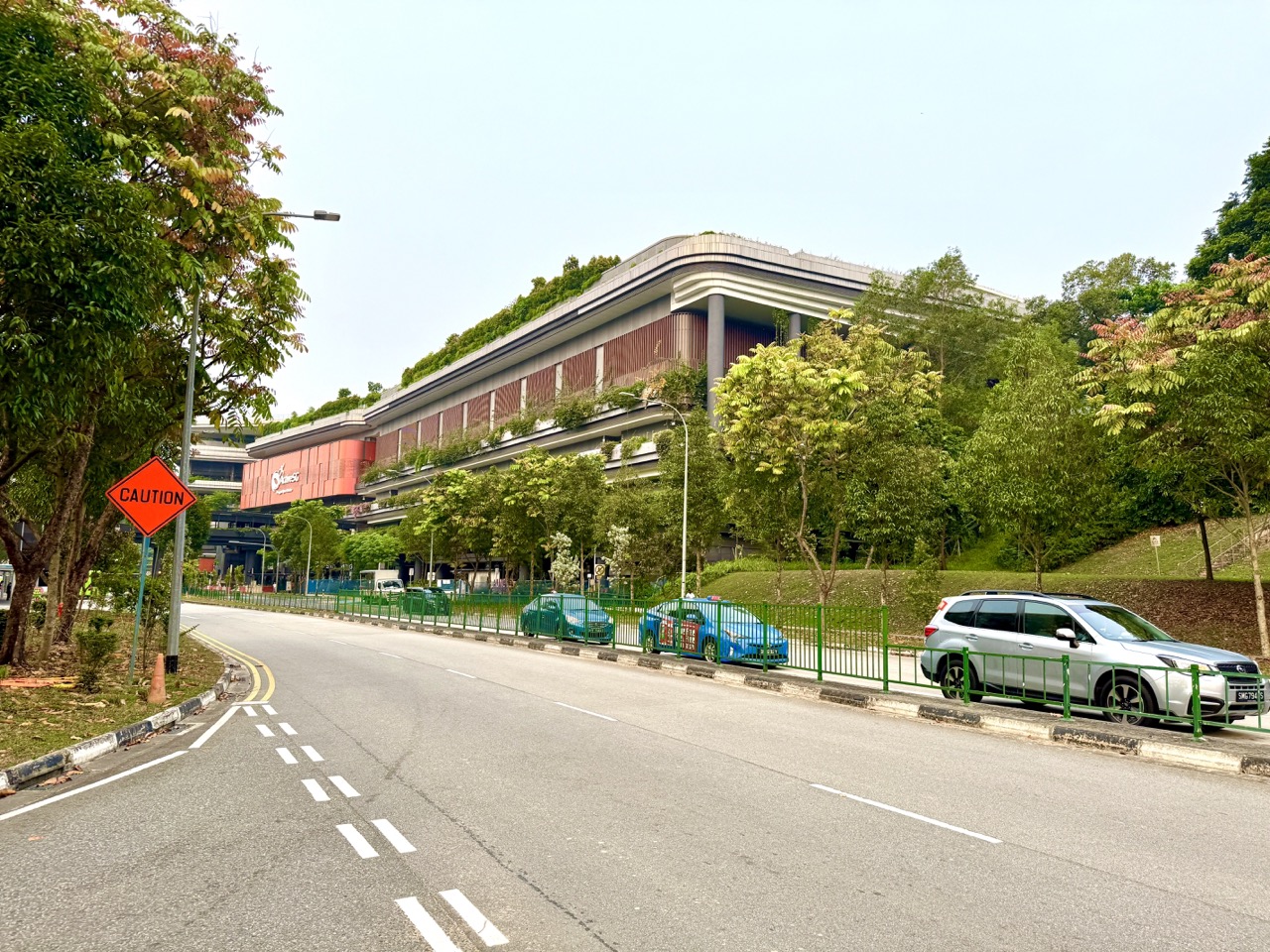
Aqua fitness is a real ActiveSG activity that Punggol adults can explore in 2027 at nearby Sengkang Swimming Complex, 57 Anchorvale Road, Singapore 544964. The official MyActiveSG+ listing for “AQUA+FITNESS @SENGKANG (WED 8:30AM) BY XCALIBER SHIREEN” runs eight sessions from 28 October 2026 through 6 January 2027 in Teaching Pool Lanes 7 and 8. The listed fee is S$96 for the programme, with an age range of 18–90, and the product is marked Full at the 1 November 2026 research check. It is evidence of an actual Sengkang course, not a reservation that a new Punggol customer can currently purchase.
This guide helps Punggol residents choose the right water-based exercise and find a genuinely bookable next intake. Aqua fitness and aqua aerobics use water resistance for controlled movement, while specialist Aqua Tabata or deeper-water programmes may involve very different intensities and swimming requirements. The new Punggol Sport Centre at 11 Sentul Crescent soft-opened in October 2026, but its swimming complex had not been confirmed open for public use at the check date; no Punggol aqua-fitness class can therefore be promised. We explain the actual course versus pool entry distinction, what beginners should ask about water depth, suitable exercises, first-class preparation and a sustainable routine for 2027.
- Verified nearby venue: Sengkang Swimming Complex, 57 Anchorvale Road, Singapore 544964.
- Verified eight-session Sengkang Aqua+Fitness class: Wednesdays 8:30–9:30am, 28 October 2026 to 6 January 2027, with omitted holiday weeks as shown in the official timetable.
- The exact Sengkang listing shows S$96, ages 18–90 and moderate intensity, but is marked Full. This is an existing programme, not a presently available enrolment promise.
- Official contact on listing: ne4_sengkangsc@sport.gov.sg, telephone 6315 3574; check current information directly.
- Another actual reference: Aqua Aerobics at Heartbeat @ Bedok Swimming Complex, 11 Bedok North Street 1; its 6 November 2026–26 February 2027 course was also marked Full at the check.
- ActiveSG programme catalogue distinguishes Aqua Aerobics, Aquafit, Aqua Tabata, Aqua Zumba, Aqua Spinning and Deep Aqua Aerobics.
- A class booking and an ordinary pool admission are different products. A normal pool ticket does not permit joining an organised instructor-led group.
- Never assume that a non-swimmer can safely attend every water-exercise product. Ask about depth, support, pool rules and the instructor’s exact prerequisites.
- Punggol Swimming Complex’s public aqua programme and admission status were not established on 1 November 2026 despite sport-centre soft opening.
- 2027 schedules, fees, credits and vacancies must be checked on the exact future registration listing.
Definition lock and research date — 1 November 2026. ‘Aqua+Fitness at Sengkang’ refers to the actual eight-session Sengkang product beginning October 2026, shown as full. It is not the same as a general pool entry, and it does not establish a Punggol Swimming Complex course.

The first decision: a class at Sengkang, not an imagined class at Punggol
The simplest answer to a Punggol resident is that Sengkang has a documented ActiveSG water-fitness product, while the new Punggol Swimming Complex does not yet have a verified programme in this guide. The Sengkang class appears under a specific title, at a specific teaching pool, with a published start date and session list. Those details can guide an enquiry. They cannot be transferred to Punggol just because the new centre is nearby.
A reliable plan keeps the class venue separate from the user’s home estate. Use the Sengkang listing to understand the type of programme, then search for a new intake on MyActiveSG+. If no seat is available, look at another confirmed venue or date. Never interpret a facility photograph as evidence that aquatic lessons have begun.
The published course is full: what that actually means
The eight-session Sengkang Aqua+Fitness course was shown as full when checked on 1 November 2026. Its published schedule runs through early January, so an article covering 2027 should acknowledge that a future session date can belong to a course which started in 2026 and has already sold out. Merely seeing January on a webpage does not create a booking opportunity.
If the reader is interested, open the live product to confirm its status, or search for a later intake. Do not assume there is a waiting list, transfer arrangement or cancellation opening unless the operator states one. An honest local article is useful precisely because it distinguishes confirmed activity from currently obtainable places.
What the Sengkang timetable teaches a first-time reader
The official course lists Wednesday morning meetings in Teaching Pool Lanes 7 and 8, beginning 28 October 2026 and reaching 6 January 2027. The dates are not necessarily every consecutive Wednesday; the product page shows gaps in the programme calendar. A subscriber who assumes a weekly class takes place without interruption may plan leave or childcare incorrectly.
Before joining any new intake, copy the exact session dates into a calendar rather than simply writing ‘every Wednesday’. Check public-holiday exclusions, maintenance periods and the missed-session policy. Aqua fitness is more enjoyable when the learner can attend most of the sessions and arrive without confusion.
The Bedok alternative is a different class product
Heartbeat @ Bedok has an ActiveSG Aqua Aerobics course listed at its swimming complex, 11 Bedok North Street 1. The published example runs on Fridays from 6 November 2026 into February 2027, shows a twelve-session product and is also marked full at the research check. Its course price, dates and training pool differ from the Sengkang option.
This gives Punggol residents another genuine operator lead, not a guaranteed alternative seat. Compare the exact date, time and travel requirement before choosing. A person who needs Sengkang’s Wednesday mornings may not be able to use Bedok’s Friday lunch period, even if both names contain the word ‘aqua’.
Why water fitness is not one single workout
ActiveSG’s national programme catalogue includes Aqua Aerobics, Aquafit, Aqua Tabata, Aqua Zumba, Aqua Spinning and Deep Aqua Aerobics. These use water in different ways: some emphasise rhythmic movement, some combine intervals and resistance, others use stationary bicycles or deeper-water techniques. Their prerequisites and intensity can differ significantly.
Do not make the common mistake of selecting the first programme with ‘aqua’ in the title. Read the detailed product description and ask what a genuine beginner does during the first ten minutes. A name is a category; the actual session describes what the body will be asked to do.
Aqua aerobics: rhythm and controlled effort
Aqua aerobics generally uses coordinated movement in water to create resistance and cardiovascular work. Water provides resistance through movement, and some classes add noodles or aqua dumbbells under instructor control. The right session allows participants to understand the movements and adjust effort within the format’s rules.
A newcomer should learn to move deliberately rather than thrash faster because the class has music. Ask whether the sequence includes walking, arm pushes, directional changes or jumps, and whether modifications are offered. Feeling comfortable enough to return is a better first goal than attempting to match the fastest regular participant.
Aquafit and Aqua Tabata are not automatically gentle
The Sengkang Aqua+Fitness course describes Aqua Tabata alongside aqua aerobics, combining interval training with water resistance. An interval format may demand a faster rhythm than a gentle water-mobility class. The published Sengkang programme labels its intensity moderate, but that is an operator-level description, not a personal guarantee.
Someone who is returning after a long break should contact the organiser to understand pacing and alternatives. A programme can provide options, yet those options must be assessed in the real class. If the intended level is unsuitable, choose a different session rather than assuming water eliminates every form of exertion.
Deep-water classes have a separate safety profile
Deep Aqua Aerobics is listed as its own type in the SportSG catalogue. Unlike a class in a teaching pool where some participants may stand, a deeper-water activity can require different flotation, confidence and supervision arrangements. The phrase ‘water fitness’ does not tell you whether the participant can reach the pool floor.
Ask the operator for the actual water depth, entry and exit arrangements and swim or flotation prerequisites. A person who cannot swim should not infer eligibility from a different Sengkang programme’s description. Every product needs its own check, especially when a family is planning for an older adult or nervous participant.
Aqua Zumba and music-led movement
Aqua Zumba combines dance-inspired rhythm with water resistance. It may appeal to residents who enjoy social exercise more than counting laps. The learning challenge is to coordinate movement while listening to the instructor and managing the feel of water around the body. Participants do not need to imitate every flourish immediately.
A slower, well-controlled movement can be more useful for a new participant than trying to perform a complex sequence at full speed. Check that the class is the right level and that the pool configuration suits the participant. Enjoyment is a genuine selection factor when building a routine that can last beyond one term.
Aqua Spinning is another distinct product
ActiveSG describes Aqua Spinning as stationary cycling in a pool setting. That arrangement is not the same as swimming, treading or performing aerobics without equipment. A person may be attracted by the familiarity of pedalling, but the actual session depends on the bicycle setup, water level and instructor’s approach.
Do not assume any swimming pool has aqua bicycles for casual users. Such equipment belongs to organised facilities and programmes with their own schedules. The reader should check whether the class is sold, whether the participant meets its requirements, and what physical adjustments the instructor can offer.
What water resistance actually changes
Water resists movement in multiple directions. When someone pushes an arm through the water, they feel a resistance that changes with speed, surface area and technique. This is one reason an exercise can feel different from moving in air. But the resistance does not magically make every movement safe for every person.
An instructor can use controlled movements and appropriate equipment to change demand. The participant should follow the planned exercises rather than improvise aggressive pushes. A simple movement performed well provides useful feedback about control. Faster is not necessarily better.
The effect of buoyancy
Buoyancy changes the apparent load on the body in water and may make some movements feel different from equivalent land exercises. People sometimes find water appealing because of that support. However, buoyancy also affects balance and the ability to return to a stable position when the water moves.
A person with limited mobility should ask whether the venue provides a suitable entry method and whether the class’s movements are appropriate. Generic claims that aqua aerobics is ‘safe for everyone with joint pain’ are not reliable. Individual clinical questions belong with an appropriate professional and the programme provider.
Choosing between a pool workout and lap swimming
Aqua fitness and lap swimming use the same general medium but solve different problems. A class teaches a structured set of exercises with an instructor; lap swimming emphasises movement through water along lanes. Someone who enjoys the social rhythm of a class may find individual lap sessions less motivating. Another person may prefer uninterrupted swimming.
Decide what the participant wants before buying a product. A pool admission ticket gives access under the facility’s pool rules; it does not buy the instructor or space reserved for an Aqua+Fitness group. If the class is full, casual swimming should not be described as an equivalent replacement for the teaching.
The ‘no need to know how to swim’ wording
The specific Sengkang listing states that participants need not know how to swim. This reflects how that operator has designed its teaching-pool programme, and it can be encouraging to adults who are not confident swimmers. It is not a universal statement about all aquatic exercise, especially deep-water formats.
Check the actual pool depth and instructor-supervision plan, and be honest about water anxiety. A non-swimmer should not enter an unsuitable area merely because a different class advertises low swimming prerequisites. Ask whether a participant can comfortably follow stop signals, use permitted entry points and receive assistance when necessary.
The first visit: learn the pool, not the choreography
An unfamiliar aquatic venue can be challenging even before exercise starts. A participant may need to locate the changing room, find the correct teaching-pool section and understand how registration works. Arriving early allows time to ask questions and become comfortable with the surroundings.
During the first class, prioritise hearing the instructor and understanding the boundaries of the space. A new attendee is not expected to know every sequence. One useful goal is to leave knowing the class’s rhythm and which movements feel manageable. That foundation supports more confident participation next week.
A practical clothing and packing list
Bring appropriate swimwear, a towel, a change of clothes, drinking water and any personal items required by the operator. Some programmes may request aqua shoes or allow particular aids; others may provide equipment. Do not buy resistance dumbbells or flotation gear solely because a national catalogue mentions them.
Check whether the facility requires a digital confirmation, Singpass-based login or other admission process for the programme. Keep valuables secure and plan where the participant meets family afterwards. A calm check-in is part of making the class accessible, particularly when an adult is attending for the first time.
Entering and leaving the water
The transition between deck and pool can be more important than a programme’s exercise intensity for some participants. Steps, ramps, rails and walking surfaces differ between facilities. Ask how the instructor expects the group to enter, where they should wait and how the exit works after the session.
Do not rush over a wet deck or improvise an unapproved access route. A participant who needs assistance should discuss it with the operator beforehand. The most effective exercise programme cannot succeed if the person cannot reach the activity area safely.
Water depth and body height
A teaching pool can feel shallow to a tall adult and challenging to a shorter person. The actual water level relative to a participant’s body changes how easily they can stand and how much effort is needed to maintain position. Two people in the same class may therefore experience the exercise differently.
Ask the provider about depth and whether the group uses fixed or varying sections of the pool. Do not infer suitability from a classmate’s experience. A shorter participant who cannot stand comfortably may need another class or a different arrangement. Practical fit matters more than promotional language.
Warm-up in water
A sensible class often begins with easier movements and gradually introduces more challenging actions. The goal is to become familiar with the resistance, footing and balance of the pool before attempting a faster routine. The instructor may use walking patterns, controlled arm movements and changes of direction appropriate to the group.
Participants should follow the planned intensity rather than adding unnecessary speed. If the movement is unclear, ask or select the safe option. A good warm-up prepares attention as well as the body, particularly for someone who has not exercised in water before.
Arm movements against resistance
An aqua class may use pushes, sweeps or pulls with the hands and forearms. Water resistance changes with how quickly and broadly a person moves. A wider or faster movement can feel more demanding than a small controlled one, but the correct variation depends on the instructor’s design and the individual.
Begin by listening to the purpose of the movement. Is the exercise intended to improve coordination, controlled effort or a particular movement pattern? If no one understands the cue, the class becomes random splashing. Good learning connects action to intent.
Lower-body movement and footing
Aquatic workouts can include controlled stepping, gentle jogging patterns or other leg movements depending on the pool and class. Water can change balance, and a participant who moves too quickly may feel less stable than expected. The venue’s floor surface and depth are important.
Follow the instructor’s pace and use approved support where directed. Avoid jumping or pushing off unexpectedly near another person. The first session should establish comfort with movement and recovery rather than challenge participants to keep up with stronger regulars.
What to do if balance becomes difficult
Water movement can alter footing and orientation. If a participant repeatedly loses balance, the response is to reduce demand, signal the instructor and ask about an appropriate adjustment. Holding another participant without permission or grabbing an unapproved fixture may create further problems.
An instructor can recommend a safer section or different exercise if the programme permits it. The participant’s own comfort matters. It is reasonable to stop and reconsider a class that cannot meet necessary access or support needs.
Pool space and neighbour etiquette
An instructor-led group may occupy reserved lanes or sectors of a public pool, while other swimmers use adjacent space. Participants should stay inside the allocated area and follow the coach’s instructions. Swinging equipment widely or moving into other lanes can disturb users who are not part of the class.
Respect the room made available for everyone. Do not use the occupied training-pool lanes for independent exercise when the class is sold out. An ordinary swimming admission does not override a programme allocation.
The value of short, clear instructor cues
Music, water sounds and room echoes can make a complicated explanation difficult to hear. A good instructor uses understandable demonstrations and repeatable cues, while participants can ask for clarification rather than guessing a movement at high speed.
A new attendee may benefit from standing where demonstrations are visible and instructions can be heard, subject to the operator’s permitted formation. One clear cue at a time often helps more than a long list of corrections. Understand the movement before increasing effort.
Why a ‘moderate’ label is not personal medical advice
The Sengkang product labels its class moderate intensity. That helps prospective participants compare programmes, but a marketing or booking category does not assess one individual’s health conditions, exercise history or physical limitations. The same sequence can feel easy for one person and difficult for another.
Those with relevant medical concerns should seek appropriate professional advice and discuss programme suitability with the provider. Avoid interpreting water exercise as guaranteed rehabilitation or a replacement for physiotherapy. General fitness and clinical treatment are different services.
Aqua exercise for older adults
Water-based group exercise can appeal to older adults seeking an organised activity and social contact. Yet age does not determine who will enjoy a class, and the label ‘suitable for seniors’ cannot settle questions about depth, balance, strength or access. The actual class should be examined with the participant’s preferences in mind.
Ask whether an instructor offers gentler alternatives and what happens when someone needs to rest. A suitable programme should make it possible to participate with dignity rather than pressure everyone into an identical speed. Good organisation is as important as a welcoming atmosphere.
Adults returning after a long break
Someone returning to exercise may find the social structure of a paid course helpful, but should not attempt to compensate for months of inactivity in the first session. Choose an appropriate level, follow the class’s progression and pay attention to whether the workload remains manageable.
A realistic plan might begin with one weekly session and ordinary daily movement, adjusted to individual capacity. It is better to sustain a smaller routine than to sign up for several classes and become overwhelmed. The learning objective is consistency.
Why comparing calorie numbers is unhelpful
Fitness trackers estimate energy use imperfectly in many settings, and water exercise can create special challenges because movement is resisted rather than simply counted as steps. Comparing one person’s watch number with another’s can distract from whether the participant is exercising appropriately and enjoying the programme.
More useful observations are whether the learner can complete movements with control, follow the instructor, recover comfortably and return regularly. These are tangible signs of a routine becoming sustainable. They do not require a perfect numerical estimate.
A first eight-session review
An eight-session course can be treated as an opportunity to build familiarity: the first one or two meetings focus on the setting, later meetings consolidate movement and confidence, and the final sessions help decide whether another programme is worth pursuing. This is a reflective structure, not the Sengkang coach’s official syllabus.
At each stage, ask whether the class remains the right level and whether attendance fits the household schedule. If the participant has new concerns, discuss them with the provider rather than waiting until the last session. A good course gives people information about what to do next.
Travel from Punggol to Sengkang
Sengkang Swimming Complex is at 57 Anchorvale Road. Residents may approach through the Sengkang LRT network, bus services or other routes, depending on the starting block. A neighbour’s journey time is not necessarily yours, especially when morning traffic or accessibility needs change the plan.
Check the exact entrance and allow time for changing. Write the venue name into the calendar rather than just ‘ActiveSG Aqua’. The goal is a predictable outing that does not depend on arriving at the last minute.
Why the class fee is not a pool ticket
The published Sengkang Aqua+Fitness course fee is S$96 for eight sessions. This is the price attached to the named 2026 intake, not a promise of eight separate public swimming tickets or the price of a future course. Other products may have a different fee and refund policy.
Read the actual checkout before buying. Determine whether payment covers a fixed term, what happens if a meeting is missed and whether ActiveSG credits apply. A lower price does not automatically indicate better value if the programme is unsuitable or too far away.
The problem with joining after a course has begun
Some programmes sell one entire block of classes rather than individual visits. A listing may show future dates but no ability to join midway, especially when marked full. Do not assume that paying for one upcoming Wednesday is possible. The operator’s product determines whether late enrolment is permitted.
If a session is already under way, ask about the next intake or another programme, and avoid entering reserved training lanes unregistered. Accurate calendar reading prevents a common misunderstanding about continuing multi-session courses.
School holiday Aqua Aerobics is a separate lane
ActiveSG’s school-holiday catalogue advertises Aqua Aerobic for SHP and Aqua Fun Fitness Holiday Programme. These names sit beside adult regular classes in the broader national ecosystem but may be designed for different ages, lengths and activities. A parent should not assume an adult Wednesday programme is the same as a child’s holiday session.
Read the specific age band, venue, required water confidence and staffing. School-holiday product details may be short-lived. A useful 2027 article explains the search process rather than copying a previous holiday date as if it remains available.
The new Punggol pool may eventually change travel choices
Once Punggol Swimming Complex opens and SportSG announces programmes, a nearby class could reduce journey time for local residents. However, neither the building’s late-October soft launch nor a beautiful photograph of its infinity pool establishes a real Aqua+Fitness registration. The facility’s operating status and the programme’s existence must be confirmed separately.
In the meantime, use Sengkang, Bedok or another officially listed operating venue if its exact class suits the participant. It is better to attend a confirmed session outside Punggol than travel to an attractive but unbookable local pool.
A fictional Punggol adult chooses her first class
Imagine an adult who wants exercise with other people but has not learned to swim confidently. She finds the Sengkang Aqua+Fitness listing, reads its statement about not needing to know how to swim and checks that it is full. Rather than turning up anyway, she asks the centre about a later suitable intake and the teaching-pool depth.
She also reviews her actual commute and the programme’s intensity. If a place becomes available in a properly confirmed course, she follows the instructor’s entry and safety arrangements. The first meaningful success is feeling able to participate calmly, not completing the hardest interval.
A fictional family compares Sengkang and Bedok
A Punggol household is choosing an exercise gift for an older relative. The Sengkang course is on Wednesday mornings and the Bedok example on Friday lunchtime. Both are marked full at the original research check. The family understands that buying a gift requires a real upcoming product and the relative’s own agreement.
They ask about suitable intensity, access and attendance before paying for any future intake. This is much better than giving somebody an expired course screenshot. Thoughtful planning protects both the participant and the family budget.
Frequently asked questions about Aqua Fitness in 2027
Is there a confirmed Sengkang aqua course entering 2027? Yes. The listed Aqua+Fitness course includes 6 January 2027 but is marked full. Is Punggol aqua fitness available at the new pool? This guide has not verified public pool access or a local class. Can a non-swimmer attend? The specific Sengkang product says swimming ability is not required, but that does not apply to every aqua or deep-water product. Do I need to buy aqua dumbbells? Check equipment provision with the actual provider.
Is S$96 a 2027 course price? It is the price for the named eight-session intake starting in 2026, not a guaranteed future price. What does moderate intensity mean? It is the operator’s general class label, not individual health advice. Where should I search? MyActiveSG+ programmes by sport, venue and date. What if the course is full? Check for a later intake or another confirmed venue.
Official programme sources and further reading
- MyActiveSG+ — Sengkang Aqua+Fitness 8-session course and January 2027 date
- MyActiveSG+ — Heartbeat @ Bedok Aqua Aerobics 12-session course
- SportSG — Aqua Aerobics, Aqua Tabata, Aquafit and other class descriptions
- SportSG — ActiveSG School Holiday Programmes, Aqua Aerobic for SHP
- MyActiveSG+ — verify next intake, actual pool and credits
- ActiveSG — how to register a child or adult in programmes
- SportSG — facility closures and pool alerts
- AsiaOne — Punggol Sport Centre 27 October 2026 phased opening
- eduKatePunggol — earlier 2026 Pasir Ris and Bedok aqua aerobics guide
- eduKatePunggol — swimming practice rather than adult Aqua+Fitness
Your Next Step
Search MyActiveSG+ for a new Aqua Fitness or Aqua Aerobics intake at Sengkang, Bedok or another operating pool. Read the live age band, depth requirements, instructor format, dates, price and available spaces; contact the centre before travelling. Do not enter a sold-out class on an ordinary swimming ticket. This independent guide does not make a reservation.


