
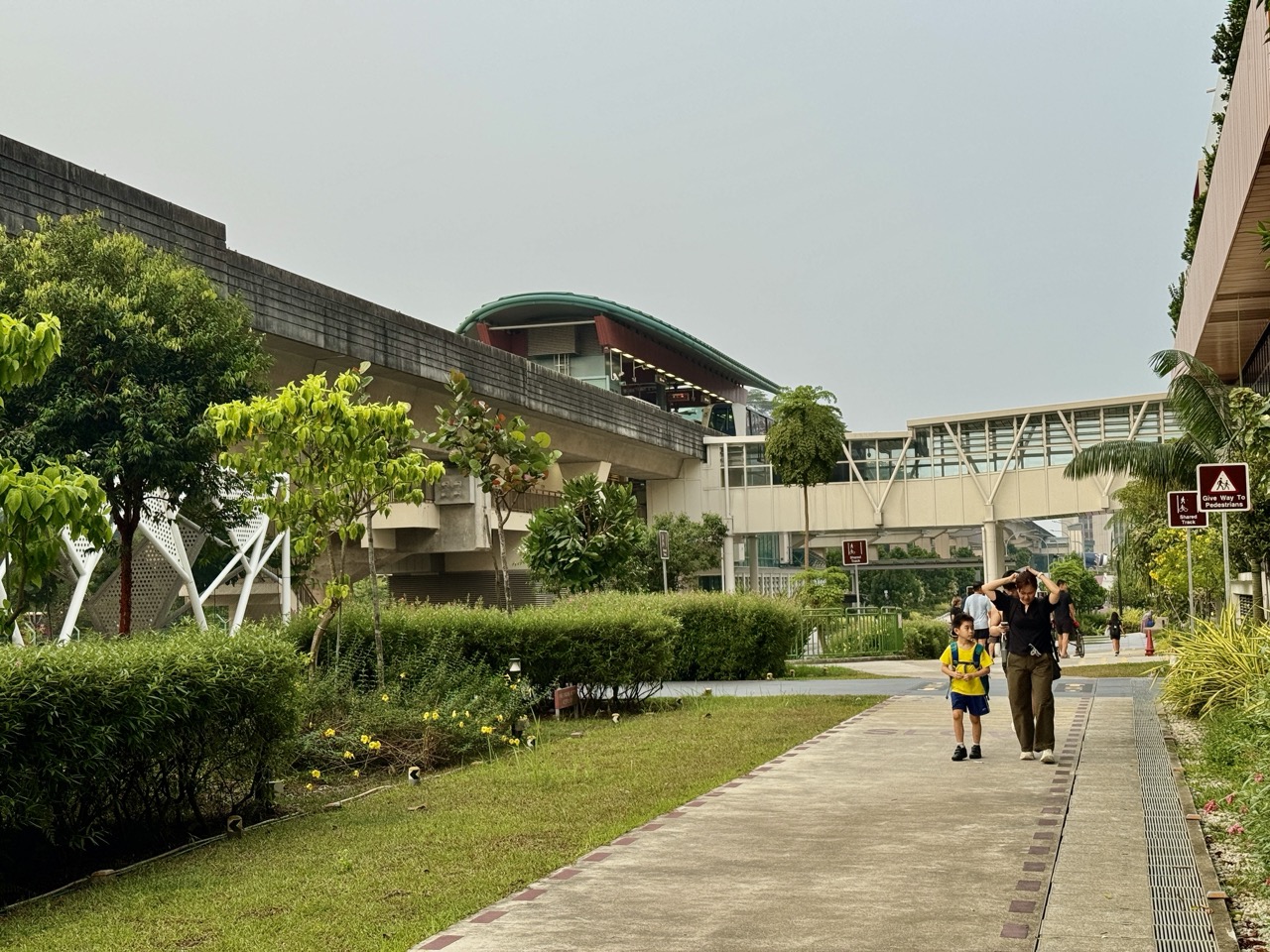
ActiveSG Punggol 2027/2028 for three generations: grandparents, parents and children can plan a shared sports outing around Punggol Sport Centre at 11 Sentul Crescent, where the gym and selected courts began operating during the phased opening on 27 October 2026. But each public gym, court, pool or class has separate admission and booking conditions, and the family should choose activities suited to each person’s interests and ability.
SportSG’s official individual rates include a Senior Citizen Family Concession for a senior and accompanying immediate family using specified facilities together at stated weekday times. It is not a universal weekend discount or proof that every planned Punggol sport is operating. This guide explains the family-concession conditions, realistic shared activities, accessibility, supervision and how to plan a good 2027 or 2028 visit without inventing tariffs.
- Venue: Punggol Sport Centre, 11 Sentul Crescent, Singapore 828656.
- Opening: phased from 27 October 2026; confirm each intended facility separately.
- Senior definition: SportSG’s rate table uses age 55+ for senior tariffs.
- Different age 65 rule: free gym and pool admission applies to eligible Singapore Citizens aged 65 and above.
- Senior family concession: specified weekday time windows for named courts, public pools and gyms; verify application.
- Family activity: gentle badminton or table tennis, appropriate walking, verified swimming when available.
- Safety: child supervision, accessible travel, rest and personal health needs.
- 2027–2028: recheck tariffs, actual bookings and operating areas before departing.
A family does not have to make every person play the same sport. A good outing allows each generation to feel included, respected and willing to return.

Definition lock: an intergenerational sport outing
A three-generation sports outing brings grandparents, parents and children into a shared activity or coordinated visit. It does not require everyone to perform the same exercises or enter the same court. The important question is how each person can participate safely and enjoyably while the family manages timing, access and supervision.
An older relative might prefer walking, a parent may enjoy a gentle racket game and a child may need short playful activity. A successful plan respects these differences without treating the slower person as a problem or forcing everyone into competition.
Begin with the family’s actual capabilities and goals, then check the named venue or official programme. A shared day should be pleasant rather than an endurance test.
Punggol Sport Centre and its phased opening
Punggol Sport Centre at 11 Sentul Crescent began phased public operations on 27 October 2026, initially offering its gym and selected sports courts. Other planned pools and specialist spaces required their own status checks. A family arriving with grandparents and young children should not infer that every advertised facility is open.
The centre is beside SAFRA Punggol at 9 Sentul Crescent, but these are separate operators. Families sometimes plan a water-play visit at one and a court game at the other, which requires independent payments and supervision arrangements.
Use the current public facility listings, exact entrance and operator-specific rules. The large building does not create one universal all-access family pass.
A special SportSG senior family concession exists
SportSG’s official individual rates page defines a Senior Citizen Family Concession for a senior and accompanying immediate family members who use specified facilities together during stated times. This is a more precise policy than a generic claim that families receive discounted sport across Singapore.
Eligible sporting categories include specified racket or target games, swimming complexes and ActiveSG gyms at different weekday time windows. The published definition and eligibility determine what a family may claim; simply travelling with a grandparent does not automatically satisfy every condition.
Check the current rates table and the operator’s checkout or staff instructions. This guide explains the rule without promising a universal discount for all sports or future years.
Age fifty-five and age sixty-five are different thresholds
Under SportSG’s current individual-rates definitions, a senior is someone aged fifty-five or older. A separate government eligibility rule gives free public gym and pool entry to eligible Singapore Citizens aged sixty-five and above. The two thresholds should never be conflated.
A fifty-seven-year-old grandparent may qualify for a senior tariff category, but cannot automatically claim the free gym entry reserved for eligible citizens aged sixty-five or older. A visiting foreign grandparent may be in a different category again.
Confirm citizenship, age and the actual pass product rather than generalising from one person’s admission. This protects the family budget and avoids an awkward encounter at the entrance.
The concession has different time windows by sport
SportSG’s published Senior Citizen Family Concession applies to named racket and related courts between 7am and 6pm on Mondays to Fridays, excluding public holidays. It separately lists swimming complexes from 8am to 9.30pm on those weekdays, and ActiveSG gyms from 7am to 4pm.
These are category-specific weekday rules, not a blanket weekend family discount. They also do not establish that a particular Punggol pool has opened or that a particular sport is bookable at Sentul Crescent.
Read the current official schedule and confirm the actual family’s eligibility and facility use. A change in operating policy would require a fresh check in 2027 or 2028.
A weekday family outing may suit retirees but not students
Some senior concessions apply during weekdays, when grandchildren may be at school and parents at work. A rate can look attractive on paper but be impractical for the actual family. Families should not pressure children to miss school or adults to neglect essential responsibilities simply to use a tariff.
A retired grandparent and adult child might share a suitable off-peak activity on a leave day. A full three-generation gathering may be easier at the weekend, when a different rate or programme condition could apply.
Choose the timetable that fits the family. Price is one factor, not the definition of a successful day together.
What grandparents actually want matters
Some grandparents love competitive badminton; others would rather enjoy a short walk or observe a child’s game from a comfortable seat. Age alone does not establish preference or physical ability, and there is no reason to assume an older person must receive a gentle activity.
Ask the older relative what would make the visit enjoyable, whether any assistance is wanted and how long the outing should last. A choice made with the person is more respectful than a busy schedule planned around them.
Where individual health conditions affect activity, seek appropriate professional advice. A public leisure guide cannot diagnose or prescribe personalised exercise.
Young children need meaningful supervision
A sports hall or pool is not a childcare centre. Parents remain responsible for appropriate supervision outside an organised class and must follow the operator’s rules for young participants. A grandparent who is accompanying the family should not automatically be assigned sole childcare without agreement.
A five-year-old may enjoy a simple game for a short period and then need a rest, while a teenager can participate for longer with suitable independence. The activity should match the child’s ability and the actual venue conditions.
Discuss adult responsibilities before arrival and avoid leaving children unattended around equipment, water or busy court areas.
Badminton as an adaptable family activity
Badminton can provide cooperative movement across generations when participants agree to gentle rallies and take turns. It may be easier to enjoy than an intense competitive match because the family can set a comfortable pace.
However, a public badminton court still requires the correct official reservation and suitable footwear. A grandparent who is not comfortable playing can remain a spectator where permitted, rather than being pressured to join.
Book the named Punggol Sport Hall court only when available. Rotate players fairly and finish within the actual session time.
Table tennis can fit a shorter outing
Table tennis provides a compact game for two or more participants and can be adapted to different experience levels through friendly rallies. Grandparents and grandchildren may enjoy practising control and consistency without turning every point into a competition.
The booking is still a formal facility product where the table is reservable, and the group should check who supplies bats and balls. An ordinary public table booking does not include a qualified instructor unless specifically stated.
Keep the first session manageable and review whether everyone enjoyed it. A shorter game followed by conversation may be more valuable than a lengthy outing.
Tennis and pickleball have different requirements
Tennis and pickleball are related racket activities but use different equipment, rules and often separate court inventory. A family should not assume a reservation for one can automatically be used for the other. This matters especially when a grandparent is trying a sport for the first time.
An introductory session can focus on gentle cooperative exchanges and learning the space rather than full competitive play. A beginner does not need to purchase professional equipment before understanding the game.
Confirm the actual sport listed, footwear restrictions, court surface and current booking. Sheltered courts can still be subject to safety advisories.
Swimming is a separate family decision
Punggol’s planned swimming complex was not admitting ordinary public swimmers during the late-October 2026 initial opening. A family should therefore verify the actual Punggol Swimming Complex entry and public pools individually before planning a swimming day.
Young children need appropriate supervision even where lifeguards work. A grandparent who is not comfortable in water should not feel obliged to join, and a child’s SwimSafer level is not permission for unrestricted swimming.
Use an established operating pool if the desired Punggol area remains unavailable. Admission, teaching sessions and leisure activities are separate services.
Free waterfront walking can be enough
The public paths around Punggol Waterway and the Sentul Crescent area provide opportunities for family walking without a sports-court booking. This can be useful for families who have different abilities or need a flexible outing.
Choose a manageable route with safe crossings, accessible surfaces where needed and places to rest. A toddler may need a stroller; a grandparent may prefer a shorter circuit; teenagers can walk with the family without turning the outing into a race.
Observe shared-path etiquette and weather conditions. Walking together counts as family activity without requiring anyone to use an expensive facility.
The older adult physical-activity guidance
HealthHub encourages older adults to combine suitable aerobic movement, strengthening and functional balance as appropriate. Its published materials explicitly include walking or playing sport with family and friends, which makes an intergenerational outing a reasonable way to enjoy being active.
This does not mean a child’s basketball game is automatically appropriate for an older relative. Each participant needs an activity matched to their own ability, health and interest.
Seek qualified individual advice when there are concerns about falls, injury or medical conditions. A general public guide should not replace clinical assessment.
Children have different activity needs
HealthHub’s Parent Hub encourages families to explore different sports and activities, with children learning what they enjoy through experience. A parent should avoid forcing a young child to copy an adult’s strength or endurance routine simply because everyone is visiting the same public complex.
A playground visit or gentle game may be more suitable than a lengthy court reservation for a child who needs short bursts of play. A teenager might prefer a properly organised full game with friends.
Build in rest, food and supervision. A successful family day allows children to enjoy movement without becoming exhausted or overwhelmed.
Adults can take part without leading everything
Parents sometimes assume they must organise the entire outing, coach the children and keep score while also managing older relatives. That can turn a leisure day into work. Sharing reasonable planning tasks before departure can make participation more enjoyable.
An older relative might choose the walking route, a teenager could manage the equipment list and a parent can confirm the official booking. Children should not be given responsibilities beyond their age or ability.
Keep the plan simple enough that no one person spends the whole day solving avoidable logistical problems.
Transport to Sentul Crescent for three generations
Sam Kee LRT serves the area near Punggol Sport Centre, but family members may arrive from different neighbourhoods. The journey should account for actual walking distances, crossings, lifts and weather, particularly for people with mobility needs.
A child arriving late can miss the beginning of a paid court booking, while an older adult may need a slower walking pace. Build in a time buffer rather than relying on an exact minutes-to-door claim from an old article.
Agree on one meeting point and confirm the right building. SAFRA Punggol and the public SportSG complex have separate entrances and rules.
Accessible entrances and changing spaces
A modern building may have ramps or lifts, but a family needs the precise route to the actual gym, pool or sports hall. Someone using a wheelchair or walking aid may require additional information about toilets, changing areas and access to equipment.
Contact the operator about the named facility and date rather than assume every part of the regional development has the same access arrangement. If a programme is restricted or a pool not operating, an accessible building entrance does not solve the problem.
Discuss assistance with the person who needs it and preserve dignity. A family activity should offer genuine participation, not merely physical presence.
Family budgeting across different eligibility groups
A three-generation party may contain children, adults, a fifty-seven-year-old senior and a Singapore Citizen aged sixty-eight. They do not necessarily all pay the same rate or qualify for identical passes. The official individual rates table is therefore more useful than a single headline price.
Calculate admissions, courts, transport, equipment and any independent programmes. The senior family concession may be relevant for qualifying shared use at specific weekday times, but its exact application should be confirmed with SportSG.
Do not assume every visitor is entitled to the resident rate or that a temporary promotional offer remains valid in 2028.
A family calendar that respects school and work
One of the most common obstacles to three-generation activity is that everyone is free at different times. A weekday off-peak concession may suit a smaller part of the family, while a weekend gathering may be simpler for schoolchildren and working adults.
Choose a realistic day and agree on what each person wants to do. A one-hour casual game might fit better than a full afternoon of unrelated bookings that make everyone rush between facilities.
Keep room for school examinations, household care and rest. The purpose is time together rather than maximising the number of activities.
The first outing should be an experiment
On a first visit, plan one suitable activity and a nearby relaxed alternative. A family could try a cooperative racket game and finish with a short walk, provided each space is available and conditions are suitable.
Afterward, ask each generation what they enjoyed and what should be changed. A grandparent might want a shorter route, a child may prefer another sport and a parent may notice the transport took longer than expected.
Adjust rather than treating the first outing as a test of whether the family can commit to a weekly sports programme.
Case study: a weekday family badminton game
Imagine a fifty-nine-year-old grandmother, her adult daughter and a grandchild who want a gentle badminton session on a weekday when everyone is genuinely free. SportSG’s Senior Citizen Family Concession lists badminton among the specified facilities during the published weekday time window. The family should still verify its qualifying status and the actual Punggol court availability.
Even if the concession applies, the activity requires the correct facility reservation and respect for session rules. A discounted rate does not automatically provide shuttlecocks, coaching, a second court or priority over other users.
Plan an enjoyable game and allow different abilities to take turns. Good family sport is built on cooperation, not simply paying the lowest possible tariff.
Case study: a Saturday outing
Many working parents and school-age children are available most easily on Saturday. The Senior Citizen Family Concession’s published weekday conditions should not be copied into a weekend budget as though they apply every day. A household needs to compare the normal permitted weekend rates and actual available activities.
A family might choose a free public walk followed by a paid court game if one is genuinely booked. Another family may prefer a supervised children’s programme while the adults enjoy separate nearby activities. The choice depends on cost and supervision.
Don’t distort the outing solely to chase a concession. A convenient and comfortable schedule can be better value than a cheaper hour nobody can attend.
Case study: the visiting overseas grandparent
A visiting grandparent may be sixty-eight and still not qualify for the Singapore Citizen-only free gym or pool entry. ActiveSG’s official FAQ specifically distinguishes foreign visitors and citizens, and some digital booking products require Singpass. The family should establish eligibility before promising free entry.
A tourist without Singpass may be able to buy a single-entry gym or pool pass at an operating venue, but that does not provide general online court booking rights. A local relative’s account does not make unrelated resale or transfer of bookings legitimate.
Plan with the actual visitor’s status and comfort in mind. A permitted public walk can be a delightful family experience without complicated identity or pass questions.
The right sports equipment for different ages
A family outing can become expensive when every participant is expected to purchase professional equipment. For an introductory game, borrow appropriate gear where permitted or use modest equipment that meets the venue’s rules. A child may not need an adult-sized racket, and a grandparent may prefer a lighter option.
Check whether the actual programme supplies equipment. A normal court booking should not be mistaken for a coaching session with equipment included.
Bring suitable footwear, water and a change of clothing as appropriate. An enjoyable activity does not depend on everyone owning matching sports gear.
How to decide the playing pace
Grandparents, parents and children can have different reaction times, stamina and competitive experience. One way to make a game more inclusive is to agree on cooperative rallies, shorter play periods and reasonable breaks, without making assumptions that the oldest player must be the weakest.
A trained grandparent may easily outperform an untrained teenager, while a younger child might still be learning basic movement. Respecting actual skill makes the activity more enjoyable than relying on age stereotypes.
Discuss what each person wants before starting. The aim is meaningful participation and shared time, not forcing a single competitive level.
How to plan changing rooms and rest
A multigenerational family may include a toddler, an older person using a walking aid and an adult who needs to return to work. The outing should therefore include time for changing, toilets, rest and the final journey home. These details can matter as much as the sports session itself.
Check accessible routes and actual changing arrangements for the named facility. The fact that the larger complex is new does not prove every planned pool or changing area is already operating.
Assign supervision clearly so no child is left unattended while every adult is changing. Respect the privacy and independence of older family members.
A child’s swimming lesson is not a group pass
Swimming lessons and public pool admission are different products. Even when a Punggol pool becomes fully operational, a parent cannot assume that paying the family admission also enrols a child in SwimSafer instruction. A coach, class time and age requirements need separate registration.
Grandparents accompanying the child should know whether they are supervising, spectating or participating, and should follow the pool’s permitted access areas. Lifeguards do not replace appropriate parent or caregiver supervision.
Confirm the exact operating pool and programme before travelling. Until the Punggol swimming complex is verified open, established alternatives may be more practical.
Seniors who prefer strength and balance activities
Some older relatives may enjoy a sports game, while others want to improve functional strength and balance. SportSG and Active Health publish senior-focused programme information, but a specific class must still be confirmed by venue and date.
A public gym visit may suit an experienced older participant who understands the equipment, while another person may prefer a qualified introductory session. The family should not turn a group outing into an improvised rehabilitation exercise plan.
Personal medical conditions and falls risk deserve professional advice. Choose a suitable option and never pressure someone to use unfamiliar equipment to justify a concession.
The simplest fallback: walk and talk
When a paid booking is unavailable, the family can still enjoy suitable public walking routes. HealthHub’s family and older-adult guidance encourages movement together, and a neighbourhood walk can provide social connection without requiring everyone to learn a new sport.
Choose a route with safe crossings and places to rest. A toddler may need a stroller; a teenager might want a longer walk another day. The family can keep the shared outing short rather than increasing the distance until someone is exhausted.
Weather advisories still apply. During severe heat, haze or thunderstorms, a safe indoor alternative or rescheduled visit is a better choice.
Parents should avoid over-scheduling siblings
A family with several children can be tempted to book different programmes at once. That can create competing pickup points, time pressure and difficulties supervising younger children. If grandparents are present, they should not be assumed to provide childcare without discussing their comfort and wishes.
A more manageable plan might involve one family game followed by free time, or one properly supervised class while another adult stays with a younger sibling. Each arrangement needs clear responsibilities and operator permissions.
Keep the total programme small enough to enjoy. Family recreation should not feel like coordinating a major sporting tournament every weekend.
Peak and off-peak costs can change the plan
SportSG’s individual rates distinguish peak and non-peak court hours as well as different age and visitor categories. A family may pay different rates depending on the day and time, even before considering any qualifying concession. The overall cost also includes transport and equipment.
Compare the final payable amount at the actual booking step. A family trip with multiple venues may include separate purchases, because SAFRA Punggol and SportSG are different operators.
Do not use a rate printed on an old promotion as a promise for 2028. The latest official terms control all charges and discounts.
When three generations arrive from different addresses
Grandparents may travel from another estate while parents and children live in Punggol. A meeting point described only as ‘near the new sports centre’ can create confusion because the area includes the SportSG building, SAFRA and nearby public paths.
Agree on the correct street number, reception or public meeting area and realistic arrival time. Allow extra travel time for anyone using public transport with mobility aids or young children.
Keep contact arrangements simple. A verified venue address and one meeting plan are more helpful than several separate last-minute group-chat messages.
Respect the grandparent’s right to decline
A family member should be free to join, watch or decline an activity without being treated as uncooperative. An older person may be dealing with fatigue or simply prefer a quieter afternoon. Choosing not to participate in a particular sport is not failure to support family togetherness.
An alternative role—such as selecting the nearby rest stop or helping organise a meal—can still contribute to the outing, provided the person wants it. The same principle applies to children who become overwhelmed.
Respecting autonomy helps future visits remain pleasant. Coercion rarely builds a sustainable family sporting tradition.
The 2027 verification checklist
Before making a 2027 booking, check that the named facility is operating, confirm SportSG’s latest rate category and verify whether the Senior Citizen Family Concession applies to the actual participants and day. The earlier 2026 soft opening is background, not real-time booking evidence.
Also confirm transport, accessibility, supervision and equipment. The senior concession should not be treated as a universal right to any sport or any family member.
Use official sources and keep the confirmation. A family can then enjoy the session without worrying about whether a copied online rate was misleading.
The 2028 family sport goal
By 2028, children will have grown and adults may have different work, mobility or caregiving needs. A family that enjoyed a short badminton session in 2026 may prefer walking, swimming or another activity later. There is no obligation to maintain one routine unchanged.
Update venue access, class opportunities, current concessions and any individual exercise limitations. Let each generation contribute to choosing the next outing.
The lasting achievement is a tradition of movement and time together that remains safe, affordable and enjoyable rather than a fixed sporting performance target.
Frequently asked questions
What is the ActiveSG Senior Citizen Family Concession?
SportSG defines a concession for a senior and accompanying immediate family members who use specified facilities together at defined weekday times. Check the live official tariff and exact application for your family.
At what age is someone a senior under SportSG’s rates?
The published individual-rates table defines the senior category as age 55 and above. This is not identical to the separate free gym or pool access rule for eligible Singapore Citizens aged 65 and above.
Does the senior family concession work on Saturdays?
The official table’s listed family-concession windows are Mondays to Fridays excluding public holidays. Do not assume an equivalent weekend benefit without an updated official rule.
Which courts are included in the published weekday family concession?
The table includes badminton, gateball, petanque, squash, table tennis and tennis at named weekday times. This does not establish that every sport is bookable at Punggol.
Does the rule cover gyms and swimming pools?
The official table also lists ActiveSG gyms and swimming complexes with separate weekday time windows. The actual facility must be operating and the family must meet applicable conditions.
Can a visiting overseas grandparent enter free at age 65?
Not automatically. ActiveSG states that the free-entry benefit for seniors aged 65 and above applies to Singapore Citizens. Other visitors should check their correct tariff and entry options.
Can parents and grandparents use a single pass for children’s classes?
No general all-purpose pass should be assumed. Public admission, reserved courts and instructor-led children’s programmes have separate booking and supervision rules.
What is the easiest three-generation activity if no courts are free?
A short suitable public walk can be an enjoyable alternative. Choose a safe route and account for weather, mobility and child supervision.
Official tariff explanations and Punggol reading
- SportSG: senior family concession, age definitions, rates and specified weekday windows
- ActiveSG: programmes, concessions and free entry for eligible Singapore seniors
- ActiveSG: foreigners, tourist visitors and the citizen-only age-65 benefit
- HealthHub Parent Hub: exploring sports together as a family
- HealthHub: extended family, grandparents and children staying active
- HealthHub: older-adult movement and strength guidance
- MyActiveSG+: passes, courts and class registration
- ActiveSG: current facility closure notices
- eduKatePunggol: senior fitness and accessibility
- eduKatePunggol: children’s sport and parent planning
Your next step
Ask each generation which activity would be enjoyable and suitable. Check one real booking, then confirm current SportSG admission and whether any family concession applies to the participants, facility and time. Plan child supervision, accessible travel and a relaxed way home.
Editorial review: 1 November 2026. The Senior Citizen Family Concession is described from SportSG’s official published tariff conditions. This is not a guarantee of a particular discounted rate or the opening of every planned Punggol facility in 2027–2028.


