
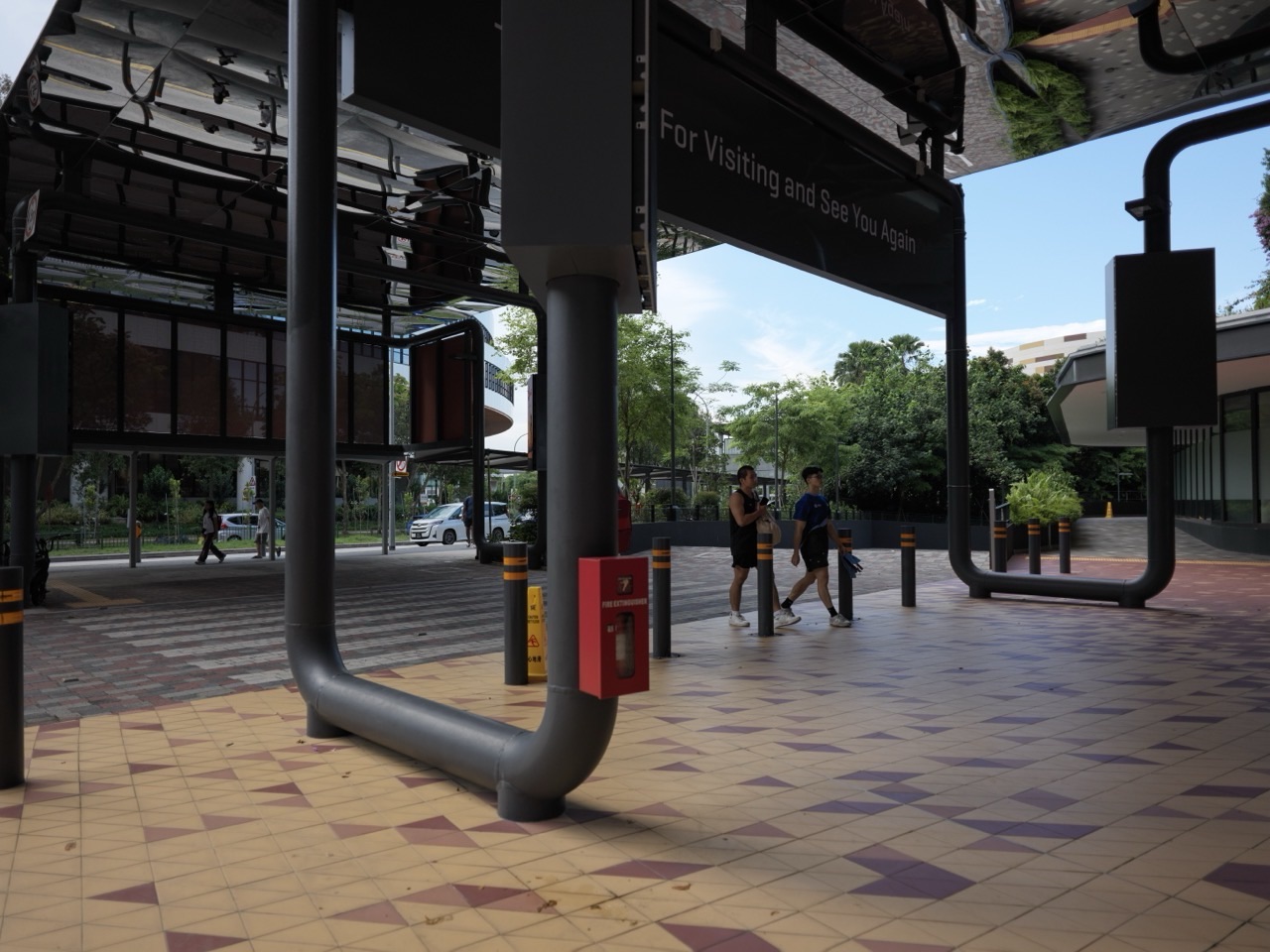
ActiveSG Punggol 2027/2028 for seniors: Punggol Sport Centre at 11 Sentul Crescent began phased public operations on 27 October 2026, bringing an ActiveSG gym and selected sports facilities nearer to many residents. The official Active Health directory also lists a Punggol Sport Centre lab at #B1-01. For older adults, the useful choices include appropriate strength activity, balance practice, gentle sport and ordinary neighbourhood walking—not a promise that every planned sports space is open.
This guide helps Punggol residents and caregivers find a sustainable, accessible activity for 2027 and 2028. It explains Singapore’s healthy ageing exercise guidance, how to approach the public gym, what to ask about accessibility, which safety signals matter and how to check changing fees. Services, programme schedules and admission rules must always be verified for the actual date rather than assumed from opening-week promotions.
- Address: 11 Sentul Crescent, Singapore 828656; phased sports-centre operations began October 2026.
- Public gym: check live ActiveSG hours, crowd information and admission rules.
- Active Health: an official Punggol Sport Centre lab is listed at #B1-01; confirm appointment availability.
- General activity guidance: aerobic movement, appropriate strength work and balance practice, built up safely.
- Accessible visit: verify step-free approach, changing, toilets, equipment and support for the intended space.
- Safety: ask a health professional about individual conditions; stop for concerning symptoms.
- Costs: check current age and citizenship concessions instead of relying on October 2026 rates.
- 2027–2028: preserve a routine that fits health, mobility, company, weather and transport.
A new gym is only useful if someone can enter comfortably, understand the activities and return without unnecessary difficulty. We begin with the realities of older adults’ daily lives, then connect these to the public facilities and programmes that may help.
This article is general education, not individual medical advice. Where suitability is uncertain, consult an appropriate healthcare professional; for programme access and prices, the official operator’s current terms take precedence.

What seniors in Punggol can actually use
ActiveSG Punggol Sport Centre at 11 Sentul Crescent began a phased soft opening on 27 October 2026, so older residents now have a local public-gym option and selected bookable sports spaces. That is a practical change for anyone who previously travelled to Sengkang or farther for strength exercise. The whole development did not open every swimming and stadium feature at once, however; a senior planning a particular activity should confirm the named facility rather than rely on a headline about the overall centre.
SportSG’s official Active Health directory also lists an Active Health Lab at Punggol Sport Centre, #B1-01. A directory listing is useful, but it does not confirm that every service or appointment type is immediately available on every day. The lab’s purpose is different from a casual gym: the Active Health initiative supports people seeking guidance about physical activity, health and lifestyle.
A sensible first question is therefore whether the person wants a gym visit, advice about suitable activity, a class, a sociable sport or a free neighbourhood walk. These may complement one another, but they have different entry arrangements, prices and accessibility needs.
Active ageing is about daily function, not looking athletic
Older adults often decide to begin exercise because daily tasks feel less easy than before: carrying groceries, rising from a chair, walking to the LRT, moving around a market or playing comfortably with grandchildren. These everyday goals are worthwhile in themselves. A fitness plan should not have to resemble a professional athlete’s programme to be useful.
Singapore’s HealthHub describes healthy ageing activity as a blend of aerobic exercise, muscle-strengthening work and balance practice. A person who walks frequently but struggles to stand from a low chair may benefit from attention to leg strength; another person who is strong but unsteady on uneven ground may need appropriate balance work. The right mix changes with capability and health history.
Write one meaningful objective such as ‘walk to One Punggol without having to stop too often’ or ‘feel steadier when standing up’. The purpose is to improve quality of life, and progress can be gradual rather than spectacular.
Understand the national physical activity guidance
Singapore physical activity guidance for adults aged sixty-five and older recommends approximately 150 to 300 minutes of moderate-intensity aerobic activity weekly when appropriate, muscle strengthening on at least two days, and multi-component activity emphasising functional balance and strength on at least three days. These are population-level targets, not an order for someone who has been inactive to start at the maximum next Monday.
Moderate effort often means the person can still speak in short phrases without being able to sing comfortably. The amount suitable for an individual depends on medical conditions, mobility, past exercise and current comfort. People returning from illness or living with chronic health conditions may need professional guidance about a safe starting point.
Break movement into realistic pieces. A short daily walk, carefully chosen resistance activity and simple supervised balance work can be easier to maintain than one exhausting weekend workout. Safety and consistency matter more than completing a number on a chart.
The first visit to Punggol ActiveSG Gym
A new public gym can feel intimidating to someone who has never used a resistance machine. The most useful first visit may simply be learning the layout, locating suitable equipment, reading the posted rules and asking about orientation or appropriate guidance. There is no need to lift heavy loads merely because other users are doing so.
Plan transport before the visit, wear comfortable exercise clothing and stable footwear, and bring a water bottle. Check the current ActiveSG gym admission rules and live crowd level. Introductory free entry at Punggol ran from 27 to 31 October 2026 and should not be advertised as continuing through 2027 or 2028 without a new official notice.
A first session can be deliberately short. Understanding how to adjust a machine and safely enter and exit a seated position may be a more meaningful achievement than trying six unfamiliar exercises without instruction.
Strength training after sixty: start with movement quality
Muscle-strengthening exercise is not reserved for young adults. Appropriate resistance work can help older people preserve the strength needed for ordinary activities. The key is controlled technique, suitable loads and a level of challenge matched to the person. If a movement causes sharp pain or dizziness, that is not evidence of a productive workout.
Consider a resident who wants to carry groceries with less discomfort. A professional may suggest relevant leg, grip and upper-body exercises, beginning at manageable resistance. The resident should learn posture, breathing and machine adjustment before increasing difficulty. A beginner does not need to copy the weight stack used by someone with years of training.
Where health conditions or past injury make exercise choices uncertain, seek advice from a clinician or qualified exercise professional. The general information in this guide does not prescribe an individual medical rehabilitation programme.
Balance deserves its own plan
A person can walk briskly and still have difficulty maintaining balance when turning, stepping over an obstacle or changing direction. Balance is not merely a side effect of better cardio fitness. It should be practised deliberately through appropriate, progressively challenging movements, ideally with stable support when needed.
HealthHub’s senior activity material includes examples such as assisted balance work, side leg raises and careful single-leg standing. These are illustrations of movement types, not a licence for someone at risk of falling to practise unsupported. An older adult who feels unsteady may need supervision and a personalised assessment before attempting such tasks.
Think about the actual surroundings: a wet bathroom floor, a crowded escalator, the edge of a kerb or a busy LRT platform. Improving confidence in these environments is a more concrete aim than an abstract balance score.
Walking as the low-friction foundation
One advantage of Punggol is that a resident can build activity around ordinary trips near the waterway, One Punggol, neighbourhood shops and the Sport Centre. Walking has no court booking requirement and can be adjusted for time, weather and company. That makes it a useful foundation even for residents who also use a gym.
Choose a familiar route with safe crossings, places to rest and access to water or toilets when needed. An older resident could start with a ten-minute walk after breakfast and gradually extend it if comfortable. Another might prefer a social stroll with a neighbour rather than a timed fitness target.
Shared paths belong to walkers, cyclists and other legitimate users, so keep to the appropriate side and avoid stopping suddenly across a busy route. During haze or severe heat, use official advisories and consider a safer indoor alternative.

Chair-based movement is a legitimate alternative
Not everyone can comfortably attend a gym or walk at speed. HealthHub offers seated and chair-supported exercise examples for people who need a more approachable starting point. Gentle marching while seated, appropriate arm movement or a carefully performed sit-to-stand can be meaningful activities depending on the person’s ability.
The important point is that exercises must be suitable. A lightweight chair that slides, a narrow space filled with loose mats, or a movement attempted while feeling faint can create unnecessary risk. A sturdy support surface and clear walking space are more important than fashionable workout equipment.
For people with significant disability, recent surgery, high falls risk or complex medical conditions, individual advice is appropriate. A home exercise suggestion on a public page cannot establish what is safe for a particular person.
Exercise and long-term health conditions
Many older adults live with conditions such as hypertension, diabetes, arthritis or heart disease and still want to remain active. The presence of a diagnosis does not automatically rule out exercise, but it can change the intensity, timing or preparation needed. Medication, symptoms and personal medical history may also matter.
A resident who takes medication affecting blood pressure should not choose an unfamiliar high-intensity gym circuit simply because friends are participating. Someone managing diabetes may need a plan for meals, medication and activity. These are questions to discuss with a suitable healthcare professional, not with an unverified social-media trainer.
HealthHub advises people to stop exercising and seek help for concerning symptoms such as chest pain or pressure, marked dizziness or severe joint pain. In a medical emergency in Singapore, call 995. There is no value in finishing a workout at the expense of safety.
What an Active Health Lab can help you investigate
SportSG’s Active Health programme promotes health and fitness literacy and lists labs around Singapore, including the location at Punggol Sport Centre #B1-01. For a resident who does not know where to begin, checking the lab’s current offerings can be more useful than buying a long gym membership without guidance.
Do not assume a lab visit automatically includes a medical diagnosis, a full rehabilitation assessment or a particular free service. The current appointment options, eligibility and any charges are determined by the programme operator. A health coach or exercise specialist and a doctor have different roles, and it helps to know which type of advice a question requires.
Prepare two or three practical questions: ‘What kind of movement suits my current ability?’ ‘How can I improve strength safely?’ and ‘Where can I learn to use basic equipment?’ Confirm appointment arrangements directly through the official Active Health channel.
A social sport can work better than an individual workout
Some seniors enjoy a gym, while others would rather have a friend to meet. Table tennis, an appropriate racket game, walking group or gentle organised activity can provide movement together with companionship. The social appointment itself may make participation more consistent over time.
Imagine two retired neighbours who meet weekly to play table tennis. They agree on a manageable duration, take breaks and value the conversation as much as the score. One person may be more experienced, so they adapt the pace to keep the activity enjoyable. This is a healthier pattern than pushing a partner into competitive effort they cannot comfortably manage.
Use MyActiveSG+ to find actual bookable table space where available. Group programmes, community clubs and Active Ageing Centres may have separate schedules and eligibility, so confirm the organiser rather than assuming everything at Punggol Sport Centre is run by ActiveSG.
Access matters before the first set or lap
A public facility can appear accessible in an artist’s impression while still presenting difficult last-mile details for someone using a wheelchair, walker or mobility aid. The useful questions are specific: where is the step-free entrance, which lift reaches the intended room, are there accessible toilets nearby, and is there seating to rest during the journey?
Contact SportSG about the particular gym, sports hall, court or Active Health Lab. A ramp to the building is only one part of an accessible visit; the relevant equipment, changing arrangements, noise levels and staff support may matter just as much. An older visitor with hearing difficulties may need clear written or visual directions.
Record the route after a successful visit so that future trips become easier. Do not publish an unsupported claim that every sporting area at the new development is fully operational or adapted for every disability.
Singapore’s disability sport pathways are broader than one building
Sport Singapore’s Disability Sports Master Plan aims to widen access and participation for persons with disabilities. ActiveSG Academies and Clubs also describes a Para Sport Academy covering sports including para badminton, para swimming, para table tennis, wheelchair tennis and other activities. These national initiatives are important, but their classes do not all take place at the same local venue.
A person with disability can have a strong sporting interest and still find a specific ordinary course unsuitable because of venue access, coaching support or equipment. The correct next step is an informed discussion with the programme organiser, not an assumption that generic membership creates an adapted place.
Check the current Para Sport Academy catalogue and contact the operator about the actual location, eligibility and enrolment. A supportive pathway is a verified programme, not a broad promise attached to a new building.
Getting there: Sam Kee, travel time and weather
Punggol Sport Centre’s location at 11 Sentul Crescent is close to Sam Kee LRT and SAFRA Punggol. Many residents may be able to use public transport or walk along a familiar neighbourhood route. Nevertheless, a quick journey on a map can feel very different for someone using a walking aid or recovering from illness.
Calculate the door-to-door trip rather than the station-to-building distance alone. Include the lift, road crossing, entrance, check-in and changing area. On hot days, reduce exposure where possible and bring water. If heavy rain makes a usual crossing difficult, a slightly longer sheltered route may be preferable.
Ask for a specific accessible route when needed. The nearby waterway promenade is pleasant, but it should not be treated as a compulsory long walking route for someone whose aim is to reach the gym safely.
A family can support independence without taking over
Adult children sometimes organise every part of a parent’s exercise plan with good intentions. That can be helpful for booking and transport, but the older person should still have a meaningful say in the activity. A routine chosen entirely by someone else may not continue after the first few visits.
Ask which form of movement feels enjoyable, what worries the person about the new centre and which days are convenient. Some residents would rather attend with a friend; others prefer quiet off-peak periods. A family helper can teach the online booking steps or save official bookmarks rather than retaining permanent control of the account.
Respect privacy when discussing health or mobility needs with staff. Share only the information required for suitable accommodation and safety, and do not give account passwords to untrusted third parties.
Concession eligibility and gym costs require current checks
ActiveSG has historically used age-based admission and concession categories for Singapore citizens and permanent residents. Contemporary opening reports for Punggol described discounted gym admission for students and older adults and a complimentary admission arrangement for eligible citizens aged sixty-five and above. These claims belong to the late-October 2026 tariff context, not an unconditional 2028 promise.
The relevant question for a resident is what they must pay on the planned visit, with their actual eligibility and pass choice. A monthly plan may be economical for someone visiting often and unnecessary for a person who exercises occasionally. Travel and time costs can outweigh a small difference in entry price.
Use the official ActiveSG rates and pass system, verify identity requirements and check for policy changes before payment. The expired opening-week free gym promotion should never be presented as a permanent local benefit.
Choose off-peak times for comfort, not just price
Many people think of off-peak admission only as a possible discount. For an older beginner, it may also mean less competition for equipment and a calmer environment for learning a new machine. Crowd levels can vary by weekday and season, so the official live crowd indicator may be useful.
Suppose a resident wants to learn a safe strength routine. A quiet morning could give more time to read equipment instructions and ask an appropriate question, whereas a busy evening may feel hurried. Someone who enjoys companionship might choose a moderate group period instead. There is no universally best time.
Check the actual operating hours and class calendar, not just a general building notice. Arrive with enough time to orient yourself, especially if using public transport or mobility assistance.
Warm-up, recovery and gradual progression
Beginning exercise at a new centre can feel motivating, but a good routine should start at the level the person can manage now. Warm-up helps people approach movement gradually; rest and recovery help them adapt. The right amount of challenge should allow sound technique without concerning symptoms.
A resident returning after an inactive year might start with comfortable walking and supervised resistance practice, then review how they feel the next day. It is rarely necessary to double exercise duration simply because one session was easy. Changes in effort should be small, purposeful and appropriate to individual health circumstances.
Keep a simple note of activities, comfort and any issues that need advice. If symptoms persist or movement causes sharp pain, stop and consult a qualified professional instead of pushing through.
Prevent avoidable falls around the facility
Many falls are associated with ordinary circumstances such as slippery shoes, uneven surfaces, poor lighting and rushing. A sports venue introduces wet changing areas, busy circulation paths and equipment that may be unfamiliar. Preventing risk begins with attention to the route and footwear rather than a dramatic exercise programme.
Arrive early enough to avoid running to a booked session. Use handrails where appropriate, keep mobility aids close, and report spills or damaged walking surfaces to staff. If a resident needs assistance moving from wheelchair to equipment, obtain suitable guidance rather than expecting an untrained friend to improvise a transfer.
At home, HealthHub recommends regular strength and balance activity together with practical fall-prevention habits. These complement one another: exercise can improve capacity, while a safer environment reduces unnecessary hazards.
Why programmes must suit hearing, vision and cognition
Accessibility is not only about stairs. A visually impaired visitor may need clear wayfinding and assistance locating equipment; someone with hearing loss may rely on written instructions; a person with cognitive differences may feel safer with a predictable session structure. Large facilities can be noisy or confusing even when they appear architecturally modern.
Before a new programme, ask the organiser how the session communicates instructions and what supports are available. A quiet introduction or a companion’s assistance may be helpful, but each person’s preferences differ. The goal is participation with dignity and choice rather than assuming the same solution works for everyone.
ActiveSG’s inclusive sport initiatives provide a starting point for enquiries; availability at Punggol must still be confirmed. Discuss actual needs rather than labelling a person by age alone.
When exercise should remain social rather than competitive
Competition can be enjoyable at any age, but it is not a requirement of active ageing. A senior might prefer a relaxed game where partners agree to take breaks, use gentler rallies and adapt rules. Such arrangements still involve skill, attention and movement without demanding tournament-style intensity.
Consider a neighbourhood table tennis group with several ability levels. A friendly rotation gives more people a turn and prevents one pair from monopolising the table. Clear booking etiquette and respect for paid session boundaries help the group return peacefully each week.
Choose sports that suit personal comfort and capability. Someone with a medical restriction should not participate in a strenuous match simply to avoid disappointing friends. Having an alternative role or less demanding activity keeps the social connection intact.
Build a realistic first-month plan
A well-designed first month is deliberately modest. Week one may involve visiting the facility, learning the route and asking about safe equipment use. Week two might include a short, appropriate guided session. Weeks three and four can repeat what worked, adding a small amount of challenge if the person feels comfortable and has no contraindications.
Schedule in advance but keep room for medical appointments, family commitments and days of fatigue. Use the same transport route where practical, and build a habit around an enjoyable cue such as meeting a friend for breakfast afterwards. This makes physical activity feel like part of daily life rather than a separate obligation.
Review functional outcomes: is walking more comfortable, is the person more confident entering the gym, and does the routine feel sustainable? Do not overinterpret a single measurement or treat an unavoidable missed session as failure.
What a caregiver should document
Family members and caregivers may find it helpful to write down the correct venue address, a safe transport route, admission method, emergency contact, and any assistance the resident wishes to receive. This can prevent confusion when care responsibilities are shared among relatives, helpers or neighbours.
Documentation should remain respectful and proportionate. A simple note such as ‘meet at the level-one reception fifteen minutes before the session’ is useful; an unnecessarily detailed public record of someone’s health history is not. Where a programme needs medical information, provide it privately and through the organiser’s accepted process.
After the first visit, update the note with what actually happened, including changed entrances or lift routes. A reliable repeatable trip is one of the greatest practical benefits of having a sports facility closer to home.
The 2027 test: does the routine actually work?
By 2027, the important success of Punggol Sport Centre will not be its first opening announcement but whether local residents can use the right spaces conveniently. For an older adult, a good routine requires a safe journey, understandable booking process, welcoming environment and activities that remain suitable over time.
A national announcement may describe more services than any one individual needs. Avoid spending money on classes that do not align with personal goals simply because they are now nearby. A weekly walk supported by occasional gym guidance can be an excellent outcome for one person; another may thrive in a sociable group programme.
Check official operating details and programme availability periodically. If a particular swimming area or specialist class is not yet accessible, find a verified alternative instead of assuming that a future opening date has already been fixed.
The 2028 test: independence, continuity and inclusion
As the centre becomes an established part of Punggol life, families should ask whether participation has become easier, not just whether the venue is impressive. Older residents’ needs can change over two years. A suitable class may need to become gentler, a mobility route may need adaptation, or a person may gain confidence to try a new activity.
Review programmes annually, confirm current concessions and discuss comfort, safety and enjoyment. People with disabilities should be able to ask detailed questions about access without being sent back to generic marketing pages. When an access issue is identified, a specific enquiry to the operator can lead to a useful practical answer.
The long-term principle is simple: good sport facilities help people live the lives they want. The best outcome may be a stronger walk, better balance, friendship or the quiet confidence of returning next week.
Frequently asked questions
Where is ActiveSG Punggol for seniors?
Punggol Sport Centre is at 11 Sentul Crescent, Singapore 828656, near Sam Kee LRT and SAFRA Punggol. Check the exact facility entrance and any accessible route before visiting.
Is there an Active Health Lab in Punggol?
The official Active Health directory lists a lab at Punggol Sport Centre, #B1-01. Check current appointment services and availability directly with Active Health.
Are seniors allowed to use the ActiveSG gym?
Yes, subject to current admission, safety and eligibility rules. Ask for guidance if you are unfamiliar with equipment, and seek clinical advice where health issues make exercise suitability uncertain.
Is gym entry always free for everyone aged 65 and above?
No blanket promise should be made for 2027 or 2028. Verify the current Singapore-citizen eligibility, identity rules and tariff directly with ActiveSG.
How much exercise do older adults need?
Singapore guidance gives 150–300 minutes of moderate aerobic activity per week, suitable muscle strengthening and balance-focused movement, but individuals may need a gradual or medically tailored starting level.
Can people with disabilities join sport programmes?
SportSG supports inclusive and para-sport programmes, but each actual session has its own venue, equipment, coaching and eligibility conditions. Ask about the specific offering.
What symptoms mean someone should stop exercising?
Stop and seek appropriate medical help for concerning symptoms such as chest pain or pressure, severe dizziness or serious joint pain. For emergencies in Singapore call 995.
What if the gym is crowded?
Check the latest crowd information, consider a different operating period and use other appropriate activities rather than rushing to use equipment without safe technique.
Official sources and linked local guides
- Active Health Lab directory including Punggol Sport Centre
- MyActiveSG+ current gym admission and facility booking
- HealthHub: keeping active after fifty
- HealthHub: chair-based movement suggestions
- HealthHub: fall prevention
- SportSG Disability Sports Master Plan
- ActiveSG Academies and Para Sport Academy
- ActiveSG facility closure notices
- ActiveSG Punggol: existing gym and pass guide
Editorial review: 1 November 2026. Official Active Health lab listings were checked; services, accessible arrangements and future 2027–2028 tariffs must be verified for each visitor. Health and exercise recommendations are general and do not replace individual advice.


