
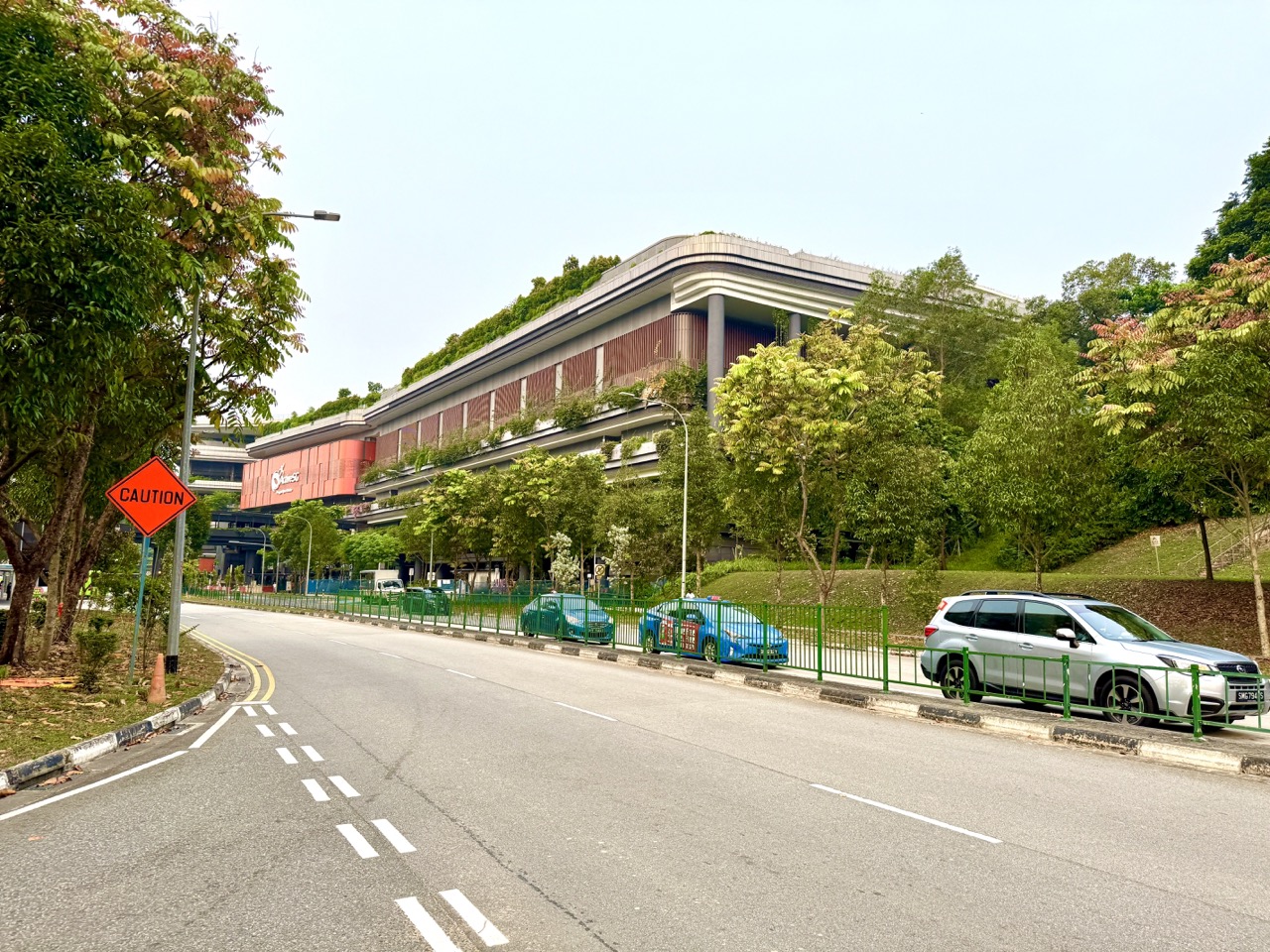
ActiveSG Punggol insurance in 2027/2028: an ordinary public gym pass or sports-court booking at Punggol Sport Centre is not automatically a comprehensive personal accident insurance policy. SportSG publishes facility conditions covering admission, participant responsibilities, damage and liability. Whether a particular sports injury is insured or gives rise to a claim depends on the actual policy, agreement and circumstances.
Punggol Sport Centre at 11 Sentul Crescent began phased operations on 27 October 2026. SportSG’s facility rules explain important terms, while its Active Care FAQ confirms that the former Great Eastern policy was no longer available for purchase through the old ActiveSG app. Neither source means every current ActiveSG visitor has insurance. This guide explains what to verify and how to distinguish an emergency, an incident report and a potential claim.
- Venue: Punggol Sport Centre, 11 Sentul Crescent, Singapore 828656
- Booking: ordinary gym or court payment does not automatically provide a separate personal accident policy
- Contracts: read current SportSG conditions; legal enforceability is a case-specific matter
- Cover types: personal accident, health insurance, public liability and professional indemnity serve different purposes
- Active Care: historical Great Eastern app purchase route was discontinued; check actual policy holders with the insurer
- After injury: seek appropriate medical assistance first, then preserve relevant factual records
- Claims: confirm insurer, covered activity, exclusions, limits and deadlines
- 2027–2028: recheck insurance and venue terms; do not rely on old promotions or assumed protection
The useful question is not simply whether someone is ‘covered’. It is which named policy, if any, applies to the person, activity and date, and what that document actually says.

Definition lock: admission, insurance and liability are different
Buying entry to a public gym or renting a badminton court establishes a right to use the facility under applicable rules. It does not automatically purchase a personal accident insurance policy, grant a comprehensive medical benefit or settle responsibility for every possible injury. Insurance, contractual conditions and legal liability are related but separate questions.
An accident can involve a participant’s personal health cover, a private coach’s arrangements, a school or event policy, and the venue’s own contractual terms. Which, if any, applies depends on the people, event and written documents.
Families should not infer complete protection from an ActiveSG receipt. Ask whose policy exists, what it covers and how a real incident should be reported.
Punggol Sport Centre is a public facility
Punggol Sport Centre at 11 Sentul Crescent began phased operations on 27 October 2026 with a public gym and selected courts. Its other planned amenities followed separate operating and booking conditions. Access to an actual available room is governed by the SportSG rules and admission product applicable on the visit date.
The nearby SAFRA Punggol clubhouse at 9 Sentul Crescent is separately managed. A membership or insurance product advertised through one organisation does not automatically transfer to the other just because visitors can walk between the buildings.
Save the correct operator, facility, date and receipt. This helps determine which terms apply if a question arises afterward.
The official ActiveSG rules include liability terms
SportSG publishes admission, safety, prohibition and indemnity conditions in its Rules and Regulations document. It addresses personal belongings, participation fitness, damage to property and injury liabilities. The document should be read as an actual set of terms rather than paraphrased as ‘all users automatically receive insurance’.
Some clauses refer to waivers and exceptions, including wording about gross negligence. The legal effect of a clause in a particular dispute can depend on applicable law and circumstances; a blog cannot declare every waiver fully enforceable or legally ineffective.
Read the current terms and obtain qualified legal advice where a significant claim or rights question arises. Never substitute a marketing summary for the actual contract.
A waiver is not an insurance certificate
A liability waiver may address the allocation of certain risks and responsibilities under a contract. An insurance certificate identifies a policy issued by an insurer, with stated parties, coverage, exclusions and dates. One does not automatically prove the existence of the other.
A parent signing a permission form for a child’s sports class should not conclude that a signature means injuries will be paid for. Similarly, a person purchasing a gym pass should not infer that the venue has agreed to reimburse every possible medical bill.
Ask to see the relevant policy information and determine whether the participant is an insured person. Questions about legal responsibility require separate consideration.
Personal accident insurance has defined benefits
Personal accident policies may provide benefits for specified accidental injuries, disability or death under their conditions. The amount, eligibility and covered activity depend on the exact wording. A policy might cover some recreational sport while excluding other activities or competition levels.
Two policies with similar marketing names can have very different rules. It is not responsible to quote a universal payout or tell every ActiveSG user that a sports injury guarantees compensation.
Check the actual insurer, policy period, insured person, covered activity and exclusions. A claim should follow the insurer’s stated procedure.
Medical insurance may be another layer
An individual’s health insurance arrangements can be separate from personal accident cover. Some policies concern hospital bills or specified treatment, while accident benefits may have a different structure and proof requirements.
A person with employer insurance, MediShield Life or a private plan should not assume every sports-related outpatient consultation or rehabilitation expense is reimbursable. Coverage depends on the policy and the circumstances, not simply the injury having occurred during recreation.
Seek appropriate medical care first, then contact the relevant insurer or adviser for an accurate explanation of available cover.
Public liability is not the same as covering every player
Public liability arrangements generally relate to certain legal liabilities owed by an insured party to others, under their policy conditions. That is different from a personal accident benefit payable to an injured participant regardless of fault.
A sports club may say it has liability insurance, but the claim should be interpreted carefully: who is the insured organisation, what activities are covered, and which exclusions or limits apply?
Do not treat a coach’s statement that an event is ‘insured’ as proof that all players have individual medical or accident benefits.
Professional indemnity is a different product
Professional indemnity insurance may respond to particular claims arising from specified professional services, depending on the terms. It is not a universal substitute for venue permission, personal accident insurance or ordinary public liability coverage.
A private coach might hold a professional policy while still needing proper authorisation to conduct paid lessons at a public ActiveSG facility. Insurance does not create permission to disregard SportSG’s commercial-activity rules.
Check the actual insured services, the trainer’s qualifications and the permitted venue use separately. A responsible provider should not rely on one vague insurance label.
What happened to Active Care by Great Eastern
ActiveSG’s official help page explains that the Active Care policy formerly listed in the old ActiveSG app was no longer available for purchase through that app from 15 June. It directs enquiries concerning existing policies to Great Eastern, the insurer.
This historical product should not be described as an automatic current benefit of every MyActiveSG+ member. A legacy app advertisement or an old screenshot is not evidence that a new Punggol gym admission now includes that insurance.
Someone who actually holds an existing policy should contact the named insurer and review its current terms. Other visitors should not assume the former purchase route is active.
The old ActiveSG app is not the current booking system
The previous ActiveSG mobile app was discontinued in 2024 and SportSG directs eligible users to MyActiveSG+ for current public bookings, passes and programmes. A user searching for an old insurance button may therefore encounter outdated instructions.
The difference between an old app product and a current public gym pass matters. A screen showing a policy from years ago cannot establish what a new transaction purchases in 2027 or 2028.
Use the official live service and read the actual product description. Do not enter payment details into unofficial sites claiming to restore historical pass or insurance functions.
A coach’s insurance claim needs precise details
Parents choosing paid coaching can ask whether the provider holds relevant insurance and which participants or activities it covers. A general claim of being ‘fully protected’ should be clarified, especially if lessons involve children or specialist equipment.
Useful information includes the insurer, policyholder, broad cover type, active period and the process for reporting an incident. Personal medical details should not be requested in a public group chat merely to ask about coverage.
Insurance and safeguarding are separate concerns. A well-insured coach should still use appropriate supervision and comply with venue rules.
A school event has separate responsibilities
Schools and education providers may have their own activity risk management procedures and insurance arrangements. Those cannot be assumed from a family’s ordinary ActiveSG court booking or a public news item about the Sport Centre.
A teacher planning a group outing should confirm school approval, legitimate venue use, qualified instruction where relevant, appropriate supervision and any actual policy that applies to participants. The budget may include transport or external providers.
Do not publish a universal claim that all children attending any Punggol sports event are insured automatically. Check the actual school or organiser terms.
Corporate sports require written arrangements
An employer organising a formal tournament or team-building event may need a different facility hire and insurance arrangement from ordinary individual recreation. SportSG’s corporate rates and venue terms are relevant, but they do not themselves certify a particular event’s liability coverage.
An HR manager might need to check whether a contractor supplies instruction, whether a hall is approved for exclusive use and what policies cover the actual activities. Event scale and risk can affect the answer.
Use a real quotation and written terms. Do not build an event plan on an assumption that public gym admission covers every participant and vendor.
What if a participant damages equipment
SportSG’s facility terms address damage to equipment and property caused during usage. This is one reason to respect instructions, avoid modifying machines and report broken items promptly. A damaged apparatus can become a safety hazard for the next user.
Whether a person owes compensation for a particular incident depends on facts and applicable law or contracts. It cannot be decided merely because a machine stopped working during a session.
Report what happened accurately and obtain appropriate guidance. Do not try to hide a defect or repair public equipment without permission.
Lost personal belongings are another category
Sports bags, phones, keys and rackets can be misplaced during an outing. The ActiveSG rules address personal property and locker removal, but they do not mean the operator offers unlimited compensation for everything left in a changing room.
A family should keep valuable items secure and take everything away by the facility’s closing time. If an item goes missing, the venue’s lost-property procedure is distinct from a personal accident claim.
Do not confuse a missing phone with a sports injury insurance event. Different factual reports and possibly different coverage types may apply.
An incident report is not a diagnosis
An incident report can describe time, place, participants, visible circumstances and who was notified. A medical diagnosis is made by a qualified healthcare professional. An organiser should not insert unsupported claims about a person’s condition into a report simply to complete paperwork.
Likewise, a coach’s belief that an accident was someone else’s fault is not definitive legal evidence. Different accounts and circumstances may require careful review.
Record direct observations truthfully and preserve relevant correspondence. Use medical professionals for health assessment and qualified advisers for legal or insurance interpretation.
Emergency care comes before claims processing
If someone has life-threatening symptoms during sport, SCDF emergency medical services can be contacted on 995. It would be unsafe to delay urgent care while a group checks membership cards or attempts to find an insurance helpline.
For less urgent situations, the participant should seek appropriate medical advice according to actual symptoms. Emergency staff and healthcare professionals are responsible for clinical decisions, not gym billing systems.
Only after immediate safety is addressed should the family begin gathering information required by an insurer or event organiser.
Keep essential receipts and correspondence
A real claim may require documents such as the policy, event confirmation, receipts, medical notes or official reports, depending on the insurer’s rules. Saving these records can reduce administrative confusion without assuming that a payment is guaranteed.
People should handle sensitive medical information privately and send it only through authorised channels. Publicly posting a hospital bill to pressure a sports group can expose the injured person unnecessarily.
Ask the actual insurer for its required documents, deadlines and submission method. An article cannot supply a universal claims form.
Watch out for reporting deadlines
Insurance contracts often set time limits for notification or submission. A person who is injured may spend time recovering and overlook the administrative part. The right deadline comes from the actual policy, not from another family’s experience.
An organiser can help the participant identify the correct insurer and contact point without demanding all medical details. If there is a serious disputed claim, qualified professional advice may be needed.
Do not promise a claim will succeed because it was reported quickly. Timely notification is one procedural issue among many.
Competition and training exclusions may differ
An insurance policy might distinguish casual recreation, organised competition and particular higher-risk activities. A participant who joins an event can therefore face different coverage conditions from someone casually playing a friendly game.
The existence of a booking at Punggol Sport Centre does not answer how a private insurer classifies an activity. A national championship, coached session and ordinary public court rental should be described accurately when making an enquiry.
Ask the insurer and organiser about actual covered activities before participation where needed. Do not assume every sport or competition has equal coverage.
Children’s policies need age checks
An insurer or sports programme may use age-related terms, parental consent or school-specific arrangements. A parent should verify the child’s status under the real product rather than treating an adult policy as transferable to every family member.
A child’s coach should also explain supervision and emergency communication. Insurance cannot compensate for poor safeguarding or a failure to follow basic facility rules.
Keep the parent’s contact details accurate through the organiser’s private registration system. A legitimate claim should not require posting a child’s identity on social media.
Visitors and foreign residents may have different cover
A tourist or foreign resident can have different insurance, healthcare and ActiveSG admission circumstances from a Singapore Citizen or Permanent Resident. The relevant policy may have territorial, residency or activity-related restrictions.
An overseas travel insurance policy is not automatically a substitute for a local sports personal accident plan, and a locally issued policy may not protect every temporary visitor. The answer depends on the insurer and contract.
Ask about the actual person’s eligibility and activities. Do not present one visitor’s premium or benefit as a universal Punggol rate.
What a policy exclusion means
An exclusion identifies circumstances in which a policy may not pay, subject to its wording and other terms. Sport-specific exclusions might depend on competition, deliberate acts, particular hazards or medical conditions. The precise list varies across products.
A person can misunderstand a short marketing summary because exclusions often appear elsewhere in the contract. That is why a responsible review needs the full current policy rather than a sales poster.
Where the meaning is unclear, ask the insurer or appropriate adviser before making an expensive commitment. Do not guess from an unrelated product’s exclusion list.
Understand coverage limits and excesses
Even where a type of injury is covered, a policy can have limits, deductibles, excesses or sublimits that affect the amount payable. A headline benefit maximum is not a guarantee of reimbursement for every bill.
A family comparing policies should identify which expenses matter to them and whether the actual contract includes those expenses. An insurer can explain how a stated deductible applies without requiring the family to predict a future injury.
Read the document’s definitions and ask clear questions. The objective is realistic understanding, not finding an advertisement with the largest number.
The venue’s general waiver is not a complete legal answer
SportSG’s posted terms contain limitations of liability and other conditions. A reader might be tempted to declare that signing the terms means the operator can never be responsible for any harm, or conversely that the clauses have no legal effect. Neither conclusion should be made from a brief excerpt alone.
Singapore law, the contractual wording and the circumstances of a particular event can matter. Questions about enforceability, negligence and compensation require competent legal consideration where relevant.
Report the actual wording carefully and direct serious individual disputes to appropriate qualified advice. A public guide should not promise a lawsuit outcome.
Personal safety still matters when insured
Insurance can help manage certain financial consequences, but it does not remove the need for appropriate exercise, venue rules and supervision. A person should not undertake dangerous movements because they believe an insurer will pay for injuries.
SportSG’s gym rules include equipment handling and appropriate footwear, while pool rules contain separate restrictions. Users should read those rules and follow staff instructions.
Preventing avoidable harm is preferable to pursuing a payment after an incident. Safe sport and responsible cover work together.
How to compare two policies responsibly
A meaningful comparison begins with intended activity, eligible people, insured events, exclusions, policy period and claims process. Then consider whether duplicate existing cover provides value or whether there are gaps worth discussing with a professional.
A low premium cannot be judged alone, and a more expensive policy is not automatically the best choice. Some products may contain terms that are irrelevant to the person’s actual sport.
Use official insurer documents and qualified advice when needed. This article does not recommend a particular policy or make a personalised financial decision.
What to verify in 2027
Punggol Sport Centre may have added public amenities by 2027, and ActiveSG’s terms or available insurance-related products could change. A future-year guide should recheck the actual contract, venue, activity and insurer rather than rely on a screenshot from 2024 or the 2026 soft opening.
Where a new coach or event organiser is involved, ask again whose insurance applies. An existing sports club’s general statement may not cover every added activity.
Keep dated information and verify real documents. Accurate detail is more useful than a blanket promise of ‘full protection’.
What to verify in 2028
By 2028, a family may have changed insurer, children may be older and the sports activities may be different. Coverage should be reviewed against the actual new circumstances rather than automatically carried over from an earlier event.
Check any updated SportSG facility conditions and the insurer’s current products. The historical discontinuation of Active Care purchases through the old app does not establish what a different insurer may offer now.
The important question remains: what policy, if any, covers this person doing this activity on this date? Seek a precise answer before making claims about financial protection.
The first five minutes after an injury
When an incident happens, participants should first establish whether urgent help is needed. Severe or life-threatening symptoms require the appropriate emergency service rather than a debate over insurance. Venue staff can assist with location information and official procedures.
Friends may want to photograph receipts or ask who will pay, but the injured person’s safety and dignity come first. Do not obstruct responders or publicly speculate about cause and liability.
After immediate safety is addressed, accurate notes and the proper incident contact can help later administration. None of those steps guarantees a claim will succeed.
Why facts are better than blame
An incident record should distinguish what someone personally observed from what they later heard. Time, court or machine location, people notified and any available booking reference can be useful. Claims that another person was negligent are legal conclusions and may need further evidence.
A sports participant who was not present should not write an authoritative account based on a group-chat rumour. Families should also avoid publicly identifying children or sharing medical details while trying to establish what happened.
Report concerns through the responsible organisation and seek qualified advice where necessary. Accuracy protects everyone involved.
Court hirers and the limits of their booking
A person booking a badminton court may be responsible for following the actual terms and for conduct associated with its permitted use. However, the booking holder is not automatically the insurer of every friend who arrives, nor does a short online disclaimer resolve every possible liability dispute.
If the group intends to run a paid class or league, additional venue permissions and insurance questions may arise. A private coach’s contract and the public facility’s terms are distinct documents.
Before organising a larger activity, confirm the appropriate use and responsibilities. A clear agreement is much more helpful than assuming the ordinary reservation solves everything.
Insurance and medical privacy
Claim forms may require health documents, but this is not a reason to disclose an entire medical history to a group of casual teammates. An insurer or appropriately authorised adviser can explain which documents are necessary for the actual claim.
Parents should protect children’s records, and employers should avoid sending worker medical details through public team channels. Privacy obligations depend on the organisation and applicable law.
Use official secure processes. The desire to speed up reimbursement should not become an excuse to expose the injured person’s sensitive information.
A coach should explain incident procedures
A structured sports lesson should make clear who is responsible for safety, parent notification and reporting an accident. Parents can ask these questions alongside venue permits and safeguarding, without assuming a problem has already occurred.
An instructor may have relevant first-aid training, but this does not automatically make them a medical professional. They should follow appropriate emergency procedures and not promise to diagnose every injury.
Before enrolment, ask about the actual provider’s process and any stated insurance. Clear procedures improve confidence without guaranteeing that every risk is eliminated.
Some problems are not insured accidents
A damaged racket, a stolen phone, an unsuitable training programme and a medical injury are different kinds of events. They may involve separate venue rules, insurance cover or consumer rights questions. A general phrase such as ‘claim on insurance’ is not a complete solution.
For example, an ordinary personal accident plan is not necessarily designed to reimburse a missing wallet. A venue’s lost-property process may be the appropriate first step, while serious theft may require other reporting.
Identify the actual type of loss and follow the appropriate channel. Do not treat all disagreements as medical or accident claims.
The importance of choosing an appropriate adviser
A clinician helps assess injuries and treatment. An insurer explains policy terms and claims. A qualified lawyer may advise on liability or legal rights. The public sports-centre operator explains admission and venue rules. None of these roles should be casually substituted for another.
Someone can receive medical care and still have an unresolved contractual question, or hold an insurance policy without establishing another person’s legal responsibility. These processes may progress separately.
Ask the right professional the right question. A local sports guide is most valuable when it identifies these boundaries accurately.
Updating advice when the venue changes in 2028
By 2028, more Punggol sports facilities may be operating and SportSG may have amended its general conditions. Insurers may also offer new products, while policies purchased years earlier could expire or change at renewal.
A future-year article should not repeat a discontinued app insurance offer or assume every new programme carries identical protection. It should use real current terms and identify the activity being considered.
Keep dated references and verify policies before payment. The durable lesson is to check the real contract rather than invent guaranteed cover.
Frequently asked questions
Does ActiveSG gym entry include automatic injury insurance?
Do not assume so. The public pass is admission under venue terms, not proof that a separate personal accident policy has been purchased for the visitor.
Does signing a waiver mean I can never make a legal claim?
No simple conclusion follows from a brief clause. Contract wording, Singapore law and particular facts can matter. Seek qualified legal advice for a serious dispute.
Is Active Care by Great Eastern still sold on the old ActiveSG app?
ActiveSG’s FAQ states that the former policy stopped being available for purchase through the old app from 15 June and directs existing-policy enquiries to Great Eastern.
Can a private coach’s insurance cover every child?
Not automatically. Coverage depends on the insured persons, activities, exclusions and policy. Ask for specific applicable information before buying a course.
What if someone is seriously injured during a game?
Prioritise urgent help and appropriate healthcare. In a life-threatening emergency in Singapore, call SCDF on 995 and follow the dispatcher.
How do I submit an accident insurance claim?
Contact the actual insurer, check deadlines and required documents and follow its authorised claims procedure. A court booking alone is not a claims portal.
Who is responsible if gym equipment breaks?
The actual circumstances and relevant venue, contractual and legal rules matter. Report the defect accurately; do not independently decide liability or conceal damage.
Can a 2026 policy be assumed to cover 2028 activities?
No. Verify the policy period, renewal, named insured persons, permitted activities and current terms. An old advertisement is not proof of future coverage.
Official documents and related Punggol reading
- SportSG: ActiveSG Rules and Regulations, admission and indemnity clauses
- ActiveSG official answer: former Active Care insurance purchase via old app
- ActiveSG current help centre for passes, accounts and refunds
- SCDF myResponder and emergency location information
- SportSG corporate and organisation hire conditions
- SportSG Safe Sport responsibilities and athlete protections
- MyActiveSG+ live booking and admission products
- eduKatePunggol: emergency response and injury readiness
- eduKatePunggol: private coaching permission and venue rules
Your next step
Before paying for a sport, identify the actual provider and check its current terms. If insurance matters to you, find the real policy and read its covered people, activities, limits, exclusions and reporting process. Do not rely on a generic promise that a public pass makes every activity insured.
Editorial review: 1 November 2026. This is general information about public venue terms and possible insurance questions, not individual legal, financial or medical advice. Cover and enforceability depend on the documents and facts.


