
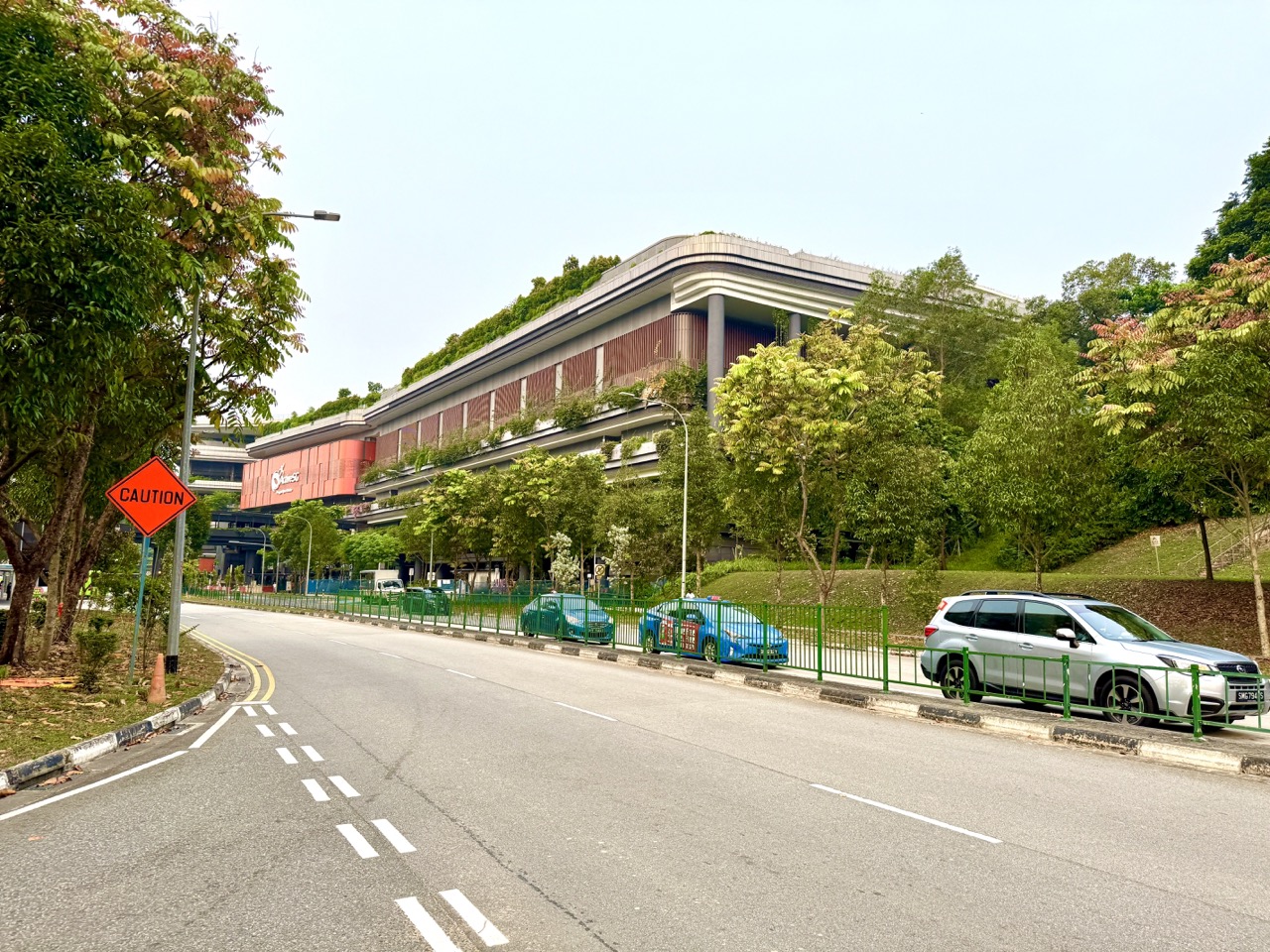
ActiveSG Punggol private coaching 2027/2028: a normal sports court booking or public gym pass is not automatic permission to sell lessons. ActiveSG’s published rules prohibit coaching, personal training, league operations and commercial activity without prior written approval. Parents should verify the instructor’s relevant professional credentials and that the actual venue permits the paid activity.
Punggol Sport Centre at 11 Sentul Crescent began phased operations on 27 October 2026. For swimming, SportSG’s SwimSafer guidance describes NROC registration and usage permits for eligible instructors. For fitness coaches, the NROC/NREP professional lookup can support verification. Credentials, commercial-use permission and genuine lesson availability must be checked separately.
- General rule: coaching and business use at SportSG facilities require prior written approval
- Location: Punggol Sport Centre, 11 Sentul Crescent, separate from SAFRA Punggol
- Qualifications: match NROC or NREP claims to the actual service and current professional status
- Swimming: check the relevant SwimSafer certification and usage-permit conditions
- Public bookings: a recreational slot is not automatically a licensed commercial lesson
- Children: verify age suitability, supervision, safeguarding and handover
- Fees: separate instructor payments from facility fees, with written cancellation terms
- 2027–2028: recheck venue operation, approvals and named instructors
This is a legal-venue and consumer-verification guide, not an accusation about any particular Punggol coach. The right route is to ask the operator and use accurate current registration records.

Definition lock: paying for a court is not permission to sell lessons
An ordinary ActiveSG booking gives a person the permitted use of a particular facility for a defined period. It does not automatically allow the booker to run commercial coaching, personal training or a private league. SportSG’s rules require prior written approval for such activity.
A parent may see a coach advertising badminton lessons at the new Punggol hall and think that a screenshot of a court reservation answers every question. It confirms neither the instructor’s suitability nor permission for the proposed business activity.
The correct enquiry asks who runs the programme, which venue is being used, how the coach is qualified, and whether the relevant operator has authorised that particular form of teaching.
Where the Punggol complex actually is
Punggol Sport Centre is at 11 Sentul Crescent, Singapore 828656. It began phased operations on 27 October 2026, with the gym and selected racket courts opening before every aquatic and specialist facility. Public use and coach access must be checked separately for the actual service.
SAFRA Punggol is nearby at 9 Sentul Crescent but follows its own operating and membership rules. A coach who rents space there has not automatically received permission to teach at the adjacent SportSG facility.
Before buying a lesson, ask the organiser for the exact building, room or sports area and the date confirmed by the operator. The broad phrase ‘Punggol sports hub’ is insufficient.
The exact ActiveSG written-approval rule
The SportSG Rules and Regulations explicitly list coaching, personal training, league operations and business activities among uses not permitted without prior written approval. The same section gives ActiveSG authority to stop unauthorised activity and void admission without refund. That is a substantive distinction from informal rumours.
An instructor might have held a regular sports court booking for several months, yet still need the correct business-use permission. Having already paid the public rental does not remove that question. Different activities may also have additional rules.
Ask the venue operator for the applicable authorisation process. Do not assume the absence of a ‘coach’ checkbox on an ordinary booking screen means permission is granted.
What NROC confirms and what it cannot
The National Registry of Coaches is an initiative associated with Sport Singapore’s coaching standards. It helps parents and organisers identify relevant coach registration. A current listing can support an instructor’s professional credentials but is not identical to approval to conduct lessons at every public venue.
A coach registered in one sport is not automatically qualified for a different sport or age group. A former competitive athlete may also have sporting experience without providing clear evidence of current coaching registration or suitable child supervision.
Check the correct sport and active status, then verify venue permission independently. Two separate checks provide more useful evidence than relying only on a certificate photograph.
What NREP means for fitness instruction
SportSG’s National Registry of Exercise Professionals is a separate initiative aimed at professionalising fitness practice. Its public directory can help users search for registered exercise professionals, although individual listings depend on the professional’s current status and published-profile arrangements.
A personal trainer may advertise strength sessions at a public gym. Even if that trainer’s exercise-professional credentials are current, the proposed commercial session still needs to comply with ActiveSG’s location and business-use rules.
Ask which relevant registry covers the claimed service and confirm the real authorisation. Do not confuse an impressive qualification with a universal public-facility access pass.
How SportSync helps with verification
SportSync provides a formal environment for current exercise-professional and coaching registration. When an instructor claims a particular NROC or NREP status, the appropriate current directory is a stronger starting point than a reposted social-media biography.
An absent profile does not by itself prove a person is unqualified, because publishing choices and administrative issues can affect what is visible. The provider should still be willing to help a customer understand the claimed accreditation.
Respect privacy: request only appropriate verification and do not circulate personal identity documents. For uncertainties, contact the recognised governing organisation instead of making public allegations.
SwimSafer coaching has a named permit route
SportSG’s SwimSafer 2.0 page describes a usage-permit process for instructors teaching approved swimming programmes at ActiveSG complexes. It identifies current NROC registration, appropriate SwimSafer certification and a valid permit among relevant prerequisites for specified coaching routes.
A teacher’s ordinary public swim admission is not the same as a permitted commercial lesson. SportSG also describes a separate corporate booking route for certain non-SwimSafer coaching arrangements, rather than treating every class as an informal use of a public lane.
Read the current official provider guidance for the exact activity. A permit issued for one programme should not be assumed to cover every other venue or sport.
The swimming complex cannot be inferred from a gym opening
The new Punggol development includes a planned swimming complex, but its public operation was not established by the late-October 2026 gym soft launch. A swim-school advertisement for future classes does not prove that an operating lane has been allocated or a qualified instructor is present.
Families should distinguish advance expressions of interest, confirmed enrolment and real pool access. A payment request may describe a programme that will only be possible after separate opening and permit conditions are met.
Before a swimming lesson, check the venue operator’s current listing, the provider’s permitted lane use and the actual class date. Do not substitute an artist’s impression for a booking confirmation.
SwimSafer certification and a recreational taster
SwimSafer is a structured national water-safety education programme. A short recreational swim taster can introduce a child to water under suitable supervision, but it should not be advertised as delivering a recognised SwimSafer stage unless the programme and assessment meet the appropriate requirements.
Parents sometimes see a coach describing a class as ‘water confidence’ and assume that the child will automatically receive a national water-safety certificate. These are different products and should be evaluated separately.
Ask the provider what learning outcome, supervision and documentation are actually included. Honest descriptions reduce disappointment and help families choose the right level.
Personal training in a public gym
A gym pass provides entry under current terms, not an unrestricted right for a third-party trainer to use shared machines as a commercial studio. ActiveSG’s written-approval rule specifically includes personal training and business activities conducted within its facilities.
A beginner might want guidance with unfamiliar equipment, and professional instruction can be useful when appropriately arranged. However, the service must still comply with the venue’s rules and should not monopolise shared machines needed by other patrons.
Ask the trainer whether the proposed session is permitted at the particular public gym. Consider an operator-approved programme or another authorised training venue if the answer remains unclear.
Racket lessons and rented court inventory
Badminton, tennis and pickleball often appeal to parents seeking a beginner class. A booked public court can provide a suitable playing surface for recreational sport, but an independently sold lesson is a different type of use. The public price does not necessarily include a coach.
An organiser should not assume that calling payments ‘donations’ automatically removes the venue’s commercial-activity rule. The actual recurring activity, purpose and operator interpretation are what matter.
Parents should request a written explanation of how lessons are arranged and permitted. The correct response to uncertainty is to ask SportSG, not to hide the nature of a paid class.
Casual parent instruction and a commercial programme
A parent who gently shows a child how to hold a badminton racket during recreational play is not necessarily running a commercial coaching company. Nonetheless, this example should not be converted into a broad legal exception that a business can exploit.
A person teaching multiple paying students over weeks has a different practical arrangement, even if the instructor describes each lesson as a friendly game. SportSG can clarify how its current rules apply in the particular circumstances.
Describe the activity honestly when making an enquiry. Hiding fees or participants is not a reliable path to a lawful venue arrangement.
Why coaching group size matters
A one-to-one lesson, a four-child introductory class and a twenty-person coaching programme can impose different demands on a sports hall. Group size affects space, supervision, equipment, transitions and whether other public users can use their legitimate bookings.
Even a highly qualified instructor cannot automatically occupy extra playing space beyond an approved arrangement. Parents should know how many learners will attend and which adult is responsible when children wait their turn.
Ask the provider to confirm the venue capacity and programme structure. A class that is too large for its permitted space creates practical and safety problems.
League operation is a separate kind of activity
A formal league can involve registration, scheduled fixtures, official scores, sponsors, referees and repeat use of multiple courts. SportSG’s regulations specifically require prior written approval for league operations within its premises, rather than treating them as a routine personal court rental.
A neighbourhood organiser could make a sincere mistake by booking several public slots and then selling team entries without checking. The scale and commercial element may demand a different agreement.
Before publishing a league schedule, contact the operator about the intended event, staffing, applicable rates and venue conditions. An ordinary booking receipt is not universal event authorisation.
Group hire and corporate rates
SportSG publishes separate individual and organisation/corporate facility-rate schedules. They can cover different use cases and pricing categories, including exclusive events or activities organised by institutions. This does not mean every published rate applies at every Punggol space on demand.
A small family playing together may require only the appropriate ordinary booking. A company selling lessons to the public could need commercial authorisation or corporate arrangements under the current rules.
Ask for a quotation or approval specific to the sport, venue and date. Avoid representing a national rate table as a guaranteed Punggol course price.
What a legitimate lesson advertisement should disclose
A reader should be able to identify the provider, actual instructor, sport, learner level, venue, date, number of sessions, full price and cancellation terms. Those facts are basic consumer information rather than an optional favour from the coach.
An advertisement that says ‘near the new Punggol sports centre’ without identifying whether the class takes place at SAFRA, SportSG or another site can create travel problems. The distinction matters especially for children being collected after lessons.
Seek a dated written confirmation and verify any claimed permission independently. Clear practical information is more persuasive than a broad claim of being the best coach in Singapore.
Check the child’s age and learning readiness
An instructor may be technically skilled while having limited experience with preschool children or learners who need a slower pace. Parents should ask whether the group is intended for young beginners, school athletes or experienced adults.
A child who has never used a racket may need basic coordination and playful practice, while a competitive teenager may want more specialised feedback. A class that combines them without a suitable structure may disappoint both.
Ask about skill prerequisites, grouping, instruction and progression. Venue permission is necessary but not sufficient for educational quality.
Safe Sport and personal boundaries
Singapore’s Safe Sport framework supports respectful environments free from harassment and inappropriate conduct. Parents can ask about adult-to-child communication, physical touch during instruction, photography, supervision and the route for reporting concerns.
A coach’s competition history does not eliminate the need for professional behaviour. Conversely, asking these questions should not be framed as an allegation against the instructor.
Use the organisation’s actual safeguarding process for a concern and the appropriate emergency services for immediate danger. Safe learning combines technical competence with personal dignity.
Parents must understand handover
A parent should know who checks the child in, supervises the activity and releases the child at the end. A public facility receptionist does not automatically become a guardian for every child whose coach operates nearby.
When a lesson moves between courts or buildings, the organiser should communicate the changed meeting point. Families also need to know what happens when a session is cancelled or a learner feels unwell.
Agree on the actual handover process before the first lesson. A child should never be left wandering through an unfamiliar hall in search of an instructor.
Coaching and medical treatment are not interchangeable
A fitness coach can help with appropriately qualified exercise instruction, but that is different from diagnosing injury or providing clinical rehabilitation. Marketing claims that a trainer can cure back pain or guarantee medical outcomes should be treated cautiously.
A participant with significant health concerns may need medical assessment and specific professional advice before undertaking particular exercise. A class receipt or coaching certificate does not substitute for such care.
Choose the right professional for the problem. Protecting health should take precedence over an ambitious timetable or prepaid session.
Insurance, waivers and the correct policy
A commercial coach may hold certain insurance policies, while a venue has its own terms and responsibilities. Neither an NROC listing nor a court receipt proves that every child is covered by a particular personal accident or liability policy.
Parents can ask what insurance arrangement, if any, applies and which party handles incident reporting. Any claim depends on the actual wording, exclusions and circumstances.
Seek urgent care first if something happens and obtain appropriate advice for claims afterwards. Avoid treating a vague statement that a session is ‘insured’ as a complete explanation.
Refunds and venue cancellations
Private lesson fees and public facility charges can be paid to different parties. When the coach cannot attend or a venue closes, the relevant terms determine what is refundable or rescheduled. The customer’s understanding should not depend on a verbal promise made months before.
Before buying a package, ask what happens if the pool remains closed, the facility changes operating hours or an instructor leaves the programme. Keep proof of payment and the actual contract.
Do not assume that an ActiveSG court refund automatically includes a separate private coaching fee. Clarify each transaction.
Avoid Singpass and booking resale shortcuts
MyActiveSG+ uses the customer’s proper identity and account under applicable rules. SportSG also prohibits unauthorised resale or reassignment of facility bookings. A provider who asks for login credentials or claims guaranteed access through someone else’s slot creates avoidable risk.
Parents should not give passwords or one-time codes to a coach. Genuine permitted arrangements can be explained without secretly taking control of the customer’s account.
Use official payment and venue channels. If a booking cannot be obtained legally, reschedule or choose another authorised location.
The lesson can move to a different venue
A coach may need to use an alternative sports hall because of a tournament or facility maintenance. That does not automatically mean the programme is improper, but the replacement venue must be disclosed and its own authorisation requirements respected.
A parent who planned to drop off a child at 11 Sentul Crescent should not discover at the last minute that the lesson is actually at another building in Sengkang. Travel and collection obligations change.
Confirm the exact current venue before each session when the provider uses multiple locations. Keep the child’s supervision and safety central.
A course should be chosen for the right goal
Some families seek a brief taste of a new sport, while others want sustained technical development or school-team preparation. The same provider may not be equally appropriate for every goal, age or available budget.
A one-off beginner introduction can help establish interest without a large commitment. An advanced coaching package may make sense only after the learner demonstrates enjoyment and readiness.
Ask about the learning pathway and make sure advertised outcomes are realistic. Do not accept a promise of guaranteed selection or instant mastery simply because the instructor is registered.
What coaches should prepare before 2027
A professional planning new classes should first confirm relevant registrations, sport-specific certification, permission to use the intended venue and the correct booking product. If the proposed activity is a league or corporate event, additional approvals may be necessary.
Advertising a Punggol pool class before public access or required permits are confirmed creates risk for both families and the coach. An honest notice can distinguish proposed plans from open enrolment.
Secure the operational basis before collecting payment or publishing a recurring timetable. A public centre opening is not a business licence.
What a 2028 parent should recheck
Registration status, venue permits, coach assignments and class locations can change from year to year. A coach who was authorised at one facility in 2026 does not automatically have the same permission for another location in 2028.
A child may also have grown into a more advanced class or need a different teaching approach. It is reasonable to review both suitability and compliance when renewing a package.
Use updated SportSG rules, registry information and the actual provider’s terms. Clear current evidence is more useful than an old testimonial.
A simple six-question verification call
Before buying, ask: Who teaches? Where exactly? What qualifications apply? Is paid instruction allowed at this site? What does the price include? Who handles a missed or cancelled session? These questions cover professional, venue and consumer issues without becoming unnecessarily complicated.
The provider’s answers should identify the actual activity and current arrangements. A customer can cross-check the necessary claims through SportSG or the recognised registry and seek a different option if uncertainty remains.
A well-run programme can answer these questions without asking families to disclose private account credentials. That is a reasonable expectation for paid instruction.
A genuine private class versus informal sports advice
A parent may show a child how to swing a racket during a permitted recreational game. That is a different situation from someone selling repeat lessons to paying customers, occupying courts as a business and collecting fees. A short article cannot declare every possible borderline arrangement exempt or prohibited; SportSG interprets its rules for actual activities.
An instructor should be honest about the service, including whether it is paid, how many participants are involved and whether there is a scheduled series. Relabelling business receipts as gifts or voluntary contributions may not solve a compliance issue.
Where the status is uncertain, describe the arrangement truthfully to the centre and request appropriate written clarification. The goal is certainty before the lesson, not confrontation afterward.
Why parents should compare a class with a public academy
ActiveSG Academies and Clubs operate structured sport programmes, often with specific age groups, course locations and registration conditions. An independently advertised coach is a different product, even if the class meets in an ActiveSG building.
A family should compare the actual programme’s skill level, group size, instructor, fees and progression. It is easy to assume that a class using a familiar public venue carries the national academy’s approval or guarantees a recognised certificate, but the paperwork must confirm that relationship.
Use current official programme links for ActiveSG courses. For independent coaching, verify the provider’s permitted use and professional status separately.
Look closely at the cancellation and replacement policy
A coaching package may promise a certain number of lessons over a term. The provider should clarify what happens when the participant is ill, an instructor changes, or the facility closes for a competition or maintenance.
The client may have paid the coach and the venue separately. Refunds, replacements and transfers can therefore be governed by different contractual terms. An advance written policy can prevent substantial confusion after a cancellation.
Keep records and seek appropriate consumer guidance in a dispute. Do not presume every booking becomes refundable or non-refundable under one simple universal rule.
How changing a coach affects a child’s experience
Some schools substitute an assistant instructor when the lead coach is absent. That can be reasonable if the new person is competent and supervised under the actual programme, but parents should be informed where the identity of the coach matters to the agreement.
A shy learner or child with support needs may find sudden changes difficult. Knowing who will teach, how instructions are delivered and whom to contact can maintain confidence.
Ask the organiser whether substitutions are permitted under its own policies and whether the named facility approval covers the people actually delivering instruction.
Coaching photographs and privacy rules
SportSG’s general rules also prohibit unauthorised photography and filming inside ActiveSG premises. A coach may want promotional videos of students or proof of technique, but that is not automatic permission to record other patrons or publish identifiable images of minors.
Parents should ask whether any recordings are essential, how consent is obtained and what the provider will do if a family declines social-media use. Private changing spaces require particular care.
Operator permission and participant privacy are separate checks. A sports course can teach well without making every child part of a marketing campaign.
How to confirm an actual Punggol booking
The sports-centre name, street number, sport, court or pool area, actual date and admission method should agree with the instructor’s confirmation. If the advertised class says Punggol but the confirmed court is at Sengkang, the discrepancy needs an explanation before the family leaves home.
A class may be rescheduled for operational reasons, but the operator’s permission and the participant’s transport plan must still be valid. Neither an old poster nor a vague message from an assistant is enough to establish the new arrangement.
Keep a confirmed location in writing and check any last-minute official closure notices. This prevents a child from arriving at an unprepared or inaccessible site.
What NROC and NREP do not promise
An active professional registry entry can support verification of credentials, but it does not guarantee the provider’s quality, give an unlimited insurance policy, promise national selection or authorise commercial training in every public building.
Parents should therefore treat registration as one part of due diligence. The actual coaching style, safeguarding practices, suitability and service contract remain important.
Likewise, a missing public profile should prompt further enquiry rather than an immediate public allegation. Accurate verification is both safer and fairer.
The best 2028 coaching guide is dated
By 2028, professional registries, swimming programme rules, usage permits and operating facilities may have changed. Punggol’s swimming complex and other planned amenities could have different live programmes from those available at the October 2026 soft opening.
A future-year article should confirm the permit category for the precise sport and activity, not copy the swimming-specific requirements as universal for every tennis or gym trainer. It should also check new venue conditions and approved class dates.
State the date of each factual check and link to the actual responsible organisation. That is more useful than pretending permission lasts forever.
Frequently asked questions
Can a parent book an ActiveSG court and bring a paid coach?
A normal recreational booking is not automatically commercial coaching approval. SportSG requires prior written permission for coaching and related business activity in its facilities; confirm the applicable arrangement with the centre.
Does NROC membership authorise training at every SportSG venue?
No. Coaching registration and facility permission are separate. The relevant sport may also have its own certification and permit requirements.
What does NREP verify?
SportSG’s National Registry of Exercise Professionals supports public checks of eligible fitness professionals. It is not a universal authorisation to conduct paid personal training inside any gym.
Can an independent swimming coach run lessons at Punggol?
Only if the intended pool is operating and the class meets the applicable venue, coaching and usage-permit rules. A general advertisement or pre-registration page cannot establish this by itself.
Can a coach advertise a private tournament using public bookings?
Commercial or organised league operations are included in SportSG’s prior-written-approval rule. The organiser should ask about the proper group or event hire.
What should a parent request before paying?
A named instructor, relevant current credentials, exact venue, applicable permission, learner age band, supervision arrangements, full fee and cancellation conditions.
Can a lesson be moved to SAFRA Punggol?
The two facilities have different operators and admissions. A change in venue requires clear notification and compliance with the new operator’s actual rules.
How do I check a 2028 class?
Use current SportSG venue rules, real programme registration and the professional’s applicable registry details rather than older social-media advertisements.
Official rules and related Punggol guides
- ActiveSG Rules and Regulations: written approval for commercial coaching and league operations
- SportSG SwimSafer: coaching permits, professional requirements and corporate booking
- ActiveSG official swimming-coach permission FAQ
- SportSG find a registered coach or exercise professional
- SportSG corporate, school and organisation facility rates
- SportSG: facility booking integrity and resale prohibition
- Official ActiveSG Academies and Clubs
- Safe Sport Commission reporting guidance
- MyActiveSG+ live public facility and programme registration
- eduKatePunggol child protection and coach conduct
Your next step
Ask the course provider which authorised person will teach, where exactly the lesson happens and how its commercial use of that particular public venue is permitted. Check the correct coach register and the programme’s written terms before payment.
Editorial review: 1 November 2026. This guide explains published operational rules, not a final legal opinion or a verification of any particular coach. Changes to sport-specific permit arrangements and venue access require current SportSG confirmation.


