
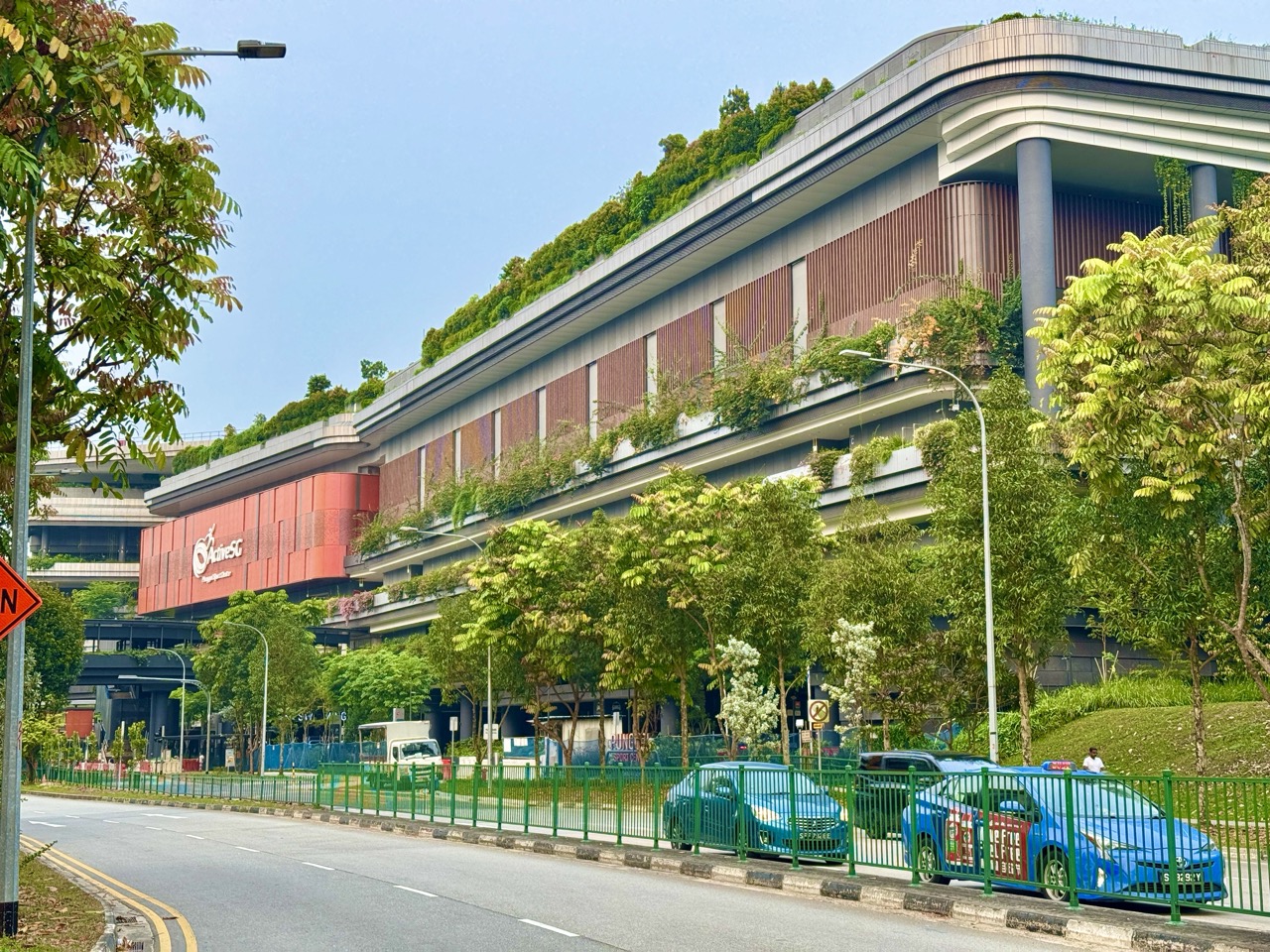
ActiveSG Punggol 2027/2028 Sports Education Programme: SportSG and MOE provide a S$10,000 dollar-for-dollar matching grant to each eligible school to use endorsed sports service providers. It covers eligible Primary, Secondary, Junior College, Centralised Institution and Special Education Schools; it is not an individual S$10,000 parent voucher or a guaranteed sports class at Punggol Sport Centre.
The official SEP guidance, updated 16 October 2026, sets detailed coach and safety rules: NROC certification; MOE registration for programmes exceeding eight contact hours or relevant height- and water-based Outdoor Adventure Learning; a maximum 1:10 SEP swimming coach-to-student ratio; and specific rules for inclusive, martial arts and lifesaving programmes. Punggol Sport Centre at 11 Sentul Crescent opened selected areas in October 2026, but its opening does not automatically establish an SEP school booking there.
- School funding: S$10,000 matching grant for eligible schools, not a household cash payment
- School types: Primary, Secondary, JC, Centralised Institution and SPED
- Providers: actual endorsed programme and qualified coaches required
- NROC and MOE: relevant registration; MOE for more than eight contact hours and height/water OAL
- SEP swimming: coach-to-student ratio 1:10 or fewer, plus valid SwimSafer certification
- Lifesaving: no open-water delivery under SEP
- SPED/inclusion: T.R.E.E.S adaptation framework
- 2027–2028: confirm real school selection, up-to-date approval and authorised venue
For parents, the practical question is which school-approved activity the child will genuinely attend and learn from. For providers and teachers, the priority is an endorsed programme with real teaching outcomes, safe staffing and the correct venue.

Definition lock: SEP is school funding, not a family voucher
The Sports Education Programme, or SEP, is a partnership between Sport Singapore and the Ministry of Education. It supports eligible schools in procuring endorsed sports programmes delivered by qualified providers, rather than distributing a personal gym pass or cash voucher to every parent.
The current official SportSG page, updated 16 October 2026, identifies a S$10,000 dollar-for-dollar matching grant for each eligible school. The amount belongs to the school’s programme funding mechanism and is not a promise that any particular pupil receives S$10,000.
A Punggol parent should ask the school which sports opportunities are actually planned. An external commercial class is not automatically part of SEP simply because it takes place near the new sports centre.
Which schools are eligible
SportSG names Primary Schools, Secondary Schools, Junior Colleges, Centralised Institutions and Special Education Schools as eligible school categories. This provides a broad system-wide opportunity instead of targeting only high-performing athletes.
The SEP applies through the school, not through an individual parent enrolling a child on the MyActiveSG+ public court calendar. A family may benefit when its school decides to purchase an endorsed programme under the appropriate requirements.
Check the school administration’s own plan and the official endorsement framework. A particular Punggol institution’s eligibility does not prove it has already purchased a course or secured a venue.
What dollar-for-dollar matching means
Under the published SEP structure, schools have access to a matching grant of up to S$10,000 for eligible programme expenditure from the endorsed list. Matching implies that the funding arrangement relates to school-side spending under the scheme’s rules.
A local blog should not translate this into an unconditional S$10,000 handout for each pupil or a guarantee that every school spends its full allocation. The final procurement and use of funds are governed by actual SEP and school arrangements.
For a parent, the useful question is which activities the school is implementing. For school staff, it is which endorsed provider, budget and approval apply to the planned programme.
The endorsed provider list matters
SportSG says eligible SEP programmes are selected from endorsed service providers. Endorsement is intended to connect schools with sports offerings that meet quality and safety criteria, rather than requiring teachers to judge every unknown commercial company independently.
A provider advertising a fun class may be suitable for general community recreation but still not have a particular SEP programme endorsement. Likewise, an old provider listing may need current verification before procurement.
Schools should check the official current endorsed programme information and actual service provider details before approving a booking or paying for a course.
Punggol Sport Centre is a facility, not the grant administrator
Punggol Sport Centre at 11 Sentul Crescent began phased public operations on 27 October 2026, including its gym and selected courts. The centre can be relevant to local sport but is distinct from SportSG/MOE’s SEP administrative process.
A school may select an endorsed programme that takes place in its own premises, at another approved venue, or a properly arranged public facility. Receiving SEP support does not automatically give the school permanent exclusive access to Punggol’s halls.
Confirm the correct provider and approved facility arrangements separately. Do not claim that the opening of a sports building creates an SEP-funded school course inside it.
What the programme aims to teach
SEP is intended to develop sport skills and knowledge while encouraging participation, team spirit and character. Its purpose is wider than competitive selection or identifying the child who scores the most points.
A beginner may acquire confidence by learning rules and basic movements, while a more experienced child might benefit from organised practice and responsibility within a group. The selected programme should fit age and learning readiness.
Parents can ask what pupils will actually learn and how sessions will be delivered, rather than rely on vague claims that every activity builds leadership automatically.
Sport knowledge belongs alongside sport skill
A quality sports programme should explain decisions, rules and safe participation rather than only ask students to repeat movements. SportSG’s endorsement criteria require descriptions of the specific skills to be learned and any relevant age-appropriate rules.
A student who understands why a technique works may be better equipped to participate independently. Knowledge can also support fair play and appropriate responses to mistakes.
A school can ask the provider for concrete learning outcomes. These should be observable and realistic rather than guaranteed medals or national selection.
NROC certification is a basic coach requirement
SportSG requires SEP service providers to ensure coaches meet National Registry of Coaches requirements. Its October 2026 page expressly states that coaches delivering endorsed programmes should be NROC-certified.
A former national player or enthusiastic parent may have useful experience, but that alone does not establish current NROC status. Professional registration is a distinct check from reputation, references and a social-media profile.
School staff should verify the current person assigned to the activity. The service provider’s company name does not automatically certify every substitute instructor.
The MOE eight-hour threshold
The current official guidance says coaches must be MOE-registered where a programme exceeds eight total contact hours. The calculation concerns total contact time, not the length of the contract’s marketing title.
For example, weekly sessions may cross the threshold during a term. A school and provider should consider the complete planned sequence rather than treat each weekly lesson as an unrelated mini-event.
Use MOE’s actual registration requirements and the SportSG guidance. A short website explanation cannot grant an exemption from a programme’s formal eligibility conditions.
Height- and water-based OAL require extra checks
SportSG also requires MOE registration for coaches delivering height-based or water-based Outdoor Adventure Learning, regardless of duration. That is a separate trigger from the general eight-contact-hour threshold.
An introductory water or climbing activity cannot avoid the necessary approval simply by being marketed as a short trial. The type of activity and applicable safety framework determine what is required.
Check the real programme design and official compliance lists before students participate. Time savings should never take priority over regulated safety.
Replacement coaches must qualify too
SportSG states that last-minute replacement instructors must satisfy the relevant NROC requirements and MOE registration conditions for longer programmes. A previously approved named coach being unavailable does not remove the obligation.
Schools should be wary of assuming that any available staff member from the same company is automatically authorised to deliver the course. A substitute may have a different specialty, experience or registration status.
Ask the provider for the actual replacement details and current credentials. Clear verification protects continuity and helps prevent cancellation becoming a safety problem.
Non-compliance can affect endorsement
The official SEP page warns that failure to comply with coach requirements may lead to de-endorsement of the programme. This demonstrates that endorsement is an ongoing responsibility, not a permanent marketing badge unrelated to delivery.
A provider should keep coach status up to date at submission and conduct, as SportSG specifies. The school also has good reason to check changes before continuing a course.
Do not accuse a provider of misconduct based on an old profile alone. Use official verification and the programme administrator’s proper reporting or enquiry channels.
Swimming instructors need SwimSafer credentials
For swimming programmes under SEP, SportSG requires valid SwimSafer certification in addition to the relevant coach requirements. SwimSafer accreditation is distinct from merely being able to swim well or teaching another aquatic activity.
A provider marketing SEP swimming to Punggol schools must not suggest that the new pool’s planned opening automatically provides accredited instruction. The actual pool, instructor and programme approval all matter.
Check the official SwimSafer page, current certification and operating venue before describing a school course as available.
The published swimming ratio is 1:10 or lower
SportSG’s October 2026 SEP programme criteria explicitly cap the coach-to-student ratio for swimming programmes at one coach for ten students or fewer. This is a specific school programme safety standard.
It should not be mechanically applied to every separate private swimming course or every kind of sporting activity, since other programmes may have distinct conditions. Conversely, a school should not treat a SEP swim group of twenty with one coach as compliant.
Confirm the real session numbers and the actual supervising instructor. Safe ratios matter alongside skill readiness and venue procedures.
Lifesaving programmes cannot use open water under SEP
SEP criteria state that endorsed lifesaving programmes must not be conducted in open waters, and the provider must declare this clearly. This is significant for a town known for its attractive waterway.
Punggol Waterway is not a public swimming training pool, and a provider cannot make SEP lifesaving lessons compliant simply by placing them beside an appealing urban waterfront. Venue and safety rules must be respected.
Schools should ensure that an actual appropriate aquatic venue is authorised and suitable. A photograph of the waterway is not proof of a legitimate lesson site.
Kayaking needs a valid recreational coaching certification
SportSG requires valid recreational coaching certification for coaches conducting recreational kayaking under SEP. This additional requirement recognises that working on water can involve specialist skills and procedures.
A company may be experienced in land-based fitness without holding the aquatic credentials needed for an endorsed kayaking course. The provider must meet the actual technical requirements.
Verify the sport-specific certification and Outdoor Adventure Learning compliance checklist before considering a water-based activity for students.
Outdoor Adventure Learning covers several activities
SEP identifies kayaking, canoeing, dragon boating, climbing and swimming among Outdoor Adventure Learning activities subject to designated compliance checklists. Their risks and supervision arrangements differ from ordinary sports hall games.
A school should not assume that a generic risk assessment for a badminton lesson is adequate for a height-based course or supervised water activity. Providers need specific arrangements appropriate to the activity.
Use the actual official compliance documentation and relevant professional oversight. A one-line promise that an activity is safe is not sufficient.
The compliance checklist governs procurement
SportSG explains that all criteria on the relevant height- and water-based OAL checklists must be met before schools procure these services, and compliance should be clearly indicated in the programme submission.
This is a school procurement question, not a formality for a parent to tick after the child returns home. Risk controls should exist before the activity begins.
School administrators can seek clarification through SportSG’s published SEP contact. Accurate preparation is more useful than hurried booking followed by retrospective paperwork.
Martial arts have express high-risk restrictions
The October 2026 SEP criteria say self-defence and martial arts programmes involving locks, throws, grappling and choking will not be endorsed. This restriction is specific and should be reflected accurately rather than softened into a vague ‘be careful’ note.
A school wanting basic self-defence skills may still explore permitted instruction, but should not advertise high-risk techniques as SEP-endorsed activities. The actual programme content matters.
Compare a provider’s lesson plan with the official rules before selecting it. Student safety and honest descriptions take priority over dramatic demonstrations.

Striking practice must be described safely
For activities involving striking or sparring, SportSG requires clear explanation of how contact will be managed safely. It gives examples such as practising individually against padded equipment or through shadow drills rather than direct partner contact.
This demonstrates why the exact session description is important. Parents should not assume that all programmes labelled martial arts are identical in techniques or risk.
Ask what will actually happen, which protective equipment is provided and whether the proposed method meets the real SEP endorsement conditions.
The T.R.E.E.S framework for inclusive programmes
For SPED or inclusive SEP activities, SportSG requires providers to apply the T.R.E.E.S framework: Teaching Style, Rules, Equipment, Environment and Safety. The point is to adapt the programme thoughtfully rather than merely call it inclusive.
A child may need a clearer demonstration, modified equipment or an adjusted game rule, while another learner may require a different communication approach. The actual provider should explain relevant practical adaptations.
Inclusion is more than a slogan. Check whether the planned lesson is suitable for the pupils and what supports genuinely exist.
Teaching Style: communicate for the learners
The Teaching Style component asks providers to think about how instructions and feedback suit their participants. A one-size-fits-all lecture may not work for a mixed group of students.
Some pupils appreciate visual demonstration, others benefit from short sequential verbal cues. Effective teaching considers the level of experience and the task.
A school can request an example of how the coach will explain a fundamental movement to an unfamiliar beginner. That is a practical way to assess programme quality.
Rules: adapt the format without losing purpose
The Rules component is about meaningful adjustments to a game so that pupils can participate fairly and safely. An adapted activity need not reproduce a national competition’s full adult rulebook.
For example, a simplified group task may allow everyone to practise cooperation before more complex scoring is introduced. The provider should explain why the adaptation is suitable.
Do not represent every modified PE game as a formally sanctioned competitive event. The educational purpose and activity’s safety are distinct from a tournament.
Equipment: suitable gear matters
The Equipment component encourages selection of items suited to the participants and the intended skill. Ordinary full-sized or heavy gear may be inappropriate for some beginner or inclusive contexts.
A provider should describe what is needed, who supplies it and how it will be maintained. This also helps prevent unnecessary spending by schools or families.
Equipment choices should follow genuine participant needs and the endorsed programme. A costly kit is not automatically evidence of higher educational quality.
Environment: choose a real usable venue
The Environment component requires attention to the actual place where pupils will learn. Access, space, surfaces, lighting and the activity’s requirements can make a difference.
Punggol Sport Centre may be attractive for a visit, but it is not an approved venue for every possible lesson just because it has a public sports hall. Booking and safety requirements remain separate.
Use the confirmed venue and authorised access arrangements, whether the school premises or another appropriate site.
Safety: appropriate supervision is non-negotiable
The Safety component requires a meaningful plan for the students and activity. It includes responsible instruction, equipment, the physical space and how a problem will be handled.
A sports programme involving children cannot be judged only by the price per participant. Safe and respectful delivery is part of the educational value.
Ask the provider to explain supervision and contingency measures under the real rules, rather than inventing a blanket guarantee that no incidents can occur.
Not every school uses the same endorsed sport
SEP provides a framework and list of endorsed programmes, but each school may choose based on student interests, age groups, facilities and its own educational priorities.
A Secondary school may select one sport for leadership development while a Primary school wants fundamental movement skills. A SPED school may place greater emphasis on accessible participation.
Do not invent a particular Punggol school’s SEP catalogue without school confirmation. Parents should ask the actual school what it has planned.
SEP is different from school PE and CCA
Physical Education is part of the school curriculum; Co-Curricular Activities offer structured opportunities with their own participation and school requirements. SEP supports schools in procuring endorsed sports programmes, which may complement these experiences.
A child may enjoy all three but should not assume that participating in one produces automatic recognition in another. School assessment, CCA credits and programme funding are separate questions.
Ask about the purpose and actual school approval for each activity. Clear distinctions help parents avoid confusion.
SEP is different from a school learning visit
A school group may visit Punggol Sport Centre to observe facilities, learn about sport management or take part in a permitted activity. Such an outing does not automatically become a Sports Education Programme grant-funded course.
The difference lies in the endorsed provider, programme objectives and actual school procurement terms. An informal venue tour may be educational but follow another administrative process.
Keep the visit and SEP procurement separate unless the school expressly connects them through the approved programme.
A parent cannot spend the grant directly
The S$10,000 matching mechanism is available to eligible schools, not individual households. Parents should not expect a personal balance in MyActiveSG+ or ask a coach to deduct thousands from a private course invoice.
A school may still ask families to support particular activities under separate policy, but the SEP headline does not establish a universal fee or reimbursement rule for every pupil.
Ask the school for its actual programme and cost information. A public government funding total should not be presented as an individual scholarship.
Service providers must show real learning
A credible SEP submission describes specific skills, knowledge and values developed through sport, together with the session content. SportSG’s current criteria are more precise than calling an activity exciting or popular.
Schools should ask what pupils will be able to do or understand after the programme, and how instruction is appropriate to different learners. This is especially useful for a new provider with little documented school experience.
Educational claims should be grounded in the real lesson plan rather than guaranteed national-team outcomes.
The coach’s public profile is not enough
A company may advertise one prominent registered head coach while sending a different person to deliver a school programme. The correct check concerns the instructor who will actually teach and the replacement procedures if a change occurs.
Registration may also have expiry or status conditions. A screenshot captured long before the programme cannot establish current approval.
Use CoachSG and MOE channels to verify relevant requirements and document any authorised changes appropriately.
Age suitability and student agency matter
A suitable lesson meets the students at their actual learning level. An activity that is exciting for older teenagers may be too complex or physically demanding for primary-school beginners.
Children can learn through appropriate challenge without pressure to perform for public photographs or external selection. Parents and teachers should consider student feedback alongside technical skills.
A supported learning environment develops interest over time and respects individual differences.
The provider’s venue permission is distinct
Endorsement under SEP does not automatically waive ordinary SportSG facility-use rules, including written approval for organised commercial activity where required. A school planning to use Punggol courts needs real authorisation for its arrangement.
A programme may be valid for school delivery in general yet lack a confirmed public sports hall booking on the proposed date. A grant award is not a key to every venue.
Confirm the exact location and operator agreement before advertising an activity to pupils and parents.
Scheduling around school examinations
A school may choose a term or holiday schedule that fits education priorities. A multi-week SEP programme should be planned with examinations, transport and existing CCAs in mind.
Parents may need to know whether the activity takes place within school hours, requires another location or has attendance expectations. A generic public advertisement cannot answer those questions.
Get the actual school notice and ask the responsible teacher. Good scheduling supports learning without creating avoidable family pressure.
A school-wide budget is not a per-child incentive
It may be tempting to divide the advertised S$10,000 by the number of pupils and infer an individual cash benefit. That would misrepresent a matching grant used for endorsed school sports programmes.
The school may deploy eligible funds across its programme choices under official conditions. Costs and student participation can differ across schools.
Keep the figure attached to the correct purpose. Better financial literacy starts with understanding who receives and controls the funding.
Punggol’s local options require verification
Punggol offers public recreation and a growing set of educational and community facilities, but a particular secondary or primary school must actually approve its SEP provider and activity.
The new Sport Centre can be a useful reference for sport, yet no article should declare that every Punggol school has scheduled SEP at 11 Sentul Crescent in 2027 or 2028.
Ask the school and read current official information. A local reader benefits from a real activity rather than a fictional universal timetable.
What a service provider should check for 2027
A company interested in delivering SEP should read the current endorsement criteria, verify NROC and MOE requirements, prepare clear programme objectives and session descriptions, and address sport-specific safety conditions.
An application is not automatically approved because a provider owns equipment or has run private workshops. Endorsement and school procurement require their own procedures.
Use the official SportSG contact sport_sep@sport.gov.sg for clarification. Do not market a programme as endorsed before it genuinely is.
What parents should check for 2028
By 2028, an eligible school may have different sports priorities or suppliers. Coach registration and SEP criteria may also be updated. A future-year local article cannot freeze the October 2026 page as a permanent procurement rule.
Parents can check the actual school circular, appropriate transport and the provider’s safety arrangements before the activity begins.
The enduring principle is quality, safe participation and a legitimate school-approved programme, not a promise that every child receives a personal funding grant.
Frequently asked questions
Does every Punggol student receive a S$10,000 SEP voucher?
No. The published S$10,000 dollar-for-dollar matching grant is provided to eligible schools for endorsed programme procurement, not handed to individual pupils.
Which schools may use SEP?
SportSG lists Primary, Secondary, Junior College, Centralised Institution and Special Education Schools as eligible categories, with actual school decisions and programme arrangements.
Must SEP coaches be NROC-certified?
SportSG requires relevant NROC qualification and MOE registration where programmes exceed eight total contact hours or include specified height- or water-based OAL.
What is the maximum SEP swimming group ratio?
The current SportSG guideline states a coach-to-student ratio of 1:10 or lower for SEP swimming programmes. Other programmes may have their own rules.
Can SEP lifesaving classes use Punggol Waterway?
The current SEP criteria explicitly prohibit open-water delivery of endorsed lifesaving programmes. An authorised safe venue is required.
What does T.R.E.E.S stand for?
Teaching Style, Rules, Equipment, Environment and Safety — the framework required for inclusive and SPED SEP programme adaptations.
Does SEP endorsement reserve a court at Punggol Sport Centre?
No. School provider selection and facility permission are separate. The named sport centre and particular court must actually be authorised and available.
Where do schools or providers obtain current information?
Consult SportSG’s SEP page and its published sport_sep@sport.gov.sg contact, alongside the school and applicable MOE coaching requirements.
Official rules and useful Punggol reading
- SportSG: Sports Education Programme, current school grants, provider and safety requirements
- CoachSG: National Registry of Coaches and current registration
- MOE: registration of CCA and school sports instructors
- SportSG: SwimSafer national water-safety and instructor standards
- SportSG: Sport Education division and related programmes
- SportSG: organisation and school facility hiring categories
- eduKatePunggol: separate school visits and venue hire
- eduKatePunggol: commercial coaching permission at ActiveSG facilities
Your next step
Parents can ask the school what endorsed sports programme is actually planned. Schools and providers should consult the October 2026 SportSG criteria and live updates, verify coaches and safety documentation, and check venue approval before students travel.
Verified 1 November 2026. S$10,000 is school-side matching support under the published scheme, not guaranteed personal funding. SEP criteria, provider endorsement and future Punggol programme locations require direct reconfirmation for 2027–2028.


