
ActiveSG Punggol 2027/2028 and sensory-friendly sport: Punggol Sport Centre at 11 Sentul Crescent opened selected public facilities from 27 October 2026, but an operating gym or sports hall is not proof of a designated sensory-friendly hour, quiet room or autism-specific class. Parents and adult visitors should check the actual activity, noise, crowd conditions, instructions, safe breaks and support with the operator before attending.
Sport Singapore supports wider inclusive participation through programmes including Play Inclusive and the Para Sport Academy. Those are national offerings whose venues must be verified separately; they do not establish weekly sensory-aware sessions at Punggol. This guide gives families a practical plan for calm first visits without promising unannounced accommodations or treating all autistic and neurodivergent people as identical.
- Venue: Punggol Sport Centre, 11 Sentul Crescent, Singapore 828656
- Confirm: the actual operating gym, court or named programme—not just the building
- Sensory needs: assess noise, lighting, crowds, changing instructions and preferred communication
- First visit: use a predictable route, short trial and permitted rest area where possible
- No invented amenities: quiet hours, sensory rooms and autism-specific classes need genuine SportSG confirmation
- Coaching: ask about group size, instructional style, supervision and reasonable arrangements
- Privacy: share only necessary participant information through appropriate channels
- 2027–2028: verify current venues, accessibility and available actual inclusive programmes
A good first sport experience starts with what a person enjoys and what helps them feel comfortable. The point is informed choice and respectful participation, not proving that someone can tolerate every environment.

Definition lock: sensory-friendly is a practical arrangement
A sensory-friendly sports experience is one in which activity and environment are considered in relation to a person’s sensory comfort. Lighting, noise, echo, crowds, unpredictable announcements and transitions can matter. The expression does not mean every autistic person has the same needs, nor does it mean a particular public building has been officially designated a sensory-friendly venue.
Some people enjoy energetic crowds; others find echoing halls difficult to manage. A participant’s preference, communication and ability to take a break are more useful than assumptions based on a diagnosis.
For Punggol, start with the exact activity and setting. Ask the operator about actual available accommodations rather than inferring quiet hours or specialist classes from a new facility’s appearance.
Punggol Sport Centre: what is actually confirmed
Punggol Sport Centre at 11 Sentul Crescent began phased public operations on 27 October 2026. Its gym and selected sport hall or sheltered court activities became available while some other planned areas needed separate checks. That means a family should confirm the actual venue before trying to plan a quiet first visit.
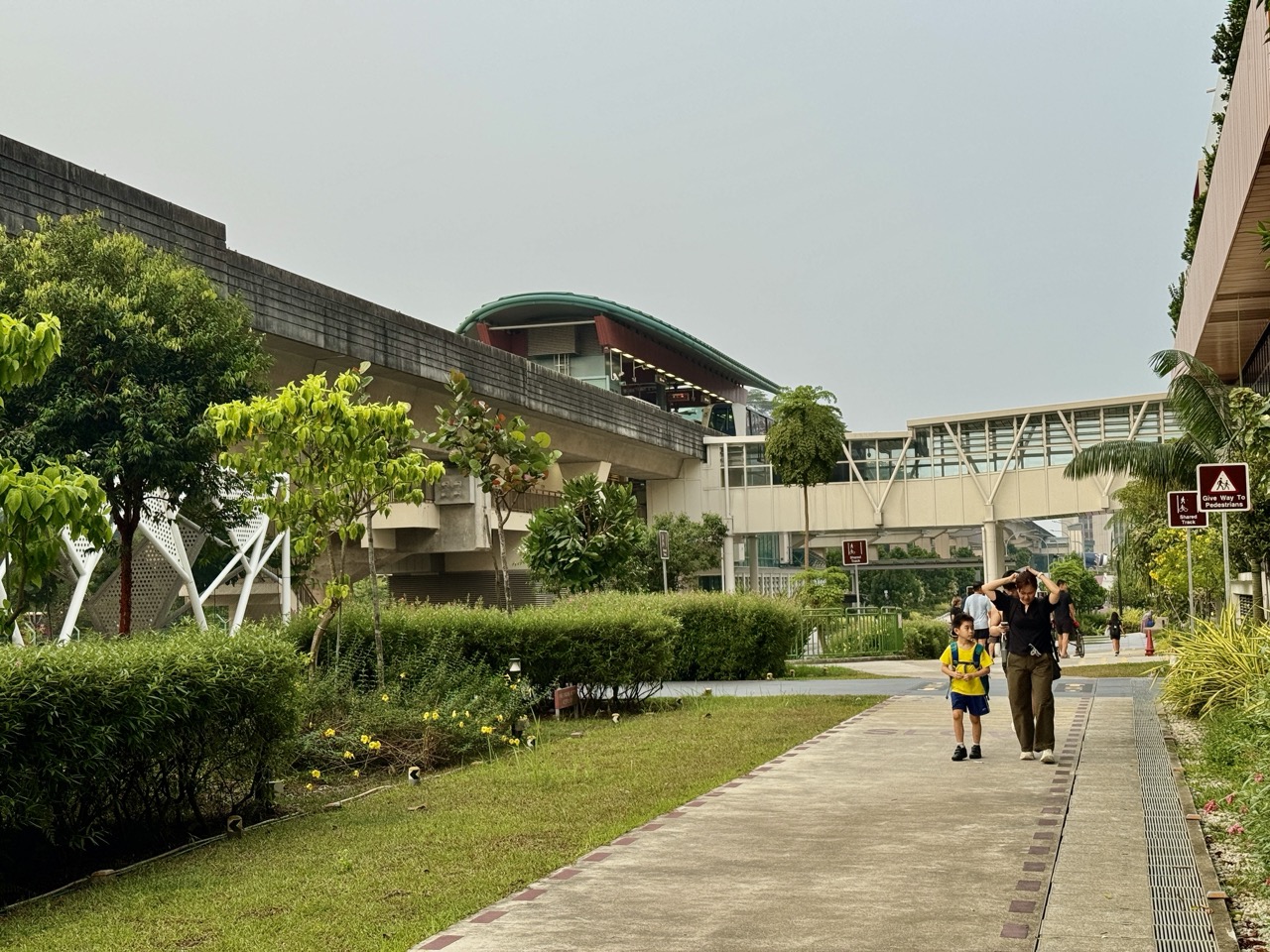
The complex is near Sam Kee LRT and SAFRA Punggol, which has separate management at 9 Sentul Crescent. A published activity at SAFRA is not automatic confirmation of a SportSG programme in the new building.
Check the real venue, operating hours, access route and event schedule. A quiet-looking photograph cannot predict how busy a sports hall will be at a chosen time.
A calm first visit is not a promised quiet session
An individual may be able to choose a less busy period or a simple activity, but this does not mean Punggol Sport Centre officially operates dedicated autism-friendly or low-sensory hours. Those would require an actual current operator announcement.
A parent should be cautious about articles claiming a guaranteed silent gym or sensory room without evidence. Sports facilities naturally include music, equipment movement, whistles and groups of people.
Ask staff what conditions are typically like and whether the selected activity has a manageable format. An honest uncertainty helps a family prepare a realistic alternative.
Autism is not one experience
Some autistic children enjoy clear rules and repeated sporting routines, while others may find unexpected group changes challenging. The same person can feel comfortable during a quiet practice and overwhelmed during a tournament. Sensory preferences cannot be predicted solely from a diagnostic label.
Talk to the participant about what helps, using their preferred communication style. Parents may know which transitions or sounds are difficult, but should still listen to the child’s own preferences where possible.
Choose activities based on interest and practical fit, not on a fixed list of sports supposedly suitable for every autistic person.
Sensory differences are not limited to autism
People with ADHD, sensory processing differences, hearing difficulties, anxiety or other circumstances may appreciate predictable instructions and manageable environments. A noisy hall can also be tiring for someone without a disability.
That does not imply all these conditions have identical causes or that a sports coach can diagnose them. The useful focus is on communication, consent, accessibility and comfort.
Ask what arrangement helps the individual participate. A local guide should not attempt to classify a visitor based on behaviour during one activity.
What the national inclusive sport system offers
Sport Singapore’s inclusive sport initiatives include the ActiveSG Para Sport Academy and national events such as Play Inclusive. Those programmes demonstrate a commitment to broader participation, but their venues, activities, eligibility and staffing are specified independently.
A 2026 Play Inclusive event at Singapore EXPO does not establish an autistic sports class every week at Punggol. The Academy’s particular sports may run at other centres with different admission and coaching arrangements.
Check the official current programme and individual requirements. A relevant national initiative is a useful discovery route, not a promise of a Punggol booking.
The first question should be the activity
A family might begin by asking whether the child enjoys rolling a ball, swimming, table tennis or a simple walk. This is more useful than buying a class solely because a provider advertises that it is inclusive. Interest creates the possibility of engagement; the practical environment determines whether the activity can be sustained.
A person who enjoys predictable solo movement might prefer an appropriately quiet walk or a suitable supervised gym experience. Another may prefer structured team play with familiar people.
Start with one manageable activity and ask about its actual demands. There is no requirement to try every sport before deciding what feels comfortable.
Noise is different across sports and times
A basketball competition can include whistles, bouncing balls and cheering. A recreational table-tennis practice may have a different sound profile, while a gym can include machine noise, music and conversations. The same venue can feel different depending on the session and occupancy.
A person sensitive to noise may benefit from previewing the setting or choosing a format with fewer unexpected loud sounds. Where an assistive device is considered, it must be appropriate to the individual’s needs and activity safety rules.
Do not assume a certain time is guaranteed quiet. Check official events and ask staff about the chosen session.
Lighting and visual activity matter
Bright lighting, movement across several courts and screens can affect some people’s comfort. Others enjoy visually dynamic sport. The objective is to learn the participant’s actual preferences rather than remove all stimulation from the experience.
A parent can explain what the place looks like before the visit and avoid creating unrealistic expectations. Showing a current verified entrance photo may be helpful, but an old rendering may not reflect the occupied building.
Where specific adjustments are needed, contact the operator and instructor. They may be able to discuss available options, but no particular change should be promised without confirmation.
A predictable arrival makes a difference
An unfamiliar building becomes easier to manage when the person knows the route, check-in location, activity area and planned departure. Arriving with time to orient oneself can reduce pressure compared with rushing directly from an LRT platform to a whistle-filled hall.
Parents can describe a simple sequence using pictures or words: travel, meet the instructor, watch, try a short activity, take a break and go home. That is a planning technique, not a treatment prescription.
Use the actual operator’s instructions and respect the participant’s response. A first outing can be short and still be worthwhile.
Sam Kee LRT and the final approach
Sam Kee LRT serves the wider Sentul Crescent area, but the final approach still includes shared public paths and the actual sports centre entrance. A parent with a stroller or a person with mobility needs may require a different route from a hurried adult travelling alone.
Construction, crowd control or event preparations can change access. That makes it useful to check the current entrance and leave a time buffer rather than promising an exact journey from every Punggol neighbourhood.
Choose a suitable lawful route and avoid stopping a large group in a corridor. A calm arrival should not obstruct other users.
The role of a simple visual timetable
Some learners find it easier to understand a predictable sequence when it is written or illustrated. A short checklist can show where the activity begins, when equipment is used, and what happens at the end. It should not become an exhaustive set of demands.
An instructor may use clear demonstrations and short steps to explain the session. Parents can ask whether the programme allows a preview or orientation under its actual rules.
Keep the schedule flexible enough for the participant to need a break or decline a difficult task. Predictability and personal choice can coexist.
What a beginner-friendly coach can do
Good instruction involves clear explanations, respectful language, manageable group sizes and the ability to notice when a learner is confused. Technical competence matters, but so does how a coach communicates changes and handles unexpected behaviour.
An autistic learner may benefit from knowing who gives instructions and whether the group follows a consistent pattern. Another participant may prefer fewer verbal explanations and more demonstrations.
Ask the provider about actual teaching experience and support arrangements, then verify the correct venue and commercial permission. An ‘inclusive’ word in marketing is not proof of specialist qualifications.
Avoid the assumption that headphones are always permitted
Noise-reducing devices may help some people in everyday environments, but during active sport a participant must also hear or otherwise receive safety instructions. Equipment, helmet use and the need to be aware of surroundings can affect what is appropriate.
Do not advise a child to block all sound during a fast-moving match or near shared transport without discussing safety. An instructor may be able to arrange suitable visual signals or a different method, subject to the actual session.
Ask about any device under the relevant facility and programme rules. Support should improve participation without introducing new hazards.
When to take a break
A participant who becomes overwhelmed may need a moment away from the activity, but not every public sports centre has an authorised quiet room. A plan should identify an appropriate permitted rest location and which adult or staff member is responsible.
A parent can agree on a simple signal for requesting a break, particularly if the child finds it difficult to speak during a stressful moment. The objective is to protect dignity and avoid interpreting every pause as refusal to learn.
Never leave a young child unattended in corridors or changing spaces. A break still requires appropriate supervision.
Two adults can have different responsibilities
One adult may help with transport and check-in while another accompanies a sibling or handles equipment. Clarifying roles prevents the learner from becoming uncertain when several people give conflicting instructions.
If a child attends a registered class, the provider’s actual handover and safeguarding policies should determine who is responsible during teaching and who may collect the learner afterward.
Do not assume a public gym or sports hall provides childcare just because staff are present elsewhere in the building.
A short cooperative game may work better than scoring
Some beginners enjoy the predictability of a repeated simple movement without an immediate competitive score. Rolling a ball to a partner, gentle table-tennis contact or practising a safe movement can create a chance to understand equipment and group expectations.
Other participants enjoy competition from the beginning. The point is not to prohibit scores but to offer a format that fits interest and readiness.
Ask the coach whether there is a genuine beginner level. A court reservation supplies space, not automatically a specialised sensory-aware teaching session.
Outdoor paths as an alternative
Punggol has public walking routes that may provide a different sensory experience from an indoor hall. The environment is not necessarily silent: shared paths can include bicycles, children, birds and nearby traffic.
Choose a manageable route and avoid unsafe crossings or water-edge areas. Weather, exposure to sunlight and rain can affect comfort as much as indoor noise.
A suitable short walk can be meaningful activity without a class or booking, but it is not a substitute for specialist guidance where individual health or developmental needs require it.
Group classes and the right level of demand
An organised programme may include unfamiliar peers, team changes and repeated instructions. Some learners enjoy this social structure, while others may benefit from a smaller, more predictable introduction before committing to a long course.
Ask whether the instructor can explain class format, group size, transitions and what support is available. A provider should not make unsupported guarantees of individualised therapy merely because it welcomes diverse learners.
Choose genuine operating programmes at verified locations. A national class catalogue does not prove a particular course meets at Punggol.
Adults deserve sensory-aware sport too
Sensory preferences do not disappear after childhood. An adult may want an independent activity with minimal interaction, a structured class where instructions are clear, or a social group that respects personal boundaries.
Public gym equipment is shared, and a participant may need to wait or adapt when machines are occupied. Understanding these ordinary conditions can help decide whether a gym visit is suitable.
Ask about access and the actual environment without feeling obliged to disclose a medical diagnosis to every patron. A courteous sports culture respects individual choice.
Avoid excessive data collection
A coach may request relevant support information to deliver the class safely, but a detailed medical history is not automatically necessary for every recreational activity. Parents and participants can ask why particular data is collected, who sees it and how it is stored.
Public group chats should not become channels for sharing children’s disability status, school schedules or private medical documents. Organisational data handling must follow applicable law and policy.
Provide necessary information through an appropriate private process. Dignity and safety matter as much as participation.
Safe Sport and respectful treatment
Singapore’s Safe Sport framework protects against inappropriate interpersonal conduct. Learners should not be mocked or punished for communicating differently or requesting a reasonable clarification. Coaches need clear professional boundaries with all participants.
A child who cannot express discomfort easily should still have a trusted route for seeking help. Parents should understand the provider’s reporting process, particularly around changing and handover.
An accessible and supportive sporting experience is not guaranteed by a new building alone. The people delivering the programme matter.
A first visit can be observation only
Some people want to look at an unfamiliar location before attempting the activity. A brief permitted orientation may help them understand the scale, entrances and sounds. However, a paid spectator or court area may have restrictions, and families should not simply wander through controlled facilities.
Ask staff which areas can be viewed and whether a formal preview is permitted. The aim is to reduce uncertainty, not enter a closed pool or reserved sports hall.
If the person prefers not to participate on the first visit, that can still be useful information. Do not frame it as a failure.
How families can handle an unexpected change
A coach may be absent, a venue may be closed or a session may run late. A changed plan can be difficult for some participants, particularly when they expected a familiar routine. The organiser’s ability to communicate clearly becomes important.
Keep a backup activity that is safe and accessible, and explain the change using the person’s preferred communication method. Do not force entry into an unavailable facility to avoid disappointment.
Use the operator’s actual cancellation terms and schedule. A flexible plan can be predictable about how changes will be handled.
What to verify in 2027
By 2027, more parts of the regional sports centre may be operating, and additional inclusive programmes may be announced. A future-year title should report only specific verified sessions, actual facilities and their current access requirements.
If no Punggol sensory-specific programme is listed, say so. Readers can still ask about reasonable accommodations at ordinary classes or explore published options at other centres.
Record the official programme link and date of confirmation. National inclusion policy is not a schedule of local weekly sessions.
What to verify in 2028
In 2028, the participant’s interests, confidence or needs may have changed. A child might prefer a different activity, and an adult may find a new group more welcoming. Rechecking suitability is a normal part of recreational planning.
Update venue hours, available coaches, group formats and accessibility arrangements from current sources rather than reusing a 2026 impression. Do not promise a dedicated sensory room or quiet hour that the operator has not announced.
The enduring goal is safe, enjoyable movement chosen with the person rather than imposed on them.
Arriving early without overstaying
A little extra time before a lesson can help a participant understand where to check in, but arriving very early is not always beneficial if the environment is crowded or no quiet waiting area exists. The correct arrival plan depends on the actual venue.
Ask the organiser when the participant can enter and where waiting is permitted. A short predictable route from transport to the approved check-in point can be more useful than exploring several unfamiliar floors.
Allow the person to decide whether a brief orientation helps. Respect other users and restricted areas rather than assuming the new sports centre is an unrestricted indoor playground.
The importance of advance questions
A parent can ask a provider whether the class uses whistles, whether there are loud music or announcements, how many people attend and whether the coach can explain transitions before they occur. These questions provide practical information without expecting staff to diagnose a child.
The provider may not be able to promise a silent environment, but it can describe how the ordinary session operates. A family can then assess whether the activity matches the learner’s preferences and support needs.
Get the answers before paying a long course fee. Clarity helps avoid disappointment and allows a child to experience an appropriate first success.
Children should not be forced to tolerate distress
A child may enjoy the idea of sport but become uncomfortable with a crowded hall or unfamiliar coach. Forcing the child to continue merely to avoid wasting a booking can turn recreation into something feared. A suitable pause or alternative may be more constructive.
This does not mean every refusal reflects a serious problem. Hunger, tiredness, embarrassment or an unexpectedly difficult activity can also affect participation. Parents can listen, observe and respond calmly without assigning an instant diagnosis.
Review the experience afterward and choose the next step with the child. Participation should build confidence and willingness to return.
Adult learners may want privacy
An adult who experiences sensory overload may prefer not to explain personal circumstances to other gym patrons. That is reasonable. Where a specific adjustment is needed, the person can speak directly with the operator through an appropriate confidential channel.
A venue may be able to describe ordinary crowd patterns or permit a different approach, but a generic public gym cannot promise every individual accommodation without checking.
Choose a suitable time and activity based on reality rather than pressure from friends. People should be able to enjoy sport without making their medical history a public discussion.
What teachers can learn from a first visit
A school arranging physical activity for students with diverse needs should plan supervision, consent, accessible routes and the actual approved class. An external public sports venue is not automatically equipped with special-education staff or a quiet teaching room.
Teachers can provide concise visual instructions or an agreed break signal where appropriate, but the venue and provider need to know the practical requirements ahead of time. A large group excursion may be less suitable than a smaller supervised introduction for some learners.
Use the school’s policies and operator’s permission. Educational value should not come at the cost of safety or dignity.
Families should avoid unverified product promises
Products marketed as sensory aids may seem appealing, but their suitability depends on the actual activity. Equipment that obstructs hearing safety instructions, interferes with protective gear or creates loose parts during sport can introduce risk.
Ask whether the item is permitted and whether an instructor can offer appropriate alternative communication. Some people may not need any special product at all, only a clearer timetable and a quieter activity format.
Use individual professional advice where relevant rather than treating a commercial sensory product as universally necessary.
Learning sport through repetition
Some participants gain confidence by repeating the same simple movement over several visits. A coach who explains the sequence consistently may make the activity easier to understand, while introducing one new element at a time.
This does not mean a person cannot enjoy varied or spontaneous games. The preference for repetition is individual and can change as the learner becomes familiar with the environment.
Ask the participant what feels satisfying and whether the next challenge is welcome. Skill development should support autonomy rather than follow a rigid script imposed by adults.
Keeping siblings involved respectfully
Parents may bring siblings with different interests and sensory preferences. A plan suited to one child may be boring or overwhelming for another. The family should decide who supervises each child and whether separate activities are actually allowed at the chosen venue.
A younger sibling cannot be left unsupervised in a busy gym corridor while a parent assists another child. An older sibling should not automatically be assigned caregiver duties without agreement.
Choose a manageable family plan and a clear collection point. A calm short outing may be better than trying to use every available facility on the same day.
National events are not local weekly classes
SportSG’s Play Inclusive and related initiatives create visible examples of unified and adapted sport. They have named organisers, dates and venues. A 2026 inclusive competition cannot be copied into a Punggol 2028 diary as though the same programme is running every week.
A family may discover a relevant activity at Singapore EXPO, Sengkang or another centre. That can still be useful if travel and the programme fit the participant.
Search the actual current event or academy page and verify participant eligibility. The fact that Punggol has a new regional complex does not relocate national events there.
What a coach can record without exposing privacy
A provider may find it helpful to record a learner’s preferred communication method, suitable break signal or practical support arrangement. Such information should be limited to what is genuinely needed and handled securely under applicable organisational rules.
It is generally unnecessary to publish a child’s diagnosis or video footage in an open social group to justify a simple adjustment. Parents should be able to discuss needs privately with responsible staff.
Ask what information is required and why. Good inclusion is compatible with dignity, confidentiality and clear boundaries.
A four-week low-pressure introduction
Week one can be a brief permitted observation or familiar walk. Week two might include a short suitable activity. During week three, the participant may repeat the experience if it was enjoyable, and week four can review whether a class or routine would be worthwhile.
This is an illustrative planning method, not a therapeutic prescription. Some people prefer immediate participation while others need longer preparation. The next step should reflect the person rather than a schedule.
Do not use activity time as a measure of personal worth. Progress can include being comfortable entering a new place or asking a helpful question.
Future years should change the advice when evidence changes
By 2027 or 2028, the sport centre may have more operating areas, new programmes or different crowd conditions. An accurate guide should update the actual services rather than repeat the 2026 soft-opening status indefinitely.
Where a designated sensory-friendly programme is announced, publish its real date, organiser, venue, support and registration terms. Where it is not announced, avoid implying that any family can demand a dedicated quiet hour.
Trust comes from precise facts and respectful choices. A future-year title alone is not proof that a special service exists.
Frequently asked questions
Does ActiveSG Punggol have an officially advertised sensory-friendly hour?
No specific low-sensory or autism-only hour is established by the current building information. Ask SportSG for actual announcements rather than assuming one exists.
Can autistic children play sport?
Many autistic children enjoy sport, but interests, communication and sensory preferences differ. Choose suitable activities and check the actual coach and programme arrangements.
Is a quiet room guaranteed?
A modern sports centre does not automatically have a publicly available dedicated quiet room. Ask staff about any permitted rest arrangements for the intended visit.
Are inclusive sport events automatically held at Punggol?
No. National initiatives such as Play Inclusive and Para Sport Academy programmes have specific locations and eligibility conditions. Verify the actual venue.
Can children wear noise-reducing devices during sport?
Suitability depends on the activity and safety instructions. Ask the provider about permitted equipment and how the learner can receive necessary signals.
What should a parent tell the coach?
Share practical preferences, relevant support needs, communication methods and supervision information through a private appropriate channel. A public chat need not contain detailed health records.
What if the first visit is overwhelming?
A short supervised break or a different suitable activity may help. Do not force someone to remain through distress merely to use a paid slot.
How can I plan for 2028?
Recheck the actual venue, operating facilities, programme format, crowd information and any genuinely announced accommodations before paying.
Official inclusive sport and Punggol references
- SportSG Play Inclusive: actual national event format and venues
- ActiveSG Para Sport Academy: current programmes and locations
- ActiveSG: supportive play, unified activity and understanding among children
- Singapore Inclusive Sport Portal: current providers and programmes
- SportSG Singapore Physical Activity Guidelines for persons with disabilities
- Example of separately advertised inclusive gym: Enabling Village
- MyActiveSG+: verify actual facility status and programmes
- Safe Sport Commission: reporting and safeguarding
- eduKatePunggol: broader para sport and physical accessibility guide
- eduKatePunggol: children’s activity supervision and planning
Your next step
Select one activity the person wants to try. Ask the operator about group size, noise, communication, actual access and safe breaks, and consider a short first experience. Do not purchase a class on the assumption that an unannounced sensory-friendly arrangement exists.
Checked on 1 November 2026. This is general inclusive participation guidance, not diagnosis or treatment. Punggol-specific sensory hours, quiet rooms and classes require their own current official confirmation.


