
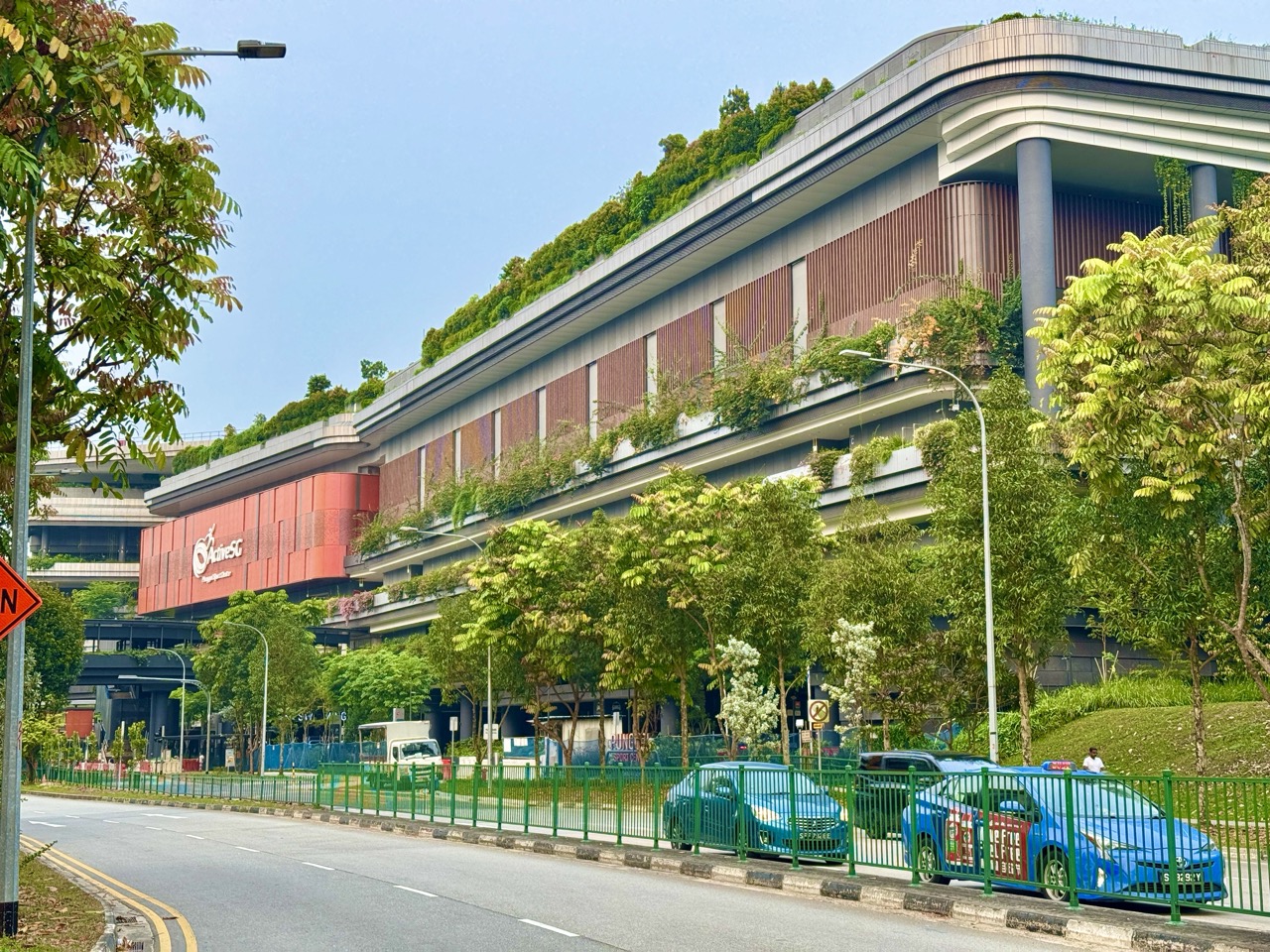
ActiveSG Punggol inclusive sport 2027/2028: Punggol Sport Centre at 11 Sentul Crescent began phased operations on 27 October 2026, creating additional public sports options in the north-east. But an accessible building, an inclusive activity and a structured para-sport programme are different things. Visitors with disabilities should check the exact facility, coach, equipment and participation arrangements for their date rather than assume every national programme meets at Punggol.
Singapore’s Disability Sports Master Plan, ActiveSG Para Sport Academy and Inclusive Sport Portal describe genuine national pathways. This guide explains what each means for Punggol families, students, adults and caregivers, how to check access and how to avoid promising 2027–2028 classes that have not been officially scheduled.
- Venue: Punggol Sport Centre, 11 Sentul Crescent, Singapore 828656.
- Access: check the named court, gym, pool or class separately.
- National plan: Disability Sports Master Plan refreshed in 2024, with ten strategic moves.
- Programme finder: Inclusive Sport Portal and ActiveSG Para Sport Academy.
- Do not assume: every national para-sport programme operates at Punggol.
- Practical needs: step-free access, toilets, coaching, communication and adapted equipment.
- Safeguarding: accessible ways for every participant to raise concerns.
- 2027–2028: recheck actual sessions, eligibility, cost and transport.
The most useful inclusive sports advice begins with a person’s interests and practical needs. That leads to an actual suitable session rather than a vague promise attached to a new building.

Definition lock: accessible building, inclusive programme and para sport
An accessible facility offers features that may reduce physical or communication barriers. An inclusive programme actively designs participation for people with different abilities. Para sport includes competitive or recreational disciplines and pathways for eligible athletes with disabilities. These concepts overlap, but they are not interchangeable.
A lift to a sports hall does not prove that the class within it has adaptive equipment or a coach with suitable experience. Likewise, an inclusive event advertised nationally does not mean the event is scheduled at Punggol Sport Centre. The correct answer requires checking the actual room, activity, provider and participant needs.
Families should begin with the person’s preferred sport and practical access requirements rather than a broad promise that every new public building is fully inclusive in every respect.
What the new Punggol Sport Centre changes
Punggol Sport Centre, at 11 Sentul Crescent beside SAFRA Punggol, began phased public operations on 27 October 2026. Some sports spaces became available during the soft opening while other areas had separate activation schedules. Residents with disabilities may appreciate a new nearby choice, but the status of each gym, court, pool or specialist programme needs a specific check.
The building’s modern appearance cannot tell someone whether an accessible changing space is operating at the level they need or whether a particular para-sport class is held on site. These details may depend on current signage, staffing, venue allocation and programme plans.
For 2027 or 2028, contact the responsible operator about the exact facility and session. Do not use the region-wide development announcement as a substitute for a verified accessibility arrangement.
Singapore’s Disability Sports Master Plan
Singapore’s Disability Sports Master Plan aims to widen sporting opportunities for persons with disabilities. The refreshed 2024 plan includes ten strategic moves grouped around access, awareness and performance pathways. These national priorities provide a useful way to understand why local sporting spaces matter beyond the number of courts or pools in a building.
Sport Singapore and partner organisations can support people at different levels, from first experiences to structured coaching and higher-performance sport. A family should not feel that the only valid outcome is competition; social connection, confidence and sustained enjoyable movement are worthwhile goals.
Read the actual programme descriptions rather than turning national targets into a claim that every facility already delivers every service. Plans describe direction; individual opportunities must be confirmed.
What the ActiveSG Para Sport Academy provides
ActiveSG’s Para Sport Academy was launched in 2022 to offer structured programmes and coaching pathways. Official listings describe sports including para athletics, para badminton, para canoe, para swimming, para table tennis, wheelchair basketball, wheelchair rugby and wheelchair tennis, alongside football formats.
These disciplines have different participant profiles, equipment and location requirements. A wheelchair basketball class needs more than a basketball court; a para swimming lesson requires suitable pool access and a coach prepared for the participant’s specific needs. A national programme name alone is not sufficient evidence of a Punggol session.
Choose the actual sport, read its current venue and enrolment details, and contact the academy if the information does not explain a participant’s circumstances. Do not promise a class at Punggol unless the organiser explicitly lists it.
The Inclusive Sport Portal as a discovery starting point
Singapore’s official Inclusive Sport Portal brings together resources, programmes, events and partner organisations. It can be a better starting point than a generic search engine query because it helps identify services by interest and participant needs rather than by building name alone.
The portal connects users with organisations such as the ActiveSG Para Sport Academy, Singapore Disability Sports Council and Special Olympics Singapore. Their activities and eligibility rules may differ. A participant may find a suitable established programme elsewhere before a local Punggol option becomes available.
Use the portal to identify potential opportunities, then verify the live operator’s registration, location, date and requirements. A directory listing is useful discovery evidence, not a completed booking.
The real meaning of an accessible arrival
For some people, the journey to a court is a greater barrier than the activity itself. Accessible travel involves the route from home to transport, crossings, ramps, lifts, doors, rest points and the precise check-in area. A site-level claim that a building has lifts is only one part of the experience.
A wheelchair user might arrive near Sam Kee LRT but still need to know which accessible entrance reaches the relevant sport hall. Another resident may need seating during a long walk from the drop-off point. Roadworks or changed event routes can affect the final approach.
Before the first visit, request a named step-free route from the operator and allow time for navigation. Record the successful route for later sessions so that the activity becomes easier to repeat.
Mobility needs differ between participants
Mobility impairment does not describe one uniform experience. Some people use wheelchairs, others walk with aids, and some can move independently but find stairs or prolonged standing difficult. The suitability of a venue therefore depends on specific activities and the way equipment is arranged.
A gym machine that appears easy to enter may need transfer assistance; a court might be accessible yet have limited space for mobility devices during an event. Ask the facility staff about actual operating arrangements rather than expecting a marketing photo to answer technical questions.
Support should be provided respectfully and according to individual preferences. Do not move someone’s mobility aid or assume assistance is desired without communication.
Accessible changing and toilets need confirmation
Changing facilities are an important part of many sporting visits. A person may need a suitable toilet, changing area, shower, seating or assistance space. These requirements may vary between the public gym, pool complex, sports hall and other parts of a large centre.
A family planning a first swim should know the actual accessible route to the water and the operating changing facilities. The opening of an adjacent gym does not establish that the pool or all its amenities are available.
Ask the operator about the precise facility and visit date, not merely whether the building is broadly accessible. Respect privacy when discussing personal assistance arrangements.
Communication is an accessibility issue
A participant who is Deaf or hard of hearing may benefit from visual instructions or written information. A blind or low-vision visitor may need accessible wayfinding and clear verbal explanations. Another person may find complex announcements hard to follow. Good communication is part of participation, not a cosmetic extra.
Coaches should understand how a participant prefers to receive instructions and agree on suitable signals where possible. A visual timetable, demonstration or predictable briefing can make an unfamiliar class more manageable.
Ask the programme provider what adaptations are available before paying. The need for communication support does not mean the person lacks sporting ability or motivation.
Neurodivergent participants and predictable routines
Some autistic participants or people with sensory differences may value predictable session timing, clear expectations and a manageable environment. Busy sports halls can include whistles, echoes and large groups; the same building may feel comfortable for one person and overwhelming for another.
A programme organiser may be able to describe group size, noise, lighting, activity transitions and opportunities for breaks. That information helps families decide whether a particular session is appropriate. The aim is practical fit rather than treating every participant within a diagnosis as identical.
Invite the person to describe preferences where possible. Use current provider information and avoid making assumptions about what they can or cannot enjoy.
Adaptive equipment requires trained support
Some sports can be adapted through equipment, activity rules or coaching methods. But adaptations must be appropriate for the participant and venue, and they should not be improvised by an untrained adult merely because the ordinary version looks familiar.
Para badminton and wheelchair tennis, for example, require knowledge of sport-specific formats, while boccia uses its own equipment and rules. A public court reservation is not the same as access to a complete adapted programme with trained coaches.
Ask the relevant sports organisation about current class arrangements. Where suitable equipment is not available at Punggol, an established external programme may be the more realistic option.
Children should be supported, not pressured
Children with disabilities benefit from opportunities to explore sport at their own pace. They should have a meaningful role in choosing an activity and should not be enrolled solely because a programme is labelled inclusive. Enjoyment and a safe sense of belonging matter alongside technical learning.
A first lesson might be an introduction rather than a commitment to a competitive pathway. Parents can ask what the child enjoyed, whether instructions made sense and how support was provided. Feedback should guide the next decision.
Schools and caregivers can coordinate with relevant programmes, but the child’s preferences should be respected. Participation should never become another unwanted performance test.
Adults may want recreation rather than classification
An adult with disability may simply want a comfortable way to exercise, meet people or return to a previously enjoyed sport. Not every participant needs formal para-sport classification or entry into competition. Programmes should be evaluated by their stated purpose and eligibility.
A resident might prefer a recreational table-tennis group or a suitable gym activity, while another wants structured coaching under a recognised para-sport programme. Both choices can be sensible.
Ask whether the session is recreational, developmental or competition-focused. A suitable option is one that meets the participant’s actual goal and access needs, not necessarily the programme with the most prestigious label.
The importance of respectful safeguarding
Inclusive sport must also be safe sport. People with disabilities may face additional difficulties reporting concerns when communication or reliance on assistance is involved. Organisers should explain safeguarding rules in accessible ways and provide a suitable route to seek help.
A coach who assists with equipment or movement should respect personal boundaries and explain what assistance is needed. Parents and support workers should understand who is responsible during a session without overriding the participant’s dignity.
The Safe Sport Commission provides national guidance on reporting concerning conduct. Use recognised procedures and appropriate emergency assistance where needed, rather than treating accessibility as separate from safeguarding.
Transport and the last-mile Punggol journey
Sam Kee LRT serves the wider Sentul Crescent area. The journey may be convenient for some Punggol residents, but accessibility must be checked door-to-door. An accessible train service does not automatically guarantee the entire path to a particular room is suitable on the visit date.
Consider crossings, shelter from rain, lifts, the actual entrance and a safe place for collection. A resident using mobility aids may prefer a slightly longer route with better surfaces over the shortest map distance.
Ask the operator about changes during major events or construction. Make a practical written route plan and share it only with the people who need to assist.
The 2027 service check
In 2027, families should check whether Punggol Sport Centre has added any verified para-sport sessions, inclusive classes or adapted equipment beyond the areas operating at the 2026 soft opening. Such changes are possible, but they cannot be asserted without an official programme or facility notice.
A general national statement about the Disability Sports Master Plan does not identify the date or venue of a local course. Similarly, a training provider might operate elsewhere in Singapore under the same national academy branding.
Keep the published information precise: sport, operator, venue, participant eligibility and most recent verification date. An honest gap is more helpful than an invented opportunity.
The 2028 participation question
By 2028, the most meaningful measure of progress may be whether residents with disabilities can attend suitable activities regularly and without excessive barriers. A nearby modern building can help, but sustained participation also depends on coaching, communications, accessible transport and a welcoming environment.
A learner may grow in confidence and seek greater challenge, while another participant may need an adapted routine because circumstances have changed. Programmes should allow informed decisions rather than forcing one standard pathway.
Review the actual 2028 programme, access features and support. Preserve independent choice and use recognised sporting organisations for guidance on more specialised opportunities.
Wheelchair basketball requires more than a hall
Wheelchair basketball is listed among ActiveSG Para Sport Academy disciplines, but a court alone does not establish an operating adapted class. Appropriate sports wheelchairs, trained coaches, suitable scheduling and participant eligibility all matter. A normal court booking is not the same product as a structured wheelchair basketball programme.
Someone interested in the sport can start with the Academy’s current description and ask where the nearest real session runs. If Punggol’s Team Sport Hall does not offer an explicitly advertised wheelchair basketball programme, an established venue elsewhere may be the practical choice.
Players should not be made to feel that they are asking for special treatment by enquiring about equipment and supervision. Those are ordinary requirements for effective instruction.
Para badminton and adapted racket sport
Para badminton may be an attractive option for people who already enjoy racket games or want a structured skill challenge. The ActiveSG Para Sport Academy lists the discipline nationally, but competition formats and coaching arrangements can differ from ordinary recreational badminton.
A person may have a suitable local court available but still need adapted rules, equipment or qualified coaching. Families should avoid registering for an unsuitable mainstream course merely because the nearby hall has empty slots. A beginner may do better in a recognised introductory programme.
Contact the programme operator about age, eligibility, mobility needs, current training location and equipment. A reliable answer names the actual course rather than only the sport.
Para swimming must follow pool availability
Water-based activity can appeal to people with different physical abilities, but an appropriate class requires more than a planned pool. Entry to the water, changing arrangements, instructor qualifications and supervision need to suit the swimmer. Punggol’s swimming complex had a different opening status from its gym at the late-October 2026 soft launch.
A future lesson may also have specific age, competency or support requirements. The fact that a swimming programme exists nationally does not guarantee that an instructor is assigned to Punggol or that the intended pool is operating.
Check the pool’s public status and the Para Sport Academy’s actual course venue separately. Avoid buying a normal swim pass and assuming it includes personalised para swimming instruction.
Para table tennis and smaller-group learning
Table tennis can provide opportunities for coordination, concentration and social play in a compact space. Para table tennis is among the national Academy offerings, but a public table rental and a structured adapted lesson have different purposes. A family should know which one the participant actually needs.
A beginner may require a coach who can adjust instructions and equipment for their ability. An experienced recreational player might prefer a properly booked table with friends. Neither option should be considered less valuable simply because it is not a national competition pathway.
Confirm the current venue and participant requirements. An opening-day photograph of Punggol’s table-tennis room cannot establish that a specialised Academy programme is offered there.
Boccia and other possible alternatives
Boccia is a precision sport often associated with athletes with significant physical impairments, and it can provide a meaningful competitive or recreational experience when properly organised. It differs from ordinary ball games in equipment, rules and support arrangements. Families unfamiliar with the sport should seek an authentic introduction rather than guessing how to replicate it.
Singapore’s disability-sport organisations may provide guidance about suitable opportunities. A particular class could be outside Punggol, which may still be worthwhile if it has the right coaches and equipment.
Ask about actual programme availability, accessibility and participant readiness. This guide does not assert that Punggol Sport Centre currently runs a boccia class.
Para canoeing and waterway safety
The Para Sport Academy lists paracanoe nationally, while Punggol has a waterfront environment and a separate planned water sports component. Those facts do not prove that paracanoe lessons are offered at the new Sport Centre or that anyone may launch a craft into Punggol Waterway.
Water activities require an authorised operator, appropriate safety assessment and equipment suited to the participant. A scenic boardwalk is not a lawful launch point by default. A person should never improvise an activity simply because the water looks calm.
Use the current Para Sport Academy and authorised water-activity operator information. Confirm the water body, instructor and session, not merely the location of a riverbank.
What a genuine inclusion enquiry sounds like
A useful enquiry begins with the participant’s preferred sport and the practical supports that would make participation possible. For example: ‘My child enjoys racket games and needs visual instructions. Which beginner programme can accommodate this, and where is it held?’ This is more actionable than asking whether all classes are inclusive.
Organisers can then identify what is available, what needs clarification and whether another programme might be more suitable. Parents should share relevant information privately rather than post health or disability details in a large public group.
The best result is a verified option that the participant understands and wants to try. An honest referral elsewhere is better than an unsuitable local booking.
How schools can support sporting exploration
Singapore’s refreshed Disability Sports Master Plan includes a push for broader disability sport awareness in schools. Its published directions encompass opportunities for students to encounter inclusive sporting activities and learn about participation by people of different abilities.
A mainstream-school awareness activity is not automatically a specialised coaching programme for students with disabilities. Both can be valuable, but teachers should define the educational objective clearly and involve competent organisations. Students deserve a respectful experience rather than a superficial demonstration.
Families can ask schools about current CCA, physical education and community pathways. A school’s own programme should be verified independently of a national future target.
Respectful language and individual choice
People with disabilities should not be treated as a single group with identical interests or needs. Some enjoy competitive sport, some want relaxed exercise and others are simply curious about a new class. The participant’s preferences deserve attention, including the choice to decline a particular activity.
Coaches and family members can ask what assistance is wanted instead of grabbing mobility aids or deciding on someone’s behalf. Even well-intended help can be uncomfortable when it removes independence. Communication is often the most important adaptation.
A successful inclusive outing is one in which the person understands the activity, can participate with dignity and feels free to express a preference about returning.
Caregiver roles and age-appropriate independence
Caregivers may help with transport, changing or communication, but the exact role depends on the participant and programme. For some children, parental presence is necessary; others may benefit from learning to attend a session with appropriate supported independence.
A programme organiser should explain handover, supervision and contact arrangements in advance. Families should avoid assuming that a publicly accessible sports facility automatically provides childcare or individual assistance during an ordinary court booking.
Agree on responsibilities before arrival. A simple written plan can reduce confusion without turning the participant’s preferences into an afterthought.
Medical, rehabilitation and recreation are different
Recreational sport can support wellbeing, but it is not the same as prescribed therapy or individual medical rehabilitation. An ActiveSG programme may offer a sporting experience without being equipped to assess or manage every medical condition.
A participant recovering from injury or dealing with complex health needs may require clinician guidance about suitable activity. The goal is not to exclude people from sport, but to match the activity and support to their circumstances.
Ask the provider what the programme actually includes. Do not describe ordinary recreation as treatment or imply a coach is providing clinical care without a verified professional role.
Costs, concessions and equipment
Affordability includes the programme fee, travel, support needs and specialist equipment. Some participants may qualify for particular support arrangements, but these depend on current scheme rules and individual eligibility. A 2026 programme promotion cannot be assumed to continue throughout 2027 or 2028.
An introductory adapted class with equipment supplied may be more economical than buying specialist gear for an unfamiliar sport. A nearby public court may be inexpensive but still unsuitable if suitable coaching is unavailable.
Check the actual final fee, assistance eligibility and cancellation policy. Never invent a discounted rate for a future Punggol course that has not been announced.
How to make a first visit less stressful
Before arriving at Punggol Sport Centre, establish the correct building entrance, floor, changing arrangements, contact person and timing. If travel is unfamiliar, allow a buffer for lifts, crossings and possible changes in access routes.
Participants may benefit from previewing the session schedule and knowing what happens if they need a break. An older resident might want a rest point; a younger learner may prefer a clear handover with their caregiver. Planning should respond to actual needs.
Once the visit works, keep a short record of the successful route and support arrangement. The next session can then feel more familiar and independent.
Volunteers and community groups need preparation
Community sports groups can create valuable inclusive opportunities, but good intentions do not replace suitable coaching, safe facilities and safeguarding arrangements. A volunteer who has never supported a particular adapted sport should not improvise specialist equipment or promises of accessibility.
Before organising a group session, identify the participant profile, activity aims, authorised venue and responsible people. Where expert instruction is necessary, involve a recognised sports body. Participants should know who to contact if something is uncomfortable or inaccessible.
Quality matters more than the number of names on a participant list. A small, well-supported event may offer more genuine inclusion than a large activity with inadequate arrangements.
The 2027 and 2028 update protocol
A reliable guide should distinguish national policy, local infrastructure and live programme delivery. The 2024 Disability Sports Master Plan provides direction; Punggol Sport Centre provides infrastructure; an actual class needs a named provider, schedule, eligibility and available spaces. Each layer can change at a different pace.
By 2027 or 2028, verify the exact new classes and venue access rather than copy an old national listing. If a programme is offered at Sengkang, Bedok or another site, describe its location accurately rather than label it a Punggol class.
This discipline prevents disappointing readers and supports the goal of sustained, meaningful participation.
Frequently asked questions
Does Punggol Sport Centre have inclusive sports?
It offers public sporting facilities, but a particular inclusive or para-sport programme must be verified separately. Accessible building features are not proof of adapted instruction, equipment or a current specialised class at the venue.
What is the ActiveSG Para Sport Academy?
It is a structured national initiative offering opportunities in several para-sport disciplines through actual scheduled programmes and coaches. Confirm the sport, participant eligibility and venue rather than assume every Academy class operates in Punggol.
Can a wheelchair user use the sports centre?
Ask the operator about the exact entrance, floor, changing arrangement and intended activity. Access requirements vary, and a route that works for one visitor may not meet another visitor’s needs.
Can autistic participants join sport?
Many people with autism enjoy sport, but appropriate support depends on individual preferences and the actual programme. Ask about instruction style, group size, sensory environment and the possibility of reasonable arrangements.
Are para sports only for elite athletes?
No. The national ecosystem includes recreation, participation, development and higher-performance pathways. An individual may simply want a social and enjoyable activity without a competitive target.
Does a normal court booking include adaptive equipment?
Not necessarily. A facility booking and a coached para-sport programme are different products. Confirm what equipment and support are included before payment.
Where can I discover programmes near Punggol?
The Inclusive Sport Portal, ActiveSG Para Sport Academy and Singapore Disability Sports Council provide useful starting points. The current operator is responsible for confirming each real session.
How should a family plan for 2028?
Recheck the actual programme, access route, eligibility, price, coaching and participant needs. Avoid treating a 2026 infrastructure announcement as a guaranteed future lesson timetable.
Official resources and Punggol links
- SportSG Disability Sports Master Plan
- MCCY: refreshed DSMP and ten strategic moves
- Inclusive Sport Portal
- Inclusive Sport Portal partner programmes and organisations
- ActiveSG Para Sport Academy
- ActiveSG Academies and Clubs overview
- Safe Sport Commission reporting
- eduKatePunggol: seniors and accessible active ageing
- eduKatePunggol: Safe Sport and parent guidance
Your next step
Choose one activity the person would actually enjoy. Contact the relevant programme provider to confirm the nearest available class, adaptations, coaching and route. If the service is not listed in Punggol, use the verified location rather than assuming the new centre offers it.
Last checked 1 November 2026. National inclusive sport programmes are not automatically available at Punggol Sport Centre. Check 2027–2028 operator schedules and accessibility arrangements before registration.


