
ActiveSG Punggol Learn-to-Play and School Holiday Programmes in 2027/2028: SportSG invites qualified NROC sports coaches and NREP fitness professionals to propose official classes. Sports and fitness partners require current first aid with CPR/AED, Safe Sport certification, appropriate technical qualification and an activity risk assessment. School Holiday Programme applications additionally require two completed references. Ordinary court hire does not itself authorise paid coaching.
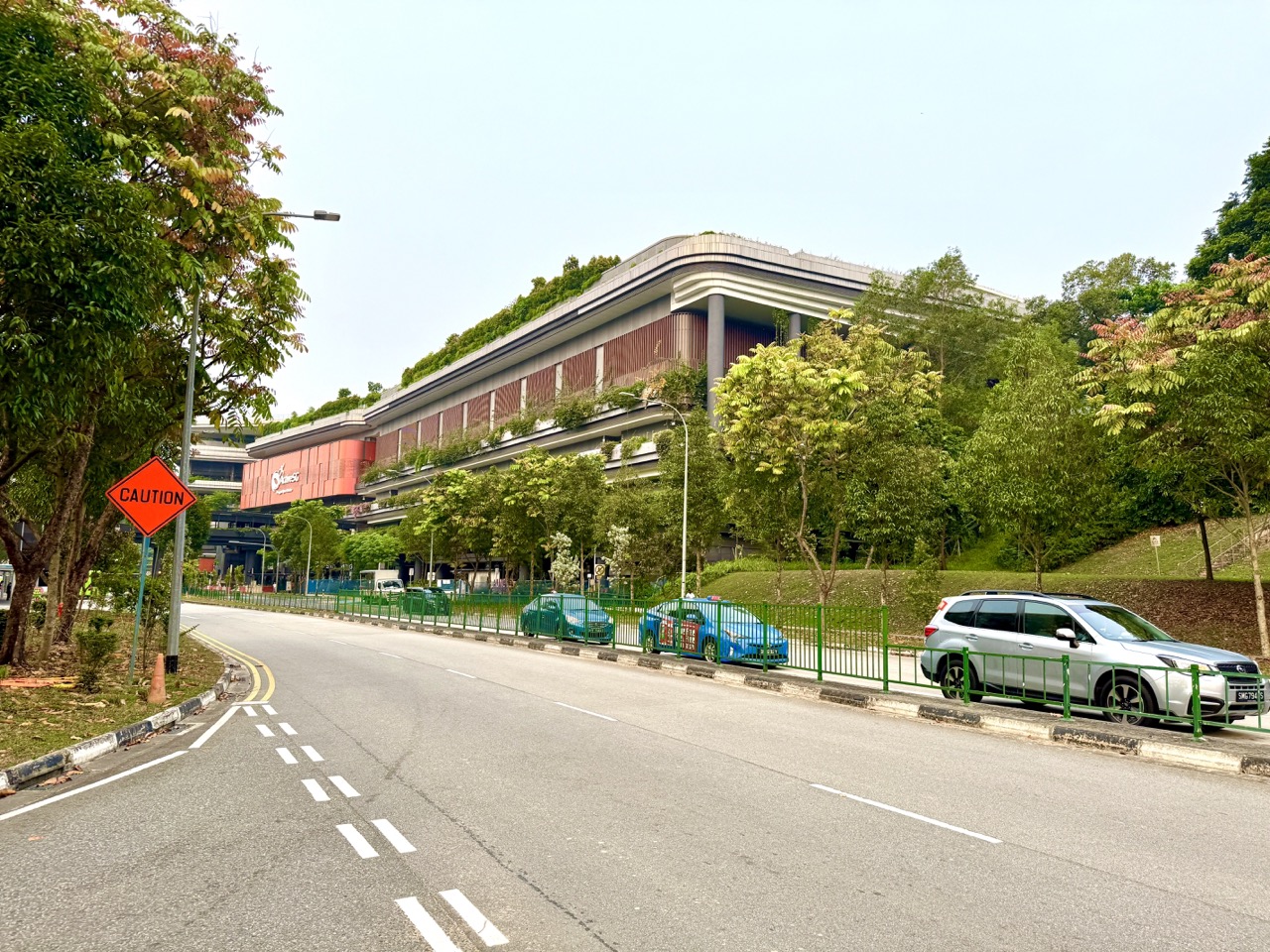
Punggol Sport Centre at 11 Sentul Crescent began phased public operations on 27 October 2026, but the opening does not guarantee a particular approved future class. SportSG’s official partnership page provides the FormSG proposal route, technical requirements and programme team contact. This guide helps coaches and families distinguish genuine Learn-to-Play or holiday opportunities from private coaching and school grant routes.
- Learn-to-Play: recurring affordable sports and exercise instruction
- School Holiday Programme: school-break-only programmes under a separate proposal route
- Sports instructors: valid NROC e-card and relevant technical certification
- Fitness instructors: valid NREP e-card and recognised fitness qualification
- Safety: first aid CPR/AED, Safe Sport education and risk assessment
- Holiday applications: two completed references
- Music: copyright licences where applicable
- Punggol: confirm actual approved class, instructor, operating venue and current 2027–2028 booking
The useful question is whether the named class has been accepted, has genuine space and is suitable for the participant—not simply whether the new sports building looks ready.

Definition lock: official partnership differs from a court rental
ActiveSG Programme Partnership is SportSG’s route for qualified instructors to propose sport and fitness activities under the national programme offering. It is not equivalent to buying a court for casual recreation and then charging private clients for coaching.
The published programme has two named formats, Learn-to-Play for regular learning and School Holiday Programme for school-break classes. Both have real professional requirements and are subject to acceptance by SportSG.
A Punggol family should look for an actual authorised class; a coach should apply through the government channel rather than assume a personal booking creates a partnership.
Punggol Sport Centre location and phased use
Punggol Sport Centre is at 11 Sentul Crescent, Singapore 828656. Selected public gym and court facilities began operating on 27 October 2026. Other planned areas were subject to separate opening and programme arrangements.
A new public sports building can potentially support recreation and approved courses, but there is no guarantee a particular sport will have a new LTP or SHP class in 2027 or 2028.
Verify the actual programme listing, venue and opening status. Building completion does not equal instructor approval or a registered class.
Learn-to-Play is designed as regular learning
SportSG describes Learn-to-Play as an affordable, regular line-up of sports and fitness programmes. A recurring class can help somebody practise fundamental skills, understand rules and build confidence over several sessions.
The format may suit residents who prefer a planned learning structure to ad hoc play. However, individual courses have their own eligible ages, costs, prerequisites and genuine spaces.
A national category does not establish a Punggol timetable. Registration should be made only for a real listed course.
School Holiday Programme is time-limited
The School Holiday Programme category offers exclusive sports and fitness programmes available during school breaks, rather than necessarily throughout the year. Parents should distinguish a holiday introduction from an ongoing academy commitment.
A child who enjoys a short activity may want another course afterward, but no automatic transfer or next-term continuation is guaranteed. A class may also use a different centre.
Confirm the session dates and location before paying. An old June or December poster is not a future programme schedule.
Holiday proposals require two reference forms
SportSG explicitly requires two completed reference forms for every School Holiday Programme partner proposal. Missing this detail can affect an instructor’s intended launch even if other certifications are current.
References help the operator evaluate a proposal, but do not replace the coach’s actual safety and technical qualifications. The current official form determines how the information should be provided.
Applicants should obtain genuine relevant references and use the official route. Families need not collect private reference details themselves.
Sports instructors use the National Registry of Coaches
For sports programmes, SportSG’s current partnership checklist requires a valid NROC e-card. The register provides a structured professional check but is not a universal pass to teach any sport at any public venue.
A football coach may not hold the technical credentials required for a tennis lesson. A famous former athlete may also have a history of competing without showing current instructor registration.
Verify the named coach and relevant sport, not merely a business logo or an old competition photograph.
Fitness teachers use NREP
Fitness programme partners are expected to have a valid National Registry of Exercise Professionals e-card. This registry differs from NROC and concerns relevant exercise-professional capability.
A group fitness teacher may need specific technical accreditation for the type of movement being taught. An informal certificate or experience as a participant is not automatically sufficient.
Providers should select the appropriate registration route. Parents can ask which qualified professional will actually conduct the class.
First aid must remain valid throughout
SportSG requires Standard First Aid including CPR and AED certification and specifies validity throughout the programme duration. A certificate expiring during a proposed course can create a compliance problem.
Providers planning lessons months ahead should track expiry and renew before the programme begins. A substitute instructor also needs appropriate current training under the applicable requirements.
First aid training helps emergency readiness but does not authorise a coach to diagnose illness or replace healthcare professionals.
Safe Sport education is compulsory
The ActiveSG partnership page requires Safe Sport certification for both sport coaches and exercise professionals. Respectful communication, professional boundaries and protection of participants are part of programme quality.
Young learners should know how a concern can be raised, while coaches should use appropriate communication channels and follow the provider’s safeguarding arrangements.
A Safe Sport logo in an advertisement is not the same as current appropriate training and practice. Actual responsibility matters.
Sport-specific technical certification
SportSG requires technical qualifications relevant to the sport or exercise discipline. Instructors should not list every activity they have ever enjoyed as though all were formally endorsed teaching specialities.
An instructor in a racket sport may need different knowledge from somebody leading movement in a gym. The appropriate credential should match the actual course tasks and participant group.
A parent can ask what the named coach is qualified to teach and what outcomes the course aims to develop.
An activity-specific risk assessment
Both sport and fitness proposals require a risk assessment plan. This document should reflect the real venue, equipment, participants and foreseeable hazards rather than a generic declaration that sport is safe.
A swimming programme, racket lesson and indoor fitness class have very different supervision and facility considerations. A proper plan supports preparation and response rather than being a box to tick after advertising.
Keep the document current when changing halls, equipment or class format. The actual operating environment matters.
Submit through official FormSG
SportSG directs instructors to its official FormSG partnership proposal rather than the MyActiveSG+ consumer court-booking screen. A proposal should truthfully describe the programme and be supported by the required certifications.
An instructor submitting FormSG has not necessarily been accepted. The operator may need to review the documentation, programming needs and suitable space.
Do not collect advance fees under the pretext of a confirmed ActiveSG class before the actual acceptance and registration arrangements are available.
Incomplete submissions must be redone
The published instructions say incorrect or incomplete applications are rejected and must be resubmitted. That can delay a seasonal launch but is not automatically evidence the applicant has behaved dishonestly.
Missing a reference form, using an expired certificate or making a mistake in programme details can each require correction. The applicant is responsible for a complete truthful submission.
Review the official checklist before applying, and keep communications with the programme team clear.
Original documents can be checked
SportSG states that original certificates must be available upon request. This provides a route for verifying e-card status and relevant training when a claim needs support.
A provider should be able to show suitable evidence to authorised personnel without circulating sensitive records to unrelated participants or open messaging groups.
Registration legitimacy and privacy can coexist. Use official record checks rather than public speculation about individual coaches.
NROC and NREP have separate contacts
The partnership webpage gives sport_coaching@sport.gov.sg for NROC questions and nrep@sport.gov.sg for NREP matters, with sport_programming@sport.gov.sg for broader class partnership enquiries.
An applicant whose NROC membership is inactive needs a registry answer, while an applicant asking about a proposed Punggol class needs the programming team. These are different administrative questions.
Using the right contact helps avoid wasted effort and prevents a local gym receptionist becoming an unintended gatekeeper for national professional registration.
Music can require copyright licences
SportSG explicitly states that partners must obtain the necessary licences from rights owners or collective management organisations for copyright-protected music used in their classes.
This matters for dance, aerobics and other music-led instruction. An ordinary personal streaming subscription does not automatically establish permission for public or commercial group use.
Instructors should check the correct rights arrangements before advertising a class built around copyrighted recordings.
An instructor’s music choice affects participants
A class may be designed around a musical tempo, but not all participants enjoy loud audio or can easily hear safety instructions over a soundtrack.
A trainer should consider the venue’s noise rules and practical communication needs, making the session clear and respectful without inventing a guaranteed low-sensory option.
Good programming combines enjoyment, safety and lawful use of creative material.
Actual class prices belong to checkout
SportSG describes affordable programmes, but that does not create one standard fee for every sport, age and venue. A future-year blog should not guess the price of a class at the new Punggol complex.
Registration terms may include particular equipment or cancellation rules that affect the family’s cost. A holiday session can differ from a recurring LTP programme.
Use the current genuine listing and checkout. An old instructor’s promotional fee is not a universal ActiveSG rate.
Group sizes affect teaching quality
Some sports need enough space for movement and equipment, while others use small groups for individual feedback. The right number depends on the specific activity, venue and supervision.
A parent can ask about the learner-to-instructor ratio and whether students with very different skill levels are grouped appropriately. A large group in a promotional photo is not proof of safe class organisation.
Choose a suitable programme and ask the operator about genuine arrangements rather than assuming one national ratio applies to every sport.
A sports class is not childcare
A course may offer supervised instruction while it is in session, but a parent should not assume the public building supplies childcare before arrival or after the lesson ends.
The provider needs a clear handover and collection process, especially for younger children in a large multi-level complex. The gym reception is not a default guardian for participants.
Know the actual class start and finish times and arrange responsible care around them.
Inclusive participation needs practical support
An instructor may wish to welcome learners with different mobility, communication or sensory needs. A general claim of inclusion does not establish that every specialist feature or support worker is available.
Suitable teaching can involve clear demonstrations, activity modifications and a venue the participant can use. Some adjustments require genuine operator approval or specialist advice.
Ask the organiser privately about actual support rather than making personal medical details a public enrollment condition.
School SEP uses different rules
The Sports Education Programme is a separate SportSG and MOE route through which schools procure endorsed sports instruction using eligible matching funding. It does not automatically approve a company’s LTP or SHP offer.
A service provider may participate in more than one programme, but must follow the relevant route and standards. A family’s personal ActiveSG course fee is not a school grant claim.
Read the actual programme name and approval process so educational and recreational services are not accidentally conflated.
ActiveSG Academies are another separate pathway
Sport-specific ActiveSG Academies and Clubs have their own age groups, seasons and opportunities. A beginner may choose a short LTP class before exploring a more structured academy, but there is no automatic transfer.
A school-holiday taster can help determine whether a learner enjoys the sport without an immediate long-term commitment.
Use genuine course availability and child preference to guide the next step. Athletic talent should not be promised from a few lessons.
Venue maintenance can require programme changes
A sports hall may be allocated to competition, maintenance or safety work. That can affect a scheduled class even when other parts of Punggol Sport Centre remain open.
The organiser should communicate any alternative location or date under actual terms. A family has reason to ask what happens when transport or accessibility makes the new arrangement unsuitable.
Keep clear written confirmation and check the real operator’s notices before travel.
Provider approval is time- and activity-specific
A programme accepted at one venue and date is not necessarily approved for every future site, coach, age band or commercial purpose. Certifications also need to remain valid.
A company adding a new sport or changing the assigned instructor should clarify what updated documentation SportSG requires rather than infer unlimited approval.
Partners and parents benefit from precise current details more than a vague claim of being an official ActiveSG provider.
What a family can ask the programme team
Parents may reasonably ask who is responsible for the class, what the child is expected to learn and whether the announced venue is actually operating. These are straightforward questions that help establish suitability before payment.
An instructor should be able to explain the planned activities and how a family will be notified of changes. A marketing photograph or general sports-centre description cannot replace those practical details.
Ask for clear written answers through the official course channel, especially if the programme is a new offering for a future year.
Why no coach should promise 2028 dates now
Future-year programme calendars can change as venue operations, staffing and school holiday dates are confirmed. SportSG’s partnership information provides a proposal route but not a guaranteed multi-year reservation at every facility.
A coach hoping to teach during December 2028 can prepare qualifications and a plan, but should not sell seats before receiving an appropriate approved arrangement.
Honest conditional wording avoids disappointing families and protects the provider’s reputation. Actual bookings belong to the current operator.
Choosing sports for younger children
Some young children need playful movement and basic coordination before a formal competitive game. A well-designed LTP class can introduce safe skills without requiring a high starting ability.
Parents should check the instructor’s experience with the relevant ages, group size and collection arrangements. A coach who is highly qualified with adults may still need different techniques for preschool groups.
Choose based on real enjoyment and readiness rather than a promised certificate or rapid improvement.
Secondary students have different schedules
Older pupils may have examinations, CCAs and school commitments that affect attendance. A holiday programme may offer a short introduction, while a recurring LTP course can require a more reliable weekly slot.
The best course is not necessarily the one with the most sessions; it should match the young person’s interest, capacity and actual travel time.
Check the real academic calendar and avoid buying a lengthy package before the learner understands the commitment.
Adults may prefer a simpler Learn-to-Play format
Some adults want to discover a sport without joining a competitive league. A course that emphasises basic rules and gradual practice can be suitable, provided the actual instructor and venue match the participant’s needs.
A working resident may also need evening or weekend availability. That cannot be assumed from the generic LTP programme description.
Look for an actually listed course at Punggol or another accessible centre and consider whether the timetable is sustainable.
An inclusive class needs more than an inclusive label
Real inclusion depends on whether the environment, equipment, communication and instructor support can accommodate the participants. No single class can automatically provide every individual specialist service.
Families may ask about suitable adaptations privately while maintaining the learner’s dignity. Instructors should be clear about what they can offer and when specialised professional input is needed.
A well-supported honest alternative can be better than promising unlimited accessibility without evidence.
The activity should match its actual venue
A sports hall, swimming complex and fitness studio have different operating conditions and equipment. The mere fact that they are part of a regional development does not permit every activity in each space.
A planned course should use an appropriately authorised location, with the right surfaces, capacity and access. Families should confirm whether the venue has changed after approval.
Accurate location information matters more than using the name of a prominent new complex for publicity.
When classes need licensed music
Music-led classes may need rights-clearance from the copyright owner or a collective management organisation. SportSG explicitly states that partners must ensure the necessary licences where copyrighted music is used.
A personal playlist or subscription does not automatically grant all public commercial uses. A provider who wants to feature popular tracks should understand those limitations before building the session.
This is a business compliance issue distinct from the participant’s sports skills or registration. Obtain appropriate permission rather than simply assume it exists.
A risk assessment is a living document
A provider may originally plan an indoor class and later move it to a different hall. That can change floor conditions, entry routes, crowding or emergency arrangements, so a previously completed risk assessment may need review.
The activity’s participants can also change. A group of primary-school children requires different supervision from a small class of independent adults.
Keep the assessment relevant to the real situation and follow actual staff directions rather than relying on an outdated template.
The importance of correct first-aid records
A valid course certificate should cover the instructor through the whole proposed programme. A provider managing many classes can benefit from a simple calendar of renewal dates and planned courses.
A current first-aid qualification does not guarantee that an emergency can never occur, and the instructor should still know how to call for appropriate help.
Parents need realistic safeguards, not promises of absolute safety. Documentation helps establish professional responsibility.
Coaches should respect the booking system
ActiveSG’s ordinary facility booking rules are intended to provide fair access. An approved programme may have a separate operational arrangement, but a private coach should not exploit consumer bookings or resale them to create unofficial classes.
Families should be cautious if a provider asks for account passwords or claims guaranteed court access through another person’s booking.
Use the legitimate SportSG process and respect public access. Course quality does not justify evading venue rules.
A new approved partner may still have no Punggol class
A coach could be fully qualified to offer courses through ActiveSG yet deliver them at a different centre. Professional credentials and partnership approval do not establish a specific Punggol session.
Parents should verify the real course address in the live booking record. A class in Sengkang or Hougang may be convenient but should never be advertised as happening at Sentul Crescent.
A nearby genuine option is useful; a fictional local schedule is not.
Why short introductions are valuable
A one-off or short series can help someone find out whether an activity suits them before committing to longer training. The benefit can be simple enjoyment, learning basic rules or becoming comfortable with equipment.
A child may discover a new interest or decide to explore another sport. Neither outcome should be treated as failure.
The provider’s role is to facilitate useful learning, not insist that every participant purchases more classes afterward.
Longer courses need credible progression
A recurring programme can build skills across several sessions, but progression should be appropriate to the learner rather than a guaranteed transformation in a fixed number of weeks.
Parents can ask what a beginner should be able to attempt or understand by the end. The answer should reflect the sport and real coaching methods.
Avoid advertisements promising national team selection or clinical improvements solely from routine enrolment.
School holiday travel can be complicated
Families may have student care, siblings and working parents to consider. A short holiday session at another centre can require substantial travel even if its location is geographically close.
The course’s start and finish times, access route and child collection instructions are therefore key product details rather than administrative trivia.
Choose an activity that fits the household realistically instead of relying on vague promises about a quick trip.
A closed court does not always mean a closed centre
Some spaces may be unavailable because of tournaments, repairs or programming allocations while the general Punggol sports building remains open. Parents should not infer availability from the lights being on.
SportSG publishes closures and maintains live programme booking information, which are more useful than a past visitor photograph.
Check the named room or court immediately before a scheduled class when there is any operational uncertainty.
Customer cancellation and organiser cancellation differ
An approved programme can have booking and cancellation terms that distinguish a customer’s change of plans from cancellation by the organiser. These should be read before payment.
Parents should save registration and payment records without sharing personal details broadly. A generic court-refund policy may not govern a specific class in the same way.
Ask the actual organiser about missed sessions, replacement instructors or rescheduling rather than inventing a guaranteed refund.
Coaching ethics are part of the service
A professional instructor should model fairness, appropriate boundaries and respect for different learners. These qualities matter in public community sport as much as technical demonstration.
A participant should be able to ask for clarification and report concerns without being shamed for a mistake. Safe Sport training helps establish a framework for such responsibilities.
Respectful coaching is not an optional promotional feature; it is central to a trustworthy programme.
The 2027 application checklist
Before proposing a 2027 course, confirm NROC or NREP, technical qualification, first aid with CPR/AED, Safe Sport certification and a current risk assessment. For holiday programmes, prepare the two required references.
Use the actual FormSG, clarify venue and copyright questions where needed, and wait for formal SportSG acceptance.
A complete application is a sound first step but not a guaranteed approved class or enrolment list.
The 2028 family verification checklist
Before buying any 2028 course, check the official listing, sport, coach, age range, dates, price, actual Punggol or alternate venue and cancellation terms.
If the desired Punggol facility is not operating for the activity, select a genuine appropriate alternative rather than assume a future opening.
Good decisions depend on present, specific evidence. A 2025 programme partnership overview should not become a permanent timetable.

Frequently asked questions
Can anyone sell a Learn-to-Play class at ActiveSG Punggol?
No automatic right follows from ordinary public court booking. SportSG has a separate partnership and commercial-activity approval framework.
What are the two programme categories?
Learn-to-Play is recurring affordable sport and fitness learning. School Holiday Programme offers school-break sessions.
How many references does a School Holiday Programme proposal need?
The published partnership guidance requires two completed reference forms.
What sports qualification must instructors hold?
A sports instructor must show a valid NROC e-card and appropriate sport technical certification, alongside safety requirements.
What fitness qualification applies?
A fitness instructor should have a valid NREP e-card and relevant recognised exercise qualification.
Is copyrighted music automatically allowed in group fitness?
No. SportSG specifically instructs partners to obtain appropriate copyright licences or permissions for copyrighted music.
Is an approved partner automatically teaching at Punggol?
No. Actual location and live approved sessions need separate confirmation.
Where can a coach enquire?
SportSG publishes sport_programming@sport.gov.sg for general programme partnerships, with separate addresses for NROC and NREP matters.
Official programme instructions and related guides
- SportSG: Learn-to-Play and School Holiday Programme Partnership, certifications and FormSG
- CoachSG: National Registry of Coaches
- ActiveSG Circle: exercise professional registration lookup
- Safe Sport Commission: respectful coaching and safeguarding
- MyActiveSG+: real programme and facility admission
- SportSG: separate school Sports Education Programme
- eduKatePunggol: separate private coaching authorisation
- eduKatePunggol: separate SEP school provider pathway
Your next step
Instructors should choose the right partnership category, complete the professional certifications, risk assessment and required references, then submit the genuine SportSG proposal. Families should only pay for an accepted listed course whose actual coach, venue and session details are confirmed.
Editorial review: 1 November 2026, using SportSG’s published programme partnership requirements. Future 2027–2028 class availability and regulatory changes require current confirmation; no unannounced Punggol class is promised.


