
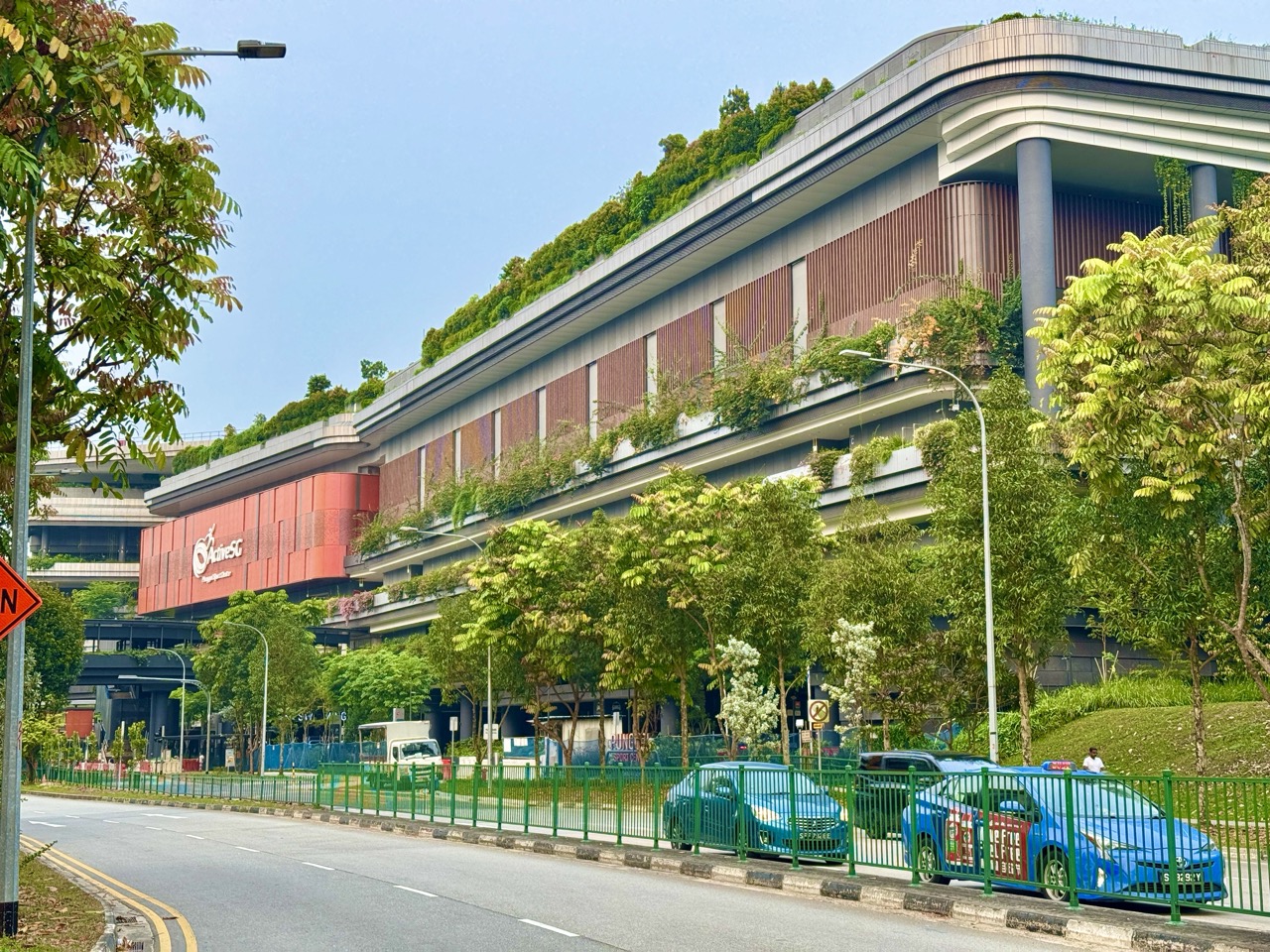
ActiveSG Punggol 2027/2028 racket-court guide: badminton and selected pickleball and tennis court bookings became relevant when Punggol Sport Centre at 11 Sentul Crescent began its phased soft opening on 27 October 2026. ActiveSG’s facility directories include Punggol Sport Hall for badminton and Punggol Sheltered Courts for pickleball and tennis. Residents should use MyActiveSG+ to identify the exact sport, date, court and confirmed slot; no 2027 or 2028 vacancy is guaranteed by this guide.
If you are organising a game for friends, children or a regular social group, the practical questions are simple: which venue has the right markings and equipment, what do the current booking rules require, and how will everyone reach the correct court? This article covers court types, beginners’ technique, peak-hour demand, group planning, costs, fair play and weather changes, using the current official sheltered-courts listing as a key operational reference.
- Location: 11 Sentul Crescent, Singapore 828656.
- Badminton: check Punggol Sport Hall under ActiveSG bookings.
- Pickleball: distinguish indoor and sheltered courts and confirm the chosen category.
- Tennis: search Punggol Sheltered Courts (Pickleball & Tennis).
- Official sheltered-courts hours: daily 7am–10pm at the time checked, subject to closures.
- Booking: use MyActiveSG+ and keep a genuine reservation confirmation.
- Pricing: verify current sport, peak/off-peak, eligibility and court rates before paying.
- Alternatives: other ActiveSG halls and Dual-Use Scheme school facilities.
- Future years: recheck 2027–2028 rules, inventory and programme schedules.
A court you can actually book is more valuable than a perfect court that exists only in an attractive building photograph. Start with the desired sport and session, then fit the logistics around it.
This is a practical guide for recreational sport. It is not a live court reservation, a guarantee of programme admission or an invitation to enter controlled competition spaces.

What changed when Punggol court bookings began
Punggol residents spent much of 2026 reading about a sports-centre development that had not yet become usable public inventory. The important change came with the phased soft opening on 27 October 2026. Contemporary reports and ActiveSG facility listings identified Punggol Sport Hall and Punggol Sheltered Courts among the new options for badminton, pickleball and tennis. This does not make every imagined court or time slot automatically available; it turns the decision into a real booking search.
A family that earlier had to compare Sengkang, school halls and private clubs now has another named public facility at 11 Sentul Crescent. The benefit is potentially shorter travel, especially for residents near Sam Kee LRT, but popular peak slots still depend on actual availability.
This 2027–2028 guide begins with the confirmed new venue names and then explains how to reserve a legal, appropriate session. The live MyActiveSG+ booking result is more important than an article’s guess about future inventory.
First choose the sport, then choose the court
One of the easiest booking errors is to start by typing ‘Punggol’ into a search without knowing whether the activity needs badminton lines, a tennis court, indoor pickleball, an outdoor pickleball setup or a table-tennis area. They may be listed separately even when physically located in the same development. The existence of multiple sports in one building makes correct selection more important, not less.
Picture two friends who intend to practise tennis. If they book indoor badminton by mistake, the reservation cannot be assumed convertible simply because the building contains a sheltered tennis facility. The sport category affects equipment, net height, markings, rules and the group’s intended skill practice.
Decide your game, number of players, level and desired duration before opening MyActiveSG+. Keep a note of the venue name and court number shown on the final confirmation.
Punggol Sport Hall for indoor badminton
ActiveSG Circle’s badminton facility directory now includes Punggol Sport Hall at 11 Sentul Crescent. That listing places it alongside other recognised ActiveSG badminton venues rather than treating the regional centre only as an upcoming construction project. Reports from the late-October soft opening describe bookable indoor badminton courts, though the number actually offered on any date may depend on other uses.
For beginners, an indoor hall offers a more predictable setting than an improvised outdoor rally. It still has shared-space obligations: suitable footwear, no food in playing areas where prohibited, quick changeovers and considerate use of adjacent courts. The hall may also be configured for organised events.
Book through the official portal, read the exact court details, and arrive ready to play. Do not publish an opening-week court count as though it guarantees the same public supply for every 2027–2028 evening.
Punggol Sheltered Courts for tennis and pickleball
SportSG’s official Punggol Sheltered Courts page lists tennis and pickleball at 11 Sentul Crescent. As checked for this guide, the published normal operating window is 7am to 10pm daily, subject to closure notices. That is a facility-hours listing, not proof that a particular court is unreserved at any given hour.
Shelter can make play more comfortable in ordinary showers, but it does not cancel lightning and weather safety instructions. Nor should a court be assumed to have air-conditioning merely because a roof covers it. Tennis players in particular may want to consider ball retrieval, wind effects and available court-side circulation.
Choose the exact sport and court in the official booking flow, confirm the conditions and follow any on-site safety directions. Always check the current listing again closer to a 2027 or 2028 visit.
Indoor versus sheltered pickleball is a meaningful choice
Pickleball uses a paddle and a perforated ball, with play organised around a smaller court and a non-volley zone near the net. The basic equipment is the same game across settings, but the playing experience may differ between an indoor hall and a sheltered court. Sound, wind, surface characteristics and adjacent users can affect comfort.
A beginner may prefer an introductory indoor session where the playing conditions are familiar, while a group of experienced friends may choose whichever appropriate venue has an available slot. Children learning to wait their turn, adults wanting social exercise and competitive players all benefit from different pacing.
Search both indoor and sheltered pickleball options if available, compare permitted uses and equipment rules, and never infer that a court can be switched from one format to another without operator approval.
How to use MyActiveSG+ without wasting a journey
ActiveSG’s current service at activesg.gov.sg separates court booking from buying passes and joining coached programmes. A court reservation grants the stated space for the stated period; it does not automatically purchase a lesson, lend equipment or secure a professional instructor. The booking confirmation is the central document.
A responsible organiser checks the sport, venue, date, time, slot status, amount due and cancellation conditions before payment. If the platform requires a ballot rather than instant purchase for the desired date, that is an application for an allocation—not a confirmed game. Friends should not travel until a genuine booking has been secured.
Save the confirmation and check it shortly before leaving. Avoid sharing account credentials or buying a stranger’s purported booking through an unofficial chat group.
Peak slots and why 2027 demand may look different
Even a large hall cannot supply unlimited Friday evenings and weekend mornings. When many families share similar work and school schedules, peak demand concentrates on a small set of convenient hours. Opening-week availability does not predict future popularity once local residents fully discover the new facilities.
Consider a group that meets weekly after Secondary school CCAs. Its narrow preferred start time may collide with organised programmes or competitions. Trying two reasonable alternatives can be more successful than repeatedly refreshing a single unavailable hour. The best backup may be an earlier start, a different weekday or a bookable school hall.
Read ActiveSG’s current booking release and balloting rules directly. Do not assume that an old guide’s ballot window or daily slot limit will remain unchanged throughout 2027 and 2028.
Costs: calculate a real game, not just the court fee
Court rental is only one part of the household budget. Badminton players buy or bring shuttlecocks; tennis uses balls that may wear or disappear; pickleball requires paddles and balls; participants may also pay for transport or coaching. SportSG rates can differ by court type, residency and peak period. Temporary rates and opening promotions should not be extended into later years without verification.
For a group of four, divide the confirmed court cost fairly only after deciding who is bringing equipment. A child’s coaching lesson is a different transaction from the family booking a court to practise together. It is useful to separate a one-off learning expense from the ongoing cost of a recreational habit.
Check the official rate table before purchase. Compare the total expense of four weekly sessions rather than relying on a single attractive price quoted in a 2026 review.
Badminton for beginners: make the first rally enjoyable
New badminton players sometimes begin by attempting a powerful smash, then become frustrated when the shuttle does not cross the net. A more productive introduction starts with grip, ready position, simple forehand contact, short controlled rallies and moving safely into open space. Consistency makes the game enjoyable before sophisticated tactics matter.
A parent and child can practise cooperative exchanges rather than counting winners. Ten consecutive gentle hits may teach far more than thirty minutes of rushed competitive scoring. The child learns to read flight, control balance and keep attention on a moving object while managing disappointment without leaving the court.
Bring suitable rackets and shuttlecocks, warm up progressively and use only the court you actually booked. A formal coach can help if the learner wants structured technique, but first check that a genuine lesson is on offer.
Badminton doubles: four players, one communication problem
Doubles is popular partly because it turns a court booking into a social occasion. Yet four people chasing the same shuttle can create collisions and frustration. Beginners should learn basic service order, safe spacing, clear calls and simple attacking and defending positions before trying to imitate advanced televised matches.
During one rally, the rear player may move back for an overhead shot while a partner retreats unpredictably into the same area. A calm verbal cue and an agreed formation can prevent both from swinging at once. The lesson is teamwork: make responsibilities visible and recover quickly after mistakes.
Use warm-up time to establish communication and share court space fairly. Experienced players should adapt the pace when a novice joins rather than treating every match as a ranking test.
Pickleball: learn the kitchen before chasing power
Pickleball attracts many first-time participants because the court is manageable and rallies can begin quickly. Still, the game has rules that are not borrowed directly from tennis. The non-volley zone, commonly called the kitchen, affects how players position themselves and when they may hit a ball before it bounces.
A beginner who stands very close to the net and volleys while touching the non-volley zone may be puzzled when the point is lost. Rather than memorising a long rulebook at once, practise legal serving, letting appropriate returns bounce, placing the ball gently and moving into a balanced ready position.
An introductory session should reward controlled exchanges and understanding. Keep spare balls away from neighbouring courts, call points clearly and avoid aggressive shots at faces when playing with children or mixed-skill groups.
Tennis: the first session is about control
Tennis can be difficult for absolute beginners because the racket, ball bounce, swing and court dimensions demand coordination. The first goal need not be a full scoring set. Players can begin with short-court rallies, grip awareness, basic forehand and backhand contact and a simple controlled serve action. Building comfort gradually prevents early discouragement.
Two friends who book an hour can spend the first ten minutes warming up and trying cooperative exchanges from a shorter distance. Then they can gradually increase court coverage. A group that starts with hard serves and exhausting rallies may spend more time retrieving balls than learning.
Check that the Punggol tennis court is the precise booked venue and use shoes suitable for its surface. Avoid entering an adjacent occupied court to retrieve a ball until it is safe and the other players acknowledge you.
Table tennis: a compact alternative for shorter outings
Late-October reports also identified Punggol table-tennis booking options. Table tennis can suit residents who want a compact game with friends or family, especially where a full badminton or tennis slot is unavailable. It has different space, equipment and ball-handling requirements, so its facility listing should be checked separately.
A newcomer may find a small ball surprisingly difficult to control. Start with a comfortable grip, short pushes and forehand counters before practising service spin. Parent–child pairs can keep score of successful cooperative rallies instead of immediately playing competitive points, and gradually increase speed as accuracy improves.
Confirm table availability and whether paddles or balls are provided. Never assume the table-tennis area is free to use just because it occupies less space than a full court.
Lessons versus recreational bookings
SportSG’s platform may list coaching and development programmes separately from facility rentals. This distinction matters especially for parents: a court reservation does not provide an instructor, and a programme seat may include teaching under rules that differ from ordinary recreation. Class availability may change by term and by provider.
For a child who wants stronger badminton footwork, a suitable beginner class can provide feedback that a casual family rally does not. For a group whose main aim is friendship and movement, paying for structured coaching may be unnecessary. A more experienced player might benefit from targeted technical advice rather than a general introductory course.
Identify the desired outcome before spending. Read the programme’s instructor details, class level, dates, required equipment and refund conditions. Ensure the class is actually listed at Punggol if that location matters.
School holidays: avoid turning recreation into a timetable race
School holidays change demand patterns. Families become available during daytime hours, older students may organise group games and new courses can appear. This does not mean every session will be cheaper or easier to secure. A clear plan with one booked activity and a flexible backup often works better than attempting to reserve the entire week.
Imagine a family organising two cousins and three friends. First find a confirmed court and check supervision, transport and equipment. Only then invite the full group. Otherwise, one enthusiastic parent can create expectations around an unconfirmed time slot and scramble when availability disappears.
Plan around the youngest or least experienced player’s attention span. An enjoyable hour that everyone wants to repeat is more valuable than a packed morning that leaves children exhausted.
Students and friendship groups: the organiser’s checklist
Secondary and JC students can learn real responsibility by organising their own sports sessions. The task involves money, punctuality, fair play and group communication. One student should hold the booking, another can coordinate equipment, and everyone should know the agreed meeting location and venue rules.
A common mistake is assuming that ‘Punggol Sport Centre’ is enough information. The booking may specify a particular sheltered court or hall on a different level. Another mistake is sending payment before everyone agrees whether a booked hour starts at 6pm or 7pm. These small misunderstandings can consume a substantial part of the session.
Write one concise message with the sport, court, start time, meeting time, cost share and rain plan. Share only the booking information needed, not private account credentials.
Parents playing with children: adjust the game
Playing together can improve family relationships when adults allow the child to participate rather than continually dominate. A full-size competitive game may overwhelm a younger beginner. Shortened rallies, gentle feeds, simple targets and turn-taking are more appropriate starting points than enforcing every advanced rule from the first minute.
For example, a parent can create a cooperative rally goal, then gradually increase the number of controlled hits. The child experiences success and can notice progress. A sibling who is less confident might need a softer ball or a different skill task; that can be arranged during supervised, permitted practice without taking over another court.
Check the child’s age and venue suitability, bring water, monitor fatigue and make the session enjoyable. Do not create an expectation that every family game must produce a winner.
Older residents: sport as a social appointment
Badminton, pickleball and table tennis can provide movement and connection when adapted to a participant’s ability. Older residents differ widely in experience, balance and health. A suitable beginner session may focus on slower exchanges and safe positioning rather than repeated sprints across a court.
Two retirees can arrange a predictable weekday session when the venue is less crowded, enjoy an hour of manageable play and meet friends nearby. The social reason to attend may be as important as the technical progress. However, anyone with specific health concerns should seek appropriate professional advice about safe intensity.
Check concession rates and relevant interest groups directly with ActiveSG. Do not assume all public programmes use the same minimum age, fee or supervision arrangement.
Inclusive participation and the court environment
Accessibility is about practical use of the specific court, not simply the existence of a lift in a large building. A participant may need a step-free entrance, accessible toilets, manageable noise levels, an adapted racket, wheelchair-compatible circulation or a suitable inclusive coaching group. These requirements should be checked before a payment is made.
Imagine a parent inviting a friend who uses a mobility aid. The organiser should establish whether the specific hall and court layout allows safe access and whether a suitable programme exists. Assuming that every sport venue can meet every need immediately is unhelpful; so is excluding someone without asking.
Contact the facility or organiser with the precise requirement. SportSG’s inclusion goals are important, but programme eligibility and actual access must be confirmed for the selected booking.
Safety on crowded multi-court floors
A busy indoor sports floor works when players stay within their spaces and communicate. Shuttlecocks and balls can drift onto neighbouring courts. Chasing them mid-rally creates collision risk. Players should avoid running across another active court and should wait for acknowledgement before retrieving equipment.
Appropriate footwear, clear walkways, controlled swings and realistic warm-ups matter. A beginner who has not exercised in months should not start with repeated maximal jumps or abrupt lunges. A short progressive warm-up makes the first games more comfortable and gives players time to identify slippery or obstructed areas.
Follow on-site instructions and report unsafe conditions to staff. Do not assume that a court reservation entitles a group to ignore supervision or conduct rules.
Weather, haze and sheltered-court limitations
Sheltered courts reduce some exposure to rain, but SportSG’s own Punggol Sheltered Courts page warns that outdoor facilities may close during inclement weather. Lightning or severe haze can change operations even where the playing surface looks dry. A planned booking is not a promise to proceed under unsafe conditions.
Groups should check current NEA conditions and facility notices rather than argue over whether a roof is sufficient. If the operator closes the area, follow its official cancellation or credit process. Do not ask staff to make an exception because people have travelled a long distance.
Prepare a legitimate alternative: a different sport, a later date, or a venue that remains open under appropriate conditions. Keep young children and vulnerable participants in mind when choosing a backup.
An alternative booking is not a failed day
Punggol’s new centre adds choice, but high demand for popular slots may continue. If the desired badminton session is unavailable, check current inventory at established SportSG venues such as Sengkang Sport Hall or at designated Punggol school sports halls under the Dual-Use Scheme. They are separate locations, and school facilities have their own restricted public times.
A parent might discover that a nearby school hall offers the right weekend hour while the new centre is fully reserved. Choosing it is not settling for something inferior; it is choosing a usable activity. The aim is a good game, not the most fashionable facility.
Confirm the precise address and booking conditions before travel. A school hall does not become open at every hour merely because the school term has ended.
Coaches, groups and commercial use of public courts
Some people book courts for lessons or organised groups rather than private family games. Public booking systems can have rules about commercial coaching, resale, transfer, number of slots and acceptable use. Paying a person who advertises an unofficial ‘guaranteed court’ may create risks for buyers if the arrangement breaches the operator’s terms.
A coach who wants a 2027 programme should be able to explain the authorised venue, booking arrangement, qualifications and cancellation conditions. Parents should check those details before paying a large package, particularly if lessons are advertised for spaces not yet activated.
Follow SportSG’s current usage and booking rules. Keep proof of payment, never share your Singpass details and report misleading resale or impersonation attempts through the proper channels.
How to plan a repeatable 2027 badminton or pickleball group
An enduring social sports group needs reliable roles and a sensible booking habit. Decide on a regular preferred time, agree on a backup and establish how members split court charges and equipment expenses. Avoid the situation in which one organiser takes all the financial risk while others cancel without notice.
A four-person doubles group might have two players who travel from far away and two who live near Sam Kee. They can choose a slightly less convenient but more reliably bookable off-peak session. Over a year, a pattern people can sustain is more valuable than a perfect one-off weekend slot.
Review participation and cost every few months. If the preferred activity becomes too crowded, try a second public venue or an interest group that matches the players’ skill levels.
What to check when 2028 arrives
By 2028, the news of Punggol’s soft opening will be old. Residents will care about actual slot supply, operating conditions, accessible sessions, price changes and whether sports still fit their lives. A helpful court-booking article must keep the operator’s current system as its source of truth rather than preserve a historical screenshot as though it were live availability.
Check which Punggol hall or court category now lists the sport, whether booking releases or ballots have changed, and whether on-site renovations affect play. Promotions, fees and coach programmes can also change without changing the centre’s address.
Use this guide to understand the decisions and the official site to complete them. That separation keeps the information useful long after the opening-week excitement.
Frequently asked questions
Can I book badminton at Punggol Sport Centre?
Punggol Sport Hall appeared as an operating ActiveSG badminton venue during the late-October 2026 soft opening. Check MyActiveSG+ for the specific bookable court, date and time; venue status does not guarantee a free slot.
Where are the tennis and pickleball courts?
The official Punggol Sheltered Courts (Pickleball & Tennis) facility is at 11 Sentul Crescent, Singapore 828656. Its normal published hours are 7am–10pm daily, subject to closure notices.
Are pickleball and badminton courts interchangeable?
Not automatically. They differ in markings, equipment and net setup. Choose the sport and venue specified by the official booking system.
How far ahead can I book for 2027 or 2028?
Use the current MyActiveSG+ booking calendar. Instant allocation and balloting rules may change; this article does not guarantee a release schedule years in advance.
Can I join a class instead of booking a court?
Yes, where a suitable programme actually has available enrolment. A paid court booking does not include an instructor, and classes follow separate programme terms.
What is the best sport for a new player?
Badminton, pickleball, tennis and table tennis can all be enjoyable. Choose by physical readiness, accessibility, age, equipment, coaching availability and what the person wants to repeat.
Does a sheltered court stay open in lightning?
Do not assume so. SportSG’s facility page warns that outdoor facilities can close in inclement weather. Follow staff directions and operator notices.
Can I use a Punggol school hall if the new centre is full?
Selected school halls are available under ActiveSG’s Dual-Use Scheme during designated public periods. Search and confirm the actual facility and time; school access is not automatically unrestricted.
Official sources and further Punggol reading
- ActiveSG: current court booking and programmes
- SportSG: Punggol Sheltered Courts facility
- SportSG: badminton facility directory including Punggol Sport Hall
- SportSG: facilities, closures and rates
- eduKatePunggol: 2026 courts guide (historic opening status)
- eduKatePunggol: shared-court etiquette example
- eduKatePunggol: all-facilities 2027–2028 guide
Checked 1 November 2026. Public activation began in October 2026, but individual court availability, rates, coach access and opening hours may change. Use the official SportSG service for the actual date and sport you need.


