
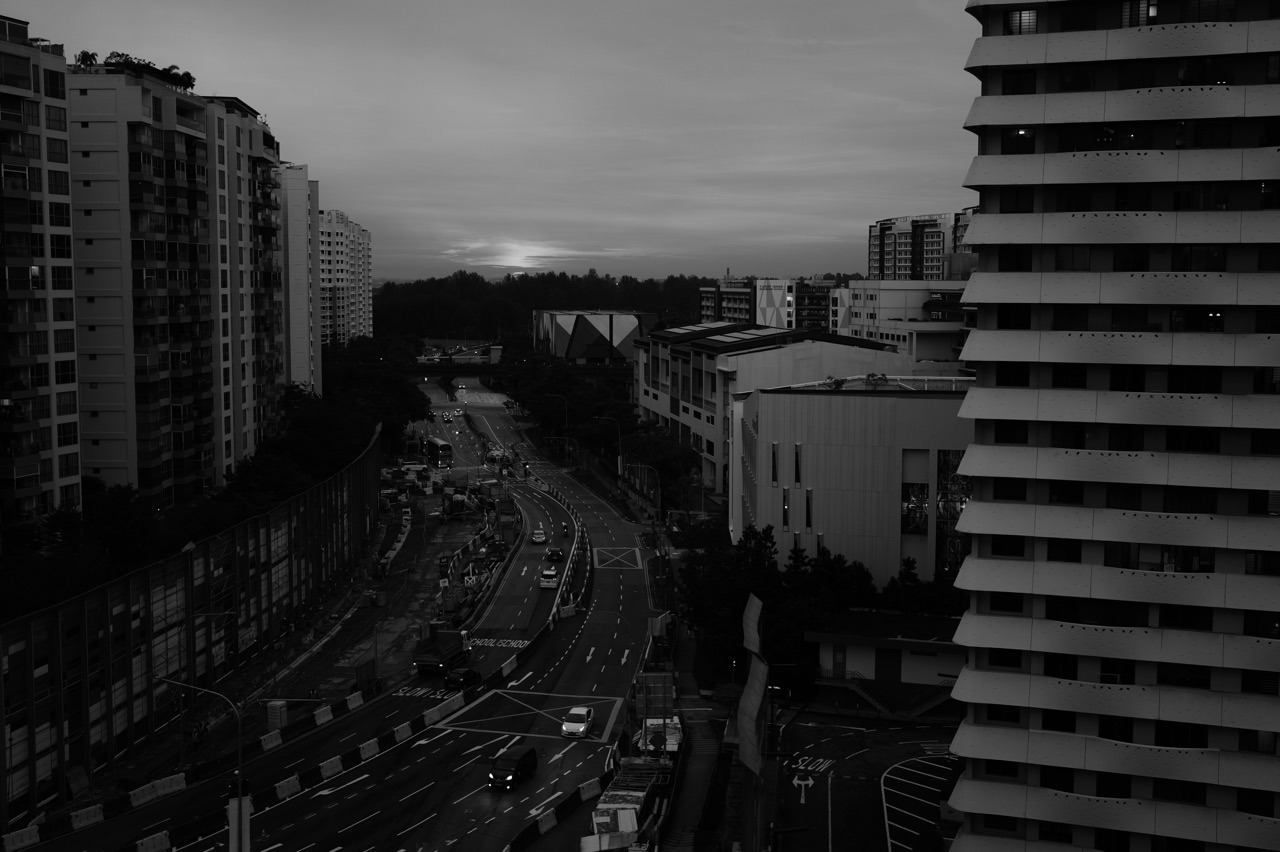
A Punggol flat may feel comfortable in the morning but become bright, glaring and uncomfortably warm later in the day. Residents often blame the weather, the floor level or the air-conditioner. Yet one important factor may be the direction of windows and external walls. A west-facing window can admit strong afternoon sunlight, while the way the room is shaded, ventilated and furnished changes how much of that heat reaches people indoors.
West-facing flats in Punggol do not all behave the same way. Buildings around Punggol Central, Waterway, Northshore and Punggol Coast have different orientations, neighbouring blocks, roof overhangs and window arrangements. Some windows receive direct afternoon sun for hours; others are shaded by nearby structures. A compass direction is a starting clue, not a temperature reading or a reliable estimate of electricity bills.
This practical guide explains afternoon solar exposure, the difference between sunlight, stored heat and humidity, and a simple way to observe a room before buying curtains, blinds or cooling devices. It uses official NEA and URA advice, includes a Punggol-specific view of building design and avoids promising that any one product or retrofit will cool every home. The goal is to spend more wisely and make rooms more comfortable with evidence.
The short answer
- In Singapore, east- and west-facing openings can receive substantial direct sun; west-facing windows are often especially noticeable in the afternoon.
- The sun’s exact path changes over the year, so a room’s exposure can change with the season.
- Direct sunlight through glass, heated walls, warm outdoor air and humidity are different contributors to discomfort.
- Shading, airflow and sensible use of fans can improve comfort, but their effect varies with the room.
- A nearby building, deep recess or tree may reduce direct sun even when a window faces west.
- Measure the actual problem before buying expensive solar films, curtains or cooling equipment.
- Do not install external devices or alter windows in ways that breach HDB, MCST, building or safety requirements.
1. What ‘west-facing’ actually means
The term usually refers to the compass direction that a window or exposed building façade faces. A room with windows looking generally west is often called west-facing even when the main building entrance points somewhere else. It is therefore possible for different rooms in the same flat to have very different exposure.
The sun rises broadly on the eastern side of the sky and sets broadly on the western side, with its detailed path varying through the year. Around the equator, the sun can also occupy different positions north or south of overhead at different times. That is why a north-facing or south-facing window should not automatically be called ‘sun-free’. A useful room assessment looks at both the compass direction and what actually happens to the sunlight at the window.
The Urban Redevelopment Authority’s discussion of cooler building designs describes the importance of air movement, shading and building form. Its wider planning guidance emphasises how sun exposure and ventilation need to be considered together rather than through a single compass label.
2. Direct sun and warm air are not the same problem
When sunlight falls directly on a floor, desk, bed or curtain, those surfaces absorb some of its energy. Glass, shading devices and the thermal properties of materials affect how much energy enters. A room can become hot partly because sunlight is entering, and partly because the building and its contents have been warmed during the day.
Warm outdoor air is another contributor. If the air outside is hot or stagnant, an open window does not necessarily make a room feel much cooler. Humidity affects the body’s ability to lose heat through sweat. A sea breeze or cross-breeze can help with comfort, but the wind may change and a building can obstruct it.
A thermometer records temperature; it does not by itself measure direct sunlight, airflow, humidity or how a person feels. Two rooms at similar air temperatures can be experienced differently if one has glare, hot surfaces and no air movement. This distinction helps a household choose the right intervention.
3. Why 3 pm can feel different from 7 pm
During the afternoon
Direct sun may enter through windows, producing bright patches and warming the room’s interior surfaces. The angle of sunlight matters. A neighbour’s building might shade the window at one time but not another. Curtains or blinds can reduce unwanted sun reaching deeper into the room, though their effectiveness depends on fabric, installation, glazing and the particular exposure.
In the early evening
The sun may no longer shine directly into the room, but warmed walls and furnishings can still release stored heat. A household may perceive a delay between the end of direct sun and the return of comfortable conditions. This does not automatically mean the air-conditioner is faulty.
At night
Heat retention, outdoor weather, ventilation and occupants’ activities can all affect comfort. Cooking, electronics, many people in a small room and blocked airflow can add to the problem. A family should distinguish these effects rather than assume every warm night is caused solely by a west-facing wall.
4. What NEA recommends for a cooler home
Singapore’s National Environment Agency publishes Energy Efficient Interior Design Tips. It suggests using fans, choosing lighter colours for walls and larger furniture, using curtains or blinds and appropriate solar films against unwanted sun, and avoiding furniture that obstructs windows and airflow. The guide also discusses reducing the area that requires air-conditioning and sensible appliance placement.
These are general efficiency principles, not guarantees of a particular temperature reduction or payback period in your unit. A resident should consider the actual window type, home layout, existing shading, fire and window-safety requirements, and household needs before making modifications.
For a child’s bedroom that overheats during homework, closing a blind during the strongest sunlight may be a good starting experiment. For a bedroom that stays hot despite little direct sun, examining ventilation and wider heat sources may be more useful than buying a darker curtain on impulse.
5. A simple three-day sun-exposure test
- Choose the room causing discomfort and note its window direction using a reliable map or compass as a starting point.
- On three ordinary days, observe at roughly the same times—for example late morning, mid-afternoon and early evening—without staring into the sun.
- Record whether direct sunlight actually falls on the floor, desk, wall or bed. Note the approximate area and duration.
- Record room temperature with the same thermometer in a consistent shaded location if you have one. Do not place it directly in a sun patch or beside a cooling vent.
- Note whether curtains, windows, doors, fans or air-conditioning were used, because they affect comparisons.
- Observe whether a neighbouring block, external ledge, tree or balcony shades the window.
- After three days, identify the most repeatable pattern. Then test one reversible change before buying anything permanent.
A three-day check reveals a pattern for those particular days, not an annual solar study. If you are deciding whether to rent or buy, visit at the relevant hour when possible and ask informed questions about the unit. If the decision is expensive, more observations across different weather conditions are worthwhile.
6. A room checklist before you spend money
- Sun patches: Which objects and surfaces actually receive direct sun, and at what times?
- Window size and glazing: Is there a large exposed pane or a smaller recessed window?
- Existing shade: Do balconies, overhangs, external screens or neighbouring buildings block some light?
- Airflow: Can breezes pass through the flat without large furniture obstructing the route?
- Daily use: Is the hot room used for sleeping, work, study or occasional storage?
- Glare: Does sunlight make a computer screen difficult to see even when the temperature is tolerable?
- Existing cooling: Are fans and air-conditioners maintained and operated sensibly?
- Approvals and safety: Would a proposed retrofit affect windows, a façade, common property or a regulated building component?
7. Curtains, blinds and window films solve different problems
Curtains and blinds can block or filter direct light and reduce glare. Their ability to reduce heat gain depends on their design, installation and how sunlight interacts with the glazing. Lighter colours may help reflect heat, but fabric properties and the location of shading also matter. Blackout curtains can darken a room; ‘blackout’ alone is not a guarantee of best thermal performance.
Window films can change how solar energy and visible light pass through glass. Their performance varies by product and existing window. Before buying, ask for clear specifications and ensure the film is appropriate for the glass and complies with the building’s rules. Avoid making permanent window alterations based on a salesperson’s unsupported claim that one product will cut room temperature by a particular number of degrees.
External awnings, screens and façade changes are different from ordinary removable interior furnishings. They may involve building control, window safety, HDB or MCST permissions. Do not drill or attach anything outside the flat without checking the relevant requirements and obtaining necessary approval.
8. Fans, cross-ventilation and air-conditioning
Fans help occupants feel cooler by moving air. They do not work like refrigeration and should not be represented as automatically reducing the room’s air temperature. Natural cross-ventilation requires a usable path for air to enter and leave, and its effectiveness depends on outdoor conditions, neighbouring buildings and the wind.
If outdoor air is very hot, smoky or otherwise unsuitable, opening every window may not be the right response. Use current environmental guidance and household needs. When using air-conditioning, sensible temperature settings, clean filters, closed doors to the cooled area and regular maintenance may be more meaningful than repeated thermostat changes.
NEA specifically advises keeping large furniture from blocking windows and air paths. A wardrobe pushed directly across the only useful ventilation opening can undermine the benefit of having an otherwise well-oriented room.
9. Punggol’s built environment adds another layer
Punggol contains different housing forms, from relatively open waterfront façades to enclosed courtyards, towers facing neighbouring blocks and mixed-use town-centre developments. Two west-facing rooms can experience different heat conditions because one is shaded, one catches a breeze, and one is exposed to more sun or retained heat.
URA describes Punggol Point Crown as an example of shaded façades and living spaces planned for air flow. Its Punggol Digital District discussion highlights how lifting parts of buildings and opening ground-level spaces can support breezes. These are illustrations of passive design principles, not claims that all nearby private flats share the same thermal performance.
Residents who want the engineering story behind such decisions can also read Why Punggol | Northshore HDB Blocks Are Designed for Wind, Shade and Nature. The key lesson is that orientation, shading and ventilation interact. A flat’s compass bearing alone never tells the whole story.
10. Four common decisions, worked through
A student has afternoon glare on a homework desk
The family checks which hours sunlight lands on the desk. They test a reversible blind position and move the desk if that helps. They also consider screen position, avoiding direct glare and keeping adequate reading light. A new air-conditioner would not by itself solve the problem of sunlight making text difficult to see.
A bedroom remains warm after sunset
The family records when the sun last entered the room and when the temperature begins to drop. If the room remains warm after direct exposure ends, they consider stored heat, blocked airflow, weather and the room’s use. They avoid claiming a building defect based only on one night.
A buyer likes a Punggol waterfront view
A sea view can be attractive, but the viewer should also inspect exposure at the intended living times. The future resident asks which windows face the afternoon sun, whether external shade exists, what can legally be changed and whether ventilation is comfortable when windows are open. A single morning viewing is not a full assessment.
A family receives a costly film quotation
They ask for the product’s performance information, installation conditions, window compatibility, warranties and approval requirements. They compare the quote with the actual comfort problem documented at home. If an inexpensive reversible shading measure already works, there may be no reason to rush into a costly retrofit.
11. A small Science lesson about heat
Use an example involving two shaded thermometers in different rooms, not a dangerous experiment with direct sunlight or hot glass. Observe whether one room is warmer during the afternoon, and ask what variables differ: direct solar exposure, window size, wall orientation, airflow and use of appliances. Change one safe variable at a time when comparing conditions.
This is how evidence works. A claim such as ‘my west-facing room is always ten degrees hotter’ needs reliable measurements and a comparable reference. The more useful question is, ‘what changed, what did we measure, and which controllable factor produced a difference?’ Parents can turn an everyday comfort problem into a lesson about fair tests without sacrificing safety.
12. Mistakes to avoid
- Believing a compass label predicts the exact afternoon temperature.
- Assuming waterfront breeze cancels out direct solar heat gain.
- Comparing a sunny thermometer with a shaded one and calling the difference room temperature.
- Buying a film or curtain before determining whether the main problem is glare, heat, or poor airflow.
- Blocking an entire window with furniture while complaining that the room has no ventilation.
- Treating a fan as if it were an air-conditioner.
- Ignoring window safety and external alteration rules to install shading.
- Assuming one apartment’s comfortable experience applies to every flat in the same estate.
Frequently asked questions
Is every west-facing flat in Punggol hot?
No. West-facing openings often receive noticeable afternoon sun, but neighbouring buildings, overhangs, window size, glazing, airflow, weather and seasonal sun paths affect the actual result.
Is a north-south-facing flat always cooler?
Not automatically. It may have a different solar exposure profile, but the rest of the building design and environmental conditions matter. Evaluate the actual rooms rather than relying on orientation alone.
Do blackout curtains always reduce heat the most?
They reduce light, but thermal performance varies with material, fit, backing, glazing and installation. Compare products against the actual heat and glare problem instead of assuming that darkness equals maximum heat rejection.
Should I install solar film immediately?
First observe the direct sun, assess existing shading and ventilation, and verify the film’s suitability and any approval requirements. A reversible trial with blinds or furniture placement may establish whether the proposed expense is warranted.
Can a fan replace air-conditioning?
A fan helps people feel cooler through airflow but does not cool a room in the same way as an air-conditioner. Choose an approach suited to the weather, the occupants and their health and comfort needs.
Official sources and local reading
- NEA — Energy Efficient Interior Design Tips
- URA — Combating Hotter Days with Cooler Building Designs
- URA — Low-Carbon City and Punggol Point Crown design
- URA — Shaping a Heat Resilient City
- eduKate Punggol — Northshore building orientation, wind and shade
- The Complete Punggol Guide
Reviewed 31 October 2026. This article provides general principles, not an energy audit, a property valuation or a recommendation to modify regulated building elements. Before altering windows, glazing or external shading, check current HDB, MCST and other applicable safety and approval requirements.


