
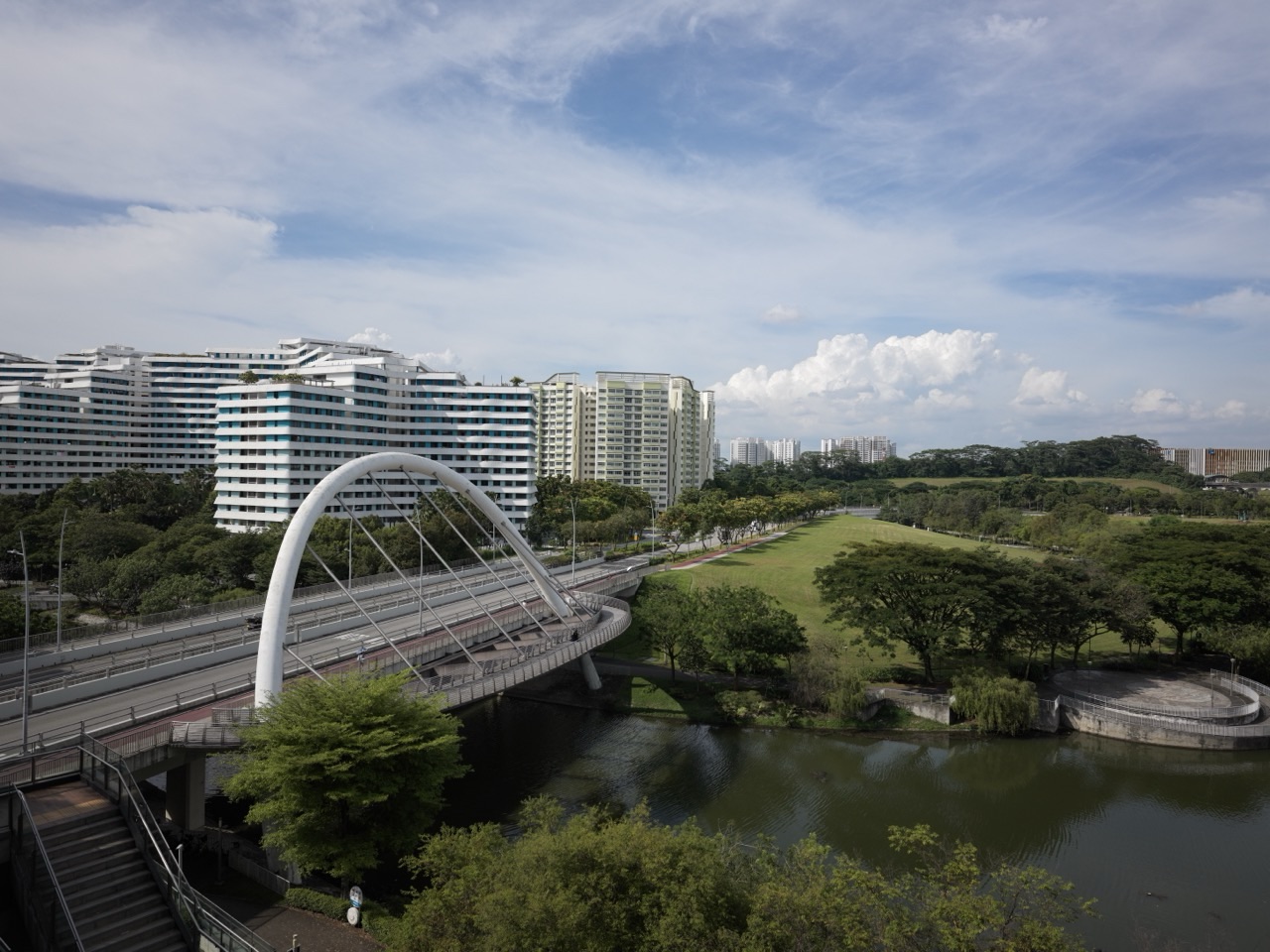
What should Punggol residents understand about Punggol Reservoir and Serangoon Reservoir in 2027? Both are established parts of Singapore’s national raw-water catchment system, not new lakes awaiting construction. The central Punggol Waterway and surrounding parks provide public recreation, but reservoir activities and fishing operate under separate PUB rules.
PUB lists authorised kayaking and canoeing arrangements at Punggol Reservoir through PA and SAFRA, with PA events on an ad-hoc basis. It does not permit private personal vessels to be launched freely. At Serangoon Reservoir, fishing is restricted to designated marked areas. Understanding those differences helps residents enjoy the waterfront safely and protect the raw-water resource.

Punggol and Serangoon Reservoirs: the 2027 answer
| Punggol water question | Verified status and 2027 advice |
|---|---|
| Established raw-water reservoirs | Punggol and Serangoon are part of PUB’s 17-reservoir system, expanded through 2011 catchment developments. |
| Central landscaped waterway | Punggol Waterway is about 4.2 km; the two-bank park-connector path totals approximately 8.4 km. |
| Organised water sports at Punggol Reservoir | PUB names PA Anchorvale and SAFRA Punggol; programme availability and conditions require operator confirmation. |
| Personal vessels | PUB does not allow unrestricted private kayaks, canoes or stand-up paddleboards on reservoirs and waterways. |
| Fishing at Serangoon Reservoir | Only designated marked zones, with artificial bait and published safety rules. |
| Not a 2027 promise | Open swimming, a new reservoir opening, daily water-sports places or safe access to restricted embankments. |
Source check: 28 October 2026. PUB’s water activities and fishing guidance was updated in September–October 2026; individual 2027 access or events must be verified closer to the date.
Two reservoirs are part of Punggol’s everyday infrastructure
Did you know that Punggol Reservoir and Serangoon Reservoir form part of Singapore’s national water supply system, not only scenic backdrops for waterfront homes? PUB’s local-catchment overview identifies both among Singapore’s 17 reservoirs and explains how the damming of former tidal waterways helped expand the area that collects rainwater for treatment.
Punggol Reservoir lies towards the western side of Punggol’s waterfront landscape and Serangoon Reservoir towards the eastern side. The central Punggol Waterway is part of the town’s planned water-focused urban environment, while their shorelines provide a setting for parks, homes and public paths.
In 2027 these are already working reservoirs, not two waterbodies awaiting first construction. The important things residents should understand are how clean catchments function, what public activities are authorised and why water-safety rules matter even on calm-looking days.
How an urban reservoir becomes part of the national water story
PUB states that rain falling on about two-thirds of Singapore’s land area is channelled through drains, canals and rivers towards its reservoirs. This local-catchment system is one of Singapore’s Four National Taps and complements other water sources in the national strategy.
A reservoir collects raw water. It is not a public drinking-water tap, and the water visible beside a park is not automatically safe to drink or swim in. PUB treats water through the appropriate facilities before distribution as drinking water.
The agency separates rainwater collection from the sewerage network, with used water carried through underground sewers for separate treatment. This separation makes catchment hygiene particularly important: litter or waste discharged into a drain can affect the waterways that ultimately carry rainfall.
Children can learn the water cycle from this connection. Rainfall on a roof, runoff in a drain, movement to a reservoir and the later treatment process are stages with different roles, not one undifferentiated river.
Punggol and Serangoon Reservoirs reached their modern roles around 2011
PUB’s current local-catchment history says completion of the Marina, Punggol and Serangoon reservoirs by 2011 helped expand the land surface contributing to local rainwater collection from roughly half to two-thirds of Singapore.
That is a historical milestone, not a new 2027 project. When a neighbourhood article discusses future development, it should distinguish the creation of the reservoir infrastructure from later public-path, cycling, residential or recreational improvements around it.
Punggol’s modern waterway and nearby public-housing developments show how an urban water system can be integrated with landscape and community life. The water itself is managed infrastructure even when its surroundings look like a leisure destination.
This helps explain why PUB rules for operating reservoir gates, fishing and water sports differ from NParks rules for a nearby walkway or garden. Different functions overlap geographically but remain governed by the appropriate agency.
Why Punggol Waterway’s 4.2 km figure is not the same as a reservoir
The central Punggol Waterway is about 4.2 kilometres long, while NParks separately lists an 8.4-kilometre park-connector promenade along both sides. These two figures describe a waterway and its banks, not the complete shorelines of either large reservoir.
A family walking beside Waterway Point or crossing one of Punggol Waterway Park’s bridges is using a public recreational setting. That does not give access to every reservoir embankment or permission to enter the water.
Moving between the riverfront, a designed park and a regulated reservoir zone requires attention to current signs. An open public path can border a restricted technical structure, and an old route map may not show a short-term maintenance diversion.
The benefit of learning these distinctions is practical: a resident can enjoy the view while respecting the infrastructure that makes it possible.
Punggol Reservoir water activities are operator-managed
PUB’s Water Activities directory, last updated in October 2026, identifies kayaking, canoeing and dragon boating at Punggol Reservoir under the People’s Association’s Anchorvale Community Centre Water Sports Centre, with activities or events organised on an ad-hoc basis.
The same directory separately lists kayaking and canoeing under SAFRA Punggol. These are named authorised service arrangements, not a general invitation for residents to launch their own kayaks from any Punggol bank.
A person interested in an outing should contact the relevant provider for the actual 2027 programme date, age requirement, proficiency level, price, available places and departure point. Being able to see kayakers on the reservoir does not mean a walk-in personal-vessel launch is permitted.
Parents should also distinguish an organised water activity from a school science field trip or an ordinary walk along the water. Each has different supervision and safety requirements.
Why bringing your own paddleboard or kayak is not automatically allowed
PUB’s reservoir safety guidance states that the use of personal vessels—including canoes, kayaks and stand-up paddleboards—is currently not allowed at reservoirs and waterways. Water sports should operate within approved frameworks and under competent operators or relevant sporting organisations.
This restriction can seem surprising to someone who sees a calm reservoir or already owns suitable sports equipment. But PUB explains that water levels may be regulated through tidal gates or transfers, creating strong flows that are dangerous, especially in isolated locations without help close by.
An organised activity has procedures for checking conditions, managing participants, restricting launch points and responding when something goes wrong. A private person acting alone may not have the same systems or authorisation.
For 2027, the safe decision is to use an approved operator and designated zone. Do not carry a personal vessel to a scenic embankment and assume that an absence of a fence establishes permission.
Safety basics for organised kayaking and canoeing
PUB says reservoir water-sports participants must follow established safety procedures and the relevant operator’s instructions. Personal flotation devices must be worn throughout water activities, and participants should stay within designated areas.
Weather matters: lightning, approaching heavy rain, fatigue and low visibility may require a session to be postponed or stopped. A child who is excited about kayaking still needs age-appropriate supervision and any instructor’s health, swimming or competency assessment.
Water users should wear covered, suitable footwear, keep away from prohibited areas and avoid intentionally entering or standing in reservoir water. The rules protect both participants and the raw-water environment.
A resident guide cannot replace an authorised briefing. Follow the instructor and operator, even if a previous session or online video describes a different route.
Serangoon Reservoir: fishing rules are specific to designated zones
PUB’s fishing information names Serangoon Reservoir among places with designated fishing areas. The authority says these areas are marked by signage and blue railings, with restrictions intended to protect anglers, pedestrians, other water users and public infrastructure.
Fishing is allowed only within marked zones and using artificial bait. Fly fishing is not permitted under the general PUB rules, and visitors should follow any site-specific restrictions. A bridge with water below is not automatically a permitted fishing spot.
PUB asks anglers to cast considerately, avoid blocking shared paths, practise catch and release where possible and dispose properly of used lines and hooks. These measures protect other visitors and wildlife as well as water quality.
Do not transfer a Serangoon Reservoir fishing permission to Punggol Reservoir without checking the actual PUB list; the authority’s published fishing map does not automatically treat every waterbody or bank the same way.
Lorong Halus Wetland helps protect the eastern catchment
Across the Serangoon Reservoir side, Lorong Halus Wetland provides another example of a landscape that is also working water infrastructure. PUB explains that the wetland treats water passing through the former landfill to help protect the reservoir.
It is a managed ecological and water-treatment site, not a place where the public may freely swim or gather water samples. Nearby park-connector and pedestrian routes have their own access boundaries.
An older child may ask why a wetland is needed if the reservoir water is eventually treated. One reason is that protecting source-water quality and reducing pollution upstream are valuable even when a later treatment system exists.
Families can learn from official explanatory signs and public educational material without entering reed beds, technical structures or restricted areas.
Heavy rain and changing flows do not always look dramatic
A calm-looking surface can conceal changing conditions. PUB’s water-activities guidance specifically warns that reservoir regulation, including gate discharges and transfers, can create rapid flow in places that might appear safe at other times.
Singapore also experiences intense thunderstorms. A family should follow official warnings and leave exposed water edges and open bridges when lightning threatens. A sunset photograph is not evidence of a safe evening activity in all weather.
Keep children away from unguarded or unsafe edges. Do not retrieve an item by climbing a barrier or entering the water. Seek appropriate assistance rather than turn a lost toy or fishing lure into a dangerous incident.
For neighbourhood problems involving rubbish, a damaged railing or an unsafe path, provide the current precise location to the relevant managing authority. Avoid spreading an old image as though it shows a live 2027 hazard.
Keeping the catchment clean is a household responsibility
PUB asks the public not to litter in drains, canals or rivers, because these can carry rainwater towards reservoirs. It also forbids discharging used water and waste into these waterways, and asks recreational users to avoid disturbing animals.
These are practical rules for people who may never kayak or fish. Someone walking a dog, having a meal near the waterfront or cycling past a drain can help by taking rubbish away and using the correct disposal facilities.
For children, this can become a simple civic-science question: where does rainwater go after it reaches the street drain? Trace the conceptual path using PUB’s public material rather than entering a drain or lifting a cover.
Residents should distinguish a suspicious discharge or ongoing pollution from natural discolouration after a storm. Report an observed problem with useful details, but avoid claiming that all brown water is toxic without a test.
What should Punggol residents expect in 2027?
The reservoirs and main waterway are established. In 2027 a resident may encounter current maintenance work, an operator-run paddling programme, fishing access rules, new educational materials or changes to nearby recreation facilities. Each requires its own dated source rather than a guess.
PUB’s October 2026 water-activities page is a strong starting point for what kinds of water use are permitted under managed arrangements. Individual 2027 class dates, registration and weather conditions still need to be confirmed directly with PA or SAFRA.
The wider waterfront includes public paths, parks, housing and other destinations managed by different bodies. A new park activity or nearby building opening does not turn a reservoir into an open swimming area.
The most valuable future-readiness for Punggol is understanding the water system as critical infrastructure, using authorised recreation safely and caring for the landscape that the town relies on.
A responsible 2027 waterfront checklist
- Choose a legal open park path, not an unverified reservoir embankment shortcut.
- Use only approved water-sports operators and designated launch zones.
- Do not bring private kayaks or paddleboards expecting unsupervised access.
- Follow flotation, footwear, weather and instructor safety requirements.
- Fish only where PUB marks an authorised area and use permitted artificial bait.
- Prevent litter and waste entering public drains and waterways.
- Check current PUB and NParks notices before travelling, especially after heavy rain.
Frequently asked questions
Are Punggol and Serangoon Reservoirs new 2027 projects?
No. They are established reservoirs whose completion contributed to Singapore’s expanded catchment around 2011.
What is the difference between the two reservoirs and Punggol Waterway?
The reservoirs are larger managed raw-water bodies; Punggol Waterway is the central landscaped urban waterway of about 4.2 km.
Does PUB use reservoir water directly as tap water?
Reservoirs collect raw water; treatment takes place before potable distribution.
Can I bring my own kayak to Punggol Reservoir?
PUB currently does not permit personal vessels in its reservoirs and waterways; use approved operator programmes.
Who organises kayaking or canoeing at Punggol Reservoir?
PUB lists the People’s Association at Anchorvale and SAFRA Punggol as named operators, subject to current schedules.
Are kayaking programmes offered every day?
Not necessarily. PUB notes PA activities at Punggol Reservoir are organised on an ad-hoc basis.
Can visitors fish anywhere at Serangoon Reservoir?
No. PUB permits fishing only in designated areas marked with blue railings and signs, using artificial bait.
Can I swim in the reservoir?
Do not treat the reservoir as a swimming area. Follow PUB’s rules against intentional immersion and restricted access.
What is Lorong Halus Wetland for?
It helps treat water passing through the former landfill before reaching Serangoon Reservoir.
Why are gate discharges relevant?
PUB warns that regulating reservoir levels can create unexpectedly strong flows, especially in isolated areas.
How can children learn about the waterway safely?
Use public paths and official PUB education material without entering water, drains or protected habitats.
Official water, safety and park sources
- PUB: Singapore’s local-catchment water story and reservoir system
- PUB: Water Activities and permitted Punggol Reservoir operators
- PUB: Serangoon Reservoir designated fishing areas and rules
- PUB: official Lorong Halus Wetland and treatment story
- NParks: Punggol Waterway Park and public walking routes
- NParks: Punggol Waterway Park Connector, 8.4 km both-bank route
- SAFRA: Punggol facilities and legitimate activities
Related Punggol guides
- What to Expect for Punggol 2027: Lorong Halus Wetland and bridge
- Punggol Waterway Park and Riverside Walk: correct routes
- What to Expect for Punggol 2027: Waterway Park bridges
- What to Expect for Punggol 2027: North Eastern Riverine Loop
- Complete Punggol local guide
Editorial status: 28 October 2026. The article identifies PUB’s current access rules and named operators; no private-vessel permission, organised course place or future reservoir opening is implied.


