
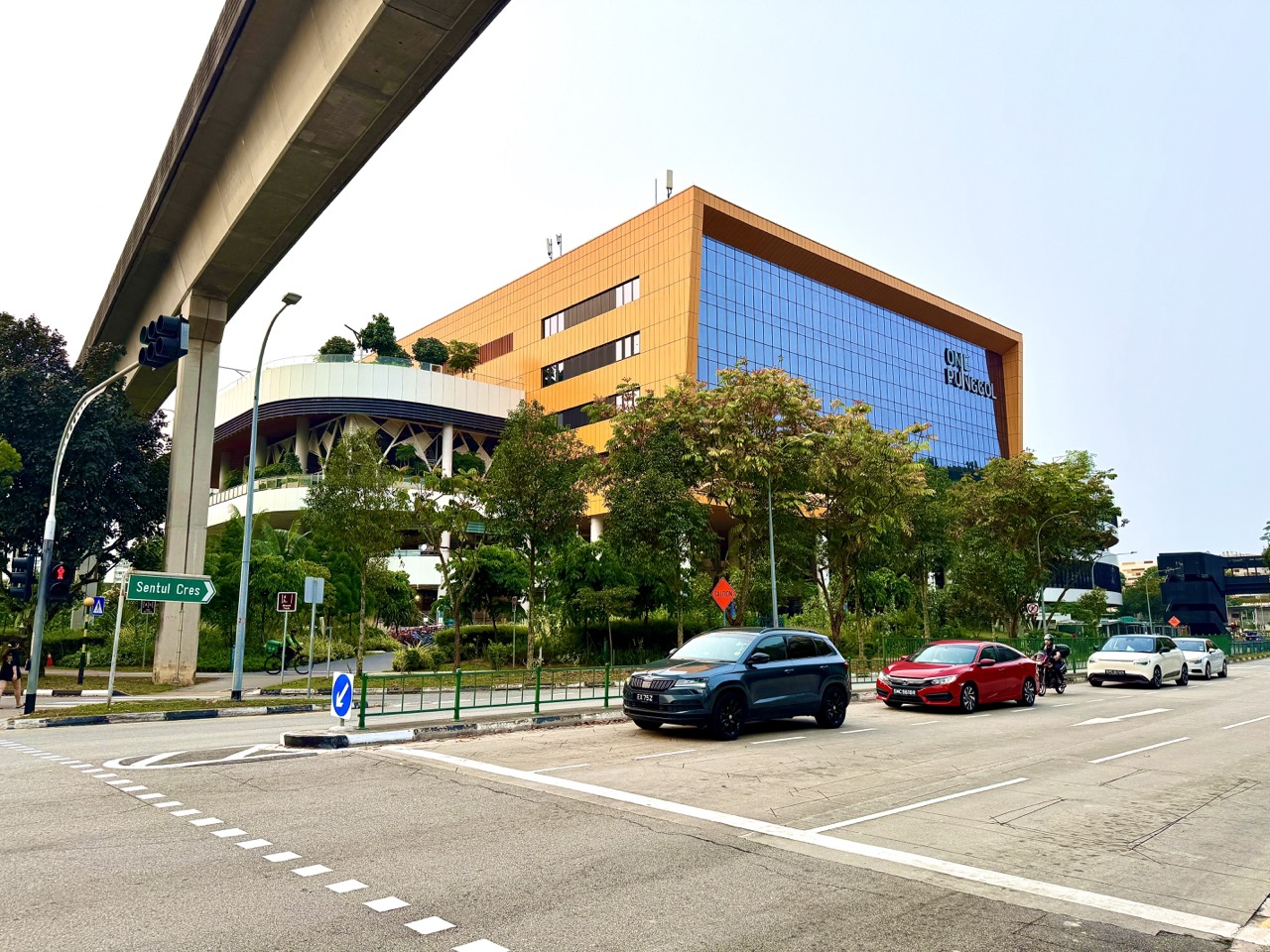
Punggol worries, problems and solutions become urgent when someone claiming to collect a debt turns up at your flat. A demand for repayment may concern a genuine debt, a licensed debt collection business, a licensed moneylender, an unlicensed moneylender or an outright impersonation scam. They are not the same. If a person threatens you or your family, prioritise safety and call the police when appropriate. If the demand might be genuine, verify it independently and deal with it through proper channels rather than handing money or personal data to an unverified visitor.
This Punggol guide explains what to do when debt collectors, loan-shark messages, payment threats, old invoices or intimidation affect a family living in HDB flats or private housing. It shows residents who to contact, how the Singapore Debt Collection Act and Registry of Moneylenders relate to the problem, what evidence to preserve and how to separate legitimate debt repayment from harassment. Children, domestic workers and elderly relatives should not have to negotiate at the door.
Information checked 27 October 2026. This is practical educational information, not legal advice about whether you owe a particular amount. The correct route depends on the creditor, evidence, contract, collector’s status and observed behaviour. Never delay an emergency call to complete a checklist.
In this guide: First action · What type of demand? · 18 situations · Questions · Official information.
Fast answer: a safe doorstep decision
- Stay safe; for urgent threats contact police at 999.
- Do not pay a visitor or share credentials before independently verifying the claim.
- Distinguish the creditor, collection company, licensed lender, unlicensed lender and scammer.
- Keep a factual private record and preserve relevant messages.
- Verify a licensed debt-collection company and underlying debt through official channels.
- Address genuine debt through the creditor and suitable financial counselling, separately from threatening conduct.
The Punggol resident’s decision framework
The first two minutes: put personal safety before the money argument
Do not open a door to a threatening stranger to inspect their paperwork, confront a group in the corridor or chase someone recording your flat. Keep yourself and dependants safe, and use the Singapore Police Force’s guidance to decide how to report. Call 999 for urgent police assistance; the Police hotline 1800-255-0000 and police reporting channels handle suspected unlicensed moneylending information when there is no immediate danger.
Do not treat the visitor’s assertion that “the law allows this” as official verification. A person carrying a badge, company letter or photograph of an NRIC could be legitimate or an impersonator. Focus first on observing what happened: arrival time, number of people, words used, whether a threat was made and any property damage. You can share factual information with police without putting yourself in physical danger.
If fire, injury or other acute emergencies occur, use the relevant SCDF or police emergency route. A payment dispute is never a reason to make children witness a confrontation for evidence.
Five situations that sound alike but are legally different
Genuine creditor: a bank, supplier or service provider may have an unpaid contractual claim. Debt collection business: an intermediary collecting on another’s behalf or an acquired debt, subject to the Debt Collection Act 2022 where applicable. Licensed moneylender: regulated under the Ministry of Law’s moneylending framework; it is not identical to a police-licensed debt collection company. Unlicensed moneylender: illegal lender sometimes using threats or harassment. Impersonation scam: a person inventing or copying a debt claim to obtain money or credentials.
The first distinction matters because a legitimate debt can coexist with unlawful conduct. Paying what you owe through an authorised channel does not require accepting threats. Conversely, reporting a collector’s behaviour does not automatically cancel a genuine contractual obligation. Keep those two tracks distinct when speaking with the creditor and police or obtaining legal advice.
Do not publicly label somebody a loan shark based only on an awkward collection call. Ask for proof and involve appropriate authorities if there is reason to suspect unlawful activity.
How Singapore regulates debt collection businesses
The Ministry of Home Affairs says licensing under the Debt Collection Act 2022 commenced on 1 March 2024. Businesses that require an individual debt collection licence must hold one; lower-risk entities regulated elsewhere, including certain financial institutions, can fall under a class-licensing regime. It would be inaccurate to claim that every person collecting an unpaid bill must show a standalone licence.
The SPF debt collection business licence page describes regulated activities and applications. The SPF FAQ says consumers can check whether a debt collection company has a valid licence through the GoBusiness licence verification service with the company’s UEN or licence number. The identities of approved individual collectors are not generally displayed in a public directory. A claimed collector can be asked for documentary proof of their employer.
If information suggests a person or company is not authorised where required, seek police advice. Do not confiscate documents or detain a visitor to investigate on your own.
Verify the creditor, not only the visitor’s uniform
Ask what entity originally issued the debt, what account or transaction it concerns, the amount claimed and the relevant reference or written notice. Then contact the creditor through contact details you find independently, such as a verified bank app or official company website. Do not automatically phone the number on a threatening letter or click a payment link in an unsolicited message.
A collector’s licence check does not prove the amount demanded is correct. Compare contracts, invoices, receipts, payment statements and any written assignment or referral to a collector. If a debt has been sold or transferred, ask the original creditor or authorised new holder to clarify the record. Avoid making a payment you cannot match to an actual obligation solely to make someone leave.
Do not hand over Singpass credentials, one-time passwords or full banking login details. Debt verification should not require a stranger to control your device.
The Registry of Moneylenders is a different check
The Ministry of Law Registry of Moneylenders publishes the valid licensed moneylender list and scam warnings. It states that licensed moneylenders cannot solicit loans through unsolicited phone calls, text messages or social media and must meet borrowers at approved premises for required identity checks before granting a loan. Scammers impersonate licensed firms, including with copied names and lookalike websites.
Check a lender through the current registry page rather than assuming a screenshot from last year is sufficient. A purported lender demanding upfront “GST”, “processing” or similar payment before disbursement is a major warning sign under police and Registry guidance. If you are unsure about an unsolicited loan invitation, ScamShield 1799 can help assess scam concerns.
If an illegal lender is threatening a household, do not negotiate through unknown intermediaries. The Police publish information on reporting unlicensed moneylending through i-Witness, NPCs and their hotline.
A factual incident log is more useful than a public accusation
Record the date, approximate time, block and unit as relevant, what you directly observed, exact words you remember, any documents left and what contact you made. Preserve messages and original photographs if you can do so safely and lawfully. Do not manipulate footage or provoke another confrontation to obtain a dramatic clip.
Distinguish first-hand evidence from rumours: “I saw paint on the door this morning” is different from “my neighbour told me the person was an illegal collector.” If CCTV footage exists, ask the responsible operator about lawful preservation or how police can obtain relevant records. Do not demand neighbours share their footage publicly.
Keep children’s names, private phone numbers and account identifiers out of residents’ groups. A police report can carry relevant factual details without reproducing the information online.
What to tell a child or older adult in the flat
Explain in simple language that an adult is handling a payment-related concern and that the child should not answer strangers’ questions, open the door to unknown callers or reveal family passwords and schedules. Do not ask a teenager to film a confrontation from the corridor or to negotiate a payment. A student should be able to go to school without becoming a spokesperson for the family’s debts.
For an older adult who may feel intimidated, offer a trusted contact and practical assurance that no visitor has an automatic right to take their money or personal records based solely on a verbal claim. If the person appears distressed or unable to manage, seek suitable welfare or legal advice without taking over their banking access unlawfully.
Neighbours can report a factual safety hazard or harassment they witness; they should not circulate the debtor’s identity or turn a possible crime into gossip.
Financial hardship and possible unlawful collection require parallel plans
The Police address safety and suspected criminal conduct. A bank or other creditor addresses an actual account and repayment terms. MoneySense, updated 28 September 2026, recommends contacting financial institutions early when repayment is difficult, rather than avoiding authorised communication. It also refers consumers to Credit Counselling Singapore for free debt counselling and possible sustainable repayment arrangements.
Map essential food, housing, medicine and child-care needs separately from creditor balances. Our Punggol first seven days of a money shock guide explains this triage. Where a household cannot meet basic living needs, the MSF ComCare service can assess suitable assistance, without any guarantee of a fixed award.
Do not borrow from a new lender merely to end a doorstep encounter. Moving debt through high-cost products under pressure can worsen the household’s position.
When a letter claims that the court has ordered repayment
Do not assume a visitor’s letter is an actual court order. Ask for the issuing court, case details and proper verification channel; use the official Singapore Courts or relevant registry contact rather than a link supplied in an unverified SMS. At the same time, do not ignore an authentic court document or legal deadline because it was delivered unpleasantly. Seek qualified legal advice promptly when formal proceedings are involved.
Document type matters. A demand letter, debt-collector notice, judgment, bankruptcy application and enforcement action are not interchangeable. Each has different legal consequences and requirements. Generic advice to “ignore all collectors” can harm someone who has a real, unresolved legal matter.
Keep the safety report about the visitor’s conduct distinct from the legal question about liability, so each authority can address what it actually controls.
What if the debt belongs to a stranger or former tenant?
An address printed on a letter does not prove the present occupant owes the amount. Do not disclose your identity documents to a stranger at the door to establish that you are not the debtor. Use safe, verified contact with the apparent creditor if clarification is needed, and avoid opening or distributing someone else’s confidential mail.
Repeated threatening visits to an unrelated household should be described factually to police or the appropriate authority, particularly if intimidation or property damage occurs. Document that the person’s identity and tenancy are unverified rather than inventing a history about the previous resident.
Parents should keep their children away from the dispute. A mistaken address does not justify neighbours investigating each other’s tenancy records.
A domestic worker or family member may be targeted separately
An unlicensed lender may contact the employer, relatives or neighbours to apply pressure over someone else’s alleged borrowing. The Police specifically warn about harassment by unlicensed lenders and the risks of handing over bank accounts, ATM cards, PINs or SIM cards to criminal operators. No family member should agree to carry cash, lend an account or forward threatening messages as a debt-collection assistant.
Listen without automatic blame if a vulnerable person discloses financial exploitation. Report credible threats through proper channels and seek appropriate employment, financial or social advice. If a work permit holder is involved, do not assume the employer can seize the worker’s documents or salary to resolve the matter.
The family may have separate concerns about safety, employment responsibilities and the alleged loan. Address them through distinct authorised routes.
How to respond to a legitimate payment issue without yielding to threats
Once the creditor and debt are verified, ask for a written statement of account and the appropriate secure payment channel. If the sum is disputed, explain which entries are wrong and provide relevant proof. If the amount is genuine but unaffordable, discuss options through the original creditor or an appropriate debt adviser. Do not promise an instalment that would leave children without essential food.
If harassment occurred, continue to keep records and seek police guidance regardless of whether the debt exists. No family needs to choose between resolving an account and being safe in its home. Avoid responding with threats of your own, which may create new legal problems.
Where identity theft or a fraudulent account seems possible, ask the relevant financial institution about its dispute and fraud processes and preserve evidence of the discrepancy.
The next 24 hours: protect all the small dependencies
Check whether anyone in the household has given away passwords, clicked a suspicious link or transferred money to an unverified account. If so, contact the actual financial institution using verified channels and follow its fraud instructions. Save necessary evidence. Consider whether building access, key security or a damaged door requires attention from the appropriate emergency or maintenance service.
Prepare a factual summary for the police if needed: location, timing, nature of threats, visitor description and relevant records. Keep a separate list of creditors and due dates for lawful financial management. Make sure school pickup and care arrangements have not been disrupted by the event.
Do not assume the matter is over because a visitor leaves. Equally, do not escalate by publishing unproven names and accusations. A calm, documented plan improves both safety and accuracy.
What a sustainable one-week follow-up looks like
By the first week’s review, the household should know whether urgent safety reports have been lodged, what genuine accounts are verified, which creditors were contacted, whether professional debt advice is appropriate and how essential bills will be managed. A “successful” outcome may not mean every debt is cleared; it means the family has reduced immediate risk and stopped relying on unknown demands.
Ask a trusted adult to help organise necessary paperwork only with consent. Keep reference numbers and official replies together, but separate sensitive police, financial and children’s information. Where intimidation recurs, update authorities with genuinely new facts rather than repeating rumours from a chat group.
For the broader Punggol support ecosystem, use When You Need Help in Punggol and our free money and debt advice guide as supporting reading, not substitutes for authorised investigations or legal assessment.
18 realistic situations: who to call and what to think about
These fictional composite examples explain how different concerns require different routes. They are not statements about particular Punggol residents, collectors or creditors.
1. An unknown visitor says they are collecting a credit-card debt
Keep the door safe and ask for the company and underlying creditor without disclosing passwords. Independently check with the card issuer. If the visitor threatens or intimidates the family, contact police according to urgency. A genuine outstanding balance is a separate account question.
2. A collector shows a laminated card but no company number
A card alone cannot confirm the employer or business authorisation. The SPF FAQ describes checking licensed businesses through GoBusiness with the UEN or licence number. Do not attempt to detain the person or confiscate the card.
3. Someone threatens to splash paint on the flat
Treat it as a potential criminal threat and seek police help. Record what occurred without confronting the person or arranging a public confrontation. Keep children away from the affected area.
4. A debt demand names a previous tenant
Do not assume the present household owes it. Preserve any relevant message and use verified contact with the claimed creditor or police if harassment occurs. Do not publish the former tenant’s personal details.
5. An SMS promises an instant loan after a processing fee
The Police and Registry of Moneylenders warn that upfront release fees and unsolicited loan offers are signs of scams. Do not pay or share credentials. Seek ScamShield advice and use the official licensed-moneylender list.
6. A relative admits borrowing from an unlicensed lender
Keep the person and other family members safe and follow police guidance. Do not shame them into hiding further threats or agree to use your account for transfers. Seek genuine financial help in parallel.
7. A person claims the debt has been sold
Ask the original creditor or independently verified new creditor about the assignment and current account. Do not use a payment link from the claimant until verification is complete.
8. A collector contacts a child’s school
Protect the student’s welfare and privacy. Record the communication if known and discuss safeguarding concerns with school staff and police as appropriate. The student is not responsible for adult debt repayment.
9. The debtor is paying but the collector claims nothing arrived
Keep dated receipts and bank payment references. Contact the recognised creditor or institution directly to reconcile the account. Do not make duplicate payments merely because a visitor demands them.
10. A shop invoice is contested
Separate the disputed service contract from any threatening conduct. Gather the quote, invoice and proof of work and use a proper consumer or legal dispute route. A police safety report is not a substitute for determining contractual liability.
11. The family cannot afford the next bank instalment
Contact the financial institution proactively and consider Credit Counselling Singapore. Use a basic-needs cash plan; do not sign a new high-cost loan under doorstep pressure.
12. A WhatsApp caller claims to be from the police collecting a debt
Do not send money or credentials on that basis. Independently verify official police channels and report the suspicious claim. Police do not turn a private creditor’s WhatsApp request into proof of lawful collection.
13. The threatened person is an elderly relative
Provide a calm trusted contact and keep the person away from confrontation. Do not treat age alone as incapacity. Report credible threats and obtain appropriate legal or social support when needed.
14. An unknown worker wants to photograph the family’s NRIC
Do not surrender identity information to an unverified visitor. Identify the legitimate purpose, employer and official route. If details were already misused, contact the affected institutions and seek appropriate reporting guidance.
15. Someone left a note with a QR code to pay immediately
Preserve the note without scanning or paying until the debt and recipient are verified through independent sources. A payment link is not itself evidence of authority.
16. Neighbours post the suspected debtor’s photo online
Do not amplify the identifying post. Preserve relevant information privately for an appropriate safety report and ask moderators to avoid exposing unrelated people. Safety complaints are not a licence for public shaming.
17. A company is licensed but its agent used abusive language
Licensing does not answer every question about conduct. Record the precise behaviour and seek police or other appropriate advice if intimidation, harassment or another offence is suspected, while separately dealing with any genuine debt.
18. The creditor offers a new repayment arrangement
Read the actual terms, interest, fees and implications before agreeing. Confirm that essential family needs remain covered and request written confirmation. A negotiation is not complete simply because someone spoke reassuringly.
One-page evidence and contact worksheet
Location and time: __. Claimed company and original creditor: __. What the person did or said: __. Documents or messages received: __. Independent verification attempted: __. Safety concern: __. Police or creditor reference if given: __. Next action and responsible adult: __.
Keep any record secure, do not collect evidence by confrontation, and do not publicly circulate personal data. Confirmed facts belong apart from rumours and guesses.
Frequently asked questions
Are all debt collectors illegal?
No. Singapore has a debt-collection licensing framework and regulated businesses may collect legitimate debts. Some entities fall under class licensing.
How do I check a debt collection business?
SPF guidance describes checking the company in GoBusiness using its UEN or debt collection business licence number.
Can I check an individual collector online?
SPF says approved individual collectors are not listed publicly; ask for documentary proof of employer and verify the company.
Is a licensed moneylender the same as a debt collection company?
No. A moneylender is regulated under the moneylending framework; debt collection businesses are addressed separately.
Are unsolicited WhatsApp loan offers normal?
The Registry of Moneylenders warns that licensed moneylenders cannot solicit loans through unsolicited calls, text or social-media messages.
Should I pay the visitor to get them to leave?
Do not pay an unverified demand through an unverified channel. Prioritise immediate safety and confirm any genuine obligation with the creditor.
When should I call 999?
For an urgent police emergency, including credible immediate threats or ongoing danger.
Can I report suspected loanshark harassment if the loan is not mine?
Yes, report observed threats or suspicious unlicensed moneylending through relevant SPF channels with accurate facts.
Does a police report cancel a debt?
No. A conduct or safety investigation is different from deciding contractual liability.
Can I refuse to disclose bank passwords or Singpass credentials?
Do not share such credentials with strangers claiming to collect money; use secure verified channels.
What should I keep as evidence?
Original messages, letters, payment records, dates, direct observations and lawful recordings where available, without editing to mislead.
Can a child negotiate at the door?
No. Adult caregivers should manage the situation and protect the child’s safety and privacy.
Is debt counselling only for bankruptcy?
No. MoneySense recommends Credit Counselling Singapore for debt guidance and possible debt-management arrangements.
Can I get ComCare to pay the collector?
ComCare assesses basic living and social needs according to its schemes. Do not presume it covers a particular private debt.
What if a debt collector is licensed but behaves abusively?
A licence does not justify threats. Document the conduct and seek appropriate police or legal advice.
Should I post the visitor’s image in a residents’ group?
Avoid unverified public allegations or exposing third parties; give relevant evidence to proper authorities.
What if the creditor’s amount is wrong?
Ask for a statement of account and reconcile contracts and receipts through a verified channel. Seek qualified advice if necessary.
What is the most useful one-week outcome?
Threats have been addressed appropriately, genuine obligations are verified, essentials are protected and realistic repayment or advice channels are identified.
Further Punggol reading
Free money and debt help · Sudden money shock: first seven days · Housing payment difficulties · ScamShield and scam reporting · Punggol police reports and safety · When You Need Help in Punggol.
Official sources, checked 27 October 2026
- SPF — Unlicensed Moneylending advisory
- SPF — Debt Collection Business Licence
- SPF — Debt Collection FAQ and GoBusiness verification
- MHA — Commencement of the Debt Collection Act 2022
- Ministry of Law — Licensed Moneylenders Registry
- MoneySense — Managing Debt (28 September 2026)
- MSF — ComCare
Editorial boundary: The Debt Collection Act and Moneylenders Act apply differently. We do not decide whether anyone is guilty, whether a contract is valid, or what a creditor can lawfully recover. Seek police or professional advice for suspected crimes, threats and disputed legal claims. Relevant official processes take precedence over this educational guide.


