
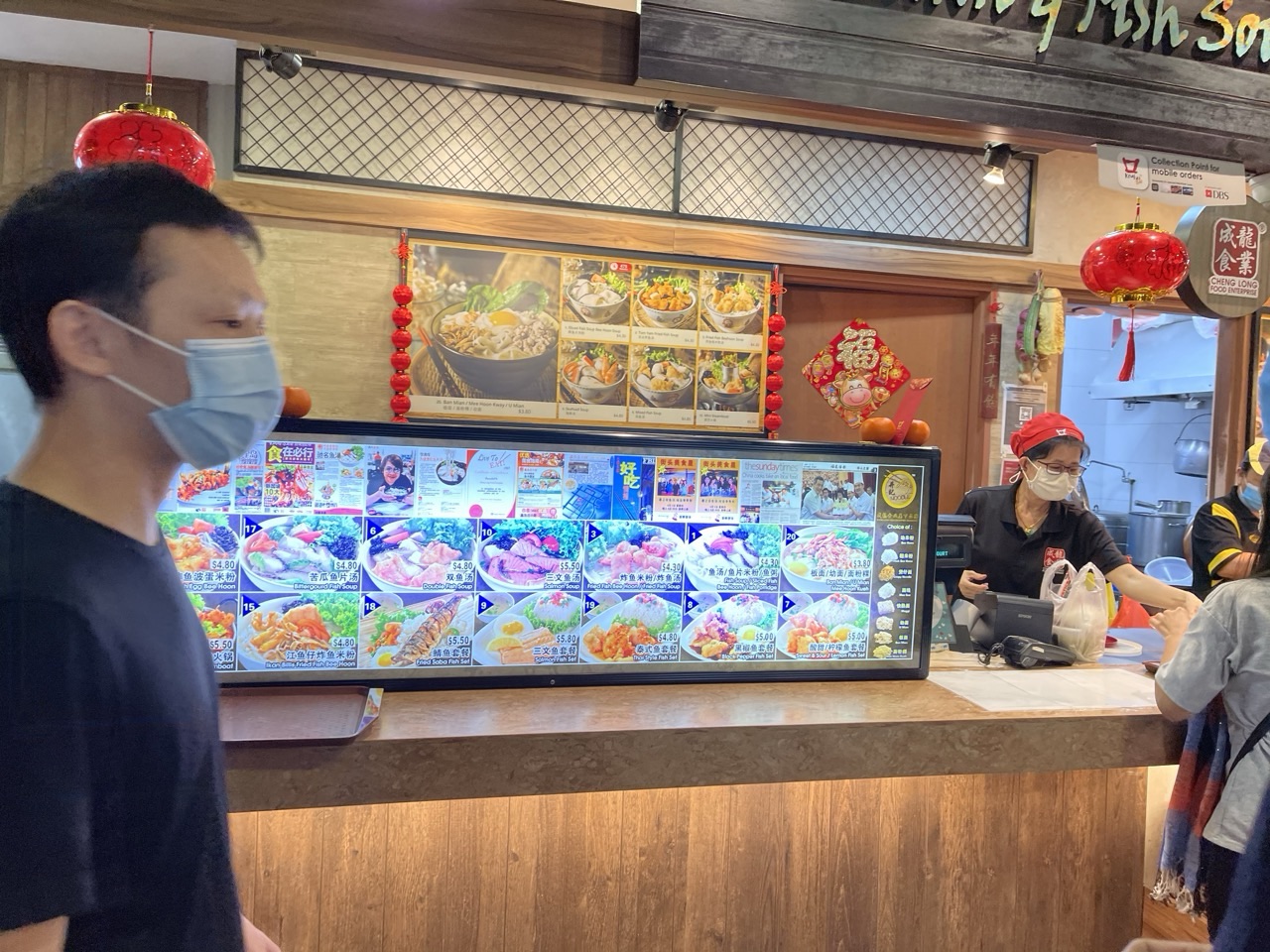
Choosing food safely in Punggol means understanding the Singapore Food Agency (SFA)’s licensing, food hygiene and food safety system—not assuming that a crowded queue, a good online review or a clean-looking counter proves a meal is safe. Singapore’s system covers licensed hawker stalls, restaurants, caterers, food courts, supermarkets and other relevant establishments, while individuals must still store, handle and consume food responsibly after buying it. A food licence, a hygiene grade, a recall notice and a food-poisoning complaint are separate kinds of information.
A significant change began on 19 January 2026. The Safety Assurance for Food Establishments (SAFE) framework replaced the old point-in-time A/B/C/D hygiene grading approach for covered licensed establishments. The 2026 phase assigns A, B, C or NEW based primarily on track records over time. A new operation may have NEW rather than an established track-record grade; this is not automatically evidence of bad hygiene. A Category 1 large-scale food establishment and a Category 2 ordinary hawker stall follow different rules, with further requirements for qualifying Category 1 operators expected in a later phase.
Punggol diners can check a real establishment’s current SAFE grade and food safety track record by scanning the QR code on its SFA licence or using the official SFA track-record search. If there is a hygiene concern, food contamination or suspected food poisoning associated with a seller, use SFA’s online feedback channel with accurate details. Someone who is medically unwell should seek appropriate healthcare, with emergency help where justified; submitting an online complaint is not medical treatment.
This Understanding Punggol | Things to Know article uses SFA’s latest licensing, SAFE framework and food-safety guidance checked on 21 October 2026. It explains the reader’s route from a food-court meal or grocery purchase to safe storage, food recalls and operator licensing. It does not rank real Punggol stalls by alleged cleanliness or identify a particular operator as unsafe without current supported evidence.
The Punggol food safety system in one minute
- Food safety regulator: Singapore Food Agency, responsible for food safety from imports and production through relevant retail operations.
- SAFE framework: began 19 January 2026, replacing the older annual-snapshot A/B/C/D hygiene grades.
- New grade descriptions: A, B, C or NEW for covered food establishments, based on SFA’s current assessment framework.
- Category 1: higher-scale food processing/preparation, including specified restaurants, caterers, central kitchens and manufacturers.
- Category 2: lower/moderate processing such as most hawker food stalls, small restaurant kitchens, takeaways and applicable supermarkets.
- Phase 2: more stringent certified or formalised FSMS/advanced hygiene officer requirements for Category 1 operators seeking an A grade, with operational details to be announced for later implementation.
- Verify a grade: scan the licensed premise’s QR code or search SFA Track Records.
- Food Shop Licence: currently S$195 yearly under the general SFA published fee schedule, subject to business classification.
- Food Stall Licence: generally S$32 yearly or S$64 for two years, with qualifying reduced fees and exemptions.
- Temperature danger zone: 5°C to 60°C for rapid bacterial multiplication.
- Safe storage guidance: chillers 4°C or below, freezers −18°C or below; keep properly hot-held food at 60°C or higher.
- Recall notices: identify actual product name, batch/lot and relevant dates; do not discard every product of a brand merely because one lot was recalled.
- Complaints: use SFA general online feedback for hygiene, suspected food poisoning or unlicensed sellers.
- Household rule: the safety of a meal continues to depend on safe transport, prompt consumption and suitable home storage after purchase.
1. Food safety and dining quality are different questions
A person may love a stall’s flavour and still need to evaluate whether the food was handled properly. Online star ratings usually reflect taste, price, waiting time and service. They are not a substitute for SFA’s food safety record or the condition of the food at the time it is served.
Likewise, a stall may have modest interior decoration while complying with food hygiene rules. The appearance of its seating area is one observation, not a formal scientific assessment of its kitchen, cold chain, pest control or staff training.
A useful diner asks Is this establishment licensed where required? What is its current SAFE status? Is the food handled, stored and served appropriately? The answers are more relevant to safety than whether the restaurant is fashionable.
2. Which agency regulates food safety in Singapore?
The Singapore Food Agency regulates food safety and related processes along the supply chain, including relevant imports, processing and food retail. It has inspection, licensing and enforcement functions under applicable legislation. It is distinct from the National Environment Agency’s role in operating or managing aspects of public hawker-centre arrangements and environmental sanitation.
In an NEA-managed hawker centre, an individual stall can still be subject to SFA food safety licensing. The location’s estate manager, the stall tenant and SFA are not interchangeable actors.
For Punggol residents, this means a dirty shared dining table may involve the venue’s cleaning operator, while suspected unsafe food handling inside a licensed stall may require SFA feedback.
3. What changed from the old hygiene grading system?
Previously, a licensed establishment could receive grades under a system based on an annual snapshot inspection. SFA introduced the SAFE framework on 19 January 2026 to emphasise consistent food safety performance across time and the systems businesses use to maintain it.
Under the new approach, SFA looks at food safety track records, with additional system requirements for some businesses as the programme advances. This reduces the risk that a single favourable inspection masks persistent problems or that one ordinary visual impression is treated as the entire safety story.
A photograph of an old A/B/C/D poster from 2024 should not be presented as a venue’s current October 2026 grade. Check its updated SFA record.
4. The new grades are A, B, C and NEW
SFA’s January 2026 framework uses A for an established good safety track record beyond the qualifying period, B for a shorter good track record, C for defined major lapses and NEW for establishments operating less than one year under the relevant conditions.
A NEW label is not equivalent to the former D grade or an announcement of failure. It indicates the operator has not yet accumulated the full period of track record needed for an established grade. A reputable newly opened Punggol stall can have NEW even while complying with licensing and hygiene requirements.
The reader’s job is to interpret the classification accurately, not to treat letters as a simple taste ranking.
5. What earns an A grade in the first phase?
SFA says covered establishments with more than three years of good food safety track record and no major lapses can receive an A under the first 2026 phase. The grade is informed by regulatory history, rather than a customer poll.
There is a special fast-track pathway for qualifying Category 1 operators that implement stronger systems and meet specified track-record requirements. That does not mean every Category 2 hawker stall can buy an A grade by purchasing a certificate from a private vendor.
Read the actual SAFE framework criteria. A grade is a regulatory status and can change if the business’s safety record changes.
6. What does B mean?
Under Phase 1, SFA’s B classification broadly corresponds to between one and three years of good track record, subject to the applicable category and conditions. It should not be described as “unhygienic” merely because A is higher.
A comparatively new establishment with two years of compliant operation may receive B because it has not yet accumulated more than three qualifying years. The grade is an information tool, not a final guarantee of what will happen in one meal.
Check the current record and the actual operator. A high grade from a similarly named branch does not automatically establish the grade of another branch.
7. What can cause a C grade?
SFA identifies defined major safety lapses, including relevant court convictions or licence suspension under the points demerit framework, as a basis for the C classification. Such a status warrants careful attention to the official record rather than speculation about gossip from social media.
A grade should be read with the establishment’s identity and current official details. A past enforcement event can be relevant but does not authorise a diner to make unsupported accusations against individual employees.
When deciding where to eat, use the regulator’s current information. An unverified viral post may omit the relevant business, date or remedial actions.
8. Category 1 covers more complex preparation
SFA’s Category 1 includes certain restaurants with kitchens of 16 square metres or more, caterers, central kitchens and food manufacturing operations involved in significant processing or preparation. Their scale and process complexity can create risks requiring more formal food safety systems.
This is not a claim that a large restaurant is inherently unsafe or that a small stall is harmless. It reflects differences in equipment, handling volume, temperature management and production workflows.
When evaluating a food caterer for a Punggol family event, confirm the actual licensed entity and the correct scope, rather than relying solely on a venue’s dining review.
9. Category 2 includes many familiar daily food outlets
Category 2 includes many food stalls in hawker centres, coffee shops, food courts and canteens, along with specified takeaways, bakeries, smaller restaurants and supermarkets that fall within the framework. These businesses handle food with lower or moderate processing complexity.
A takeaway kiosk may be Category 2 even when located in a large shopping mall. Conversely, a central kitchen supplying several outlets may have its own Category 1 obligations. The category is based on actual business activity rather than the retail centre’s popularity.
A useful local guide should describe category rules without pretending it has inspected each Punggol stall.
10. Why the second SAFE phase needs a date qualifier
SFA’s 2026 information explains that later Phase 2 requirements will affect Category 1 establishments seeking or maintaining grade A, including an Advanced Food Hygiene Officer (AFHO) and Food Safety Management System (FSMS) requirements. Details of Phase 2’s implementation were to be announced by 2027.
It is incorrect in October 2026 to present every future requirement as already fully implemented for every stall. Category 2 businesses continue to be evaluated mainly through their track records under the described structure.
An operator planning a new kitchen should track SFA’s current rules rather than assume an announced next phase has no future compliance implications.
11. Where to check a food establishment’s grade
The official SFA Track Records for Licensed Food Establishments tool allows searches by premises, postal code, business or licence details and provides current grading and regulatory information. SFA also introduced QR access through displayed food-licence information from January 2026.
A Punggol diner can use the tool for the exact intended outlet. Check address and licensee, because one brand may operate several locations with different opening dates and records.
The official tool is the appropriate source for a public claim. Do not copy an old static grade from another food blog into a permanent article without current verification.
12. A grade is not a guarantee of zero food risk
Food safety risks can arise after inspection through temperature abuse, an employee’s poor handling, a contaminated ingredient or improper storage by the consumer. An A grade is valuable evidence of regulatory performance, but no regulator can promise absolute zero risk from every meal.
Similarly, a NEW grade does not establish that a food item is unsafe to eat. The consumer should consider the actual establishment and food condition and follow appropriate household practices.
The best use of SFA’s grading system is better-informed choices, not a false binary between “safe forever” and “dangerous always”.
13. Food Shop and Food Stall Licences are different
SFA describes Food Shops as operations such as restaurants, food courts, coffee shops, standalone takeaway kiosks and similar premises. A Food Stall is an individual stall within a multi-unit food shop such as a food court, eating house or canteen, subject to specific exceptions.
An individual stall with responsibility for a separate refreshment area may have to use the Food Shop category rather than the stall category. The precise classification depends on actual operation.
For a new Punggol entrepreneur, selecting the wrong licence category can delay opening. Use SFA businesses that need licences before signing expensive fit-out contracts.
14. Food licence fees are not universal across categories
SFA’s current schedule lists a S$195 annual Food Shop Licence, compared with a general S$32 annual Food Stall Licence or S$64 for two years. Specified hawker and school-canteen categories can have reduced fees or exemption arrangements.
A business should not assume that a hawker stall’s quoted licence fee applies to an independent restaurant or a food cart. Nor does paying the government licence fee cover rent, gas, labour, food handler training or equipment.
An accurate business budget separates lease, fit-out, SFA licence, relevant training, utilities, ingredients and ongoing operating costs.
15. Worked example: two different licence categories
Consider a hypothetical business comparing the administrative licensing component of a food stall with an independent restaurant. Under the current standard SFA schedule, the stall’s one-year licence is S$32, while a Food Shop licence is S$195. The nominal difference is S$163 per year, assuming neither operation qualifies for a special rate.
That numerical difference is not a full comparison of the economics of opening either business. Rental, staffing, ventilation, food preparation layout and other approvals can cost far more.
The lesson is to use fees for the correct licence class, not to mistake a low annual administrative fee for the price of operating a food business.
16. Public hawker centres have a special administrative route
For stalls within publicly managed hawker centres, SFA says the National Environment Agency may assist stall operators in obtaining their relevant licences as part of tenancy administration. Where an NEA-appointed managing agent controls the tenancy, an individual operator may need to submit the Food Stall Licence application directly to SFA.
This means “I rent a hawker stall” does not establish that all applications are handled by one counter. Ask the actual centre operator about the correct tenancy and licensing process.
A prospective Punggol hawker should confirm the exact centre, tenancy, food licence and training requirements before advertising an opening date.
17. Some low-risk market sellers no longer need an SFA retail licence
SFA’s licensing rules introduced exemptions from 1 January 2025 for certain lower regulatory concern market stalls selling items such as pre-packed food, vegetables, preserved or dried foods and shell eggs. The exemption is not a declaration that food quality no longer matters.
Importers and suppliers remain subject to applicable safety controls, and a seller whose activity involves different processing or higher-risk foods may need an appropriate licence.
A business should evaluate the actual products and operating method, not assume every wet-market or grocery stall is exempt simply because it is small.
18. Supermarket licensing depends partly on activity
A supermarket selling raw meat or seafood, or preparing food on site, may need an SFA food retail licence. A retailer that only sells qualifying pre-packed goods, whole fruits or vegetables from appropriate suppliers may fall under different rules.
This is why a large shop and a tiny shop can require different licences based on what they handle, not only floor area. The product’s risk and the operating workflow determine the regulatory category.
A resident choosing groceries should still check freshness, packaging and storage, regardless of whether the seller’s particular low-risk retail activity requires a separate licence.
19. Food handlers have training obligations
SFA requires relevant food handlers at licensed establishments to meet its recognised WSQ Food Safety Course Level 1 training and retraining requirements, with the prescribed registration processes. The person preparing food must know proper temperature control, hand hygiene, cross-contamination prevention and handling.
A short online motivational video is not a substitute for required accredited training. Businesses should keep appropriate handler records and follow the current refresher schedule.
Food safety is a system involving management and daily workers. A formal course can build competence, but responsible practice during every shift remains essential.
20. A private home kitchen is not an ordinary licensed restaurant
Singapore allows some small-scale home-based food businesses under defined HDB/URA conditions without an ordinary SFA food retail licence, provided the operator stays within relevant requirements. That does not give the business permission to supply all forms of high-risk food or expand into a full commercial catering operation.
SFA specifically prohibits some activities for home-based food businesses, including offering ready-to-eat raw seafood under the described restrictions. Home-based businesses also cannot be used as an unlicensed wholesale supply source for licensed food establishments.
Our Working in Punggol home-based business guide explains the wider HDB and business rules. This article focuses on food safety and the SFA licensing boundary.
21. Food sourced from licensed businesses matters upstream
A stall must normally obtain ingredients or prepared foods from suitable authorised sources and meet its own preparation requirements. SFA’s food retail rules restrict licensed businesses from sourcing goods from unlicensed food suppliers where the framework prohibits it.
For the consumer, that upstream work may be invisible. A licence and inspections help regulate the business process before the meal reaches the table. However, a licence does not make every ingredient immune to contamination.
An operator should keep supplier and product records, especially for higher-risk ingredients, so affected items can be traced and removed promptly if necessary.
22. Temperature control is a foundation of safety
SFA identifies 5°C to 60°C as a temperature range in which many food-poisoning bacteria can grow quickly. Cooked and ready-to-eat meals should not remain unnecessarily in this danger zone. The risk increases with time, moisture, susceptible foods and contamination.
The safe principle is to eat prepared foods promptly, maintain appropriate cold storage or hot holding, and follow official guidance about discarding food exposed for too long. A meal can become unsafe after leaving an otherwise well-run kitchen.
Punggol’s warm and humid environment makes picnic and delivery timing worth considering, particularly when meals contain meat, seafood, dairy or cooked rice.
23. Chilled food and frozen food require different conditions
SFA recommends refrigerating perishable food at 4°C or below and freezers at −18°C or below under its consumer food-safety guidance. A refrigerator should not be packed so tightly that cold air cannot circulate. Temperature settings alone may not reflect real storage conditions if the door is repeatedly opened.
A family can use a suitable thermometer where helpful, follow appliance instructions and avoid overloading. Store raw meat securely below ready-to-eat food so liquids cannot drip down and contaminate meals.
The key is consistent temperature and separation, not merely the presence of a fridge in the kitchen.
24. Hot holding is not reheating once in a while
SFA advises keeping appropriately hot-held cooked food at 60°C or higher and consuming it promptly. A buffet tray with a weak heat source can drop into the danger zone even when food appears warm at the surface. Repeated reheating cannot reliably solve every previous handling failure.
For catered events, ask the provider about food preparation time, transport and appropriate serving windows. A “consume by” label exists to inform safe handling, not to decorate the package.
The organiser should not pressure guests to eat food that has been left in unsafe conditions simply to avoid waste.
25. Worked temperature and time example
Suppose cooked food is prepared at 11am and later kept between 5°C and 60°C without proper hot or cold holding. SFA’s food-service guidance warns against keeping ready-to-eat cooked food in that range for more than four hours, while encouraging much earlier refrigeration or consumption.
A 3pm clock time would be four hours after 11am, but the relevant exposure period may have begun earlier or involved several stages. This is not a guarantee that food is safe for exactly four hours and unsafe only one minute later. Risk depends on handling, ingredients and temperature history.
A safe consumer does not deliberately push the limit. Eat promptly or maintain suitable temperature control.
26. Cooked rice deserves particular attention
Certain bacteria, including Bacillus cereus, can produce resistant spores that survive ordinary cooking conditions. Cooked rice and similar starchy foods left warm can permit bacterial growth and harmful toxins under certain circumstances.
The fact that leftover rice smells acceptable does not establish microbiological safety. Cool appropriately and refrigerate promptly; reheat thoroughly before eating where suitable, and do not retain food that has been mishandled.
A person should not rely solely on repeated reheating as a universal rescue method for food kept at unsafe temperatures.
27. Cross-contamination can occur even in a clean-looking kitchen
Raw meat and seafood may carry harmful microorganisms that spread through cutting boards, knives, hands and drips. Ready-to-eat food can be contaminated when the same tools are used without proper cleaning and segregation.
SFA recommends separate handling for raw and cooked foods, with raw meat stored securely below ready-to-eat items. Washing hands with soap and thoroughly cleaning utensils between uses helps limit transfer.
The skill is procedural: prepare and store in an order that keeps harmful contaminants away from foods that will not receive further cooking.
28. Hand hygiene matters after touching ordinary surfaces
Food handlers touch money, phones, packaging, equipment and other surfaces. Handwashing before food preparation and after handling raw ingredients, waste or toilet use reduces contamination risk. Gloves are not magical protection when they touch multiple dirty surfaces without being changed.
A Punggol diner may notice a server handling money then immediately touching ready-to-eat food with the same glove. The actual practice matters more than the appearance of wearing a glove.
For a real concern, describe what happened and when through appropriate feedback, without assuming the worker intended harm.
29. Buying takeaway creates a new safety stage
The seller’s responsibility for safe preparation is important, but the consumer controls part of the time from pickup to eating. Carrying a meat or seafood meal around the Waterway during hot weather, stopping for shopping and then eating hours later can create avoidable risk.
If the meal is meant to be eaten hot, plan to eat promptly. If it is for later, use suitable temperature control under SFA guidance. Takeaway packaging may prevent spills but not maintain a safe temperature indefinitely.
A low-cost meal becomes poor value if the household mishandles it and becomes unwell.
30. Delivery food still needs timely consumption
A food delivery driver may collect food from a licensed outlet and carry it through traffic, waiting and building lifts before arrival. Insulated bags can help, but they do not guarantee perfect temperature under every condition. The customer should check that the delivered product appears intact and handle it promptly.
For hot meals, eat without unnecessary delay. For chilled items, refrigerate according to the product’s requirements. If packaging is damaged or food appears unsafe, contact the seller/platform and preserve relevant evidence rather than consume it to prove a point.
Avoid assuming that a high delivery rating proves safe food temperature throughout transit.
31. Picnics along the Punggol Waterway need safe food planning
A family may want a picnic beside the Waterway, but open spaces and Singapore weather affect holding time. Pack foods suitable for the outing, maintain cold chains where necessary, bring clean utensils and keep items covered from insects or contamination.
A scenic shaded location does not function as a refrigerator. Bring only quantities that can be safely handled and eaten during the outing. Avoid leaving food unattended near wildlife or public paths.
Our Punggol healthy picnic guide covers the practical family experience; SFA’s rules provide the underlying safety reasoning.
32. Catered gatherings need time stamps and proper equipment
Food catered for a Punggol celebration should come from an appropriately licensed caterer and be transported and served with proper temperature control. SFA’s food-service guidance emphasises time-stamped prepared food and sensible delivery schedules, including avoiding long periods between preparation and consumption.
The organiser can ask about hot boxes, chillers, cleaning and individual food restrictions. A provider’s quotation should clarify who maintains equipment during service and when leftovers must be removed.
The lower price of a buffet package does not compensate for inadequate food handling. Verify the actual operator’s licence and current safety track record.
33. Food allergies are a separate type of risk
Food poisoning from pathogens and an allergic reaction to an ingredient are different biological problems. A meal may be hygienically prepared yet contain an allergen that is unsafe for a particular person. Ingredients, possible cross-contact and individual medical advice matter.
For a community event or child with known allergies, discuss needs directly with the caterer or responsible caregiver. Do not assume that a dish is free of an allergen because the name or colour seems reassuring.
Where a severe reaction is suspected, seek prompt medical assistance. An SFA hygiene grade is not an individual allergy-management plan.
34. Food labels help with traceability and storage
Pre-packed food labels may include product name, ingredients, best-before or use-by dates, storage instructions, origin and other legally required particulars. SFA’s updated labelling requirements also strengthen lot identification for applicable pre-packed products from the relevant 2026 commencement.
A batch or lot number can help identify precisely which production run is affected by a safety recall. A shopper who discards all packaging before checking a notice may struggle to determine whether the product belongs to the recalled batch.
Keep relevant packaging temporarily when a safety concern arises, especially for foods consumed by several household members.
35. “Use by” and “best before” are different concepts
SFA’s consumer guidance distinguishes use-by dates for highly perishable products from best-before dates associated with expected quality and shelf-life. A product past its use-by date can present safety concerns, while best-before relates more directly to product quality under the specified storage conditions.
Neither label substitutes for proper refrigeration or handling. A product stored badly can become unsafe before a printed date. Conversely, a good-looking packet cannot override a relevant use-by warning.
Follow the manufacturer’s storage instructions and SFA’s current advice, particularly for higher-risk chilled foods.
36. What a food recall actually means
A food recall is a targeted action to remove specified products from sale or use when a safety or regulatory concern is identified. A notice may name brand, product, weight, origin, batch or lot and expiry date. These details distinguish affected items from unrelated products bearing a similar label.
A reader should compare the actual packet with the complete SFA notice. Do not panic from a cropped headline saying an entire brand is unsafe when the notice may specify one lot. Equally, a matching affected lot should not be consumed simply because it looks normal.
The next step is to follow the official recall instructions and the retailer’s supported handling procedure.
37. A worked recall-check example
Imagine SFA announces a fictional recall of a 500-gram packaged snack with lot code AB123 and a specified date. A Punggol resident owns two similar packets: one marked AB123 and one marked AB987. The first matches the illustrative recall code; the second does not match *that code* but still requires comparison with all other details and current notices.
This is an illustration only, not a real recall. It demonstrates why product type and batch identifiers matter more than a general photograph or shared social-media message.
Use SFA’s official news and recall notices for actual current products. Follow the exact advisory rather than assume every product is safe or unsafe from brand alone.
38. Reporting poor hygiene is different from requesting a refund
An SFA food hygiene report should document suspected unsafe handling or food safety risk at a specific establishment. A complaint about a merchant charging the wrong amount may belong to the retailer or consumer-protection route instead. A person can have both concerns, but their purpose and authority differ.
A useful SFA report gives the establishment, precise address, date and time, observed conduct, food item and relevant evidence. Avoid unsupported allegations about hidden kitchen practices.
Our Punggol SFA food hygiene complaint guide explains the narrow process; the official SFA online feedback remains the authoritative submission route.
39. What if someone develops symptoms after eating?
Vomiting, diarrhoea, stomach pain, fever and other symptoms can have many possible causes, including infection or a non-food-related illness. One meal and one symptom do not prove causation. A person should seek appropriate medical advice, especially where symptoms are severe, persistent or accompanied by dehydration or other concerning signs.
Where a food safety incident is suspected, preserve the purchase details, food packaging and timing and report accurately to SFA. If several people are affected, note this fact without publishing their private medical records in a public group.
Do not attempt to diagnose the exact bacterium from symptoms alone or use a restaurant review as a substitute for healthcare.
40. How SFA general feedback is different from whistleblowing
SFA maintains an online feedback channel for ordinary concerns such as poor food-establishment hygiene, food poisoning, unsafe packed food, unlicensed premises and illegal hawking. Its separate whistleblowing channels concern malpractice or misconduct involving SFA staff and relevant vendors, not ordinary consumer complaints.
Submitting a restaurant hygiene issue to the whistleblowing channel may delay handling because it is the wrong process. Use the general feedback form identified on SFA’s official site.
The purpose is clear routing, not creating the most severe-sounding allegation. A factual report can be assessed appropriately without inflating it into corruption or criminal misconduct.
41. A clean dining table is not solely a kitchen licence matter
Public food venues include the individual cooking stall and shared dining areas managed by venue operators or appointed cleaners. If the issue is a dirty common table or overflowing shared waste bin, the actual venue or estate manager may have a role distinct from SFA’s assessment of food production.
A resident should describe where the issue occurs. A report saying “stall’s raw chicken stored improperly” is different from “shared seating area not cleaned after diners”. The right channel depends on actual responsibility.
Punggol’s food settings include civic hawker areas, mall food courts and coffee shops with potentially different management arrangements.
42. A home-based seller needs to understand limits
Small-scale home-based food businesses can operate without an ordinary SFA retail licence under specified conditions, but they remain responsible for safe preparation and compliance. SFA restricts certain high-risk foods and prohibits some supply relationships with licensed food businesses.
A Punggol parent considering selling baked goods from home should first check what can be prepared, how it will be packaged and how safe storage and delivery will be maintained. Scaling to a large business may require moving into properly licensed premises.
One safe small-scale business cannot be assumed to qualify for every food-service category just because it operates from a residential address.
43. School and student food safety deserve attention
Children may obtain food from school canteens, pack meals from home or visit shops near an LRT station. Relevant school food providers follow their own operator and licensing requirements, but parents also control how packed lunches are prepared and stored before eating.
A cooked meal left for many hours in a warm school bag may become unsuitable even if it was freshly prepared at home. Select foods and packaging that fit the interval before consumption, especially during outdoor activities.
Teach children simple habits: wash hands, avoid sharing food with someone who has an allergy, check packaging and tell an appropriate adult when a meal seems spoiled.
44. The pricing of food and the safety of food are separate
A cheap meal can be prepared safely, and an expensive café meal can still suffer a handling lapse. Price is not an authorised SFA grade. Review platforms and promotional pricing are not official food-safety records.
A family comparing daily dining should consider budget, preferences, portions and nutritional goals while making food safety an independent baseline. A legitimate bargain is valuable only if the food is appropriate to eat.
Our Punggol hawker, supermarket and everyday food costs guide addresses geography and shopping choices; this article provides the regulatory safety layer.
45. A worked food-business start-up calculation
Suppose a fictional Punggol operator considers a qualifying food stall with a general S$32 annual licence and expects S$150 monthly for basic recurring compliance-related supplies and routine hygiene arrangements. The illustrative annual administrative-plus-supply total is S$32 + 12 × S$150 = S$1,832, excluding rent, wages, utilities, equipment, training and food.
This is not a real business cost forecast or SFA-prescribed annual spending minimum. It shows that a government licence fee is only one small part of the cost of maintaining a food operation.
Businesses should budget for ongoing safe practices, not just the moment the regulator issues a permit.
46. Worked scenario: choosing between two food stalls
A Punggol resident sees two stalls selling similar meals. One opened recently and has NEW in SFA’s SAFE records; another has B after a longer qualifying good track record. The resident should understand that NEW does not mean an automatic hygiene failure and B does not mean the outlet was just punished.
The person can consider actual handling, current official track records, price and preferences. A sound decision does not require publicly insulting the new business or calling the established one unsafe without evidence.
This example teaches accurate interpretation of regulatory data rather than presenting a purported top-ten cleanliness ranking.
47. Worked scenario: a family potluck
Residents organise a potluck in a Punggol home. One person brings cooked rice, another a chilled dessert and another a hot meat dish. The host plans a suitable preparation and serving time, refrigerator space and safe containers rather than leave all food on a table for an entire afternoon.
The host also asks about relevant food allergies and provides separate utensils for serving. Leftovers are chilled promptly when appropriate rather than assumed safe because they were cooked earlier.
The lesson is that shared responsibility continues after preparation. Good intentions cannot replace temperature control and appropriate handling.
48. Worked scenario: a complaint about undercooked food
A customer receives an apparently undercooked item from a takeaway outlet and decides not to consume it. They safely document the food, preserve the receipt, date and address, and contact the seller through its official channel. If it raises a genuine food safety concern, the customer can submit factual SFA feedback.
If someone becomes unwell, medical advice takes priority and any regulatory report should remain accurate about timing and actual symptoms. Do not invent laboratory conclusions from a photograph.
A retailer’s refund response and SFA’s safety assessment are separate processes. Both can be pursued appropriately where relevant.
49. Myths that mislead Punggol diners
Myth one: a high online review score is a food safety certificate. It is not. Myth two: old A/B/C/D grades remain the only valid system in October 2026. SAFE began in January. Myth three: a NEW grade means the stall failed an inspection. It generally reflects a short operating history.
Myth four: every vendor must pay the same SFA licence fee. Business classifications and exemptions differ. Myth five: an SFA licence guarantees perfect food forever. Food handling can still go wrong.
Myth six: cooked food is safe indefinitely if reheated. Poor temperature control can create risks not necessarily removed by later reheating. Myth seven: a recall against one batch means all products bearing the brand must be discarded. Check the actual notice. Myth eight: reporting food poisoning is equivalent to obtaining medical assessment. They are separate tasks.
50. Punggol food safety checklist
- Identify the actual outlet and responsible operator when assessing a claim.
- Use SFA’s current SAFE framework and live track-record search.
- Interpret A, B, C and NEW according to the 2026 rules.
- Check whether the operator needs a Food Shop, Food Stall or another licence.
- Do not treat an exempt low-risk seller as exempt from all food safety obligations.
- Buy from legitimate sources and examine packaging and storage.
- Keep chilled perishables at suitable temperatures and hot food properly hot.
- Minimise time in the 5°C–60°C temperature danger zone.
- Use separate handling for raw meat and ready-to-eat meals.
- Practise handwashing and clean utensils at home.
- Refrigerate leftovers promptly using safe methods.
- For catered food, verify licensure, preparation time and serving window.
- For delivered meals, inspect packaging and consume or store without unnecessary delay.
- Check product, batch, expiry and origin against real SFA recall notices.
- Report precise food safety issues via SFA’s general online feedback.
- Seek healthcare promptly when illness warrants it.
- Avoid public accusations against named stalls without verified evidence.
- Review the relevant operator’s current terms before starting a food business.
Frequently asked questions
Who regulates food safety in Punggol hawker centres and restaurants?
The Singapore Food Agency regulates food safety and licenses covered food businesses. NEA or other managers may have distinct roles in hawker-centre tenancy and shared facilities.
Did Singapore change food hygiene grades in 2026?
Yes. The new SAFE framework began on 19 January 2026, replacing the former annual snapshot A/B/C/D grading approach for covered establishments.
What does NEW mean on a food stall’s SAFE grade?
It generally indicates the establishment has been operating less than one year and lacks a longer qualifying track record. It is not automatically evidence of poor hygiene.
Can I search a Punggol stall’s SAFE grade online?
Yes. Use SFA’s licensed food establishment track-record search and match the actual business and address, or scan the authorised QR on the food licence.
Are all food licences the same price?
No. SFA lists, for example, S$195 yearly for the general Food Shop Licence and S$32 yearly for the general Food Stall Licence, with other terms and exceptions.
Is the temperature danger zone really 5°C to 60°C?
Yes. SFA identifies 5°C–60°C as a range in which many food-poisoning bacteria multiply rapidly. Safe handling also depends on time, contamination and food type.
What temperatures are advised for a household fridge and freezer?
SFA recommends chillers and refrigerators at 4°C or below and freezers at −18°C or below, along with suitable storage and airflow.
How do I check whether groceries match an SFA recall?
Compare the actual product, batch/lot, dates and other identifiers with the official recall notice and follow its instructions. A similar brand name is not enough.
How can I report an unsafe Punggol food seller?
Use SFA’s general online feedback with precise establishment, product, date and observed facts. Seek medical advice separately for concerning illness.
Does a home-based food business always require a Food Shop Licence?
Not necessarily. Certain small-scale activities are allowed without an ordinary retail licence subject to SFA and HDB/URA conditions. High-risk products, scale and supply arrangements can change the requirements.
Official sources and connected Punggol reading
- SFA: SAFE framework, categories and current grading rules.
- SFA: January 2026 launch of SAFE.
- SFA: Find licensed establishment track records.
- SFA: Businesses that need retail food licences and fees.
- SFA: Food Shop and Food Stall licensing requirements.
- SFA: Application steps and licence fees.
- SFA: Food Safety Tips for Consumers.
- SFA: Temperature Control in Cooked Food.
- SFA: Hand Hygiene in Food Handling.
- SFA: Food recalls and official news.
- SFA: Home-based food business requirements.
- SFA: General feedback versus whistleblowing channels.
- Punggol: Food recall match and batch checking.
- Punggol: Food hygiene concern and SFA reporting.
- Punggol: Hawker centres, supermarkets and food costs.
- Punggol: Healthy picnic and food handling.
- Punggol: Home-based food and business rules.
- Punggol: Community event and food arrangements.
Bottom line: the responsible way to understand Punggol food safety is to combine current SFA licensing and SAFE track-record information with correct real-world handling. Regulatory grades help inform choices, but safe meals also depend on temperature, time, hygiene and traceability after purchase. A precise report to the proper authority is more valuable than an unsupported accusation.


