
Quick answer. Singapore schools commemorate four National Education (NE) days as part of Character and Citizenship Education (CCE): Total Defence Day, International Friendship Day, Racial Harmony Day and National Day. They are opportunities to learn about Singapore’s history, security, diversity, relationships with other countries and civic responsibilities. They are not four additional SEC or PSLE examination subjects, nor are they simply four compulsory costume or performance contests. Schools adapt activities to pupils’ ages, current themes and learning objectives.
The dates need careful reading. Total Defence Day commemorates 15 February, linked to Singapore’s fall in 1942; International Friendship Day is generally the third Friday of Term 2; Racial Harmony Day is marked on 21 July, recalling the 1964 racial riots; and National Day falls on 9 August, with school commemorations commonly held on a suitable school day. In 2026, for example, Seng Kang Primary published school observances on 13 February, 10 April, 21 July and 7 August respectively. Those school-event dates are not identical to all underlying historical dates or necessarily the same at every campus.
The 2026 International Friendship Day theme was “Singapore: Forging Friendships in a Complex World”, part of a 2025–2027 theme cycle. The 2026 Racial Harmony Day theme at many schools was “Our People, Our Tapestry”. A pupil should learn what these ideas mean rather than only memorise the slogan. For example, a Total Defence conversation can connect cyber resilience with responsible verification of information, while an International Friendship lesson can examine ASEAN relationships respectfully.
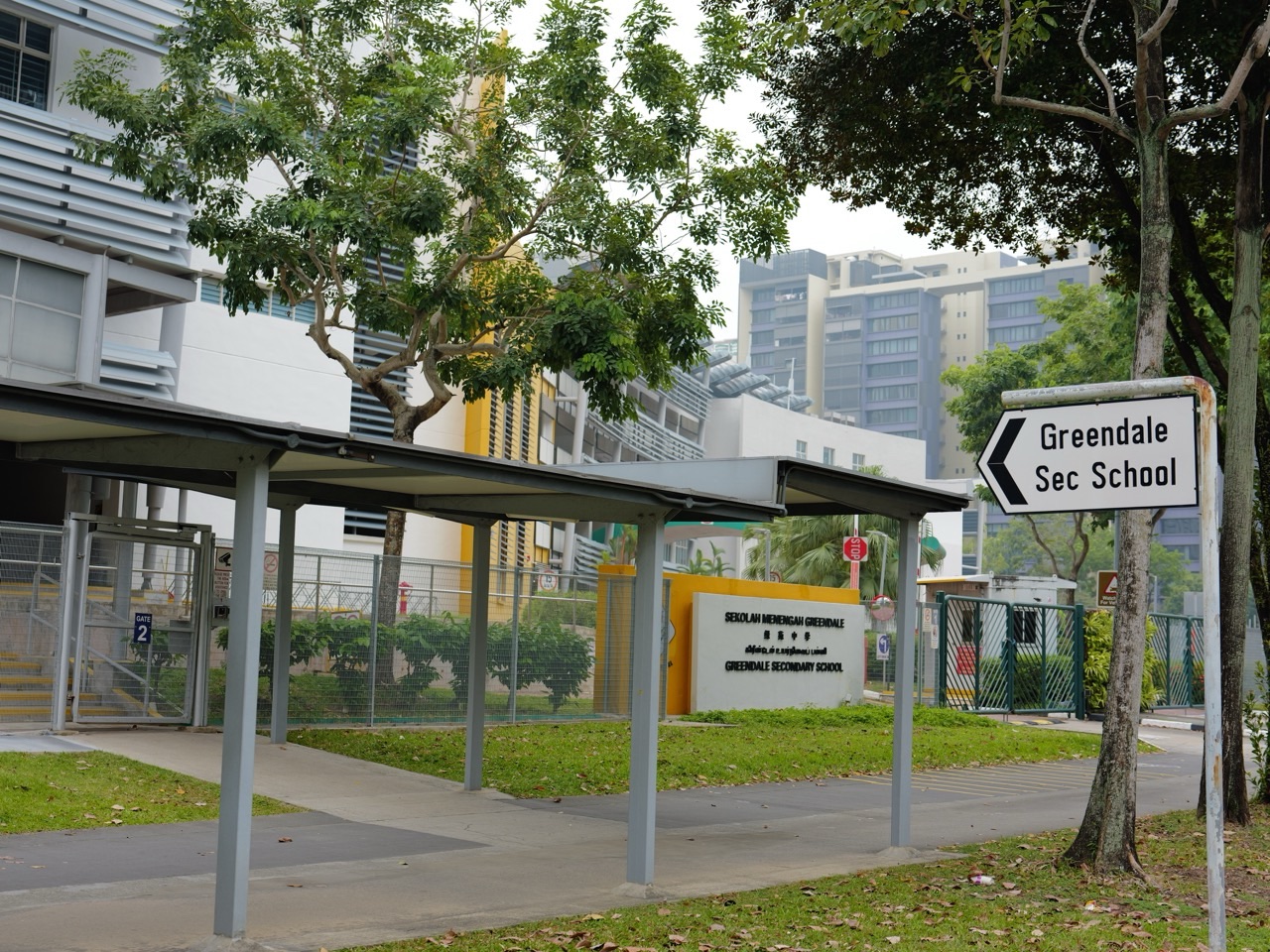
Punggol families can see these principles in real school practice. Greendale Secondary’s 2026 student-leadership page describes leaders helping communicate key messages at Racial Harmony Day and National Day activities. Nearby Seng Kang Primary gives a publicly documented calendar and learning objectives for all four days, while the Punggol GRC community held a separate racial-and-religious harmony event in July 2026. School commemorations and community events are related but should not be described as one identical MOE programme. This guide explains the educational system, original learning tasks, age-appropriate discussions, safety, consent, misinformation and 26 FAQs. Reviewed 21 October 2026.
The four commemorative days at a glance
| Day | National / term observance | 2026 example school observance |
|---|---|---|
| Total Defence Day | 15 February | 13 February (Seng Kang Primary) |
| International Friendship Day | Third Friday of Term 2 | 10 April (Seng Kang Primary) |
| Racial Harmony Day | 21 July | 21 July (Seng Kang Primary) |
| National Day | 9 August | 7 August (Seng Kang Primary) |
Quick reading routes
- Total Defence and its six pillars
- International Friendship Day and ASEAN
- Racial Harmony Day and multicultural understanding
- National Day and school programmes
- Original learning tasks and a family plan
- FAQs and official sources
1. National Education is part of broader citizenship learning
National Education is included within Singapore’s Character and Citizenship Education framework. Pupils explore identity, belonging, shared history and the responsibilities of living with others. The four commemorative days supply recurring opportunities to connect these ideas with actual events and present challenges.
The lessons are not limited to memorising a parade slogan or historical date. A teacher may ask pupils how a community responds to uncertainty, why cross-cultural understanding matters or what evidence supports a public claim.
Parents can help by encouraging accurate explanation and respectful questions. A child who knows the name of an event but cannot describe its purpose has a foundation to strengthen, not a reason for embarrassment.
2. The four days have different learning purposes
Total Defence Day asks about resilience and the role of different sectors in keeping Singapore safe. International Friendship Day explores Singapore’s links with neighbours and the wider world. Racial Harmony Day encourages understanding across communities, while National Day examines shared history and responsibility for the future.
These purposes can overlap, but they should not be reduced to one identical “patriotic celebration” lesson. A real-world case involving cyber misinformation may connect Total Defence and social harmony while still requiring distinct discussion.
A family can ask the pupil what question the activity was intended to answer. This reveals more learning than simply checking whether they attended assembly.
3. The national framework does not prescribe one identical performance
MOE describes the four commemorative days as recurring opportunities for civic and social development. Individual schools can adapt assemblies, classroom conversations, student-led events and activities by age and context.
One campus may run a cultural dialogue, another a group inquiry and another a public performance. Parents should not assume every school requires the same costume, meal or demonstration.
Use the actual 2026 or 2027 school notice for logistics. National purpose and local implementation are related but different facts.
4. The 2026 calendar illustrates historical date versus school observance
Seng Kang Primary’s July 2026 National Education page lists school commemorations on 13 February, 10 April, 21 July and 7 August. Total Defence Day’s historical date is 15 February, while National Day itself is 9 August.
In 2026 those latter dates fell on Sundays, so school assemblies could reasonably occur on nearby school days. A family should not conclude the national holiday or historical anniversary had permanently moved.
For later years, check the school’s current circular and MOE calendar rather than copying one annual timetable. The distinction between an occasion and its school observance avoids confusion.
5. Total Defence Day remembers an important historical event
On 15 February 1942 British forces surrendered to Japanese forces in Singapore, marking the beginning of a painful period of occupation during the Second World War. Singapore commemorates the date to reflect on vulnerability, resilience and the importance of defence.
Age-appropriate teaching should distinguish historical evidence from simplified legends and avoid sensationalising suffering. Older students may examine competing decisions and the limits of historical sources.
Parents can ask what pupils learned about events and why the lesson matters today. A responsible explanation connects facts with thoughtful reflection rather than a claim that every past event has one easy cause.
6. Six pillars form the modern Total Defence framework
Singapore’s Total Defence framework commonly describes six pillars: Military, Civil, Economic, Social, Digital and Psychological Defence. These describe complementary forms of resilience rather than six unrelated classroom games.
For instance, digital defence involves protecting information and systems, while social defence involves cohesion and support across communities. Economic defence concerns the ability to continue essential activities in disruption.
A student should learn what each means and how pillars interact. Memorising the names may be a useful first step, but applied understanding appears when the learner can explain a new scenario.
7. Military Defence is not the only pillar
A pupil may associate defence only with the armed forces because of uniforms and vehicles. Military capabilities matter, but the Total Defence concept emphasises contributions from individuals, institutions and society.
A school lesson can discuss how civilians follow safety instructions and how community cooperation supports resilience without implying children should perform dangerous military tasks.
An age-appropriate explanation distinguishes the professional roles of defence organisations from everyday responsible behaviour, such as staying informed through trustworthy channels.
8. Civil Defence concerns practical protection
Civil Defence relates to responding to emergencies and supporting community safety through appropriate institutions and prepared behaviour. It does not mean a pupil should act as an untrained responder in hazardous situations.
Schools can teach basic awareness of instructions, safe reporting and emergency preparedness with qualified supervision. Children should know when to seek responsible adult help.
Parents should reinforce the school’s actual emergency procedures without staging unsafe experiments at home. Preparedness is about reducing harm, not earning a dramatic photograph.
9. Economic Defence can be taught through everyday decisions
An economy relies on people, skills, infrastructure and services. Students can investigate why disruptions in transport or supply chains affect families and how organisations prepare for uncertainty.
A simple school exercise might compare two fictional budgets and ask what essential spending is needed if income temporarily falls. The objective is financial reasoning rather than predicting a real crisis.
Pupils should learn to distinguish scenario assumptions from actual government statistics. A numerically correct calculation does not justify a sweeping economic claim without proper evidence.
10. Social Defence is relevant to everyday school life
Social Defence includes mutual trust, cohesion and readiness to help across differences. At school, this can appear in how pupils welcome new classmates, challenge stereotypes and cooperate respectfully.
A cultural activity is valuable when it encourages understanding rather than reducing a community to one costume or food item. Students should be able to ask sincere questions and listen without ridicule.
Parents can discuss how disagreements are resolved fairly in a diverse neighbourhood. Social trust is built through daily actions, not only during a commemorative event.
11. Digital Defence begins with checking information
A message claiming that a train line has closed or a school has issued an emergency notice may spread quickly. Responsible digital behaviour involves checking official sources before forwarding claims, protecting account information and reporting harmful or suspicious content appropriately.
Students should not assume every polished image or confident AI answer is correct. They can ask who published it, when it was updated and whether the original evidence supports the claim.
These habits connect digital literacy and national resilience without requiring children to become cybersecurity specialists. Verified, calm communication helps reduce confusion.
12. Psychological Defence is about resilient judgement
Psychological Defence concerns confidence, willingness to persevere and a collective capacity to respond constructively to adversity. It should not be confused with telling children to hide fear or never seek support.
A pupil who is anxious about an emergency can still show resilience by following a plan, asking for help and checking accurate information. Mental wellbeing and responsible community action support each other.
Parents should avoid shaming a child for expressing uncertainty. Effective preparation includes calm explanation, trustworthy adults and age-appropriate knowledge of what to do.
13. An original Total Defence digital-safety task
Imagine a fictional message circulated in a Punggol student group: “All primary schools will close tomorrow; forward immediately.” The message has no date or official source. The first task is to identify its uncertain status, not to spread it to every parent chat.
The learner can check MOE’s and the school’s current authorised channels and avoid forwarding the claim until verified. They should not enter private credentials into a link attached to the message.
For transfer, present a different claim about a library closure and ask which official source would confirm it. The skill is accurate verification, not rote repetition of one warning.
14. An original Economic Defence budget example
A fictional family expects $450 in essential weekly expenses and has a temporary budget of $400. The shortfall is $450 − $400 = $50. A careful student identifies which assumptions apply and whether some spending can be adjusted safely.
The arithmetic alone cannot determine which real household necessity should be removed. Decisions about housing, healthcare and food involve priorities and individual circumstances outside this simplified task.
Ask the learner to compare another example with a different budget and justify the constraints. This helps teach calculation alongside responsible interpretation.
15. International Friendship Day looks beyond the island
Singapore is connected to other countries through trade, diplomacy, learning, families and cultural exchange. International Friendship Day encourages students to understand these links and develop a more informed global outlook.
The event is generally observed on the third Friday of Term 2, although schools may organise related activities over multiple days. Its exact school programme should be read from the current circular.
A pupil should be able to explain why a neighbouring country’s perspective matters rather than simply memorise its capital. Respectful curiosity is an educational outcome in itself.
16. The 2025–2027 friendship theme
Schools described the International Friendship Day theme for 2025–2027 as “Singapore: Forging Friendships in a Complex World”. In 2026, some institutions focused on ASEAN cultures, regional ties and cross-cultural cooperation.
A theme gives direction, not a claim that every pupil participates in an overseas exchange. An ordinary classroom conversation, assembly or age-appropriate activity can also build understanding.
Parents can ask the child to explain one real connection between Singapore and another country, using accurate sources and avoiding stereotypes.
17. The official 2026 International Friendship school date
Seng Kang Primary’s official 2026 calendar lists Friday 10 April for International Friendship Day. Other schools documented linked programmes on neighbouring school days, demonstrating some flexibility in how the occasion is implemented.
A parent should not confuse an official commemorative date with the separate date of an individual school’s recess booth, performance or visit. Those are local logistical choices.
For the next academic year, check the school schedule and theme rather than use a copied 2026 date as a standing event instruction.
18. Original International Friendship inquiry: an ASEAN connection
A fictional class chooses an ASEAN neighbour and examines one example each of shared economic activity, cultural exchange and environmental cooperation. Students must identify reliable sources rather than assume every resident in that country shares identical beliefs.
They can compare the facts, explain uncertainties and consider how Singapore and its neighbour might benefit or face challenges from cooperation. Respectful language matters.
A second task asks how conclusions would change for another ASEAN country. This checks understanding beyond memorising one festival display or national flag.
19. Cultural appreciation is not cultural stereotyping
An International Friendship or Racial Harmony activity may feature languages, food, songs or clothing. These can be inviting starting points, but no community’s culture is adequately represented by one costume or traditional dish.
Students should avoid statements such as “everyone from this country behaves the same way”. Teachers can ask what within-group variation exists and which source supports any specific claim.
Parents can model curiosity and avoid mocking unfamiliar pronunciation or customs. The educational purpose is informed respect, not an uncritical checklist of exotic differences.
20. Racial Harmony Day takes place on 21 July
Racial Harmony Day is observed on 21 July to remember the 1964 racial riots in Singapore and encourage reflection on multicultural cohesion. In 2026, school activities used themes such as “Our People, Our Tapestry”.
This history can be difficult for younger learners, so age-appropriate explanation matters. Pupils should understand that racial hostility can cause real harm while also learning how everyday respect supports peaceful coexistence.
The day is not simply a schoolwide dress-up competition. Cultural activities should reinforce learning rather than replace thoughtful discussion.
21. The 2026 theme “Our People, Our Tapestry”
The tapestry metaphor describes how varied communities and experiences contribute to Singapore society. It can help children visualise connection while allowing them to recognise differences rather than erasing them.
A teacher might ask how classmates can cooperate when they have different languages, habits or family traditions. A richer question asks how to respond if someone is unfairly excluded or stereotyped.
Students should be encouraged to describe concrete respectful actions, not just repeat a slogan. Good reflection connects the theme to real school conduct.
22. Punggol also had a community harmony event in July 2026
The People’s Association published a Punggol GRC inter-racial and religious harmony carnival on 19 July 2026 as part of its community events list. This was a public community activity and should not be described as identical to a particular school’s 21 July classroom programme.
A family may engage with community events while the child also participates in school National Education lessons. Both can support mutual understanding through different organisers.
Accurate reporting names the event, date and responsible body, avoiding the impression that every school pupil attended a single carnival.
23. Respecting religion and race requires careful questions
Pupils may discuss why classmates observe different religious or cultural practices. Teachers should encourage respectful language and clarify that not every individual within a community shares identical preferences.
Families can help children ask questions with curiosity rather than treating classmates as spokespeople for an entire ethnicity or religion. Participation in a cultural activity should respect permissions and individual comfort.
The objective is coexistence, informed understanding and care, not forced public declarations of personal identity.
24. Original classroom inclusion scenario
A fictional pupil is repeatedly left out of a group because classmates assume the pupil’s family language makes collaboration difficult. The class can discuss why this assumption is unfair and what practical support would allow equal participation.
A helpful student might invite the pupil into the discussion, clarify task language and ask the teacher for guidance. The child need not reveal private family information to earn inclusion.
For transfer, consider a different form of exclusion unrelated to language and ask which principles remain. This develops fairness beyond a single commemorative-day script.
25. National Day commemorates Singapore’s independence
Singapore celebrates National Day on 9 August. Schools commonly organise a programme on a suitable school day, particularly if the anniversary falls on a weekend or during a holiday.
A National Day activity can explore historical events, shared identity, public institutions and hopes for the future. Different schools may use performances, student-led events or classroom inquiry.
Parents should distinguish the national date, the official National Day Parade and the individual school’s celebration schedule. Not every pupil is guaranteed access to an NDP preview or performance.
26. Why 7 August was a school observance in 2026
Seng Kang Primary’s 2026 NE page lists 7 August as its Friday school celebration, preceding Sunday 9 August National Day. This provides an official example of an institution adapting its event to the school calendar.
A family should not say National Day was nationally moved to 7 August. The historical anniversary and public holiday arrangements remain separate from one campus’s school activity.
The distinction matters when parents receive early dismissal, attire or reporting instructions. Follow the actual school circular for attendance and collection.
27. Primary 5 National Education Show is separate
Some Primary 5 pupils can attend National Education Show experiences associated with the National Day Parade arrangements, depending on the actual year’s programme and school coordination. This is a different activity from every school’s internal National Day assembly.
A parent should verify selection, transport, supervision, food and authorised pickup rather than assume all P5 children receive an identical invitation.
The purpose is helping children appreciate the national occasion and broader civic themes. A ticket or participation should not be treated as an academic certificate or general admissions benefit.
28. History should be taught with reliable sources
A National Education lesson may use historical photographs, oral accounts, textbooks or government archives. Each source has context and limitations, and children can learn to distinguish firsthand evidence from later interpretation.
A student should not accept a viral photograph labelled “Singapore in 1965” without checking when and where it was taken. Misdated imagery can change an otherwise thoughtful explanation.
Parents can support evidence-based history by asking where a claim came from and whether another reliable source supports it. Accuracy improves civic discussion without requiring every family to reach identical personal conclusions on every current issue.
29. National Education is not party-political campaigning
School citizenship learning can introduce institutions, public choices and Singapore’s shared challenges. Educational discussion should be appropriate to students’ ages and focused on evidence, respect and civic understanding.
A learner may encounter differing views on public questions; a useful classroom approach explores trade-offs and sources without requiring pupils to shame people holding another lawful opinion. This develops judgement rather than slogans.
Parents can model calm discussion and clarify what is historical fact, current policy and personal preference. The ability to distinguish them is a durable learning skill.
30. National Education includes Social Studies and more
MOE’s syllabus framework places National Education across Character and Citizenship Education and relevant subjects such as Social Studies, History and Geography. Teachers can also incorporate responsible reasoning in Mathematics, Science or language activities.
An environmental resilience task might involve data analysis; a historical inquiry requires source interpretation. The four days are therefore recurring touchpoints, not the entire curriculum.
Parents should ask what learning continued before and after an assembly. A worthwhile event should connect to wider knowledge rather than be forgotten as soon as a performance ends.
31. 21st Century Competencies appear across the four days
Critical thinking, communication, collaboration and civic or global literacy can be developed through appropriately structured NE activities. Students might research a source, discuss a trade-off, organise an event or reflect on a respectful choice.
A presentation that uses impressive words without evidence may reveal less learning than a modest explanation that acknowledges uncertainty. Teachers can ask pupils to justify their conclusions.
Families can reinforce these competencies during ordinary conversations rather than treating them as four activities completed once per calendar year.
32. Greendale student leaders participate in commemorations
Greendale Secondary’s July 2026 leadership programme describes student leaders advocating citizenship messages and serving as emcees or contributors during events such as Racial Harmony Day and National Day.
This local evidence demonstrates how leadership and CCE can connect. It does not promise that every pupil becomes an emcee or that leadership recognition follows automatically.
Parents can ask the school what ordinary students learn through these events and which participation is selected or schoolwide. This is more informative than a single photograph from the stage.
33. Student voice has limits and responsibilities
A pupil organising a commemorative activity should communicate respectfully, check historical facts and follow adult safety and permission requirements. Student Councils can make useful contributions without being responsible for national policy or school governance.
A council might ask students what they learned, then report the results accurately. It should not publish private survey responses or treat one small group as representative of the entire school.
Leadership becomes meaningful when students learn the difference between gathering views and making an authorised institutional decision.
34. Original reflection task: stronger than a slogan
After a Total Defence lesson, ask a fictional Secondary 2 class to write two sentences: one observed risk from a credible scenario and one practical action appropriate for pupils. A strong response might identify an unverified emergency rumour and explain checking official school notices before sharing it.
A weak response might claim children should personally manage dangerous infrastructure because “everyone must defend Singapore”. That overstates the pupils’ appropriate role.
A changed scenario about a misleading community message checks whether the learner can transfer responsible judgement beyond the first example.
35. Original data task: how to interpret a survey
Suppose 40 pupils complete a school cultural-activity survey and 24 say the activity helped them understand another perspective. The proportion among respondents is 24 ÷ 40 = 60%.
It would be inaccurate to say 60% of every pupil in the school responded positively unless the survey included the full relevant school population. The sample, question and response conditions matter.
For transfer, a second survey of 25 pupils with 15 positive responses also yields 60%, but the numbers of respondents differ. This develops honest evidence handling within civic education.
36. The role of language in respectful discussions
Pupils can misunderstand a historical text or a classmate’s comment because unfamiliar vocabulary changes the meaning. Terms such as “responsibility”, “cohesion”, “assumption” and “evidence” should be explained in age-appropriate contexts.
A child who repeats a definition may not be able to use it in a different sentence. Teachers can ask for an example and a counterexample that exposes the boundary of a concept.
Strong civic education therefore needs the same diagnostic teaching as English and Science. Accurate language supports meaningful conversations.
37. The parent should check school attire requirements
Some schools invite pupils to wear red and white for National Day or cultural attire for Racial Harmony activities. The details depend on the school’s actual notice and considerations such as safety and comfort.
A parent should not purchase expensive traditional clothing solely because another campus did so in a previous year. Participation should be respectful and inclusive, with the child’s practical circumstances considered.
Follow the school communication for attire, footwear, props and any restrictions. A National Education lesson should not become a family spending contest.
38. Food and cultural activities need sensible safeguards
Cultural learning may involve tasting foods, handling materials or participating in performances. Families should share necessary allergy and safety information through authorised school channels and respect the pupil’s health or religious requirements.
A child should not be pressured to consume food or wear a symbol that causes distress merely to prove cultural understanding. Alternative educational participation can often serve the learning aim appropriately.
Parents can discuss arrangements with the relevant teacher rather than publishing a student’s personal circumstances. Inclusion and safety are compatible with meaningful celebration.
39. National Education events do not replace normal study
Schools continue teaching required subjects alongside CCE. A pupil who attends a commemoration may still have ordinary English, Mathematics or Science work to complete according to the school’s timetable.
Families should use actual early dismissal and event notices. An assembly is not permission to miss classes outside the school’s instructions, and student leaders may have additional duties that need coordination.
A sustainable routine balances civic learning, academic development, CCA and rest. The day should contribute to education rather than create unnecessary confusion.
40. A Punggol parent can use local history as a bridge
Punggol’s evolving landscape—older coastal and agricultural activity alongside modern housing, parks and digital industry—offers opportunities to discuss how places and communities change. A pupil could examine dated maps or verified public histories without assuming every family has the same experience.
The task should distinguish past evidence from present observations and avoid inventing heritage claims. An older relative’s memory can be valuable, but dates and locations may need corroboration.
Local examples help children connect national ideas to a place they recognise. They do not replace the wider regional and national context.
41. A fictional family planning all four days
Imagine a family with a Primary 2 child and a Secondary 1 child in Punggol. The younger pupil may focus on age-appropriate stories, friendship and school routines, while the older learner examines historical sources and contemporary regional relations in more depth.
The children can discuss the same commemorative occasion without needing identical homework or performances. Parents should check each school’s specific calendar and activity requirements.
The educational aim is age-appropriate understanding, not a competition over who can recite the most facts or slogans in one evening.
42. How to recognise a good learning outcome
After International Friendship Day, a student who can explain one factual regional connection and ask a respectful question has learned more than one who memorised ten flags but makes inaccurate claims about their peoples.
After Racial Harmony Day, the child should recognise why stereotypes harm trust and describe an appropriate inclusive action. After Total Defence, they can check a false rumour. After National Day, they can explain a relevant historical fact.
Each outcome involves usable understanding. It can be checked through a new example rather than an elaborate project photograph.
43. Four-week family learning plan
Week 1: identify the upcoming occasion, exact school date and learning theme from official notices. Ask what the child already understands and which fact is uncertain.
Week 2: read a suitable official source or age-appropriate story and discuss one question without demanding perfect recall.
Week 3: apply the idea to a different situation—information verification, respectful interaction or a carefully explained historical example.
Week 4: ask the learner what changed in their understanding and how they might act differently. Celebrate thoughtful reasoning rather than the length of the written reflection.
44. Common mistakes about the four NE days
One error is describing International Friendship Day as a date fixed to the same calendar day every year; schools generally use a term-based observance. Another is claiming that school celebration on 7 August means Singapore National Day moved from 9 August.
Other mistakes include presenting the six Total Defence pillars as six examination grades, assuming every cultural activity requires a costume, or using an unverified historical photograph as proof of a claim.
Accurate dates, official sources and a clear distinction between learning objective and activity keep the guide useful.
45. The final school and parent checklist
Confirm which of the four days the school is commemorating, its exact annual timetable and the age-appropriate learning objective. Check attire, safety, consent and early dismissal instructions from the current official circular.
Encourage children to distinguish evidence, explanation and personal opinion while listening respectfully to others. For digital claims, use reliable original sources before sharing information.
The best result is not a flawless slogan recital. It is a pupil who understands more about Singapore, treats others respectfully and can make a better-informed choice in a new situation.
Frequently asked questions
What are the four National Education commemorative days?
Total Defence Day, International Friendship Day, Racial Harmony Day and National Day.
Are these four days national examination subjects?
No. They are part of school citizenship-learning experiences, not extra PSLE or SEC subject grades.
When is Total Defence Day?
It is associated with 15 February, the historical fall of Singapore in 1942; a school may commemorate it on a nearby school day.
What are the six Total Defence pillars?
Military, Civil, Economic, Social, Digital and Psychological Defence.
Does Total Defence only refer to the armed forces?
No. It includes wider societal and individual resilience across the six pillars.
When is International Friendship Day in schools?
Generally the third Friday of Term 2, with related activities sometimes occurring on other nearby dates.
What was the 2026 IFD school observance?
Seng Kang Primary listed 10 April 2026; individual schools may spread activities across a week.
What is the 2025–2027 IFD theme?
Singapore: Forging Friendships in a Complex World.
Is IFD only about learning foreign songs?
No. It also develops understanding of regional relationships, cultures and responsible global outlooks.
When is Racial Harmony Day?
21 July, recalling the events of 1964 and emphasising social cohesion.
What was a common 2026 Racial Harmony theme?
Our People, Our Tapestry.
Does a child have to wear cultural clothing?
Follow the actual school’s current instructions and appropriate safety and personal considerations; requirements are not universal.
Is Racial Harmony Day only a food festival?
No. Cultural activities should complement understanding of history, respect and inclusion.
When is National Day?
9 August nationally; schools can celebrate on a suitable school day.
Why did some schools celebrate on 7 August 2026?
9 August 2026 fell on a Sunday; Seng Kang Primary listed a school observance on the preceding Friday.
Do all P5 children attend an NE Show automatically?
Do not assume universal attendance. Follow official National Education Show and school arrangements for the year.
Does National Education teach party-political campaigning?
It is part of citizenship education; a careful approach distinguishes historical fact, current policy and opinions.
Can National Education be included in Mathematics?
Yes. Evidence interpretation, percentages and data literacy can support appropriate citizenship-learning questions.
How should pupils handle a fake emergency message?
Avoid forwarding unverified claims, check original authorised sources and seek appropriate adult guidance.
Can student leaders organise commemoration events?
Yes under school supervision; Greendale’s 2026 programme documents such leadership involvement.
Was there a Punggol community harmony event in July 2026?
PA’s 2026 listing included a Punggol GRC event on 19 July, distinct from school-level 21 July activities.
Are NE events identical at every school?
No. MOE sets broad aims and schools design appropriate programmes and yearly notices.
Does a costume or performance itself prove civic understanding?
No. A pupil should also be able to explain the relevant meaning and apply it thoughtfully.
Can parents help without buying special resources?
Yes. Accurate conversation, reliable reading and respectful daily behaviour can support learning.
How can a child check a historical claim?
Identify the source, date and context, and compare with reliable historical evidence.
What should a Punggol parent check first?
The particular school date and learning objective, plus any current safety, attire or collection instructions.
Official evidence and related Punggol education guides
- MOE National Education review and four commemorative days
- MOE Pre-University Character and Citizenship Education syllabus
- Seng Kang Primary National Education 2026 dates and themes
- Peicai Secondary National Education 2026 examples
- Poi Ching School four NE Commemorative Days
- Ahmad Ibrahim Primary IFD 2026 theme and observance
- Gongshang Primary Racial Harmony history
- Greendale Secondary 2026 leadership at NE days
- PA Racial Harmony Day 2026 community event list
- Singapore Total Defence official site
- MOE Primary CCE curriculum
- Punggol Character Citizenship Cyber Wellness AI companion
- Punggol ALP/LLP 2026 companion
- Punggol student leadership 2026 guide
- Immutable Clementi first-principles education benchmark
Editorial fact check, 21 October 2026: 2026 school celebration dates are drawn from Seng Kang Primary’s published calendar and distinguished from historical and national dates. MOE curriculum and official school sources support the National Education framework; Punggol community events are separately attributed to PA. All numerical exercises and student scenarios are original hypotheticals.


