
Quick answer. Student leadership in Singapore’s primary and secondary schools can involve class representatives, prefects, Student Councils, Co-Curricular Activity (CCA) leaders, sports leaders and trained Peer Support Leaders (PSLs). These roles are ways to learn responsibility, communication, service and care—not automatic promotions to a higher academic stream. Some positions may count toward the Leadership domain of the secondary LEAPS 2.0 recognition framework, but a badge or nomination alone does not guarantee bonus points, EAGLES, Direct School Admission (DSA) or a future scholarship.
The official LEAPS 2.0 framework gives useful distinctions. A recognised class committee can represent Level 2 leadership, while class chairperson, prefect and peer support leader roles can appear at Level 3. Senior prefect and comparable school-wide roles can reach Level 4, and executive committee roles within a Student Council or Prefectorial Board may meet Level 5 conditions. The actual duration, contribution, conduct and school verification matter. These are descriptions of LEAPS leadership attainment, not numerical examination marks or guaranteed net admission deductions.
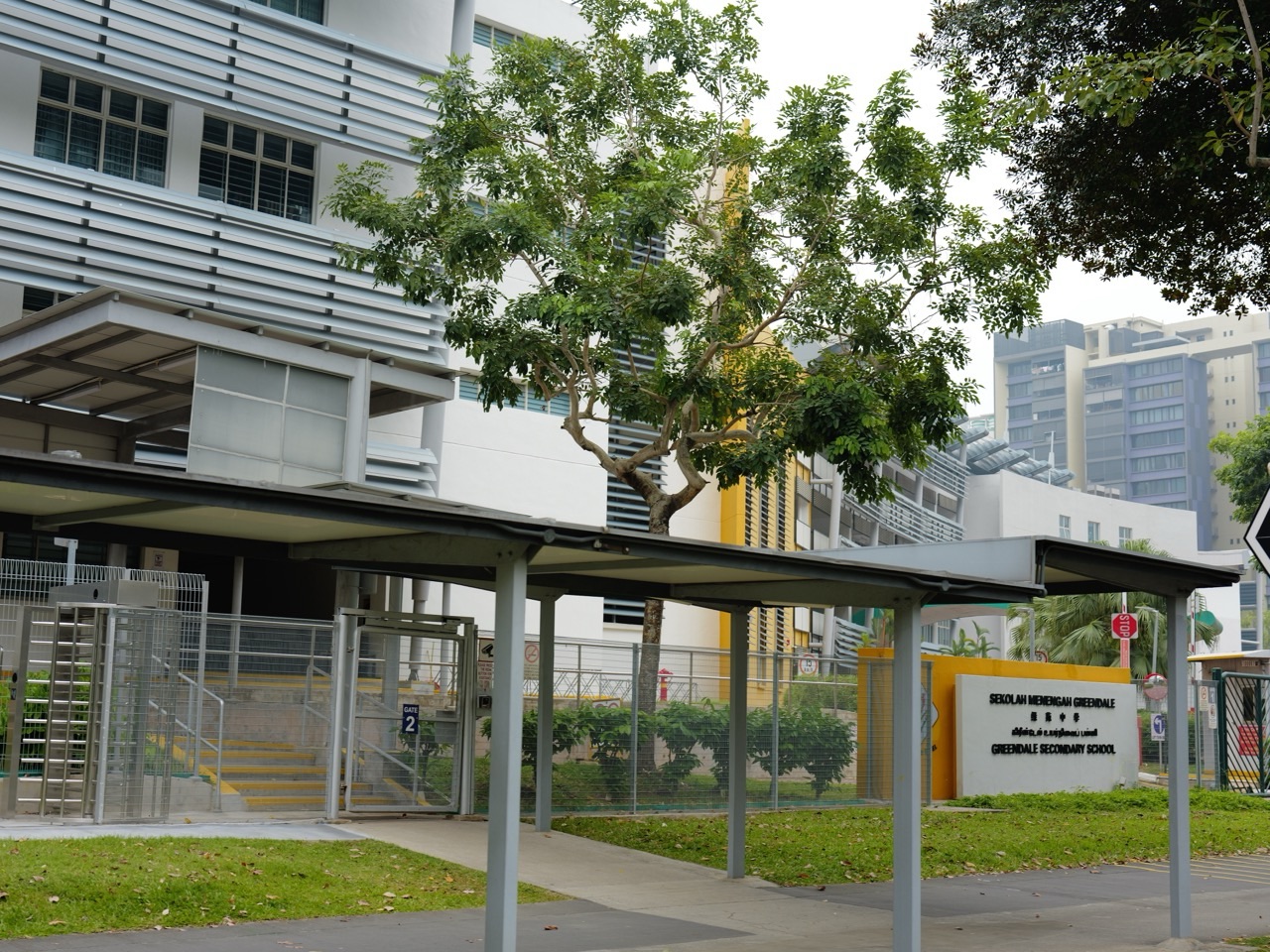
In Punggol, the system is tangible. Punggol Secondary School has documented Student Councillors, Peer Support Leaders, Sports Leaders and other student-leadership groups. Greendale Secondary School’s July 2026 leadership page describes servant leadership, school-wide event planning and student dialogue, with a separate DSA-Leadership selection process. The school emphasises that applicants lacking an earlier formal title may still apply for consideration, but even meeting its stated criteria does not guarantee an offer.
This guide explains what each role is for, how student voice differs from adult school authority, how LEAPS measures leadership, what peer support can and cannot safely do, how a child develops without a formal badge, and what parents should ask. It includes original cases, a practical decision method, FAQs and current MOE/school sources. Reviewed 21 October 2026.
Roles and recognition at a glance
| Role | What it helps develop | LEAPS context |
|---|---|---|
| Class committee | Routine responsibility and teamwork | Level 2 example |
| Prefect / Peer Support Leader | Conduct, inclusion and adult referral | Level 3 example |
| Senior Prefect | Coordinating wider school activity | Level 4 example |
| Council executive | Sustained whole-school responsibility | Level 5 example |
| Informal classroom contribution | Care and independent action | Not every action is a formal LEAPS appointment |
Reader routes
- Understand each student role
- Punggol & Greendale school examples
- LEAPS level and conditions
- Peer-support safety and boundaries
- Family plan and FAQs
1. Leadership begins with conduct, not an appointment
A pupil can contribute positively before receiving a title. Being prepared for class, speaking respectfully, helping a teammate understand instructions and acknowledging a mistake are observable ways to develop self-leadership. A formal appointment gives additional responsibility but does not create all of these habits automatically.
School systems recognise different leadership experiences because children develop at different speeds. A quiet learner may be thoughtful and reliable even when they do not seek a stage-facing role. Another may speak confidently but need to learn listening and accurate follow-through.
Parents should ask what the child actually does, what feedback they receive and how independent the behaviour has become. A shiny badge should not substitute for evidence that the student serves others responsibly.
2. Class committees provide accessible early experience
Class committees can organise routines, relay ideas, coordinate everyday responsibilities and practise working with teachers and classmates. The exact elected or appointed titles differ between schools, and there may be class monitors, chairs and other duties.
A class committee member should understand the limits of the role. They can support orderly participation and communicate concerns, but cannot impose punishments, demand classmates’ private information or override a teacher’s instruction. Leadership is not permission to control peers.
The LEAPS 2.0 framework recognises particular class committee roles as leadership opportunities where its conditions are met. Children can use the experience to practise fairness and reliable communication rather than simply counting it as a future bonus.
3. Prefects are student representatives, not police officers
Prefects may support everyday school routines, help younger pupils and model respectful conduct. Their duties are defined by the actual school and supervised by adults. A child in a prefect role is still a learner, not a staff member or safeguarding professional.
A prefect should not independently investigate bullying, search other pupils’ phones or threaten disciplinary action. Observed problems should be reported to the appropriate teacher or school leader according to the rules.
Parents can ask what training the school provides and whom a prefect should contact when a situation becomes unsafe. Good leadership means recognising limits and making an appropriate handover, not handling every problem alone.
4. A Student Council represents ideas and responsibilities
Student Councils can organise events, gather feedback and develop student voice within school policy. A councillor’s work might involve reviewing a proposed activity, organising student discussions or helping pupils understand an administrative change.
The council is not a second school-management authority that can cancel national examinations or decide a child’s posting. Its role is educational and consultative under the school’s own structure.
A genuine councillor should learn to listen to pupils who disagree and explain what can or cannot be changed. Parents should evaluate accountability and constructive engagement rather than the visibility of the role on social media.
5. Executive positions are different from ordinary membership
LEAPS distinguishes recognised Student Council or Prefectorial Board executive responsibilities from several other forms of participation. A president, secretary, treasurer or committee leader may coordinate school-wide work and a longer service commitment.
However, the label printed on a badge is not itself an official guarantee of Level 5 attainment. School verification, duration and satisfactory contribution matter. Some responsibilities are undertaken jointly or rotate across a year.
A student interested in a senior role should ask what outcomes and conduct are expected, not simply pursue the highest possible title. Reliable work can be demanding and needs time away from homework and ordinary CCA commitments.
6. Peer Support Leaders have an important but bounded role
Peer Support Leaders may notice when classmates are isolated, welcome new pupils, encourage respectful interaction and help peers seek support. They can be valuable because students sometimes approach classmates before speaking to an adult.
A PSL must not be expected to diagnose depression, conduct counselling independently, keep threats secret or adjudicate an allegation of abuse. School counsellors, teachers and other appropriately trained professionals handle those responsibilities.
Good training includes listening without promising absolute confidentiality, knowing when an urgent concern requires escalation and respecting the dignity of everyone involved. This is a safety and learning role, not an honorary title.
7. Why peer support is relevant to school belonging
A child who enters Secondary 1 may be meeting new classmates and adapting to unfamiliar routines. A trained peer can help with orientation, explain ordinary procedures or connect the pupil to a group activity. This can reduce avoidable isolation.
But peer support is not a substitute for a school’s formal wellbeing and safeguarding procedures. Repeated exclusion, threats or significant distress must be handled by responsible adults with appropriate follow-up.
A Punggol parent can ask how the school trains students to recognise when help is needed and where the reporting route leads. The quality of this process matters more than the size of a PSL badge.
8. Punggol Secondary has several student-leadership groups
Punggol Secondary’s public leadership material has described Student Councillors, Peer Support Leaders, Sports Leaders and After School Engagement Leaders, with new leaders undertaking training and responsibilities. Its 2026 student-support page also names professional counselling and welfare roles for matters requiring adults.
The historical leadership material is evidence about its organisational practice, not a promise that every listed group has an identical selection or timetable each year. Parents should check the school’s current student leadership and school-activity notices.
The useful distinction is that the pupil-leadership network helps participation, while trained staff coordinate safeguarding and professional support. A family can value both without confusing their authority.
9. Greendale’s 2026 servant-leadership approach
Greendale Secondary’s official July 2026 programme centres its student leadership on service to others. It lists class, CCA, Sports Council and Student Council opportunities, alongside Secondary 2–3 training and school-wide events.
The school also describes student engagement sessions in which councillors moderate discussions and collect ideas. This helps learners practise listening, explaining constraints and identifying feasible changes.
Parents should ask whether a child enjoys these responsibilities and can manage the required time. An attractive event programme is only one part of leadership; the daily habits of fairness and follow-through matter equally.
10. Greendale’s DSA-Leadership is a different admissions decision
The school publishes a separate DSA-Leadership process with criteria involving character, potential and evidence of relevant experience. It says prior class-monitor, prefect or PSL experience can be useful, while students without a formal earlier appointment may also apply.
Applying does not create an automatic school place. The DSA route has its own assessments and binding implications under MOE’s rules. Even meeting a stated selection criterion does not guarantee a shortlist or offer.
A Primary 6 family should read the actual admission requirements and programme before applying. A child should not be made to invent achievements or buy an exaggerated leadership portfolio.
11. Student leadership and the national LEAPS framework
LEAPS 2.0 recognises secondary co-curricular development across four domains: Participation, Achievement, Leadership and Service. Leadership is therefore only one part of a broader record, not the entire admissions score.
The school records attainment under the framework and converts the overall co-curricular result into the relevant recognition where the admissions exercise allows it. Parents cannot simply add an invented number for each prefect title to a PSLE or SEC aggregate.
Use the official LEAPS framework and the actual school teacher-in-charge for verification. This article owns the roles and developmental purpose; the existing Punggol LEAPS guide explains the full bonus-point calculation.
12. Leadership Level 1 is not an office
The framework lists a route involving completed leadership modules, not necessarily a school office. This matters because a student who is not elected to a council can still develop recognised competencies through legitimate learning experiences.
Such modules should build self-management, decision-making, communication and responsible action, rather than operate as paid shortcuts promising a higher LEAPS grade.
Ask the school which recognised modules are provided and how completion is verified. External workshops do not automatically count merely because their advertisement says “student leader”.
13. Class committee work may correspond to Level 2
The official LEAPS material includes class committee and approved student-led project committee roles at its Level 2 leadership examples. A class officer may help coordinate tasks without carrying responsibility for an entire school event.
This is a meaningful starting point. The pupil can learn to record decisions, communicate dates accurately and check that everyone understands the task.
Parents should not pressure the child to seek a larger office immediately. Depth of actual contribution is more important than collecting titles without reliable service.
14. Prefects and PSLs can correspond to Level 3
The published Level 3 examples include class chairpersons, prefects, peer support leaders, committees for school-wide events and certain leadership roles in approved student-led projects. There are also relevant CCA roles.
These are examples within a formal recognition framework. The actual school decides whether the service has satisfied its requirement; a nomination that never becomes an appointment may not be equivalent to completed service.
Ask the teacher-in-charge about duration, training, responsibilities and what constitutes satisfactory completion. This avoids treating a photo at the investiture as a final LEAPS result.
15. Senior duties can correspond to Level 4
Level 4 includes senior prefects and comparable senior responsibility at school-wide events, as well as specified higher CCA leadership roles. Such appointments often require more oversight, planning and care for younger leaders.
A student who coordinates a major event must learn to anticipate accessibility, logistics, safety and communication. These are genuine responsibilities rather than automatic prestige.
A good mentor helps the pupil reflect on errors constructively. If an event has problems, it can still be a powerful learning experience when adults ensure safety and the student makes a reasoned improvement plan.
16. Executive student leadership may reach Level 5
The LEAPS framework lists executive committees of Student Councils or Prefectorial Boards among Level 5 school leadership opportunities. The role may include president, vice-president or defined executive responsibilities, according to the school’s structure.
Parents should not equate appointment with an unconditional admissions bonus. LEAPS attainment is verified and later considered with the other domains under the appropriate scheme.
The student should also have enough time for core studies, meals, sleep and CCA. A demanding office may be unsuitable when it crowds out the very development it is meant to support.
17. Service duration and satisfactory conduct matter
A 2025 school LEAPS guide explains that the recognition for a leadership role normally depends on serving an appropriate period and meeting the teacher-in-charge’s expectations. An appointment that is not carried out satisfactorily may not result in the assumed recognition.
This protects the meaning of leadership. A child who accepts an office but rarely attends meetings cannot expect the same experience as a classmate who carries out the responsibilities with care.
When appointed, ask for the service period and expectations in writing. The learner should understand both the opportunity and the commitment before accepting.
18. Leadership is not the same as Service attainment
A pupil who leads a community project may be developing leadership and service concurrently, but LEAPS has separate domains. A leadership appointment does not automatically satisfy all service-hour or participation requirements.
Schools evaluate the nature, approval and duration of contributions within the current framework. A photograph of a volunteer event is not proof that every co-curricular domain has been completed.
Parents should keep domains separate when reviewing the student’s record. The full LEAPS calculation belongs to the relevant school and post-secondary admissions rules.
19. Leadership opportunities are not all competitive
Formal positions may involve selection, but everyday leadership can be exercised by any pupil. A child might welcome a new classmate, help the group distribute work fairly or raise a safety concern through the appropriate channel.
Teachers can recognise these behaviours even where no prefect place is available. Some schools offer leadership development modules to build confidence before a pupil seeks office.
Families should not make a child’s sense of worth depend on a limited number of council places. Growth can occur through consistent responsible actions without a title.
20. A school election should be fair and respectful
Where pupils campaign for class or school office, they should learn to communicate achievable ideas without insulting rivals or promising something outside their authority. The school sets the exact process; not every position is elected.
A thoughtful speech might explain a plan for gathering classmates’ feedback and reporting its outcome. It should not offer exam-paper access, preferential treatment or a reward for votes.
Win or lose, students can reflect on what they learned about communicating and listening. An honest unsuccessful candidacy is not a personal failure or evidence that the child lacks leadership potential.
21. Student voice is not unlimited decision-making power
A council can propose improvements to recess activities or school communication, but it cannot decide staff discipline, disclose private student records or alter MOE national curriculum rules. Adults remain responsible for governance and safety.
Students should be told what can be changed, who decides and when they will receive feedback. Otherwise consultation can feel performative and discourage future participation.
Parents can ask how suggestions are acknowledged and what happened after a prior engagement. A credible voice mechanism closes the loop rather than simply collecting votes or ideas.
22. A listening session can be measured meaningfully
Imagine a fictional group of 120 students at a school engagement session. Thirty submit suggestions, and twelve propose a quieter homework area. It would be accurate to say twelve of the respondents raised that idea, but inaccurate to claim “most students demand it”.
The percentage among respondents is 12 ÷ 30 × 100 = 40%. The percentage of all 120 students is 12 ÷ 120 × 100 = 10%. Both describe different populations.
A student councillor should explain the denominator and seek broader feedback before claiming to represent everybody. This original arithmetic example links leadership to truthful data literacy.
23. Original budgeting task for a student event
Suppose a fictional class plans a welcome activity with 40 participants, budgeting $2 for a reusable craft kit per person and $35 for shared supplies. The planned total is 40 × $2 + $35 = $115.
If only 32 pupils participate, the variable kit cost becomes $64, yielding $99 with unchanged shared supplies. A responsible leader should also ask whether the purchase and activity are approved, safe and inclusive before spending money.
The arithmetic is hypothetical, not an actual school fee. It shows why leadership requires careful interpretation and accounting rather than optimism alone.
24. Good leaders respect privacy
A class councillor may learn that a peer faces a family or health difficulty. Being trusted is not permission to publish those details in a school survey or chat group. Appropriate staff can advise on confidentiality, consent and safety.
Peer supporters should avoid saying “I will never tell anyone,” because threats or significant harm need adult intervention. It is better to explain honestly that they can listen and connect a friend to help.
Respecting privacy is part of responsible student voice. A truthful, limited account of an incident is more useful than a widely shared emotional story that exposes others.
25. Peer support and bullying prevention
A peer supporter may notice repeated exclusion or humiliating jokes and can help a classmate feel less alone. MOE and schools, however, are responsible for investigating and managing bullying and hurtful behaviour.
A PSL should not confront a suspected aggressor alone or collect evidence by covertly accessing someone else’s device. The pupil can preserve their own direct observations and notify an authorised adult.
This is a significant educational boundary. Students can build a kinder culture while professionals coordinate the formal response and support for those affected.
26. An urgent safety concern must reach an adult
When a pupil reports a threat, injury or immediate danger, the role of a student leader is to find a responsible adult and support safe action. This is not an occasion for a council to run a vote or promise a private investigation.
Schools have staff pathways such as form teachers, year heads, student-management staff and counsellors. The exact contact depends on the current school and urgency.
A parent should reinforce early help-seeking and not praise a child for keeping a dangerous situation secret. Good leadership includes understanding when authority and specialist care are required.
27. A PSL is not a school counsellor
Punggol Secondary’s official 2026 support-team page distinguishes school counsellors, Special Educational Needs Officers, student welfare officers and ECG professionals. Their work involves appropriately structured support and confidentiality rules, subject to safety exceptions.
Peer Support Leaders can encourage pupils to approach the right staff, but are not trained or authorised to deliver clinical therapy. Confusing these roles could place unfair pressure on children.
Families should seek the school’s formal support channel for persistent distress, significant wellbeing concerns or an immediate safety issue. Peer friendship remains helpful but cannot replace appropriate adult responsibility.
28. Servant leadership develops through contribution
Greendale describes its leadership development around service rather than office alone. This can include organising student discussions, helping plan school-wide events and responding to peers’ suggestions with humility.
A student who promises an elaborate new programme but cannot coordinate basic tasks has not yet shown the same competence as one who quietly completes an approved improvement. Behaviour is the relevant evidence.
Teachers can guide students to identify the real need, consult people affected and review what happened. Parents can support this without completing the child’s leadership project for them.
29. A school event needs a safety plan
Consider a fictional Teachers’ Day activity planned by a council. Students should know the permitted venue, teacher-in-charge, crowd flow, accessibility, authorised photography and reporting procedures if something goes wrong.
The student group can contribute creative ideas and organise tasks, but adult staff retain responsibility for approvals, equipment and safeguarding. A school-wide event is not a licence for unsupervised electrical or stage rigging work.
Good leaders ask questions early rather than conceal uncertainty. A calm contingency plan may demonstrate more maturity than an extravagant presentation with poor preparation.
30. A class leader can respond to unfair workload
Imagine four students preparing a presentation. One pupil ends up writing the whole script while the others only appear for the final performance. A class leader can help them divide responsibilities explicitly and ask every member to explain their contribution.
The goal is not to punish a slow teammate or decide the school’s grading policy. It is to encourage fair collaboration while bringing persistent concerns to the supervising teacher.
After the activity, ask what changed and whether the work distribution was effective. Leadership grows through reflective decision-making, not the appearance of command.
31. Leadership and the Edusave EAGLES award differ
The Edusave Award for Achievement, Good Leadership and Service recognises eligible contributions under its own criteria and school nomination process. A recognised student leadership role may offer relevant evidence, but an appointment does not guarantee EAGLES.
The award also considers other domains and conduct. A pupil without a formal council office may contribute in ways worth recognition under applicable rules.
Parents should read the current Edusave award guide separately from LEAPS. The two systems recognise different aspects of school life and have different award or admissions consequences.
32. Leadership does not create a guaranteed DSA place
A Primary 6 pupil applying through DSA-Leadership must satisfy the chosen secondary school’s actual selection. Greendale’s 2026 page considers conduct, previous leadership and potential, but explicitly warns that meeting its criteria does not guarantee an offer.
A parent should not arrange a nominal committee title solely as a transaction for admission. Schools may interview or assess authentic judgement and motivation.
A serious applicant can describe a genuine example of listening, a difficult decision and what changed after feedback. Honest evidence of growth is stronger than a fabricated leadership narrative.
33. CCA captains and student councillors are different roles
A CCA captain may coordinate training attendance, team communication or performance preparation, while a Student Councillor may contribute to school-wide consultation and events. Both can develop leadership but have different responsibilities and LEAPS categories.
A learner should not assume that the title “captain” automatically carries the same level across every CCA, year or school. The official framework gives examples but actual verification belongs to the school.
Discuss whether the child can meet the service commitment while maintaining core lessons and rest. One meaningful role can be more sustainable than three offices accepted for status.
34. Primary leadership prepares habits, not a PSLE bonus
Primary pupils can become class monitors, prefects or peer helpers, but those appointments are not extra Achievement Levels in the four-subject PSLE Score. Parents should not add an unofficial leadership point to the child’s national academic aggregate.
The value is in responsibility and care. Pupils learn to express a concern respectfully, organise materials and notice when someone is excluded.
Such habits may support future participation and applications, but no school can guarantee that a primary prefect appointment becomes a secondary DSA or scholarship outcome.
35. Student leaders also need protected study time
A pupil who stays back for frequent meetings may find schoolwork, sleep or family commitments affected. A high-profile role can become counterproductive if the learner repeatedly misses foundational subject practice.
Ask the teacher-in-charge about realistic duties and how conflicts with CCA or academic support are managed. Leadership training should promote prioritisation rather than permanent overload.
Parents can help children review the week and practise saying when they need assistance. Responsible leaders recognise limits and communicate early.
36. A family should distinguish nomination, appointment and attainment
Being nominated, selected for interview, appointed, trained and recognised under LEAPS are successive but different stages. A student may be nominated but not selected, or appointed without completing the required service satisfactorily.
Parents should not enter assumed attainment into a JC or polytechnic points calculator before the school confirms the final co-curricular record.
Keep accurate dates and official records. Ask the relevant teacher about remaining responsibilities rather than expecting a title on a certificate to settle everything.
37. A reflective journal can be short and useful
After a meeting, a student leader can write what they were responsible for, what happened, where coordination failed and what they will try next. Three factual sentences may be enough for an age-appropriate reflection.
A child who says “I was an amazing leader” has learned less than one who describes how they changed a plan after hearing a classmate’s concern. Honest reflection builds adaptive thinking.
Parents should avoid rewriting this record into adult corporate language. A school needs evidence of the pupil’s voice and development, not a polished external speech.
38. A four-week leadership development plan
Week 1 — Observe: ask what the child sees as a genuine need in class or CCA, and how peers might be affected. Confirm any activity requires adult approval.
Week 2 — Act responsibly: practise listening, sharing tasks and giving accurate information. Choose a small, authorised task rather than an unsafe or public spectacle.
Week 3 — Review: seek feedback from teacher and peers, distinguish observed outcomes from personal assumptions and adjust the next task.
Week 4 — Transfer: apply the same skill in another context without prompts. Recognise dependable contribution regardless of appointment or award.
39. What parents should ask at a student-leadership briefing
Which age or year levels participate? What training is required? How are students selected or invited to take part? Who supervises the role, and what conduct and time commitments apply?
If LEAPS is relevant, ask how the school documents recognition and what qualifies as satisfactory service. Do not infer another school’s criteria apply identically to this one.
Also ask how pupils report wellbeing and safety concerns. A well-organised programme makes these adult responsibilities explicit so students can contribute with confidence.
40. Common misconceptions parents can avoid
One misconception is that every prefect receives a fixed additional admission point. Another is that a Student Council can discipline classmates or override school policy. A third is that PSLs must personally investigate bullying and keep all confidences.
Other errors include confusing EAGLES with LEAPS and treating Greendale’s DSA-Leadership opportunity as a nationwide guarantee for student councillors.
The effective correction is to separate roles, selection, actual service, academic eligibility and professional support. A school can confirm the facts for its current cohort.
41. Who should an upset student contact?
A pupil dealing with ordinary class disagreements might speak with a trusted teacher or peer supporter. Where there is repeated bullying, threats, serious distress or immediate harm, a responsible adult and the school’s safeguarding channels should be involved promptly.
Punggol Secondary’s student support page provides a concrete example of staff roles and how form teachers or year heads coordinate referrals. Other schools have their own channels, which parents should identify.
A child should know that asking for help is not a betrayal of friendship. Peer leadership supports safe connection to adults; it is not a substitute for them.
42. The value of student voice when adults respond
Students develop civic responsibility when they can raise a concern, receive a respectful explanation and see whether the school can act. Not every requested change will be possible, but transparent reasoning matters.
A school can show student engagement by reporting which issues were considered and why some ideas were changed or deferred. Students then learn about resources, fairness and competing needs rather than expect instant acceptance of every suggestion.
Parents can reinforce the same habit at home by discussing evidence and trade-offs. Student voice becomes education when it connects participation with genuine understanding.
43. A Punggol family comparing leadership opportunities
Imagine a fictional Primary 6 pupil interested in student leadership and deciding among nearby secondary options. One school offers a visible council programme; another has a strong CCA leadership network and other schoolwide opportunities.
The family should inspect ordinary pupil participation, selection rules, academic programme, transport and child wellbeing—not simply rank schools by the number of leaders photographed at an investiture.
A leadership pathway is most useful when the learner can participate responsibly and continue growing. The child’s actual schooling remains broader than a single leadership office.
44. Leadership supports post-secondary readiness without promising entry
Communication, listening, planning and ethical judgement can support study at ITE, polytechnics, JC and beyond. Such skills are valuable in presentations, group projects and professional placements, even where no formal admissions bonus applies.
A student should continue developing accurate subject knowledge and independent reasoning. Leadership experience does not eliminate Mathematics, English or SEC prerequisites for future programmes.
Parents can discuss how the learner’s specific experience transfers to another task, rather than claim that a councillor title guarantees a university scholarship or job.
45. Final parent decision checklist
Ask what the student will actually do, who supervises them, what training and service duration apply, and how the role affects study and wellbeing. Confirm LEAPS or EAGLES recognition only through the responsible school.
For peer support, make sure the child knows confidentiality limits and the correct adult reporting channel. For DSA, verify a separate and genuine school-specific selection process.
The goal is a child who serves others, reasons carefully and asks for help appropriately. Official awards and appointments can recognise that growth, but they do not define it.
Frequently asked questions
What roles count as student leadership in Singapore schools?
Class committees, prefects, Student Councils, CCA leaders, sports leaders and peer supporters are examples; actual arrangements vary.
What is a Peer Support Leader?
A trained pupil who helps peers connect, feel included and seek appropriate adult help—not a professional counsellor.
Can PSLs keep all secrets from teachers?
No. Serious safety concerns must reach authorised adults under the school’s safeguarding practices.
Are prefects allowed to punish classmates?
They have only roles the school authorises; adult school staff remain responsible for discipline and safety.
Does a class committee role appear in LEAPS?
Class committee roles are among the Level 2 leadership examples, subject to qualifying conditions.
Is a prefect automatically LEAPS Level 3?
It is a Level 3 example, but satisfactory service and school verification still matter.
What level might senior prefect fall under?
Senior prefects are listed among Level 4 leadership examples in the official framework.
Can Student Council executive work reach Level 5?
The framework lists specified council or prefect board executive roles under Level 5, subject to conditions.
Does the same LEAPS role last for life?
No. The school assesses service, role and duration within the student record under the applicable framework.
Is LEAPS identical to EAGLES?
No. LEAPS is a co-curricular attainment framework while EAGLES is a distinct Edusave award.
Does a leadership badge add directly to PSLE Score?
No. PSLE Score is based on its subject Achievement Levels, not prefect titles.
Does student council automatically give two bonus points?
No. The overall LEAPS outcome and admissions rules determine any permitted recognition.
Can an applicant without a previous badge seek DSA-Leadership?
At Greendale’s published route, candidates without prior formal experience can be considered; selection remains competitive.
Does DSA-Leadership guarantee admission?
No. The receiving school sets its selection process and may reject eligible applicants.
Do students elect every school leader?
Not necessarily. Selection may involve nomination, teacher appointment, election or another school-defined process.
Can Student Councillors override the principal’s rules?
No. They have authorised consultation and leadership roles, not adult management authority.
What is Greendale’s 2026 leadership focus?
Its published programme describes servant leadership, student engagement and school event planning.
Does Punggol Secondary have Peer Support Leaders?
Its published leadership material identifies PSLs and other student leadership groups; confirm current details with the school.
Who helps with a serious bullying concern?
Teachers, school leaders, counsellors and relevant professionals; pupils should not investigate or handle danger alone.
Can pupils join leadership without becoming councillors?
Yes. Everyday responsible action, student-led projects, training and class roles offer development.
Can primary prefects earn secondary LEAPS points immediately?
No. Secondary LEAPS recognition follows its own stage-specific rules.
Should leadership roles replace exam revision?
No. Pupils should balance responsibilities with secure academic foundations, sleep and wellbeing.
What if the student loses a leadership election?
Offer constructive feedback and other authentic opportunities; one selection does not define leadership ability.
How can parents support reflection?
Ask what the child did, what evidence shows an effect and what they would change next time.
Can a parent write the student’s DSA leadership portfolio?
Parents can support organisation but should not fabricate or misrepresent the child’s contribution.
What should families verify first?
Role, real duties, adult supervision, training, duration and any officially recognised award or admissions criteria.
Official sources and related guides
- MOE official LEAPS 2.0 framework, Leadership table
- Greendale Secondary 2026 student leadership programme
- Greendale Secondary 2026 DSA-Leadership selection
- Punggol Secondary student support team, 2026
- Punggol Secondary safe and caring school programme
- Punggol Secondary student leadership LEAPS structure
- MOE LEAPS development and student leadership
- MOE DSA-Sec current admission and commitment
- MOE Edusave awards, including EAGLES
- Punggol 2026 secondary CCA and LEAPS companion
- Punggol Student Councils and government leadership context
- Punggol school bullying reporting how-to
- Immutable Clementi first-principles benchmark
Editorial check, 21 October 2026. Student-leadership roles and LEAPS levels are attributed to MOE and the named school sources. Punggol Secondary historical leadership listings are distinct from its current staff support pages; 2026 Greendale provisions are independently stated. All student and budget examples are fictional. No badge, award or school posting is guaranteed.


