
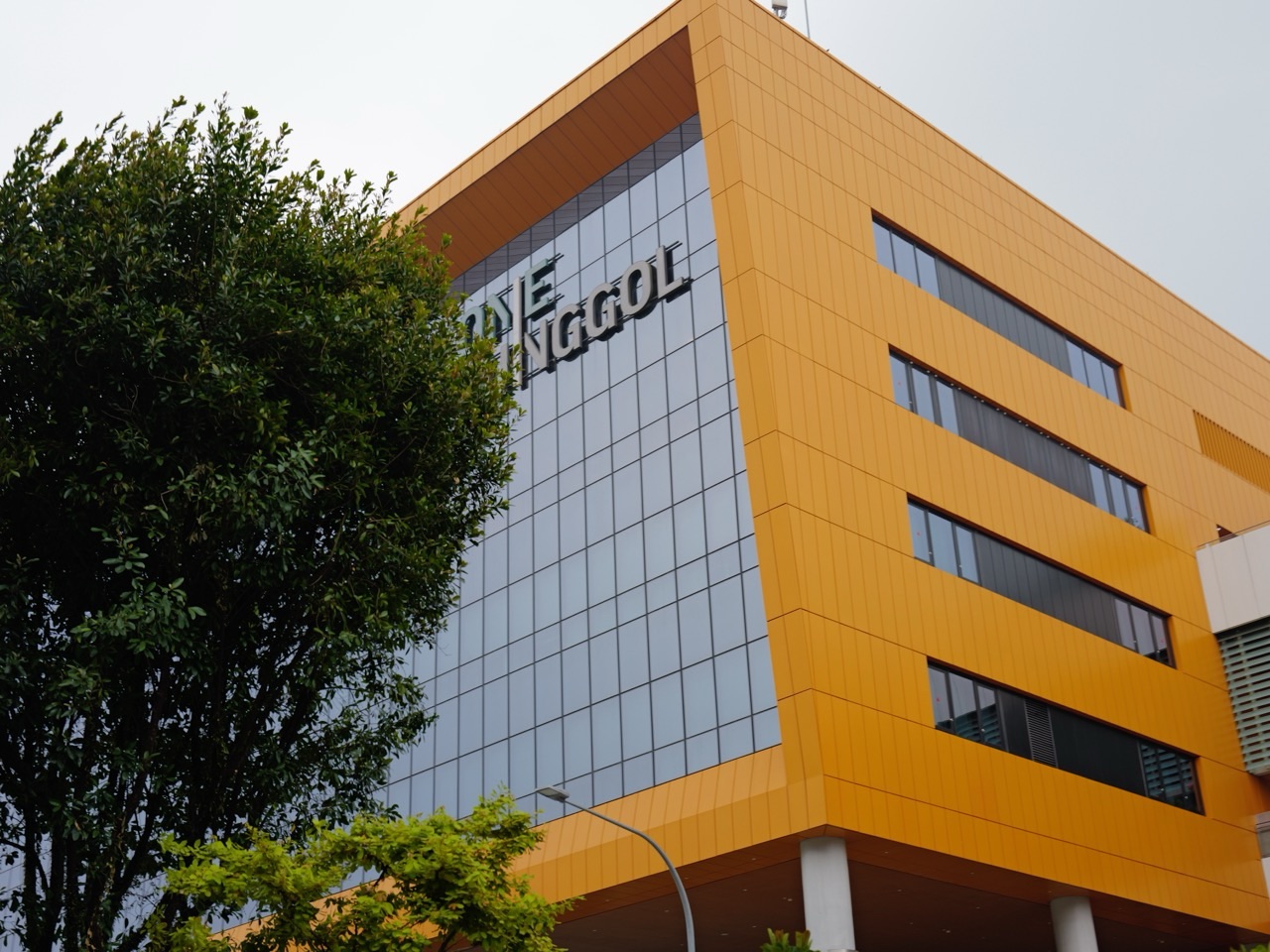
Punggol is a rewarding place for readers because it offers two different NLB library experiences: Punggol Regional Library at One Punggol and the self-service Comics & Games Library at Punggol Coast Mall. One is a large regional collection with early-literacy spaces, accessible facilities and literary exhibitions; the other specialises in comics, graphic novels, game-related stories and communal board games. A good book-lover’s day can take place entirely inside one library without buying a book or rushing between neighbourhoods.
The ten activities in this guide are a fiction-discovery hour, a ‘World and Us’ reading journey, an early-childhood picture-book exchange, an accessible reading setup, a Punggol history-and-archive reading session, a multilingual poetry response at The Lens of Literature, a correctly timed Words That Move poem experience, quiet study or sustained reading in the Level 3 Study Zone, a comic-collecting and local-comics discovery at Punggol Coast, and a one-book outdoor reflection beside Punggol Waterway. Each has a different literary purpose, not merely a different shelf number.
For practical planning, NLB lists Punggol Regional Library at One Punggol, 1 Punggol Drive, with normal collection opening 10am–9pm daily, subject to public-holiday exceptions; it has early extended access for some services and a separately accessed Study Zone open 9am–10pm daily. The Comics & Games Library is at Punggol Coast Mall, Tower 7, 88 Punggol Way #01-140, with advertised 10am–10pm daily opening. Entry there requires an eligible library-compliant card, eCard or QR day-pass process. These are separate destinations served by Punggol MRT and Punggol Coast MRT respectively.
Read for pleasure rather than turning leisure into a scorecard. For children, sharing one picture or phrase may be enough. Adults can try an unfamiliar genre, compare a literary story with a Punggol historical record or use accessible NLB services when needed. Some exhibitions have narrower hours than the main building, so check the actual activity rather than assuming every room is available at all times.
Ten Punggol reading activities at a glance
- 1. Discover a new fiction genre inside Punggol Regional Library — General reading collections at Punggol Regional Library, One Punggol.
- 2. Explore the World and Us Zone with a young reader — World and Us Zone, Level 2 of Punggol Regional Library.
- 3. Share an early-literacy picture book with a child — Early Literacy Zone and adjacent age-appropriate spaces, Level 1 Punggol Regional Library.
- 4. Explore accessible reading with NLB’s inclusive collection and aids — Punggol Regional Library’s Accessible Collection and relevant NLB support facilities.
- 5. Read Punggol’s past through the Singaporium exhibition and Memory Map — Singaporium, Level 4 of Punggol Regional Library.
- 6. Compose a poem at The Lens of Literature — Level 3 Sing Lit area, Punggol Regional Library.
- 7. Experience animated literature at Words That Move at the correct time — Stories Come Alive Room, Level 1 Punggol Regional Library.
- 8. Use the Level 3 Study Zone for uninterrupted sustained reading — Punggol Regional Library Study Zone, via One Punggol Lift Lobby B.
- 9. Discover local comics at Punggol Coast’s Comics & Games Library — Punggol Coast Mall, Tower 7, 88 Punggol Way #01-140.
- 10. Pair one book with a gentle outdoor Punggol Waterway reflection — A lawful seated public area in Punggol Waterway Park near a convenient exit.
The choices represent genuinely different reading goals: fiction, children’s geographical reading, early-years picture books, inclusive formats, Punggol history, multilingual poetry, animated literature, quiet sustained reading, graphic novels and reflective outdoor reading. The list is not an instruction to tour every shelf or travel between two libraries in one short visit.
How to plan a Punggol reading day
Begin with one reading question
Begin with a reading question rather than a demand to cover every floor: which author, story form, place or subject do you want to discover? A person who enjoys local history should begin with Punggol Stories; a reader who wants comics should start at Punggol Coast; a family with a toddler should use an early-years area. Allow the reader’s preferences to guide the outing, not a universal bestseller ranking.
Keep separate libraries as separate destinations
Plan one library at a time. The large Punggol Regional Library sits inside One Punggol, close to the central MRT, while the Comics & Games Library is a separate pop-up at Punggol Coast Mall. A visitor can use public transport between them, but travelling across the town can consume time better spent reading. Make the second library optional if you only have an hour or two.
Know the difference between browsing and booking
Distinguish browsing, borrowing, reservation and programme access. General reading does not mean every book may be borrowed by every visitor; borrowing follows account rules. Special events, study seats and maker equipment can require separate booking or conditions. The current NLB catalogue and event calendar are more reliable than an old photograph of a workshop.
Keep shared reading spaces respectful
Respect the library’s shared purpose. Quiet floors are not cafés or private tuition rooms, a children’s area is not unsupervised childcare, and a sensory calm facility is not a general lounge for anybody to monopolise. Keep food out of prohibited zones, speak at the appropriate volume and let priority users access services designed for their needs.
Use inclusive services appropriately
Make literature accessible through informed choices. NLB’s Punggol Regional Library has an Accessible Collection, Borrow-n-Go services, assistive technology and Calm Pods documented by NLB. These features can help readers with different abilities, but individual equipment and pod use may have eligibility, availability or assistance conditions. Ask NLB before promising a particular service at a particular time.
Create original responses and respect authors
Use reading to connect with the place rather than copying copyrighted pages. Punggol Stories and the literary exhibits can prompt original writing; the public waterway can give a reader a quiet subject to describe. Quote minimally, attribute authors accurately and do not post photographs of whole book pages or exhibitions as if you owned the content.
The ten book-lover experiences in detail
1. Discover a new fiction genre inside Punggol Regional Library
Where: General reading collections at Punggol Regional Library, One Punggol.
What this reading place offers
NLB identifies Punggol Regional Library as Singapore’s largest public library by floor area, at 12,180 square metres, with collections serving a range of ages and interests. That makes it an attractive place to try fiction beyond a familiar author, though the actual stock and availability of a specific title must be confirmed through the catalogue. A regional library is a shared reading space, not a bookstore where every listed title is available to purchase.
A realistic way to use it
Choose two contrasting genres before arriving—perhaps a contemporary Singapore novel and a translated historical story. Use the NLB catalogue or shelf labels, then read the opening page of a suitable book. Decide what makes the narrative appealing: voice, character, setting or first question. If the book is on loan, use a different available title rather than treating a missing copy as a failed visit.
Worked reading example
A regular mystery reader wants to try literary fiction. Instead of picking the thickest award winner, they read a few pages from two short books and choose one whose narrator feels compelling. They record the title and author and spend the remaining time reading, without buying anything to prove the outing mattered.
Access, etiquette and current limits
Borrowing and renewals depend on membership and title status. Shelving changes over time, and a crowded reading area can make long sessions uncomfortable. Respect NLB rules about food, noise, seats and photographs. Do not call an old recommended book list live stock information.
When to choose another experience
Best for readers who want an unhurried new genre and minimal planning. Choose The Lens of Literature for a specific Singapore poetry or multilingual experience, or Comics & Games Library when graphic storytelling is the main interest.
One takeaway worth keeping
Write one sentence explaining what made you turn to the next page. That is a stronger genre recommendation than ‘the book is popular’ or a copied publisher blurb.
A meaningful reading outing can be surprisingly small. One new author, one carefully explored illustration or one honest question is enough to make the visit worthwhile. You do not need to purchase a book or claim to have finished a long novel for the experience to count. When a title is unavailable, use the library’s catalogue to find an alternative rather than treating the trip as wasted.
The relevant NLB or NParks source is here. It establishes the public institution or programme framework, not that a specific copy, study seat, service device or event place is available at this moment. Always check the date-specific arrangements of the exact facility being used.
2. Explore the World and Us Zone with a young reader
Where: World and Us Zone, Level 2 of Punggol Regional Library.
What this reading place offers
NLB documents the World and Us Zone as a curated children’s reading area exploring places and topics across continents and Singapore, with books designed to widen young readers’ horizons. The facility is part of the regional library’s child-friendly offerings; a particular country’s titles or a book in a preferred language should be checked through the current catalogue rather than assumed to be on display.
A realistic way to use it
Invite the child to choose a country or broad theme they are curious about. Find a suitable book using NLB’s age, region and catalogue guidance. Read one informative spread and ask the child to compare it with a familiar part of Punggol or Singapore. Focus on curiosity, not memorising facts. Leave the same book available to other readers when finished browsing.
Worked reading example
A Primary pupil chooses a picture book about an island country’s coastal towns and compares it with Punggol’s modern waterway. The adult helps distinguish a real geography fact from an illustration’s artistic choices. The family leaves with one question to research later rather than pretending a ten-minute read teaches an entire culture.
Access, etiquette and current limits
Do not assume a whole continent can be explained by one title or reduce cultural differences to stereotypes. Children’s collections have changing displays and age suitability; some book types may require adult help. Keep supervision and library etiquette appropriate.
When to choose another experience
Best for younger readers who enjoy travel, history, science or different cultures. Choose the Toy Library and early-literacy area for a toddler who wants simple picture and play interactions.
One takeaway worth keeping
Create a two-column comparison of one fact from the book and one fact from Singapore, citing the author or NLB record rather than relying on memory.
A meaningful reading outing can be surprisingly small. One new author, one carefully explored illustration or one honest question is enough to make the visit worthwhile. You do not need to purchase a book or claim to have finished a long novel for the experience to count. When a title is unavailable, use the library’s catalogue to find an alternative rather than treating the trip as wasted.
The relevant NLB or NParks source is here. It establishes the public institution or programme framework, not that a specific copy, study seat, service device or event place is available at this moment. Always check the date-specific arrangements of the exact facility being used.
3. Share an early-literacy picture book with a child
Where: Early Literacy Zone and adjacent age-appropriate spaces, Level 1 Punggol Regional Library.
What this reading place offers
Punggol Regional Library has an Early Literacy Zone, Stories Come Alive Room and Toy Library with Tinker Tots activity spaces for young children. These are public early-years facilities with their own use guidance; a general library admission does not guarantee a storyteller, a particular toy or an unbooked classroom. The most reliable activity is adult-supported picture-book browsing.
A realistic way to use it
Let the child choose one short age-suitable book and one favourite illustration. Read slowly, follow the child’s interest, and allow repetition. For a young toddler, pointing and making sounds may be more meaningful than sitting still for an entire long story. End at a natural pause and use an appropriate family rest stop rather than treating the library as an eating area.
Worked reading example
A grandparent expects a child to listen to two stories, but the toddler points repeatedly at one train picture. The older person follows that interest, names the object and shares a short memory of travelling by train. They return the book and finish happily after a few minutes of shared attention.
Access, etiquette and current limits
Adult supervision is continuous; a library is not childminding. Some picture books may be fragile and toys can have small parts. Respect other children and readers, and follow hygiene and shared-equipment rules. Do not insist on a scheduled storytime if none is operating.
When to choose another experience
Best for caregivers building a pleasure-based reading routine rather than formal tuition. Older children ready for geographical nonfiction may prefer World and Us; families focused on Punggol history may prefer Singaporium.
One takeaway worth keeping
Ask the child to choose the one image they want to remember. A drawing or spoken word is a complete response, not a failed book report.
A meaningful reading outing can be surprisingly small. One new author, one carefully explored illustration or one honest question is enough to make the visit worthwhile. You do not need to purchase a book or claim to have finished a long novel for the experience to count. When a title is unavailable, use the library’s catalogue to find an alternative rather than treating the trip as wasted.
The relevant NLB or NParks source is here. It establishes the public institution or programme framework, not that a specific copy, study seat, service device or event place is available at this moment. Always check the date-specific arrangements of the exact facility being used.
4. Explore accessible reading with NLB’s inclusive collection and aids
Where: Punggol Regional Library’s Accessible Collection and relevant NLB support facilities.
What this reading place offers
NLB describes Punggol Regional Library as an inclusive library with assistive technology, an Accessible Collection, Borrow-n-Go borrowing stations and Calm Pods. These resources are designed to help people with different physical, visual or sensory needs participate in reading. Their availability and appropriate use can vary; a facility listed in a fact sheet is not a guarantee that every device can be used without assistance at any hour.
A realistic way to use it
Begin with the reader’s own preferred format: large-print text, eBooks, audio or adapted tools when available. Check NLB’s current information or ask staff how to access the appropriate facility. Allow enough time to learn the interface, and do not demand that somebody disclose private health details to the entire group. Choose content that interests the reader rather than a token demonstration of accessibility.
Worked reading example
A visitor finds small print uncomfortable and looks for available alternatives. Instead of giving up or asking a companion to read every page aloud, they consult NLB’s accessible collection and device information. They find a suitable format and enjoy the same sort of personal reading choice other patrons make.
Access, etiquette and current limits
A Calm Pod may be intended for a particular support need, not as general private seating. Assistive devices and borrowing stations may have eligibility or operational conditions. Respect priority use, user privacy and staff guidance. A guide should not pretend every accessibility feature is permanently available.
When to choose another experience
Best when accessible format or environment is essential for a reader’s participation. For someone who simply wants quiet without specialist support, the Study Zone or appropriate public reading spaces are a better first choice.
One takeaway worth keeping
Write a private accessibility checklist covering the preferred reading format, route, assistive features and contact point; focus on enabling choice rather than assigning limitations to the person.
A meaningful reading outing can be surprisingly small. One new author, one carefully explored illustration or one honest question is enough to make the visit worthwhile. You do not need to purchase a book or claim to have finished a long novel for the experience to count. When a title is unavailable, use the library’s catalogue to find an alternative rather than treating the trip as wasted.
The relevant NLB or NParks source is here. It establishes the public institution or programme framework, not that a specific copy, study seat, service device or event place is available at this moment. Always check the date-specific arrangements of the exact facility being used.
5. Read Punggol’s past through the Singaporium exhibition and Memory Map
Where: Singaporium, Level 4 of Punggol Regional Library.
What this reading place offers
NLB’s permanent Punggol Stories exhibition has four sections: Punggol Pioneers, Seaside Solace, Farm to Fable and Winding Waterways. Its Memory Map includes recollections of historical Punggol. This is an opportunity to read place history through documented collections, exhibition labels and oral memory, rather than treating the town’s current skyline as the whole historical story.
A realistic way to use it
Select one exhibition theme and read its captions slowly, recording the source and date when provided. If you are visiting with somebody who remembers older Punggol, let them share a personal recollection with permission. Keep that memory separate from the museum-style factual timeline. Spend the rest of the session comparing today’s waterfront with the period described in the exhibit.
Worked reading example
Two readers discover an old photograph of farms and realise their earlier assumption—’Punggol was always a waterfront residential town’—was inaccurate. They create two captions: one for the dated historical evidence and one for the current planned district. They avoid inventing the exact location of every farmhouse.
Access, etiquette and current limits
NLB lists the exhibition generally from 10am to 9pm, but interactive components may be unavailable for maintenance. Archival photographs and written labels have copyright and context. Oral memories may contain imprecise dates; a reader should not present them as independently confirmed just because the story is moving.
When to choose another experience
Best for readers who enjoy nonfiction, history and archive interpretation. Choose a general fiction browse when leisure and imaginative storytelling, rather than research, is the goal.
One takeaway worth keeping
Write a short paragraph with one sourced historical statement, one observation about Punggol today and one open question for further reading.
A meaningful reading outing can be surprisingly small. One new author, one carefully explored illustration or one honest question is enough to make the visit worthwhile. You do not need to purchase a book or claim to have finished a long novel for the experience to count. When a title is unavailable, use the library’s catalogue to find an alternative rather than treating the trip as wasted.
The relevant NLB or NParks source is here. It establishes the public institution or programme framework, not that a specific copy, study seat, service device or event place is available at this moment. Always check the date-specific arrangements of the exact facility being used.
6. Compose a poem at The Lens of Literature
Where: Level 3 Sing Lit area, Punggol Regional Library.
What this reading place offers
NLB’s permanent Punggol Stories trail includes The Lens of Literature, an interactive table featuring Singapore writing in English, Chinese, Malay and Tamil. NLB identifies themes such as Balik Kampong, Life Interrupted, Tides of Change and Our Future is Now. The interactive experience can inspire a visitor to compose an original poem and take a digital souvenir, subject to the equipment’s current availability.
A realistic way to use it
Read a short excerpt from the table or accompanying literary presentation and focus on one concrete image. Ask how a writer turns a changing neighbourhood into human experience. Write three original lines describing a memory or present-day detail from Punggol. Revise one verb, remove an unnecessary adjective and compare whether the new line communicates more clearly.
Worked reading example
A Secondary reader begins with the sentence ‘Punggol changed a lot’. After seeing a literary description of town life, they rewrite it as a specific visual image of a bus shelter or waterway bridge. The outcome is an original piece, not a copied poem or a demand that the exhibit automatically improves a school grade.
Access, etiquette and current limits
Interactive displays may be in use, unavailable or subject to room rules. The literature itself is copyrighted, so copying full passages online is inappropriate. A multilingual display invites curiosity, not pressure on visitors to translate texts outside their ability.
When to choose another experience
Best for readers who enjoy poetry, languages and writing. Choose Words That Move for an animated literary presentation at its own restricted time window, or ordinary Singaporium for historical exhibits.
One takeaway worth keeping
Write a four-line original poem about two times in the same place, and note the exhibit and writer whose work inspired your reflection without using their words as your own.
A meaningful reading outing can be surprisingly small. One new author, one carefully explored illustration or one honest question is enough to make the visit worthwhile. You do not need to purchase a book or claim to have finished a long novel for the experience to count. When a title is unavailable, use the library’s catalogue to find an alternative rather than treating the trip as wasted.
The relevant NLB or NParks source is here. It establishes the public institution or programme framework, not that a specific copy, study seat, service device or event place is available at this moment. Always check the date-specific arrangements of the exact facility being used.
7. Experience animated literature at Words That Move at the correct time
Where: Stories Come Alive Room, Level 1 Punggol Regional Library.
What this reading place offers
NLB lists Words That Move as a permanent interactive poetry feature running 5pm–7pm. It projects poems in multiple Singapore languages with light, sound and animation, including works attributed to Ronald JJ Wong, Liang Wern Fook, Norisah A Bakar and Amiroudine. Its hours are not the same as the wider Punggol Stories exhibition’s 10am–9pm framework.
A realistic way to use it
Check current operation and attend during the stated 5pm–7pm window. Choose one poem, observe how animation affects emphasis and rhythm, and listen without disturbing others. If the room is closed or the programme is unavailable, browse ordinary collections in the library instead of expecting staff to run a private screening.
Worked reading example
A reader plans an 8pm poetry visit because the overall exhibition appears open until 9pm. They check the specific component and discover it closes earlier, so they move their visit to 6pm. After watching, they describe how the movement of a word changed the way they heard the poem.
Access, etiquette and current limits
Animated light and sound may be uncomfortable for some visitors. Follow room capacity, photography and privacy rules, and do not reproduce entire poems or recorded projections without permission. Permanent installations can still require maintenance and date-specific operating checks.
When to choose another experience
Best for people who want an audiovisual poetry experience rather than reading on paper. For quieter independent reading later in the evening, use the Study Zone or Comics & Games Library when their own rules allow.
One takeaway worth keeping
Create an original short phrase and sketch how you might animate it to show emotion or place. Explain what the visual movement contributes beyond the words.
A meaningful reading outing can be surprisingly small. One new author, one carefully explored illustration or one honest question is enough to make the visit worthwhile. You do not need to purchase a book or claim to have finished a long novel for the experience to count. When a title is unavailable, use the library’s catalogue to find an alternative rather than treating the trip as wasted.
The relevant NLB or NParks source is here. It establishes the public institution or programme framework, not that a specific copy, study seat, service device or event place is available at this moment. Always check the date-specific arrangements of the exact facility being used.
8. Use the Level 3 Study Zone for uninterrupted sustained reading
Where: Punggol Regional Library Study Zone, via One Punggol Lift Lobby B.
What this reading place offers
NLB lists this Study Zone from 9am–10pm daily including public holidays under its separate access arrangement. The main library collections typically operate 10am–9pm with public-holiday closures and some extended morning provisions. The distinction is valuable for readers who wish to use a focused study space without assuming full library borrowing services remain available at night.
A realistic way to use it
Bring the text or material you intend to work on and confirm the current route through Lift Lobby B. Set a modest concentration target, such as forty minutes of sustained reading followed by a short note. Respect seat and quiet rules and leave before the zone closes. To browse a book from general collections, schedule that during normal collection hours.
Worked reading example
A working adult visits after 9pm with a personal book. They read one chapter without interruptions and write a question they would like to discuss later. The visit is successful even though the main library shelves are no longer available because they planned for the correct Study Zone.
Access, etiquette and current limits
A free reading seat is not reserved simply because a visitor intends to study. Crowding, closures or accessibility arrangements can affect the practical experience. Do not leave belongings unattended to claim desks, bring food into restricted areas or conduct loud discussions.
When to choose another experience
Best for readers who need a quiet and relatively late physical space. Choose fiction browsing earlier in the day, or the Comics & Games Library when graphic novels and a social reading experience matter more.
One takeaway worth keeping
Keep a two-line reading journal: one important idea and one question to explore next. The goal is attentive reading, not maximising hours spent sitting.
A meaningful reading outing can be surprisingly small. One new author, one carefully explored illustration or one honest question is enough to make the visit worthwhile. You do not need to purchase a book or claim to have finished a long novel for the experience to count. When a title is unavailable, use the library’s catalogue to find an alternative rather than treating the trip as wasted.
The relevant NLB or NParks source is here. It establishes the public institution or programme framework, not that a specific copy, study seat, service device or event place is available at this moment. Always check the date-specific arrangements of the exact facility being used.
9. Discover local comics at Punggol Coast’s Comics & Games Library
Where: Punggol Coast Mall, Tower 7, 88 Punggol Way #01-140.
What this reading place offers
NLB launched the fully self-service Comics & Games Library in April 2025, offering more than 7,000 comics, graphic novels, game-related reading titles and board games. A Singapore showcase wall features local comics donated by collectors. The node advertises 10am–10pm daily, including public holidays, and requires eligible ID/eCard or a QR day-pass process for entry.
A realistic way to use it
Before visiting, check whether your identity or NLB credential can meet the access procedure. Explore the Singapore comics showcase or a genre you seldom read. Compare one visual storytelling technique—panel size, framing or how text interacts with images—rather than trying to finish a whole shelf. Use the NLB Mobile app for borrowing if eligible, and return shared materials carefully.
Worked reading example
An adult reader thinks graphic novels are only for children. At the pop-up library they compare a Singapore comic with an international title and notice how panel rhythm and local language express different moods. They leave with a reading recommendation rather than an unsupported opinion based on a cover.
Access, etiquette and current limits
Specific books, tables and board games may be unavailable during a busy visit. Entry rules and self-service borrowing conditions matter, especially for non-residents. The pop-up’s hours do not grant a private late-night reading room or permission to monopolise seating.
When to choose another experience
Best for manga, comics and graphic-story enthusiasts wanting a dedicated collection. Choose Punggol Regional Library for a broader print collection, a specific literary exhibition or early-childhood reading.
One takeaway worth keeping
Write a short review mentioning one visual storytelling choice, the creator and why the work is memorable. Do not reproduce entire copyrighted comic pages in the review.
A meaningful reading outing can be surprisingly small. One new author, one carefully explored illustration or one honest question is enough to make the visit worthwhile. You do not need to purchase a book or claim to have finished a long novel for the experience to count. When a title is unavailable, use the library’s catalogue to find an alternative rather than treating the trip as wasted.
The relevant NLB or NParks source is here. It establishes the public institution or programme framework, not that a specific copy, study seat, service device or event place is available at this moment. Always check the date-specific arrangements of the exact facility being used.
10. Pair one book with a gentle outdoor Punggol Waterway reflection
Where: A lawful seated public area in Punggol Waterway Park near a convenient exit.
What this reading place offers
NParks lists Punggol Waterway Park as a 24-hour public park containing Nature Cove, Recreation Zone, Heritage Zone and Green Gallery. It offers bridges, greenery and water views, which can become the setting for short reading and personal writing when weather is suitable. A public park is not a booked reading room or a guarantee that a bench will be empty.
A realistic way to use it
Choose an accessible route with a public seat or suitable place to pause, bring a book you own or have borrowed legitimately, and avoid blocking pathways. Read a few pages in daylight, then write an original note about what the surrounding scene adds to your understanding of place. If the weather becomes hot, rainy or unsafe, finish at home or in an appropriate library area.
Worked reading example
A reader takes a nature essay to the waterway and spends fifteen minutes reading before noting how the planted banks and bridges differ from the author’s landscape. The simple comparison becomes a personal reflection. The reader leaves the park clean and makes no claim that the essay was about this specific location.
Access, etiquette and current limits
Do not place books on wet public furniture, enter the canal, obstruct cyclists or remain in an unfamiliar dark section to finish a chapter. Wildlife and other visitors deserve distance and privacy. A public park’s 24-hour listing is not a substitute for weather and route judgement.
When to choose another experience
Best for readers who already enjoy time outdoors and want a reflective finish to a day. Choose an indoor book session when the weather, mobility or safety makes a bench unsuitable.
One takeaway worth keeping
Write a hundred original words linking one line of thought from the book to an actual observation, giving appropriate author attribution without reproducing protected passages.
A meaningful reading outing can be surprisingly small. One new author, one carefully explored illustration or one honest question is enough to make the visit worthwhile. You do not need to purchase a book or claim to have finished a long novel for the experience to count. When a title is unavailable, use the library’s catalogue to find an alternative rather than treating the trip as wasted.
The relevant NLB or NParks source is here. It establishes the public institution or programme framework, not that a specific copy, study seat, service device or event place is available at this moment. Always check the date-specific arrangements of the exact facility being used.
Three ready-to-use book-lover itineraries
A one-hour quiet adult reading visit
Start at One Punggol and choose one accessible section of Punggol Regional Library. Browse a genre you do not usually read, settle on one appealing title and enjoy a short uninterrupted passage in an appropriate space. If a study seat is needed, check its current rules. Finish at the nearest sensible transport exit rather than adding Punggol Coast for the sake of another destination.
An intergenerational story visit
Pick an early-literacy book if the child is young, or use the World and Us Zone for an older child interested in other countries and cultures. Let each participant choose a picture, fact or phrase to share. A brief visit to Punggol Stories can be an optional extension for school-aged children, but should be removed if people are tired or the exhibition is crowded.
A Punggol Coast graphic-literature afternoon
Arrive at Punggol Coast MRT and enter the Comics & Games Library with the appropriate credentials. Spend time at the Singapore comics showcase or a graphic novel, then choose one book-inspired game only if an appropriate shared table is available. Finish with an optional meal in the same district. Keep it a literature-and-games visit rather than assuming the pop-up library is a private arcade.
An easy system for choosing the next book
A simple decision works across age groups: choose one subject that interests you, check the reading level or complexity, try a short sample and ask whether the writing makes you curious to continue. There is no obligation to read a classic because it appears on an important list. A book’s usefulness depends on the person and the question they bring to it.
For nonfiction, check the publication date and whether a claim may have changed. A ten-year-old history book can still offer valuable photographs and analysis; a decade-old guide to transport or digital services may be operationally outdated. Separate historical information from current rules, and cross-check time-sensitive subjects with authoritative sources.
For children, shared reading is about curiosity before performance. A child who repeats the same illustration, asks about a word or wants to hear a favourite page again is engaging with the story. Avoid turning every weekend library visit into a comprehension test. If formal reading support is needed, use the appropriate school or educational guidance rather than assuming recreational library browsing is a guaranteed remediation programme.
For multilingual readers, choose literature that invites exploration rather than requiring instant translation. The Lens of Literature and Words That Move introduce works across Singapore’s language communities. Readers can discuss rhythm, image and place even when they do not understand every word. Credit the actual author and use translated context responsibly.
A book-lover checklist before travelling
- Choose Punggol MRT for the regional library or Punggol Coast MRT for the comics pop-up.
- Check whether the purpose is browsing, borrowing, studying or attending a programme.
- Use the exact room hours, not just the building’s opening window.
- Bring valid borrowing or pop-up entry credentials when required.
- Keep quiet areas, age-specific spaces and accessibility facilities available for intended users.
- Check title availability in the NLB catalogue if one particular book matters.
- Respect food, device, photography and shared seating rules.
- Avoid copying copyrighted passages or artwork as your own.
- Leave room for a break and return transport.
- Finish with one useful recommendation, memory or original reflection.
Common mistakes Punggol readers can avoid
The first mistake is confusing the two NLB locations. Punggol Regional Library is at One Punggol in the town centre, while Comics & Games Library is at Punggol Coast Mall. The correct MRT anchor matters. A guide that uses one location’s hours for the other can cause a wasted trip.
The second is assuming every floor closes together. The regional library has standard collection hours, an extended Study Zone and the individually timed Words That Move component. The study room’s 10pm close is not permission to browse closed collection floors after hours. Check the specific activity before travelling.
The third is confusing specialist facilities with general attractions. Calm Pods and assistive technologies are intended to improve access, and users may need guidance or priority. A respectful visitor does not turn these into generic seating or an entertainment exhibit.
The fourth is pressuring every child to complete a workbook-like response to a library trip. A short picture discussion can be more appropriate than testing comprehension. The purpose of an outing is pleasure and shared curiosity, even when reading can support learning over time.
The fifth is reproducing whole poems, comic pages or exhibition photographs without respecting creators’ rights. Make an original summary, sketch or short properly attributed quotation where permitted; a reader’s creative response should not disguise copying as their own work.
Frequently asked questions
Where is the main library in Punggol?
Punggol Regional Library is inside One Punggol at 1 Punggol Drive, near central Punggol MRT. Its ordinary collections generally operate 10am–9pm, subject to holiday rules.
Where is the Comics & Games Library?
It is a different NLB pop-up library at Punggol Coast Mall, Tower 7, 88 Punggol Way #01-140, served by Punggol Coast MRT.
Is the Comics & Games Library free to enter?
It is a public NLB library node rather than a commercial arcade, but visitors must meet its listed ID, eCard or QR day-pass requirements. Book borrowing has its own account rules.
Does Punggol have books for small children?
Yes. The regional library includes children’s collections, an Early Literacy Zone and related child-focused spaces. Check the specific activity’s rules and maintain adult supervision.
What is the World and Us Zone?
It is a curated children’s reading area in Punggol Regional Library that encourages exploration of countries, regions and future-world topics. Check current titles through NLB.
Does Punggol Regional Library support readers with disabilities?
NLB documents an Accessible Collection, assistive technology, Borrow-n-Go and Calm Pods. Equipment suitability and availability should be checked with library staff.
Can I study until 10pm at Punggol Library?
NLB lists the separate Level 3 Study Zone from 9am to 10pm daily via Lift Lobby B. Main collection and staff-service hours differ.
Where can I learn about Punggol’s past through books and exhibits?
Singaporium’s Punggol Stories exhibition and Memory Map at Level 4 use NLB’s historical collections. Read archival labels and distinguish personal memories from dated documented facts.
Where is The Lens of Literature?
It is the Level 3 Sing Lit interactive experience within Punggol Regional Library’s permanent Punggol Stories trail.
When is Words That Move open?
NLB lists 5pm–7pm for this animated poem experience at the Level 1 Stories Come Alive Room. Do not confuse it with broader exhibition hours.
Can I join a book club in Punggol?
NLB’s National Reading Movement organises book clubs in several languages, but individual Punggol meeting dates must be checked in the current GoLibrary or NLB programme listing. A national club guide is not proof that a particular local session is running today.
Can I read outdoors in Waterway Park?
A quiet short read from an appropriate public place is generally possible when weather and path conditions suit it, but respect shared spaces, keep the park clean and avoid hazardous or restricted edges.
Official reading resources and related guides
The sources below are NLB and NParks primary information and verified companion articles. Where a feature depends on a specific day, seat, membership or operator availability, use the current programme calendar rather than old marketing screenshots.
- NLB Punggol Regional Library and opening hours
- NLB Comics & Games Library entry rules
- NLB Punggol Stories and The Lens of Literature
- NLB National Reading Movement book clubs
- NLB accessibility and reading experiences
- NParks Punggol Waterway Park
- Existing Punggol reading and games day
- Punggol Library membership and digital reading
- Punggol English learning pathway
- Top 10 Punggol students
- Top 10 Punggol night owls
- Punggol atlas
The next best Punggol reading visit
Choose one reading intention and one suitable library. Use Punggol Regional Library for a broad reading collection, inclusive facilities and literature exhibitions; choose Punggol Coast’s Comics & Games Library for graphic storytelling and game-related reads. Spend enough time with one discovery to remember it, and leave the next library for another day.


