
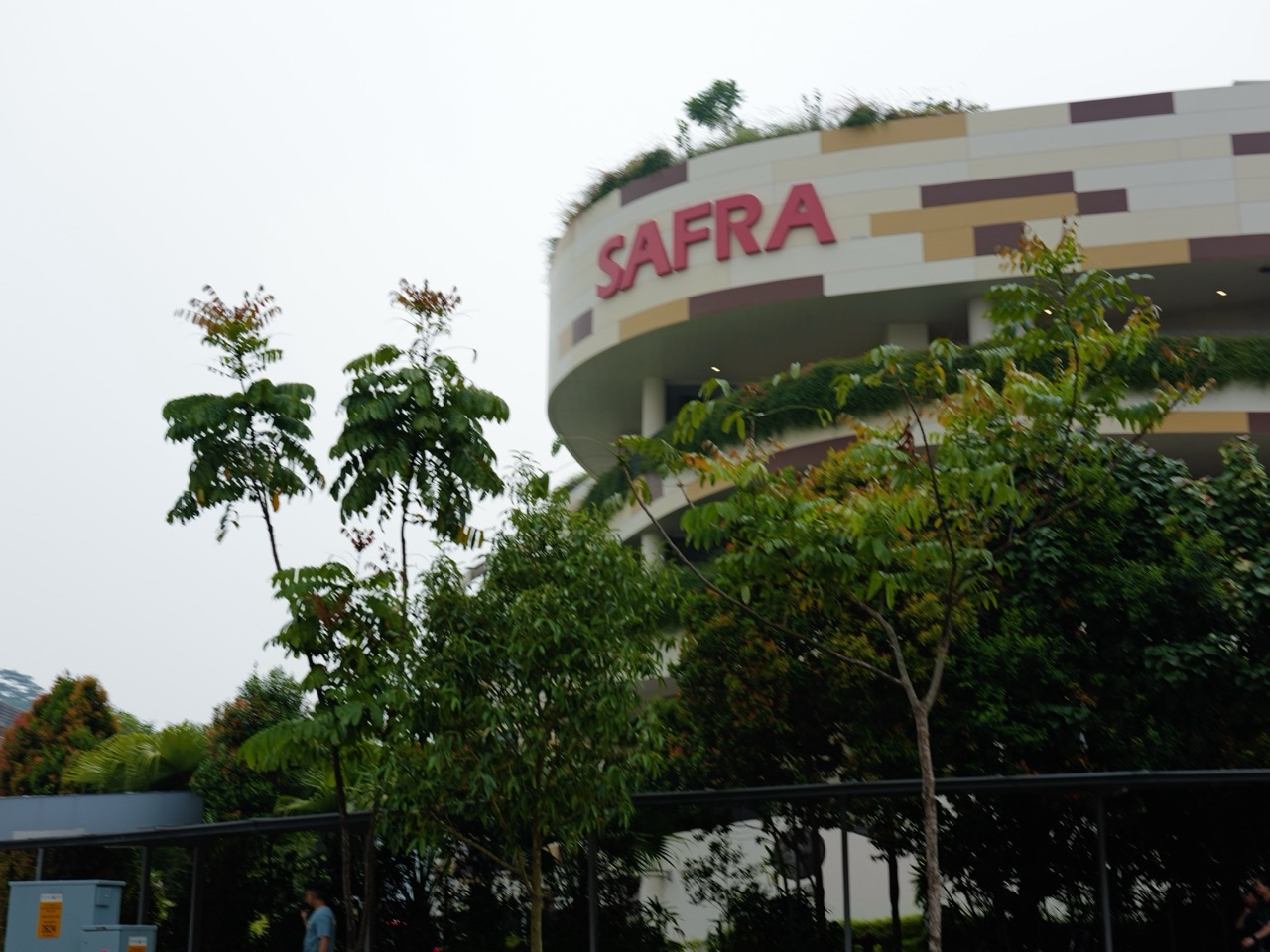
Planning team building in Punggol? The best activity is the one your actual group can take part in safely, affordably and with a clear purpose. SAFRA Punggol advertises guided leg-powered kayaking for corporate and group outings. NLB’s MakeIT service allows organisations to request a learning journey subject to case-by-case approval. One Punggol Community Club has rooms and facilities that may be bookable through PA. These are three different organiser-led options; none should be presented as a confirmed booking until the provider agrees to the date, group size and terms.
This guide covers ten distinct Punggol team-building choices: supervised SAFRA kayaking, an approved MakeIT group learning journey, a genuinely reserved One Punggol workshop room, a small-group board-game strategy session, a Waterway Park photography collaboration, a Heritage Trail evidence hunt, a mural storytelling exercise, a Digital District sustainable-design comparison, a shared-path route-planning walk, and a Punggol Coast hawker-centre debrief. Several are self-directed public-space exercises, while others require an operator, reservation or potentially event approval.
Treat ‘team building’ as a goal rather than a promise that one attraction magically improves teamwork. A technical team might enjoy a fabrication challenge; a new office group may simply need to learn names through a gentle meal; a mixed-ability group might benefit from a short, inclusive observation walk; and a water-activity group needs proper eligibility, safety briefings and a weather plan. The best organiser asks what the participants can reasonably do before paying a deposit.
Important 2026 distinction: a casual pair of colleagues walking a public path is not the same as a company organising a staffed event with equipment, signage or a large group. NParks provides separate event and organised-activity services, with permit requirements depending on the particular park network and activity. Do not assume a blanket threshold applies to every Punggol park. Likewise, a public library’s game tables are not private corporate booking inventory. Confirm permissions with the actual authority or operator when the event goes beyond ordinary individual visitation.
Compare the ten group activities by objective and permission level
- Book a guided leg-powered kayak session at SAFRA Punggol — SAFRA Punggol Water Activities Facility, 9 Sentul Crescent.
- Apply for an NLB MakeIT group learning journey — MakeIT, Level 4, Punggol Regional Library at One Punggol.
- Reserve a suitable One Punggol Community Club room for a workshop — One Punggol Community Club in the One Punggol integrated hub.
- Try a small-group strategy board game at the Comics & Games Library — NLB Comics & Games Library, Punggol Coast Mall Tower 7.
- Run a modest collaborative photo-story challenge at Waterway Park — Public Punggol Waterway Park paths near a known bridge and return point.
- Hold a careful heritage evidence hunt on the opened Punggol Heritage Trail — Open first section of Punggol Heritage Trail near Punggol Coast MRT and Campus Boulevard.
- Create a shared narrative from the Our Punggol Story mural — 132-metre mural at Punggol Digital District Community Promenade.
- Debate sustainable design trade-offs in Punggol Digital District — Publicly accessible district walkways near Punggol Coast MRT.
- Build cooperation into an easy Waterway Park route-planning walk — A short public waterway section and safe pedestrian routes near central Punggol.
- Finish with a transparent-budget hawker meal and collaborative debrief — Punggol Coast Hawker Centre in Punggol Digital District.
The choices are not ranked. Some are operator-led paid activities, some require a legitimate venue reservation, and some are simple public-space exercises appropriate only when they comply with visitor rules. An organiser should eliminate choices that do not fit the group’s age, mobility, sensory needs, budget or desired outcome before comparing convenience.
How to plan team building that respects the group and the neighbourhood
Name a realistic team outcome
Decide which teamwork skill matters. Getting acquainted, communication, collaborative planning, problem solving and shared reflection are different objectives. Kayaking may build coordination under instruction; a board game may develop communication; an urban design challenge may reveal how people reason together. State one plausible outcome and leave out exaggerated promises about morale, productivity or personality transformation.
Ask about size and accessibility
Check the group size and individual suitability before selecting a venue. A four-person game and a forty-person company event have very different space requirements. Some participants may have mobility, sensory, age, health, swimming or dietary needs. Ask about accessibility privately and make the programme genuinely opt-in. Never make water activity or prolonged heat exposure a condition for belonging to the team.
Distinguish public visits from bookings
Separate self-guided activities from commercial reservations. A short lawful public walk can often be done without a ticket, subject to site rules and any applicable organised-event requirements. SAFRA’s operator-led kayak programme needs an actual session booking. PA facilities require checking and renting the appropriate room where relevant. MakeIT learning journeys are reviewed case by case. A vague online listing is not an agreement.
Avoid cross-town routing
Organise by geographic clusters. SAFRA Punggol and Waterway Park form one potential outdoor afternoon. One Punggol Community Club and the library are a useful indoor and civic cluster. The mural, the first opened Heritage Trail section, Comics & Games Library and Punggol Coast Hawker Centre form another cluster near Punggol Coast MRT. Mixing all three creates travel friction and makes a short exercise feel exhausting.
Leave public spaces usable for everyone
Protect public access and local users. Large groups can block footpaths, crowd library tables, disrupt wildlife, monopolise eating areas or intrude into private campus spaces. Use manageable small teams, lawful stopping points and a plan to regroup away from main paths. Obtain any appropriate operator permission before using PA rooms, park event infrastructure or commercial activities. A public space should remain usable by everyone else.
Plan budget, weather and cancellation fairly
Build a truthful weather and cost plan. Rain, haze, heat and lightning may cancel exposed outdoor challenges. A confirmation for a paid activity should state cost, capacity, refund and weather arrangements; the article cannot invent current rates. Public walking has no ordinary admission price but transport and food still cost money. A company event budget should include reasonable accessibility and comfort needs, not only the headline activity charge.
Ten real Punggol group activities and how to organise them
Book a guided leg-powered kayak session at SAFRA Punggol
Venue or public setting: SAFRA Punggol Water Activities Facility, 9 Sentul Crescent.
What the venue actually offers
SAFRA explicitly promotes its Water Activities Facility for corporate and group events, offering single and double seated leg-powered kayaks. The listed tours include River of Life Tour and freshwater kayak fishing, operated by appointed provider Kayak Fishing Fever and led by certified instructors and safety personnel. The advertised feature is an operator-guided activity, not free personal kayak launch on the waterway.
Booking or activity plan
Ask the operator for a proposal stating group size, dates, eligibility, safety equipment, briefing, weather policy and total charges. Identify participants who would prefer not to join water activities and create an equally respectable alternative. Only after a confirmed booking should the organiser plan transport, changing and a debrief. Keep the main goal focused on following direction and supporting the group.
A workable group example
A small project team wants an energetic day but includes one colleague uncomfortable around water. The organiser obtains tour details, discusses suitability without public embarrassment and allows the colleague to join a land-based observation activity instead. Afterward both groups share what they learned about instructions, cooperation and decision-making, without claiming everybody had to kayak to be part of the team.
Permissions, risks and participation
Do not assume swimming ability or medical suitability from an adult’s job title. Follow the guide, flotation and operator rules. Open water, sudden storms and participants’ health needs can affect eligibility. A confirmed date is not guaranteed until the provider accepts the booking; no published price here substitutes for a quotation.
The teamwork lesson
Ask each participant to identify one moment where clear communication helped the activity run safely. Avoid measuring teamwork by who travelled fastest or who appeared most adventurous. The safety protocol is part of the learning.
Which team would choose this
Best for groups that genuinely want a paid supervised physical experience and can meet its rules. An indoor group with mixed preferences might instead consider MakeIT or a reserved community room.
Before committing, ask whether the proposed outcome genuinely depends on this particular venue. A team that needs structured equipment and staff may benefit from a confirmed paid operator; a group that simply wants to practise listening and planning may do well with a small self-directed activity. Neither is inherently superior. Good team building preserves individual dignity and the ability to opt out of unsuitable demands.
Check the official operator or location reference for permissions, booking conditions and actual visitor access. Describing the place in this guide does not imply that a private group reservation is available at a specific time. Treat a request, a published service and a confirmed booking as three different statuses.
Apply for an NLB MakeIT group learning journey
Venue or public setting: MakeIT, Level 4, Punggol Regional Library at One Punggol.
What the venue actually offers
NLB states that organisations and groups may request MakeIT learning journeys introducing fabrication technologies such as 3D printing, digital cutting, robotics and upcycling. The NLB team reviews every group request case by case, and approval depends on availability and prevailing conditions. Equipment and programmes are generally recommended for ages 13 and above; certain machine use requires certification.
Booking or activity plan
Start with a real learning objective: prototype an inclusive everyday object, compare manufacturing trade-offs or understand how digital-making tools work. Submit a learning-journey request through NLB and wait for a response. Confirm permitted participant number, date, age and any special needs. Do not arrive with an unregistered group and claim that a general public library is obliged to host a corporate workshop.
A workable group example
A small engineering team wants a 3D-printing session but expects to walk in on Friday afternoon. The organiser reads NLB’s eligibility and learns that the proposed group visit requires review. They prepare a small design question and apply rather than promising colleagues a confirmed tour. If the request is unavailable, a permitted library research session remains a different and more modest plan.
Permissions, risks and participation
Free NLB member workshops do not equal unlimited private commercial event capacity. Tinkering equipment, certification, personal projects and arranged group learning journeys are separate activities. Observe venue noise, tools, booking and privacy rules. Do not treat the service’s published hours as a confirmed group slot.
The teamwork lesson
Give teams a design brief describing user need, material constraints and one success test. After the workshop, compare why different groups selected different prototypes rather than awarding a prize for the most elaborate object.
Which team would choose this
Best for mixed professional groups interested in practical creativity, if NLB approves the request. Choose a booked PA workshop room when a private event layout is more important than specialised fabrication tools.
Before committing, ask whether the proposed outcome genuinely depends on this particular venue. A team that needs structured equipment and staff may benefit from a confirmed paid operator; a group that simply wants to practise listening and planning may do well with a small self-directed activity. Neither is inherently superior. Good team building preserves individual dignity and the ability to opt out of unsuitable demands.
Check the official operator or location reference for permissions, booking conditions and actual visitor access. Describing the place in this guide does not imply that a private group reservation is available at a specific time. Treat a request, a published service and a confirmed booking as three different statuses.
Reserve a suitable One Punggol Community Club room for a workshop
Venue or public setting: One Punggol Community Club in the One Punggol integrated hub.
What the venue actually offers
The People’s Association lists seminar, interest-group and activity rooms, culinary and music studios and sports facilities at One Punggol Community Club. PA’s rental guidance says community-club facilities can support personal, community and company activities, with booking through official channels. This establishes potential venue types, not immediate availability of a particular room or its suitability for a commercial training event.
Booking or activity plan
Define the number of people, required tables, mobility needs, audio equipment, cooking or other special activity, and budget. Ask the current venue or onePA booking service about legitimate availability, permitted uses, price, deposit and cancellation terms. Select a qualified facilitator if the activity requires one. Build a clear agenda with a real shared task and enough breaks, rather than filling a room with generic motivational speeches.
A workable group example
A team of twelve wants a low-impact design-and-debrief session. The organiser checks whether a suitable seminar room can actually be reserved, then proposes a short challenge: groups design a welcoming local community activity and present how it would accommodate different ages. A real room booking allows conversation without disturbing a public library or park walkway.
Permissions, risks and participation
A building’s facility list is not permission to occupy a studio, hall or court. Staff may restrict private sales, food preparation, equipment or event arrangements. Do not assume the community club provides facilitators merely because the room exists. Costs and schedules must be quoted by the operator.
The teamwork lesson
Use a clear debrief: what problem did the group select, how were roles divided, and which disagreement produced a better decision? Capture one practical improvement relevant to normal team work.
Which team would choose this
Best when the group needs protected indoor space and a structured programme. Choose a simple public walking challenge when privacy and a reserved room are not necessary.
Before committing, ask whether the proposed outcome genuinely depends on this particular venue. A team that needs structured equipment and staff may benefit from a confirmed paid operator; a group that simply wants to practise listening and planning may do well with a small self-directed activity. Neither is inherently superior. Good team building preserves individual dignity and the ability to opt out of unsuitable demands.
Check the official operator or location reference for permissions, booking conditions and actual visitor access. Describing the place in this guide does not imply that a private group reservation is available at a specific time. Treat a request, a published service and a confirmed booking as three different statuses.
Try a small-group strategy board game at the Comics & Games Library
Venue or public setting: NLB Comics & Games Library, Punggol Coast Mall Tower 7.
What the venue actually offers
NLB’s self-service Comics & Games Library offers local and regional board games with communal seating, graphic novels and a collection of more than 7,000 titles. It operates under NLB entry methods including library-compliant ID, eCard or QR day pass. Its listed opening is 10am–10pm, but tables and specific games are shared public resources, not reserved corporate activity rooms.
Booking or activity plan
Only propose this for small groups who can enter legitimately without taking over the facility. Read the library’s entry and behaviour rules. If appropriate seating exists, choose a simple game, explain the rules carefully and play one short round with respectful volume. For a larger company team-building event, book a suitable separate venue and bring properly owned or licensed games rather than monopolising a public library.
A workable group example
Four colleagues have a casual after-work meetup and find an available appropriate game table. One explains the rules, another checks turns, and a newcomer asks questions without being mocked. When another group needs the shared area, they finish and move on. Their conversation about decision-making happens over food afterward rather than loudly in the library.
Permissions, risks and participation
Do not present NLB as offering a private company team-building package unless it has actually approved one. Game selection and seats cannot be guaranteed. Respect patrons, noise, materials and visitor privacy. A competitive activity should be optional for colleagues who dislike adversarial play.
The teamwork lesson
Discuss which instruction was most confusing and how it could have been stated more clearly. A small game can expose communication habits without inventing a claim that it measured people’s personalities.
Which team would choose this
Best for a casual tiny group or colleagues already nearby. Choose PA’s reservable facilities or a commercial games provider for a larger private event.
Before committing, ask whether the proposed outcome genuinely depends on this particular venue. A team that needs structured equipment and staff may benefit from a confirmed paid operator; a group that simply wants to practise listening and planning may do well with a small self-directed activity. Neither is inherently superior. Good team building preserves individual dignity and the ability to opt out of unsuitable demands.
Check the official operator or location reference for permissions, booking conditions and actual visitor access. Describing the place in this guide does not imply that a private group reservation is available at a specific time. Treat a request, a published service and a confirmed booking as three different statuses.
Run a modest collaborative photo-story challenge at Waterway Park
Venue or public setting: Public Punggol Waterway Park paths near a known bridge and return point.
What the venue actually offers
NParks lists photography, walking and nature appreciation among the park’s activities, with public bridges such as Jewel and Kelong providing distinctive built subjects. A small group can create an original visual story without entrance fees. The park remains shared with walkers, cyclists and families, and any sizeable organised event or equipment setup may need permission appropriate to the activity.
Booking or activity plan
Divide a modest consenting group into pairs and choose five safe themes: bridge, water, shade, movement and cooperation. Select one short public path and a place to regroup that does not block others. Ask participants before photographing them. The deliverable is a five-frame narrative with short accurate captions, not a competition to occupy a bridge or photograph strangers.
A workable group example
A project team assumes that ten separate scenic locations will produce the best album. After checking walking time, they reduce the brief to one bridge and five different viewpoints. Each pair produces a distinctive sequence; the group compares how different interpretations of the same location can still support a common message.
Permissions, risks and participation
Do not carry commercial lighting stands into park lanes, block accessible routes, lean cameras beyond railings or fly a drone without relevant approvals. Photography and filming permissions can differ for organised commercial uses. Lightning and heat may make an outdoor exercise unsuitable.
The teamwork lesson
Assign one team member to verify caption facts, one to select the sequence and one to check consent. The process models collaboration and evidence checking without embarrassing individuals or disturbing bystanders.
Which team would choose this
Best for creative small teams wanting an inexpensive outdoor activity. Use a suitable indoor drawing or storyboarding room if weather or access prevents the path challenge.
Before committing, ask whether the proposed outcome genuinely depends on this particular venue. A team that needs structured equipment and staff may benefit from a confirmed paid operator; a group that simply wants to practise listening and planning may do well with a small self-directed activity. Neither is inherently superior. Good team building preserves individual dignity and the ability to opt out of unsuitable demands.
Check the official operator or location reference for permissions, booking conditions and actual visitor access. Describing the place in this guide does not imply that a private group reservation is available at a specific time. Treat a request, a published service and a confirmed booking as three different statuses.
Hold a careful heritage evidence hunt on the opened Punggol Heritage Trail
Venue or public setting: Open first section of Punggol Heritage Trail near Punggol Coast MRT and Campus Boulevard.
What the venue actually offers
JTC’s current community page identifies the first 400 metres of the main Heritage Trail as open, linking Punggol North Avenue with Campus Boulevard. The route retains old-road terrain and includes heritage interpretation, while a longer 1.3-kilometre alignment has phased development. The open section is a suitable setting for a small evidence-based walk, not permission to access all future sections or private campus buildings.
Booking or activity plan
Prepare five factual prompts using the official NParks and JTC materials: old road, retained vegetation, new planting, present digital district and one uncertainty. Small teams should answer using signs or observations from public paths, then compare answers at a suitable off-path point. Keep the trail itself open for other visitors and choose an indoor alternative if weather makes the route unsuitable.
A workable group example
One team photographs a mature tree and claims it must be fifty years old. Another checks the NParks announcement and realises that a general statement about retained trees does not identify that individual specimen. The group revises its caption and learns why evidence quality matters in collaborative decisions.
Permissions, risks and participation
Do not use private campus areas, construction zones or sealed heritage paths as scavenger-hunt shortcuts. Large organised groups may need venue permission depending on arrangements. Respect landscaping, public visitors and on-site signs. Avoid presenting future infrastructure as open.
The teamwork lesson
Score the exercise by accuracy and transparent uncertainty rather than the speed of collecting signs. A team that states ‘we cannot verify this particular tree’ demonstrates more judgement than one inventing a compelling but false story.
Which team would choose this
Best for analytical groups interested in place-based problem solving and history. Choose a public mural interpretation if walking mobility is more constrained and an accessible viewing point is available.
Before committing, ask whether the proposed outcome genuinely depends on this particular venue. A team that needs structured equipment and staff may benefit from a confirmed paid operator; a group that simply wants to practise listening and planning may do well with a small self-directed activity. Neither is inherently superior. Good team building preserves individual dignity and the ability to opt out of unsuitable demands.
Check the official operator or location reference for permissions, booking conditions and actual visitor access. Describing the place in this guide does not imply that a private group reservation is available at a specific time. Treat a request, a published service and a confirmed booking as three different statuses.
Create a shared narrative from the Our Punggol Story mural
Venue or public setting: 132-metre mural at Punggol Digital District Community Promenade.
What the venue actually offers
JTC documents Our Punggol Story as a 132-metre collaborative public mural portraying Punggol’s development, including work by artists with disabilities and community contributors. The work is a completed piece of public art; past Shaping Hearts festival workshops are not automatically running today. Its visual timeline lends itself to a storytelling task that avoids private venues.
Booking or activity plan
Ask each small team to find one image representing old Punggol and one representing the present or imagined future. Produce a two-paragraph story or a few original sketches with correct artist attribution. Keep to public promenade space, move aside for pedestrians and take only permitted photographs. Debrief about how people choose which information belongs in a story.
A workable group example
A communications team initially makes a slogan about ‘the original Punggol village’ but cannot back up the date. After reading JTC’s account, they write a more careful caption about the mural depicting change through different eras. The improvement is not a cleverer slogan but a narrative rooted in verified information.
Permissions, risks and participation
Do not cover, touch or obstruct the mural; do not enter adjoining business and university areas without permission. Festival artwork may have copyright and photography requirements. A company should not claim it commissioned or co-created an existing community mural.
The teamwork lesson
Give the group a constraint: one shared story told in fewer than a hundred original words, with one fact and one clearly labelled interpretation. The exercise reveals how teams negotiate meaning and evidence.
Which team would choose this
Best for creative teams with a short Punggol Coast visit. It works as an inexpensive activity without proprietary materials or a scheduled arts event.
Before committing, ask whether the proposed outcome genuinely depends on this particular venue. A team that needs structured equipment and staff may benefit from a confirmed paid operator; a group that simply wants to practise listening and planning may do well with a small self-directed activity. Neither is inherently superior. Good team building preserves individual dignity and the ability to opt out of unsuitable demands.
Check the official operator or location reference for permissions, booking conditions and actual visitor access. Describing the place in this guide does not imply that a private group reservation is available at a specific time. Treat a request, a published service and a confirmed booking as three different statuses.
Debate sustainable design trade-offs in Punggol Digital District
Venue or public setting: Publicly accessible district walkways near Punggol Coast MRT.
What the venue actually offers
JTC’s sustainability materials describe passive design, shading, district cooling, a smart grid with solar generation and storage, and connected public amenities. These are documented design initiatives rather than technical infrastructure that casual visitors may operate. Public streets can support a team exercise evaluating trade-offs without entering controlled service areas.
Booking or activity plan
Share JTC’s public sources in advance, then choose two lawful public viewpoints showing different street or building conditions. Ask each pair to identify a design choice, its potential benefit and one trade-off or unanswered measurement. Finish with a five-minute proposal for making a district more comfortable for pedestrians, families or workers.
A workable group example
A team sees a shaded route and immediately claims it reduces temperatures everywhere by a fixed number of degrees. A colleague asks for measurements and weather controls. Together they rewrite the conclusion: the design aims to reduce solar heat exposure, while the magnitude at that time was not measured. The exercise rewards sound reasoning and respectful correction.
Permissions, risks and participation
Do not enter mechanical plant rooms, electrical facilities, rooftops, classrooms or fenced development zones. A JTC sustainability estimate is not real-time data the group has collected. Keep activity groups from crowding busy working-district paths and minimise noise near offices.
The teamwork lesson
Have participants identify one benefit, one constraint and one measurement they would request before making a major decision. This is a concrete team-planning skill that transfers beyond sustainability.
Which team would choose this
Best for management, technology, architecture and project teams that enjoy solving problems. Choose a gentle photo-story challenge for participants who prefer a less technical activity.
Before committing, ask whether the proposed outcome genuinely depends on this particular venue. A team that needs structured equipment and staff may benefit from a confirmed paid operator; a group that simply wants to practise listening and planning may do well with a small self-directed activity. Neither is inherently superior. Good team building preserves individual dignity and the ability to opt out of unsuitable demands.
Check the official operator or location reference for permissions, booking conditions and actual visitor access. Describing the place in this guide does not imply that a private group reservation is available at a specific time. Treat a request, a published service and a confirmed booking as three different statuses.
Build cooperation into an easy Waterway Park route-planning walk
Venue or public setting: A short public waterway section and safe pedestrian routes near central Punggol.
What the venue actually offers
NParks lists Waterway Park open 24 hours with four themed zones and public routes used by walkers and cyclists. For a group, the useful challenge is not walking the farthest but jointly designing a safe and convenient small route. It does not require special equipment, but larger organised events or temporary structures may trigger separate approval requirements.
Booking or activity plan
Give each group a small map and a clear objective: design a thirty-minute walk with one observation point, one comfortable turnaround and an alternative in case of rain. Teams compare their routes on paper before walking a chosen legal section. One person navigates, another monitors time, and another watches shared-path courtesy. Do not assign a participant to run or climb for bonus points.
A workable group example
A team initially chooses an attractive distant landmark, then realises a participant needs a shorter accessible route. They revise the plan to start near the actual transport approach and add a shaded rest option. Their final walk is less dramatic but better designed for the group. The learning is how to update a decision when requirements change.
Permissions, risks and participation
Avoid blocking others during map discussions, and do not assume every side entrance is step-free. Water edges, cycling sections, lightning and heat require caution. If a planned route crosses a closed segment, use the official alternative without making the barrier a puzzle to solve.
The teamwork lesson
Ask teams to explain how they handled competing needs: scenery, comfort, timing, safety and transport. A route that accommodates everyone is a stronger cooperative result than the longest possible walk.
Which team would choose this
Best for low-cost groups with mixed fitness levels and enough daylight. It can also be turned into a map-based indoor exercise without visiting the park if conditions are unsuitable.
Before committing, ask whether the proposed outcome genuinely depends on this particular venue. A team that needs structured equipment and staff may benefit from a confirmed paid operator; a group that simply wants to practise listening and planning may do well with a small self-directed activity. Neither is inherently superior. Good team building preserves individual dignity and the ability to opt out of unsuitable demands.
Check the official operator or location reference for permissions, booking conditions and actual visitor access. Describing the place in this guide does not imply that a private group reservation is available at a specific time. Treat a request, a published service and a confirmed booking as three different statuses.
Finish with a transparent-budget hawker meal and collaborative debrief
Venue or public setting: Punggol Coast Hawker Centre in Punggol Digital District.
What the venue actually offers
JTC currently identifies Punggol Coast Hawker Centre as operating with forty stalls. Its choice-based format can make a group meal more flexible than a fixed restaurant menu, but individual stalls have their own schedules and prices. The facility is public communal seating, not a private company venue or a guarantee that thirty colleagues can sit together at one table.
Booking or activity plan
Agree on a fair per-person budget and a designated meeting point. Allow people to choose food that suits dietary needs without public explanations. For larger groups, arrange a legitimate alternative seating or meal venue rather than monopolising a busy hawker area. Keep the debrief short: each person shares one moment when collaboration worked and one specific improvement for daily work.
A workable group example
A team of eight finishes a design walk and needs lunch. Some participants have different dietary needs and spending limits. They order individually, regroup respectfully in available public seating and discuss the activity without setting up projectors or commandeering tables. The conversation is productive because the organiser treated eating comfort as part of the event.
Permissions, risks and participation
Do not assume every stall is open, every option is halal or a particular dish costs what a past review stated. Food allergies and personal preferences need direct attention. Company reimbursement and booking rules must be communicated clearly to participants. Public diners should not lose access because of a private group’s prolonged debrief.
The teamwork lesson
Use a simple three-part closing question: what did we decide together, which evidence changed our mind, and what will we do differently next week? This prevents the event becoming merely a meal labelled as team building.
Which team would choose this
Best as a flexible conclusion for groups already in Punggol Coast. Choose an actual booked private venue if the team requires speeches, slides, protected discussion or a guaranteed large table.
Before committing, ask whether the proposed outcome genuinely depends on this particular venue. A team that needs structured equipment and staff may benefit from a confirmed paid operator; a group that simply wants to practise listening and planning may do well with a small self-directed activity. Neither is inherently superior. Good team building preserves individual dignity and the ability to opt out of unsuitable demands.
Check the official operator or location reference for permissions, booking conditions and actual visitor access. Describing the place in this guide does not imply that a private group reservation is available at a specific time. Treat a request, a published service and a confirmed booking as three different statuses.
Three full team-day designs that keep travel under control
Outdoor waterway teamwork with a clear wet-weather alternative
If a SAFRA kayaking provider confirms a suitable session, treat it as the main activity and allow time for registration, briefing, water safety, changing and a short debrief. If it is cancelled for weather, choose a pre-booked indoor venue or postpone. Do not simply move the same participants to an exposed bridge or use public library tables as an emergency private event room.
Indoor maker-and-workshop day
Request an NLB MakeIT learning journey with a clear design brief, and wait for approval before promising attendance. Alternatively, reserve an appropriate One Punggol Community Club room and arrange your own suitable activity under its terms. Keep the practical task focused and end with a brief review of roles and decisions, not generic speeches. A venue reservation and facilitator are separate things to verify.
Punggol Coast public art and heritage micro-challenge
Meet at Punggol Coast MRT in a suitably sized group, follow only current public paths, interpret part of the mural and the first open Heritage Trail segment, then finish with a short hawker meal if seating and budget make sense. Avoid creating a noisy large event in the public promenade. If the group is too large for public circulation or requires banners, equipment or paid facilitators, arrange proper permissions or use a booked venue instead.
How to evaluate a group event without exaggerated claims
Ask each participant for a one-sentence observation about the process rather than a personal ranking of colleagues. A practical debrief uses questions such as: What information did the team lack? Who noticed a constraint? What changed our choice? Which rule protected another person? This approach gives a specific lesson without turning a playful outing into an informal performance review.
Avoid forced intimacy or personal disclosures. A team event should not require colleagues to explain medical conditions, personal finances, religious practices, family responsibilities or discomfort with water sports in front of everyone. Invite private access questions during planning and provide a respectful alternative when an activity is unsuitable. People should be able to participate meaningfully without pretending enthusiasm for every physical task.
If the event is company-funded, make expenses transparent. Provide the fee, what is included, travel arrangements, optional food, cancellations and reimbursements before asking colleagues to commit. A hawker centre gives freedom of individual choice but not a guaranteed private table. A casual public walk may have no ticket but still raises responsibilities around permits, privacy and shared use.
A ten-point organiser’s checklist
- Choose one specific communication or collaboration objective.
- Count participants, facilitators and any accompanying persons.
- Ask privately about accessibility and activity suitability.
- Separate operator bookings, venue reservations and ordinary public access.
- Check age, safety and weather restrictions for physical activities.
- Verify any NParks or site-specific event permission requirements.
- Use a single Punggol transport cluster for a short event.
- State actual fees, cancellation and food arrangements.
- Ensure bystanders, wildlife and other public users are not obstructed.
- End with one practical improvement the team will use afterward.
Common errors when organising group activities in Punggol
The first error is claiming that a published facility is a confirmed reservation. A SAFRA water activity may be offered but fully booked, a MakeIT learning-journey request may be declined, and a PA room may have usage restrictions. Organisers should wait for explicit acceptance and precise terms before sending invitations or collecting money.
The second is treating a public library as a private conference space. The Comics & Games Library’s tables are shared, and Punggol Regional Library’s ordinary reading areas have conduct rules. Use a legitimate rented room for large groups, structured presentations or extensive equipment.
The third is assuming a single NParks permit threshold applies throughout Singapore. Its organised-group permit page describes specific parks and networks and certain group sizes, while event venues and other activities have separate services. Check the actual location and format with NParks or the site manager rather than inferring a blanket exemption or requirement.
The fourth is combining every new Punggol attraction into a single route. Central Waterway Park, One Punggol and Punggol Coast are distinct anchors, while Coney Island adds gate times and rustic terrain. A short event is more effective when there is time for the activity and debrief rather than constant transport.
The fifth is using rankings, embarrassment or compulsory physical effort to label people as good or bad teammates. Real teams include different backgrounds and abilities. A good event gives meaningful choice and measures a small practical outcome such as a better plan, clearer instruction or more considerate behaviour.
Frequently asked questions
What are the best verified paid team-building activities in Punggol?
SAFRA advertises guided leg-powered kayaking for group and corporate events. MakeIT accepts group learning-journey requests subject to case-by-case NLB approval. PA facility rentals may provide an indoor setting; all need current confirmation before describing a session as booked.
Can a company book kayaking at SAFRA Punggol?
The SAFRA Water Activities Facility promotes corporate and group events, with tours operated by Kayak Fishing Fever and certified safety personnel. Ask the operator about availability, eligibility, group size, price and weather cancellation terms.
Can a company book NLB MakeIT for a private team day?
NLB accepts group learning-journey requests but reviews them case by case. A request is not a confirmed booking, and the service has separate age, membership and equipment conditions.
Can we rent a space in One Punggol?
PA lists a variety of community-club rooms and facilities and provides rental channels. The exact room, permitted commercial use, fee and date must be checked with the relevant operator.
Can thirty people play board games in the Comics & Games Library?
Do not assume so. It is a public shared NLB space with visitor entry requirements and limited games and tables, not a private group-event facility. Organisers should seek an appropriately booked venue for large events.
Do groups need an NParks permit for every park walk?
No universal rule is established for all Punggol parks by the organised-group permit page. NParks has activity- and location-specific permits and event booking services; organisers should check whether their particular group size, event format, equipment or venue requires approval.
Is there a low-cost outdoor team challenge?
Small public-waterway photo, route-planning or observation walks can be inexpensive when conducted lawfully and without disrupting others. Travel and food still cost money, and organised event permissions may apply depending on format.
Where should a group meet in Punggol?
Use Punggol MRT for the central waterway and One Punggol, or Punggol Coast MRT for the mural, heritage trail, Comics & Games Library and hawker centre. Choose the station that fits the main activity.
Is all of Punggol Heritage Trail available for a company scavenger hunt?
JTC currently identifies the first 400 metres of the main alignment as open. Do not plan a route through future or fenced sections or private campus premises.
Can we do group challenges in heavy rain?
Exposed waterfront activities should stop when lightning or weather is unsuitable. Choose a genuinely booked indoor alternative or postpone; a random library space is not a reserve private meeting room.
What should an organiser ask before paying?
Ask for actual date and capacity, age and safety requirements, accessibility, weather policy, fees and refunds, equipment, transport instructions and permitted activity format.
How do we know whether team building worked?
Use a modest agreed outcome such as clearer communication, a better-designed plan or one practical next action. Do not claim a brief outing scientifically transformed morale or productivity.
Official services and related eduKatePunggol guides
The sources below establish group activity offerings, facility rental channels, shared library rules, public district attractions and NParks permission pathways. Event availability and charges cannot be verified without an operator’s current confirmation. Use these official pages when preparing a real programme.
- SAFRA Punggol Water Activities Facility
- NLB MakeIT group learning journeys
- PA Community Club rentals
- One Punggol community facilities
- NLB Comics & Games Library
- NParks Waterway Park
- JTC Heritage Trail and public amenities
- JTC Our Punggol Story mural
- JTC Punggol Digital District sustainability
- NParks group and event services
- NParks organised group permit details
- Punggol group outing companion
- Punggol friends top ten
The next useful team-building decision
Select a single objective and decide whether it requires an operator-led experience, a reserved venue or a modest public-space activity. Confirm access, group suitability and costs, then leave participants with one useful improvement to bring back to ordinary teamwork. Punggol offers enough variety without inventing unavailable packages or disrupting shared spaces.


