
The top 10 things to do in Punggol for solo visitors in 2026 are a short Waterway Park walk, independent time at Punggol Regional Library, a One Punggol hawker meal, a Punggol Coast district visit, Coney Island nature in daylight, a Shaw Theatres film, bridge photography, a planned LRT trip, a community programme and an easy Waterway Point browse. Each gives a different reason to explore without organising a group.
For a first solo visit, choose Punggol MRT and one central cluster such as Waterway Point, One Punggol or the nearby waterway. For a quieter morning, the library and a comfortable food stop offer an easy route. For those with experience outdoors, Coney Island Park is open 7am–7pm according to NParks; it requires more advance route and weather planning than a mall visit.
Travelling alone is not the same as feeling lonely. The benefit is the freedom to shape an outing around your own interests. This guide therefore ranks destinations by independent navigation, realistic time and cost, public access, safety and how easily the activity can end. It does not claim that every public building, event or wildlife sighting is automatically available.
Quick pick: which solo Punggol activity fits your day?
- 1. Walk one manageable stretch of Punggol Waterway Park — Punggol Waterway Park, using a convenient public entrance.
- 2. Spend an independent reading hour at Punggol Regional Library — Punggol Regional Library inside One Punggol.
- 3. Eat independently at One Punggol Hawker Centre — One Punggol, 1 Punggol Drive.
- 4. Explore the new Punggol Coast public district — Punggol Coast MRT and the public-facing Punggol Digital District.
- 5. Choose a daylight nature stop at Coney Island — Coney Island Park via a chosen NParks-listed entrance.
- 6. See a film alone at Shaw Theatres — Shaw Theatres, Waterway Point, East Wing B2-11.
- 7. Take a careful smartphone photography walk — Public waterway bridges and signposted pedestrian routes.
- 8. Ride a purposeful short Punggol LRT loop — Punggol MRT/LRT interchange and selected East or West Loop stations.
- 9. Try a verified One Punggol Community Club activity — One Punggol Community Club.
- 10. Browse Waterway Point without a shopping target — Waterway Point, next to Punggol MRT.
A three-question filter before you leave
Ask first what you actually want: a peaceful hour, photographs, food, a film, learning or movement. A visitor interested in architecture gets more from Punggol Coast than from an arbitrary two-hour nature hike. A book lover may find the library more rewarding than a shopping centre. Choose a primary experience rather than treating all recommendations as equal.
Second, establish the route back. Punggol Waterway, Coney Island and the coast district have different access points. The fact that the word ‘Punggol’ appears in two place names does not mean they are beside each other. Save the exact entrance, the return station and a place to stop if the weather changes.
Third, check conditions before committing. NEA gives current rain, lightning and air-quality information. In October 2026, NEA had issued unhealthy-to-very-unhealthy haze advisories, including guidance to avoid or reduce prolonged strenuous outdoor exertion depending on readings and health status. An outdoor recommendation is not a statement that it is safe to do it today. Choose the indoor alternatives when appropriate.
A solo traveller also controls the cost. Most public park walks and ordinary library browsing are free, while food, rail travel, cinema tickets and classes are separate expenses. Avoid fixed prices in a guide where fees and shop tenants change. If you have a spending limit, plan a free anchor activity and a single optional purchase.
The ten experiences, with realistic instructions
1. Walk one manageable stretch of Punggol Waterway Park
Location: Punggol Waterway Park, using a convenient public entrance.
What is actually available
NParks lists the park along Sentul Crescent as open 24 hours and divides it into four themed zones. Its public routes connect to the wider Punggol Waterway Park Connector. The park is extensive; an unfamiliar solo visitor should select a short segment rather than presume that the name describes a single entrance.
Why it is good for someone travelling alone
Walking alone lets you stop when something catches your attention without negotiating a group timetable. Bridges, landscaping and reflections offer interesting short breaks. A thirty-minute park visit can be the entire excursion, especially for someone who has just arrived in Singapore or does not want a strenuous trail.
The attraction is the freedom to pay attention to one thing rather than follow another person’s timetable. Do not confuse independence with the need to make every outing strenuous or novel. A small, self-chosen activity can be a complete visit, particularly when it fits around work, study or household responsibilities.
How to do it without overplanning
Start near an MRT/LRT stop you know, map one bridge or bench as a turnaround and save the return directions. Check daylight and weather. Avoid leaving the route open-ended; note the distance from your chosen landmark to the same station or mall in which you will finish.
Define success before leaving. It might be a single photograph, one interesting title, a meal you enjoy or a transit connection you understand better. Bring what the activity needs and no more, keep a clear return plan, and give yourself permission to stop at the first useful endpoint instead of extending the day just because you are already there.
Worked example of a normal visit
A visitor arriving at Punggol MRT has one free hour. They walk to a nearby public waterway stretch, photograph the view from a bridge, rest and return for a drink. They do not try to see every zone or reach the sea before the train home.
This example demonstrates the difference between an attraction list and a usable guide: it identifies the starting point, a modest goal and a finish. Many online lists supply only names. For a solo visitor, the missing steps are often more important than enthusiasm about the destination. The journey and your comfort are part of the outing.
Mistakes to avoid and a plan B
Cyclists and runners use shared paths. Keep to your side, look before stopping for pictures and avoid stepping toward unfenced edges. Even though the park is listed as open around the clock, a first visit is easier and safer in comfortable daylight.
During thunderstorms, strong heat or haze, choose a genuine indoor alternative at Waterway Point or One Punggol. A sheltered-looking underpass or bridge is not a safe plan during lightning.
The right response to a changed condition is to make a proportionate change rather than push through. If a place is shut, a public route is cordoned off, a venue is busy or the weather deteriorates, choose the nearest lawful substitute or go home. You are not letting anyone down by ending an outing early.
What to remember or explore next
On a later visit, choose a second zone to compare how the landscape feels. A solo outing becomes more interesting through careful observation, not necessarily a longer distance.
Keep one practical piece of knowledge from the visit: a better starting point, an interesting book, an entrance that worked or a route to avoid. This makes the next solo day simpler. You can gradually build a personal Punggol map without converting leisure into a checklist or competitive travel challenge.
2. Spend an independent reading hour at Punggol Regional Library
Location: Punggol Regional Library inside One Punggol.
What is actually available
Punggol Regional Library is part of the integrated One Punggol complex at 1 Punggol Drive, officially opened in 2023. NLB controls the library’s hours, borrowing services and event programmes. The library is a public reading facility rather than a coworking space promised for unrestricted video calls.
Why it is good for someone travelling alone
It is an excellent option for visitors who want a calm, low-spend solo activity with a clear beginning and end. Browsing interests, choosing books and looking at a local-history subject can make an hour feel rewarding without buying anything or bringing a companion.
The attraction is the freedom to pay attention to one thing rather than follow another person’s timetable. Do not confuse independence with the need to make every outing strenuous or novel. A small, self-chosen activity can be a complete visit, particularly when it fits around work, study or household responsibilities.
How to do it without overplanning
Choose one subject before arriving: Punggol history, nature, Singapore literature, cookery or a language you are learning. Set a modest time limit and treat discovery, not completing a book, as the aim. Look at the branch’s latest opening and borrowing terms.
Define success before leaving. It might be a single photograph, one interesting title, a meal you enjoy or a transit connection you understand better. Bring what the activity needs and no more, keep a clear return plan, and give yourself permission to stop at the first useful endpoint instead of extending the day just because you are already there.
Worked example of a normal visit
A new Punggol resident visits to find one book about neighbourhood landscapes and one unrelated author. They browse for forty minutes, note the titles and leave for lunch. That visit is complete even if there is nothing they want to borrow.
This example demonstrates the difference between an attraction list and a usable guide: it identifies the starting point, a modest goal and a finish. Many online lists supply only names. For a solo visitor, the missing steps are often more important than enthusiasm about the destination. The journey and your comfort are part of the outing.
Mistakes to avoid and a plan B
Keep conversations and calls outside quiet spaces, follow signage and do not use someone else’s occupied study area for photographs. Library programmes may have age limits or advance registration, even when general browsing is possible.
If seats are full, enjoy browsing rather than waiting indefinitely for a desk. If the library is closed for a public holiday, use a separate indoor venue with confirmed access instead of assuming the same building’s other facilities have identical hours.
The right response to a changed condition is to make a proportionate change rather than push through. If a place is shut, a public route is cordoned off, a venue is busy or the weather deteriorates, choose the nearest lawful substitute or go home. You are not letting anyone down by ending an outing early.
What to remember or explore next
Create a personal themed series of visits, perhaps focusing on writers from Southeast Asia or on learning to identify common birds seen at the waterway. One book can generate an idea for the next neighbourhood walk.
Keep one practical piece of knowledge from the visit: a better starting point, an interesting book, an entrance that worked or a route to avoid. This makes the next solo day simpler. You can gradually build a personal Punggol map without converting leisure into a checklist or competitive travel challenge.
3. Eat independently at One Punggol Hawker Centre
Location: One Punggol, 1 Punggol Drive.
What is actually available
The People’s Association identifies a hawker centre in One Punggol among the civic hub’s co-located facilities. Exact vendors, daily hours and menus change; the existence of a hawker centre does not authenticate an old viral stall recommendation or guarantee a seat during peak lunchtime.
Why it is good for someone travelling alone
A solo meal is a practical way to experience an everyday part of Punggol without needing a table reservation or a dining partner. A visitor can choose familiar food, learn about a local dish or watch how a neighbourhood hub functions, all at a self-determined pace.
The attraction is the freedom to pay attention to one thing rather than follow another person’s timetable. Do not confuse independence with the need to make every outing strenuous or novel. A small, self-chosen activity can be a complete visit, particularly when it fits around work, study or household responsibilities.
How to do it without overplanning
Go at a suitable time, check actual stalls and prices before choosing, and settle into available seating. Keep valuables with you when ordering. Decide whether this is the main outing or a short food stop between the library and transport.
Define success before leaving. It might be a single photograph, one interesting title, a meal you enjoy or a transit connection you understand better. Bring what the activity needs and no more, keep a clear return plan, and give yourself permission to stop at the first useful endpoint instead of extending the day just because you are already there.
Worked example of a normal visit
A solo visitor chooses a rice or noodle dish, then looks up an unfamiliar ingredient afterward rather than pretending to know every cuisine. They spend the rest of the visit at the regional library, which is in the same hub.
This example demonstrates the difference between an attraction list and a usable guide: it identifies the starting point, a modest goal and a finish. Many online lists supply only names. For a solo visitor, the missing steps are often more important than enthusiasm about the destination. The journey and your comfort are part of the outing.
Mistakes to avoid and a plan B
Do not leave a bag or electronics unattended to reserve a table. Clear trays as required and respect shared seating, dietary restrictions and other diners’ space. One Punggol is not a reason to enter non-public offices, kitchens or service areas.
If queues are excessive, Waterway Point near Punggol MRT offers additional food options; first compare the return route so the change does not cost more time than the meal itself.
The right response to a changed condition is to make a proportionate change rather than push through. If a place is shut, a public route is cordoned off, a venue is busy or the weather deteriorates, choose the nearest lawful substitute or go home. You are not letting anyone down by ending an outing early.
What to remember or explore next
Keep a small note of one meal you genuinely liked and one detail that made the dining experience easy or difficult. A practical local guide grows from tested preferences, not from chasing claims of ‘must try’ food.
Keep one practical piece of knowledge from the visit: a better starting point, an interesting book, an entrance that worked or a route to avoid. This makes the next solo day simpler. You can gradually build a personal Punggol map without converting leisure into a checklist or competitive travel challenge.
4. Explore the new Punggol Coast public district
Location: Punggol Coast MRT and the public-facing Punggol Digital District.
What is actually available
JTC describes Punggol Digital District and Punggol Coast Mall as accessible via Punggol Coast MRT, with dining and retail facilities. It is a functioning mixed-use district with SIT’s campus and businesses, but entry to academic or office areas is governed separately. The public routes should be distinguished from renderings or future plans.
Why it is good for someone travelling alone
This is good for someone curious about Singapore’s current urban planning. You can study how transport, education and retail are arranged, enjoy a cafe and depart from the same station. It feels different from the central town’s waterway without requiring a formal tour.
The attraction is the freedom to pay attention to one thing rather than follow another person’s timetable. Do not confuse independence with the need to make every outing strenuous or novel. A small, self-chosen activity can be a complete visit, particularly when it fits around work, study or household responsibilities.
How to do it without overplanning
Begin at the station, identify a publicly accessible walking loop using signs and select one cafe or rest point. Carry an umbrella for ordinary rain but avoid all exposed open-air segments during thunderstorms. Keep the activity around one district cluster.
Define success before leaving. It might be a single photograph, one interesting title, a meal you enjoy or a transit connection you understand better. Bring what the activity needs and no more, keep a clear return plan, and give yourself permission to stop at the first useful endpoint instead of extending the day just because you are already there.
Worked example of a normal visit
A visitor has two hours before an appointment. They browse Punggol Coast Mall, walk through clearly public landscape areas and read publicly displayed information. They take a few architecture photographs without entering private classrooms or offices.
This example demonstrates the difference between an attraction list and a usable guide: it identifies the starting point, a modest goal and a finish. Many online lists supply only names. For a solo visitor, the missing steps are often more important than enthusiasm about the destination. The journey and your comfort are part of the outing.
Mistakes to avoid and a plan B
New roads, construction barriers and tenancy changes can affect routes. Do not mistake a campus promotional image for permission to enter every building. Ask security or staff rather than assuming all ground-level entrances are public.
If the outdoors is uncomfortable, remain inside the mall and enjoy a meal or window shopping. You can see the district on a different day without any urgency.
The right response to a changed condition is to make a proportionate change rather than push through. If a place is shut, a public route is cordoned off, a venue is busy or the weather deteriorates, choose the nearest lawful substitute or go home. You are not letting anyone down by ending an outing early.
What to remember or explore next
Compare the transport and public-space design with another Singapore town centre you know. Noting specific differences is more informative than labelling one district ‘better’ on first impression.
Keep one practical piece of knowledge from the visit: a better starting point, an interesting book, an entrance that worked or a route to avoid. This makes the next solo day simpler. You can gradually build a personal Punggol map without converting leisure into a checklist or competitive travel challenge.
5. Choose a daylight nature stop at Coney Island
Location: Coney Island Park via a chosen NParks-listed entrance.
What is actually available
NParks lists Coney Island open from 7am to 7pm, with West and East entrances, an 81-hectare park and rustic terrain. It does not have carparks on the island itself. A solo visitor should not confuse Coney Island with Punggol Waterway Park or assume a short route will always have easy facilities.
Why it is good for someone travelling alone
For an experienced nature visitor, the island offers a different habitat and sense of quiet from the town-centre landscape. Its appeal is patient observation of plants, birds and the route itself, not a promise of meeting animals or finding an empty beach.
The attraction is the freedom to pay attention to one thing rather than follow another person’s timetable. Do not confuse independence with the need to make every outing strenuous or novel. A small, self-chosen activity can be a complete visit, particularly when it fits around work, study or household responsibilities.
How to do it without overplanning
Check the specific entrance, daylight closing time, weather and return transport. Inform someone of your plan if travelling alone in a less-familiar natural area. Carry water and suitable shoes and pick an out-and-back walk with an early turnaround rather than crossing the island without preparation.
Define success before leaving. It might be a single photograph, one interesting title, a meal you enjoy or a transit connection you understand better. Bring what the activity needs and no more, keep a clear return plan, and give yourself permission to stop at the first useful endpoint instead of extending the day just because you are already there.
Worked example of a normal visit
An independent birdwatcher arrives in the morning, walks a short official route and observes canopy and understorey birds from a respectful distance. They exit the same way well before 7pm, leaving time for a food stop outside the park.
This example demonstrates the difference between an attraction list and a usable guide: it identifies the starting point, a modest goal and a finish. Many online lists supply only names. For a solo visitor, the missing steps are often more important than enthusiasm about the destination. The journey and your comfort are part of the outing.
Mistakes to avoid and a plan B
Uneven paths, insects and limited facilities make this unsuitable as a spontaneous after-dinner detour. Do not follow wildlife into vegetation, enter restricted zones or leave the park’s opening hours. A first-timer who wants a very short paved walk may prefer Waterway Park.
If the air is hazy, lightning is possible or the temperature is unsuitable, postpone the nature visit. An indoor library visit is not a lesser use of the day.
The right response to a changed condition is to make a proportionate change rather than push through. If a place is shut, a public route is cordoned off, a venue is busy or the weather deteriorates, choose the nearest lawful substitute or go home. You are not letting anyone down by ending an outing early.
What to remember or explore next
Keep a record that distinguishes confirmed animal identification from uncertain sightings. Accuracy is more valuable than claiming to have seen a rare species.
Keep one practical piece of knowledge from the visit: a better starting point, an interesting book, an entrance that worked or a route to avoid. This makes the next solo day simpler. You can gradually build a personal Punggol map without converting leisure into a checklist or competitive travel challenge.
6. See a film alone at Shaw Theatres
Location: Shaw Theatres, Waterway Point, East Wing B2-11.
What is actually available
Waterway Point’s official directory confirms Shaw Theatres in the East Wing at basement level B2-11. The mall describes an eleven-screen complex, comprising ten regular screens and an IMAX screen. Current film availability, age classifications, accessible seats and ticket cost are operator-managed.
Why it is good for someone travelling alone
A solo cinema outing is straightforward entertainment with no need to coordinate tastes or conversation. A movie can occupy an otherwise rainy afternoon, and the mall’s connection to Punggol MRT/LRT makes the return comparatively simple.
The attraction is the freedom to pay attention to one thing rather than follow another person’s timetable. Do not confuse independence with the need to make every outing strenuous or novel. A small, self-chosen activity can be a complete visit, particularly when it fits around work, study or household responsibilities.
How to do it without overplanning
Check official showtimes and choose the film because you want to see it, not merely because there is a screen nearby. Allow time to find the correct wing and decide whether to buy food before or after. If you are new to the mall, save the cinema’s unit number rather than just the mall name.
Define success before leaving. It might be a single photograph, one interesting title, a meal you enjoy or a transit connection you understand better. Bring what the activity needs and no more, keep a clear return plan, and give yourself permission to stop at the first useful endpoint instead of extending the day just because you are already there.
Worked example of a normal visit
A visitor watches a mid-afternoon film, has a quick snack and returns by rail before evening commitments. The outing has a known time budget and can be planned around other errands without any coordination with friends.
This example demonstrates the difference between an attraction list and a usable guide: it identifies the starting point, a modest goal and a finish. Many online lists supply only names. For a solo visitor, the missing steps are often more important than enthusiasm about the destination. The journey and your comfort are part of the outing.
Mistakes to avoid and a plan B
Late screenings can affect return travel, so check the transport schedule. The cinema is not the same as Golden Village; booking for the wrong chain wastes time. Ticket and food pricing vary by film, screening type and offer.
If the chosen show sells out, browse the mall’s public areas or return another day. Do not purchase a movie you are uninterested in simply to force the itinerary.
The right response to a changed condition is to make a proportionate change rather than push through. If a place is shut, a public route is cordoned off, a venue is busy or the weather deteriorates, choose the nearest lawful substitute or go home. You are not letting anyone down by ending an outing early.
What to remember or explore next
Write a short private review or share a recommendation with a friend afterward. Enjoying a film alone does not make it a less complete leisure experience.
Keep one practical piece of knowledge from the visit: a better starting point, an interesting book, an entrance that worked or a route to avoid. This makes the next solo day simpler. You can gradually build a personal Punggol map without converting leisure into a checklist or competitive travel challenge.
7. Take a careful smartphone photography walk
Location: Public waterway bridges and signposted pedestrian routes.
What is actually available
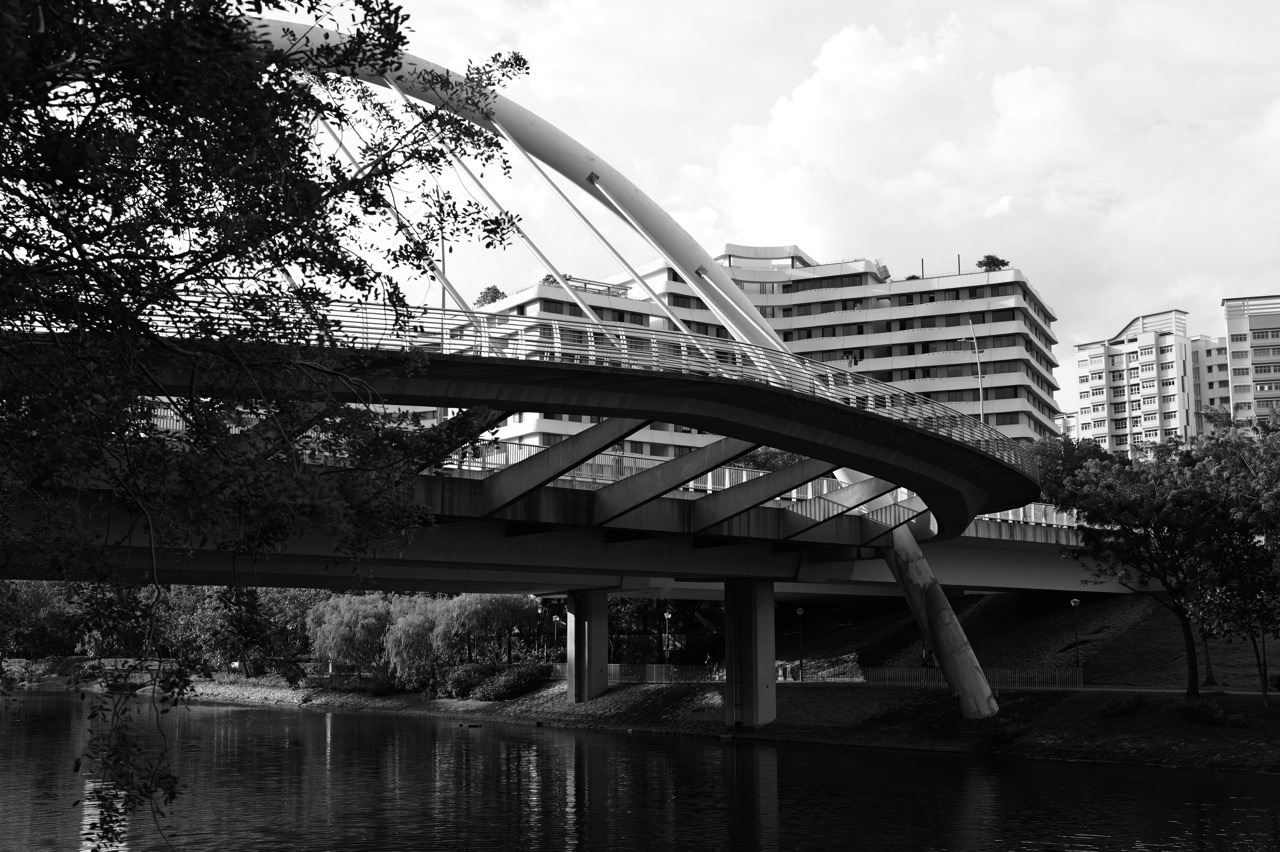
NParks highlights Jewel Bridge, Kelong Bridge and Sunrise Bridge as park landmarks. Their shapes and historical references differ: Jewel has dome-shaped architecture, Kelong recalls Punggol’s fishing history, and Sunrise Bridge is associated with sunrise views. These are genuine public landscape features, not guaranteed photographic conditions.
Why it is good for someone travelling alone
A solo photography date with yourself can focus on one visual idea rather than carrying a large kit or photographing every landmark. Bridges supply leading lines, railings and reflections. A phone is enough to try different compositions, and no particular weather or lens is required for a worthwhile learning exercise.
The attraction is the freedom to pay attention to one thing rather than follow another person’s timetable. Do not confuse independence with the need to make every outing strenuous or novel. A small, self-chosen activity can be a complete visit, particularly when it fits around work, study or household responsibilities.
How to do it without overplanning
Choose a single bridge and a safe standing point away from moving traffic. Make three images: one wide establishing view, one detail of the structure and one picture using a different angle of light. Review them after leaving the path, not while blocking others.
Define success before leaving. It might be a single photograph, one interesting title, a meal you enjoy or a transit connection you understand better. Bring what the activity needs and no more, keep a clear return plan, and give yourself permission to stop at the first useful endpoint instead of extending the day just because you are already there.
Worked example of a normal visit
A beginner spends thirty minutes at Kelong Bridge and returns with three different photographs of the same place. After reviewing them, they notice that the strongest one includes less background clutter, a finding they can use on the next visit.
This example demonstrates the difference between an attraction list and a usable guide: it identifies the starting point, a modest goal and a finish. Many online lists supply only names. For a solo visitor, the missing steps are often more important than enthusiasm about the destination. The journey and your comfort are part of the outing.
Mistakes to avoid and a plan B
Do not stand in cycling lanes, lean over rails, photograph strangers intrusively or place tripods where they impede pedestrians. Drone use is separately regulated, so a smartphone photography plan does not imply permission to launch a drone.
If the weather is poor, make an indoor visual diary of public art or architecture in places where photography is permitted; seek permission where necessary.
The right response to a changed condition is to make a proportionate change rather than push through. If a place is shut, a public route is cordoned off, a venue is busy or the weather deteriorates, choose the nearest lawful substitute or go home. You are not letting anyone down by ending an outing early.
What to remember or explore next
Compare one location over time, documenting your own images and dates. A consistent series can show seasonal changes more honestly than an edited picture claiming dramatic conditions that did not occur.
Keep one practical piece of knowledge from the visit: a better starting point, an interesting book, an entrance that worked or a route to avoid. This makes the next solo day simpler. You can gradually build a personal Punggol map without converting leisure into a checklist or competitive travel challenge.
8. Ride a purposeful short Punggol LRT loop
Location: Punggol MRT/LRT interchange and selected East or West Loop stations.
What is actually available
Punggol’s LRT provides local station-to-station connectivity in two loops. Actual services, operating patterns and platform information are controlled by the transport operator and LTA. Travel is a fare-paying journey, not an amusement ride, and stations are functional public-transport spaces.
Why it is good for someone travelling alone
For an independent visitor interested in how new Singapore towns connect, a short transit exploration can be enjoyable and educational. It allows access to local neighbourhood views without committing to a long hike. It can also reveal which station is the most convenient starting point for a future park or food visit.
The attraction is the freedom to pay attention to one thing rather than follow another person’s timetable. Do not confuse independence with the need to make every outing strenuous or novel. A small, self-chosen activity can be a complete visit, particularly when it fits around work, study or household responsibilities.
How to do it without overplanning
Use the current transit map to choose one destination station rather than boarding at random. Check platform and direction, pay the appropriate fare and follow station signs. Select one nearby public landmark to observe after alighting, then return by a known route.
Define success before leaving. It might be a single photograph, one interesting title, a meal you enjoy or a transit connection you understand better. Bring what the activity needs and no more, keep a clear return plan, and give yourself permission to stop at the first useful endpoint instead of extending the day just because you are already there.
Worked example of a normal visit
A visitor takes the LRT to explore the street layout around a chosen station, spends twenty minutes walking to a lawful public viewpoint and returns before dusk. The goal is learning the transport geography, not riding every possible train for its own sake.
This example demonstrates the difference between an attraction list and a usable guide: it identifies the starting point, a modest goal and a finish. Many online lists supply only names. For a solo visitor, the missing steps are often more important than enthusiasm about the destination. The journey and your comfort are part of the outing.
Mistakes to avoid and a plan B
Do not photograph commuters intrusively, block doors or treat station platforms as event venues. Remember service frequencies and interchange patterns can change. Avoid unfamiliar isolated stops at times when you are uncomfortable travelling alone.
When transit is disrupted or the weather is adverse, remain near the MRT-linked mall or library. Transport exploration can wait for a more predictable day.
The right response to a changed condition is to make a proportionate change rather than push through. If a place is shut, a public route is cordoned off, a venue is busy or the weather deteriorates, choose the nearest lawful substitute or go home. You are not letting anyone down by ending an outing early.
What to remember or explore next
Sketch a small personal map marking two useful connections and one local feature. This practical record may help more than a lengthy online itinerary.
Keep one practical piece of knowledge from the visit: a better starting point, an interesting book, an entrance that worked or a route to avoid. This makes the next solo day simpler. You can gradually build a personal Punggol map without converting leisure into a checklist or competitive travel challenge.
9. Try a verified One Punggol Community Club activity
Location: One Punggol Community Club.
What is actually available
The People’s Association identifies One Punggol CC as part of the integrated civic hub and lists studios, activity rooms and interest-group facilities. OnePA publishes specific courses and events, but individual sessions have eligibility, dates and possibly fees. The existence of a music studio does not mean it is available for spontaneous private use.
Why it is good for someone travelling alone
Going alone to a scheduled interest group can be a comfortable way to meet people around a shared activity rather than expecting strangers to socialise at a cafe. Music, exercise, cultural workshops and other community programmes suit different preferences, including newcomers to a neighbourhood.
The attraction is the freedom to pay attention to one thing rather than follow another person’s timetable. Do not confuse independence with the need to make every outing strenuous or novel. A small, self-chosen activity can be a complete visit, particularly when it fits around work, study or household responsibilities.
How to do it without overplanning
Search onePA for a specific current listing and check who may attend, whether registration is required and where to report. If unsure, ask the CC directly. Plan a short meal or library visit afterward without making the programme an excuse to enter other private rooms.
Define success before leaving. It might be a single photograph, one interesting title, a meal you enjoy or a transit connection you understand better. Bring what the activity needs and no more, keep a clear return plan, and give yourself permission to stop at the first useful endpoint instead of extending the day just because you are already there.
Worked example of a normal visit
A new resident registers for a confirmed community arts workshop. They attend without knowing anyone, follow the facilitator’s instructions and leave with a new skill and a clearer sense of local facilities. They do not have to join a long-term group after one session.
This example demonstrates the difference between an attraction list and a usable guide: it identifies the starting point, a modest goal and a finish. Many online lists supply only names. For a solo visitor, the missing steps are often more important than enthusiasm about the destination. The journey and your comfort are part of the outing.
Mistakes to avoid and a plan B
A past event poster is not proof of a current workshop, and a recurring-sounding name can refer to different course batches. Do not send payments or personal details to unofficial links. Public community spaces are not automatically free booking space for private groups.
If the activity is full, visit the library or hawker centre in the same building. Revisit onePA later for a programme you actually want rather than registering merely to fill an itinerary.
The right response to a changed condition is to make a proportionate change rather than push through. If a place is shut, a public route is cordoned off, a venue is busy or the weather deteriorates, choose the nearest lawful substitute or go home. You are not letting anyone down by ending an outing early.
What to remember or explore next
A recurring activity can become a regular local habit. A solo visit is also a useful test of whether the group’s atmosphere, cost and schedule match your interests.
Keep one practical piece of knowledge from the visit: a better starting point, an interesting book, an entrance that worked or a route to avoid. This makes the next solo day simpler. You can gradually build a personal Punggol map without converting leisure into a checklist or competitive travel challenge.
10. Browse Waterway Point without a shopping target
Location: Waterway Point, next to Punggol MRT.
What is actually available
Waterway Point’s official visitor page identifies it as a major retail and dining complex with direct Punggol MRT/LRT access. The mall lists family amenities, wheelchair loans, a water refill station, dining and entertainment. Opening times apply to the mall itself and do not guarantee every retailer’s hours.
Why it is good for someone travelling alone
A no-pressure indoor walk lets an independent visitor observe the heart of the town, rest, read signage or find a snack. It is especially useful between transport connections or during less suitable outdoor weather. Browsing without a purchase is a legitimate way to become familiar with the layout.
The attraction is the freedom to pay attention to one thing rather than follow another person’s timetable. Do not confuse independence with the need to make every outing strenuous or novel. A small, self-chosen activity can be a complete visit, particularly when it fits around work, study or household responsibilities.
How to do it without overplanning
Choose one practical task: locate the exits, compare affordable lunch options or find a public meeting point for future use. Allow yourself to finish when the task is done. Check the mall directory before going for a specific outlet rather than relying on an old list.
Define success before leaving. It might be a single photograph, one interesting title, a meal you enjoy or a transit connection you understand better. Bring what the activity needs and no more, keep a clear return plan, and give yourself permission to stop at the first useful endpoint instead of extending the day just because you are already there.
Worked example of a normal visit
A first-time resident takes half an hour to learn which exit leads to transport, where the customer-service desk is and how to move between wings. Later visits become easier because basic navigation no longer requires repeated searching.
This example demonstrates the difference between an attraction list and a usable guide: it identifies the starting point, a modest goal and a finish. Many online lists supply only names. For a solo visitor, the missing steps are often more important than enthusiasm about the destination. The journey and your comfort are part of the outing.
Mistakes to avoid and a plan B
Mall crowds and promotional signs can make browsing tiring, and there may be queues in popular eating areas. Do not treat retail displays or staff-only corridors as sightseeing access. Respect privacy and shop photography rules.
When there is no need to shop, you can simply use the accessible public concourse for orientation, then move on to a nearby legitimate public destination. Do not spend money out of obligation.
The right response to a changed condition is to make a proportionate change rather than push through. If a place is shut, a public route is cordoned off, a venue is busy or the weather deteriorates, choose the nearest lawful substitute or go home. You are not letting anyone down by ending an outing early.
What to remember or explore next
Make a two-line practical note: where you would meet someone and where you would eat on your own. These details are more useful than trying to remember every store in the building.
Keep one practical piece of knowledge from the visit: a better starting point, an interesting book, an entrance that worked or a route to avoid. This makes the next solo day simpler. You can gradually build a personal Punggol map without converting leisure into a checklist or competitive travel challenge.
Three practical solo itineraries
A 60-minute central Punggol sampler
Arrive at Punggol MRT, choose either an easy waterway bridge loop or Waterway Point browsing, then take a food or drink break. The park option requires suitable outdoor conditions; if the air quality or weather is poor, remain indoors. The return is straightforward because the same MRT/LRT interchange anchors the outing.
This plan deliberately excludes Coney Island and the newer Punggol Coast district. Adding them to a one-hour itinerary creates unnecessary travel. A successful visit is one you can complete without running to catch the train.
A slow two-hour learning and food day
Begin at One Punggol, browse the regional library around one topic, then eat at the hawker centre. Use the same building as the centre of the day. If an official community programme interests you, research or register for a future session rather than assuming it happens that afternoon.
The attraction here is the comfortable rhythm between calm concentration and an ordinary neighbourhood meal. It works for someone who wants a low-cost outing with an authentic sense of daily Punggol life.
A half-day Punggol Coast discovery
Travel to Punggol Coast MRT, explore the mall and publicly accessible district routes, and walk the currently open Heritage Trail portion only if time, signage and weather allow. Keep the main meal in the same district. Do not enter unapproved campus buildings, incomplete projects or closed paths in pursuit of an itinerary.
This version offers a contrast with the established town centre. A visitor interested in design and urban change will get more from a thoughtful walk and coffee than from trying to add every far-flung park as well.
Solo visit preparation checklist
- Choose one primary interest and two optional backups, not ten compulsory stops.
- Save the exact starting point and return station.
- Check NParks rules and hours for the particular park.
- Check myENV weather, lightning and air quality before any outdoor plan.
- Decide on a realistic food, ticket and transport budget.
- Carry sufficient water and essential items without overpacking.
- Respect shared spaces, staff instructions and other visitors’ privacy.
- For unfamiliar natural terrain, tell a trusted person your route and expected return.
- Do not rely on future facilities or a past event poster as evidence of present access.
- End on time if conditions or your energy change.
Common misunderstandings
A solo outing does not have to involve dining alone in a fancy restaurant, and it does not have to be filled with photographs for social media. A walk, a book or a movie can each be enough. Punggol’s range of public spaces makes a modest outing practical.
Do not confuse Punggol Waterway Park with Punggol Park at Hougang Avenue 8 and 10. Both names appear in Singapore guides, but they are different parks. Check the address rather than relying on a generic landscape photograph.
Do not treat a planned district facility as open just because the developer lists it in a vision document. For Punggol Digital District, use current official community listings and signage. For Coney Island, the clearly listed 7am–7pm park hours should determine your visit rather than social media suggestions for night photography.
And do not buy into the idea that a worthwhile solo trip requires bravery or exhaustion. If you are tired, a safe hour indoors may be the more interesting and restorative option. The best neighbourhood knowledge often comes from repeated short visits.
Frequently asked questions
Can I enjoy Punggol alone without spending money?
Yes. Ordinary public-park walks and general library browsing are free. Transport, paid screenings, food and specific programmes are separate costs. Pick a public activity in a single cluster.
Is Punggol suitable for a first-time solo visitor?
The central Punggol MRT and Waterway Point/One Punggol area is practical because of public transport, dining and indoor choices. Check the precise route from the station to the chosen venue.
Is Coney Island safe to walk alone?
Safety depends on daylight, route familiarity, weather, terrain and personal comfort. NParks lists it open 7am to 7pm, with two entrances and rustic conditions. A short planned route is safer than a spontaneous late-evening through-walk.
What if Punggol has heavy rain or haze?
Use current NEA myENV information. Choose genuinely indoor spaces such as the library, Waterway Point or an appropriately booked activity when outdoor conditions are unsuitable.
Can I visit Punggol Regional Library without a membership?
General public browsing is available without a fee. Borrowing rights and specific services have NLB rules that should be checked if needed.
Which cinema is at Waterway Point?
Shaw Theatres, according to the mall’s official directory, not Golden Village. Check showtime, cinema unit and ticket booking with the operator.
Is the entire Punggol Heritage Trail ready?
Official sources describe the first 400 metres opening in 2025 and the route undergoing phased completion. Follow currently open public signs and notices.
Are One Punggol CC classes suitable for solo visitors?
Many community programmes are designed for individual registration, but each has its own eligibility and enrolment rules. Search a current onePA listing and contact the organisers.
Do I need a car for Punggol activities?
No for many central activities, which connect to rail. Northern natural areas can involve additional travel, so map the exact entrance and last leg.
How can I avoid visiting the wrong park?
Check official names and addresses. Punggol Waterway Park runs through the Punggol town area; Punggol Park is at Hougang Avenues 8 and 10.
Official sources and related local guides
The external references establish the existence, published hours and public facilities mentioned above. They do not confirm live film seats, programme vacancies, individual vendor prices or whether all parts of a construction project are open on any future date.
- NParks – Waterway Park
- NParks – Coney Island
- JTC – Punggol Digital District
- PA – One Punggol
- onePA – One Punggol CC
- Waterway Point visitor information
- Shaw Theatres at Waterway Point
- NEA weather and air-quality information
- Punggol for first-time visitors
- Punggol for food lovers
Your next independent Punggol visit
Choose one of the ten ideas that matches your interests, plan an easy return and check only the operational details that matter for it. If you enjoy the place, return for a different perspective rather than forcing yourself to do everything at once. A good solo outing makes the neighbourhood more familiar on your own terms.


