
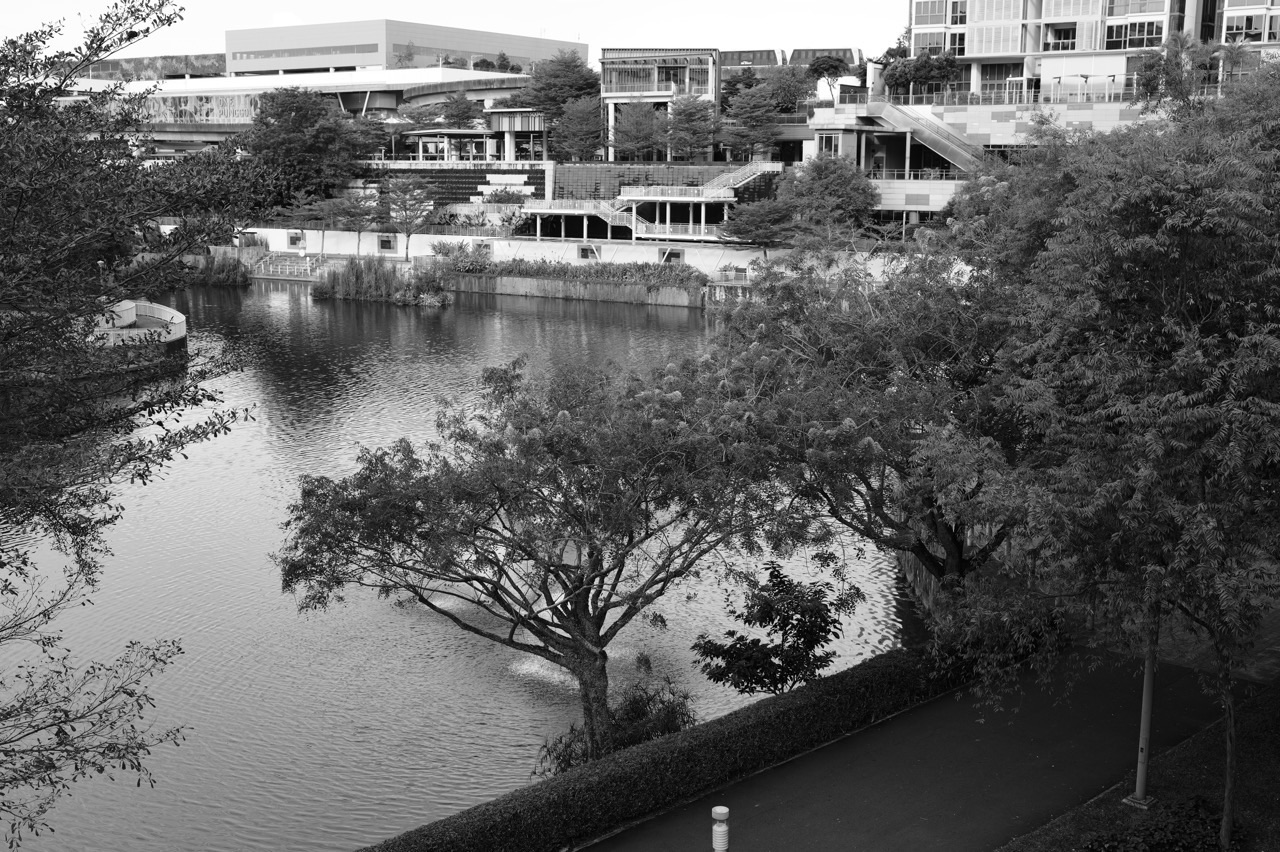
The top 10 things to do in Punggol for first dates in 2026 are places where two people can meet publicly, talk naturally, and leave comfortably without a big bill or a complicated route. Start with a short Punggol Waterway Park bridge walk, a book-browsing visit at One Punggol, a modest hawker meal, or a film at Shaw Theatres in Waterway Point. Punggol Coast offers an urban alternative, while Coney Island is a daylight nature option only when both people explicitly want a longer, more rustic walk.
A first date should be easy to navigate from Punggol MRT or Punggol Coast MRT and easy to finish after an agreed hour. Meet in a public place, set expectations about cost and walking, and do not assume somebody will be happy with an isolated trail or a long journey. This guide ranks ten real Punggol locations by atmosphere, conversation opportunities, transport convenience and exit options, with safety and official venue restrictions treated as actual planning rules.
These are practical first-meeting ideas, not romantic promises. For a newcomer or an online match, it is reasonable to share the meeting location with a trusted contact, keep transport independent, avoid sharing a home address, and move to another venue only by mutual agreement. For couples who already know each other well, those precautions may be less important, but the same simple route still offers an enjoyable, low-pressure outing.
How first-date choices differ from dates with an established partner
Public access comes first. A mall, library entrance or popular waterway landmark provides a clearer meeting point than a vague pin in an isolated park. When meeting someone for the first time, agree on the exact side of the MRT station, building entrance or named public place. Saying ‘meet at Coney Island’ is not specific enough, because the two entrances are far apart.
An exit is part of the invitation. Choose an activity that can naturally end after forty-five minutes. A coffee, short walk or book-browsing session can extend if both people enjoy the conversation. A fixed full-day cycling trip makes an awkward first meeting harder to finish politely. Neither person should be pressured to extend a date because the other has spent money.
Comfort is more important than performance. Some people dislike being photographed, some avoid crowded cafes, some need accessible routes, and some prefer to split the bill. Ask early. An honest invitation such as ‘a short waterway walk and a drink, about an hour’ is more considerate than a mysterious itinerary with multiple unscheduled detours.
Weather and safety are not negotiable. Waterway bridges, promenades and nature paths are unsuitable during thunderstorms. Coney Island closes at 7pm according to NParks and should not be used as a late-night route. Keep the indoor alternative within the same transit cluster, preferably Waterway Point or One Punggol, and avoid making the other person cross the town to rescue the plan.
Quick comparison: 10 first-date ideas around Punggol
- 1. Watch sunset together from Jewel Bridge — Jewel Bridge, Punggol Waterway Park; short flexible stop.
- 2. Explore the fishing-village story at Kelong Bridge — Kelong Bridge and the adjacent waterway paths; short flexible stop.
- 3. Take a short Nature Cove pause instead of a long hike — Nature Cove sector of Punggol Waterway Park; short flexible stop.
- 4. Share a hawker-centre tasting date at One Punggol — One Punggol, 1 Punggol Drive; variable food cost.
- 5. Have a book-and-conversation date at Punggol Regional Library — Punggol Regional Library at One Punggol; short flexible stop.
- 6. Discover Punggol Coast Mall and the Digital District — Punggol Coast MRT and publicly accessible Punggol Digital District routes; short flexible stop.
- 7. Walk a short section of Coney Island together — Coney Island Park, West or East entrance; daylight only.
- 8. See a film at Shaw Theatres, Waterway Point — Shaw Theatres, Waterway Point East Wing, Basement 2; paid tickets.
- 9. Try a sunrise or early-evening promenade walk — Public stretches of Punggol Promenade Riverside Walk; short flexible stop.
- 10. Follow the open section of Punggol Heritage Trail — Punggol North Avenue to Punggol Digital District Campus Boulevard; short flexible stop.
How to pick a first date without turning it into a logistics test
First agree on what kind of time you want. Some couples want a conversation, some want an activity that takes pressure off talking, and some want physical movement before a meal. All are reasonable. The mistake is for one person to plan an ambitious hike while the other imagines an easy coffee date. A ten-minute discussion of pace and footwear can prevent an evening of silent irritation.
Second, choose one geographical cluster. Punggol’s central MRT and Waterway Point area is different from the Punggol Coast business district, and both are distinct from the west entrance of Coney Island. A date built around one landmark and a nearby fallback is usually better than travelling repeatedly between distant pins. Read each entry’s exact start point rather than assuming every place with ‘Punggol’ in its name is adjacent.
Third, make the weather decision early. A wet-weather fallback should be a genuinely indoor space, not an exposed covered strip where rain and lightning still threaten. NEA’s myENV app provides weather and lightning information; heavy showers should prompt an indoor plan. Dates should be flexible enough to stop when conditions change, with the option of simply enjoying food and conversation.
Fourth, talk about money without embarrassment. A no-cost bridge walk and a cafe stop can be as meaningful as a paid entertainment ticket. When one person is saving for exams, rent or a major life goal, an inexpensive date is not a compromise in affection. Agree on the approximate expense before paying or booking anything. A surprise expensive activity can turn a thoughtful gesture into an awkward obligation.
Fifth, do not confuse privacy with isolation. Especially for newer couples, public, well-used spaces with easy transport and a clear end time are sensible. A natural area can be wonderful when both people are comfortable with the terrain and destination; nobody should feel pressured to continue a remote route simply because it was labelled romantic.
Ten first-date experiences: what each really involves
1. Watch sunset together from Jewel Bridge
Where to go: Jewel Bridge, Punggol Waterway Park.
What is factually there
NParks describes Jewel Bridge as a dome-shaped landmark and specifically highlights sunset as a reason to visit. The Waterway Park is a free public green space with 24-hour listed park hours, but a couple should still check signs for local path works. The bridge is scenic without requiring tickets, a reservation or a complicated expedition.
Why it works as a couple’s outing
This date works because looking outward takes the pressure off constant conversation. You can notice changes in sky colour, people moving on shared paths and the water’s reflections without inventing an activity. Jewel Bridge has recognisable curved metalwork, so it makes a clearer meeting target than saying only ‘the park’.
The important distinction is between a place and an experience. The place supplies surroundings, but the quality of the time comes from choosing a pace that both people can enjoy. Ask the other person what they would prefer to notice, discuss or skip. Two visitors at the same venue can have very different dates depending on whether their expectations are compatible.
A realistic mini-itinerary
Begin while there is still daylight, not ten minutes after the sun has disappeared. Select a public approach you can navigate comfortably, take photographs without blocking walkers and have a simple dinner option within the town-centre cluster. For a date after work, agree on an indoor fallback before either person travels.
Keep arrival and departure in the plan. If either person is commuting from outside Punggol, the last leg from the station matters as much as the time spent at the attraction. Decide where the route ends before starting. Build in a small margin for queues, routefinding and slower walking; otherwise an apparently relaxed date becomes a race against a timetable.
Example: how the date plays out
One person prefers photography; the other prefers walking. Spend ten minutes talking on the approach, five minutes quietly taking in the view, and choose one portrait before going for food. Do not make a sunset picture the test of a successful evening: cloud cover changes everything.
Notice what makes this example work: it has a clear main activity, a shared decision and an easy finish. It does not rely on perfect weather, spontaneous access to restricted buildings or a guaranteed photo. The pair can enjoy the plan even when a part changes, because the purpose of the date is time together rather than collecting every recommendation.
Trade-offs, safety and budget
Thunderstorm forecasts, poor air quality and heat can make the bridge the wrong place to linger. Do not lean over railings, place a camera on the edge or treat an active walking route as a private photo set. On busy days the considerate choice is to step aside for others.
The view itself costs nothing. The variable expense is transport and whatever you eat afterward. Decide in advance whether dinner is a meal, a simple drink or something brought from home; free scenery should not force a high-spend follow-up.
If conditions do not match the plan, do not insist on completing the original route. In Punggol, it is easy to lose time changing between neighbourhood clusters, especially on a wet evening. Choose the nearest genuinely usable fallback, agree that the change is acceptable and end early if either person is uncomfortable. This is good planning, not a failed date.
Make the memory more personal
Try a two-frame comparison: one wide photograph showing the bridge and one close-up showing a detail of the railing or changing light. Ask why each tells a different story. If you visit again, compare the scene in morning or after rain from a safe public viewpoint.
A meaningful follow-up can be as simple as sharing one picture, one sentence or a future idea. Avoid turning the whole occasion into constant smartphone filming. When both partners remember a conversation or a detail they noticed, the date has already succeeded even if it was inexpensive and brief.
2. Explore the fishing-village story at Kelong Bridge
Where to go: Kelong Bridge and the adjacent waterway paths.
What is factually there
NParks says Kelong Bridge was designed to evoke an offshore kelong fishing platform, a connection to Punggol’s fishing-village history. This is an architectural and heritage stop rather than a paid museum. The most reliable details are the physical bridge and NParks’s interpretation, not embellished stories overheard during a walk.
Why it works as a couple’s outing
A strong couple’s date often creates something to discuss. The shape of a bridge can lead naturally to conversations about how places change, which parts of Singapore each person remembers, and what a modern town chooses to preserve. It gives a relationship a shared discovery rather than another identical restaurant visit.
The important distinction is between a place and an experience. The place supplies surroundings, but the quality of the time comes from choosing a pace that both people can enjoy. Ask the other person what they would prefer to notice, discuss or skip. Two visitors at the same venue can have very different dates depending on whether their expectations are compatible.
A realistic mini-itinerary
Use Kelong Bridge as the objective for a thirty- to forty-five-minute out-and-back walk. Read the official park material before arriving if historical accuracy matters. Compare its design with a more contemporary structure along the same route, keeping the whole outing within what both participants can comfortably walk.
Keep arrival and departure in the plan. If either person is commuting from outside Punggol, the last leg from the station matters as much as the time spent at the attraction. Decide where the route ends before starting. Build in a small margin for queues, routefinding and slower walking; otherwise an apparently relaxed date becomes a race against a timetable.
Example: how the date plays out
Imagine one partner knows Punggol mainly from housing developments while the other remembers family stories of coastal recreation. A bridge becomes a starting point for mutual listening. You do not need to agree on whether the older or newer neighbourhood was ‘better’; the date is the exchange of perspectives.
Notice what makes this example work: it has a clear main activity, a shared decision and an easy finish. It does not rely on perfect weather, spontaneous access to restricted buildings or a guaranteed photo. The pair can enjoy the plan even when a part changes, because the purpose of the date is time together rather than collecting every recommendation.
Trade-offs, safety and budget
This is not evidence that the waterway below can be fished or used for activities. NParks expressly prohibits fishing within Waterway Park. Remain on public paths, keep voices considerate near other park users, and do not descend onto non-public edges to recreate old kelong photographs.
No admission is required for an ordinary public-path visit. A transport fare and small refreshment suffice. If either person has limited mobility, check the precise accessible approach on a map rather than judging from a flattering bridge photograph.
If conditions do not match the plan, do not insist on completing the original route. In Punggol, it is easy to lose time changing between neighbourhood clusters, especially on a wet evening. Choose the nearest genuinely usable fallback, agree that the change is acceptable and end early if either person is uncomfortable. This is good planning, not a failed date.
Make the memory more personal
Each person chooses one design detail and proposes why an engineer or planner might have used it. Later, compare those guesses with authoritative planning or NParks information. It turns a short, inexpensive date into a conversation about heritage and design.
A meaningful follow-up can be as simple as sharing one picture, one sentence or a future idea. Avoid turning the whole occasion into constant smartphone filming. When both partners remember a conversation or a detail they noticed, the date has already succeeded even if it was inexpensive and brief.
3. Take a short Nature Cove pause instead of a long hike
Where to go: Nature Cove sector of Punggol Waterway Park.
What is factually there
Waterway Park’s four officially described themed areas include Nature Cove, Recreation Zone, Heritage Zone and Green Gallery. Their purpose is not a challenge to see every zone in one visit. A slow visit to a smaller, convenient public section is a legitimate nature date even if a bigger island trip sounds more adventurous.
Why it works as a couple’s outing
A short pause gives couples who work long hours a chance to arrive mentally before trying to talk about their week. In a neighbourhood park you can sit, notice foliage or birds and move on whenever it feels right. The pace creates room for connection without the cost and time of an organised attraction.
The important distinction is between a place and an experience. The place supplies surroundings, but the quality of the time comes from choosing a pace that both people can enjoy. Ask the other person what they would prefer to notice, discuss or skip. Two visitors at the same venue can have very different dates depending on whether their expectations are compatible.
A realistic mini-itinerary
Choose a public stretch with available seating and a straightforward return route. Take water and comfortable shoes; choose a relatively cooler time rather than the hottest part of the day. Tell each other whether this visit is intended for relaxed conversation or quiet observation so one person is not disappointed by the other.
Keep arrival and departure in the plan. If either person is commuting from outside Punggol, the last leg from the station matters as much as the time spent at the attraction. Decide where the route ends before starting. Build in a small margin for queues, routefinding and slower walking; otherwise an apparently relaxed date becomes a race against a timetable.
Example: how the date plays out
Two people have only forty minutes between errands and an evening obligation. Instead of undertaking a long circuit, they pick one path, sit for a short rest and use the return walk to decide on one interesting thing to do next month. A modest plan succeeds because it is realistic.
Notice what makes this example work: it has a clear main activity, a shared decision and an easy finish. It does not rely on perfect weather, spontaneous access to restricted buildings or a guaranteed photo. The pair can enjoy the plan even when a part changes, because the purpose of the date is time together rather than collecting every recommendation.
Trade-offs, safety and budget
Do not assume the whole park is shaded, deserted or equally accessible from every direction. Shared paths carry runners and cyclists; stationary conversations belong away from the main flow. Plants and wildlife are not props to collect, pick or handle during a romantic outing.
This is one of the lowest-cost choices. Add a drink if desired, but keep the experience central. If a paid picnic setup is offered by a vendor, that is a separate commercial service and not necessary for a public park visit.
If conditions do not match the plan, do not insist on completing the original route. In Punggol, it is easy to lose time changing between neighbourhood clusters, especially on a wet evening. Choose the nearest genuinely usable fallback, agree that the change is acceptable and end early if either person is uncomfortable. This is good planning, not a failed date.
Make the memory more personal
Try a ‘phone-away quarter-hour’ with mutual consent. Listen for birds, water and movement, then discuss what changed in your attention. This works particularly well if both people agree that time together should not always be spent recording content.
A meaningful follow-up can be as simple as sharing one picture, one sentence or a future idea. Avoid turning the whole occasion into constant smartphone filming. When both partners remember a conversation or a detail they noticed, the date has already succeeded even if it was inexpensive and brief.
4. Share a hawker-centre tasting date at One Punggol
Where to go: One Punggol, 1 Punggol Drive.
What is factually there
The People’s Association identifies One Punggol as an integrated hub housing a community club, regional library and hawker centre. That makes it a practical anchor for a food-based date with a sheltered follow-up. The identities and opening days of individual hawker stalls still require an up-to-date check rather than relying on old lists.
Why it works as a couple’s outing
A hawker date makes food preferences easy to discuss. Couples can share two modest dishes or choose different favourites and compare them without arranging a formal dining experience. It is particularly helpful for a first date because the public setting is easy to find and the meal can be short or extended.
The important distinction is between a place and an experience. The place supplies surroundings, but the quality of the time comes from choosing a pace that both people can enjoy. Ask the other person what they would prefer to notice, discuss or skip. Two visitors at the same venue can have very different dates depending on whether their expectations are compatible.
A realistic mini-itinerary
Meet at the building rather than a vaguely named Punggol food destination. Before ordering, ask about dietary restrictions, whether sharing is comfortable, and how much each person wants to spend. Select seating that does not obstruct aisles, then plan a library browse or short waterway walk only if both still feel like it.
Keep arrival and departure in the plan. If either person is commuting from outside Punggol, the last leg from the station matters as much as the time spent at the attraction. Decide where the route ends before starting. Build in a small margin for queues, routefinding and slower walking; otherwise an apparently relaxed date becomes a race against a timetable.
Example: how the date plays out
One partner likes spicy food and the other does not. They order a safe familiar main plus a smaller dish they both want to try, then trade observations rather than declaring whose food is superior. The value lies in learning how the other person makes everyday choices.
Notice what makes this example work: it has a clear main activity, a shared decision and an easy finish. It does not rely on perfect weather, spontaneous access to restricted buildings or a guaranteed photo. The pair can enjoy the plan even when a part changes, because the purpose of the date is time together rather than collecting every recommendation.
Trade-offs, safety and budget
Hawker centres are public dining spaces, not private seating lounges. Clear trays where required, respect occupied tables and check stall-specific allergy or dietary information directly. A building containing multiple food vendors is not evidence that every stall has identical halal, vegetarian or allergen status.
Agree on a meal limit per person before arrival. Avoid listing a fixed 2026 menu price because stalls can change both price and tenant. Transport usually matters more than choosing the ‘perfect’ photo-friendly dish.
If conditions do not match the plan, do not insist on completing the original route. In Punggol, it is easy to lose time changing between neighbourhood clusters, especially on a wet evening. Choose the nearest genuinely usable fallback, agree that the change is acceptable and end early if either person is uncomfortable. This is good planning, not a failed date.
Make the memory more personal
Give each person a gentle assignment: introduce the other to one ingredient, childhood meal memory or food custom. The conversation can continue during a short walk without purchasing a second dessert simply to prolong the date.
A meaningful follow-up can be as simple as sharing one picture, one sentence or a future idea. Avoid turning the whole occasion into constant smartphone filming. When both partners remember a conversation or a detail they noticed, the date has already succeeded even if it was inexpensive and brief.
5. Have a book-and-conversation date at Punggol Regional Library
Where to go: Punggol Regional Library at One Punggol.
What is factually there
Punggol Regional Library opened in 2023 and occupies part of the One Punggol civic hub. It is a working public library, not a commercial date venue. The appropriate activity is browsing, reading or discovering books quietly, subject to NLB’s current services and room rules.
Why it works as a couple’s outing
A library date is revealing in a low-pressure way. People’s interests appear naturally in what they pick up: local history, cookbooks, fiction, nature guides, design or biographies. It can work when a couple does not want to spend money or compete with noisy entertainment.
The important distinction is between a place and an experience. The place supplies surroundings, but the quality of the time comes from choosing a pace that both people can enjoy. Ask the other person what they would prefer to notice, discuss or skip. Two visitors at the same venue can have very different dates depending on whether their expectations are compatible.
A realistic mini-itinerary
Agree to choose one book each in a fixed period, read a small section separately and discuss titles afterward in an appropriate conversation space outside the quiet area. If someone dislikes reading, make the activity about covers, subjects or recommended displays rather than forcing a book-club performance.
Keep arrival and departure in the plan. If either person is commuting from outside Punggol, the last leg from the station matters as much as the time spent at the attraction. Decide where the route ends before starting. Build in a small margin for queues, routefinding and slower walking; otherwise an apparently relaxed date becomes a race against a timetable.
Example: how the date plays out
One person chooses a travel book and the other selects a recipe collection. They each pick one realistic idea to try during the next month. The next date arises from genuine curiosity instead of scrolling through another generic recommendation list.
Notice what makes this example work: it has a clear main activity, a shared decision and an easy finish. It does not rely on perfect weather, spontaneous access to restricted buildings or a guaranteed photo. The pair can enjoy the plan even when a part changes, because the purpose of the date is time together rather than collecting every recommendation.
Trade-offs, safety and budget
Avoid speaking loudly in quiet zones, treating furniture as a private picnic space or photographing strangers. Study tables can be in high demand; do not monopolise them for a date. NLB programmes may need registration and their schedules are not guaranteed by the library’s building hours.
General browsing is free; purchases are optional and usually unnecessary. A later snack can be budgeted as a separate choice. Verify any borrowing eligibility through NLB if one partner wants to take books home.
If conditions do not match the plan, do not insist on completing the original route. In Punggol, it is easy to lose time changing between neighbourhood clusters, especially on a wet evening. Choose the nearest genuinely usable fallback, agree that the change is acceptable and end early if either person is uncomfortable. This is good planning, not a failed date.
Make the memory more personal
Keep a shared ‘things we learned’ note containing a title, an author and one unexpected observation. You do not need the same taste in books; curiosity about differences is the point.
A meaningful follow-up can be as simple as sharing one picture, one sentence or a future idea. Avoid turning the whole occasion into constant smartphone filming. When both partners remember a conversation or a detail they noticed, the date has already succeeded even if it was inexpensive and brief.
6. Discover Punggol Coast Mall and the Digital District
Where to go: Punggol Coast MRT and publicly accessible Punggol Digital District routes.
What is factually there
JTC describes Punggol Coast Mall as part of the Punggol Digital District, linked to Punggol Coast MRT, and advertises contemporary cafes and shops. The adjoining SIT campus and business district are real civic landmarks, but academic and commercial spaces are not automatically open to casual visitors. Follow public access signs.
Why it works as a couple’s outing
This works for couples who prefer an urban walk to a rustic trek. New buildings, landscaping and a different food environment give a familiar neighbourhood a sense of discovery. A simple coffee stop can be paired with looking at how education, work and public space meet along the coast.
The important distinction is between a place and an experience. The place supplies surroundings, but the quality of the time comes from choosing a pace that both people can enjoy. Ask the other person what they would prefer to notice, discuss or skip. Two visitors at the same venue can have very different dates depending on whether their expectations are compatible.
A realistic mini-itinerary
Start at Punggol Coast MRT and identify one cafe or dining area that is currently operating. Walk only public routes and select a comfortable loop around open streets and connected amenities. Limit the activity to a drink and one observation rather than trying to tour a university campus without permission.
Keep arrival and departure in the plan. If either person is commuting from outside Punggol, the last leg from the station matters as much as the time spent at the attraction. Decide where the route ends before starting. Build in a small margin for queues, routefinding and slower walking; otherwise an apparently relaxed date becomes a race against a timetable.
Example: how the date plays out
A couple visiting from another part of Singapore agrees to find one design element that makes the district feel different from older town centres. After comparing notes, they choose a light meal and leave by the station they arrived at. That is an achievable two-hour date.
Notice what makes this example work: it has a clear main activity, a shared decision and an easy finish. It does not rely on perfect weather, spontaneous access to restricted buildings or a guaranteed photo. The pair can enjoy the plan even when a part changes, because the purpose of the date is time together rather than collecting every recommendation.
Trade-offs, safety and budget
Retail opening times, tenancy and building access can change. Do not mistake a planned walkway or an architect’s rendering for an operational route. Road works, deliveries and building rules may require a detour. In hot or wet weather, use genuinely sheltered parts only.
A window-shopping walk costs nothing beyond transport. Cafes range in price, so choose a stop after seeing the menu rather than relying on a search snippet. The same date can be completed on a modest budget by skipping purchases.
If conditions do not match the plan, do not insist on completing the original route. In Punggol, it is easy to lose time changing between neighbourhood clusters, especially on a wet evening. Choose the nearest genuinely usable fallback, agree that the change is acceptable and end early if either person is uncomfortable. This is good planning, not a failed date.
Make the memory more personal
Make this a ‘future of cities’ conversation: what would an ideal neighbourhood provide within walking distance, and what would you preserve from older Punggol? It creates shared opinions without pretending the district is a theme park.
A meaningful follow-up can be as simple as sharing one picture, one sentence or a future idea. Avoid turning the whole occasion into constant smartphone filming. When both partners remember a conversation or a detail they noticed, the date has already succeeded even if it was inexpensive and brief.
7. Walk a short section of Coney Island together
Where to go: Coney Island Park, West or East entrance.
What is factually there
NParks lists Coney Island Park’s daily opening hours as 7am to 7pm and identifies two park entrances. It is a rustic biodiversity-focused park with mixed terrain, not a casual late-night waterfront destination. There are no carparks on the island itself, and appropriate footwear and daylight planning matter.
Why it works as a couple’s outing
A nature-loving couple gets space to notice vegetation and bird calls without structured entertainment. A quieter route can make conversation feel unforced, especially when both people are comfortable with nature. The appeal is not a guaranteed wildlife sighting or a promise of total seclusion.
The important distinction is between a place and an experience. The place supplies surroundings, but the quality of the time comes from choosing a pace that both people can enjoy. Ask the other person what they would prefer to notice, discuss or skip. Two visitors at the same venue can have very different dates depending on whether their expectations are compatible.
A realistic mini-itinerary
Choose one entrance based on the journey home, set a return time well ahead of closing and carry water, covered shoes and repellent. Agree on a short in-and-out distance rather than a full crossing; check current NParks alerts before leaving. Treat the route as a morning date, not an after-dinner shortcut.
Keep arrival and departure in the plan. If either person is commuting from outside Punggol, the last leg from the station matters as much as the time spent at the attraction. Decide where the route ends before starting. Build in a small margin for queues, routefinding and slower walking; otherwise an apparently relaxed date becomes a race against a timetable.
Example: how the date plays out
Two people who already feel comfortable outdoors plan a ninety-minute visit and see only a few birds. They still enjoy comparing unfamiliar plants and the change in sound away from traffic. They head out early enough for a food stop afterward, so there is no rush as light fades.
Notice what makes this example work: it has a clear main activity, a shared decision and an easy finish. It does not rely on perfect weather, spontaneous access to restricted buildings or a guaranteed photo. The pair can enjoy the plan even when a part changes, because the purpose of the date is time together rather than collecting every recommendation.
Trade-offs, safety and budget
Uneven or rugged terrain can be uncomfortable and is not suitable for every mobility level. Do not feed wildlife, play recorded bird sounds, leave marked paths or continue into the park when storms are developing. The island is not a site for collecting plants or staging intrusive wildlife portraits.
Public park admission is free. Plan travel and a meal separately; avoid paying for a bike rental unless the route actually calls for one and both riders are competent. Bring water instead of counting on shops inside the natural area.
If conditions do not match the plan, do not insist on completing the original route. In Punggol, it is easy to lose time changing between neighbourhood clusters, especially on a wet evening. Choose the nearest genuinely usable fallback, agree that the change is acceptable and end early if either person is uncomfortable. This is good planning, not a failed date.
Make the memory more personal
Each person picks one species or landscape feature to identify later from a reliable source. Learning the name accurately is more satisfying than posting an uncertain identification as fact.
A meaningful follow-up can be as simple as sharing one picture, one sentence or a future idea. Avoid turning the whole occasion into constant smartphone filming. When both partners remember a conversation or a detail they noticed, the date has already succeeded even if it was inexpensive and brief.
8. See a film at Shaw Theatres, Waterway Point
Where to go: Shaw Theatres, Waterway Point East Wing, Basement 2.
What is factually there
Waterway Point’s own mall directory identifies Shaw Theatres at East Wing B2-11 and says the cineplex has ten standard screens plus an IMAX screen. It is not Golden Village, and showtimes and screening formats vary. The mall’s transit connections make this a useful wet-weather or after-work date.
Why it works as a couple’s outing
Watching a film offers couples a common experience to talk about afterward, especially when one or both are tired of planning elaborate outings. Choosing the film together can reveal tastes in humour, storytelling and pace; the conversation over a snack is often the real date.
The important distinction is between a place and an experience. The place supplies surroundings, but the quality of the time comes from choosing a pace that both people can enjoy. Ask the other person what they would prefer to notice, discuss or skip. Two visitors at the same venue can have very different dates depending on whether their expectations are compatible.
A realistic mini-itinerary
Choose the film and time through the current cinema listing, agree whether premium screening prices are worth it, and arrive early enough to find the correct wing. Eat before or after, not at an unrealistic pace between two close showtimes. Pick a film both actually want to see.
Keep arrival and departure in the plan. If either person is commuting from outside Punggol, the last leg from the station matters as much as the time spent at the attraction. Decide where the route ends before starting. Build in a small margin for queues, routefinding and slower walking; otherwise an apparently relaxed date becomes a race against a timetable.
Example: how the date plays out
One partner likes animation while the other prefers dramas. They choose a film neither has seen and agree to discuss favourite scenes rather than score the movie. When the screening finishes, they take the direct MRT home or enjoy a short mall meal.
Notice what makes this example work: it has a clear main activity, a shared decision and an easy finish. It does not rely on perfect weather, spontaneous access to restricted buildings or a guaranteed photo. The pair can enjoy the plan even when a part changes, because the purpose of the date is time together rather than collecting every recommendation.
Trade-offs, safety and budget
Movie times, ratings, seat availability, accessibility arrangements and prices are operator-controlled. Do not assume an advertised movie continues showing next week. A late screening also changes the last-train and return-transport calculation, especially if the couple does not live in Punggol.
This is the main paid entertainment option in the list. Compare standard versus premium tickets, and consider whether food purchases are necessary. A cinema outing need not include a restaurant bill to feel complete.
If conditions do not match the plan, do not insist on completing the original route. In Punggol, it is easy to lose time changing between neighbourhood clusters, especially on a wet evening. Choose the nearest genuinely usable fallback, agree that the change is acceptable and end early if either person is uncomfortable. This is good planning, not a failed date.
Make the memory more personal
Choose one question about the film afterward: whose decision changed the story, which place looked convincing or whether the ending earned its emotion. This gives two people something specific to discuss beyond ‘was it good?’.
A meaningful follow-up can be as simple as sharing one picture, one sentence or a future idea. Avoid turning the whole occasion into constant smartphone filming. When both partners remember a conversation or a detail they noticed, the date has already succeeded even if it was inexpensive and brief.
9. Try a sunrise or early-evening promenade walk
Where to go: Public stretches of Punggol Promenade Riverside Walk.
What is factually there
NParks lists Punggol Promenade Riverside Walk among the connected park spaces around Waterway Park. It is a different mood from the central Jewel Bridge sunset and often suits people who want an open-air stroll before breakfast. The selected section, not the full named promenade, should determine the actual walking time.
Why it works as a couple’s outing
An early walk creates a quiet start to the day and costs little. Unlike a date tied to a restaurant reservation, it can end naturally after twenty or thirty minutes. It works especially well for partners who have different afternoon commitments but can spare a peaceful morning.
The important distinction is between a place and an experience. The place supplies surroundings, but the quality of the time comes from choosing a pace that both people can enjoy. Ask the other person what they would prefer to notice, discuss or skip. Two visitors at the same venue can have very different dates depending on whether their expectations are compatible.
A realistic mini-itinerary
Meet near a confirmed public-access point while it is comfortably light, select a turnaround landmark and bring water. Talk about the week ahead, then decide whether to stop for breakfast. Avoid promising a specific sunrise photograph when visibility and cloud conditions are uncertain.
Keep arrival and departure in the plan. If either person is commuting from outside Punggol, the last leg from the station matters as much as the time spent at the attraction. Decide where the route ends before starting. Build in a small margin for queues, routefinding and slower walking; otherwise an apparently relaxed date becomes a race against a timetable.
Example: how the date plays out
Two people who have been busy with work takes a short walk, notices how the water appears in the morning and sets one shared intention for the week. One prefers brisk movement and the other a gentle pace, so they choose a route that does not pressure either person.
Notice what makes this example work: it has a clear main activity, a shared decision and an easy finish. It does not rely on perfect weather, spontaneous access to restricted buildings or a guaranteed photo. The pair can enjoy the plan even when a part changes, because the purpose of the date is time together rather than collecting every recommendation.
Trade-offs, safety and budget
Do not enter underlit or isolated stretches solely for the ‘best’ photograph. Watch for cyclists, slippery surfaces after rainfall and weather alerts. A romantic walk is not a reason to ignore an uncomfortable temperature, a storm or personal safety preferences.
The main activity is free. If both people want a meal afterward, choose a location that fits the planned route and public-transport return. Do not assume a waterfront restaurant opens at dawn.
If conditions do not match the plan, do not insist on completing the original route. In Punggol, it is easy to lose time changing between neighbourhood clusters, especially on a wet evening. Choose the nearest genuinely usable fallback, agree that the change is acceptable and end early if either person is uncomfortable. This is good planning, not a failed date.
Make the memory more personal
Try noticing a soundscape rather than shooting another panorama. Compare birdsong, footsteps, traffic and water. Talking about something observed together often starts better conversations than rehearsed date-night questions.
A meaningful follow-up can be as simple as sharing one picture, one sentence or a future idea. Avoid turning the whole occasion into constant smartphone filming. When both partners remember a conversation or a detail they noticed, the date has already succeeded even if it was inexpensive and brief.
10. Follow the open section of Punggol Heritage Trail
Where to go: Punggol North Avenue to Punggol Digital District Campus Boulevard.
What is factually there
NParks and JTC announced the first 400-metre stretch of Punggol Heritage Trail opened in August 2025, connecting Punggol North Avenue with Campus Boulevard. The project retains traces of Old Punggol Road; longer sections are part of phased works. Do not mistake an announced future route for an open pedestrian connection today.
Why it works as a couple’s outing
Couples interested in history, landscapes or design can explore how a place changes without attending a formal guided tour. The juxtaposition of an older road alignment with a modern business-and-university district gives the walk genuine content, not just scenery.
The important distinction is between a place and an experience. The place supplies surroundings, but the quality of the time comes from choosing a pace that both people can enjoy. Ask the other person what they would prefer to notice, discuss or skip. Two visitors at the same venue can have very different dates depending on whether their expectations are compatible.
A realistic mini-itinerary
Look up the latest NParks trail map and confirm which section is open. Start from a public access point, follow the signposted route and read interpretation panels where available. Make this a short, intentional walk rather than an attempted through-journey to any future destination named on a masterplan.
Keep arrival and departure in the plan. If either person is commuting from outside Punggol, the last leg from the station matters as much as the time spent at the attraction. Decide where the route ends before starting. Build in a small margin for queues, routefinding and slower walking; otherwise an apparently relaxed date becomes a race against a timetable.
Example: how the date plays out
One person grew up elsewhere in Singapore and the other has lived near Punggol for years. Both see something new in the retained landscape: a road contour, a tree or a view that predates the surrounding buildings. They end with a coffee and compare what each noticed.
Notice what makes this example work: it has a clear main activity, a shared decision and an easy finish. It does not rely on perfect weather, spontaneous access to restricted buildings or a guaranteed photo. The pair can enjoy the plan even when a part changes, because the purpose of the date is time together rather than collecting every recommendation.
Trade-offs, safety and budget
The phasing of construction may change entrances, surface conditions and diversions. Never step into fenced work zones, cross restricted campus spaces or treat a map illustration as proof of on-the-ground access. Check whether a selected route is comfortable for your walking ability.
Use the trail as a free cultural stop paired with an optional cafe visit at Punggol Coast. The important investment is twenty minutes of attention and an accurate map. No external guide booking is assumed.
If conditions do not match the plan, do not insist on completing the original route. In Punggol, it is easy to lose time changing between neighbourhood clusters, especially on a wet evening. Choose the nearest genuinely usable fallback, agree that the change is acceptable and end early if either person is uncomfortable. This is good planning, not a failed date.
Make the memory more personal
Take two photographs: one image of a retained feature and one of new development from a lawful public viewpoint. Put them side by side with one factual sentence about the trail. It makes a better keepsake than a fabricated ‘old Punggol’ caption.
A meaningful follow-up can be as simple as sharing one picture, one sentence or a future idea. Avoid turning the whole occasion into constant smartphone filming. When both partners remember a conversation or a detail they noticed, the date has already succeeded even if it was inexpensive and brief.
Three first-date plans: short, exploratory and rainy day
The low-cost sunset date
Start with an early-evening walk to Jewel Bridge while enough daylight remains to navigate clearly. Stay for the scenery if the forecast is good; leave before either person becomes tired. Take the Waterway Point or One Punggol option afterward depending on the walking route actually chosen. The cost can be limited to transport and a modest shared snack. If the bridge becomes crowded or the sky is grey, enjoy the walk rather than waiting indefinitely for a perfect sunset.
This itinerary is deliberately simple. The budget is controlled before leaving home, and the route has a natural end point. It also works for couples who do not want a long evening. The point is to take advantage of a real neighbourhood place without overstating it as an exclusive or private attraction.
The half-day discovery date
Begin at Punggol Coast MRT, choose a currently open cafe, explore public parts of the digital district and the confirmed open section of the Heritage Trail. If both want more walking, extend only along paths that are signposted as open. Finish with a meal in the same district rather than rushing back to the town-centre mall. Check building access and construction notices on the day.
This version fits couples who like talking about architecture and how Singapore changes. Keep the history grounded: the opened trail section contains retained traces of Old Punggol Road, but future planned connections are not necessarily available. If the route is affected by works, substitute an ordinary public district walk and do not enter an unauthorised worksite.
The full indoor evening
Meet at Waterway Point, check Shaw Theatres showtimes, choose the movie together and fit food either before or after. Cinema tickets are a genuine additional cost, and some screening formats are more expensive than others. If no suitable showtime exists, retain the indoor meeting by browsing the mall and sharing a meal. Do not force a film simply because the weather spoiled an outdoor idea.
A rainy date should not become a safety compromise. Avoid exposed waterfronts and bridges during thunderstorms even when umbrellas are available. Spend the time in clearly enclosed spaces, then take sheltered transport home. Punggol has enough indoor anchors that a change of weather need not cancel the plan.
Common mistakes that spoil a Punggol first date
- Planning Coney Island after dinner without noticing NParks’s 7pm closing time.
- Confusing Waterway Point’s Shaw Theatres with a different cinema chain.
- Assuming everything at Punggol Coast, including university buildings, is open for public touring.
- Making a bridge photograph compulsory in poor light or unsafe weather.
- Scheduling One Punggol and Coney Island as if they were next-door stops.
- Confusing public path access with the right to enter landscaping, shorelines or work zones.
- Treating a romantic park stroll as permission to obstruct cyclists, walkers or railings.
- Quoting old stall menus or cinema tickets as if their prices cannot change.
- Forgetting to ask about walking pace, mobility requirements or preferred spending.
- Turning a two-hour date into ten activities and leaving no time to talk.
The repair for most of these errors is to decide what the primary experience actually is. If it is conversation, make the main route short. If it is photography, prioritise light and a clear subject. If it is nature, respect opening hours and habitat. If it is food, pick the area where you intend to finish. These are different date types; none needs all ten locations.
FAQ: First dates in Punggol
Where is the best sunset spot in Punggol for couples?
NParks specifically mentions Jewel Bridge as a sunset spot within Punggol Waterway Park. Views depend on weather and the particular access point. Do not assume every stretch of the waterway faces the same direction or offers an unobstructed view.
Is Punggol suitable for a cheap first date?
Yes. Meet at an easy public transit landmark, choose a short park walk or browse at Punggol Regional Library, and pay only for an optional food stop. A short, predictable plan is usually better than a remote or very expensive surprise.
Is Coney Island open for evening dates?
No late-night access: NParks lists Coney Island Park open from 7am to 7pm. A daylight visit with an early return is the appropriate plan. Do not enter after closing just to watch a sunset.
What is a rainy-day couple activity at Punggol MRT?
Waterway Point is connected to Punggol MRT/LRT and includes Shaw Theatres and food options. Check today’s individual outlet and cinema details. Avoid moving from one exposed outdoor site to another during a thunderstorm.
Can couples dine at One Punggol?
Yes, One Punggol includes a hawker centre as part of the integrated civic hub. Individual stall hours, dietary suitability and queues need separate checks. Pair it with a short library visit if both enjoy quieter activities.
Is the Punggol Heritage Trail completely open?
Official sources identify the first 400 metres as opened in August 2025, with further work planned in phases. Use current maps and notices to determine which section is usable on your intended date.
Does Waterway Park charge admission?
NParks presents it as a public park. Ordinary park walking does not require an admission ticket. Parking, transport and separately booked activities may cost money.
What should we do if one partner cannot walk far?
Choose a shorter park entrance, a library or a mall-based outing. Check step-free access to the exact destination, plan toilets and seating, and permit an early finish without making the person feel responsible for spoiling the plan.
Do we need to reserve a restaurant for these dates?
Not for the park, library or ordinary public walking parts. Individual cafes and restaurants may have their own reservations, which should be checked separately; this guide does not claim live table availability.
Are there photographic restrictions?
Public snapshots are usually possible from lawful public areas, but do not obstruct pathways, photograph people intrusively or enter restricted property. Drone operations are a separate regulated activity and are not implied by this guide.
First-date boundaries, courtesy and simple scripts
If you would prefer a short meeting, suggest a clear window: ‘Shall we meet at Waterway Point at 3pm for a coffee and a short walk, then see how we feel?’ The important detail is that an extension is optional. This is both emotionally considerate and good travel planning: neither person needs to predict how they will get on after the first conversation.
When a nature trail is suggested, say what the route involves. ‘Coney Island is open 7am to 7pm and can be rustic. Would you rather do a daylight walk there, or keep it simple at the town-centre waterway?’ Presenting a genuine choice prevents the other person from feeling that refusing a long trail means refusing the date.
For money, be specific without overexplaining: ‘A snack and a short walk would suit my budget.’ If someone offers to pay, either accepting or splitting can be perfectly appropriate; what matters is a respectful agreement. Do not assume that paying for dinner entitles anyone to more time, photographs, personal details or physical closeness.
For photos, ask before photographing a person or posting the meeting online. Public pathways are shared with families and cyclists, and no couple has a right to block a bridge for a perfect portrait. If someone says no to a picture, put the camera away. A first date feels safer when small boundaries are respected promptly.
If the interaction is uncomfortable, leave courteously from a public area and use your own transport. For a first meeting arranged through an app, the basic safety measures—public meeting point, independent transport and a person who knows where you are—are more useful than any promise that a place is ‘safe’. A location can be well-used without guaranteeing any individual’s behaviour.
Finally, do not treat politeness as an obligation to continue. A short date that ends respectfully is not unsuccessful. Punggol has enough accessible public routes and transit-linked venues to make a short, honest meeting possible. You can return to the longer Coney Island, heritage or coast options after mutual interest and comfort are established.
Sources and official checks
The following links are the primary venue and authority references for the factual claims in this guide. Operator pages should be rechecked before travelling because hours, tenants, programme availability, construction diversions and weather are time-sensitive. Local eduKatePunggol guides provide additional context without replacing official announcements.
- NParks – Punggol Waterway Park
- NParks – Coney Island Park
- NParks – Punggol Heritage Trail
- JTC – Punggol Digital District community
- PA – One Punggol overview
- Waterway Point – Visit information
- Waterway Point – Shaw Theatres
- NEA – current weather alerts
- Punggol scenic photography guide
- Punggol food lover guide
Final recommendation
For people planning a first date and choosing just one activity, begin with a short waterway date and a nearby food or indoor fallback. It is flexible, affordable and recognisably Punggol. On a later weekend, use the Coney Island or Heritage Trail ideas when both people specifically want nature or history. There is no need to attempt all ten: the best date is the one both people would willingly repeat.


