
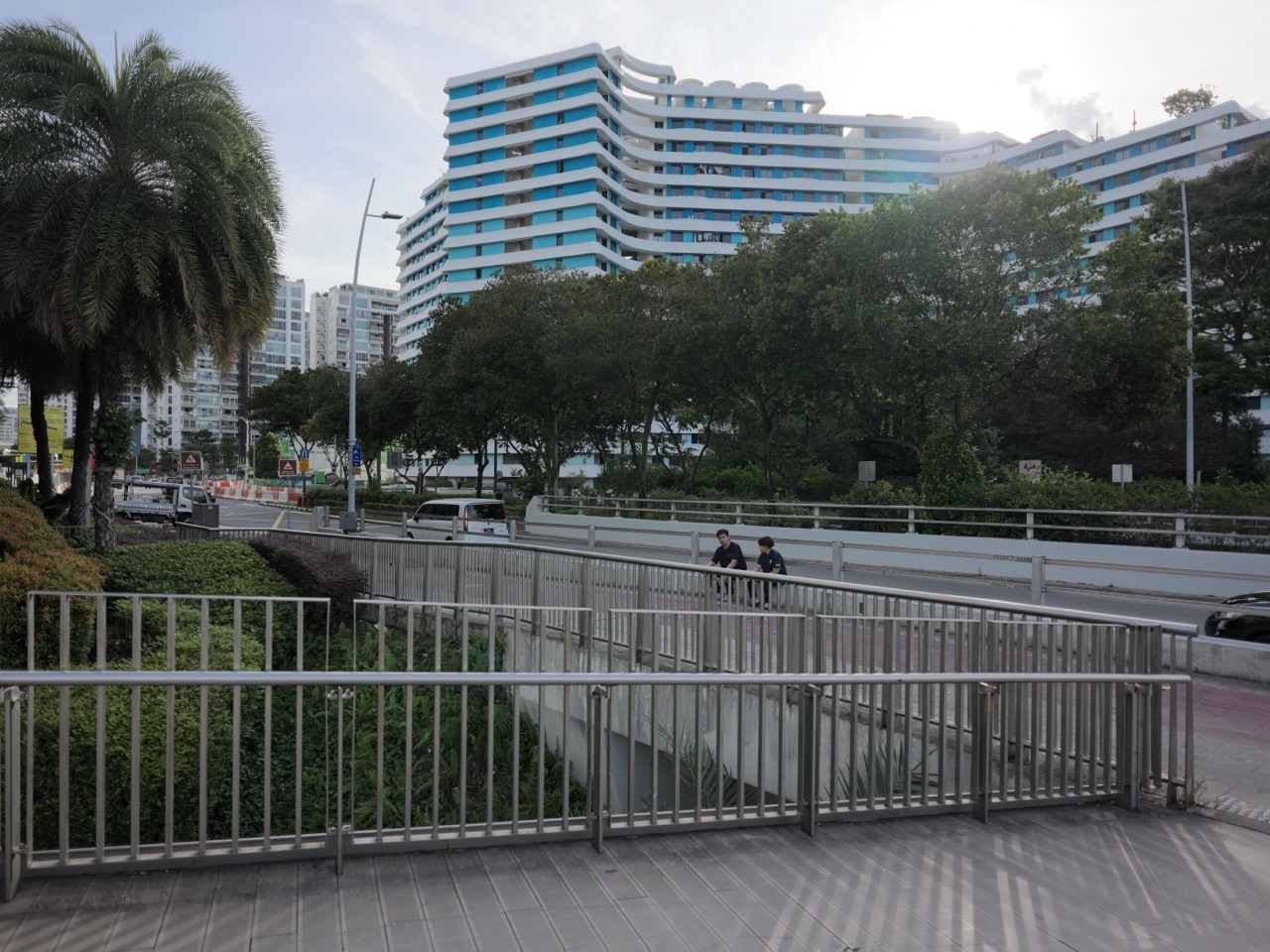
A bridge-hunting walk to find the five named Punggol Waterway bridges is one of the cleverest free things to do in Punggol during the school holidays: a checklist, a pencil and a long, breezy walk beside the water.
Every bridge is a puzzle that somebody solved before your child was born.
This is idea #3 in eduKate Punggol’s Top 100 Things to Do in Punggol During the School Holidays. Below you will find what makes each named bridge different, how to plan a walk that ends near a train home, a simple “bridge passport” idea, and a Mathematics trick that turns one bridge into a measuring tape.
A bridge is not just a way across.
It is a clue.
Each one was shaped on purpose, and a child who asks “Why does it look like that?” is already thinking like an engineer.
This idea is perfect for families who want to:
- turn an ordinary walk into a treasure hunt with a clear finish line;
- give curious children something to count, compare and sketch;
- enjoy a free morning outdoors without booking anything;
- mix fresh air with a little local history and design;
- sneak in some real Mathematics without a worksheet in sight; or
- explore Punggol end to end, one checkpoint at a time.
Quick look
- Best for: Primary 1 to Secondary 2, with preschoolers in a stroller
- Time needed: about 1 to 2 hours for the whole Waterway one way, or 45 minutes for half
- Cost: free
- Best time: 7.30am to 10am, or after 5pm
- Nearest stations: Punggol MRT/LRT and Damai LRT; Sam Kee LRT for the western side
- Rain plan: head indoors to Waterway Point or One Punggol
See all 100 school-holiday ideas · Chat with eduKate Punggol on WhatsApp · Visit eduKate Punggol on Facebook
The Punggol Waterway Bridges Are Bigger Than They First Appear
Most of us cross a bridge without looking at it. Children are no different, until you give them a reason to look.
HDB describes the Punggol Waterway as a 4.2-kilometre waterway running through the town, and NParks lists an 8.4-kilometre park connector with paths on both banks. Along it, NParks guides name five bridges: Jewel Bridge, Adventure Bridge, Kelong Bridge, Wave Bridge and Sunrise Bridge. You will also pass road bridges that carry traffic over the water. The NParks guides do not name those, which makes them perfect for children to nickname.
Five names. Five shapes. Five small stories.
A dome. A suspension bridge. A bridge shaped like a fishing platform. Each one invites a different question, and the walk between them gives children time to think.
That is the quiet magic here. You are not dragging a child along a path. You are sending a detective to collect five pieces of evidence.
The Hidden Lesson in Counting Your Steps Across Kelong Bridge
Here is a small trick that delights children from about Primary 4 upwards.
HDB’s primary worksheet for its Explorer Trail describes Kelong Bridge as 125 metres long. Ask your child to count their steps from one end to the other, walking normally.
Say they count 200 steps.
Now the puzzle: if 200 steps make 125 metres, how long is one step?
125 ÷ 200 = 0.625 metres. A little more than half a metre.
Suddenly your child owns a measuring tape they can never lose. “The playground is about 60 of my steps, so it’s roughly 37 metres long.” “The corridor at home is 40 steps, so about 25 metres.”
The bridge did not change.
The child’s sense of distance did.
This is a real Mathematics skill: using a known measurement to estimate an unknown one. A child who has felt 125 metres in their legs is far less likely to write that a classroom is 125 metres long.
Younger children can do a simpler version: “Is this bridge longer or shorter than the last one? How do you know?” Comparing, before measuring, is where it all begins.
Why Punggol Families Love a Bridge Hunt
A walk with no goal can feel endless to a seven-year-old. A walk with five checkpoints feels like a game. The paths are paved and open all day and night, and for many families the first bridge is a short walk from home.
The joys of a bridge-hunting walk
- It is free, and NParks lists Punggol Waterway Park as open 24 hours
- Five named bridges give the walk a clear beginning, middle and end
- Each bridge looks different, so there is always something new to compare
- Children practise counting, estimating and sketching without noticing
- The Heritage Zone and its old bus stop add a dose of history near Kelong Bridge
- Benches along the way make for easy snack stops
- You can stop at any point and ride the LRT home
- It works for strollers, grandparents and bigger kids alike
Best of all, finishing the hunt feels like a real achievement. Children love saying “We did all five.”
What You’ll Find: The Five Named Bridges
The details below come from NParks’ Punggol Waterway Park page and its older do-it-yourself walk guide, HDB’s Explorer Trail materials and our own Punggol Waterway Park Guide. A family guide lists the bridges from west to east in this order; check the on-site maps as you go.
Jewel Bridge: the dome at the western end
NParks says Jewel Bridge is named for its dome-shaped structure and calls it a good spot for sunsets and for spotting otters and migratory birds. That family guide places it at the western end of the Waterway, where it meets Sungei Punggol. Ask children what the dome reminds them of. Children might say a helmet, a turtle shell or half an egg.
Adventure Bridge: the one that hangs
NParks’ older guide describes Adventure Bridge as a steel suspension bridge designed to blend into the park, with views of the Waterway. It sits in the recreation area. Look for the cables and ask: “What is holding this bridge up?” Our lalang and Purple Fountain Grass guide points out the grasses NParks highlights around this bridge, which make a nice bonus find.
Kelong Bridge: a fishing platform you can walk on
Kelong Bridge is designed to resemble a kelong, an offshore fishing platform built on wooden stilts, as a tribute to Punggol’s fishing-village past. HDB places it in the heritage area of the park, close to the preserved old Punggol Road bus stop and a 160-metre stretch of the old road. Our Kelong Bridge guide has more of the story. This is the bridge for the step-counting challenge.
Wave Bridge: the mystery bridge
Wave Bridge lies further east, and the official guides say very little else about it. That makes it a gift. Let your child be the first to describe it. Is the name a clue? Does anything about it look like a wave? A bridge with no explanation is a perfect invitation to look closely and decide for yourself.
Sunrise Bridge: the early riser’s finish line
NParks places Sunrise Bridge on the eastern side of the park and says it has the best views of the rising sun. The same guide puts it near where the Waterway meets Sungei Serangoon. It makes a satisfying final checkpoint, and it is worth a return visit at dawn with an older child one day.
One rule before you set off: NParks does not allow cycling or riding devices on Kelong Bridge, Wave Bridge, Adventure Bridge or the park’s boardwalk. If anyone is on wheels, they hop off and push across.
How to Plan a Brilliant Bridge-Hunting Walk
Ten minutes of planning makes the difference between “This is fun” and “Are we there yet?”
1. Check the weather and the air
Look at the forecast and the latest readings on haze.gov.sg before you leave. October 2026 brought unhealthy haze readings to Singapore. If the air is poor, save the hunt for another day.
2. Decide: the whole Waterway or half?
Jewel Bridge and Sunrise Bridge sit at opposite ends, so they do not fit comfortably into a short walk together. NParks suggests 1 to 2 hours for its 4.2-kilometre Waterway nature walk. With younger children, split the hunt into two mornings: the western bridges one day, the eastern bridges another.
3. Make a bridge passport
Fold a sheet of paper into five boxes, one per bridge. In each box, children write the bridge’s name, one shape word (“dome”, “cables”, “stilts”) and a one-word personality (“grand”, “wobbly”, “old-fashioned”), then add a quick sketch. Leave a space for a stamp: a parent’s signature or a sticker works perfectly.
4. Choose feet over wheels
Bicycles and scooters must be pushed across three of the five bridges, and stopping to look is the whole point. This is a walking adventure. Save the bikes for idea #4.
5. Plan your exit
Because the walk is long, decide in advance where you will finish and how you will get home. Check OneMap for the LRT station nearest your last bridge, so a tired child can ride instead of walk back.
6. Set the rhythm
Agree on a water break at every bridge and one snack stop in the middle.
A Sample Holiday Day, Hour by Hour
This plan covers the whole Waterway from west to east on a weekday morning. Shorten it as you like.
7.30am: Breakfast and passports
A simple breakfast, then hand out the bridge passports and pencils. One child is the navigator; another is the step counter.
8am: Jewel Bridge
Start at the western end while the air is cool. Spend five minutes on the dome: sketch it, name it, guess why it was built that way. Look out over the water for birds.
8.45am: Adventure Bridge and the grasses
Walk on to the recreation area. Find the cables, feel how the bridge is supported, and look for the feathery grasses nearby. Snack and water break.
9.30am: Kelong Bridge and the old road
Count steps across Kelong Bridge, then visit the old bus stop in the Heritage Zone. Ask: “Who do you think waited here, and for which bus?”
10.15am: Wave Bridge
The mystery bridge. Let the children decide on its personality before you tell them anything.
11am: Sunrise Bridge and home
Final stamp. Take a photo of the “five-bridge champions”, then ride the LRT or bus home, or head to a nearby mall for lunch.
Afternoon: Build your own bridge
After a rest, build a paper bridge between two stacks of books and test how many coins it holds. Fold the paper into a zigzag and try again. Which was stronger?
Three Ways to Enjoy It
Same bridges, very different adventures, depending on who is holding the passport.
For little explorers (Primary 1–3)
Keep it short and playful. Two or three bridges are a great first outing. Focus on shapes and comparisons: “Which bridge is longest? Which is curviest? Which one would a giant like?” Let them collect a stamp or sticker at each one. Preschool siblings can ride in the stroller and shout out when they spot the next bridge.
For big kids (Primary 4–6)
Hand over the map and the stopwatch. Big kids can do the step-length challenge on Kelong Bridge, time how long each section takes, and work out an average. Ask them to sketch two bridges side by side and label the parts that hold each one up. Primary 6 children enjoying the post-PSLE break often like being trusted to lead the whole route.
For teens (Secondary 1–4)
Teens might enjoy a photography brief: one strong photo of each bridge from an unusual angle, with a one-line caption. Others may like a design question: why might NParks keep bicycles off certain bridges and boardwalks? A dawn visit to Sunrise Bridge with a friend makes a lovely teen challenge on another day.
The Learning Bridge: Mathematics Without the Worksheet
A bridge hunt is full of Mathematics, quietly hidden in the walking.
- Measurement: The Kelong Bridge step challenge practises metres and centimetres, division and estimation. Primary Mathematics includes a Measurement and Geometry strand, and this is exactly the kind of real-life sense-making that helps a child judge whether an answer is reasonable.
- Geometry: Domes, curves, straight beams and cables are shapes in action. Spotting lines of symmetry in a bridge, or the triangles that appear in many structures, builds visual reasoning.
- Time: Recording when you reached each bridge, then working out how long each stretch took, practises durations, a skill that turns up in many word problems.
Keep it gentle. One good question per bridge is better than ten. If you would like to use the holidays to strengthen Mathematics in a calm, structured way, our article on using the school holidays for Mathematics explains how to repair, consolidate or prepare ahead.
Little Hiccups and How to Dodge Them
Most problems on a long walk are small and predictable. Here are the usual ones.
The midday heat
Shade is patchy on long stretches of the Waterway. Start early, carry plenty of water and rest in the shade. On very hot days, check the MSS heat stress advisory.
Rain and lightning
Bridges are exposed places. The year-end holidays fall in the Northeast Monsoon season, when thundery showers are common in the afternoons. If you hear thunder or see lightning, get off the bridges and open paths and head indoors. MSS has a lightning alert page for real-time information.
Haze days
When readings on haze.gov.sg are high, skip the outdoor walk. Our Punggol haze indoor activities guide has ideas for staying in.
Shared paths and no-ride bridges
Cyclists, joggers and dog-walkers share the Waterway. Keep left, stop to one side when sketching, and do not block bridges for photos. Riders must dismount on Kelong, Wave and Adventure Bridges.
Railings and edges
Children love to peer over the side. Teach them to look, not lean, and never climb on railings or reach towards the water.
Tired legs halfway
This is why the exit plan matters. If energy runs out at bridge three, celebrate three and come back for the rest. The passport will wait.
What a Great Day Looks Like
You will know the hunt worked when the children:
- can name at least three bridges without peeking at the passport;
- describe how two bridges are different, using words like “dome”, “cables” or “stilts”;
- worked out (or tried to work out) the length of their own step;
- noticed something you had walked past a hundred times;
- want to show someone else “their” bridges; and
- start pointing out bridges everywhere else they go.
That last one means the habit of looking has started to stick.
When to Go
According to MOE, primary and secondary pupils are on their year-end holidays from Saturday 21 November to Thursday 31 December 2026. Some secondary students at schools used as O-Level venues began their break after Friday 23 October. The 2027 school year starts on Monday 4 January, and MOE’s 2027 calendar lists the March (13 to 21 March), June (29 May to 27 June) and September (4 to 12 September) holidays, with the next year-end break from 20 November 2027.
Early mornings, from about 7.30am, are coolest and calmest. Late afternoons are pleasant too, and Jewel Bridge is a lovely place to finish at sunset. With the Northeast Monsoon usually arriving around the end of November, plan to be off the bridges before the afternoon storms. Weekday mornings are generally quieter than weekends.
Getting There from Around Punggol
NParks lists Punggol MRT (NE17) and Damai LRT (PE7) as the nearest stations to Punggol Waterway Park, and Sam Kee LRT (PW1) is close to the western side. Use OneMap to find the station nearest your starting bridge and your finishing bridge.
NParks lists bus stop 65481 (Bef Punggol Dr) for the Waterway park connector, served by service 382. Some NParks pages still list an older service that was replaced by 84G and 84W in 2024, so check MyTransport.SG or your bus app on the day. If you drive, NParks lists two small carparks along Sentul Crescent (Carpark A with 18 car lots and Carpark B with 15 car lots), and parking fees apply.
Location: Punggol Waterway Park and the Punggol Waterway park connector, along Sentul Crescent
Nearest MRT/LRT: Punggol MRT (NE17), Damai LRT (PE7), Sam Kee LRT (PW1)
Entry: free, open 24 hours
Quick Details
Activity: a self-guided walk to find the five named bridges along the Punggol Waterway
Where: Punggol Waterway Park and the Punggol Waterway park connector
Best ages: Primary 1 to Secondary 2; split into two shorter walks for under-7s
Cost: free
Time needed: 1 to 2 hours one way for the whole Waterway; 45 minutes for half
Booking: none needed
Accessibility: NParks lists the park as wheelchair accessible and elderly friendly; the park connector is listed as wheelchair friendly
Status checked: October 2026, NParks park page (no closures listed for the park at the time of checking)
What to Bring
- A bridge passport (folded paper with five boxes) and pencils
- Refillable water bottles for everyone
- Hats, sunscreen and insect repellent
- Small snacks and a bag for rubbish
- A phone or camera for photos
- A stopwatch or phone timer for big kids
- A light umbrella or raincoat
- Your OneMap route and your LRT exit plan
Frequently Asked Questions
How many named bridges are there on the Punggol Waterway?
NParks guides name five: Jewel Bridge, Adventure Bridge, Kelong Bridge, Wave Bridge and Sunrise Bridge. Road bridges also cross the water, but they are not named in these guides.
How long does the whole bridge hunt take?
NParks suggests 1 to 2 hours for its 4.2-kilometre nature walk along the Waterway. With sketching and snack stops, allow a full morning, or split it over two days.
Can we cycle across all the bridges?
No. NParks does not allow cycling or riding devices on Kelong Bridge, Wave Bridge, Adventure Bridge or the park’s boardwalk. Dismount and push across.
Which bridge is best for sunrise or sunset?
NParks highlights Sunrise Bridge for sunrise and Jewel Bridge for sunset. They are at opposite ends of the Waterway, so pick one per visit.
Is Kelong Bridge a real kelong?
No. It is a modern bridge designed to look like a kelong, the wooden fishing platforms on stilts that once stood off Punggol’s coast. It is a tribute to the area’s fishing-village past.
Can we fish from the bridges?
No. NParks states that fishing is not allowed in Punggol Waterway Park.
Helpful Reading for Punggol Families
- Top 100 Things to Do in Punggol During the School Holidays
- Punggol School Holiday Guide: A Week-by-Week Plan for the Year-End Break
- Punggol Waterway Park Guide
- Kelong Bridge Punggol: The Fishing-Village Design at Waterway Park
- Sunrise Bridge or Jewel Bridge? Choose Your Morning or Evening Walk
- Can You Cycle Across Punggol Waterway Bridges?
- Urban Sketching in Punggol for Beginners
- School Holiday Mathematics Plan: Repair, Consolidate or Prepare Ahead?
- NParks: Punggol Waterway Park
- NParks Park Connector Network: Punggol Waterway
Punggol Waterway Bridges for Punggol Families
A bridge can be a crossing, or a question.
A dome becomes a guessing game.
Cables become a lesson in balance.
A fishing platform becomes a doorway into Punggol’s past.
For little ones, the bridges are checkpoints in a treasure hunt.
For big kids, they are a measuring tape, a map and a stopwatch.
For teens, they are a study in design and a canvas for photos.
And for parents, they are a reminder that the best puzzles in Punggol were here all along, waiting for someone small to ask, “Why is it shaped like that?”
Plan the Rest of Your School Holidays
Three ideas down, ninety-seven to go. Browse the full Top 100 Things to Do in Punggol During the School Holidays, or bring out the bicycles for idea #4, Cycle the Punggol Waterway, where you will meet these same bridges at a faster pace.
And if a calm, small-group learning block is also on your holiday list, eduKate Punggol teaches English, Mathematics and Science in classes of three. Come find out more.
Book a consultation · Chat on WhatsApp
eduKate Punggol
Small-group English, Mathematics and Science
Primary and Secondary
By appointment · +65 8823 1234
Properly taught kids shine a bright light into the future.
← Previous: #2 Splash and Slide at Happy Park · All 100 ideas · Next: #4 Cycle the Punggol Waterway →
Checked October 2026. Opening hours, prices, programmes and closures change, so please confirm with the official source before you go.


