
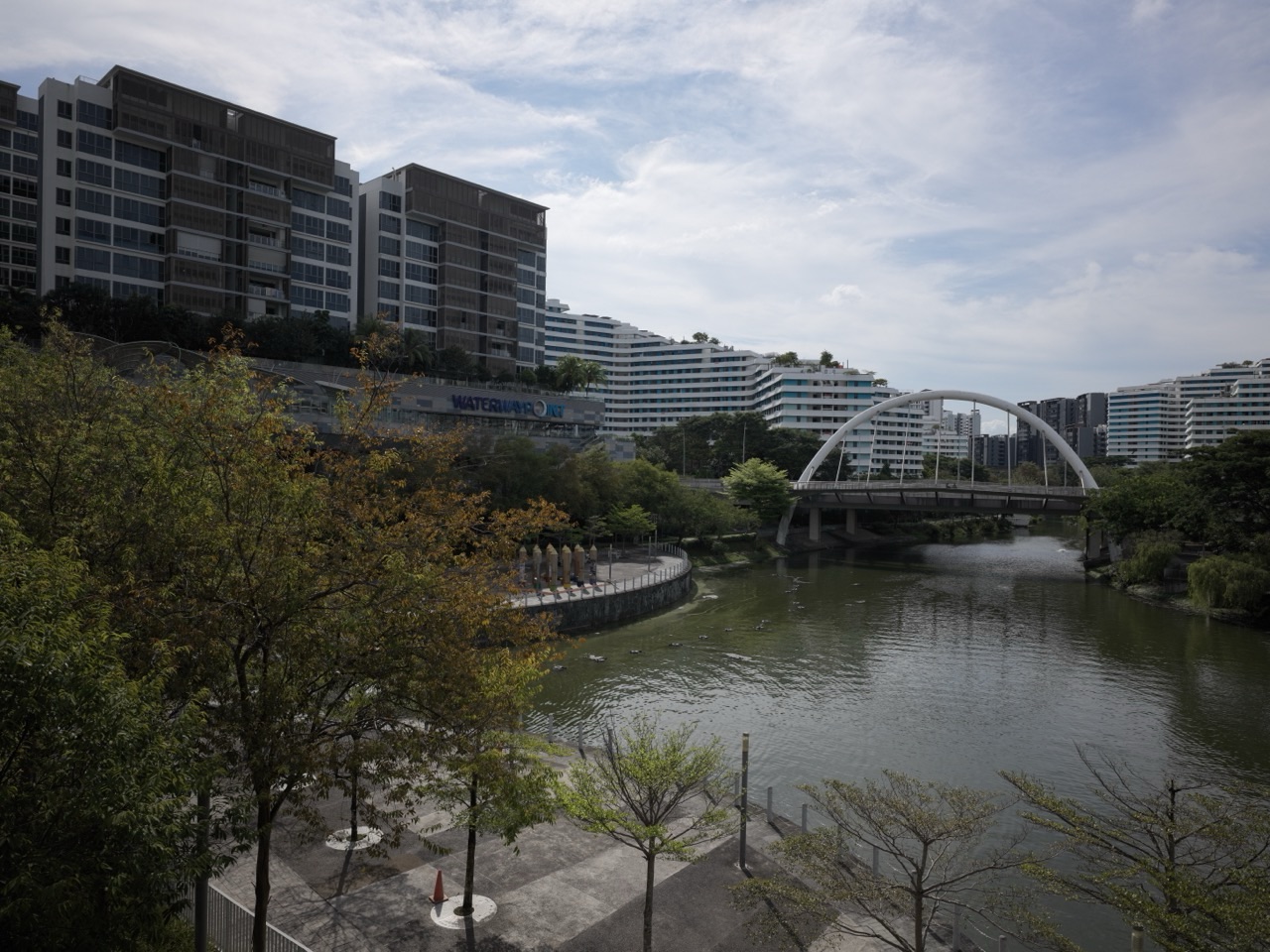
Before you book enrichment classes in Punggol, a four-week hobby test drive is one of the smartest things to do in Punggol during the school holidays: cheap, low-pressure and surprisingly revealing.
Somewhere in Punggol there is a ukulele under a bed. It was bought in a burst of excitement, played twice, and has been quietly gathering dust ever since.
This is idea #86 in eduKate Punggol’s Top 100 Things to Do in Punggol During the School Holidays. Here you will find a simple four-week method for testing a new interest before paying for a term of classes, the free and low-cost Punggol places where you can try it, and the questions that separate a passing craze from a real passion.
The point is not to find the perfect class straight away.
It is to find out what your child actually enjoys when the novelty wears off.
That usually happens around week three.
This idea is perfect for families who want to:
- avoid paying for a term of classes that ends in tears;
- let a child explore several interests without pressure;
- use free Punggol spaces before spending money;
- teach a child to tell “hard” from “not for me”;
- make a calm, shared decision about enrichment for 2027; or
- give the holidays a gentle thread that runs from November to Christmas.
Quick look
- Best for: Primary 1 to Secondary 4, with preschool versions
- Time needed: 15 to 60 minutes a few times a week, for four weeks
- Cost: close to nothing in weeks one to three; a paid class only if it passes the test
- Best time: start in the first week of the holidays and decide before Christmas
- Nearest MRT/LRT: Punggol MRT and Sam Kee LRT (One Punggol), Punggol Coast MRT (Comics & Games Library)
- Rain plan: most test-drives happen at home or in the library
See all 100 school-holiday ideas · Chat with eduKate Punggol on WhatsApp · Visit eduKate Punggol on Facebook
Choosing Enrichment Classes in Punggol Is Bigger Than It First Appears
Punggol has no shortage of classes. Swimming, gymnastics, music, art, coding, drama, taekwondo. Malls, SAFRA Punggol, community clubs and the library all have something on offer.
That is the problem.
With so much choice, families often book the first class that sounds good, pay for a term, and discover in week three that the child is not as keen as they seemed in the brochure.
It is nobody’s fault. New things are exciting. Then they become work. That dip is normal, and it is exactly when a child decides whether something is “theirs”.
Our hobby test-drive guide suggests a better order: try the hobby cheaply first, let the novelty fade, and only then consider a paid class. If the interest survives four weeks of small, honest practice, the class is far more likely to be money well spent.
And if it does not survive? That is a perfectly good result too. You found out for free.
The Hidden Lesson in Week Three
Imagine an eight-year-old called Mei. In week one, she draws cartoon faces every evening and fills six pages.
In week three, she tries drawing a whole person and the hands come out like bunches of bananas. She crumples the paper. “I hate drawing.”
Her father waits a moment, then asks a careful question. “Do you hate drawing, or do you hate drawing hands?”
A long pause.
“Hands.”
That one question changes everything. Mei does not dislike drawing. She has hit the hard part, the part where skill has to grow. Knowing the difference between “this is hard” and “this is not for me” is one of the most useful things a child can learn, in hobbies and far beyond them.
Teachers hear the same confusion every term. A child who says “I hate Maths” often means “I find fractions hard right now”. A child who says “I’m bad at English” may mean “I don’t know how to start a composition”. Name the hard part precisely, and it becomes something you can practise.
Why Punggol Families Love Test-Driving Enrichment Classes
Parents like it because it protects the family budget and calendar. Children like it because nobody is forcing them to stick with something for a whole term.
The joys of a four-week test drive
- Weeks one to three cost almost nothing
- Children can try two or three interests side by side
- Free Punggol spaces, such as the library and the Waterway, do much of the work
- The child’s own enjoyment ratings guide the decision, not a brochure
- It builds honest conversations about effort and enjoyment
- Quitting a free test is easy and guilt-free
- If you do enrol, you choose with real evidence
- It fits neatly into the six weeks of the year-end break
What to Expect: The Four-Week Method
Here is the method from our test-drive guide, with Punggol places for each step.
Week 1: The no-booking test
Pick something small and use what you already own: a ten-minute drawing, one board-game rule, a short rhythm tapped on the table, a phone photo story. Afterwards, the child writes one sentence about what they enjoyed. No purchases, no bookings.
Week 2: Find a real Punggol setting
Take the hobby somewhere new. Board games and comics can move to the Comics & Games Library at Punggol Coast Mall, which is free to enter. Sketching and photography can move to a public path along Punggol Waterway Park. Making and tinkering can move to Punggol Regional Library (NLB also calls it Punggol Library), where NLB describes Spark!Lab on Level 2 as a hands-on tinkering space for ages 7 to 12.
Week 3: One small improvement
Choose one skill to get a little better at: outlines and proportion in drawing; wide, middle and close shots in photography; explaining one game’s rules clearly; repeating one rhythm without stopping. This is where the novelty fades and the real test begins.
Week 4: Continue, enrol or let it go
Now compare a real class against what you have learnt: time, travel, fees, materials, cancellation rules and safety. The test-drive guide is clear that not enrolling is an acceptable outcome. If the hobby has passed, book it properly and keep the payment and consent records.
Where to test-drive in Punggol
- One Punggol CC: short courses on onePA, such as art and drama; see idea #85
- MakeIT at Punggol Regional Library (Level 4): NLB lists it as open Wednesday to Sunday, 12pm to 8.30pm, recommended for ages 13 and above; Starter Sessions need sign-up, and workshops and equipment use are free for NLB members
- Comics & Games Library, Punggol Coast Mall: free entry with an NLB ID or QR day pass
- Punggol Waterway Park: open 24 hours, for sketching and photography; our test-drive guide notes that commercial filming in parks may need an NParks permit
- SAFRA Punggol: tenants include BazGym Gymnastics School, which offers movement classes for preschool and primary children, and Bubble Buddies swim school
How to Plan a Brilliant Hobby Test Drive
1. Shortlist no more than three hobbies
Ask the child. Write the three on the fridge. More than three, and nothing gets a fair trial.
2. Set a tiny budget and a time box
Agree that weeks one to three use what you already own, and that each session lasts 15 to 30 minutes. Short sessions keep it fun.
3. Keep a hobby diary
After each try, the child rates it from one to five and writes one line. By week four, you have real evidence.
4. Use free Punggol spaces first
The library, the Comics & Games Library and the Waterway cost nothing to visit. Save paid venues for week four.
5. Watch a trial class with a checklist
If you try a paid trial, our enrichment classes guide suggests noticing whether the instructor learns your child’s name, how much practice time there is, how long children wait, the quality of feedback, whether the level fits, and whether your child wants to go back.
6. Ask the right questions
Minimum age, prerequisites, whether a parent must stay, the cancellation and refund policy, recurring costs such as materials, and the indoor alternative if the weather changes. For sports coaches, Safe Sport has a short guide for parents.
7. Decide together
Look at the diary ratings side by side. Let the child make the case. Then decide as a family.
A Sample Holiday Day, Hour by Hour
Here is a week-two day for a family testing board games and tinkering, with a teenager trying MakeIT. Check every opening time live.
9am: The fifteen-minute home test
Each child does a short session of their hobby at the dining table, then rates it.
10.30am: Library and the tinkering lab
Head to Punggol Regional Library. The 7 to 12-year-old explores the Level 2 tinkering space; everyone borrows one book about their hobby.
12.15pm: Lunch at One Punggol
One Punggol Hawker Centre is on Level 2. Compare ratings so far.
1.30pm: MakeIT for the teen
If the teen has booked a Starter Session, now is their time. MakeIT opens at 12pm from Wednesday to Sunday.
3.30pm: Board games at Punggol Coast
Ride to Punggol Coast MRT and try one new game at the Comics & Games Library, if a table is free.
Evening: Ratings and one sentence
Each child adds today’s rating and one line to the diary: “Best moment” or “Hardest moment”.
Three Ways to Enjoy It
For little explorers (Primary 1–3)
Keep tests very short and playful: drawing, dancing to a song, building with recycled boxes, splashing at a swim lesson. Movement classes at places such as BazGym cater for preschool and primary ages. Preschool siblings can test-drive too, with stickers instead of ratings.
For big kids (Primary 4–6)
This is the sweet spot. They can keep their own diary, compare hobbies honestly and present their decision to the family. The library’s Level 2 tinkering lab, for ages 7 to 12, is a natural week-two venue for young inventors. After the PSLE, a Primary 6 child can test a hobby purely for joy before secondary school CCAs begin.
For teens (Secondary 1–4)
Teens can run the whole test themselves. MakeIT, recommended for ages 13 and above, suits teens interested in 3D printing, cutting machines or sewing. Remind them that some machines need MakeIT certification. Teens choosing between hobbies and a new CCA in 2027 can use the diary as evidence.
The Learning Bridge: Mathematics and English Without the Worksheet
A test drive is not schoolwork, but it uses school skills naturally.
- Mathematics: Turning diary ratings into a simple bar graph practises Statistics, and comparing a class’s cost per session practises money and division.
- English: One honest sentence after each session builds reflective writing, and making the case for a hobby at the family meeting practises clear, persuasive speaking.
- Science: Trying each hobby in similar conditions (same time of day, same length of session) is a gentle introduction to fair testing.
Our test-drive guide adds a sensible caution: hobbies are not guaranteed to improve academic results. Choose them for joy. For how this fits into the wider break, see our article on rest, repair, reading, exploration and preparation.
Little Hiccups and How to Dodge Them
The novelty fades
Expect it in week two or three. Ask “Is this hard, or is this not for me?” before deciding.
The urge to buy equipment
Resist until week four. Borrow, reuse or use what you have. The ukulele under the bed is a warning.
Classes are full or closed
Many listings close before the first lesson. Note closing dates in week three so you are ready to book in week four.
A sibling copies or compares
Let each child test different hobbies, or at least keep separate diaries.
Haze, rain and lightning
For outdoor hobbies, check haze.gov.sg, the lightning alerts and the heat stress advisory. Move sketching indoors on poor days. Our haze-day indoor ideas can help.
The parent’s dream, not the child’s
Sometimes the hobby we hope for is not the one the child loves. The diary helps everyone be honest.
What a Great Day Looks Like
You will know the test drive is working when your child:
- does the hobby at least once without being reminded;
- talks about a specific skill, not just “it was fun”;
- pushes through a frustrating moment and tries again;
- rates honestly, including the low scores;
- explains why they want to continue or stop; and
- makes a decision they own.
When to Go
The 2026 year-end school holidays for MOE primary and secondary schools run from Saturday 21 November to Thursday 31 December 2026, according to MOE. That gives you a neat schedule: week one from 21 November, week two from 28 November, week three from 5 December and week four from 12 December, with the decision made before Christmas.
PSLE results are tentatively expected on 24 to 25 November, so keep those days light. MakeIT is closed on Mondays, Tuesdays and public holidays, and on 24 and 31 December. Term I begins on Monday 4 January 2027, around when many term-long classes start again. MOE’s 2027 calendar also lists the March, June and September breaks if you want to run another test drive.
Getting There from Around Punggol
Punggol Regional Library and One Punggol CC share One Punggol at 1 Punggol Drive; NLB lists Punggol MRT and Sam Kee LRT as the nearest stations. The Comics & Games Library is at #01-140, 88 Punggol Way, near Punggol Coast MRT. SAFRA Punggol, at 9 Sentul Crescent, is served by Sam Kee LRT Exit A. Waterway Park sketching spots are walkable from most of Punggol.
Location: One Punggol, 1 Punggol Drive / Punggol Coast Mall, 88 Punggol Way / SAFRA Punggol, 9 Sentul Crescent
Nearest MRT/LRT: Punggol MRT and Sam Kee LRT / Punggol Coast MRT
Entry: library and Comics & Games Library free; classes priced per provider
Quick Details
Activity: a four-week test of a new hobby before paying for enrichment classes
Where: home, Punggol Regional Library, the Comics & Games Library, Punggol Waterway Park, One Punggol CC and SAFRA Punggol
Best ages: Primary 1 to Secondary 4; MakeIT is recommended for 13 and above
Cost: close to free for three weeks; then a class only if it passes
Time needed: 15 to 60 minutes a session, several times a week
Booking: none for weeks one to three; MakeIT Starter Sessions and classes need registration
Accessibility: library and malls are indoors; check each venue for details
Status checked: October 2026, NLB MakeIT page and onePA course search (prices and schedules change by provider and term)
What to Bring
- A small notebook for the hobby diary
- Pencils, coloured pens or a phone camera
- An NLB card or the NLB app
- A water bottle
- A light umbrella
- Any equipment you already own; no new purchases yet
- A list of questions for any trial class
Frequently Asked Questions
How do I choose enrichment classes in Punggol?
Try the hobby cheaply for four weeks first, keep a simple diary of enjoyment, then compare real classes on time, travel, fees, materials, cancellation rules and safety.
Are trial classes free?
It depends on the provider. Some charge for trials and some do not, so ask before booking.
What if my child wants to stop after one week?
Wait until week three if you can, and ask whether the hobby is hard or genuinely not for them. If it is not for them, stopping a free test costs nothing.
Can my ten-year-old use MakeIT?
NLB recommends MakeIT for ages 13 and above for safety and states no hard minimum. Spark!Lab, for ages 7 to 12, is often a better fit for younger makers.
How much should we spend during the test month?
As little as possible. Use what you already own until week four.
Will a hobby improve my child’s grades?
It is not guaranteed, and that is not the point. Choose hobbies for enjoyment and balance.
Helpful Reading for Punggol Families
- Top 100 Things to Do in Punggol During the School Holidays
- Punggol School Holiday Guide: A Week-by-Week Plan for the Year-End Break
- Try a New Hobby in Punggol: A Four-Week Test Drive
- Enrichment Classes in Punggol: Swimming, Coding, Music, Art and Sport
- MakeIT at Punggol Library: Workshops and Equipment Booking
- Creative Things to Do in Punggol
- Music, Dance and Drama in Punggol
- School Holidays Are Part of Education
- NLB: MakeIT at Libraries
- onePA: Course Search
A Hobby Test Drive for Punggol Families
A sketchbook becomes a laboratory.
A diary becomes evidence.
A family meeting becomes a fair decision.
For little ones, it is a month of happy experiments.
For big kids, it is learning to tell “hard” from “not for me”.
For teens, it is choosing their own path with their eyes open.
And for parents, it is the quiet satisfaction of a class that gets used, and a ukulele that finally gets played.
Plan the Rest of Your School Holidays
There is plenty more to try in the Top 100 Things to Do in Punggol During the School Holidays. For a day that brings the whole family together, idea #87, a grandparents’ day out, starts on the very first Saturday of the break.
And if a calm, small-group learning block is also on your holiday list, eduKate Punggol teaches English, Mathematics and Science in classes of three. Come find out more.
Book a consultation · Chat on WhatsApp
eduKate Punggol
Small-group English, Mathematics and Science
Primary and Secondary
By appointment · +65 8823 1234
Properly taught kids shine a bright light into the future.
← Previous: #85 A One Punggol CC course · All 100 ideas · Next: #87 Grandparents’ day out →
Checked October 2026. Opening hours, prices, programmes and closures change, so please confirm with the official source before you go.


