
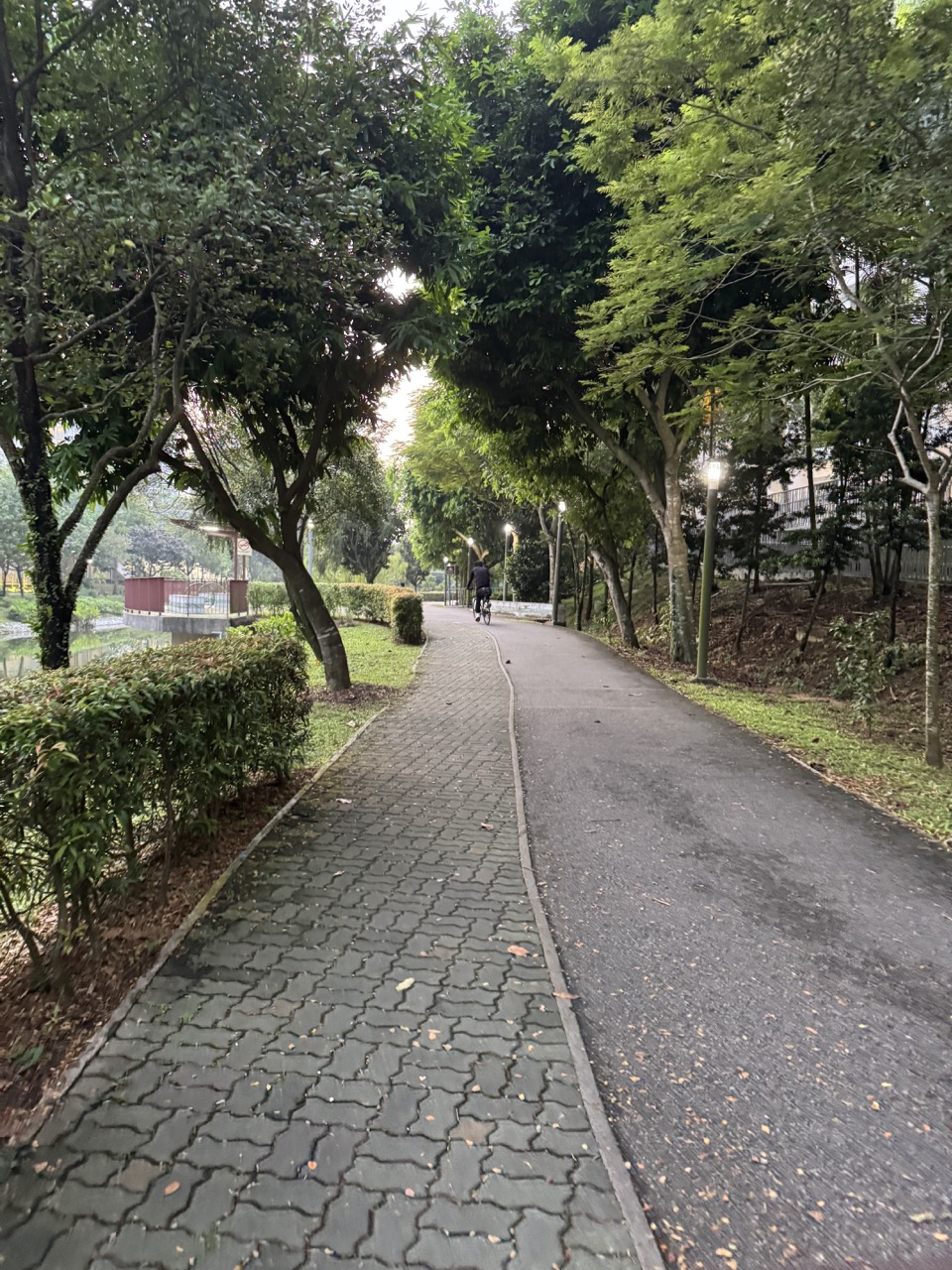
A first cast at a designated spot is the right way to start fishing in Punggol, one of the most patient things to do in Punggol during the school holidays: early light, a quiet platform and a lesson in waiting.
Here is a bold claim: most of the water you can see in Punggol is off-limits to a fishing rod. That is exactly why the few legal spots are worth knowing well.
This is idea #19 in eduKate Punggol’s Top 100 Things to Do in Punggol During the School Holidays. This guide sorts out the fishing Punggol families can legally enjoy and where it is not allowed, the rules NParks and PUB set, how to plan a safe first session with children, and what to do if you would rather try a guided or commercial option.
Fishing is mostly waiting.
That is the point.
A child who learns to sit with a line in the water, watch carefully and stay calm when nothing happens is learning patience, focus and self-control, skills that matter long after the rod is packed away.
This idea is perfect for families who want to:
- try fishing legally and responsibly, without guesswork;
- give a restless child a calm, absorbing focus;
- share a traditional pastime with a grandparent or parent who fishes;
- learn about water, wildlife and conservation in a hands-on way;
- teach teens a responsible, rule-based outdoor hobby; or
- spend an early morning by the water together.
Quick look
- Best for: Primary 4 to Secondary 4 with an adult; younger children as watchers and helpers
- Time needed: 2 to 3 hours including the walk to the platform
- Cost: free at public designated spots, apart from your own gear
- Best time: early morning, before the heat and the afternoon storms
- Nearest LRT: Riviera LRT (PE4), then the Riverside Walk to the Nature Walk
- Rain plan: pack up at the first sign of a storm and head indoors; never fish in lightning
See all 100 school-holiday ideas · Chat with eduKate Punggol on WhatsApp · Visit eduKate Punggol on Facebook
Fishing in Punggol Is Bigger Than It First Appears
Punggol is a town built around water. There is the Waterway, two reservoirs, the coast and the channel around Coney Island.
So you might expect to fish almost anywhere.
You cannot.
NParks says plainly: “Fishing is only permitted at designated areas.” On its park pages, NParks lists “Do not fish” for Punggol Waterway Park and “Do not camp or fish” for Coney Island Park. PUB’s list of designated reservoir fishing sites does not include Punggol Reservoir or the Punggol Waterway, although it does include Serangoon Reservoir.
Where can families go, then? NParks describes the Punggol Promenade Nature Walk as having “a number of fishing platforms and rest shelters along its meandering track”. These platforms are the clearest, best-supported public fishing option in Punggol for a first family session.
That is what makes this idea bigger than a fishing trip. Before a single cast, children learn something important: water is shared, rules exist for reasons, and responsible people check before they act.
The Hidden Lesson in Fishing at a Designated Spot
A ten-year-old points at the Waterway. “There are fish there. Why can’t we fish there?”
It is a great question.
“What do you notice about the Waterway?”
“There are lots of people walking and cycling. There are kayaks sometimes. There are otters.”
“So if everyone fished there, what might happen?”
“Hooks and lines everywhere. Someone could get hurt. The otters could get tangled.”
That is the hidden lesson: rules make more sense when you can see the reasons. NParks asks anglers not to string fishing line across paths because it may be invisible to others, to keep a distance from boats and people doing water activities, to bin old line and hooks, and not to harm otters. A child who works out the “why” behind a rule is far more likely to follow it, and is practising the same reasoning they will use in Science explanations and English argument writing.
Why Punggol Families Love Fishing at the Nature Walk
Done properly, a morning at a designated platform is calm, rewarding and surprisingly social.
The joys of a family fishing morning
- The Nature Walk platforms are a confirmed, designated public option
- Public fishing at designated spots costs nothing beyond your gear
- Early mornings by the water are peaceful and beautiful
- Children learn real skills: knots, casting, patience and care
- Rest shelters along the Nature Walk offer shade breaks
- Coney Island across the water makes a lovely, green backdrop
- Even “no catch” days are full of things to watch
- It builds a respectful, conservation-minded attitude to nature
And when a float finally twitches, nobody in the family will forget the moment.
What You’ll Find: Where You Can and Cannot Fish
Here is the honest picture, based on NParks and PUB pages and our own Prawning and Fishing in Punggol guide.
Yes: the Nature Walk fishing platforms
NParks says the Punggol Promenade Nature Walk has a number of fishing platforms along its track. Use the platforms, not the shared path or an unmarked railing, and follow any signs posted on site.
Possibly: Serangoon Reservoir’s designated stretch
PUB lists Serangoon Reservoir among its designated fishing sites, but the boundaries are shown only on PUB’s map. If you want to fish there, check PUB’s fishing page and the signs, and never enter restricted embankments.
Check first: Punggol Point Walk
Our site’s fishing guide mentions a designated section along the Punggol Point Walk. We could not confirm this on the NParks Point Walk page, and the area is affected by the closure of Punggol Point Park, where works are expected to finish by 31 December 2027. For a first family session, the Nature Walk is the simpler choice.
No: Waterway Park, Coney Island and Punggol Reservoir
NParks does not allow fishing in Punggol Waterway Park or Coney Island Park. PUB’s designated sites do not include Punggol Reservoir or the Punggol Waterway. However tempting the water looks, please do not fish there.
A guided alternative for teens
SAFRA Punggol’s water-activity operator lists a freshwater kayak fishing tour, a guided, operator-run session that is quite different from casting from a public platform. It suits keen teens with a parent; prices, ages and dates change, so check live.
What about prawning?
The prawning outlet at the Punggol East Container Park is not a holiday option, because tenants there were told to stop operating by 31 October 2026. Our prawning guide lists Riviera Prawning at Punggol East as another venue, but we could not independently confirm its status for November and December 2026, so check live before you go.
How to Plan a Brilliant First Fishing Session
1. Check weather and air quality
Look at the forecast and haze.gov.sg. October 2026 brought unhealthy haze readings to Singapore. NParks advises anglers to check the weather and to stop fishing and seek shelter in bad weather.
2. Learn the gear rules
At reservoirs and waterways, NParks says to use only artificial bait and carbon steel micro-barb or barbless hooks, and PUB says fly fishing is not allowed. Read the signs at your platform too. Neither the NParks nor the PUB page we checked mentions a licence or a minimum age, but PUB says children should be accompanied by adults.
3. Keep the kit simple
A basic rod, a few legal hooks and artificial lures, a small tackle box, pliers or a hook remover, and a container for used line. Practise tying a simple knot at home.
4. Decide who handles hooks
With children, one adult is the “hook supervisor” until everyone can handle hooks safely. Our fishing guide puts it well: the first rule is not how to catch more, but knowing where the hook is before you move the rod.
5. Practise casting at home first
In an open space, practise the casting movement with no hook, just a light practice weight or a soft plug, so the real cast is controlled and safe.
6. Agree on catch-and-release
NParks encourages catch-and-release if you will not eat the fish, returning it to the water quickly. NParks also asks anglers to release any protected species. Prepare the camera before lifting a fish, so it is out of the water for the shortest possible time.
A Sample Holiday Day, Hour by Hour
6.45am: Breakfast and a gear check
A quick breakfast. Check the rod, hooks, lures, pliers, line container, water and sunscreen.
7.15am: LRT to Riviera
Take the LRT to Riviera (PE4), use Exit A, and walk the Riverside Walk towards the Nature Walk.
7.45am: Choose a platform
Pick a platform with space, away from other anglers and walkers. Read any signs together.
8am: Safety talk and first casts
Look behind before every cast. Children take turns: one casts, one watches the float, one keeps the log.
9am: Snack and a “nature watch”
Put the rods down safely for ten minutes. Look for birds, otters or ripples. Note what you see.
9.45am: Last casts and the line sweep
Pack up while the morning is still cool. Everyone checks the platform and ground for line, hooks and wrappers.
10.30am: Lunch and the story
Head back for an early lunch. Each person tells the story of their best moment, catch or no catch.
Afternoon: Learn about fish
While the afternoon showers fall, look up how fish breathe and how anglers can return a fish safely.
Three Ways to Enjoy It
For little explorers (Primary 1–3)
Young children are best as watchers and helpers. Let them watch the float, keep a “nibble tally”, spot birds and help with the line sweep. Keep sessions short and always keep them back from the platform edge and away from hooks. Preschool siblings are happiest on a separate outing.
For big kids (Primary 4–6)
With close adult supervision, older primary children can learn to cast, watch the float and reel in. Give them the fishing log to fill in: time, weather, water, what happened. Praise patience and careful handling more than catches.
For teens (Secondary 1–4)
Teens can build a “responsible angler” checklist from the NParks and PUB rules and take charge of the safety brief. Curious teens might also enjoy Punggol’s fishing heritage: our article on Punggol’s old fishing port tells the story of the working waterfront.
The Learning Bridge: Science Without the Worksheet
- Science: Primary Science looks at how living things are suited to where they live. Talking about how fish breathe with gills, why otters and birds share the water, and why line left behind harms wildlife connects a fishing morning to real Science ideas.
- Mathematics: A fishing log with times, tallies of bites and simple comparisons (“more bites before 9am or after?”) practises collecting and reading data.
- English: Writing a short, persuasive “Why we follow fishing rules” poster for younger siblings practises giving reasons clearly.
Keep it light and curious. Our article on planning holiday Science has more ideas for learning that fits around rest.
Little Hiccups and How to Dodge Them
Hooks and lines
Hooks are small and sharp. Keep them covered when not in use, cast only after checking behind you, and never stretch line across the path. Bin every scrap of line, as NParks asks.
Lightning
Fishing rods and open platforms are a dangerous combination in a storm. At the first thunder or lightning alert, pack up and get indoors. MSS has a lightning information page, and a shelter roof is not lightning protection.
Heat
Sitting still in the sun is tiring, especially for children. Bring water and hats, take shade breaks at the shelters, and check the heat stress advisory.
Haze
If haze.gov.sg readings are high, stay home. Our guide to fishing during haze explains how air quality affects a session.
Wildlife
NParks reminds anglers that otters may be spotted and must not be harmed. NParks has also posted a wild boar advisory for the Nature Walk. Give all animals space, never feed them with bait, and keep children close.
A crowded platform
If a platform is full, move on to another designated one or wait. Permission to fish does not mean priority over other users.
No fish
Very likely on a first try. Set expectations beforehand: the goal is learning, not a full bucket.
What a Great Day Looks Like
You will know the session went well when the children:
- can explain why fishing is not allowed in Waterway Park;
- looked behind them before every cast;
- helped sweep the platform for line and hooks;
- stayed patient through quiet spells;
- released any catch quickly and gently; and
- ask to come back and “do it properly again”.
That is the start of a responsible angler.
When to Go
The 2026 year-end school holidays for MOE primary and secondary schools run from Saturday 21 November to Thursday 31 December 2026, according to MOE. Some O-Level venue schools ended Term IV on 23 October, so teens may have extra weeks. In 2027, MOE’s calendar lists breaks from 13 to 21 March, 29 May to 27 June, 4 to 12 September and from 20 November.
The Northeast Monsoon usually starts around the end of November and brings thundery showers on many afternoons. Fish in the morning, and pack up early if the sky darkens. Weekday mornings are calmer on the platforms than weekends.
Getting There from Around Punggol
NParks says the Nature Walk is reached via neighbouring park connectors. The easiest approach is from Riviera LRT (PE4), Exit A, along the 1.2-kilometre Riverside Walk. NParks also lists buses 3, 50, 83, 85, 381 and 666 to bus stop 65239 (Riviera Stn Exit A). Use OneMap to plan the route from your block.
Pack rods in a case for the journey, with hooks removed or covered, and carry them carefully on shared paths. Cyclists can reach the Promenade from the Punggol Waterway, which NParks lists as a neighbouring connector, but remember that riding is not allowed on Kelong, Wave and Adventure Bridges.
Location: fishing platforms on the Punggol Promenade Nature Walk
Nearest LRT: Riviera (PE4), Exit A, then the Riverside Walk
Not allowed: Punggol Waterway Park, Coney Island Park, Punggol Reservoir and the Punggol Waterway
Entry: free
Quick Details
Activity: a family fishing session at a designated public spot
Where: fishing platforms on the Punggol Promenade Nature Walk
Best ages: Primary 4 and up with an adult; younger children as watchers
Cost: free, apart from your own gear
Time needed: 2 to 3 hours including the walk
Booking: none needed for public platforms
Accessibility: NParks lists the Nature Walk as wheelchair friendly; check your approach and the platform space
Status checked: October 2026, NParks Nature Walk page, NParks fishing rules and PUB’s fishing page
What to Bring
- A basic rod and reel, in a case
- Artificial lures and carbon steel micro-barb or barbless hooks
- Pliers or a hook remover
- A small container for used line and hooks
- Water, hats, sunscreen and insect repellent
- A light raincoat
- A notebook for the fishing log
- Snacks, packed away from wildlife
- A small towel and wet wipes
Frequently Asked Questions
Where can we fish legally in Punggol?
NParks says the Punggol Promenade Nature Walk has a number of fishing platforms. PUB lists Serangoon Reservoir among its designated sites, with boundaries shown on its map. Always follow the signs.
Can we fish in Punggol Waterway Park?
No. NParks lists “Do not fish” for Punggol Waterway Park.
Can we fish on Coney Island?
No. NParks says “Do not camp or fish” in Coney Island Park.
What bait and hooks are allowed?
At reservoirs and waterways, NParks says to use only artificial bait and carbon steel micro-barb or barbless hooks. PUB also does not allow fly fishing.
Do children need a licence?
Neither the NParks nor the PUB fishing page we checked mentions a licence or a minimum age. PUB says children should be accompanied by adults.
What happens if we break the rules?
NParks and PUB both say people caught violating fishing regulations may be fined up to $3,000.
Is prawning an option instead?
The Container Park prawning outlet is not an option for the holidays. Our prawning guide lists another venue in Punggol East, but its status for November and December 2026 is unconfirmed, so check live.
Helpful Reading for Punggol Families
- Top 100 Things to Do in Punggol During the School Holidays
- Punggol School Holiday Guide: A Week-by-Week Plan for the Year-End Break
- Prawning and Fishing in Punggol 2026
- Punggol Promenade Nature Walk: Distance and Rest Shelters
- Punggol Promenade Guide 2026
- Punggol Fishing Port and the Working Waterfront
- School Holiday Science Plan: Repair, Consolidate or Prepare Ahead?
- NParks: Fishing
- PUB: Fishing at Reservoirs and Waterways
Fishing in Punggol for Punggol Families
A rod is a simple thing.
A line. A hook. A float.
But on a quiet platform at dawn, it teaches so much.
To wait.
To check.
To share.
For little ones, it is a float to watch and a platform to keep tidy.
For big kids, it is a first cast and a log full of patient notes.
For teens, it is a responsible hobby with real rules and real rewards.
And for parents, it is the pleasure of sitting side by side with your child, saying very little, and enjoying every minute of it.
Plan the Rest of Your School Holidays
That is idea #19 of 100. Browse the full Top 100 Things to Do in Punggol During the School Holidays, or think much bigger with idea #20, the Coast-to-Coast Trail, Punggol end: the last stretch of a cross-island route that finishes at Coney Island.
And if a calm, small-group learning block is also on your holiday list, eduKate Punggol teaches English, Mathematics and Science in classes of three. Come find out more.
Book a consultation · Chat on WhatsApp
eduKate Punggol
Small-group English, Mathematics and Science
Primary and Secondary
By appointment · +65 8823 1234
Properly taught kids shine a bright light into the future.
← Previous: #18 Punggol Promenade Nature Walk · All 100 ideas · Next: #20 Coast-to-Coast Trail, Punggol end →
Checked October 2026. Opening hours, prices, programmes and closures change, so please confirm with the official source before you go.


