
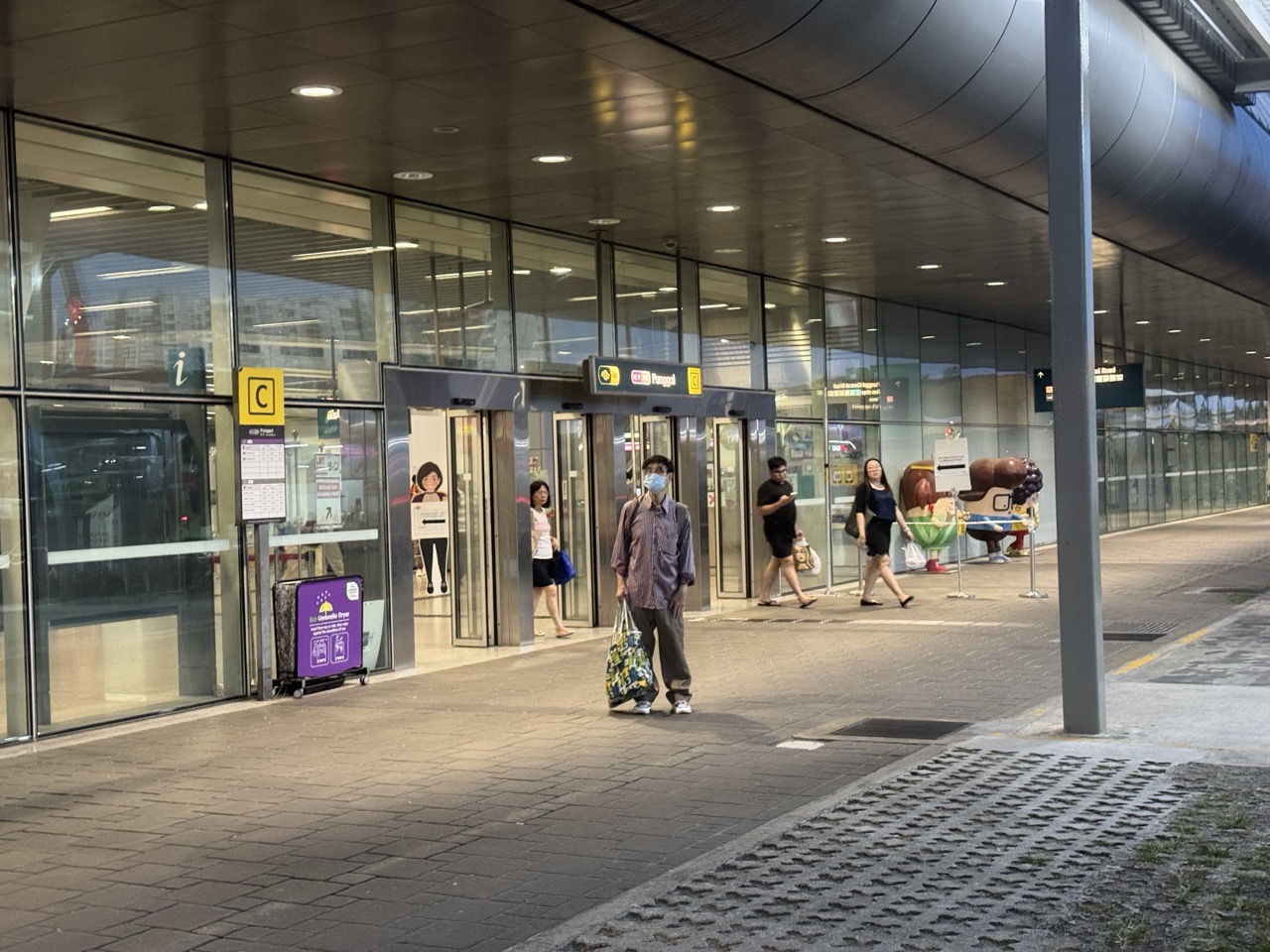
The quick answer: Moving into Punggol with a child does not automatically secure a place at the nearest school. The right action depends on whether the child is entering Primary 1 for the first time, already attends Primary 1–5, is in Primary 6, is changing secondary schools, or is entering a post-secondary programme. The family’s new residential address is an important fact, but admission, vacancies, posting and educational support follow the relevant Ministry of Education (MOE) or institution rules. Keep the existing school arrangement in place unless and until an authorised change is confirmed.
For Singapore Citizen and Permanent Resident pupils already attending Primary 1 to Primary 5 who have moved residence, MOE operates a Primary School Transfer Service. Its published guidance explains that eligible children may be considered for a school nearer the new address subject to vacancies; the central transfer process is not a shopping list allowing parents to pick any desired school. New Primary 1 entrants instead follow the P1 registration process. Families arriving from overseas and international students have other admission routes. These are different systems, not alternative buttons for the same application.
Before unpacking all the boxes, make one education continuity sheet: current institution, learner’s level, verified admission or transfer status, ordinary travel route, authorised adult at every handoff, urgent school communications, support requirements and the next official action. This article is a local move-in guide for Punggol families, not another article about how MOE approves school transfers. For those formal rules see the existing Punggol school-transfer guide.
Punggol has schools, but no separate Punggol education system
Punggol is part of Singapore’s national education structure. The area’s primary and secondary schools operate within the relevant MOE frameworks, with their own approved programmes, reporting arrangements and support channels. A student living near Punggol Coast may attend a primary school nearer the town centre or a secondary school outside the estate. Older learners may travel to a JC, ITE or polytechnic elsewhere, or attend university, including SIT’s campus near Punggol Coast.
There is no automatic local-resident university entitlement, and a property agent’s claim that a flat is “beside the best school” is not an official school posting outcome. Begin with the correct school name, address and admission stage. MOE’s SchoolFinder is the official starting point for school information.
Do not guess a school’s location from a familiar name. Some institution names reflect history rather than the boundaries of today’s Punggol town. Check the actual official address and the gate used for students, not just the map pin.
Before moving: five tasks that matter more than new stationery
First, establish whether school placement is confirmed, pending, or merely being considered. Second, check the present school’s reporting and withdrawal requirements. Third, map the complete journey from the new home to the currently assigned school, so attendance remains workable while any transfer is assessed. Fourth, confirm student-care and caregiver arrangements. Fifth, gather only the official documentation needed for the applicable procedure.
This sequence avoids a common error: cancelling a working childcare or transport arrangement based on the hope that a transfer will succeed. A family’s residential move can be final while the child’s school situation remains unchanged. The new commute therefore needs a safe interim plan.
Make the plan before you schedule multiple enrichment classes or buy a complete set of new uniforms. Those decisions may depend on the receiving school and should follow confirmed information wherever practical.
Change your residential address through the proper authority
The Immigration & Checkpoints Authority (ICA) says identity-card holders who move to a new residence must report the change of address within 28 days. Its current change-of-address page explains the applicable e-service, verification and identity-card update. ICA also distinguishes children who have not yet been issued identity cards from those who must update an IC.
A household should not use a convenient relative’s address as a false substitute for where it actually lives. P1 home–school distance rules, school-transfer documentation and other administrative processes can involve address declarations and compliance conditions. Read the actual current MOE requirements before relying on an address for priority admission.
Changing an address with ICA is not the same as completing a school transfer. Confirm with the school which contact and administrative details must be updated in its records. Do not assume every private childcare operator or tertiary institution automatically receives a notification from a government system.
New Primary 1 entrant: registration has its own phases
Singapore Citizen and Permanent Resident children enter mainstream Primary 1 through MOE’s registration process, which has phases and eligibility conditions. The 2026 P1 portal describes five phases for eligible SC and PR children: Phase 1, 2A, 2B, 2C and 2C Supplementary. International-student registration follows a different process.
Home–school distance may influence priority in relevant phases, but distance is not a guarantee. School popularity, vacancies, the phase and any required balloting can affect admission. Never decide that a child “must get in” because the new flat looks close on Google Maps.
There are also specific conditions when parents rely on a registration address or an approved alternative childcare address. New-property, resale-property and other situations can require documents and declarations. Use MOE’s current P1 registration instructions rather than a salesperson’s summary.
Moving after a P1 place was obtained: check the address obligation
This deserves separate attention. A family may have obtained priority admission using a home–school distance category before considering a house move. MOE’s registration declarations can impose continued residence obligations in the relevant cases. A later move should not be treated as consequence-free merely because the child has begun classes.
Before signing a move that changes the declared address, examine the family’s actual P1 registration conditions and ask MOE through its official channels if the consequences are unclear. Do not use an older sibling’s experience as proof that the rule has remained unchanged.
A parent should also preserve supporting documentation and dates. The relevant requirement is determined by the registration exercise and the basis of admission, not a general statement that every schoolchild can move anywhere immediately.
Primary 1 to 5 transfers: eligibility is not placement
MOE’s Primary School Transfer Service is intended for Singapore Citizen and Permanent Resident pupils attending Primary 1 to Primary 5 who move residence. The official service guidance explains when to apply and how the service considers a school nearer the new home with available vacancies. There are defined application periods.
It is important to distinguish application submitted, transfer offered, offer accepted and reporting completed. They are not interchangeable. A pupil who has merely applied should continue following the current school’s legitimate attendance requirements.
The service’s FAQ also states that parents cannot choose a specific transfer school within the central service; placement is based on applicable conditions, proximity and vacancies. Check the newest guidance before acting, and avoid promises from unofficial intermediaries. Our school-transfer policy explainer covers this narrower administrative process.
Why Primary 6 needs a different conversation
The Primary School Transfer Service’s stated P1–P5 scope does not cover Primary 6 in the same way. A P6 child may be preparing for PSLE and the move into secondary school. For a family relocating during this year, the question is often whether the current school journey can be sustained safely and how the child will manage the examination period.
Contact the current school or MOE for an individual situation rather than submitting a form intended for another level. Do not assume a primary-school transfer service can be extended simply by changing the child’s year group in the application.
Protect academic continuity. A sudden transport change, new adult handoff or loss of regular study space can be disruptive. Use the real student timetable and marked work to decide which supports need preserving, rather than making every household change at once.
Secondary-school transfers are not the P1–5 service
A secondary pupil may have an assigned school after PSLE or may already be studying in a particular subject combination. Transferring schools can involve different considerations from the central primary-school transfer service, including school availability, curriculum arrangements and the receiving institution’s procedures.
Families should consult the current and potential receiving schools about appropriate routes, without assuming acceptance. A household move does not automatically entitle the student to a nearby secondary place. If the child has access arrangements or subject-level needs, raise those through proper confidential channels.
Under Full Subject-Based Banding, secondary students can take subjects at appropriate G1, G2 or G3 levels. A transfer should not be planned on an unsupported assumption that every school’s timetable and offered subject combination are identical.
Returning Singaporeans and international students: do not blend the routes
MOE describes specific admission services for Singapore Citizens or Permanent Residents returning after studying overseas. International students who do not have SC or PR status may use different entry procedures and examinations, including the Admissions Exercise for International Students (AEIS) where applicable.
A family relocating from abroad should identify citizenship or residency status, existing educational level, prior curriculum and the admission window before assuming that a child can begin at the nearest school the following morning. Dates, assessments and places are governed by official conditions.
Start with MOE Returning Singaporeans or MOE’s AEIS information, as appropriate. The wrong application route can waste time and expose the family to fraudulent promises.
The first-week school journey must be door to door
A new Punggol address may look close to a station while remaining awkward for a young child. The route can include a lift, covered walkway, crossing, LRT, bus, MRT transfer and the final walk to the correct student entrance. Route planners often emphasise the vehicle leg rather than the full experience.
Walk or rehearse the actual route at a suitable time. Identify the authorised school gate, waiting place and alternative contact procedure. Never teach a child to enter through a service or vehicle gate merely because it shortens the distance on a map.
The Punggol MRT and LRT guide describes the local network, while our Primary-to-University school commute guide explains how to test an individual journey.
A worked commute example that is deliberately fictional
Imagine a learner’s old morning journey took 18 minutes, while the new home requires an estimated 37 minutes door to door. The additional travel is 37 − 18 = 19 minutes per one-way trip. Over five ordinary schooldays with a return journey each day, the illustrative increase is 19 × 2 × 5 = 190 minutes, or 3 hours and 10 minutes in a school week.
These figures are hypothetical; they are not actual Punggol fares, route durations or school hours. The arithmetic demonstrates why a seemingly small residential change can alter meals, waking routines, homework and adult work commitments.
Now inspect the assumptions: does 37 minutes include waiting? Does the learner have a long final walk? Are there different CCA return times? Can an adult make the pickup under the new arrangement? These questions matter more than winning an argument about which map app is fastest.
The last three hundred metres deserve a rehearsal
Families often verify the correct LRT station and still miss the school gate. A compound may have student, visitor and vehicle entrances, or may alter collection arrangements during construction or activities. The final crossing and gate should be identified from official school information.
For a young child, rehearse the safe supervised route and where the authorised adult waits. For a teenager, ask them to explain the way back to a familiar safe point if uncertain. Do not reward risky shortcuts for punctuality.
A new house is already a major change. A predictable last walking section can reduce unnecessary stress and make the rest of the school day easier to begin.
Student care must be reapplied or reconfirmed where necessary
School-based student care, external care and family caregiving have separate enrolment, fee and collection arrangements. A student care place does not automatically move with a primary-school transfer. Even if the child remains in the same school, a new home location may change whether collection is practical.
Confirm current care availability and terms with the actual provider before terminating an existing arrangement. Ask how children travel from class to care, what happens on early-dismissal days and how alternative collectors are authorised.
See Life in Punggol | Student Care, Homework and the After-School Handoff and the school-based student-care system guide for the detailed reader jobs. Here the priority is to avoid a care gap during a move.
Parents Gateway and school contacts need an update
The official Parents Gateway supports school communications, consent forms and meeting bookings for eligible linked users. A change of address or school may require action beyond updating the family’s contact book. Ask the institution which details must be changed and verify that notices reach the appropriate authorised adults.
If a child changes school, do not assume the old institution’s notices remain the active source for the next term. Check the receiving school’s official channels, reporting instructions and sign-in arrangements. Tertiary students may have entirely different programme portals.
Keep the phone numbers of the current school and approved care provider available during the move. Moving day is not a good time to discover that nobody knows whom to contact when a pickup is delayed.
Protect your child’s friendships during the relocation
A move does not only change a route. Children may miss familiar neighbours, play spaces or classmates, even when the new estate has appealing facilities. A family should acknowledge that loss without presenting Punggol as an instant cure for every difficulty.
Maintain suitable contact with friends where safe and practical. Help the learner explore legitimate school or community activities at a manageable pace. Avoid forcing them into multiple new clubs in the first week simply because the parent wants evidence that the move was a good decision.
For a young child, a familiar object or routine may make the new home feel more predictable. Older students may want some autonomy in choosing local places to explore. Belonging can grow through repeated ordinary encounters rather than one crowded orientation event.
Study space in a new HDB flat need not be elaborate
The family may be living among unpacked boxes while school continues. Set up a small functional learning area first: suitable lighting, necessary books, a pencil or device where appropriate, and a consistent place to keep tomorrow’s items. A premium desk or large renovation is not required before a child can revise responsibly.
Ask the learner what their first school task actually requires. A Primary 2 child may need space to read; a Secondary 3 teenager may need an uncluttered surface for mathematical working; a polytechnic student may have legitimate equipment requirements set by the course.
The independent-learning at home and Punggol Library guide shows how to diagnose learning needs without buying every product recommended in a relocation advertisement.
Punggol Library can become a useful neighbourhood anchor
Punggol Library at One Punggol offers family reading resources, collections and a distinct study-zone arrangement. A library visit can help newcomers discover public resources and settle into a reading habit. It should not be treated as guaranteed childcare or an automatically available reserved study seat.
A first visit can be simple: choose one age-appropriate book, learn where relevant collections are and plan how to return. Older learners may explore the catalogue and current facility rules. The official NLB Punggol Library page provides current visitor information.
Do not force every outing to become an assessment. A child who enjoys the new library and can independently describe a book has already had a meaningful experience in the new neighbourhood.
Punggol Waterway is not a school requirement
Punggol Waterway Park and local park connectors offer walking and recreation when conditions and individual needs allow. They can support family recovery after a stressful move, and older learners may use a safe observation walk for a school-related inquiry.
Always check weather, route safety, supervision and park rules. The learner should not be asked to enter restricted sites, touch wildlife or cross unsafe paths to collect a dramatic photograph for homework.
A short, calm neighbourhood walk may be more useful than an exhausting full-day tour during the first school week. Settling in requires predictable daily life as much as exciting attractions.
A transfer can change learning support arrangements
Students may receive learning support, counselling or accessibility arrangements in their existing school. A move should not result in indiscriminate public sharing of those records, nor should the family assume that every arrangement automatically transfers unchanged to a new institution.
Ask the receiving school what information it requires, who is authorised to receive it and what support can be considered. Include the learner’s strengths and existing helpful strategies alongside relevant barriers. A diagnosis or old accommodation document alone may not determine a new institution’s decisions.
The Punggol inclusive learning guide covers the everyday support conversation. Families should seek qualified professional input when appropriate and avoid taking an online checklist as a clinical assessment.
Parent finances can change even when school fees do not
A move may increase public transport costs, care fees, the number of adult journeys or the amount of time required for pickup. Those changes may matter more than a new uniform. A longer commute can also reduce a student’s useful time for sleep, meals and focused learning.
Update the household budget with verified expenses from the actual provider or transport scheme. Treat optional enrichment separately. A family’s need for a temporary additional care arrangement does not imply that the child also needs multiple new tuition programmes.
For an account-based planning method, use Life in Punggol | Education Costs, Subsidies and Family Budgets. Any assistance requires individual eligibility and approval.
Multiple siblings multiply the move’s dependencies
Imagine two children at different schools and a third starting university. A new home may shorten one learner’s journey while lengthening another’s. An adult who used to collect the younger child on the way home from work may no longer pass the school.
Place all the real timetables on one page and identify conflicts before the move. Do not simply divide a parent’s time equally; some responsibilities, such as an authorised school pickup, are fixed. Other tasks may move to a different part of the week.
Our multi-student Punggol family-calendar guide gives a useful method for handling these cross-person dependencies.
Secondary and tertiary students deserve a voice in the housing decision
Parents may have valid financial or work reasons for moving, yet older students bear part of the daily consequence. Ask how the new location affects their course timetable, friends, CCA, internship or project meetings. The learner may identify an issue the adult’s property comparison has missed.
A student’s preference does not override every household constraint, but meaningful consultation can improve the final plan. Some commitments will continue across the move; others may need a safe alternative. A family should distinguish unavoidable change from inconvenience that can be prevented with better scheduling.
At university, the student may be expected to manage their own academic life, including the precise campus building, lecture times and programme requirements. A Punggol address does not automatically make every university activity nearby.
A four-week newcomer plan
Week 1 — Protect continuity. Verify the present school, reporting and care arrangements. Confirm transport from the new address. Deal promptly with the applicable ICA address update and contact details. Do not terminate a current school or care arrangement on the assumption of a future offer.
Week 2 — Build neighbourhood familiarity. Rehearse the legitimate travel route, identify suitable public facilities and let the learner explore at a manageable pace. Keep sleep, meals and schoolwork stable where possible. Record one uncertainty that requires an official answer.
Week 3 — Review the admission or transfer status. Check whether anything has genuinely been approved. Follow the correct school or MOE process; avoid repeated unofficial speculation. Adjust the household calendar and budget to actual information, not rumours.
Week 4 — Improve the weak link. Look for repeated lateness, an awkward pickup, poor study conditions or a social transition concern. Fix one identifiable barrier with the relevant people. Preserve what is working and schedule another review if the situation remains unsettled.
Case study: a Primary 3 child moves to Punggol mid-year
A fictional family relocates from another estate to Punggol while their child is in Primary 3. The adults assume an attractive primary school near the new flat will immediately take the pupil. A check of MOE’s transfer process shows eligibility and vacancies must be assessed through the proper route.
They continue the child’s current school arrangement and create a practical commute in the interim. They apply through the authorised transfer process when eligible and track the status. They also check whether student care would need a new application if a transfer is offered.
The useful outcome is a safe and honest continuity plan. This case does not promise a particular school place or a precise transfer timeline.
Case study: the teenager who loses an easy CCA journey
A Secondary 2 student enjoys a CCA at the existing school. Moving to Punggol adds a transfer and changes the late-day journey. The parent initially suggests dropping the activity immediately. The student points out that the CCA is an important place for friendships and learning.
Together they verify dismissal, transport, safety and family capacity. They compare an ordinary day with the later CCA day and check whether the route is sustainable. If the arrangement is not workable, they discuss legitimate alternatives with the school rather than invent a transfer solution.
The family preserves the learner’s voice while acknowledging real constraints. A relocation plan becomes better when it accounts for belonging, not only the front-door commute.
Case study: a student moves home while attending SIT
A fictional undergraduate continues at SIT Punggol after the household moves within Singapore. The new address changes travel time but not the programme’s formal academic requirements. The student has group work, a trimester timetable and occasionally a different venue for applied learning.
They update the necessary institution details through official channels, check the course calendar and plan travel to each real destination. They do not assume a shorter ride to Punggol Coast makes every obligation easier or that every SIT space is publicly accessible.
Their parents negotiate shared household duties explicitly. University independence includes responsibility for course work and communication, not automatic availability to collect younger siblings.
A move-in checklist for Punggol education continuity
- Identify the child’s actual stage: new P1 entrant, P1–5 transfer, P6, secondary or post-secondary.
- Check the correct MOE or institution process before cancelling a current arrangement.
- Update the residential address where required through ICA’s current official service.
- Verify address-based registration declarations and any continuing residence obligations.
- Obtain the actual school address, correct gate, reporting time and contact information.
- Test the full journey and an appropriate authorised collection or travel backup.
- Reconfirm school-based or external student care, enrolment and fees as needed.
- Keep older learners’ CCA, assessment, course and social commitments visible.
- Securely transfer essential support information through approved institutional channels.
- Review the first month for travel, learning, family costs and the child’s adjustment.
Ten frequently asked questions
Can a new Punggol homeowner choose any primary school automatically?
No. P1 registration and school-transfer decisions follow official eligibility, phase or service criteria and vacancies. Address proximity does not guarantee admission.
Does MOE’s Primary School Transfer Service cover Primary 6?
The published central service is scoped to relevant P1–P5 SC/PR pupils who have changed address. Contact the current school or MOE about a P6 situation.
Can parents pick a particular primary school through the central transfer service?
The service’s published FAQ explains that parents cannot choose a school under that process. Transfer depends on appropriate vacancies and other stated conditions.
Does the family need to report its new residential address?
ICA says IC holders must report a change of address within 28 days, subject to its current eligibility and procedures. Follow the official ICA service.
Can a P1 child move after admission gained through distance priority?
Check the actual registration declarations and any continued-residence requirement before moving. Do not assume the obligation ends as soon as school starts.
Do returning Singaporeans and international students use the same route?
No. MOE provides different admission guidance. Verify citizenship or residency status and the relevant process.
Does a school transfer also transfer student care?
No automatic guarantee should be assumed. Reconfirm the receiving school’s and operator’s care arrangements and authorised collection procedures.
Should a family buy a new uniform before a transfer is approved?
Use confirmed school requirements and keep essential current arrangements. Avoid large purchases based on an unconfirmed offer.
Does living near SIT grant a university place?
No. University programmes have their own admission requirements and selection, independent of residential proximity.
What should parents resolve first after the move?
A safe and lawful daily school journey and handoff, together with accurate enrolment and contact information. Academic and extracurricular optimisation can follow.
Official sources and related Punggol guides
Use MOE Primary School Transfer Service, MOE P1 Registration, MOE SchoolFinder, ICA Change of Residential Address, MOE Returning Singaporeans, MOE AEIS, Parents Gateway, and NLB Punggol Library. The individual institution remains the authority for current enrolment, care and reporting instructions. The numerical examples and family cases are fictional teaching illustrations.
Continue within eduKatePunggol with School Transfer in Singapore, school choice and commute after PSLE, the family school-commute guide, and school-stage transitions. A successful relocation is not proved by a preferred school logo. It is a move in which the child remains educated, supervised, connected and able to learn while the household settles into its new neighbourhood.


