
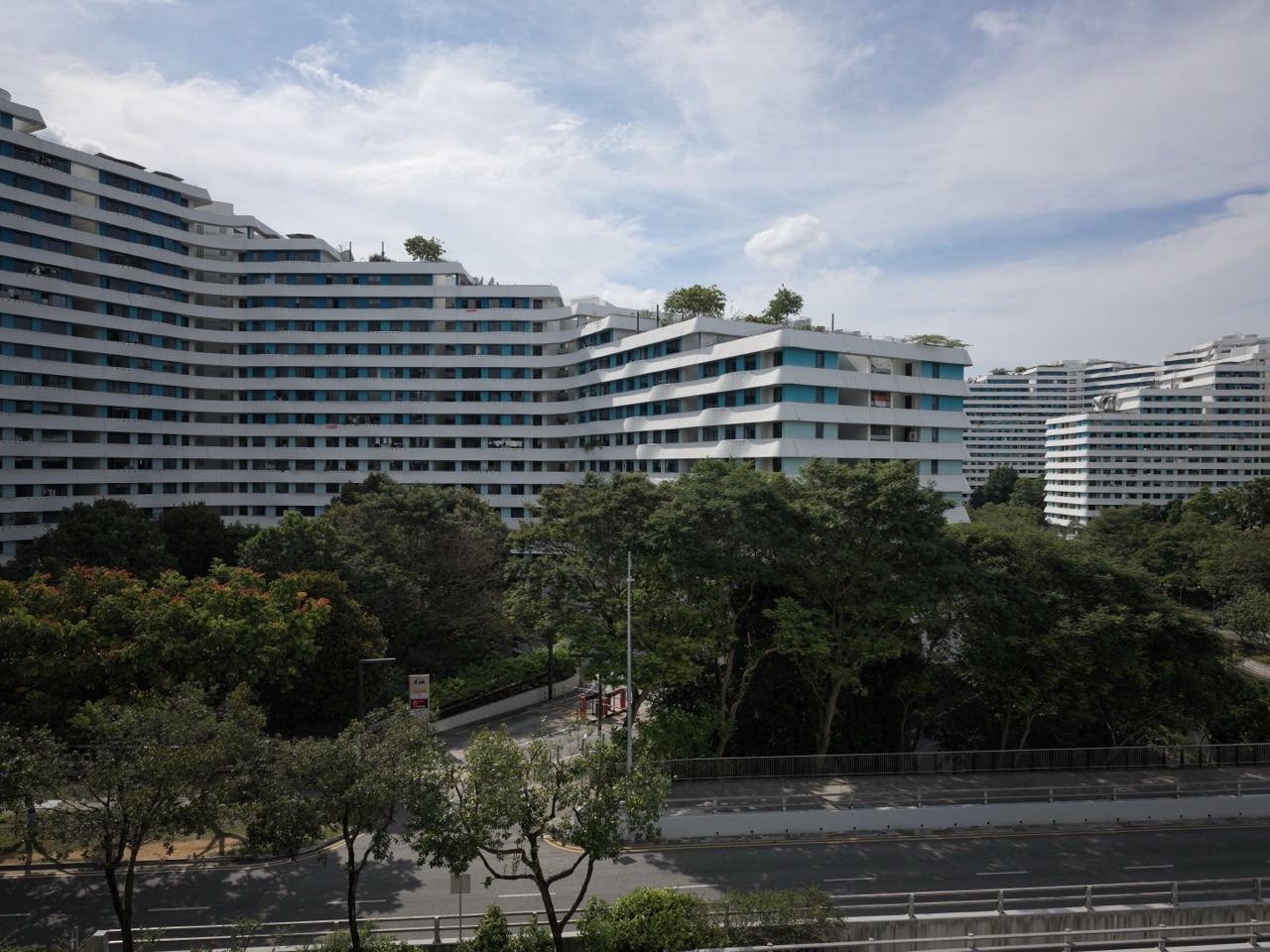
Matilda Court entered Punggol’s July 2014 BTO exercise as a 1,162-home development along Sumang Lane, with ten 17-storey residential blocks and a housing mix ranging from two-room to five-room Standard flats. Its importance goes beyond unit count: the project shows how an older Punggol place name was carried forward into a new public-housing precinct without pretending the new estate was the historic Matilda House itself.
For readers searching Matilda Court history, Matilda Court BTO 2014, why Matilda Court is called Matilda or how Punggol’s heritage names entered modern housing, the evidence needs two timelines. The first is the July 2014 housing launch. The second is the much older history of Matilda House. The connection is naming and memory, not shared architecture, ownership or conservation status.
Did you know? the original brochure described a landscaped green spine, fitness corners, children’s play spaces, shelters, a precinct pavilion, an eating house, supermarket, shops and rooftop gardens above the commercial block and multi-storey car park. That is a precinct plan, not merely an apartment schedule.
The Crazy-Rich Idea: A New Town Can Carry Old Memory Forward Without Freezing It
Punggol’s redevelopment could have erased older names completely. Instead, the Matilda name moved into the vocabulary of new housing.
That creates a useful form of continuity:
old place memory → new precinct name → everyday repetition by new residents.
People saying “Matilda Court” keep a fragment of older Punggol visible even when the built environment is entirely different.
The Matilda Name Does Not Make the Estate a Conserved Building
This is the central evidence boundary.
- Matilda House is the historic house with its own conservation story;
- Matilda Court is a 2014 public-housing development;
- the shared name creates historical continuity, not physical identity.
For the house itself, read Crazy Rich Punggol | Matilda House, Tropical Architecture and the Luxury of Conservation.
1,162 Homes Was the Project Scale, Not the Whole July Exercise
Matilda Court shared the July 2014 application window with Waterway Sunray and projects elsewhere in Singapore. The project-specific brochure is the correct source for Matilda Court’s block count, flat mix and internal facilities.
Housing history becomes unreliable when a national exercise total is silently substituted for one project’s own count.
The Green Spine Was Part of the Precinct Structure
The central landscaped spine organised recreation and shared movement inside the development. That matters because public housing is experienced in the spaces between blocks as much as inside each flat.
Play areas, fitness corners, shelters and the precinct pavilion help define how residents could meet, rest and move through the estate.
Commercial Uses Were Planned Into the Housing Fabric
The brochure described an eating house, supermarket and shops as part of the development. That planning logic reduces the distance between housing and daily necessities.
But the evidence boundary remains important: a launch brochure documenting a planned commercial use does not prove that the same tenant, shop mix or opening schedule exists today.
Matilda Edge Came First; Matilda Court Added Another Layer
Matilda Edge launched in September 2013. Matilda Court followed in July 2014. Reading them in sequence shows the Matilda identity becoming a precinct family rather than a one-off project name.
Continue with Crazy Rich Punggol | Matilda Edge and the Luxury of Planning Homes, Learning, Community and Ageing Together.
A Geography Lesson: Place Names Can Outlive Land Uses
The physical function of land can change from rural estate to new-town housing while a place name survives. Names therefore provide a “return path” into earlier geography even when roads, plots and buildings change.
An English Lesson: “Named After” Is Not “The Same As”
“Matilda Court was named with reference to Matilda House” is defensible. “Matilda Court is Matilda House” is not.
Precise verbs protect history.
Evidence Anchors
The crazy-rich Punggol lesson is that memory can become infrastructure. Matilda Court demonstrates how a new housing precinct can carry an older local name forward, while still being honest that heritage continuity and physical continuity are not the same thing.
Matilda Court entered Punggol’s July 2014 BTO launch as a 1,162-home development along Sumang Lane. The original brochure described ten residential blocks, each 17 storeys high.
It offered two-room, three-room, four-room and five-room Standard flats. The July sales exercise ran from 19 to 25 July 2014; the preserved detailed brochure was printed in August.
The name Matilda Court drew on historic Matilda House and the landscaped green spine at the development’s centre. The housing project is not the conserved house itself, and its 2014 sales history should not be confused with the house’s much older story.
Choose your reading route
A dated record of the Sumang Lane development · Green space, everyday facilities and historical memory
The HDB brochure is particularly useful because it states the project’s scale, location and naming explanation together. Its August printing date does not change the July sales-launch month.
A contemporary launch account places Matilda Court alongside Waterway Sunray in that exercise. They were distinct developments, not phases of the same named estate.
That sequence also illustrates why one project may acquire several legitimate dates. A launch announcement and a later selection brochure perform different jobs. Neither date alone tells us when every resident moved in.
The brochure planned fitness corners, children’s play areas, resting shelters and a precinct pavilion around the landscaped centre. It also described an eating house, supermarket and shops, with rooftop gardens above the commercial block and multi-storey car park.
These were elements of the original proposal. Reading them in that tense avoids turning a historical brochure into an unverified claim about today’s tenants or access arrangements.
The naming connection is a small but meaningful form of continuity: an older place name entered the vocabulary of new public housing. It does not mean the flats inherited the old house’s architecture, ownership or conservation status.
The Matilda name appears in more than one modern development. The Verandah at Matilda history follows a different estate; the directory also leads to the separate Matilda House articles.


