
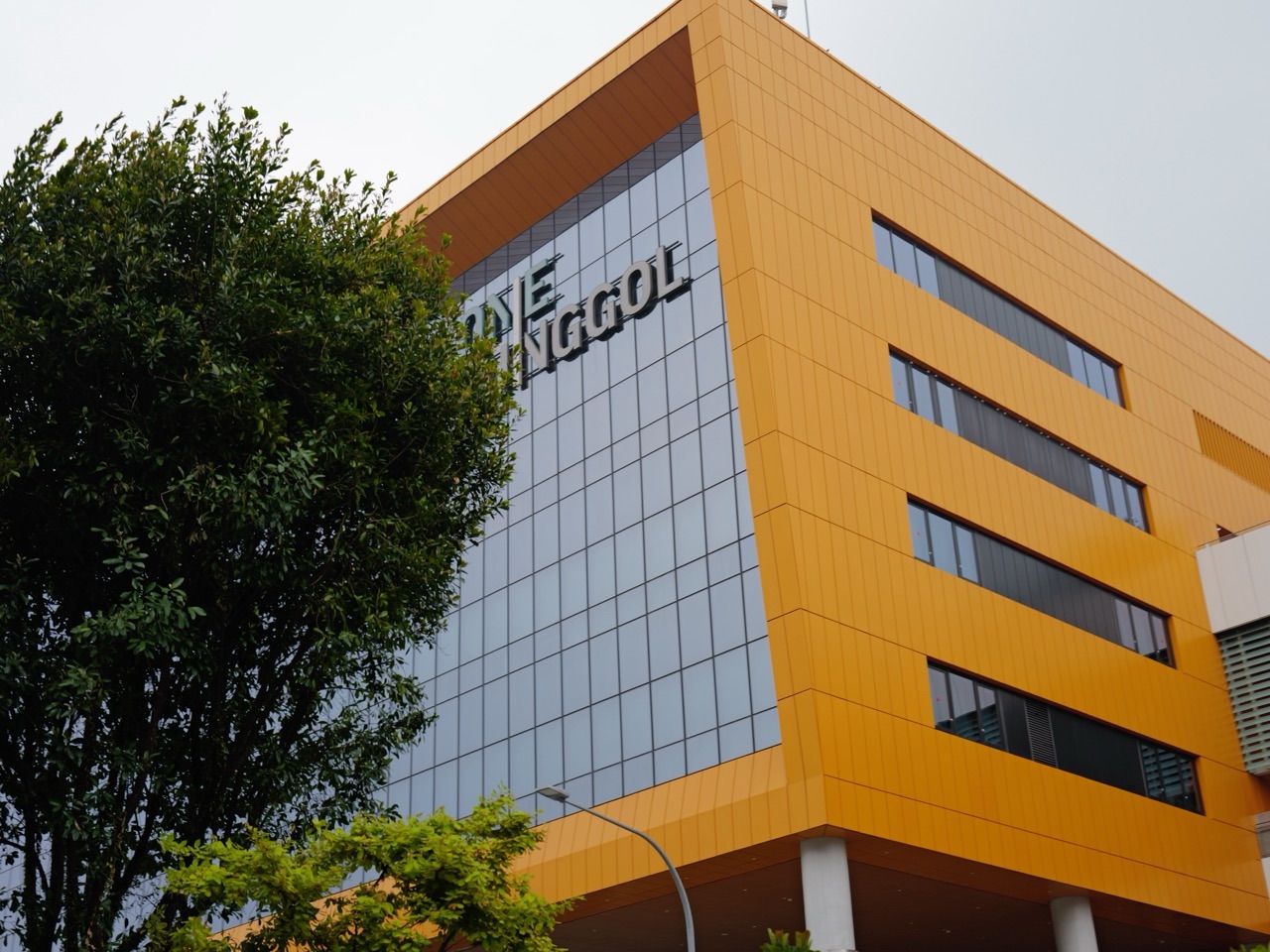
Words That Move at Punggol Library is listed from 5pm to 7pm in the Level 1 Stories Come Alive Room. If you are visiting One Punggol for this interactive poetry experience, use these specific exhibition hours rather than assuming it runs throughout the library’s opening day. Check NLB’s official Punggol Stories information before travelling.
The installation brings Singapore literature to life through wall projections, animation, light and sound. Poems appear in English, Chinese, Malay and Tamil, and visitors can tap them to reveal related images. It offers families a way to encounter poetry through movement and pictures.
Words That Move is one stop on the Punggol Stories trail. For a simple family plan, arrive with time to locate the room, enjoy the installation during its published window, and choose another reading or exhibition stop according to your child’s interest.

Find what you need
Plan around the exhibition’s own hours · Which poems are featured? · Help a child enjoy the experience · Add one more Punggol Stories stop · Carry one idea home
Plan around the exhibition’s own hours
The 5pm–7pm listing applies to Words That Move. Other activities in the Stories Come Alive Room may have their own schedules. Our Stories Come Alive Room guide explains the broader room experience.
For a visit on a public holiday or around an early-closing date, check the library’s current notice as well as the exhibition listing. A permanent exhibition label describes its continuing role, rather than promising that every day has identical access arrangements.
Which poems are featured?
NLB lists four works about the transition from kampongs to HDB estates: Punggol by Ronald JJ Wong; 组屋族 (The HDB Tribe) by Liang Wern Fook; Kenangan Tinggal Di Rumah Deret (Memories of Living in a Rowhouse) by Norisah A Bakar; and நகர்வளம் (Urban Riches) by Amiroudine.
The official image-credit page identifies the historical material associated with the poems. It gives an interested parent or older student somewhere to continue learning after the visit.
Help a child enjoy the experience
Our suggested approach is to begin with one detail the child notices: a changing image, an unfamiliar word or a sound. Ask what it reminds them of, then explore one poem together. There is no need to turn every projection into a comprehension exercise.
If the animated environment feels tiring, keep the visit short and move to a quieter reading activity. The installation includes sound and changing visuals, so consider your child’s preferences when planning the afternoon.
Add one more Punggol Stories stop
The wider trail includes The Lens of Literature on Level 3 and Singaporium on Level 4. Choose one additional stop rather than trying to finish everything in a single outing.
Our Punggol Stories and Singaporium guide helps families connect the exhibition with the neighbourhood’s past. A useful question is what has changed about homes, transport or everyday work.
Carry one idea home
Invite your child to describe one image or phrase they remember. They might draw a scene or write a few lines about their own home. These are optional family activities, rather than an official workshop supplied by the installation.
For an older student, compare how words and images communicate the same experience. A poem can suggest a feeling, while an archival photograph shows a particular moment. Keeping that difference in mind makes the visit more thoughtful without making it complicated.
Independent eduKatePunggol guide. Official sources checked on 11 October 2026. Consult the linked official pages for current visiting arrangements and programme updates.


