
A topic is not fully learned just because it worked on the page where it was taught. The real test is whether the student can recognise and use the same idea when the context, wording, representation or neighbouring topic changes.
This is the transfer gate. For Punggol students learning Advanced Mathematics, it separates local chapter success from knowledge that can survive an examination.
Practice and performance are not the same environment
A chapter worksheet provides strong clues. Every question usually belongs to the same topic, often in a predictable order. A mixed exam removes those clues.
The student must then decide what Mathematics is present before applying it.
The transfer gate asks one question
Can the skill survive a new context without the original support?
The wider eduKate article The Transfer Gate — Don’t Call It Learned Until It Survives a New Context formalises this threshold.
A transfer ladder for Advanced Mathematics
- Standard question with chapter label.
- Same method with changed numbers.
- Same method with changed wording.
- Same structure shown as a graph or diagram.
- Same idea mixed with an older topic.
- Question attempted after a delay.
- Unlabelled examination-style question.
Each step removes a little more support.
Why transfer fails
- The method was memorised as a surface pattern.
- The prerequisite is weak.
- The student never practised method selection.
- The representation changed.
- The topic was never retrieved after a delay.
- Worked examples remained visible during practice.
Transfer failure is useful diagnostic information
If a student can solve a standard question but fails a changed-surface version, the concept may be understood while recognition is weak. That calls for variation and mixed practice, not necessarily more explanation.
How to repair transfer
Return briefly to the core relationship, then vary only one feature at a time. Once the student sees what stayed constant, mix the topic with older knowledge and retest after a delay.
Transfer is where the whole eduKate ecosystem meets
English supports reading unfamiliar wording. Vocabulary helps identify the mathematical object. Science provides applied contexts. Mathematics provides the structure. Exam training removes support and tests whether the capability still works.
Punggol itself gives many contexts for the same Mathematics
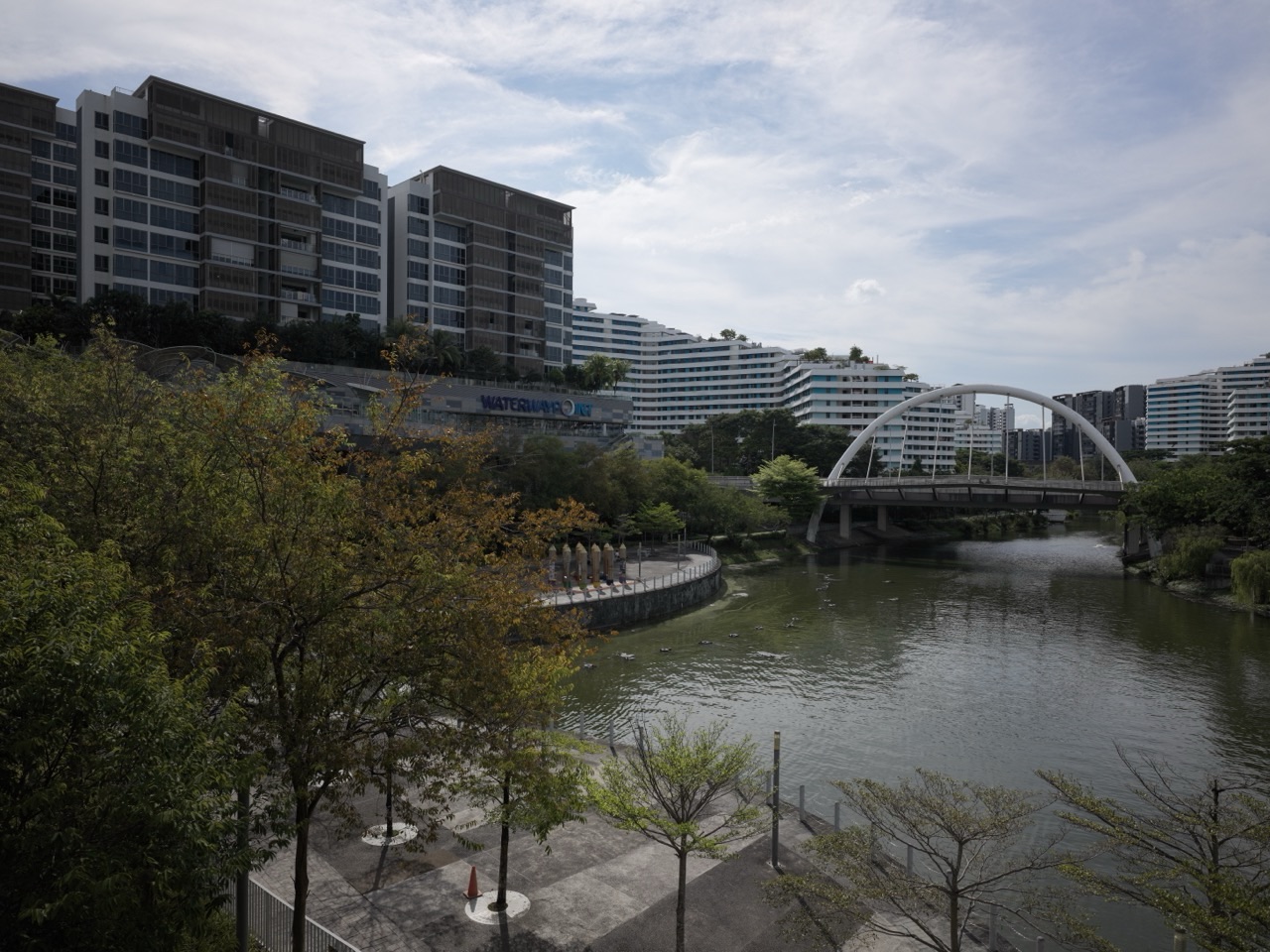
Rate can appear in travel, water flow or growth. Geometry can appear in bridges and pathways. Functions can describe changing quantities. The local context changes, but the mathematical relationship can remain the same.
Continue the Punggol Advanced Mathematics journey
- From Worked Examples to Unseen Problems
- When You Understand A-Math but Cannot Retrieve It Later
- Secondary 4 and SEC — Independent Exam Control
Continue through the wider eduKate Punggol ecosystem
- Mathematics Tuition at eduKatePunggol
- Punggol Mathematics Reading Library
- Additional Mathematics Tuition in Punggol
- Additional Mathematics Article Index
- The Secondary Pathway
- eduKatePunggol Atlas
Transfer is the proof that learning can travel. When the question changes but the structure still works, the Mathematics has moved from the worksheet into the student.


