
Advanced reading is navigation. A difficult passage is not difficult only because the vocabulary is harder. It is difficult because the reader must know where the text is going, which details matter, where the writer changes direction and how to return to the right evidence when a question is asked.
For Punggol students, this is a useful way to think about comprehension: do not try to remember every sentence equally. Build a map.
The strongest readers know the main route, recognise side paths, mark turning points and can return quickly to the evidence zone when needed.
The main idea is the route
Every paragraph has details, but not every detail is equally important. The main idea tells the reader what the paragraph is fundamentally doing.
A paragraph may explain a problem, compare two positions, describe a process, give evidence, introduce a counterargument or show a consequence.
If students can name the paragraph’s job, they are less likely to get lost inside individual sentences.
Details are side paths
Examples, statistics, anecdotes, descriptions and quotations often support the main route. They are important, but their value comes from how they connect to the larger point.
A common comprehension problem occurs when students remember an interesting detail but forget why the writer included it.
Advanced readers ask: “What job is this detail doing for the paragraph?”
Connectors are road signs
Words such as “however”, “therefore”, “for example”, “although”, “meanwhile” and “as a result” tell the reader what is about to happen.
A strong reader does not treat them as filler. A “however” is a warning that the route is turning. A “therefore” signals consequence. An “for example” announces support rather than a new central claim.
The Meaning Network article develops these relationships in more detail.
Topic sentences are orientation points
Not every paragraph has a perfect first-line topic sentence, but many passages give readers orientation near the beginning.
Students should learn to notice which sentence establishes the paragraph’s direction and which later sentences develop, qualify or challenge it.
This reduces the temptation to treat every sentence as a separate mini-passage.
Evidence zones are where answers live
When a comprehension question appears, the student should not search the entire passage blindly.
Ask first: where is the likely evidence zone?
- One sentence?
- One paragraph?
- Several paragraphs?
- A contrast between two sections?
- Text plus justified inference?
The Question–Answer Relationships route helps students classify where an answer must come from before they begin searching.
Return points reduce rereading
Students often waste time by rereading the whole passage whenever a question feels difficult.
A better strategy is to create mental or physical return points: paragraph summaries, underlined names, key contrast words, turning points and topic changes.
Then the student can return to the relevant part instead of restarting from the beginning.
Paragraph roles create a larger map
Once students can summarise each paragraph in a few words, the whole text becomes easier to navigate.
For example:
- Problem introduced.
- Cause explained.
- Example given.
- Alternative view.
- Writer’s final position.
That map makes later synthesis questions much easier because the student already knows how the sections relate.
Not every paragraph deserves equal reading speed
Advanced reading is not simply faster reading. It is adaptive reading.
A dense paragraph containing the writer’s main qualification may require slow attention. A straightforward example paragraph can often be read more quickly once its role is understood.
Students should spend time according to information value, not sentence count.
The first-read objective
On the first read, the student does not need to solve every possible question. The goal is to build orientation.
- Who or what is the text about?
- What is the central issue?
- How is the text organised?
- Where are the major turns?
- What does the writer seem to be doing by the end?
This gives the mind a scaffold for later detail work.
The second-look objective
When answering a question, return selectively. Now the purpose is precision.
- Find the evidence zone.
- Read the exact wording carefully.
- Check reference words.
- Notice qualifiers.
- Distinguish what is stated from what is inferred.
The first read builds the map. The second look collects the evidence.
FENCE™ stops navigation from becoming wandering
A text may contain many interesting ideas, but the question defines which route matters.
eduKateSG’s FENCE™ English Learning System helps students mark the task boundary before answering. If the question asks for one cause, do not write every consequence. If it asks for tone, do not summarise the whole passage.
The map is large. The answer route should be precise.
A Punggol Waterway analogy
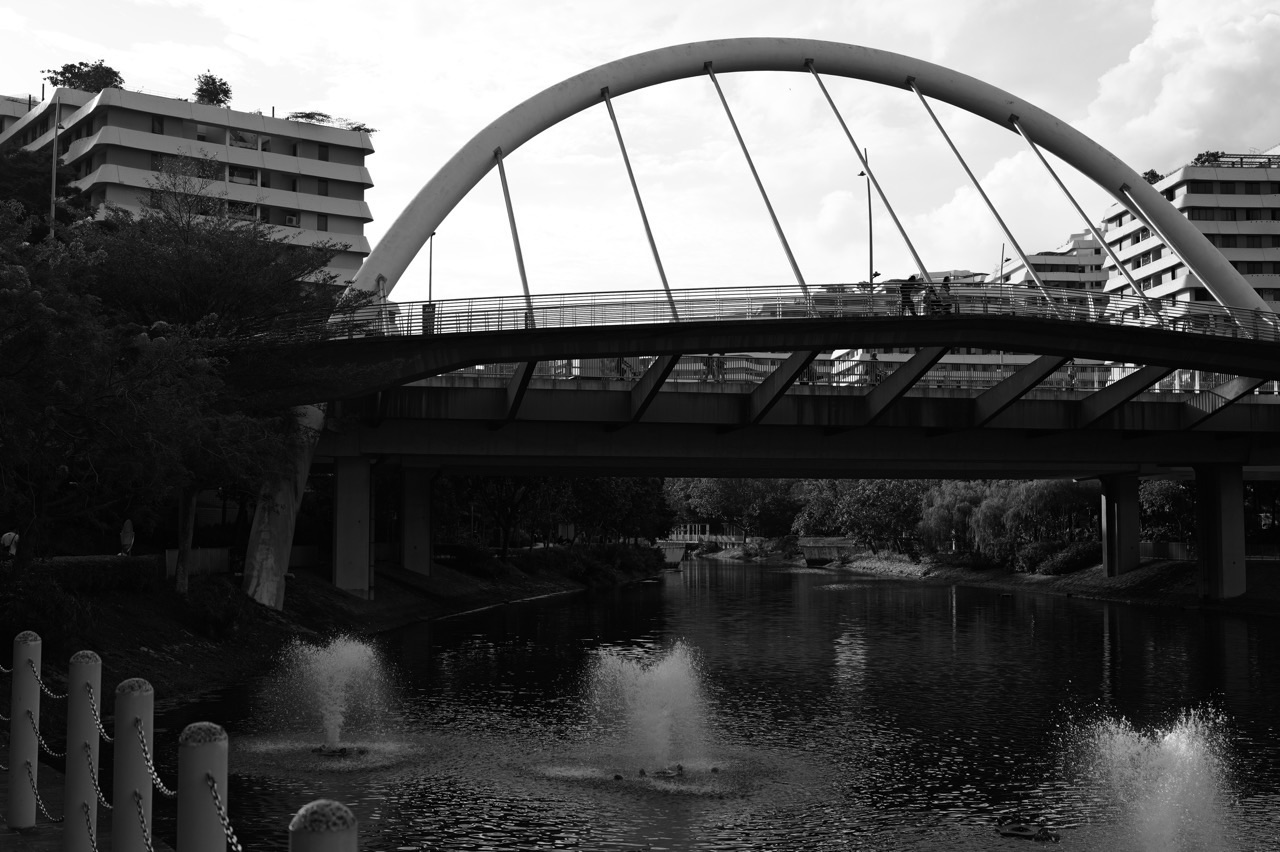
Punggol Waterway is useful as a simple local analogy. The main waterway gives the larger orientation. Paths, bridges and side routes connect different areas. A person who knows the map can choose the right route instead of walking every path.
Reading works similarly. The main idea gives orientation. Paragraph roles and connectors show the network. Questions determine which route to take.
A weekly navigation routine
- Read one unfamiliar passage.
- Write a five-word label for each paragraph.
- Circle the strongest turning-point connector.
- Identify the main claim.
- Choose one question and mark its evidence zone.
- Answer without rereading unrelated sections.
- Explain why that evidence zone was sufficient.
How three-student tuition helps reading navigation
Three students may map the same passage differently at first. Comparing their paragraph labels immediately reveals where understanding diverges.
The tutor can then diagnose whether the problem is vocabulary, reference, paragraph purpose, inference or evidence selection instead of simply telling the group to “read more carefully”.
Signs navigation skill is improving
- The student can summarise paragraph roles quickly.
- Rereading becomes more selective.
- Evidence is located faster.
- Contrast and qualification are less likely to be missed.
- Synthesis across paragraphs becomes easier.
- The student can explain where an answer came from.
- Longer texts feel less overwhelming because they have visible structure.
Continue the Punggol Advanced English journey
- Meaning Is a Network of Relationships
- From Concrete Examples to Abstract Language Patterns
- The Transfer Test
Continue through the wider eduKate ecosystem
- How English Works
- Vocabulary by eduKateSG
- FENCE™ English Learning System
- English Tuition at eduKatePunggol
Advanced reading is not remembering every sentence. It is knowing where you are, where the text is going, where the evidence sits and how to return to it efficiently. Build the map first. Then navigate with purpose.
Browse more learning guides
Use the Punggol English article index to find another topic, or return to Learning Routes to choose a subject or school-year guide.


