
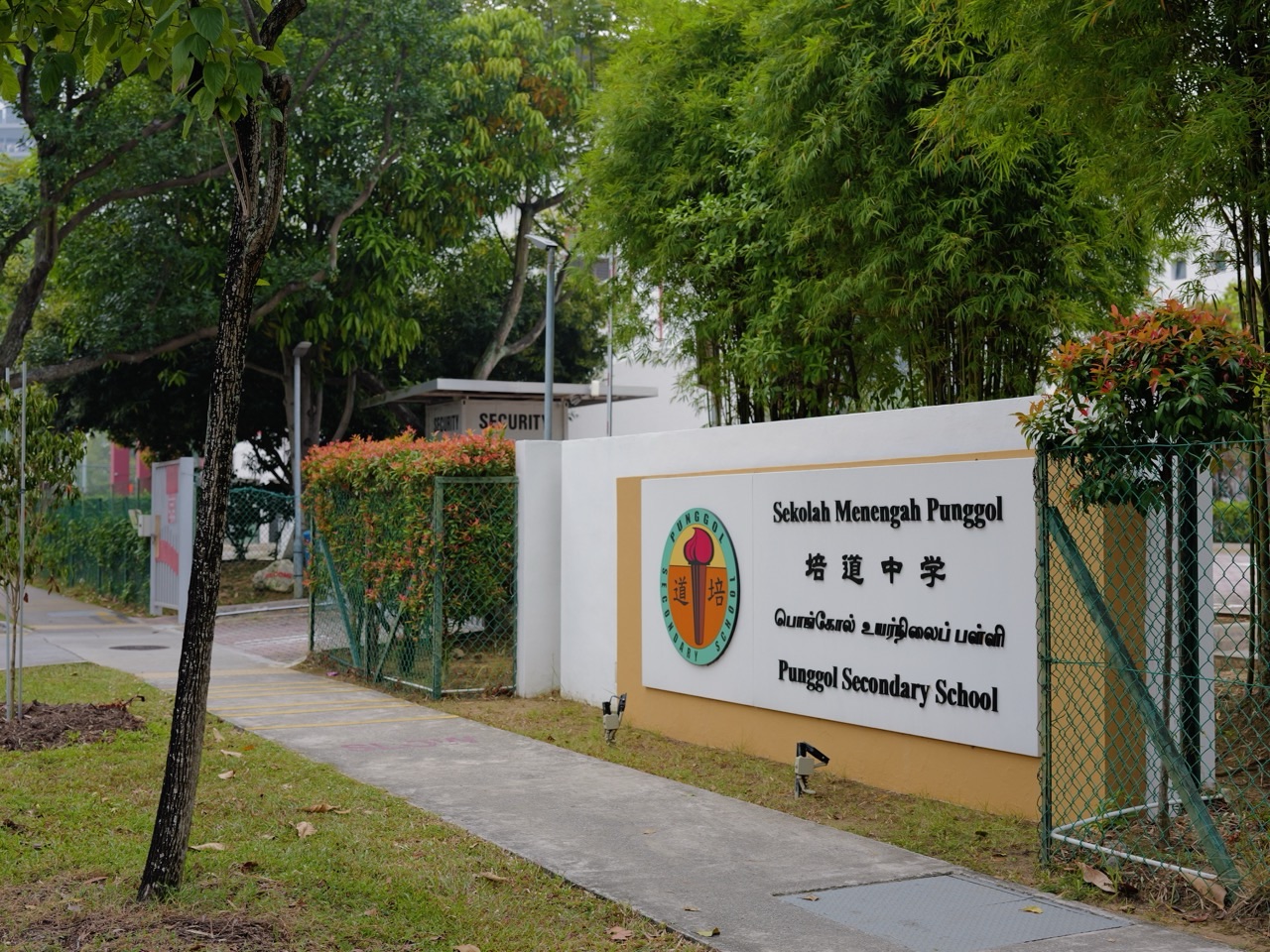

Science tuition in Punggol near Punggol Secondary School should match the student’s actual Secondary Science course, not a generic “Secondary Science” worksheet stack. Punggol Secondary School’s current official contact page lists the school at 51 Edgefield Plains. For families around Edgefield Plains and eastern Punggol, local access can be convenient, but the educational fit depends on the student’s G level, Science subject and exact weak link.
Parents searching for Punggol Secondary Science tuition, Science tutor near Punggol Secondary School, Secondary 1 Science tuition Punggol, G2 Science tuition Punggol, G3 Science tuition Punggol or SEC Science tuition near Edgefield Plains should distinguish lower-secondary foundations from upper-secondary course demand. The learning job changes as Science becomes more specialised, quantitative and examination-driven.
This guide is the first school-specific Secondary Science owner in the local lane. It covers Secondary 1 and 2 foundations, G1/G2/G3 subject alignment, Combined Science, individual Physics/Chemistry/Biology pathways, practical reasoning, and what parents should expect from a 3-pax tutorial as the student approaches the SEC years.
Secondary Science Should Be Diagnosed by Representation, Not Only Topic
Two students can both be “weak in Science” for entirely different reasons.
- one struggles with graph interpretation;
- one confuses particle models;
- one knows Biology content but writes imprecise mechanisms;
- one understands concepts but fails practical-variable questions;
- one loses marks mainly through timing and checking.
The tutor should identify the representation that breaks before adding more content.
Secondary 1: Rebuild the Transition From Primary Science
Secondary 1 Science becomes more abstract. Students need to move from concrete Primary examples into models, particles, measurements, systems and increasingly technical language.
Tuition should therefore test whether the student can read graphs, interpret diagrams, use units and explain models rather than simply memorise chapter notes.
Secondary 2: Build Upper-Secondary Readiness
Secondary 2 is a good time to diagnose which Science disciplines are becoming stronger or weaker before upper-secondary subject choices.
- Physics-style quantitative reasoning;
- Chemistry particle and representation reasoning;
- Biology systems and process explanation;
- practical design, variables and data.
See Lower Secondary Science Tuition Punggol.
G1, G2 and G3: Match the Actual SEC Course
Under Full Subject-Based Banding, students may take different subjects at G1, G2 or G3 levels. Science tuition should therefore be calibrated to the student’s actual school course rather than a broad label.
Parents can verify current Science syllabuses through the SEAB SEC syllabus portal.
Combined Science Needs Two-Discipline Integration
Combined Science students need to switch between two different scientific systems. The tutor should keep each discipline precise while helping the student manage the combined paper and cumulative revision load.
Individual Physics, Chemistry and Biology Need Specialist Depth
- Physics: quantities, units, graphs, models and calculations.
- Chemistry: particles, reactions, representations and conditions.
- Biology: systems, vocabulary, structure-function and causal chains.
A generic class may no longer be enough once the student moves into an individual Science subject.
Worked Example: Secondary 1 Student With Strong Memory but Weak Graph Reading
The student can recite the content but repeatedly misreads axes and units. The correct intervention is a transferable graph-reading routine, not another round of chapter notes.
Worked Example: Secondary 3 Chemistry Student Who Memorises Reactions
The student remembers equations but cannot reason when conditions change. The tutor should rebuild particle and reaction models, then use unfamiliar questions to test whether the chemistry is understood rather than memorised.
Practical Science Should Not Be Left Until the End
Variables, measurements, reliability, graphing and evaluation are not separate “practical topics”. They are part of scientific reasoning. Tuition should train them throughout the year.
See Secondary Science Exam Preparation Punggol.
What 3-Pax Secondary Science Tuition Should Add
- every student solves before explanation;
- the tutor hears the model being used;
- different weak representations receive different next tasks;
- peer contrast exposes misconceptions;
- fresh transfer follows correction.
At eduKate Punggol, the typical tutorial is three students for 1.5 hours. The small group should remain diagnostic rather than becoming a mini-lecture.
Edgefield Plains Logistics Matter More as School Days Lengthen
Punggol Secondary’s official site lists the school at 51 Edgefield Plains. For Secondary students with CCA and later dismissal, a sustainable tuition route can preserve attention and sleep. Parents should compare the whole weekly block, not only class duration.
What Parents Should Expect After Four Weeks
- the dominant Science weak link is clearer;
- one repeated error category is shrinking;
- the student starts unfamiliar questions with fewer prompts;
- school homework becomes more independent;
- the class is confirmed to match the actual G level and Science course;
- the timetable remains sustainable.
This Is Not a Punggol Secondary School Programme
eduKate is not affiliated with, endorsed by or operating inside Punggol Secondary School through this article. This is an independent Science tuition guide for Punggol families.
Parents can verify current school information on the official Punggol Secondary School website and use the eduKate Science tuition enquiry route for current class arrangements.
Match the exact Science course, diagnose the failing representation, repair it precisely and test whether the student can transfer the learning independently.


