
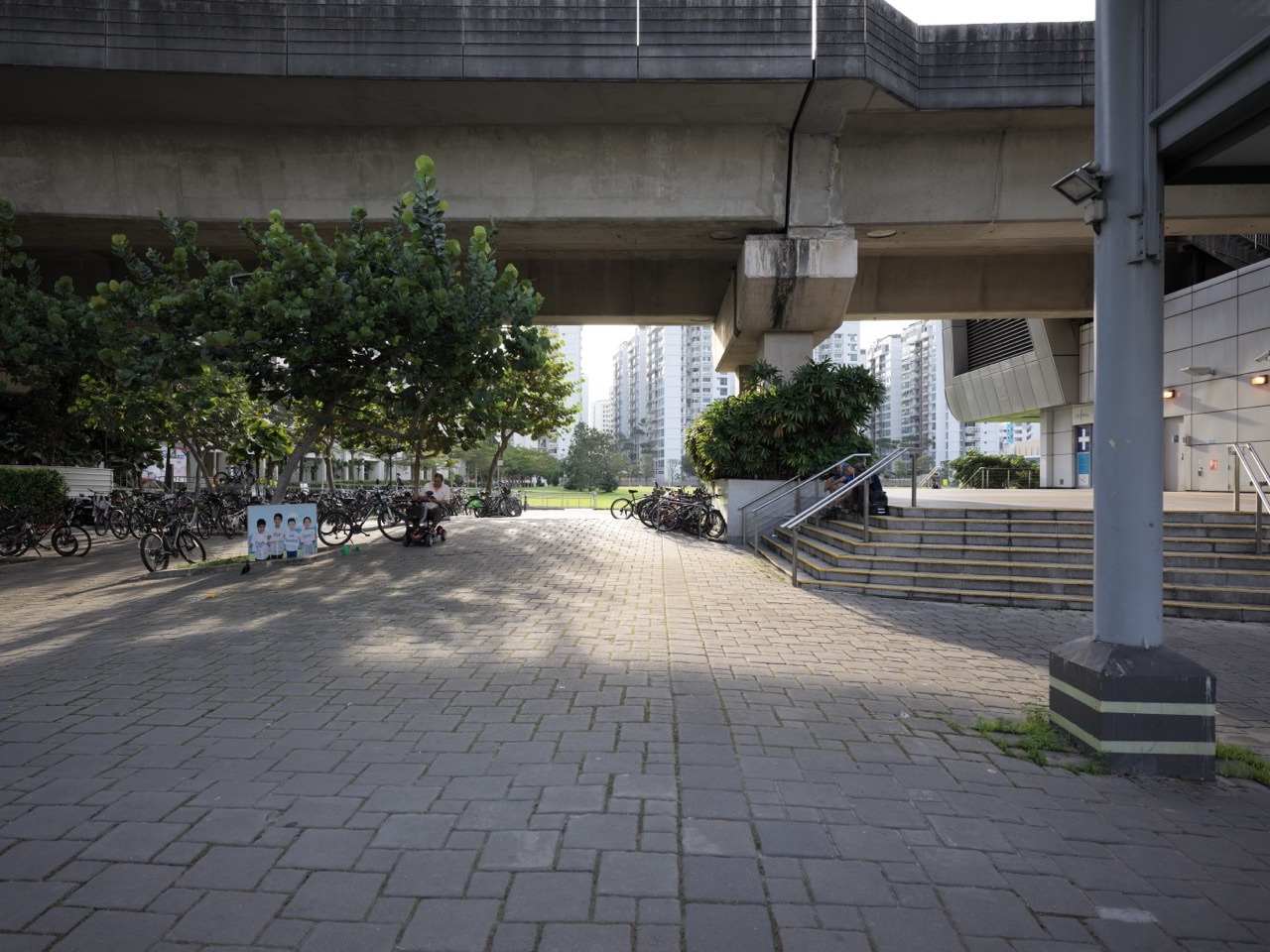
IP schools nearest Punggol should not be read as a league table. The Integrated Programme is a six-year pathway for academically strong students who can benefit from broader, more independent learning and who do not need the Secondary 4 national examination as their main checkpoint. For a Punggol family, the practical question is: which IP programme fits the learner strongly enough to justify the daily commute for four to six years?
No mainstream secondary school in Punggol town currently owns a local IP route. Families considering IP therefore look outward—to Ang Mo Kio/Bishan, central Singapore, the Victoria–Cedar route in the east, Dunman High and other established IP schools. “Nearest” changes with the child’s exact home, school-day route and transport conditions, so this page groups practical options by geography rather than claiming a permanent fastest journey.
What the Integrated Programme changes
IP students follow a six-year programme and generally bypass the Secondary 4 SEC/O-Level-style checkpoint, proceeding toward an A-Level, International Baccalaureate or other programme-specific qualification at the end of the six years.
That creates more curricular space, but it also assumes the student can thrive with greater independence and sustained academic demand. IP is therefore not simply “a more prestigious Secondary school”. It is a different programme architecture.
A Punggol shortlist by practical direction
| Direction from Punggol | IP examples | Programme destination |
|---|---|---|
| North / central | CHIJ St Nicholas Girls’ School; Catholic High School | Joint Integrated Programme → Eunoia Junior College |
| Bishan / central | Raffles Institution; Raffles Girls’ School | Raffles Programme → Raffles Institution Year 5–6 |
| Potong Pasir / east | Cedar Girls’ Secondary School | Victoria–Cedar Alliance IP → Victoria Junior College |
| East | Victoria School | Victoria–Cedar Alliance IP → Victoria Junior College |
| South-east / Tanjong Rhu | Dunman High School | Six-year Dunman High IP → A-Levels |
This is a practical Punggol starting set, not the complete national list of IP schools. Families should use MOE SchoolFinder and each school’s current admissions page for the full current landscape.
CHIJ St Nicholas Girls’ School and Catholic High School
CHIJ St Nicholas Girls’ School, Catholic High School and Singapore Chinese Girls’ School partner Eunoia Junior College in the Joint Integrated Programme. Students spend the first four years in the secondary school and continue to Eunoia Junior College for Years 5 and 6.
For Punggol families, CHIJ St Nicholas and Catholic High often belong in the first practical commute check because their Ang Mo Kio/Bishan locations are closer to the north-east than many western IP schools. Do not assume travel is easy: test the real weekday journey from home at school-start time.
Raffles Institution and Raffles Girls’ School
The Raffles Programme is a six-year integrated curriculum. Raffles Girls’ School students continue into the Year 5–6 programme at Raffles Institution. RI’s current admissions material explicitly describes the IP as a six-year commitment and advises families to choose according to aptitude and strengths.
For Punggol families, Bishan/Braddell is a meaningful daily commute rather than a local school run. The programme fit must justify that repeated travel.
Cedar Girls’ and Victoria School
Cedar Girls’ Secondary School and Victoria School are part of the Victoria–Cedar Alliance with Victoria Junior College. Their six-year IP sends students from the respective secondary school into VJC for Years 5 and 6 before A-Levels.
The east-side route can work well for some Punggol families, especially when the school’s programme and DSA talent areas strongly fit the learner. Again, use a live journey planner rather than a static “minutes from Punggol” claim.
Dunman High School
Dunman High runs its own six-year Integrated Programme, with four years in Junior High and two years in Senior High before A-Levels. The programme emphasises enriched and interdisciplinary learning, research, mentorship and broader academic development.
IP or SEC programme?
A strong PSLE result does not automatically make IP the better fit. Some students benefit from the six-year continuity and broader curriculum. Others prefer a four-year Secondary programme with the SEC as a meaningful external checkpoint and the flexibility to choose JC, polytechnic, ITE or other routes afterward.
| IP may fit when… | SEC route may fit when… |
|---|---|
| The learner is highly self-directed and thrives with broad, independent learning. | The learner benefits from clearer shorter-stage checkpoints. |
| The six-year school/JC pathway genuinely appeals. | The family wants broader post-secondary flexibility after Secondary 4. |
| The programme’s distinctive strengths match the student. | A strong local secondary school offers a better daily and developmental fit. |
| The commute remains sustainable for years. | Travel and family capacity make a local route significantly healthier. |
Do not turn “nearest IP school” into the whole decision
Distance matters because it repeats. But programme culture, subject offerings, CCAs, talent development, language requirements, DSA opportunities and the child’s preferred learning style matter too.
The decision sequence should be:
- Does IP fit the learner?
- Which programme fits the learner’s strengths and interests?
- Is admission realistic through S1 Posting or DSA?
- Can the commute be sustained?
- Does the family still prefer that school after seeing the local Punggol alternatives?
DSA and IP
Some IP schools offer DSA-Sec routes. The talent route and programme track can be school-specific, so families must check the current annual admissions page carefully. A DSA offer also carries a commitment to the school and selected talent area.
Use DSA From Punggol Schools for the DSA decision framework.
The commute test
- Test a weekday morning journey at the real departure time.
- Check the return journey after CCA, not only normal dismissal.
- Count walking and waiting, not only train time.
- Consider whether the student can eventually travel independently.
- Protect sleep and homework time.
- Recheck if the school relocates or transport routes change.
A forty-minute journey may be perfectly manageable for one student and a serious weekly cost for another. Travel is a capacity question, not a moral test of commitment.
Compare the four Punggol secondary schools before looking outward
Families should also understand what is available locally under Full SBB before assuming an IP school is necessary.
Use Secondary Schools in Punggol Compared and Full SBB in Punggol Secondary Schools.
Family example: strong student, poor commute fit
A child is academically capable of an IP route, but the preferred school creates a long daily journey and the student already has a demanding CCA. The family compares the IP programme with a strong local Punggol school offering a distinctive programme that fits the same interests.
The “higher-status” option is not automatically the better educational choice. The family should choose the environment in which the learner can thrive for years.
Family example: programme fit justifies the commute
Another student has a strong appetite for independent learning, specific programme interests and a travel route the family can sustain. In that case, the IP commute may be a reasonable investment.
Official/current programme sources
- CHIJ St Nicholas Girls’ School — JIP
- Catholic High School — IP
- Raffles Institution — IP admissions
- Raffles Girls’ School — Raffles Programme
- Cedar Girls — VCA IP
- Victoria School — VCA IP
- Dunman High — Academic Programme
Last checked: 26 September 2026. Admission scores, DSA areas and programme details should be rechecked for the relevant admission year.
Where to go next
- Secondary Schools in Punggol Compared
- DSA From Punggol Schools
- Singapore Education Pathway
- Punggol Atlas V2.0
Choose the programme, then test the commute. An IP school is worth travelling for only when the learner and the programme make the journey meaningful.
Return to the town map: The Complete Punggol Guide connects this page to schools, transport, housing, family services, food, parks and the wider Punggol knowledge estate.
IP Near Punggol: Family Decision and Commute System
This Future Build section deepens the existing canonical owner. The job is Integrated Programme options and commute trade-offs. MOE and the individual schools remain the authorities for current IP offerings, admissions information and school facts. eduKatePunggol owns the local implementation layer: family feasibility, route, handoffs, evidence and the return to learner agency.
Official-rule owner
Treat official-rule owner as a decision component rather than an isolated fact. First separate what can be verified now from what is historical, uncertain or dependent on a later official outcome. Then ask what the family can actually change.
Connect the component to the lived Punggol week: door-to-door movement, meals, CCA, homework, projects, family work shifts and sleep. A route that appears attractive in a brochure can become unsuitable when repeated travel and workload are made visible.
Finally, define one observable success condition. The student can explain the choice, the route remains sustainable, the evidence transfers to a fresh task, the requirement is verified, or the learner carries more responsibility. If that condition fails, repair the relevant layer instead of adding general pressure.
Current school facts
Treat current school facts as a decision component rather than an isolated fact. First separate what can be verified now from what is historical, uncertain or dependent on a later official outcome. Then ask what the family can actually change.
Connect the component to the lived Punggol week: door-to-door movement, meals, CCA, homework, projects, family work shifts and sleep. A route that appears attractive in a brochure can become unsuitable when repeated travel and workload are made visible.
Finally, define one observable success condition. The student can explain the choice, the route remains sustainable, the evidence transfers to a fresh task, the requirement is verified, or the learner carries more responsibility. If that condition fails, repair the relevant layer instead of adding general pressure.
Historical-data boundary
Treat historical-data boundary as a decision component rather than an isolated fact. First separate what can be verified now from what is historical, uncertain or dependent on a later official outcome. Then ask what the family can actually change.
Connect the component to the lived Punggol week: door-to-door movement, meals, CCA, homework, projects, family work shifts and sleep. A route that appears attractive in a brochure can become unsuitable when repeated travel and workload are made visible.
Finally, define one observable success condition. The student can explain the choice, the route remains sustainable, the evidence transfers to a fresh task, the requirement is verified, or the learner carries more responsibility. If that condition fails, repair the relevant layer instead of adding general pressure.
Learner evidence
Treat learner evidence as a decision component rather than an isolated fact. First separate what can be verified now from what is historical, uncertain or dependent on a later official outcome. Then ask what the family can actually change.
Connect the component to the lived Punggol week: door-to-door movement, meals, CCA, homework, projects, family work shifts and sleep. A route that appears attractive in a brochure can become unsuitable when repeated travel and workload are made visible.
Finally, define one observable success condition. The student can explain the choice, the route remains sustainable, the evidence transfers to a fresh task, the requirement is verified, or the learner carries more responsibility. If that condition fails, repair the relevant layer instead of adding general pressure.
Interest versus identity
Treat interest versus identity as a decision component rather than an isolated fact. First separate what can be verified now from what is historical, uncertain or dependent on a later official outcome. Then ask what the family can actually change.
Connect the component to the lived Punggol week: door-to-door movement, meals, CCA, homework, projects, family work shifts and sleep. A route that appears attractive in a brochure can become unsuitable when repeated travel and workload are made visible.
Finally, define one observable success condition. The student can explain the choice, the route remains sustainable, the evidence transfers to a fresh task, the requirement is verified, or the learner carries more responsibility. If that condition fails, repair the relevant layer instead of adding general pressure.
Academic foundation
Treat academic foundation as a decision component rather than an isolated fact. First separate what can be verified now from what is historical, uncertain or dependent on a later official outcome. Then ask what the family can actually change.
Connect the component to the lived Punggol week: door-to-door movement, meals, CCA, homework, projects, family work shifts and sleep. A route that appears attractive in a brochure can become unsuitable when repeated travel and workload are made visible.
Finally, define one observable success condition. The student can explain the choice, the route remains sustainable, the evidence transfers to a fresh task, the requirement is verified, or the learner carries more responsibility. If that condition fails, repair the relevant layer instead of adding general pressure.
Subject evidence
Treat subject evidence as a decision component rather than an isolated fact. First separate what can be verified now from what is historical, uncertain or dependent on a later official outcome. Then ask what the family can actually change.
Connect the component to the lived Punggol week: door-to-door movement, meals, CCA, homework, projects, family work shifts and sleep. A route that appears attractive in a brochure can become unsuitable when repeated travel and workload are made visible.
Finally, define one observable success condition. The student can explain the choice, the route remains sustainable, the evidence transfers to a fresh task, the requirement is verified, or the learner carries more responsibility. If that condition fails, repair the relevant layer instead of adding general pressure.
Commute minutes per day
Treat commute minutes per day as a decision component rather than an isolated fact. First separate what can be verified now from what is historical, uncertain or dependent on a later official outcome. Then ask what the family can actually change.
Connect the component to the lived Punggol week: door-to-door movement, meals, CCA, homework, projects, family work shifts and sleep. A route that appears attractive in a brochure can become unsuitable when repeated travel and workload are made visible.
Finally, define one observable success condition. The student can explain the choice, the route remains sustainable, the evidence transfers to a fresh task, the requirement is verified, or the learner carries more responsibility. If that condition fails, repair the relevant layer instead of adding general pressure.
Commute hours per week
Treat commute hours per week as a decision component rather than an isolated fact. First separate what can be verified now from what is historical, uncertain or dependent on a later official outcome. Then ask what the family can actually change.
Connect the component to the lived Punggol week: door-to-door movement, meals, CCA, homework, projects, family work shifts and sleep. A route that appears attractive in a brochure can become unsuitable when repeated travel and workload are made visible.
Finally, define one observable success condition. The student can explain the choice, the route remains sustainable, the evidence transfers to a fresh task, the requirement is verified, or the learner carries more responsibility. If that condition fails, repair the relevant layer instead of adding general pressure.
Morning wake time
Treat morning wake time as a decision component rather than an isolated fact. First separate what can be verified now from what is historical, uncertain or dependent on a later official outcome. Then ask what the family can actually change.
Connect the component to the lived Punggol week: door-to-door movement, meals, CCA, homework, projects, family work shifts and sleep. A route that appears attractive in a brochure can become unsuitable when repeated travel and workload are made visible.
Finally, define one observable success condition. The student can explain the choice, the route remains sustainable, the evidence transfers to a fresh task, the requirement is verified, or the learner carries more responsibility. If that condition fails, repair the relevant layer instead of adding general pressure.
Evening return
Treat evening return as a decision component rather than an isolated fact. First separate what can be verified now from what is historical, uncertain or dependent on a later official outcome. Then ask what the family can actually change.
Connect the component to the lived Punggol week: door-to-door movement, meals, CCA, homework, projects, family work shifts and sleep. A route that appears attractive in a brochure can become unsuitable when repeated travel and workload are made visible.
Finally, define one observable success condition. The student can explain the choice, the route remains sustainable, the evidence transfers to a fresh task, the requirement is verified, or the learner carries more responsibility. If that condition fails, repair the relevant layer instead of adding general pressure.
CCA load
Treat cca load as a decision component rather than an isolated fact. First separate what can be verified now from what is historical, uncertain or dependent on a later official outcome. Then ask what the family can actually change.
Connect the component to the lived Punggol week: door-to-door movement, meals, CCA, homework, projects, family work shifts and sleep. A route that appears attractive in a brochure can become unsuitable when repeated travel and workload are made visible.
Finally, define one observable success condition. The student can explain the choice, the route remains sustainable, the evidence transfers to a fresh task, the requirement is verified, or the learner carries more responsibility. If that condition fails, repair the relevant layer instead of adding general pressure.
Project load
Treat project load as a decision component rather than an isolated fact. First separate what can be verified now from what is historical, uncertain or dependent on a later official outcome. Then ask what the family can actually change.
Connect the component to the lived Punggol week: door-to-door movement, meals, CCA, homework, projects, family work shifts and sleep. A route that appears attractive in a brochure can become unsuitable when repeated travel and workload are made visible.
Finally, define one observable success condition. The student can explain the choice, the route remains sustainable, the evidence transfers to a fresh task, the requirement is verified, or the learner carries more responsibility. If that condition fails, repair the relevant layer instead of adding general pressure.
Assessment peaks
Treat assessment peaks as a decision component rather than an isolated fact. First separate what can be verified now from what is historical, uncertain or dependent on a later official outcome. Then ask what the family can actually change.
Connect the component to the lived Punggol week: door-to-door movement, meals, CCA, homework, projects, family work shifts and sleep. A route that appears attractive in a brochure can become unsuitable when repeated travel and workload are made visible.
Finally, define one observable success condition. The student can explain the choice, the route remains sustainable, the evidence transfers to a fresh task, the requirement is verified, or the learner carries more responsibility. If that condition fails, repair the relevant layer instead of adding general pressure.
Sleep margin
Treat sleep margin as a decision component rather than an isolated fact. First separate what can be verified now from what is historical, uncertain or dependent on a later official outcome. Then ask what the family can actually change.
Connect the component to the lived Punggol week: door-to-door movement, meals, CCA, homework, projects, family work shifts and sleep. A route that appears attractive in a brochure can become unsuitable when repeated travel and workload are made visible.
Finally, define one observable success condition. The student can explain the choice, the route remains sustainable, the evidence transfers to a fresh task, the requirement is verified, or the learner carries more responsibility. If that condition fails, repair the relevant layer instead of adding general pressure.
Family work shifts
Treat family work shifts as a decision component rather than an isolated fact. First separate what can be verified now from what is historical, uncertain or dependent on a later official outcome. Then ask what the family can actually change.
Connect the component to the lived Punggol week: door-to-door movement, meals, CCA, homework, projects, family work shifts and sleep. A route that appears attractive in a brochure can become unsuitable when repeated travel and workload are made visible.
Finally, define one observable success condition. The student can explain the choice, the route remains sustainable, the evidence transfers to a fresh task, the requirement is verified, or the learner carries more responsibility. If that condition fails, repair the relevant layer instead of adding general pressure.
Sibling logistics
Treat sibling logistics as a decision component rather than an isolated fact. First separate what can be verified now from what is historical, uncertain or dependent on a later official outcome. Then ask what the family can actually change.
Connect the component to the lived Punggol week: door-to-door movement, meals, CCA, homework, projects, family work shifts and sleep. A route that appears attractive in a brochure can become unsuitable when repeated travel and workload are made visible.
Finally, define one observable success condition. The student can explain the choice, the route remains sustainable, the evidence transfers to a fresh task, the requirement is verified, or the learner carries more responsibility. If that condition fails, repair the relevant layer instead of adding general pressure.
Grandparent handover
Treat grandparent handover as a decision component rather than an isolated fact. First separate what can be verified now from what is historical, uncertain or dependent on a later official outcome. Then ask what the family can actually change.
Connect the component to the lived Punggol week: door-to-door movement, meals, CCA, homework, projects, family work shifts and sleep. A route that appears attractive in a brochure can become unsuitable when repeated travel and workload are made visible.
Finally, define one observable success condition. The student can explain the choice, the route remains sustainable, the evidence transfers to a fresh task, the requirement is verified, or the learner carries more responsibility. If that condition fails, repair the relevant layer instead of adding general pressure.
Public-transport rehearsal
Treat public-transport rehearsal as a decision component rather than an isolated fact. First separate what can be verified now from what is historical, uncertain or dependent on a later official outcome. Then ask what the family can actually change.
Connect the component to the lived Punggol week: door-to-door movement, meals, CCA, homework, projects, family work shifts and sleep. A route that appears attractive in a brochure can become unsuitable when repeated travel and workload are made visible.
Finally, define one observable success condition. The student can explain the choice, the route remains sustainable, the evidence transfers to a fresh task, the requirement is verified, or the learner carries more responsibility. If that condition fails, repair the relevant layer instead of adding general pressure.
Wet-weather route
Treat wet-weather route as a decision component rather than an isolated fact. First separate what can be verified now from what is historical, uncertain or dependent on a later official outcome. Then ask what the family can actually change.
Connect the component to the lived Punggol week: door-to-door movement, meals, CCA, homework, projects, family work shifts and sleep. A route that appears attractive in a brochure can become unsuitable when repeated travel and workload are made visible.
Finally, define one observable success condition. The student can explain the choice, the route remains sustainable, the evidence transfers to a fresh task, the requirement is verified, or the learner carries more responsibility. If that condition fails, repair the relevant layer instead of adding general pressure.
Arrival buffer
Treat arrival buffer as a decision component rather than an isolated fact. First separate what can be verified now from what is historical, uncertain or dependent on a later official outcome. Then ask what the family can actually change.
Connect the component to the lived Punggol week: door-to-door movement, meals, CCA, homework, projects, family work shifts and sleep. A route that appears attractive in a brochure can become unsuitable when repeated travel and workload are made visible.
Finally, define one observable success condition. The student can explain the choice, the route remains sustainable, the evidence transfers to a fresh task, the requirement is verified, or the learner carries more responsibility. If that condition fails, repair the relevant layer instead of adding general pressure.
Digital administration
Treat digital administration as a decision component rather than an isolated fact. First separate what can be verified now from what is historical, uncertain or dependent on a later official outcome. Then ask what the family can actually change.
Connect the component to the lived Punggol week: door-to-door movement, meals, CCA, homework, projects, family work shifts and sleep. A route that appears attractive in a brochure can become unsuitable when repeated travel and workload are made visible.
Finally, define one observable success condition. The student can explain the choice, the route remains sustainable, the evidence transfers to a fresh task, the requirement is verified, or the learner carries more responsibility. If that condition fails, repair the relevant layer instead of adding general pressure.
Calendar runway
Treat calendar runway as a decision component rather than an isolated fact. First separate what can be verified now from what is historical, uncertain or dependent on a later official outcome. Then ask what the family can actually change.
Connect the component to the lived Punggol week: door-to-door movement, meals, CCA, homework, projects, family work shifts and sleep. A route that appears attractive in a brochure can become unsuitable when repeated travel and workload are made visible.
Finally, define one observable success condition. The student can explain the choice, the route remains sustainable, the evidence transfers to a fresh task, the requirement is verified, or the learner carries more responsibility. If that condition fails, repair the relevant layer instead of adding general pressure.
Application or transition documents
Treat application or transition documents as a decision component rather than an isolated fact. First separate what can be verified now from what is historical, uncertain or dependent on a later official outcome. Then ask what the family can actually change.
Connect the component to the lived Punggol week: door-to-door movement, meals, CCA, homework, projects, family work shifts and sleep. A route that appears attractive in a brochure can become unsuitable when repeated travel and workload are made visible.
Finally, define one observable success condition. The student can explain the choice, the route remains sustainable, the evidence transfers to a fresh task, the requirement is verified, or the learner carries more responsibility. If that condition fails, repair the relevant layer instead of adding general pressure.
Student voice
Treat student voice as a decision component rather than an isolated fact. First separate what can be verified now from what is historical, uncertain or dependent on a later official outcome. Then ask what the family can actually change.
Connect the component to the lived Punggol week: door-to-door movement, meals, CCA, homework, projects, family work shifts and sleep. A route that appears attractive in a brochure can become unsuitable when repeated travel and workload are made visible.
Finally, define one observable success condition. The student can explain the choice, the route remains sustainable, the evidence transfers to a fresh task, the requirement is verified, or the learner carries more responsibility. If that condition fails, repair the relevant layer instead of adding general pressure.
Parent constraints
Treat parent constraints as a decision component rather than an isolated fact. First separate what can be verified now from what is historical, uncertain or dependent on a later official outcome. Then ask what the family can actually change.
Connect the component to the lived Punggol week: door-to-door movement, meals, CCA, homework, projects, family work shifts and sleep. A route that appears attractive in a brochure can become unsuitable when repeated travel and workload are made visible.
Finally, define one observable success condition. The student can explain the choice, the route remains sustainable, the evidence transfers to a fresh task, the requirement is verified, or the learner carries more responsibility. If that condition fails, repair the relevant layer instead of adding general pressure.
Financial cost
Treat financial cost as a decision component rather than an isolated fact. First separate what can be verified now from what is historical, uncertain or dependent on a later official outcome. Then ask what the family can actually change.
Connect the component to the lived Punggol week: door-to-door movement, meals, CCA, homework, projects, family work shifts and sleep. A route that appears attractive in a brochure can become unsuitable when repeated travel and workload are made visible.
Finally, define one observable success condition. The student can explain the choice, the route remains sustainable, the evidence transfers to a fresh task, the requirement is verified, or the learner carries more responsibility. If that condition fails, repair the relevant layer instead of adding general pressure.
Opportunity cost
Treat opportunity cost as a decision component rather than an isolated fact. First separate what can be verified now from what is historical, uncertain or dependent on a later official outcome. Then ask what the family can actually change.
Connect the component to the lived Punggol week: door-to-door movement, meals, CCA, homework, projects, family work shifts and sleep. A route that appears attractive in a brochure can become unsuitable when repeated travel and workload are made visible.
Finally, define one observable success condition. The student can explain the choice, the route remains sustainable, the evidence transfers to a fresh task, the requirement is verified, or the learner carries more responsibility. If that condition fails, repair the relevant layer instead of adding general pressure.
One-page comparison
Treat one-page comparison as a decision component rather than an isolated fact. First separate what can be verified now from what is historical, uncertain or dependent on a later official outcome. Then ask what the family can actually change.
Connect the component to the lived Punggol week: door-to-door movement, meals, CCA, homework, projects, family work shifts and sleep. A route that appears attractive in a brochure can become unsuitable when repeated travel and workload are made visible.
Finally, define one observable success condition. The student can explain the choice, the route remains sustainable, the evidence transfers to a fresh task, the requirement is verified, or the learner carries more responsibility. If that condition fails, repair the relevant layer instead of adding general pressure.
Normal-week scenario
Treat normal-week scenario as a decision component rather than an isolated fact. First separate what can be verified now from what is historical, uncertain or dependent on a later official outcome. Then ask what the family can actually change.
Connect the component to the lived Punggol week: door-to-door movement, meals, CCA, homework, projects, family work shifts and sleep. A route that appears attractive in a brochure can become unsuitable when repeated travel and workload are made visible.
Finally, define one observable success condition. The student can explain the choice, the route remains sustainable, the evidence transfers to a fresh task, the requirement is verified, or the learner carries more responsibility. If that condition fails, repair the relevant layer instead of adding general pressure.
Peak-week scenario
Treat peak-week scenario as a decision component rather than an isolated fact. First separate what can be verified now from what is historical, uncertain or dependent on a later official outcome. Then ask what the family can actually change.
Connect the component to the lived Punggol week: door-to-door movement, meals, CCA, homework, projects, family work shifts and sleep. A route that appears attractive in a brochure can become unsuitable when repeated travel and workload are made visible.
Finally, define one observable success condition. The student can explain the choice, the route remains sustainable, the evidence transfers to a fresh task, the requirement is verified, or the learner carries more responsibility. If that condition fails, repair the relevant layer instead of adding general pressure.
Disruption scenario
Treat disruption scenario as a decision component rather than an isolated fact. First separate what can be verified now from what is historical, uncertain or dependent on a later official outcome. Then ask what the family can actually change.
Connect the component to the lived Punggol week: door-to-door movement, meals, CCA, homework, projects, family work shifts and sleep. A route that appears attractive in a brochure can become unsuitable when repeated travel and workload are made visible.
Finally, define one observable success condition. The student can explain the choice, the route remains sustainable, the evidence transfers to a fresh task, the requirement is verified, or the learner carries more responsibility. If that condition fails, repair the relevant layer instead of adding general pressure.
Fresh-task academic check
Treat fresh-task academic check as a decision component rather than an isolated fact. First separate what can be verified now from what is historical, uncertain or dependent on a later official outcome. Then ask what the family can actually change.
Connect the component to the lived Punggol week: door-to-door movement, meals, CCA, homework, projects, family work shifts and sleep. A route that appears attractive in a brochure can become unsuitable when repeated travel and workload are made visible.
Finally, define one observable success condition. The student can explain the choice, the route remains sustainable, the evidence transfers to a fresh task, the requirement is verified, or the learner carries more responsibility. If that condition fails, repair the relevant layer instead of adding general pressure.
Portfolio authenticity
Treat portfolio authenticity as a decision component rather than an isolated fact. First separate what can be verified now from what is historical, uncertain or dependent on a later official outcome. Then ask what the family can actually change.
Connect the component to the lived Punggol week: door-to-door movement, meals, CCA, homework, projects, family work shifts and sleep. A route that appears attractive in a brochure can become unsuitable when repeated travel and workload are made visible.
Finally, define one observable success condition. The student can explain the choice, the route remains sustainable, the evidence transfers to a fresh task, the requirement is verified, or the learner carries more responsibility. If that condition fails, repair the relevant layer instead of adding general pressure.
Tuition boundary
Treat tuition boundary as a decision component rather than an isolated fact. First separate what can be verified now from what is historical, uncertain or dependent on a later official outcome. Then ask what the family can actually change.
Connect the component to the lived Punggol week: door-to-door movement, meals, CCA, homework, projects, family work shifts and sleep. A route that appears attractive in a brochure can become unsuitable when repeated travel and workload are made visible.
Finally, define one observable success condition. The student can explain the choice, the route remains sustainable, the evidence transfers to a fresh task, the requirement is verified, or the learner carries more responsibility. If that condition fails, repair the relevant layer instead of adding general pressure.
Tutor evidence
Treat tutor evidence as a decision component rather than an isolated fact. First separate what can be verified now from what is historical, uncertain or dependent on a later official outcome. Then ask what the family can actually change.
Connect the component to the lived Punggol week: door-to-door movement, meals, CCA, homework, projects, family work shifts and sleep. A route that appears attractive in a brochure can become unsuitable when repeated travel and workload are made visible.
Finally, define one observable success condition. The student can explain the choice, the route remains sustainable, the evidence transfers to a fresh task, the requirement is verified, or the learner carries more responsibility. If that condition fails, repair the relevant layer instead of adding general pressure.
Independence level
Treat independence level as a decision component rather than an isolated fact. First separate what can be verified now from what is historical, uncertain or dependent on a later official outcome. Then ask what the family can actually change.
Connect the component to the lived Punggol week: door-to-door movement, meals, CCA, homework, projects, family work shifts and sleep. A route that appears attractive in a brochure can become unsuitable when repeated travel and workload are made visible.
Finally, define one observable success condition. The student can explain the choice, the route remains sustainable, the evidence transfers to a fresh task, the requirement is verified, or the learner carries more responsibility. If that condition fails, repair the relevant layer instead of adding general pressure.
Help-seeking
Treat help-seeking as a decision component rather than an isolated fact. First separate what can be verified now from what is historical, uncertain or dependent on a later official outcome. Then ask what the family can actually change.
Connect the component to the lived Punggol week: door-to-door movement, meals, CCA, homework, projects, family work shifts and sleep. A route that appears attractive in a brochure can become unsuitable when repeated travel and workload are made visible.
Finally, define one observable success condition. The student can explain the choice, the route remains sustainable, the evidence transfers to a fresh task, the requirement is verified, or the learner carries more responsibility. If that condition fails, repair the relevant layer instead of adding general pressure.
Decision ledger
Treat decision ledger as a decision component rather than an isolated fact. First separate what can be verified now from what is historical, uncertain or dependent on a later official outcome. Then ask what the family can actually change.
Connect the component to the lived Punggol week: door-to-door movement, meals, CCA, homework, projects, family work shifts and sleep. A route that appears attractive in a brochure can become unsuitable when repeated travel and workload are made visible.
Finally, define one observable success condition. The student can explain the choice, the route remains sustainable, the evidence transfers to a fresh task, the requirement is verified, or the learner carries more responsibility. If that condition fails, repair the relevant layer instead of adding general pressure.
Stop-doing list
Treat stop-doing list as a decision component rather than an isolated fact. First separate what can be verified now from what is historical, uncertain or dependent on a later official outcome. Then ask what the family can actually change.
Connect the component to the lived Punggol week: door-to-door movement, meals, CCA, homework, projects, family work shifts and sleep. A route that appears attractive in a brochure can become unsuitable when repeated travel and workload are made visible.
Finally, define one observable success condition. The student can explain the choice, the route remains sustainable, the evidence transfers to a fresh task, the requirement is verified, or the learner carries more responsibility. If that condition fails, repair the relevant layer instead of adding general pressure.
First-term reality check
Treat first-term reality check as a decision component rather than an isolated fact. First separate what can be verified now from what is historical, uncertain or dependent on a later official outcome. Then ask what the family can actually change.
Connect the component to the lived Punggol week: door-to-door movement, meals, CCA, homework, projects, family work shifts and sleep. A route that appears attractive in a brochure can become unsuitable when repeated travel and workload are made visible.
Finally, define one observable success condition. The student can explain the choice, the route remains sustainable, the evidence transfers to a fresh task, the requirement is verified, or the learner carries more responsibility. If that condition fails, repair the relevant layer instead of adding general pressure.
Keep support
Treat keep support as a decision component rather than an isolated fact. First separate what can be verified now from what is historical, uncertain or dependent on a later official outcome. Then ask what the family can actually change.
Connect the component to the lived Punggol week: door-to-door movement, meals, CCA, homework, projects, family work shifts and sleep. A route that appears attractive in a brochure can become unsuitable when repeated travel and workload are made visible.
Finally, define one observable success condition. The student can explain the choice, the route remains sustainable, the evidence transfers to a fresh task, the requirement is verified, or the learner carries more responsibility. If that condition fails, repair the relevant layer instead of adding general pressure.
Change support
Treat change support as a decision component rather than an isolated fact. First separate what can be verified now from what is historical, uncertain or dependent on a later official outcome. Then ask what the family can actually change.
Connect the component to the lived Punggol week: door-to-door movement, meals, CCA, homework, projects, family work shifts and sleep. A route that appears attractive in a brochure can become unsuitable when repeated travel and workload are made visible.
Finally, define one observable success condition. The student can explain the choice, the route remains sustainable, the evidence transfers to a fresh task, the requirement is verified, or the learner carries more responsibility. If that condition fails, repair the relevant layer instead of adding general pressure.
Reduce support
Treat reduce support as a decision component rather than an isolated fact. First separate what can be verified now from what is historical, uncertain or dependent on a later official outcome. Then ask what the family can actually change.
Connect the component to the lived Punggol week: door-to-door movement, meals, CCA, homework, projects, family work shifts and sleep. A route that appears attractive in a brochure can become unsuitable when repeated travel and workload are made visible.
Finally, define one observable success condition. The student can explain the choice, the route remains sustainable, the evidence transfers to a fresh task, the requirement is verified, or the learner carries more responsibility. If that condition fails, repair the relevant layer instead of adding general pressure.
Exit support
Treat exit support as a decision component rather than an isolated fact. First separate what can be verified now from what is historical, uncertain or dependent on a later official outcome. Then ask what the family can actually change.
Connect the component to the lived Punggol week: door-to-door movement, meals, CCA, homework, projects, family work shifts and sleep. A route that appears attractive in a brochure can become unsuitable when repeated travel and workload are made visible.
Finally, define one observable success condition. The student can explain the choice, the route remains sustainable, the evidence transfers to a fresh task, the requirement is verified, or the learner carries more responsibility. If that condition fails, repair the relevant layer instead of adding general pressure.
Editorial review
Treat editorial review as a decision component rather than an isolated fact. First separate what can be verified now from what is historical, uncertain or dependent on a later official outcome. Then ask what the family can actually change.
Connect the component to the lived Punggol week: door-to-door movement, meals, CCA, homework, projects, family work shifts and sleep. A route that appears attractive in a brochure can become unsuitable when repeated travel and workload are made visible.
Finally, define one observable success condition. The student can explain the choice, the route remains sustainable, the evidence transfers to a fresh task, the requirement is verified, or the learner carries more responsibility. If that condition fails, repair the relevant layer instead of adding general pressure.
Evidence review
Treat evidence review as a decision component rather than an isolated fact. First separate what can be verified now from what is historical, uncertain or dependent on a later official outcome. Then ask what the family can actually change.
Connect the component to the lived Punggol week: door-to-door movement, meals, CCA, homework, projects, family work shifts and sleep. A route that appears attractive in a brochure can become unsuitable when repeated travel and workload are made visible.
Finally, define one observable success condition. The student can explain the choice, the route remains sustainable, the evidence transfers to a fresh task, the requirement is verified, or the learner carries more responsibility. If that condition fails, repair the relevant layer instead of adding general pressure.
Source ownership routing
Treat source ownership routing as a decision component rather than an isolated fact. First separate what can be verified now from what is historical, uncertain or dependent on a later official outcome. Then ask what the family can actually change.
Connect the component to the lived Punggol week: door-to-door movement, meals, CCA, homework, projects, family work shifts and sleep. A route that appears attractive in a brochure can become unsuitable when repeated travel and workload are made visible.
Finally, define one observable success condition. The student can explain the choice, the route remains sustainable, the evidence transfers to a fresh task, the requirement is verified, or the learner carries more responsibility. If that condition fails, repair the relevant layer instead of adding general pressure.
Close the decision
Treat close the decision as a decision component rather than an isolated fact. First separate what can be verified now from what is historical, uncertain or dependent on a later official outcome. Then ask what the family can actually change.
Connect the component to the lived Punggol week: door-to-door movement, meals, CCA, homework, projects, family work shifts and sleep. A route that appears attractive in a brochure can become unsuitable when repeated travel and workload are made visible.
Finally, define one observable success condition. The student can explain the choice, the route remains sustainable, the evidence transfers to a fresh task, the requirement is verified, or the learner carries more responsibility. If that condition fails, repair the relevant layer instead of adding general pressure.
The Final Transition Principle
The intended return is a school choice that fits both the learner and the repeated journey. Verify current rules with their owners, compare only decision-relevant facts, rehearse the real route, make the family trade-offs visible, review after real experience appears, and let support retreat as the learner becomes more independent.


