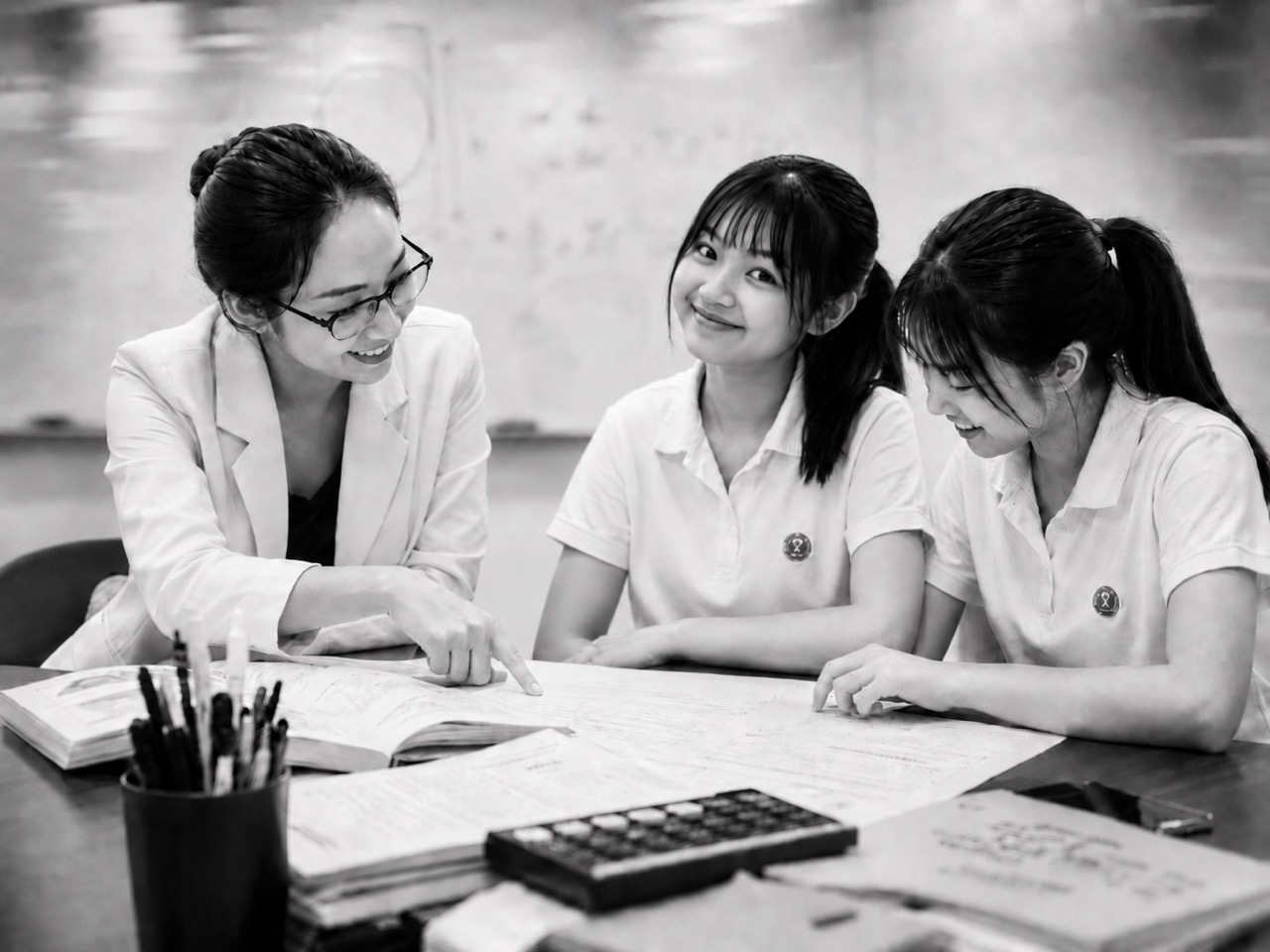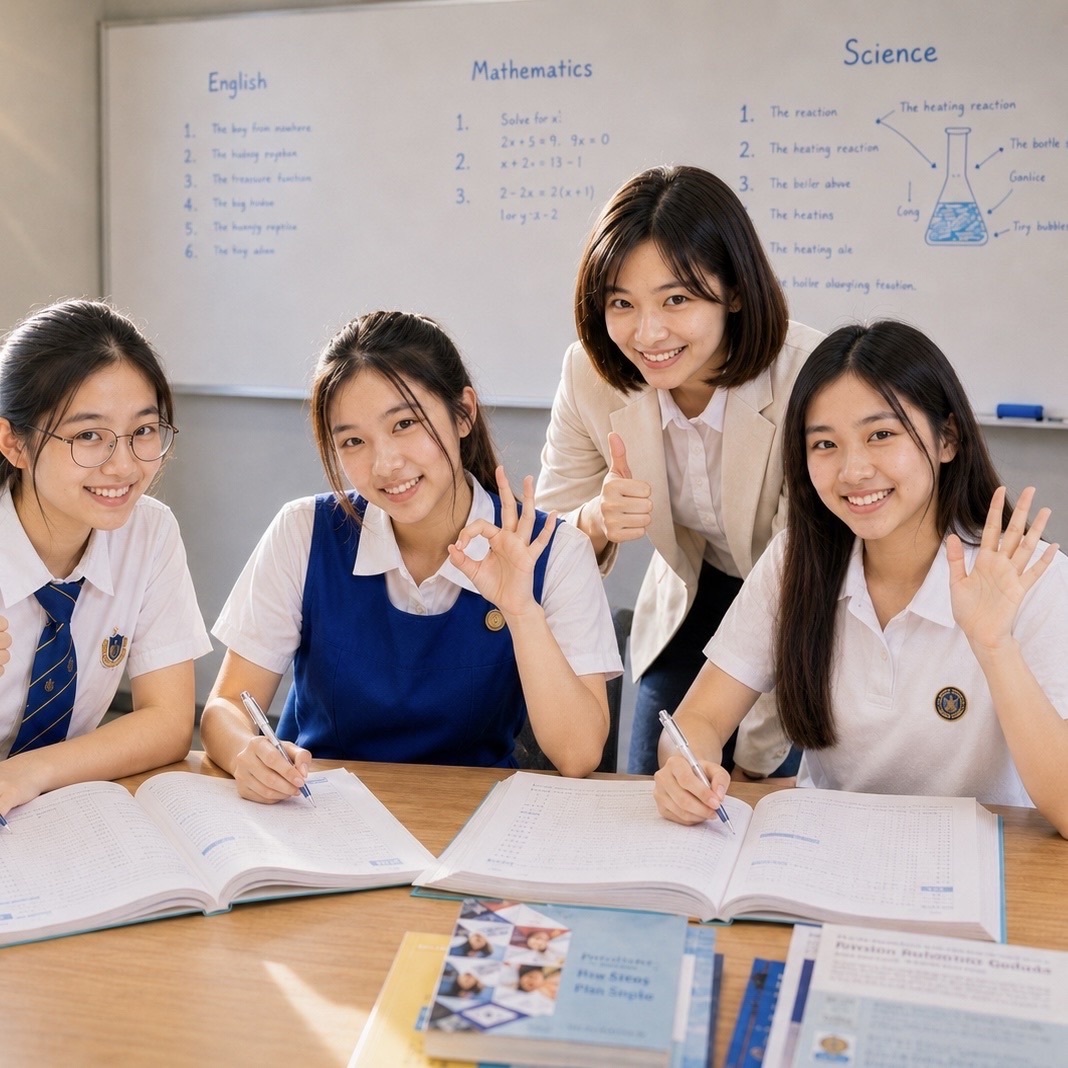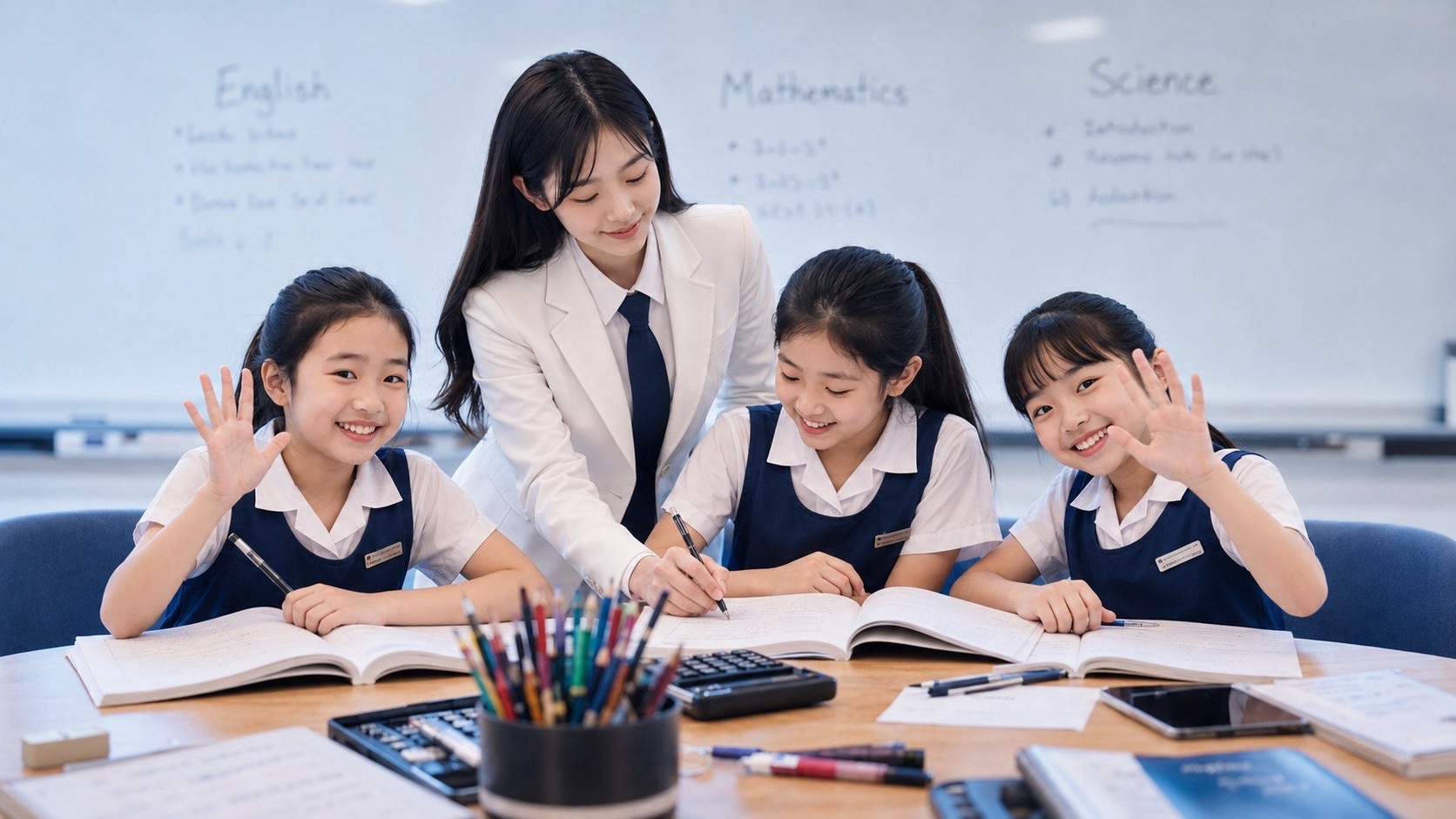
Small-group Mathematics tuition improves participation by making students more visible, more comfortable asking questions, and more likely to stay mentally engaged throughout the lesson.
Start Here: https://edukatepunggol.com/mathematics/
In a large class, some students can remain quiet, passive, or confused without being noticed. In a well-run small group, this becomes much harder. Students are more likely to respond, show their working, attempt questions, and take part in the learning process. At eduKate Punggol, small-group Mathematics tuition should improve participation not only by encouraging students to speak more, but by helping them think more actively, engage more consistently, and become more involved in their own mathematical progress.
Classical Baseline
Small-group Mathematics tuition improves participation by creating a learning environment with fewer students, allowing greater interaction between tutor and student, more opportunities for questions and responses, and more direct involvement in the lesson than is often possible in larger class settings.
One-Sentence Definition
Small-group Mathematics tuition improves participation by making each student more visible, more accountable, and more comfortable engaging actively in explanation, questioning, working, and correction.
Core Mechanisms
1. Increased Visibility
In a small group, each student is more noticeable, so passive disengagement is less likely to go unseen.
2. Lower Participation Barrier
Students often feel safer asking questions and giving responses in a smaller setting than in a large class.
3. Stronger Accountability
A small-group environment makes it more likely that students will be expected to respond, show working, and stay attentive.
4. Guided Interaction
The tutor can involve students more directly in explanation, questioning, and correction.
5. Shared Learning Momentum
Students participate more when they can see others also asking questions, making attempts, and improving.
6. Balanced Support
Students are encouraged to join in without the pressure of being alone in a one-to-one spotlight all the time.
Why Participation Matters in Mathematics
Participation matters in Mathematics because students do not learn well by passive exposure alone. Mathematics requires active thinking. A student needs to interpret the question, choose a method, show steps, notice mistakes, and understand corrections.
Low participation in Mathematics often leads to:
- copying without understanding
- silent confusion
- weak question interpretation
- shallow familiarity without real control
- slower error correction
- weaker long-term retention
This is why participation is not only about speaking in class. It is about being mentally and structurally involved in the lesson.
How Small-Group Tuition Improves Participation Academically
1. Students Are More Likely to Ask Questions
In a small group, students often feel that their question will not disappear into a crowd. This increases the chance that they will speak up when something is unclear.
2. Students Are More Likely to Answer Questions
A tutor in a small group can involve students more actively by asking them to explain steps, suggest methods, or identify mistakes. This turns the lesson into a more engaged process.
3. Students Show More Working
Participation in Mathematics includes writing, showing steps, and making reasoning visible. Small-group tuition often improves this because students are more directly checked and guided.
4. Students Stay More Mentally Present
Because the group is smaller, students know they may be called on, corrected, or asked to respond. This usually increases attentiveness.
5. Students Learn to Engage With Correction
Participation is not only about getting answers right. It is also about engaging when wrong. In a small group, students are more likely to stay involved in the correction process instead of withdrawing silently.
How Small-Group Tuition Improves Participation Emotionally
Participation is also affected by emotion. A student who feels embarrassed, invisible, or overwhelmed often withdraws from the lesson.
Small-group tuition improves participation emotionally by:
1. Making Questions Feel Safer
A small group often feels less socially risky than a large class.
2. Reducing Fear of Looking Wrong
When students see others also making mistakes and being corrected, participation feels more normal and less threatening.
3. Preventing Passive Hiding
Students are less able to disappear completely in a small group, but this can be positive when the tutor is supportive and structured.
4. Building Confidence Through Repeated Involvement
Each time a student asks, answers, attempts, or corrects successfully, participation becomes easier the next time.
What Participation Looks Like in Mathematics
Participation in Mathematics is not just speaking frequently. It includes:
- asking questions when confused
- attempting methods before waiting for rescue
- showing full working
- responding to tutor questions
- checking and correcting mistakes
- explaining reasoning
- comparing methods
- staying mentally engaged during other students’ corrections
A good small-group lesson improves all of these forms of participation, not only verbal talk.
Why Some Students Participate More in Small Groups Than in Large Classes
Many students remain quiet in large classes for understandable reasons. They may fear embarrassment, think their question is too small, assume someone else will ask, or simply feel disconnected from the lesson.
Small-group Mathematics tuition often improves participation because:
- the setting feels more personal
- the student is more likely to be noticed
- the tutor can respond more directly
- the student feels less anonymous
- the lesson feels more interactive than broadcast-style teaching
This is especially helpful for students who are not disruptive or obviously struggling, but who quietly disengage when they do not fully understand.
How Small-Group Tuition Helps Different Students Participate
Weak Students
Weak students often participate more in a small group because the tutor can support them earlier and because they see that confusion is normal, not shameful.
Average Students
Average students often participate more because they have enough understanding to engage, but need a more responsive setting to clarify smaller gaps and become more consistent.
Strong Students
Strong students can participate more meaningfully in a small group by comparing methods, refining explanations, and engaging with higher-level correction rather than sitting passively through a broad lecture-style lesson.
Participation and Accountability
One reason small-group tuition improves participation is that participation becomes expected, not optional. The student is more likely to be asked:
- What is the first step?
- Why did you choose this method?
- Where is the error?
- Can you explain this line?
- What should be checked next?
This type of guided accountability strengthens both participation and mathematical thinking. It helps students realise that learning is something they do, not something that merely happens around them.
Why Better Participation Leads to Better Mathematics Learning
Improved participation usually leads to better learning because the student is no longer only watching Mathematics happen. The student is entering the process.
Better participation helps students:
- notice what they do not understand earlier
- receive correction sooner
- remember methods more clearly
- develop stronger reasoning habits
- build greater confidence
- reduce passive dependency
This is one reason participation is so important. It is closely connected to understanding, confidence, and long-term performance.
When Small-Group Tuition May Not Improve Participation Well
Small-group tuition improves participation only when it is run properly.
It may be less effective when:
1. The Group Is Too Large
If the group is no longer truly small, passive disengagement can return.
2. The Tutor Does Not Draw Students In
A small group still needs active lesson design. The tutor must involve students intentionally.
3. The Group Climate Feels Judgmental
Students participate less when mistakes feel unsafe.
4. The Level Match Is Poor
If a student is too far behind or too far ahead of the group, participation may weaken.
How Tutors Improve Participation in Small Groups
A good tutor improves participation by:
- asking directed questions
- encouraging full working
- inviting students to explain their reasoning
- correcting in a constructive way
- noticing quiet withdrawal
- balancing support with accountability
- making mistakes part of learning instead of something to hide
Participation grows when students know they are expected to think, respond, and improve in a safe but serious learning environment.
How Small-Group Mathematics Tuition Improves Participation at eduKate Punggol
At eduKate Punggol, Mathematics is taught with three students in each 1.5-hour lesson. That scale makes participation visible: students across Primary Mathematics, PSLE preparation, Secondary E-Math and Additional Mathematics can be asked to explain, show working, question, correct and stay actively involved rather than disappearing quietly into a larger class.
A good small-group class should help students stop hiding behind silence and start entering the learning process more fully. When participation improves, Mathematics becomes less passive, less confusing, and more manageable. Students begin to feel that they are not only watching the subject, but actually learning how to handle it.
Conclusion
Small-group Mathematics tuition improves participation by making students more visible, more accountable, and more comfortable engaging actively in questions, working, and correction. Better participation leads to earlier clarification, stronger reasoning, better confidence, and deeper mathematical learning. For families in Punggol, well-run small-group Mathematics tuition can help students move from passive observation toward more active, confident, and meaningful involvement in Mathematics.

How this Mathematics guide fits into PunggolOS
This guide belongs to the structure-and-method route inside PunggolOS. Mathematics support becomes useful when the student can understand the concept, represent the relationship, choose the method, check the result and carry the learning back into school.