
Interested in data centre technician, critical facilities, server operations or data centre engineering jobs while living in Punggol? Data centres need more than software engineers. They rely on technicians and operators who help maintain servers, network hardware, electrical supply, cooling, physical security, monitoring systems and operational records. Some roles focus on IT hardware; others maintain the building systems that keep a data centre operating safely and reliably.
What qualifications do employers look for? It depends on the job. An IT operations technician may need hardware, networking and troubleshooting skills. A critical facilities technician may need mechanical, electrical, HVAC or building-services knowledge. Regulated electrical work must be handled or supervised by an Energy Market Authority (EMA) Licensed Electrical Worker of the appropriate class. IMDA’s Skills Framework includes Data Centre Facilities Management as a defined career capability, covering the physical infrastructure, power, environmental conditions, equipment and security of a data centre.
Quick guide:
- Data centre IT technician versus critical facilities technician
- Servers, racks, networks, power, UPS, generators and cooling
- IMDA skills framework and ITE/polytechnic/university pathways
- Electrical licensing boundaries and safe maintenance work
- 24/7 operations, shift patterns, incident logs and security
- Finding actual Singapore vacancies and checking the worksite and roster
Independent Punggol career guide, updated 20 November 2026. It is not an electrical licence, technical operating manual or guarantee of a Punggol vacancy. Data centre procedures and regulated work must be performed by properly trained and authorised personnel.
1. Why a data centre needs technicians
A data centre houses computer systems and supporting infrastructure that organisations use to store, process and transmit data. Its operations depend on reliable electricity, cooling, fire protection, environmental monitoring, physical security, networks and hardware maintenance. If one supporting system fails, the consequences can extend beyond the building: business applications, cloud services, payment systems and communications may be affected. This is why data centre work is structured around procedures, monitoring, maintenance and incident response.
2. Data centre IT technician: the hardware and systems side
An IT data centre technician may help install, label, move, replace or decommission server and network equipment under approved procedures. Work can include checking equipment status, managing tickets, recording serial numbers, following access controls, supporting hardware troubleshooting and escalating faults. Some positions include basic network connectivity or server support; others focus on physical rack and cabling tasks. The exact scope varies by employer and service contract.
3. Critical facilities technician: the building infrastructure side
Critical facilities teams maintain the systems that support the IT environment. These can include electrical distribution, uninterruptible power supplies (UPS), standby generators, switchgear, cooling and ventilation, pumps, fire protection, leak detection and building-management systems. A technician may monitor alarms, carry out scheduled checks, record readings and coordinate specialist contractors. The job is not simply general building maintenance: the infrastructure supports continuous operation and must be managed under precise site procedures.
4. IT technician versus facilities technician
| Career | Typical focus | Common preparation |
|---|---|---|
| Data centre IT technician | Servers, racks, hardware, cabling, asset records and IT tickets | IT support, hardware, networking and troubleshooting |
| Critical facilities technician | Power, UPS, generators, cooling, environmental systems and alarms | Electrical, mechanical, HVAC or facilities training |
| Network technician | Network equipment, connectivity and approved cabling tasks | Networking fundamentals and relevant technical experience |
| Data centre engineer | System performance, design, capacity, reliability and technical projects | Relevant engineering or computing qualification and experience |
| Operations coordinator | Access, work permits, vendors, incident records and schedules | Operations, documentation and stakeholder coordination |
These roles cooperate but do not have identical authority. A server technician should not assume they are authorised to modify electrical distribution, and a facilities technician should not access customer data simply because a server rack is in the same room.
5. IMDA’s Data Centre Facilities Management skills
IMDA’s Skills Framework for ICT identifies Data Centre Facilities Management as a capability area. It describes work involving data centre resources and physical infrastructure, energy supply and consumption, equipment, environmental conditions and physical security. The career map progresses from routine installation or decommissioning and maintenance of hardware and facility systems toward restoring performance, planning capacity, developing operating protocols and managing future infrastructure requirements. This provides a useful map of skill development, not an individual licence or guaranteed job ladder.
6. Which subjects help at school, ITE and polytechnic?
Mathematics, physics, computing and technical problem-solving provide useful foundations. Relevant ITE and polytechnic options may include infocomm technology, electronics, mechatronics, electrical engineering, mechanical engineering, facilities management and building services. The best route depends on whether the student prefers servers and networks or power and cooling. Course names and admissions conditions change, so compare current modules, practical training and internships with real job advertisements.
7. University routes and engineering roles
Degree pathways in electrical, mechanical, computer, network or systems engineering can support progression into engineering, capacity planning, reliability, design and technical management. A degree is not mandatory for every technician vacancy, and a degree alone does not authorise regulated electrical work. Employers define technical requirements for each position, while EMA licensing rules govern the electrical work that must be carried out or supervised by a licensed worker.
8. Electrical licensing: a critical boundary
EMA states that electrical work must be carried out or supervised by a Licensed Electrical Worker (LEW) of the appropriate class. The authority of an electrician, electrical technician and electrical engineer differs by the installation’s voltage and approved load. For example, EMA describes an electrician’s licence as covering installations up to 45 kVA and an electrical technician’s licence as covering operation up to 500 kVA, subject to the licence conditions. A data centre employee must not assume that an ordinary maintenance job title permits them to carry out regulated electrical work independently.
9. Power continuity: learn the concepts, not by experimenting
Data centres use layers of power infrastructure so that equipment can continue operating when a supply component is unavailable. UPS systems bridge interruptions and support continuity while standby generation or other arrangements respond. Technicians may monitor equipment status and follow approved switching or maintenance processes. These tasks can be hazardous and site-specific. Never practise switching, open electrical panels or bypass safeguards based on an online article; training, authorisation and the facility’s approved procedure govern the work.
10. Cooling, heat and environmental control
Servers produce heat and require a controlled operating environment. Facilities teams monitor temperature, humidity, airflow, cooling equipment and alarms according to site requirements. A technician may identify abnormal trends and escalate a fault before it affects equipment. Some facilities use chilled-water systems, computer-room air conditioning or other designs. The role requires understanding the system installed at the particular site rather than assuming every data centre uses the same cooling arrangement.
11. Preventive maintenance and change control
A maintenance task should have an approved scope, responsible person, timing, risk review, isolation and restoration arrangements where relevant, and a record of completion. Change control helps prevent an apparently small adjustment from creating a wider outage. A technician should know when a task requires a permit, a second checker, vendor support or manager approval. If the work differs from the plan, stop and follow the site’s escalation procedure rather than improvising.
12. Incident response and handover
Data centre teams use incident tickets, escalation trees and shift handovers to preserve continuity. A useful incident record separates the alarm observed, time, affected equipment, actions taken, parties notified and current status. Avoid guessing the root cause before investigation. During handover, unresolved alarms and active maintenance must be clearly identified so that the next team does not assume the system is normal.
13. Physical security and access discipline
Data centres restrict entry because the equipment and information are critical. Staff may be required to use individual access credentials, visitor escort procedures, work permits and equipment movement records. Do not lend a badge, tailgate another person or photograph a restricted area. A technician can be technically competent yet unsuitable for the role if they ignore security controls.
14. 24/7 operations and shift work
Some data centres operate every hour of every day. Technician positions may involve rotating day and night shifts, weekend duties, public holidays, standby or on-call work. Other roles are office-hour project positions. Ask for the actual roster, rest days, shift allowances, overtime rules, shuttle or transport arrangements and the process for call-outs. A high advertised salary may include shift or overtime components that are not guaranteed basic pay.
15. Where Punggol residents may find opportunities
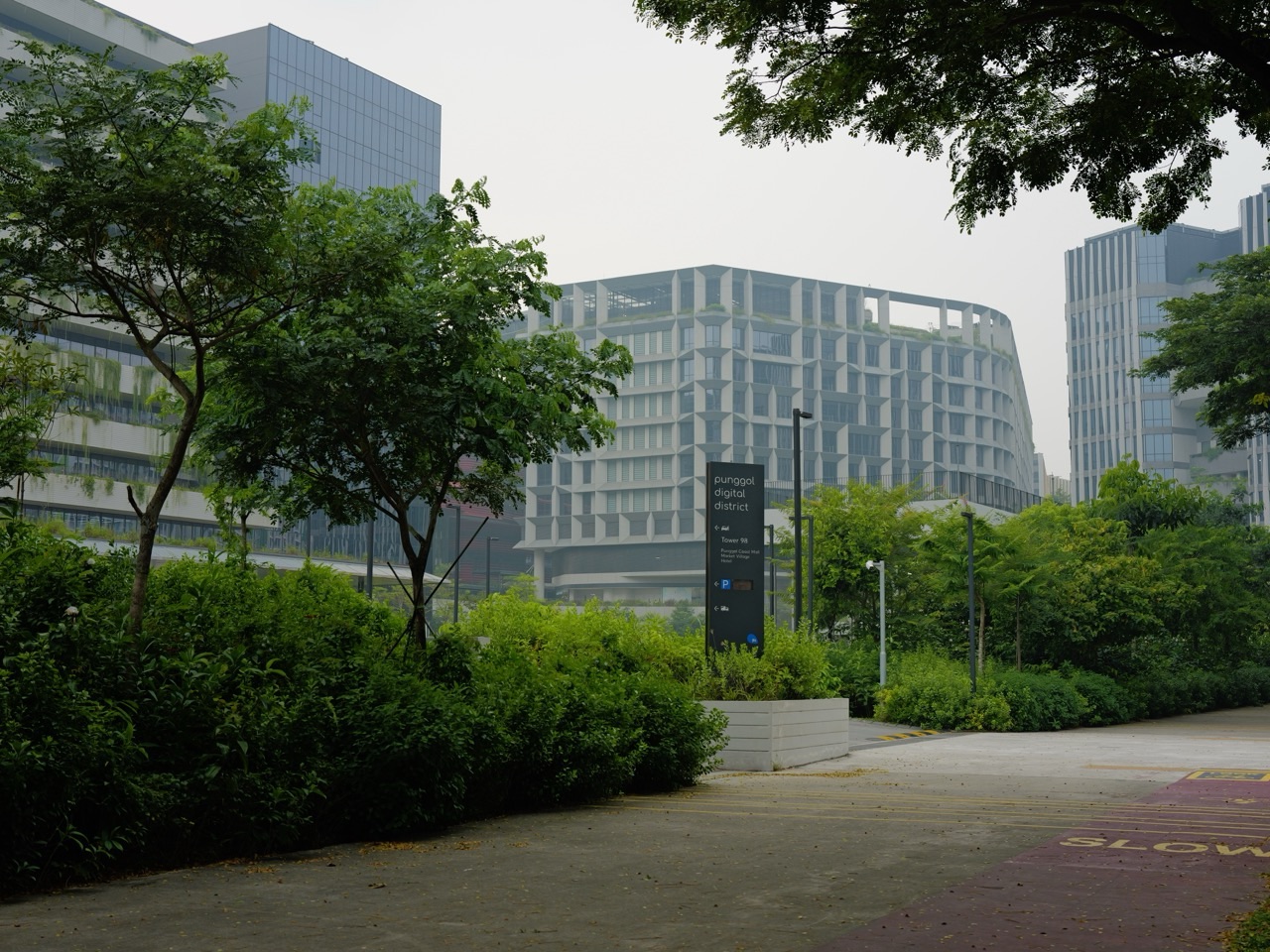
Punggol Digital District and the wider north-east provide a useful context for digital infrastructure, smart buildings and technology employers. However, not every company in PDD operates a data centre, and many of Singapore’s data centres are located in other districts. A vacancy mentioning Singapore may be based in the west, east or central region. Confirm the actual facility, reporting location, shift transport and whether the employer deploys technicians across multiple sites.
16. What a good entry-level portfolio can show
Use fictional data to create a rack asset register, sample ticket log, maintenance schedule or incident handover. Explain what each field means and who approves a change. A portfolio should demonstrate careful documentation and troubleshooting logic, not pretend that the candidate has maintained a live data centre. Do not publish real rack diagrams, network addresses, customer information, access procedures or confidential equipment records.
17. Interview questions
Ask whether the job focuses on IT hardware or critical facilities; which systems the employee will support; what qualifications and safety training are required; whether electrical work is part of the role and who provides LEW oversight; what the shift pattern is; whether there is on-call work; what access and security screening applies; which site the role is based at; and what training or progression support the employer offers.
18. Frequently asked questions
Do I need a degree to become a data centre technician?
Not for every technician role. Employers may accept relevant ITE or diploma qualifications and technical experience. Engineering positions may have degree requirements.
Is a data centre technician the same as an IT support technician?
There is overlap, but data centre roles can include physical infrastructure, hardware, access, maintenance and 24/7 operations.
Can any facilities technician work on a data centre switchboard?
No. Regulated electrical work must be carried out or supervised by an EMA Licensed Electrical Worker of the appropriate class.
Do all data centre jobs have night shifts?
No. Some operational roles are shift-based; design, project and administrative roles may follow different schedules.
Are there data centres in Punggol?
Punggol has a technology district, but do not assume it contains a particular data centre or that a vacancy is based there. Verify the actual worksite.
Official sources and related Punggol career guides
- IMDA — Skills Framework for ICT career maps: Data Centre Facilities Management
- EMA — electrical worker licences
- EMA — Electrical Technician licence scope
- MyCareersFuture — current data centre technician vacancies
- Careers in Punggol hub
- Data centre, cloud and network engineering courses
- Data centre water efficiency careers
- Workplace safety and fire safety careers
- Electrician and EV charging careers
Choose the correct side of data centre work. IT hardware, networking and critical facilities need different preparation. Understand the shift pattern, worksite, safety controls and electrical licensing boundary before accepting a job.


