
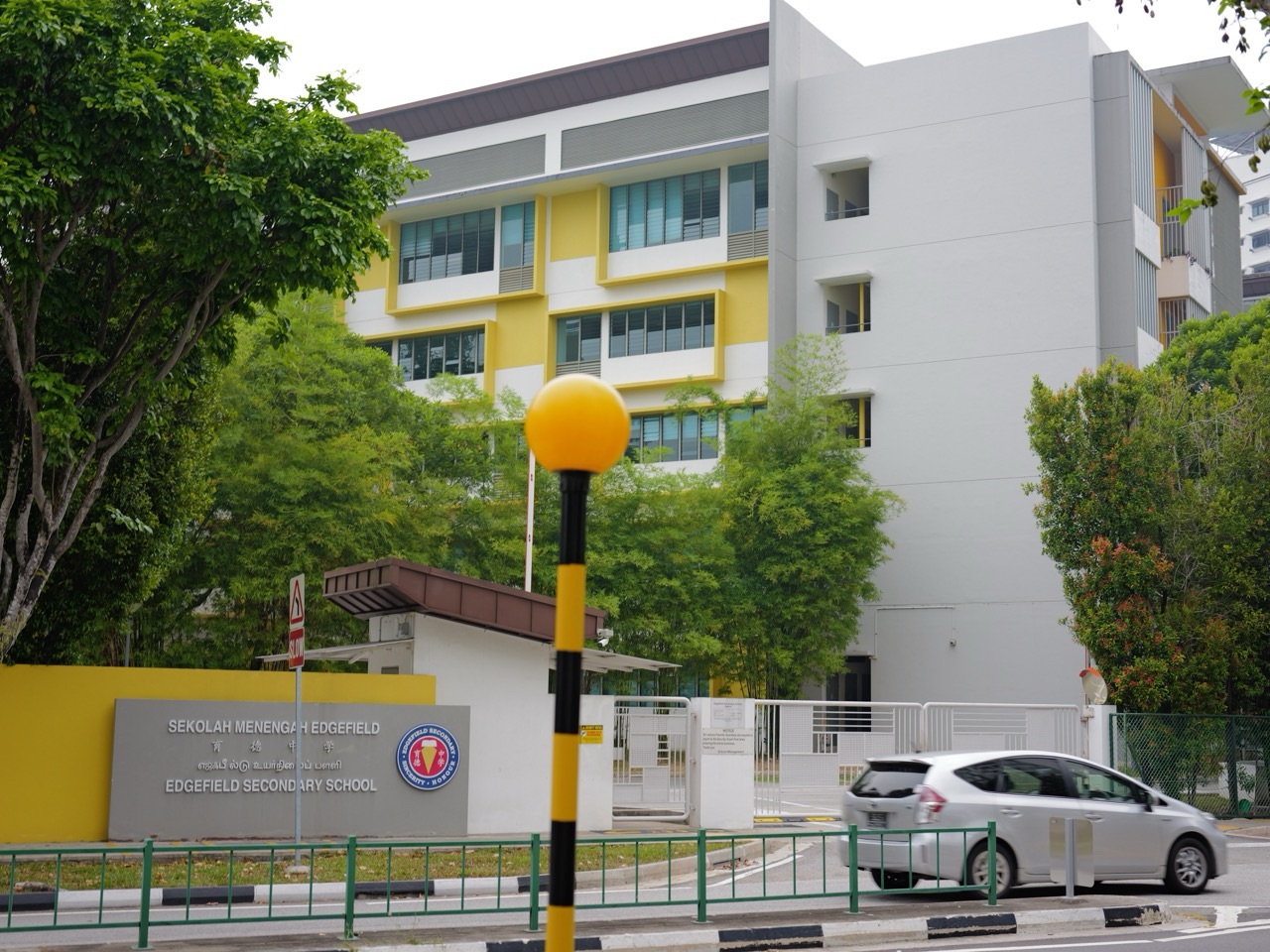
There is no verified school-by-school ranking showing that Edgefield Secondary, Greendale Secondary, Punggol Secondary or Yusof Ishak Secondary has the “strictest”, “safest” or “best” discipline for every pupil. A useful parent comparison should examine actual school rules, how students are taught respectful behaviour, how teachers respond to ordinary mistakes, what happens when serious misconduct is reported and how vulnerable pupils get support. The four schools are all mainstream secondary schools in Punggol and are subject to Singapore’s national education framework, while their current handbooks, communication arrangements and everyday cultures should be checked individually.
For Punggol families receiving 2026 PSLE results on Tuesday, 24 November at 11.00am, admission still begins with the child’s actual PSLE Score and PG1, PG2 or PG3 Posting Group eligibility. School culture and discipline matter when selecting among eligible schools for Secondary 1 entry in 2027, but a previous cut-off point is not a measure of student safety or teacher care. In April 2026, MOE announced clearer baseline consequences for serious and very serious student misconduct, together with stronger bullying reporting, safety planning and restorative support. This parent guide helps families compare written rules without relying on rumours, ask practical questions about student welfare and build six credible school preferences before the 30 November 2026, 4.30pm deadline.
Quick parent summary
• No trustworthy public comparison establishes that one of the four Punggol schools is universally more disciplined than another.
• Compare current written rules for attendance, punctuality, uniform, devices, respectful behaviour and academic integrity.
• Distinguish ordinary mistakes, repeated disruptive behaviour and serious harm; they should not be treated identically.
• MOE’s 2026 discipline measures clarify consequences for serious misconduct while retaining counselling, fairness and restorative elements.
• Ask how the school protects affected pupils, communicates with families and helps a student learn from a mistake.
• Use the actual Posting Group and correct previous school cut-off; neither a low COP nor a high COP is a safety rating.
• Choose six eligible schools by education, culture, support, CCAs and the daily journey—not gossip.
What are parents really asking when they say a school has good discipline?
One parent means that classes begin punctually and pupils behave respectfully. Another wants a school where their child will not be bullied or excluded. A third worries that a sensitive pupil may be embarrassed for a small mistake. Yet another wants fair handling when an incident is reported. These concerns overlap, but they are not the same. Parents need to identify which problem they are trying to avoid before comparing a school’s culture.
Discipline can mean teaching habits: preparing for lessons, listening, making safe decisions, following instructions and learning to repair harm. A school must also maintain boundaries when behaviour threatens others. Good discipline is therefore not just the number of detentions issued. A very punitive-sounding policy may not tell you whether students are treated respectfully, while a welcoming promotional video may not reveal how an actual serious incident is managed.
Ask about the school’s ordinary practices rather than making generalisations about its students. It is unfair to tell a child that a school must be unsafe because its historical PSLE COP is less competitive or that a highly selective school cannot have bullying. These are unsupported claims. The task is to find a school where the particular child can participate, learn and know how to seek help.
Six elements of a useful student code of conduct
| Element | What a parent should look for | Why it matters |
|---|---|---|
| Punctuality and attendance | Reporting time, late-coming and absence procedure | Predictable lessons and family communication |
| Dress and school uniform | Current attire, grooming and equipment rules | Avoids misunderstandings and unnecessary stress |
| Classroom behaviour | Respect, attention, materials and teacher directions | Creates a workable learning environment |
| Phones and devices | School-hour restrictions and authorised exceptions | Supports attention and safe family communication |
| Peer safety | Bullying, threats, cyber misconduct and reporting | Protects pupils and maintains trust |
| Learning accountability | Homework, honesty, assessment conduct and support | Keeps discipline linked to education rather than humiliation |
The written handbook is a better starting point than a forwarded social-media message claiming that a school is ‘very strict’. Ask the school whether the latest handbook is available for incoming pupils and when the 2027 edition will be issued. A parent can understand many ordinary expectations before the child is allocated, while acknowledging that details can change.
One school’s student handbook can be substantially longer than another’s, but length alone does not tell you the effectiveness of rules. Pay attention to clarity, proportionality, who pupils can contact and whether parents know how to ask for a review or clarification.
What changed in the 2026 national discipline discussion?
On 15 April 2026, MOE announced clearer baseline consequences for serious and very serious misconduct in Singapore schools, while strengthening management of bullying and harmful behaviour. The published framework includes measures such as detention or suspension, conduct-grade adjustment, and in specified serious circumstances, other legally permitted measures under strict rules. These are not routine responses to a single forgotten worksheet.
The measures aim to make responses to serious misconduct more consistent, while accompanying them with counselling, appropriate restorative processes and student support. Schools still need to establish facts and consider the specific incident. Parents should not treat an accusation, a proven event and repeated serious conduct as interchangeable.
Corporal punishment, where legally permitted for specified male pupils and conducted under the applicable regulations, is tightly governed; it is not permitted for female pupils. Parents can ask schools to describe the actual current policy, but should not spread false claims that any classroom teacher may use a cane casually or that every serious allegation automatically results in caning. The appropriate details and authorised procedures must come from current MOE and school rules.
A 2026 media report of national baseline consequences is not a substitute for the receiving school’s complete 2027 handbook. Parents should confirm how student management teams explain consequences, protect pupils, handle confidentiality and help students learn better behaviour afterward.
Discipline should be educational, not just punitive
A pupil may arrive late because they failed to prepare or because transport was unexpectedly disrupted. Another may shout when frustrated, use a personal device outside permitted hours or forget an assignment. These incidents require understanding and appropriate consequences, but they are different from deliberate harassment, dangerous violence, serious dishonesty or repeated threats.
A helpful school explains what behaviour is expected and why. It may teach students to apologise appropriately, correct a misunderstanding, repair damage, learn a routine or obtain support for an underlying problem. Serious misconduct can require stronger protective and disciplinary action. The principle is proportionality, not pretending all problems can be solved with a friendly conversation.
For pupils with particular educational, communication or disability-related needs, the family may need to discuss reasonable support for understanding rules and managing transitions. Such support does not mean safety risks must be ignored; it means the school should consider the actual circumstances and respond appropriately. A child is more likely to take responsibility when adults distinguish intention, impact, skill gaps and harm.
How to ask about bullying without creating an unsafe ranking
A school can publish clear reporting channels but still experience peer conflict, because no school can promise that every student will behave well. The family should ask what a pupil does when something happens, which adult can be approached privately, whether the school can protect an affected student while checking facts and how families are informed. These are concrete procedural questions.
Do not ask for confidential disciplinary records about another child or expect a school to reveal everything in a previous investigation. The receiving school may explain the policy and safety arrangements relevant to your child without disclosing someone else’s personal information. Respectful confidentiality is part of an effective response, not automatically a sign of concealment.
The child should learn that reporting a concern is different from retaliating, filming others secretly or publicly accusing someone online. If an immediate danger occurs, contact the school or other appropriate emergency support promptly rather than treating this school-choice guide as a reporting portal.
Why the 2026 phone rules matter
MOE introduced enhanced secondary-school restrictions on personal smartphones and smartwatches from January 2026, covering school hours including recess and other school activities, with necessary authorised exceptions. This reduces the usefulness of an outdated question such as, ‘Which Punggol school allows free smartphone use at recess?’ The national baseline has changed, while the precise way devices are stored and exceptions are handled may vary by school.
Ask how the school communicates when a child needs an urgent call home, what happens if a phone is used without permission and how pupils are taught cyber wellness. A school with clear rules should also explain the alternative way to contact a trusted adult. A working parent should know that procedure before the child starts school.
What is a conduct grade, and why should a parent ask?
Schools assess student behaviour using conduct grades according to applicable criteria and processes. These are different from G1, G2 and G3 academic subject results and the eventual SEC examination grades. A conduct decision can affect certain school awards, leadership roles or activity opportunities under relevant rules, but one ordinary mistake does not necessarily destroy a child’s entire academic future.
Ask the school what conduct categories mean, how pupils are informed, how parents can clarify a factual error and which staff member handles an appropriate concern. The school should explain how students learn from problems, not only how grades are lowered. Parents should help the child accept warranted consequences while remaining attentive to fairness and dignity.
A parent should not post a disciplinary letter or child’s conduct report publicly to win an argument. The proper route is to ask the school directly and respectfully about the actual incident, the current written rule and any relevant support or review process.
How to compare each of the four Punggol schools
Edgefield Secondary: initiative, teamwork and character
Edgefield Secondary at 36 Punggol Field, Singapore 828814 encourages initiative and collaboration through the Growing the Edgefield Mindset ALP, alongside character education linked with sport. A parent can ask how the school teaches responsibility during group work, how disagreements are handled and how new Secondary 1 pupils learn the expected classroom and CCA routines.
That programme description does not establish a superior or inferior disciplinary record. Ask for the school’s current handbook, parent communication route and processes for pupils who struggle with punctuality or peer relationships.
Greendale Secondary: outdoor responsibility and group learning
Greendale Secondary at 51 Edgedale Plains, Singapore 828866 links applied design learning with outdoor adventure. Parents should ask what supervision and rules apply to group tasks, practical workshops and off-campus activities. What happens if a new pupil is nervous, needs help or misunderstands a safety instruction?
The outdoor theme may create good opportunities for responsibility and teamwork, but there is no evidence that it automatically prevents bullying or makes discipline harsher. Compare actual guidance, support and safety procedures, not an adjective in a school review.
Punggol Secondary: service, responsibility and student wellbeing
Punggol Secondary at 51 Edgefield Plains, Singapore 828870 emphasises community leadership and environment education. Ask how student leadership values translate into everyday respect, attendance, group projects and handling peer conflict. A pupil who wants to help others may value those opportunities, but the family should still know whom to contact about an incident.
The school’s old posting cut-off is not a measure of student discipline. Discuss the student’s own support needs and the school’s published procedures, as with any other institution.
Yusof Ishak Secondary: leadership and responsible STEM collaboration
Yusof Ishak Secondary at 8 Sumang Walk, Singapore 828676 offers smart-city STEM and leadership experiences. Parents can ask how the school promotes respectful group work, responsible device use and student leadership. For a child who will travel home alone, clarify reporting and dismissal arrangements and an appropriate contact route.
A school-wide STEM programme is not a guarantee of strong discipline, nor a reason to presume the opposite. Ask about behaviour expectations, pastoral support and the way an individual child’s circumstances will be understood.
The difference between school culture and the previous PSLE cut-off
The table below contains previous 2026 Secondary 1 intake final-admitted scores following PSLE 2025. They are historical admissions outcomes, not known 2027 cut-offs or school safety ratings. A numerically smaller PSLE Score indicates stronger aggregate performance.
| Punggol school | Past PG3 COP | Past PG2 COP | Past PG1 COP |
|---|---|---|---|
| Edgefield Secondary | 14 | 23 | 27 |
| Greendale Secondary | 16 | 23 | 27 |
| Punggol Secondary | 19 | 24 | 27 |
| Yusof Ishak Secondary | 15 | 22 | 27 |
For a PG3 child with Score 18, only Punggol Secondary’s previous PG3 endpoint of 19 was numerically less stringent among the four local schools. Edgefield 14, Greendale 16 and Yusof Ishak 15 were historically more competitive. It would be incorrect to infer that Punggol Secondary has stronger or weaker discipline from those numbers. Use the score for admission planning and the school’s actual culture and processes for wellbeing planning.
For PG2 Score 24, the previous local PG2 endpoints were 23, 23, 24 and 22. A pupil with Score 25 may have PG1/PG2 choices; the past PG1 cut-offs were all 27. The parent must compare the correct column for the chosen route, not choose another group simply because they think it has stricter pupils.
Where Punggol’s four schools provide insufficient historical range, research eligible secondary schools in Sengkang, Hougang and other practical areas. An out-of-estate school can be a suitable option, but the family should test the route and consider the child’s genuine preferences. The desired disciplinary environment cannot be separated from the student’s formal entry eligibility.
A realistic school rules comparison worksheet
| What to ask | Evidence to collect | What cannot be concluded |
|---|---|---|
| Punctuality and attendance | Latest handbook and absence process | Strictness alone proves students learn better |
| Uniform and grooming | Published 2027 expectations when available | One rule determines the whole school culture |
| Personal device use | Current policy, storage and authorised contact route | A technology ALP means unlimited phone use |
| Misconduct response | Procedures for fair fact-finding and proportionate consequences | Every incident receives identical punishment |
| Bullying and protection | Named adult and safety steps for affected pupils | No previous reports means no future risk |
| Pastoral and counselling | Ways to request help and relevant support personnel | Every problem can be solved by punishment |
| Parent communication | How the family learns about an incident and follows up | Schools can disclose other pupils’ private records |
| Positive student development | CCA, VIA, leadership and form-teacher learning | A school trophy proves better student behaviour |
The purpose of this worksheet is to compare procedures a parent can actually confirm, not to assign each school a fictitious discipline score. A school may be able to explain its current approach but not yet have the final 2027 handbook printed. Note what can be confirmed later after placement.
A calm family conversation about school rules
Ask the child what they think makes a classroom feel fair. They may say clear instructions, teachers who listen, classmates who respect personal belongings or consistent consequences when someone is hurt. Explain that following rules helps everyone learn and stay safe. Invite the pupil to identify one personal habit they want to improve, such as preparing their bag, asking for help or using devices at the right time.
Parents should model respectful conduct too. If adults insult school staff in front of the child or circulate unverified rumours about other pupils, that can undermine the values they hope the school will teach. A family can disagree firmly with a decision through proper channels while remaining factual and courteous.
A child who has already experienced bullying may need a confidential support plan, not merely a more intimidating-sounding school. A child who sometimes forgets materials may need an organisation routine rather than being treated as a dangerous offender. Different needs call for different school conversations.
Questions to take to a school open house
- Where can a parent find the current student handbook and 2027 rule updates?
- What does the school teach pupils about attendance, punctuality and device use in the first weeks?
- Who can a pupil approach privately about unsafe behaviour or a personal difficulty?
- What happens immediately when a serious safety concern is reported?
- How does the school establish facts before deciding on a disciplinary consequence?
- How are minor mistakes distinguished from repeated or serious misconduct?
- What counselling, restorative or learning support may accompany appropriate consequences?
- How are parents informed about a concern involving their own child?
- What can families do if they believe the school did not consider relevant information?
- How does the school protect other pupils’ confidentiality while responding to a case?
- How are student leadership, VIA and CCA opportunities used to teach positive responsibility?
- How is support adapted for students with relevant learning or communication needs?
An open-house representative cannot promise that no pupil will ever behave badly. Look instead for understandable policies, clear communication and appropriate student support. The child should know what to do on a difficult day, rather than being told that a particular school’s reputation will automatically protect them.
The six-school selection method
- Read the pupil’s official 2026 PSLE total, individual subject ALs and personalised Posting Group options.
- Use the selected PG1, PG2 or PG3 group consistently when comparing previous school COPs.
- Investigate school culture, written rules, teaching support and CCA options from reliable current sources.
- Ask about reporting safety issues and communicating with families without demanding private student records.
- Identify any special support needs the child has and seek a suitable school process.
- Include two or three schools whose previous COPs were less stringent than the child’s score where suitable, following MOE guidance.
- Expand beyond Punggol when local historic admission ranges are too competitive.
- Test the actual morning and late-CCA school journey from home.
- Rank six genuinely acceptable, eligible schools in the child’s honest preference order.
- Submit through the MOE S1 Portal and save the official confirmation.
Ordinary school posting uses academic merit first. For relevant equal-score competition, citizenship, preference order and computerised balloting are tie-breakers. A Punggol household does not receive general selected-school priority simply by living near the gate. A reputation for discipline does not change the entry rules or create a guaranteed 2027 seat.
The official 2026 results and 2027 entry calendar
| Milestone | Announced date |
|---|---|
| PSLE results released | Tuesday 24 November 2026 at 11.00am |
| S1 Portal opens | 24 November at 11.30am |
| Six-school preferences close | Monday 30 November at 4.30pm |
| Posting results | Tentatively Friday 18 December; final date to be confirmed |
SEAB’s 17 November 2026 release confirms the submission window and urges parents to consider school culture, subjects, programmes and student interests. Eligible families can use the portal with one parent’s valid Singpass; seek primary-school help before the deadline where necessary. An accepted DSA-Sec placement may follow a different process.
Frequently asked questions
Which Punggol secondary school has the strictest discipline?
No verified comparable school-specific ranking supports a factual answer. Check current handbooks, actual rules, response processes, student support and the child’s personal needs rather than relying on rumours.
Does a more competitive PSLE cut-off mean better discipline?
No. The previous cut-off records the last admitted score in an earlier posting exercise, not the school’s conduct culture or safety record.
Are forgotten homework and serious bullying treated the same?
They should not be automatically equated. Schools apply rules and assess severity, repetition, circumstances and safety; serious misconduct can attract stronger consequences under the relevant framework.
Are phones banned from use during Secondary 1 recess?
MOE’s enhanced 2026 guidelines restrict smartphones and smartwatches during school hours, including recess, with necessary authorised exceptions. Ask the school how it stores devices and handles urgent contact.
Can a parent ask the school to review a disciplinary decision?
Parents can request factual clarification through official school channels. Any particular review process depends on the school’s current rules and the nature of the decision; an online article cannot promise an automatic appeal outcome.
Does counselling replace discipline after a serious incident?
Not necessarily. A school may need protective measures, proportionate consequences, counselling, restorative work and follow-up. The response should fit the established facts and safety needs.
What if my child was bullied before Secondary 1?
Contact the current primary school about any ongoing safety issue and discuss an appropriate confidential transition handover after placement. No school can guarantee zero peer conflict, but the receiving school should explain its support channels.
Official sources and related eduKate guides
- MOE: S1 Posting and official school-choice requirements
- MOE SchoolFinder: school details, culture and previous admission ranges
- SEAB: confirmed 2026 result release and school-choice dates
- CNA, 15 April 2026: MOE’s enhanced discipline baseline for serious misconduct
- CNA, 15 April 2026: MOE reporting, staffing and restorative support measures
- MOE: January 2026 school-hour smartphone and smartwatch restrictions
- eduKateSG: detailed Singapore school discipline and conduct-guide reference
- eduKate Punggol: school choice after a difficult bullying experience
- eduKate Punggol: school phones, learning devices and cyber wellness
Final parent move: The best discipline environment for your child is not a school with a rumoured reputation or the lowest historical admission score. Compare written expectations, consistent and fair teaching of behaviour, student safety and a clear route for asking for help. Then apply to six schools the child is eligible for and would genuinely attend, with a realistic historical admission range and a sustainable daily routine.


