
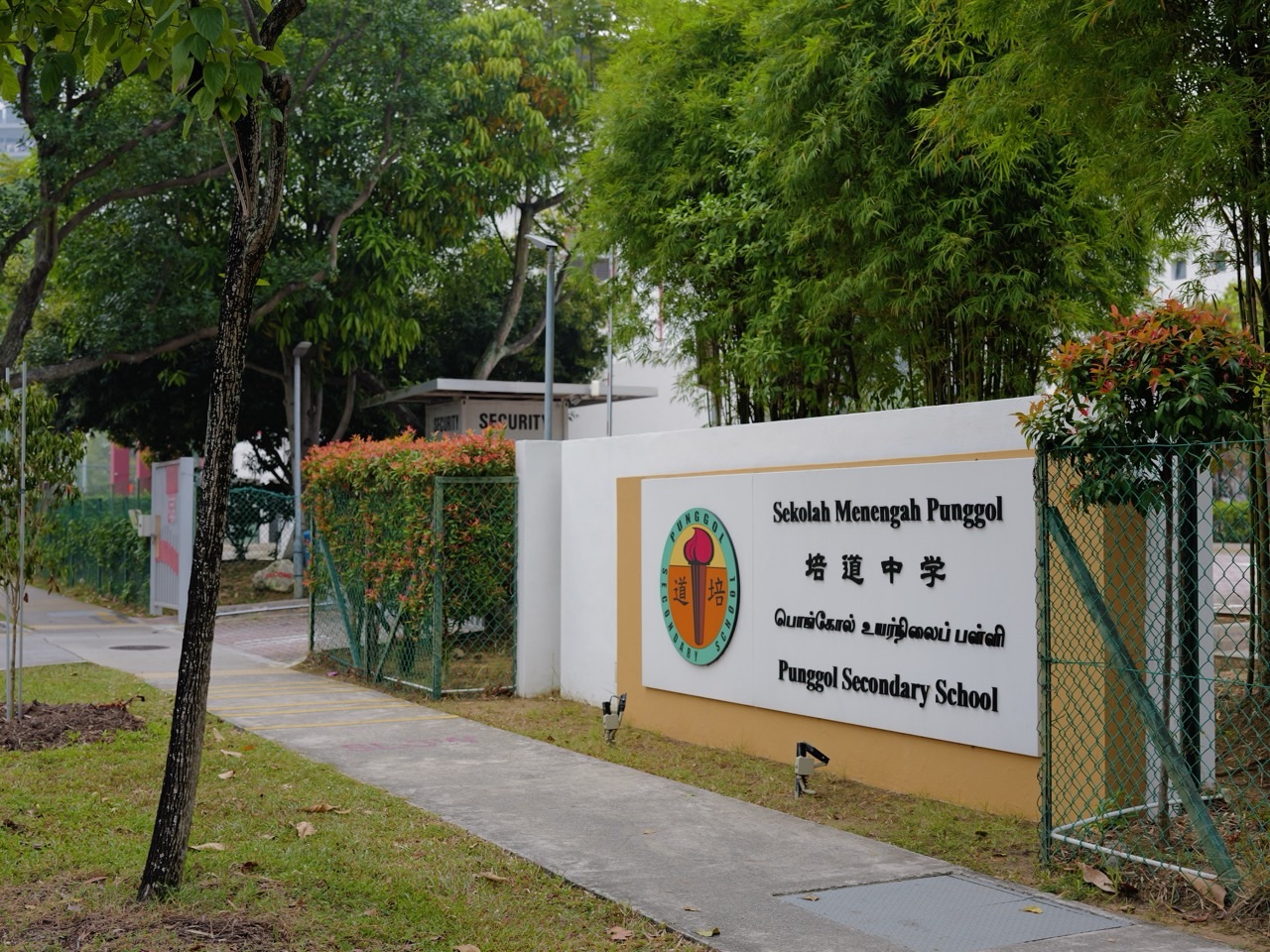
If your Punggol child wants to become a student leader, help the community or organise projects after PSLE, choose a secondary school that gives ordinary pupils meaningful ways to contribute—not simply one with the most impressive student council photograph. The four mainstream secondary schools within Punggol are Edgefield Secondary, Greendale Secondary, Punggol Secondary and Yusof Ishak Secondary. For families receiving 2026 PSLE results on Tuesday, 24 November at 11.00am, first check the child’s official PSLE Score and Posting Group eligibility, then compare actual opportunities such as Values in Action (VIA), student leadership development, CCAs, peer support, school-wide programmes and travel. The child does not need to arrive in Secondary 1 already holding a prefect badge.
For Secondary 1 entry in 2027, leadership and service should be part of a balanced education, not a shortcut around school admission. Punggol Secondary emphasises community and youth leadership; Yusof Ishak describes developing leaders who serve others; Edgefield encourages initiative and enterprise through G.E.M.; and Greendale offers character and teamwork experiences through outdoor adventure and applied learning. All can provide questions worth asking, but none can guarantee a particular leadership appointment or an individual 2027 CCA place. The four schools’ 2026-entry PG1, PG2 and PG3 cut-offs are retrospective reference points, not the final 2027 numbers. Parents should submit a credible six-school list by 30 November 2026 at 4.30pm.
Quick parent summary
• Confirm the actual PSLE Score, subject ALs and Posting Group options before selecting schools.
• Look for everyday responsibility, student leadership, VIA and service-learning opportunities, not only formal titles.
• Punggol Secondary highlights community leadership, Yusof Ishak leadership for the greater good, Edgefield initiative and enterprise, and Greendale teamwork and outdoor education.
• Ask which opportunities reach all students and which involve selection, appointments or applications.
• MOE’s LEAPS 2.0 recognises Participation, Service, Leadership and Achievement, but does not guarantee an award simply for joining a club.
• Compare each school’s correct historic PG1/PG2/PG3 cut-off, study support, CCAs and safe commute.
• Rank six genuinely acceptable schools and submit the S1 form within the official deadline.
Leadership is something a student practises, not just a title
Parents often imagine student leadership as a formal role: class chairperson, prefect, CCA captain or a member of the student council. These roles can be useful, but a twelve-year-old may demonstrate leadership in quieter ways. They might notice when someone is excluded, help organise materials, explain a task patiently, volunteer to take responsibility for a group activity or persist when a community project becomes difficult.
A school should offer meaningful experiences even for pupils who do not win a formal election. The child who learns to listen and follow through on a promise may grow in leadership. So may a student who begins shyly and learns to coordinate a small activity. The best question for an open-house teacher is not ‘How many student council badges can my child earn?’ It is ‘How does a new pupil learn to take responsibility, and what happens if they are not selected for a formal post?’
A high PSLE Score does not automatically establish strong leadership, just as a moderate score does not prevent a pupil from serving others. Academic merit determines ordinary school posting, while character, communication and responsibility are developed across years. Parents should choose an academic setting appropriate to the learner and support the child’s willingness to contribute as a separate part of their growth.
What MOE means by student leadership and Values in Action
MOE’s Character and Citizenship Education framework includes student leadership development, Values in Action, CCAs, outdoor adventure and related student development experiences. The LEAPS 2.0 framework recognises four broad domains: Participation, Service, Leadership and Achievement. In the published framework, secondary students contribute at least six hours per school year to the community through the relevant service arrangements. The aim is meaningful contribution and reflection, not a race to accumulate the largest number of photographs.
| Experience | What the pupil may practise | Question for the school |
|---|---|---|
| Values in Action (VIA) | Understanding a community need, participating responsibly and reflecting on service | What do ordinary Secondary 1 students actually do? |
| Class responsibilities | Organising small tasks and supporting classmates | How can a newcomer contribute without holding office? |
| Student council or prefects | Representing pupils and planning activities | How are students selected, trained and supported? |
| CCA leadership | Managing a group, setting an example and helping new members | Can a beginner grow into a role over time? |
| Peer support | Listening, including classmates and referring concerns to trusted adults | How are pupils trained to keep appropriate boundaries? |
| Outdoor and project learning | Teamwork, perseverance, planning and responsible risk-taking | How do staff ensure participation is inclusive? |
The LEAPS 2.0 system can recognise formal leadership positions, student-initiated work and other approved experiences, but eligibility and attainment levels depend on the actual record and MOE rules. Parents should not promise two bonus points at the end of secondary school simply because the child volunteers once. Ask the receiving school how it records and explains CCA participation and contribution over the four-year journey.
Good service-learning also requires consideration of the people being served. Pupils should not treat beneficiaries as photo opportunities. Encourage the child to listen, understand a need, carry out a manageable contribution and reflect on what they learned. Those habits will remain useful regardless of future JC, polytechnic or ITE choices.
How the four Punggol secondary schools differ
Punggol Secondary: environmental action and community leadership
Punggol Secondary is at 51 Edgefield Plains, Singapore 828870. Its published Learning for Life direction includes community and youth leadership, alongside an environmental sustainability Applied Learning Programme. For a child interested in protecting local habitats, helping neighbours or developing practical solutions, those themes make the school worth investigating.
Ask which learning activities are undertaken by every Secondary 1 pupil, how students learn to identify a community problem and whether they can suggest their own project ideas. A pupil who loves public service may be motivated by programmes that connect classroom Science, writing and teamwork with real-world issues. The actual student leadership posts and leadership camp arrangements need to be confirmed with the school.
A parent should also ask about ordinary teaching, English and Mathematics support, school culture and late CCA dismissal. A community project cannot compensate for a school timetable or commute that the child cannot sustain. The right educational choice involves both contribution and learning.
Yusof Ishak Secondary: leaders for the greater good
Yusof Ishak Secondary is at 8 Sumang Walk, Singapore 828676. Its school programmes describe leadership, service and developing capable students who contribute beyond themselves. Its smart-city STEM activities may also create opportunities for pupils to apply knowledge to sustainable urban problems. A student who enjoys organising people and solving practical problems may find useful learning there.
Ask how student leadership begins in Secondary 1, who receives training and what support exists for pupils who are not naturally outgoing. The school has official CCA categories and uniformed groups that may develop service and responsibility. However, a formal leadership appointment is not a guaranteed entitlement after school posting.
For Punggol West families, Yusof Ishak may be a practical journey; for households in the eastern LRT loop the route may be different. Ask about late CCA and leadership activities rather than focusing only on the distance shown on a map.
Edgefield Secondary: initiative, enterprise and responsible action
Edgefield Secondary is at 36 Punggol Field, Singapore 828814. Its Growing the Edgefield Mindset (G.E.M.) programme develops initiative, inventive thinking and enterprise through authentic problems. Enterprise can include the leadership skills of organising people, identifying needs, explaining ideas and taking responsibility for results.
A child who wants to create a helpful project might ask how G.E.M. activities are organised, whether ordinary pupils can contribute ideas, and how the school develops collaborative decision-making. Its sports-based character experiences and uniformed groups may give other ways to practise teamwork. A student does not have to be interested in business as a career to learn initiative and service.
Parents should distinguish school-wide enterprise opportunities from selected clubs, competition teams or formal leadership positions. A poster featuring an impressive student project is not proof that every Secondary 1 student will manage the same project.
Greendale Secondary: teamwork, outdoor challenge and applied learning
Greendale Secondary is at 51 Edgedale Plains, Singapore 828866. Its Design, Technology and Engineering ALP develops collaboration and practical problem-solving, while its Outdoor Adventure Education Learning for Life Programme can create opportunities to cooperate, plan and persevere. A child who prefers leading through careful action rather than public speaking may find that approach valuable.
Ask how group roles are shared, whether beginners are included and what pupils learn from a project that does not work the first time. Student leadership should include honesty, listening and safe decision-making—not simply pushing pupils into increasingly difficult challenges. The school can describe the current transition and CCA arrangements.
For a family with a child who is shy, ask how leadership opportunities are introduced gradually. A pupil may begin by taking responsibility for equipment or encouraging a teammate, then consider a class or club role later. There is no need to rush into a formal appointment during the first month.
The historical score table is separate from leadership quality
These are historical cut-off points for Secondary 1 admission in 2026, following the 2025 PSLE. They reflect earlier applicants, school preferences and places; they are not final 2027-entry thresholds and do not rank student character or leadership teaching.
| Punggol school | Historic PG3 COP | Historic PG2 COP | Historic PG1 COP |
|---|---|---|---|
| Edgefield Secondary | 14 | 23 | 27 |
| Greendale Secondary | 16 | 23 | 27 |
| Punggol Secondary | 19 | 24 | 27 |
| Yusof Ishak Secondary | 15 | 22 | 27 |
At PG3 Score 18, Punggol Secondary’s previous PG3 endpoint of 19 was numerically less stringent than that score, while the other three Punggol PG3 endpoints were 14, 16 and 15. This could make Punggol Secondary a useful local school to investigate, but it cannot guarantee a place. The parent should consider the school’s actual educational fit and explore suitable alternatives outside Punggol if the six-choice list needs a wider historical range.
At PG2 Score 24, Punggol Secondary was at its previous PG2 endpoint and the other local schools’ old PG2 figures were more competitive. At Score 25, the pupil may be offered PG1 or PG2, and the relevant historic school columns differ. A strong desire to serve others cannot justify mixing PG1 and PG2 cut-offs on a single application or choosing a school that the child is not eligible for.
A smaller numerical PSLE Score represents stronger aggregate performance. However, a lower school COP is not a measure of better student leadership. Families should use the numbers to plan admissions and use programme evidence and conversations to understand the school culture.
What to ask if the child wants to be a student councillor
- What are the first opportunities for an ordinary Secondary 1 pupil to contribute to class or school life?
- How are formal student leadership roles selected, and what happens if the pupil is not appointed?
- Are student-initiated projects or leadership modules available beyond the student council?
- How does the school help pupils who are quiet to develop communication and confidence?
- Which teacher or team supports VIA planning and reflection?
- What is the difference between a compulsory service experience and an optional leadership project?
- How are CCA leadership opportunities developed over several years?
- How does the school record Participation, Service, Leadership and Achievement under LEAPS 2.0?
- What safeguards prevent pupils from being given excessive commitments or unsafe responsibilities?
- How are lessons, homework, CCA and service balanced during busy periods?
These questions reveal whether leadership is developmental or merely ceremonial. A teacher may explain that some opportunities are open to everyone and others require selection or training. That is normal. Parents should be wary of a claim that every child can become a councillor or that the appointment guarantees later JC admission. The value of leadership is the learning and responsibility, not only the label.
Three parent-child cases
The child who wants to help people but dislikes speaking in public
This pupil may enjoy reading to younger children, working on a community project or helping organise materials. The family should look for a school that offers service experiences to ordinary students and staff who value thoughtful contributions. Punggol Secondary’s community focus may be attractive; Greendale’s teamwork or Edgefield’s initiative may also offer suitable routes. Compare actual activities rather than assuming a quiet child cannot lead.
Begin with a manageable responsibility, such as keeping track of a project’s materials or preparing a clear explanation. Public confidence may develop later. The child does not have to become a stage presenter to contribute meaningfully.
The confident organiser who wants to run events
A pupil who enjoyed serving as a primary-school prefect may want a formal student council pathway. Ask how candidates are selected in Secondary 1 or subsequent years, what training is provided, and whether leadership roles include real planning and reflection. Yusof Ishak and the other three schools all deserve evidence-based comparison. No principal can guarantee a pupil a council seat simply because the parent lists the school first.
The student should also understand that leading includes listening, serving, cooperating with teachers and accepting feedback. A title without responsibility is not the aim. Consider the whole academic workload and travel before taking on multiple committees.
The practical problem-solver who wants to improve Punggol
A child might want to reduce food waste, improve an area of the neighbourhood or create a helpful digital tool. Punggol Secondary’s sustainability, Yusof Ishak’s urban STEM, Edgefield’s enterprise and Greendale’s design learning offer different contexts for exploration. Ask which school-wide activities reach every student and how self-initiated proposals are considered.
Such a child can also learn through community activities outside school with appropriate adult guidance. The school should recognise meaningful learning and responsible participation under its actual CCA and VIA arrangements, but parents should not promise formal LEAPS recognition for every external project without approval.
Build a weekly plan that protects learning and wellbeing
| Weekly commitment | What to record | Why it matters |
|---|---|---|
| Core lessons and study | Homework, revision and subject support | Leadership should not replace literacy and numeracy |
| CCA | Practice day, actual participation and late return | Participation develops responsibility over time |
| VIA and projects | Planning, service time and reflection | Meaningful contribution needs preparation |
| Student leadership duties | Meeting time and occasional event dates | Commitments can change across the term |
| Family and rest | Meals, sleep, travel and unstructured time | Prevents an excessive schedule |
A child may feel excited and volunteer for every school opportunity in the first term. Encourage curiosity, but discuss the consequences of repeated late evenings or missed assignments. Leadership begins with keeping promises, including commitments to health and ordinary study. If the child is struggling academically, help them repair a specific gap rather than turning service into an additional source of pressure.
For a parent working full time, clarify the actual dismissal time and route after a service event. A school may organise activities on particular days and at offsite locations. Ask which activities require parent consent or special travel arrangements, and what the child should do if a plan changes.
How to create six honest school preferences
- Read the child’s official 2026 PSLE Score, individual Achievement Levels and Posting Group options.
- Prepare one school list for the actual chosen route; do not mix historic PG1, PG2 and PG3 scores.
- Find evidence of student leadership, VIA and CCA opportunities at schools the pupil is eligible to attend.
- Ask the child which kinds of responsibility and service they genuinely want to try.
- Check academic subject support, school culture, travel and cost alongside leadership programmes.
- Include two or three schools with less stringent previous cut-offs than the child’s score where suitable, following MOE’s guidance.
- Consider eligible schools in Sengkang, Hougang and other reachable estates when local historical cut-offs are too competitive.
- Rank six schools in genuine preference order and check the correct school codes.
- Submit through MOE’s S1 Portal and retain the official confirmation.
- After posting, help the child begin with one manageable contribution and develop from there.
Ordinary S1 posting is based on academic merit and, for relevant same-score competition, citizenship, school-choice order and computerised balloting. A leadership ambition does not supersede the child’s formal route. Nor does living next to a school guarantee entry. The family should prefer a school because the child can learn and participate there, not because a name suggests guaranteed future awards.
Official results and submission dates for 2026
| Event | Announced timing |
|---|---|
| PSLE results release | Tuesday, 24 November 2026, 11.00am |
| Online S1 Portal opens | Tuesday, 24 November, 11.30am |
| School choices close | Monday, 30 November, 4.30pm |
| Posting results | Tentatively Friday, 18 December; final date subject to confirmation |
The SEAB 17 November 2026 announcement confirms these S1 dates and recommends schools based on interests, programmes, subjects and culture. One parent with valid Singpass can ordinarily submit the form. If the family needs assistance, contact the primary school before the deadline. A confirmed DSA-Sec case follows its personalised requirements.
Frequently asked questions
Which Punggol school is best for student council or VIA?
There is no verified universal ranking. Punggol Secondary emphasises community leadership, Yusof Ishak leadership for the greater good, Edgefield initiative and enterprise, and Greendale teamwork and adventure. Ask what ordinary students can actually do.
Does a strong PSLE Score guarantee a leadership appointment?
No. PSLE results govern ordinary entry eligibility. Leadership roles have separate selection or development processes, and pupils may contribute without holding office.
Will a community project automatically give two LEAPS points?
No. LEAPS 2.0 recognises defined levels of Participation, Service, Leadership and Achievement under its published rules. Ask the school about record-keeping and actual eligibility.
Can a quiet child develop leadership?
Yes. Listening, planning, serving others and following through are forms of leadership. Schools can develop these through gradual responsibilities, with or without a formal badge.
Should we choose PG2 instead of PG1 for leadership opportunities?
The Posting Group choice should follow academic readiness and actual school options, not the assumption that one group is more deserving of leadership. All students should have meaningful development opportunities.
Do volunteering activities help with future JC or polytechnic applications?
Some future admissions or awards may recognise relevant experiences, but criteria change and no single project guarantees a place. Encourage genuine learning and service first.
Verified references and related eduKate reading
- MOE LEAPS 2.0 framework: Participation, Service, Leadership and Achievement
- MOE Education Statistics Digest: student development, VIA and CCA experiences
- SEAB: confirmed results day and S1 choice deadlines
- MOE SchoolFinder: individual school profiles and historical cut-offs
- Punggol Secondary: current school-wide learning programmes
- Yusof Ishak Secondary: learning, leadership and CCAs
- Edgefield: Growing the Edgefield Mindset
- Greendale: applied learning and outdoor education
- eduKate Punggol: CCA fit after PSLE
Parent conclusion: A child who wants to lead and volunteer should be encouraged to take responsibility in age-appropriate ways. Choose an eligible school that provides thoughtful teaching, student development, service experiences and a manageable daily routine—not merely an impressive badge. Compare the correct historical school cut-offs, listen to the child and submit six genuine options on time.


