
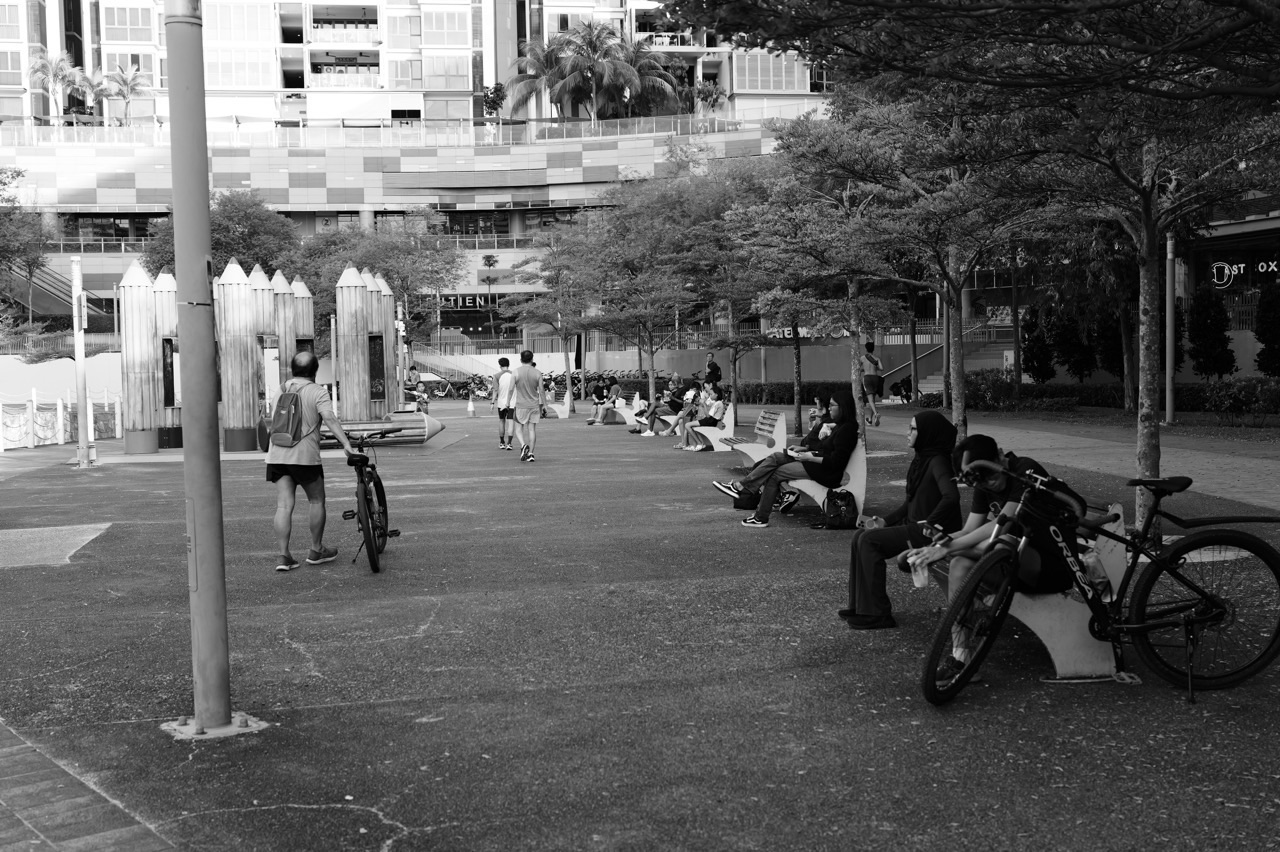
A picnic table in a Punggol park or shared green space may be used for a family meal, board game, community activity or a short rest with food and bags. If its tabletop is cracked, a support leg is loose, a sharp screw is exposed or the whole structure rocks, do not sit on it or place food on it to test its strength. Keep children away from the damaged part, use another suitable resting place and report the table’s exact location to the park or property manager. A picnic table is different from a single park bench because its shared tabletop and attached seating can create several points of contact and support.
NParks identifies Punggol Waterway Park as a 24-hour public park with multiple recreation areas and public amenities, but visitors should check the actual park map and onsite signs rather than assume every lawn or shelter has a picnic table available for use. NParks’ official contact channel accepts feedback on park and facility matters. A table within an HDB common area may instead be maintained by the Town Council, while a mall or condominium has its own managing body. This guide focuses on the physical safety and reporting of shared picnic tables; it does not claim that a particular table in Punggol is currently damaged or that every park provides one.
- Do not sit on, lean heavily against or place hot food on an unstable or visibly damaged table.
- Look for loose legs, cracked joints, splinters, protruding screws, sharp edges and damaged attached seats.
- Do not hammer, tape, glue, sand, repaint or move public furniture yourself.
- Keep children away from sharp fragments and do not let them climb onto the tabletop.
- Record the park or estate, nearest entrance, shelter, path junction or fixed landmark and the table’s position.
- Report NParks park furniture through NParks’ official feedback channel; HDB common-area furniture through the Town Council or OneService; private furniture to its manager.
- If the table blocks a step-free route or has fallen into a path, describe the obstruction as well as the structural fault.
- Take a safe photograph without placing a person or food on the damaged table to demonstrate the problem.
1. A picnic table is different from a park bench
A bench is mainly designed for sitting. A picnic table usually combines a tabletop with one or more attached benches or seats, allowing several people to eat, work on an activity or share items. The table surface and seating supports form one shared structure, and damage to one part may affect the way the whole unit is used.
A picnic table can therefore have hazards that are not present on a simple bench. A loose tabletop joint may cause plates or hot drinks to tip, while a cracked seat support may affect someone sitting at the same unit. Report the actual component rather than describing every piece of park furniture as a bench.
2. What makes a picnic table useful
A public picnic table can provide a stable shared surface for food containers, bags, games and family activities. Its location may be near a shelter, lawn, playground or open recreation area. The table is an amenity that supports a longer visit, but its presence does not automatically reserve the surrounding space for one group.
Follow onsite rules and share the area with other visitors. Do not assume that a picnic table is a bookable facility or that using it gives a group exclusive rights over a nearby shelter. A damaged table should be reported separately from questions about park reservations or event permissions.
3. Different materials have different wear patterns
Outdoor picnic tables may use timber, recycled plastic, metal, concrete or composite materials. Some have a metal frame with a separate tabletop, while others are made from one fixed material. Weather exposure, sunlight, cleaning and repeated use affect these surfaces differently.
A change in colour or surface texture does not automatically prove structural damage. Look for observable problems such as movement, cracks, sharp edges or loose fittings. The operator can identify the material and choose a suitable repair method.
4. A tabletop that rocks
A tabletop may move when someone places an ordinary item on it or rests a forearm against the edge. Movement can come from a loose joint, damaged support or uneven footing. Do not push harder or ask several people to lean on it to see whether it settles.
A rocking table can spill hot drinks and food, and it may become unstable when several people use it. Stop using the unit and report the movement. The maintenance team can inspect the connections and base without a public load test.
5. A cracked tabletop
A crack can divide a tabletop, create an uneven surface or expose a sharp edge. The crack may run along a board, across a panel or near a fixing point. A small surface line and a structural split are different conditions, but a crack that opens or moves should not be ignored.
Do not fill the gap with glue, putty or tape. Food-contact surfaces require suitable materials and an authorised repair method. Describe the location and whether the crack has a sharp or raised edge.
6. Splinters on a timber table
Timber surfaces can develop raised fibres, splinters and rough edges when exposed to weather. A person resting their forearm, lifting a plate or wiping the surface may catch a hand on the damaged area. Children may touch the underside or seat edge.
Do not sand or pull out splinters with bare fingers. A maintenance team can decide whether the board should be treated, sanded or replaced. Report the exact surface and keep people from using the damaged part in the meantime.
7. Protruding screws and bolts
A screw or bolt may loosen and project above the tabletop or seat. The sharp end can scratch skin, catch clothing or damage a bag. A missing fastener may also leave a board moving or a support less secure.
Do not tighten the fixing with a pocket tool. The correct bolt, washer and fastening method depend on the table design and material. Report the exposed metal and allow the owner to repair it.
8. A loose leg or support
A table leg may rock, separate from a cross-brace or show a cracked weld. If the support moves under ordinary contact, the tabletop can tilt or the attached seats may become unreliable. A visual check cannot establish the condition of hidden fixings.
Do not place a brick, stone or folded cardboard under the leg. That can shift unexpectedly and create a trip hazard. Record which corner or side appears unstable and report the exact table.
9. A cracked concrete support
Some outdoor tables use heavy concrete legs or a fixed concrete base. A crack, broken corner or exposed reinforcement can create sharp fragments or raise questions about the structure. A concrete table can be too heavy for visitors to move safely.
Do not chip away loose concrete or attempt to lift the table. Keep clear of fragments and report the support condition. An authorised contractor can determine whether repair or replacement is required.
10. A metal frame with a broken weld
A picnic table may use a metal frame connecting the top and seats. A visible crack at a weld or a bent support can affect the stability of more than one seat. Rust staining alone is not proof of failure, but a split joint or loose bracket should be reported.
Do not strike the frame or test it with body weight. Give the operator the table’s location and the side where the joint appears damaged. A professional inspection is needed to determine whether the frame is safe.
11. Attached benches and seats
Picnic tables often have seats attached to the same frame as the tabletop. A loose seat may move when someone sits down, while a stable tabletop can conceal damage underneath. Do not assume the table is safe merely because its top looks intact.
Report whether the seat, tabletop or shared frame is affected. Keep children off the damaged seat and do not ask another visitor to sit on it for a demonstration. The operator should inspect the complete structure.
12. A seat that has detached
A bench section may come away from its support or have a broken bracket. A detached seat can fall when someone sits down or leave a sharp metal connection exposed. It may also obstruct the path if the panel has fallen onto the ground.
Do not pick up a heavy detached seat or try to reattach it. Keep others clear and inform the park or property manager. A repair may require safe lifting equipment or replacement hardware.
13. Sharp edges at the tabletop
A broken laminate, splintered timber or torn composite panel may create a sharp edge at hand or arm height. A person reaching across the table may be cut, and a loose fragment may enter food or drink.
Avoid using the table for food preparation or eating until the edge is repaired. Do not cover it with a towel and continue as if the surface were safe. Report the precise edge and whether a fragment is loose.
14. Rust near a food surface
Outdoor metal may show surface corrosion near brackets or support plates. Rust can be a maintenance issue, but staining alone does not prove that the table is about to collapse. Deep corrosion, flaking metal, sharp edges or movement at a joint are more concrete reasons for concern.
Do not scrape or paint the frame yourself. Report the affected joint and let the operator determine whether cleaning, treatment or replacement is appropriate. If rust flakes are on the tabletop, do not prepare food on that surface.
15. A table that has fallen over
A fallen picnic table can be heavy and may have broken fasteners or sharp fragments. It may block a footpath or create an obstacle near a play area. Do not attempt to lift it alone or push it into the grass.
Keep children away, report the exact location and state whether the table obstructs a route. If a person is trapped or injured, seek appropriate emergency assistance before making a routine maintenance report.
16. Uneven ground beneath the table
The table may be structurally intact but sit on uneven paving, soft soil or a shifted slab. A leg can sink into the ground, causing the tabletop to tilt. A nearby tree root or drainage condition may also affect the surface.
Do not dig around the leg, move the table or wedge material underneath it. Describe the ground condition and the tilt. The operator may need to assess the paving, foundation and furniture together.
17. Pooled water around the table
A low area or blocked drainage point may leave water beneath the table after rain. Wet ground can make it harder to stand up or move a wheelchair and may cause the table’s base to deteriorate. Water around the structure is a separate observation from a cracked tabletop.
Report the pooling and any nearby drain issue separately. Do not put rubbish into the drain or lift a grate. The operator can assess drainage and furniture maintenance.
18. A table with a damaged umbrella hole
Some picnic tables include a central opening intended for an umbrella pole or shade fixture. A broken or jagged opening may catch fingers, tear fabric or leave an unstable insert. Not every table has this feature, and not every opening is designed for a user-supplied umbrella.
Do not force a pole into a damaged hole or wedge an object into the opening. Follow onsite instructions and report the broken ring or sharp edge. The owner can decide whether the insert should be repaired or replaced.
19. Why loose umbrellas can be dangerous
A visitor may try to use a personal umbrella or shade accessory at a table. Strong wind can catch the canopy, tip the table or send a loose umbrella into other users. A damaged umbrella fitting makes this more likely.
Do not attach a shade structure to a public table unless the site expressly allows it. Use permitted shelters and follow weather warnings. A picnic table is not automatically an anchor point for a tent or large umbrella.
20. Tables near playgrounds
A picnic table may be located beside a play area so caregivers can rest or organise food. A damaged tabletop or loose seat can create a hazard where children naturally gather. A broken part may also become an object children climb or handle.
Keep children away from the defect and do not place food on a damaged surface. Report the table location separately from any damaged swing or play equipment. The operator can decide whether to restrict the table alone or a wider area.
21. Tables near park paths
A table beside a shared path should not obstruct pedestrians, cyclists or wheelchair users. A broken seat or fallen panel can project into the route. A group gathering around a damaged table can also create crowding near the path.
Move to another suitable area and keep bags and chairs out of the travel route. Do not drag the table to make more room. Report both the furniture defect and any actual obstruction.
22. Tables at sheltered pavilions
A table under a shelter may be shared by several groups. Its use may be subject to booking conditions or general public access rules. A shelter does not necessarily mean every table is reserved or available for exclusive use.
Check signage and park rules. If the table is damaged, notify the operator even if the shelter remains open. A booking question, cleaning request and physical furniture fault are separate matters.
23. Tables at HDB precincts
A shared picnic table in an HDB precinct, garden or common open space may be managed by the relevant Town Council. The same type of table inside a private shopping centre or condominium may have a different owner.
Use the block, precinct, garden or void-deck location to help identify the responsible party. OneService can route suitable municipal feedback. Do not assume NParks maintains all landscaped seating in Punggol.
24. Tables in NParks-managed parks
NParks provides official feedback and enquiry channels for park and facility matters. A table inside an NParks-managed park should be reported through the park feedback route, with the park name and nearest landmark. Park staff may also be able to help if present.
The official Punggol Waterway Park page describes the park’s amenities and recreation areas, but it does not mean every open lawn or shelter has a picnic table. Check onsite signs and actual facilities rather than assuming a table is provided at every location.
25. Tables in private developments
A table in a condominium garden, mall forecourt or private business park is generally managed through the MCST or facilities team. It may be subject to private opening hours, cleaning schedules or use restrictions.
Contact the managing agent or onsite security. A public complaint to NParks or the Town Council may not reach the owner of the private structure. Give the exact floor, garden or entrance location.
26. A picnic table is not a BBQ pit
A picnic table provides a shared surface and seating. A barbecue pit is a designated fire facility with its own booking, fuel and safety rules. A picnic table beside a BBQ area is not a cooking grate and should not be used as a place to put hot charcoal or a portable stove.
The related Punggol BBQ pit and grill guide addresses firebox and grill defects. This article concerns the table and attached seats. Report both if both are damaged.
27. A picnic table is not just a bench
A park bench mainly supports sitting. A picnic table creates a shared tabletop where food, hot drinks, containers and games may be placed. Its supports can connect the tabletop and seats, so damage to a central frame may affect several users at once.
The earlier park bench guide covers ordinary resting seats. This article covers tables designed for group use and the additional risks of a tilting or damaged tabletop.
28. Cleanliness and food hygiene
A picnic table should be reasonably clean before food is placed on it. Bird droppings, animal waste, mould, sticky residue or spilled food may make the surface unsuitable. Cleanliness concerns should be separated from structural defects so the operator can assign the right task.
Use a suitable personal cleaning wipe only if the surface is otherwise safe and the site permits it. Do not pour detergent or chemicals into park drains. Report persistent contamination or a damaged surface to the operator.
29. Food on a damaged tabletop
A crack, loose coating or sharp fragment may contaminate food or damage packaging. A table that rocks can also cause hot drinks or food containers to fall. If the surface is structurally damaged, choose another suitable table rather than using a tray to bridge the gap.
Do not assume a disposable tablecloth makes a cracked or unstable table safe. A cloth can hide a sharp edge without fixing the structure. Report the defect and avoid the affected unit.
30. Children climbing on the table
Children may climb onto picnic tables or use attached seats as steps. This can place loads on parts not intended to support a standing child and can cause falls. A loose tabletop or seat makes this behaviour more dangerous.
Supervise children and use the table for its intended purpose. Do not allow them to jump from the tabletop or swing from the supports. If a table is already damaged, keep children away and inform the operator.
31. Older users and mobility access
A picnic table may be used by older residents or people who need arm support when sitting and standing. A loose bench or unstable frame can affect confidence and balance. A table may also block a step-free route if it is shifted or surrounded by bags.
Describe any effect on the accessible approach or clear route in the report. Do not move the table without permission. The operator can assess the furniture and the surrounding layout together.
32. Tables after heavy rain
Rain can leave water on a tabletop, soften nearby soil or reveal cracks and loose joints. A wet surface may be slippery, and a table on a muddy lawn may become less stable. Not every wet table is defective, but a persistent tilt or loose support should be reported.
Do not stand on a wet seat to test it. Wait until the surface can be approached safely and report any abnormal movement or damage. Avoid moving heavy furniture across muddy ground.
33. Tables affected by fallen branches
A branch may strike or rest on a picnic table after strong wind. The table can appear intact while a support or surface has been damaged. A branch may also present a separate falling hazard near the table.
Keep clear of the branch and do not pull it away. Notify the park operator or relevant greenery manager. Report the table condition and the tree or branch hazard as separate observations.
34. A Punggol family example
A family arrives at a park with food and finds that one attached seat is loose and a tabletop board has a raised splinter. They choose another safe place, keep children away and report the table using the park entrance and nearest fixed landmark.
This is a hypothetical example, not a claim that any named Punggol park table is damaged. It shows why the family should not place hot food on a doubtful surface or ask a child to test the seat.
35. A community group example
A group plans a board-game session at an outdoor table and notices that the entire frame rocks. They do not use bags or chairs to brace the table. They notify the property manager and move the activity to an appropriate alternative.
This example highlights that damage may affect the shared structure, not just one person’s seat. The operator can decide whether the table should be isolated or repaired.
36. What to write in the report
A useful report might say: ‘At [Punggol park/estate], the picnic table beside [landmark] has a [loose leg/cracked top/protruding screw/detached seat]. The defect was observed on [date/time]. Please inspect and advise whether the table should be kept out of use.’
This wording gives a clear location and visible symptom. It does not claim the table is about to collapse or that a particular person caused the damage. The operator can assess the actual risk.
37. A safe photograph
A wide photograph can show the table relative to the park sign, shelter or path. A closer image can show a crack or exposed fixing if it can be taken without touching the furniture. Do not place a person on the table to demonstrate movement.
Avoid including other visitors, children or private belongings unnecessarily. If the table is unstable, do not stand close to the side that may fall. A simple written report is sufficient when photography would create a risk.
38. What if the table has already been cordoned off?
A barrier or notice may mean the operator knows about the defect and has restricted use. Follow the closure. Do not remove the tape, move a cone or sit at the table because the crack looks small.
If the barrier has fallen or the damaged part remains accessible to children, notify staff and describe the additional safety concern. The owner decides when the table can be used again.
39. What repair may involve
The maintenance team may check the tabletop, attached seating, frame, fasteners, base and surrounding surface. Depending on the material, a repair may involve replacing a board, fixing a support, removing a sharp fragment or replacing the whole unit.
A public user should not prescribe a bolt size, adhesive or replacement timber. A repair needs to match the structure and outdoor conditions. The operator should confirm that the table is stable before it returns to normal use.
40. The practical takeaway
Picnic tables help families and groups enjoy public spaces, but their shared surfaces and supports must remain stable and free of sharp damage. Do not test a loose table with your weight, carry out DIY repairs or place food on an unsafe surface. Report the exact table to the organisation that manages the land.
Punggol’s parks and shared green spaces have different operators and facilities. Check the actual site, use safe alternatives and provide a precise location and observable defect. A clear report helps restore the amenity without making unsupported claims about all park furniture.
Picnic-table reporting checklist
- Do not use a table with loose supports, cracked surfaces or exposed sharp fixings.
- Keep children away from damaged seats, frames and fragments.
- Identify whether the table is inside an NParks park, HDB estate or private development.
- Record the park or estate, nearest entrance, shelter, path junction or fixed landmark.
- Describe the actual part: tabletop, seat, leg, bracket, weld or base.
- Report park furniture to NParks, HDB common property to the Town Council/OneService, and private furniture to its manager.
- Mention any obstruction to wheelchair or stroller access separately.
- Take a safe photo without sitting, leaning or placing a child on the table to demonstrate the fault.
- Do not move, repair, sand, paint or brace the table yourself.
- Keep the case reference and report recurring damage factually.
Frequently asked questions
Is a picnic table the same as a park bench?
No. A picnic table combines a shared tabletop and seating; a bench is mainly for sitting.
Can I use a cracked tabletop if I cover it with a cloth?
Avoid it if the surface is sharp, unstable or structurally damaged. A cloth does not repair the table.
Should I test a loose table by leaning on it?
No. That can worsen the fault or cause a fall. Report the movement.
Who maintains picnic tables in NParks parks?
NParks or its appointed park maintenance operator. Use the official park feedback route.
Who maintains picnic tables in HDB estates?
The relevant Town Council or estate manager generally handles common-property furniture.
Who maintains tables in a condominium?
The MCST or managing agent.
Can I move a broken table out of the way?
Do not move heavy shared furniture. Report it so the operator can isolate or relocate it safely.
What if a screw sticks out?
Keep clear of the sharp point and report its location. Do not tighten it yourself.
What if the table rocks because the ground is uneven?
Report both the table movement and the ground condition. Do not wedge a stone under the leg.
Can children climb on picnic tables?
They should not. Tables are not climbing equipment and damaged supports may fail.
Can I put a portable stove on the table?
Do not assume it is allowed. Follow site rules; NParks BBQ facilities have separate restrictions and designated pits.
Does a picnic table reserve the nearby shelter?
No. Check the park’s actual booking and shared-space rules.
What if the table is dirty but stable?
Report persistent contamination to the operator or clean only as permitted. Do not mix chemicals or wash debris into drains.
Can I repair a splinter with sandpaper?
No. Public furniture should be repaired by authorised maintenance teams.
What if a table blocks a wheelchair route?
Report the obstruction and do not shift the table without permission.
What should I do after a storm?
Keep clear of fallen branches or damaged furniture and alert the park operator.
Will NParks repair every table in Punggol?
Only facilities within its management scope. HDB and private sites have different owners.
Can I use OneService?
For suitable municipal and HDB common-area issues, yes. NParks park furniture can be reported through NParks’ official route.
How long will the repair take?
There is no universal repair time. The operator assesses the fault, parts and access arrangements.
What is the shortest useful report?
‘At [park/estate], the picnic table beside [landmark] has [specific damage] at [date/time]; please inspect and make safe.’
Official sources and related Punggol reading
- NParks — Punggol Waterway Park: Visitor Information and Amenities
- NParks — Park and Facility Feedback
- OneService — Common-Area Maintenance and Town Council Responsibilities
- OneService — Municipal Facility Reporting
- OneService — Report Location, Details and Photos
- gov.sg — What Town Councils Maintain
- eduKate Punggol — Broken or Loose Park Benches
- eduKate Punggol — Booked BBQ Pit and Grill Safety
Updated 15 November 2026. This guide addresses picnic tables and shared tabletop furniture, not ordinary park benches or barbecue grills. It does not claim that a particular Punggol table is currently damaged or that every park provides picnic tables. The responsible land or facility operator determines maintenance and access arrangements.


