
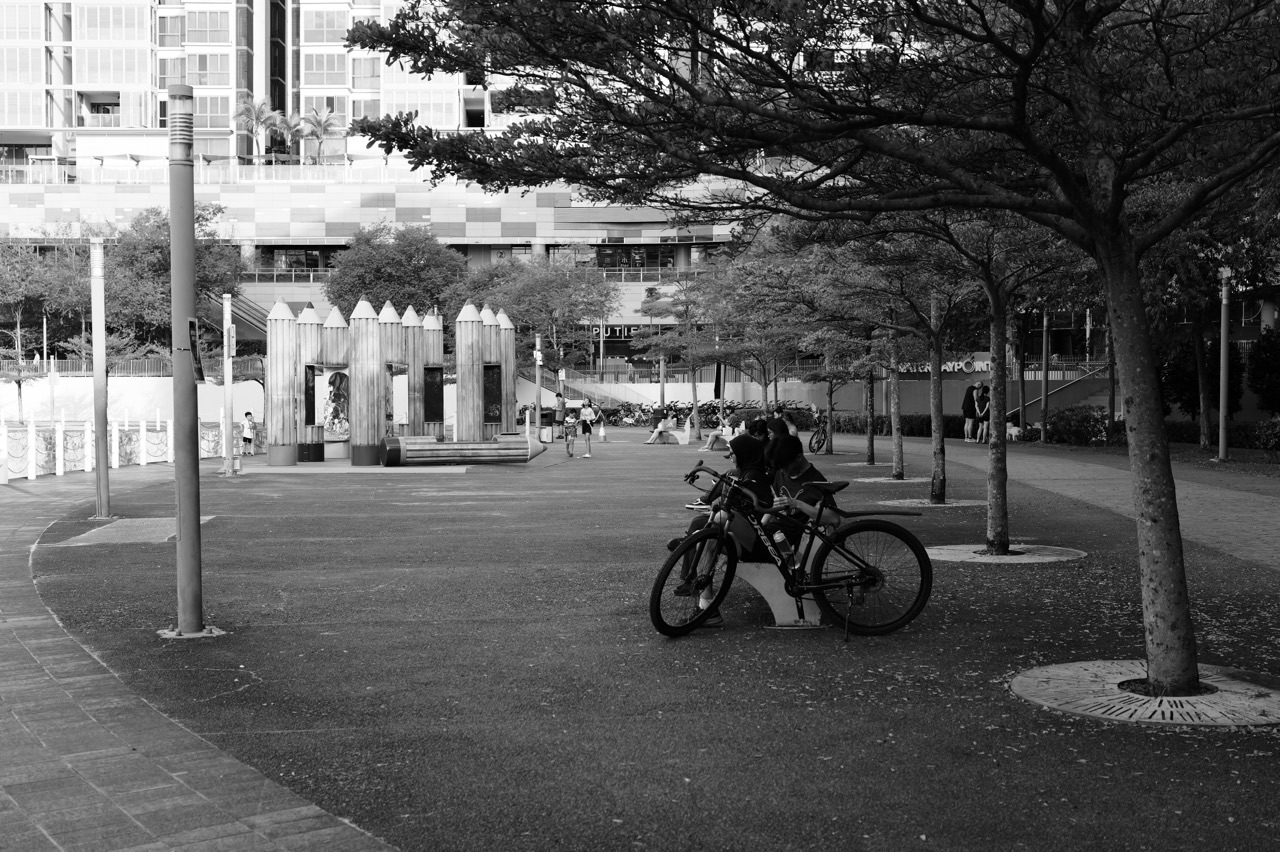
A park bench along a Punggol path should provide a simple place to sit, rest, wait for family members or enjoy the surroundings. But a loose seat slat, protruding screw, sharp splinter or unstable support can turn that resting point into an injury risk. If you notice a bench that rocks unexpectedly, has broken timber or exposes sharp metal, do not sit on it to test its strength. Keep children away from the damaged section, use another safe resting place and report the exact bench to the park or estate manager.
Responsibility depends on where the bench stands. NParks looks after its parks and park connectors and provides public feedback channels. A bench inside HDB common property may be maintained by the relevant Town Council, while a shopping centre or condominium has its own operator. A report is most useful when it identifies the park, block or route, the nearest fixed landmark and the actual defect. A general statement that ‘Punggol benches are unsafe’ does not tell a maintenance team which seat to inspect.
- Do not sit, lean heavily or let a child climb on a bench that looks unstable.
- Watch for loose slats, protruding screws, sharp splinters, rusted supports, cracked legs or an unsecured foundation.
- Do not hammer, bend, tape or remove a broken part from public furniture.
- Keep wheelchairs, strollers and pedestrians clear if the damaged bench or its fragments obstruct a route.
- Record the exact park, path, block, shelter or landmark and where the bench is positioned.
- Report NParks park furniture through its official channel, HDB common property through the Town Council or OneService, and private facilities to their manager.
- Take photographs from a safe position without including identifiable people unnecessarily.
- If someone is injured, provide appropriate first aid or medical help first, then report the condition factually.
1. Why a public bench matters
A bench is a small piece of public infrastructure, but it supports many ordinary activities. Walkers use it to pause, older residents may need to rest, caregivers may sit while children play, and people with mobility limitations may depend on regular resting points during longer journeys. A comfortable, secure seat contributes to the usability of a park or neighbourhood route.
A damaged bench is therefore more than an appearance problem. A loose support can cause a fall, a splinter can cut skin, and a broken slat can make the seat unusable. Reporting a specific defect helps keep shared spaces practical for different ages and abilities.
2. Different types of outdoor benches
Public seating may be made from timber, recycled plastic, metal, concrete or a combination of materials. Some benches have backrests and armrests, while others are simple flat seats. A sheltered precinct seat may have a different design from a park promenade bench or a boardwalk resting point.
Do not assume every mark or material change is a defect. Outdoor furniture may weather normally, and some surfaces are intentionally textured. Report a concrete hazard such as a sharp edge, unstable leg, loose slat or exposed fastener rather than judging a bench solely by its age or colour.
3. A loose seat slat
A timber or composite seat may use multiple slats fixed to a frame. If one slat moves when the bench is used normally, it may pinch a hand, shift under a person’s weight or expose a fastener. A crack across the slat can also create a sharp edge.
Do not push the slat down, sit on the opposite end or ask another person to test it. The support underneath may be affected too. Describe which part moves and whether the fastener appears loose, missing or protruding.
4. Sharp splinters in timber
Timber exposed to weather can develop cracks and raised fibres. A splinter on the sitting surface or armrest can cut a hand or leg, particularly when someone stands up or slides across the bench. A small rough patch is not always dangerous, but a sharp raised fragment should not be ignored.
Do not pull out splinters with bare fingers or sand public furniture yourself. The operator can decide whether the material needs sanding, sealing, replacement or a wider structural assessment. A temporary piece of tape may peel off and leave the hazard hidden.
5. Protruding screws and bolts
A screw or bolt may work loose through use, impact or weathering. A protruding metal tip can catch clothing or scratch skin. A missing fastener may also leave the seat or backrest less secure than intended.
Do not use a pocket tool to tighten the screw. The correct fastener, washer and fixing method depend on the bench design and its support. A resident can report where the metal projects and keep others from touching it until the owner checks it.
6. A bench that rocks
A bench may rock because a leg is uneven, a footing has shifted or a fixing has loosened. Some benches are installed on uneven ground, so a visual tilt alone may not prove that the structure is unsafe. But noticeable movement during ordinary use is a reasonable reason to stop using it and request inspection.
Do not repeatedly push down on each corner to reproduce the movement. That test can make a loose fixing worse. Tell the operator which side appears to move and whether the bench stands on concrete, paving, timber decking or another surface.
7. Cracked metal supports
Metal legs, brackets and frames can show rust, deformation or cracks near a joint. Surface discolouration alone does not establish a structural failure, but a visibly split weld, bent support or detached bracket should be reported.
Do not strike the metal or put weight on the bench to see whether it bends. The maintenance contractor can inspect the frame and determine whether repair or replacement is suitable. A photo taken from a safe distance may show the position of the crack without requiring contact.
8. Concrete benches can also be damaged
A concrete bench may develop a crack, chipped corner or exposed reinforcement. Small surface marks and serious structural damage are not the same, but broken material can create sharp edges or falling fragments. A large crack at a support point deserves attention.
Do not chip away loose concrete or apply household filler. An appropriate contractor must assess the condition and safe repair method. Report whether the damage is on the seat surface, leg, foundation or nearby paving.
9. Armrests and backrests
Armrests and backrests help some users sit and stand, particularly older visitors and people who need support. A loose armrest can move unexpectedly, while a sharp backrest edge can catch clothing or skin. A missing part may change how a person can use the bench.
Do not pull or lean on a questionable fitting to test it. Note which side is damaged and whether the defect reduces the space available for a wheelchair transfer or stroller access. The owner can decide whether the seat should be temporarily isolated.
10. Foundation movement
A bench may be anchored into paving or concrete. If the base moves, a fixing is exposed or a surrounding tile has lifted, the problem may involve the installation rather than the seat itself. A public user cannot verify the foundation from the surface.
Do not dig around the leg or pour cement into the gap. The operator may need to inspect the base, drainage and surrounding ground. Include the immediate ground condition in the report if it creates an additional trip hazard.
11. Rust and corrosion
Outdoor metal is exposed to rain, humidity and coastal air. Surface rust may appear before there is a structural problem, but corrosion near a joint or fixing can deserve closer inspection. A resident should distinguish ordinary discolouration from a sharp, flaking or visibly weakened component.
Do not scrape rust off public furniture or paint over it. Such work may hide damage and use an unsuitable coating. Report the area and let the operator determine whether cleaning, surface treatment or replacement is required.
12. The ground around the bench matters
A stable bench can still be difficult or unsafe to approach if nearby paving is uneven, muddy, slippery or covered by roots. A puddle may make a person slip while sitting down; a raised edge may catch a walking aid or stroller wheel.
Describe the seat defect and the ground defect separately if both are present. The bench contractor and the path maintenance team may be different. A precise report helps the right people inspect the relevant assets.
13. Benches beside cycling paths
A bench close to a shared path should allow people to rest without placing bicycles, bags or legs into the movement corridor. A damaged bench can leave splintered pieces or a loose support projecting into the path. A cyclist should slow and give way to people using the resting area.
Do not drag a bench away from the path or leave a personal barrier in the riding line. Report the obstruction and its exact position. The operator can decide whether a temporary barrier or relocation is needed.
14. Benches on boardwalks and promenades
Waterfront promenades and boardwalks may use timber or composite decking and furniture designed for exposed environments. Moisture, salt air and repeated sun exposure can affect their surfaces. A seat that looks similar to a roadside bench may have different materials and maintenance requirements.
If a support appears detached from a boardwalk or a fixing projects above the walking surface, keep clear and report it to the relevant park manager. Do not step over a barrier or move a damaged slat while taking a photograph.
15. Benches at playgrounds
Caregivers may use nearby benches while supervising children. A broken bench can expose children to sharp surfaces or encourage them to climb on the frame. The bench is separate from the play equipment, but damage may affect the same family area.
Our Punggol swing safety guide focuses on moving playground equipment. This article concerns resting furniture. Report both when both are damaged, and do not assume a safe swing makes a broken bench suitable for use.
16. Benches near exercise corners
Outdoor fitness areas may include benches for resting between sets. Some are exercise equipment, while others are ordinary seating. A bench that has been incorporated into a fitness station may have different intended loading and attachment arrangements.
Do not use a broken seat as a step or workout platform. Identify whether it is part of a fixed fitness station or separate park furniture. The facility manager can determine the correct maintenance category and whether the whole exercise area requires temporary isolation.
17. Benches near bus stops are a different asset
A seat at a bus stop may be managed as part of the bus-stop infrastructure, whereas a bench beside a park connector may be NParks or another land manager’s responsibility. The same physical defect can therefore need a different reporting route.
The existing Punggol bus stop seat guide covers public transport stop seating. Use this article for park, promenade and estate benches. If the bench stands within a transport interchange, report to that facility’s operator rather than assume it belongs to the Town Council.
18. Who looks after a bench in an NParks park?
NParks manages its parks and park connectors and provides a Contact Us page for facility and park feedback. A report should include the park name, nearest entrance or landmark and the location of the bench within the site.
Not every green space is an NParks park. A small landscape strip within an HDB estate may be managed by the Town Council, while a private condominium has its own MCST. The actual boundary and operator matter more than the fact that a bench is surrounded by plants.
19. HDB common-property benches
A bench located in an HDB precinct or shared estate area may be maintained through the relevant Town Council. OneService’s common-area maintenance guide explains the role of Town Councils in maintaining shared amenities and responding to wear and tear.
Give the block, precinct, void deck, garden or court location. If the bench is in a private shopping centre next to the block, the Town Council may not own it. Ask the receiving management body to confirm responsibility if the property boundary is unclear.
20. Private condominium and commercial benches
A bench in a condominium garden, mall forecourt or private business park may be a common-property or facilities asset controlled by the MCST or property operator. The owner may have its own repair contractor and public-access conditions.
Notify the managing agent, security or facilities desk. Do not hire someone to repair a private bench without authority, even if the intention is helpful. The operator can arrange a suitable contractor and decide whether part of the seating area should be closed.
21. OneService for municipal reports
The OneService App and chatbot allow reports about suitable municipal issues to be routed to the relevant agency or Town Council. Provide a precise location and describe what is physically damaged.
The OneService reporting FAQ asks for a clear description, date, location and useful photo. Where a close-up cannot be taken safely, a wider surroundings image may help. Do not move the bench or put yourself at risk to obtain a photograph.
22. What a good photograph shows
A wide photo can show the bench relative to a park sign, path, entrance or block. A closer image can show a splinter or broken slat if it is safe to take. Avoid including identifiable people sitting nearby, especially children, unless the image is necessary and appropriately authorised.
Take the photo from normal standing ground and do not sit or lean on the damaged furniture. A photograph alone may not reveal loose foundations or hidden fasteners, so include a short written description of what you noticed.
23. What to write in the report
A useful message names the park or estate, nearest landmark, bench position and actual defect. For example: ‘At the seating area beside [Punggol path or park entrance], the bench nearest [fixed landmark] has a loose right-hand support and rocks during normal contact. Observed on [date/time]. Please inspect before it is used again.’
Do not claim the bench will collapse unless that is genuinely visible. Describe a particular movement, sharp edge or missing part and let the owner assess seriousness. A neutral report is easier to verify than a broad allegation against the whole park.
24. What if the bench is already cordoned off?
An out-of-service sign, barrier or tape may indicate that management knows about the fault. Follow it even if the bench looks usable from a distance. Do not remove barriers to sit down or move them for a photograph.
If the damaged area remains accessible to children or the barrier has fallen, report that additional concern. The operator decides when repairs and checks are complete and when the seat can reopen.
25. What if a bench has fallen over?
A fallen bench may have heavy components, exposed bolts or broken concrete. Keep away from the frame and prevent children from climbing or playing around it. Do not attempt to lift it upright, especially if the support or footing has failed.
Notify the park or estate manager, giving the exact location and whether the bench blocks a path. If someone is trapped or seriously injured, call for appropriate emergency assistance. Routine maintenance reporting is secondary to immediate safety.
26. A splinter injury
If someone receives a cut from a bench, move away from the sharp surface and provide appropriate first aid. A wound that is deep, dirty or concerning should be assessed by a medical professional. Do not continue using the same bench after an injury.
Once the person is safe, report the specific edge and any loose pieces. Avoid posting a photograph of an injury or naming another resident as the person who caused it without evidence. The operator needs to know the furniture is damaged, regardless of who used it before.
27. Why older people may be affected more
Some residents use benches to break a longer walk into manageable sections. A bench that moves when someone sits down or stands up can reduce confidence and may create a fall risk. Armrests and backrests can be particularly useful for people who need support.
Do not assume a bench is safe because a younger person can sit on it without noticing a problem. Report loose supports and damaged armrests. A manager may also consider whether an accessible alternative is needed during repairs.
28. Wheelchair and stroller access
A bench should not block the clear route or make it difficult for a wheelchair user to approach a resting area. A broken leg or detached slat may project into the path. A family may also need space to position a stroller beside the seat without obstructing others.
Describe the effect on the route separately from the bench defect. Do not shift a heavy bench to create a wider opening. The operator can assess placement and accessible circulation together.
29. Benches under trees
A bench beneath a tree may be affected by roots, falling branches, sap or water runoff. These conditions can make the seat uncomfortable or the ground uneven. A branch hazard is a separate greenery issue and should be reported appropriately.
Do not cut roots, prune a tree or move a bench closer to a trunk yourself. The relevant park or Town Council team can assess the vegetation and furniture. The location of both the bench and tree helps identify the maintenance responsibility.
30. Benches exposed to coastal weather
Outdoor furniture near the sea or open water is exposed to wind, rain and salty air. Corrosion and material wear may be more noticeable in these settings. That does not prove a bench is unsafe, but loose fixings and sharp deterioration deserve prompt attention.
Report the actual condition rather than simply saying the bench is old. A material suitable for an inland shelter may need different maintenance near a waterfront. The operator can decide whether a surface treatment or replacement is appropriate.
31. Why graffiti is different from structural damage
A bench may have writing, stickers or paint marks while remaining structurally sound. That is a cleanliness or defacement issue rather than necessarily a seating safety fault. If the graffiti covers instructions or exposes a chemical or sharp material, mention that specific concern.
Do not scrape paint or stickers off public furniture using knives or solvents. Report it to the owner. Where graffiti and structural damage occur together, explain both so the maintenance team can assign the right work.
32. A Punggol Waterway example
A family walking beside the Waterway approaches a bench and sees one board lifted with a metal screw protruding. The adult keeps the child away, chooses another safe resting point and records the nearest bridge or path entrance. The defect is reported to the responsible park manager.
This is a hypothetical scenario, not a claim that a named Punggol Waterway bench is damaged. It shows that exact location and observation are more useful than a general social-media post that benches along the entire route are unsafe.
33. An HDB precinct example
A resident finds that a bench in a landscaped HDB common area shifts when someone sits on it. The resident notes the block and garden location and reports the loose support to the Town Council or through OneService. They do not tighten the fixing themselves.
This example distinguishes estate furniture from park-managed seating. The operator can confirm the land and maintenance arrangement and decide whether the bench needs inspection or temporary isolation.
34. A bench near a playground example
A caregiver notices that the backrest on a nearby bench has a sharp broken edge while children are playing around it. The caregiver asks the children not to touch it and informs the facility manager. They do not use the backrest as a climbing or balancing surface.
The playground itself might remain open while the bench is closed, but only the operator should decide the appropriate boundary. The broken seat should be reported as furniture, separately from any play-equipment fault.
35. A damaged bench after a storm
After a storm, a park visitor finds a bench tipped over and one support detached. They avoid the frame, move to a safe route and notify the park manager. If debris is scattered across the path, they report the obstruction as well.
Do not attempt to lift a heavy seat during strong wind or while the ground is slippery. An operator can arrange safe removal and inspect the fixing. The report should distinguish storm timing from a proven cause.
36. What a repair may involve
The operator may inspect the seat, supports, fixings, foundation and surrounding surface. A timber bench may require slat replacement and sealing; a metal frame may need a new bracket or replacement; a concrete seat may require a specialist repair or full removal.
The exact work depends on the material and design. Do not promise that all loose benches can be fixed by tightening one screw. The owner must decide whether repair is suitable and whether any post-repair inspection is needed before public use resumes.
37. Why a temporary repair can be inadequate
Taping a splinter, wedging a loose leg or placing a brick beneath a support may make the bench appear usable for a short time. It can also create a new trip hazard or conceal the real fault. Public furniture needs a repair appropriate to its approved design.
Leave improvised fixes to authorised staff only where they are part of an approved temporary safety arrangement. Residents should report the issue and avoid further use. A bench should not be reopened merely because a person has made it look steady.
38. Repeated faults at one location
If the same bench becomes loose again after repair, quote the previous case reference and provide a new dated observation. The underlying issue may involve the base, materials or site conditions rather than the surface component alone.
A repeated report helps the manager identify a pattern. Avoid accusing a particular contractor or another park user without evidence. The practical goal is a stable resting place and a safe route for visitors.
39. What a park operator should communicate
A useful response may confirm that the location has been identified, that the bench is under assessment, or that it has been removed or repaired. The timeline depends on the defect, access and contractor arrangements. There is no single repair deadline for every bench.
Residents can follow the case through the channel used and respect any closure notice. An empty space after a bench is removed may be safer than leaving an unstable seat in place. The operator can decide whether replacement is needed and where it should be installed.
40. The practical takeaway
A public bench should be safe enough for its intended use and should not create sharp, unstable or obstructive hazards. Residents do not need to diagnose its construction. They only need to stop using an obviously damaged seat, protect others and tell the right owner where it is.
Clear reporting helps maintain the everyday details that make Punggol’s parks and neighbourhoods comfortable. A precise report identifies one bench, one defect and one location. It does not need exaggerated claims about every public resting place in the town.
Park bench reporting checklist
- Stop using the damaged bench and keep children away.
- Identify whether the bench is in an NParks park, HDB common area or private property.
- Record the park, path, nearest block, entrance or fixed landmark.
- Describe the defect: loose slat, protruding screw, splinter, cracked support or unstable base.
- Check whether the damage blocks a footpath or wheelchair/stroller route.
- Take a safe location photo without touching the damaged furniture.
- Report NParks park furniture to NParks, HDB common property to the Town Council or OneService, and private property to its manager.
- Do not hammer, tape, sand, repaint or move the bench yourself.
- Seek appropriate help if someone is injured.
- Keep the case reference and report recurring damage factually.
Frequently asked questions
Can I sit on a bench with one loose slat?
Avoid using it until the owner checks the support and fixing. A slat may move or expose a sharp edge.
Should I tighten a loose screw myself?
No. Shared public furniture should be repaired by its authorised owner or contractor.
Who maintains benches in Punggol parks?
NParks or its appointed operator may maintain park furniture. Use the park name and nearest landmark when reporting.
Who maintains benches in an HDB estate?
The relevant Town Council generally maintains shared common-property amenities, subject to the exact location and asset ownership.
What if a bench is in a shopping mall?
Contact the mall’s facilities manager or property operator.
Can OneService accept a bench complaint?
Yes, for suitable municipal or HDB common-area issues. Provide location, description and a safe photograph.
Does rust mean the bench is unsafe?
Not necessarily. Report visible sharp deterioration, loose supports, cracks or other specific hazards.
What if only the paint is peeling?
That may be a routine maintenance or cleanliness issue, unless it exposes sharp or hazardous material. Describe what is actually present.
What if the bench rocks when I sit?
Stop using it and report the movement. Do not repeat the test or tighten the base yourself.
Can I move a broken bench away from a footpath?
Do not move heavy shared furniture. Notify the operator so it can isolate and relocate it safely.
What if a bench falls over?
Keep clear of the frame and report the precise location. Obtain emergency help if someone is trapped or injured.
Can I take a close-up photo of a splinter?
Only if it can be done safely without touching the damaged surface. A wide location image and text may be enough.
What if a park bench is next to a bus stop?
Use the actual asset owner. A bus-stop seat may be a transport facility, while a park bench may be NParks-managed.
Should I report a bench that is only dirty?
Yes, if the cleanliness makes it unsuitable or unhygienic, but distinguish cleaning from structural damage.
What if there is an accessible route beside the bench?
Report any obstruction separately and explain how the damaged part affects wheelchair, stroller or pedestrian passage.
Can I place tape over a sharp screw temporarily?
Do not make unauthorised repairs. Report it and keep people clear until the operator acts.
Does every damaged bench need the whole park closed?
Not necessarily. The operator decides whether the seat alone or a wider area needs restriction.
What if the repair does not last?
Quote the earlier case number and provide a new dated observation. Do not retest the bench with body weight.
Can I request a replacement rather than repair?
You may explain the recurring defect, but the owner determines the appropriate maintenance and replacement decision.
What is the shortest useful report?
‘At [park/estate location], the bench nearest [landmark] has [specific defect] as of [date/time]; please inspect and make safe.’
Official sources and related Punggol reading
- NParks — Report Park and Park-Connector Facility Issues
- OneService — Common-Area Maintenance and Town Council Responsibilities
- OneService — Report a Damaged Public Facility
- OneService — Location, Description and Photo Guidance
- gov.sg — What Town Councils Maintain
- NParks — Parks and Recreation Activities
- eduKate Punggol — Separate Guide to Bus Stop Seats
- eduKate Punggol — Playground Swing Safety
Updated 15 November 2026. This guide is about park and estate benches, not a live inspection of any named Punggol seat. Responsibility depends on the actual land and facility operator. Report observable defects and leave repairs to authorised maintenance teams.


