
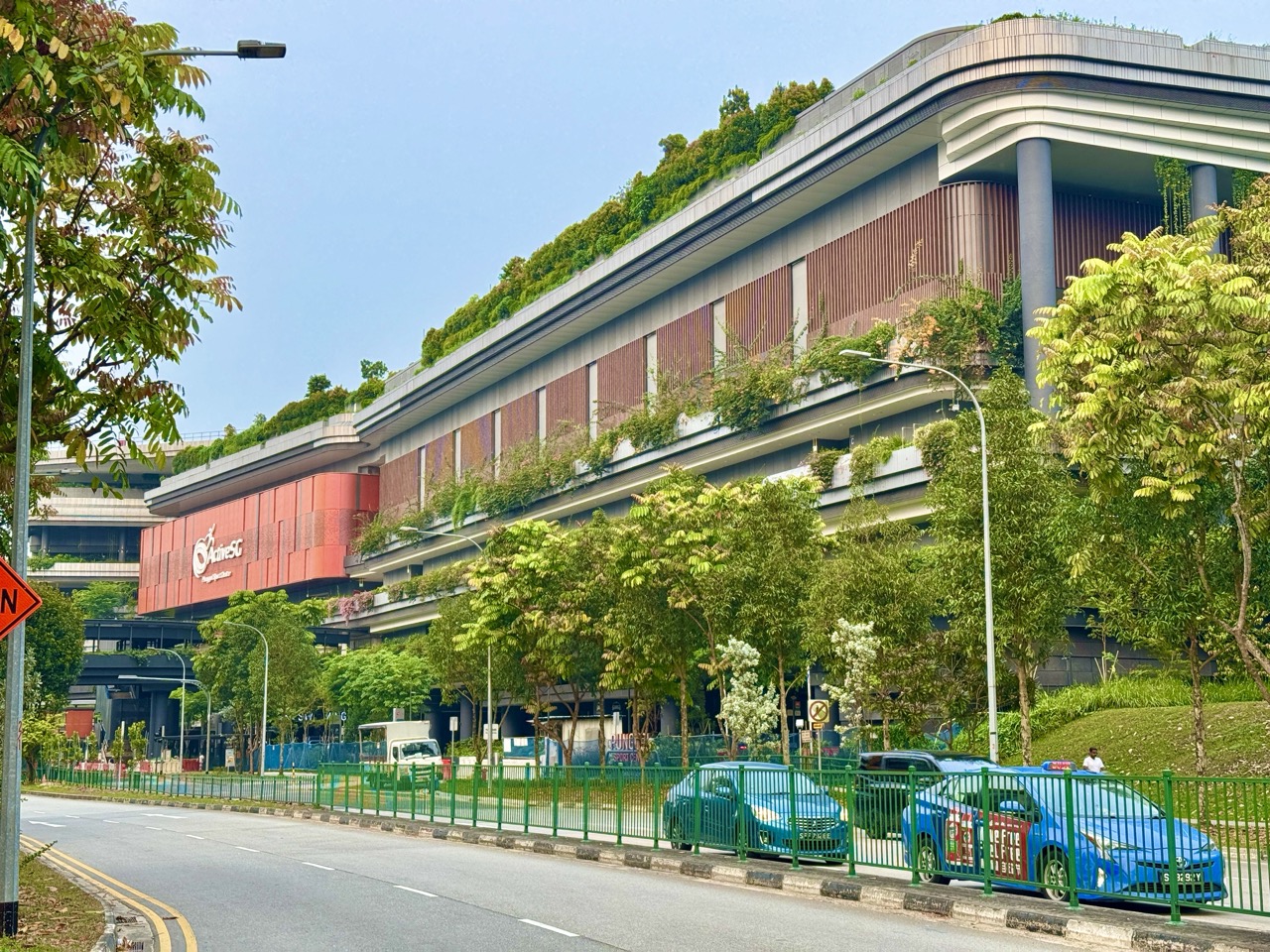
Futsal goalkeeper goal-clearance practice is an activity to plan for the two sheltered futsal courts at Level 5M of ActiveSG Punggol Sport Centre, 11 Sentul Crescent, Singapore 828656, when the operator offers an eligible booking or authorised programme. SportSG’s November 2026 facility guide confirms the courts exist, but a late-October walkthrough said ordinary bookings had not yet opened during the soft launch. The official centre opening scheduled for 22 November does not prove that any specific futsal slot is reservable. Check MyActiveSG+ for actual date, price, court, footwear and participation requirements before collecting money or arranging a goalkeeper training session.
A futsal goal clearance occurs after the whole ball crosses the defending goal line without a goal, having last been touched by an attacker. Under the current FIFA Futsal Laws of the Game 2026–27, the defending goalkeeper throws or releases the ball from anywhere inside their penalty area within four seconds of the team being ready or the referee’s relevant signal; the ball is in play when thrown or released, and opponents must remain outside the penalty area until then. This is not an ordinary football goal kick. Separate goalkeeper restrictions also limit control in the goalkeeper’s own half to four seconds and restrict certain second touches after a deliberate teammate return. This guide explains those rules, short safe distribution, back-pass pitfalls and progressive drills without repeating our Punggol futsal kick-in or first-touch passing articles.
- Planned venue: two sheltered Level 5M futsal courts at Punggol Sport Centre, 11 Sentul Crescent, Singapore 828656.
- Access: court existence is confirmed; actual public booking, equipment and operating restrictions still need verification through MyActiveSG+.
- Current authority: FIFA Futsal Laws of the Game 2026–27, Law 16 and the goalkeeper interpretations of Law 12.
- Trigger: whole ball crosses the goal line, attacker touched it last, and no goal was scored.
- Correct restart: the defending goalkeeper throws or releases the ball from inside their penalty area; it is not an ordinary kicked goal kick.
- Four-second restart: release within four seconds once ready or as indicated by the referee.
- In play: under 2026–27 Law 16 the ball is in play once thrown or released, not only after leaving the penalty area.
- Opponents: stay outside the goalkeeper’s penalty area until the ball is in play, with special provisions for quick releases.
- Direct goal: cannot score directly from a goal clearance; untouched ball into opponents’ goal results in another goal clearance, and into the keeper’s own goal results in a corner kick.
- Goalkeeper own half: no more than four seconds of controlled possession, whether with feet or, where legal, hands.
- Back-pass: ordinary 2026–27 laws restrict a deliberate teammate return to the goalkeeper in the keeper’s own half without intervening opponent play, and a deliberately kicked ball cannot be handled in the penalty area.
- Sources: https://futsallotg.com/2026-27/laws/law-16-the-goal-clearance/ and https://futsallotg.com/2026-27/practical-guidelines/practical-guidelines-interpretation-and-recommendations/

Definition lock: a futsal goal clearance is a restart
A goal clearance is awarded when the entire ball passes over the goal line, on the ground or in the air, after an attacking player last touched it and a goal was not scored. The defending goalkeeper restarts play through the special goal-clearance procedure. This is different from a corner, which can follow a goal-line exit after the defending side touched last. It is also different from a kick-in, which usually follows a ball leaving across the touchline or hitting the ceiling. A beginner should first identify the boundary and last touch before choosing the restart.
What Punggol’s Level 5M announcement actually means
SportSG’s 11 November 2026 article identifies two sheltered futsal courts at Level 5M of Punggol Sport Centre. That is a statement about facilities, not a promise of a confirmed public booking. Earlier reporting said the courts were not bookable during the late-October soft launch. An event or opening date might bring new arrangements, but only the operator’s actual calendar or organiser’s explicit programme confirms them. A reliable training plan should label these drills conditional until a genuine futsal product becomes available.
Why use the 2026–27 rules for this guide
Futsal has its own Laws of the Game, published on a separate cycle from ordinary outdoor football. The 2026–27 edition contains the relevant goal-clearance procedure in Law 16 and goalkeeper possession restrictions in the laws and practical guidelines. This guide refers to that edition as of November 2026 rather than copying older internet summaries that may describe a different condition for when the ball becomes live. A school or organised event should still check its actual competition regulations, especially permitted grassroots adaptations.
Goal line versus touchline decides the restart
A whole ball crossing the sideline creates a kick-in under the appropriate conditions. A whole ball crossing the end or goal line without scoring can create a goal clearance or corner depending on the last touch. A ball that still partly overlaps a boundary is not automatically out merely because most of it has crossed. A beginner can study these two lines on a paper diagram before touching a ball. Accurate identification prevents a player from taking the wrong type of restart.
The last toucher must be identified
If an attacking player last touched the ball before it went out across the defending goal line without a goal, the goalkeeper’s side is normally awarded a goal clearance. If a defender touched last, the attack may receive a corner kick instead. This distinction often arises from blocked shots and goalkeeper saves. A useful coaching scenario can describe two hypothetical touches and ask the group which restart follows. No powerful goalmouth shot is needed to teach the decision.
Goal clearance is not an ordinary goal kick
In standard association football the goal kick is made with the foot from a designated goal-area restart. Futsal Law 16 instead gives the defending goalkeeper a special thrown or released goal clearance from within the penalty area. A beginner who places the ball on the floor and prepares to kick a conventional goal kick is mixing sports. The proper procedure should be introduced explicitly, while any event-specific grassroots modification needs to be identified rather than assumed.
Only the goalkeeper performs the goal clearance
Under the ordinary futsal goal-clearance rule the goalkeeper of the defending team performs this restart, from an allowed location inside the penalty area. A regular outfield teammate does not simply take the restart from the sideline because the goalkeeper is tired or far away. An informal teaching exercise can have another volunteer act as goalkeeper, but the group should label that role clearly. For formal competition, the player occupying the legal goalkeeper position and the actual officiating procedure matter.
Anywhere inside the penalty area is the location
Futsal Law 16 permits the goalkeeper to throw or release from any point within their own penalty area. The keeper does not need to stand in one arbitrary corner or behind the goal line. The entire restart must comply with the law and the court’s boundaries. A beginner can choose a comfortable central release position for the first drill, then compare a side position later. The purpose is finding a safe visible passing lane, not exploiting a wall or public walkway.
The ball is in play after release
The 2026–27 goal-clearance text states that the ball is in play once it is thrown or released. Do not teach that a receiver must always wait until the ball fully crosses out of the goalkeeper’s penalty area before it can be played. Some older futsal summaries contain wording tied to earlier editions, which is why date-specific verification matters. The current rule is about the proper release. An introductory short distribution can therefore use a teammate in a safe permitted area subject to opponents’ legal positioning.
The ball need not leave the penalty area first
Because the 2026–27 Law 16 makes the ball live when properly released, the goalkeeper can send a controlled short pass within the penalty area as the team begins playing out. This opens tactical choices but also creates risk if the receiver is closely marked. A new player should not interpret the permission as a command to make the shortest possible throw every time. Begin with a clear available teammate and enough space for a comfortable first touch. The procedure, not merely pass length, determines legality.
The goalkeeper must act within four seconds
Law 16 requires the ball to be put into play within four seconds of the team being ready to do so or the referee signalling readiness. A goalkeeper should identify an initial passing option promptly rather than spend the entire period arguing with teammates. In official play the referee’s count and interpretation govern the situation. A recreational drill can use a consistent announced ready cue and count, but should not pretend a volunteer’s irregular counting speed is formal officiating.
The count begins from readiness
The four-second limit does not automatically begin at the exact instant the previous shot crosses the goal line. The law refers to the team being ready or the referee indicating readiness, with additional guidance on delays. Equally, a team cannot postpone the count indefinitely through deliberate slow preparation. A beginner should understand both conditions rather than memorise the slogan ‘four seconds from the whistle’. A predictable coaching count can help build early scanning without creating unnecessary panic.
A late clearance can surrender possession
If the goal clearance is not taken within the four-second limit, Law 16 awards an indirect free kick to the opponents from the legally specified location. This makes prompt decision-making important, but it does not justify releasing a hard ball towards an unprepared teammate. A beginner can first practise without time pressure, then add a manageable count after accuracy develops. The aim is a reliable legal restart, not merely the quickest possible throw. Actual referee decisions follow the current competition rules.
Do not waste the count choosing only one receiver
A goalkeeper who stares at a single marked teammate may reach the final second without a viable pass. A simple plan with a primary receiver and one backup allows a calmer choice. The keeper scans the open area, confirms the receiver is facing the ball and releases an appropriate controlled pass. In a teaching drill the first option can be made passively unavailable, prompting an easy alternative. This builds decision-making without requiring an advanced long throw or full-court press.
Opponents must normally stay outside the penalty area
Law 16 says opponents must remain outside the goalkeeper’s penalty area until the goal clearance is in play. This protects the restarting team from immediate illegal pressure inside the area before release. A defender should not stand directly beside the goalkeeper and attempt to catch the ball before it is thrown. During a beginner drill, place a passive opponent outside the area and let the keeper make one safe legal distribution. The focus is understanding the release, not rushing into the keeper’s body.
A quick release creates an opponent exception
The 2026–27 text recognises situations where an opponent is still inside the penalty area because the goalkeeper chose to release quickly before they had time to leave. Referees may allow play to continue, but an opponent who touches or challenges for the ball before it becomes live can trigger a retake. Do not reduce this nuanced procedure to the claim that any defender standing within the area always cancels the clearance. A beginner should simply move opponents outside and practise a clean restart first.
The keeper should not throw at an opponent’s body
A goalkeeper trying to gain an advantage might deliberately aim a strong throw at a nearby opponent, creating injury risk. Formal laws address deliberate contact and careless or reckless behaviour according to circumstances. A beginner group should not imitate that tactic. The safe teaching aim is a pass to a teammate in a clear available lane. A successful restart provides usable possession and avoids unnecessary conflict or dangerous ball impact.
A direct goal from a clearance does not count
A goal cannot be scored directly from a futsal goal clearance under Law 16. A goalkeeper who throws the ball the full length of the pitch and it enters the opposing goal without any other player touching it has not scored a legal direct goal. The opponents receive a goal clearance. This is distinct from some kinds of live goalkeeper distribution after the ball was already in play. A beginner can learn the distinction through a hypothetical diagram rather than repeated maximum-force throws.
Directly into the keeper’s own goal has another outcome
If a goal clearance is thrown or released directly into the goalkeeper’s own goal without another player touching it, the opponents receive a corner kick under the law instead of an own goal being counted from that direct restart. This is a rare scenario but helps explain why the restart type matters. A paper example is sufficient. No coach should ask a beginner goalkeeper to throw a practice ball forcefully into their own net simply to demonstrate the rule.
Do not assume a direct goal is always legal after goalkeeper possession
A live goalkeeper throwing or kicking a ball during ordinary play is not necessarily taking a goal clearance. The scoring consequences and other restrictions can differ according to how possession began. A beginner should identify whether play is restarting after a goal-line exit or continuing after a normal save. That distinction determines whether Law 16’s direct-goal ban applies. A useful instructor labels each scenario before discussing a possible goal, rather than giving one overbroad answer.
The goalkeeper may play from the ground after release
Once the ball is legally put into play and received, the team can combine ordinary passing and movement, including short ground play. The first teammate’s touch may set up a return option or advance into a new lane. But the goalkeeper’s own subsequent touches are subject to the back-pass and second-touch restrictions, so a player cannot simply throw the ball out and immediately reclaim it without regard to who touched it. Teach the restart and continuation as two linked but different moments.
The kicker-style restart is a different violation
Some newcomers instinctively place the ball on the floor inside the area and kick it as though taking an outdoor goal kick. Law 16 specifies a thrown or released goalkeeper clearance. That starting action should not be replaced with a different kind of restart simply because the player finds kicking easier. In a formal game, a referee applies the current law and any retake procedure. In a beginner lesson, demonstrate a gentle controlled hand release first and correct the mistake without embarrassment.
The goalkeeper’s own-half possession also has four seconds
Separate from the goal-clearance restart count, the futsal practical guidelines restrict a goalkeeper to no more than four seconds in controlled possession in their own half of the pitch. This includes legal hand or arm control inside the penalty area and foot control anywhere in their own half. The keeper should recognise that leaving the penalty area does not automatically remove the own-half time condition. A simple shadow drill can compare possession in the defensive half and after crossing into the opponents’ half.
Four seconds with feet in the own half
A goalkeeper who dribbles under control in their own half may be subject to the four-second count even without holding the ball in the hands. This differs from a casual assumption that the timer applies only when the goalkeeper catches a shot. It can make passing choices more urgent. An introduction can use a stationary ball and a hypothetical count rather than forcing a novice to dribble quickly under pressure. The relevant referee makes the official possession decision.
The opponent’s half changes the count
Under the goalkeeper interpretations, the four-second possession count in the keeper’s own half stops when the goalkeeper takes controlled possession into the opponents’ half. When the keeper returns with continuing possession, the count is treated according to the specified reset procedure. This is an advanced situation and not a reason to teach beginners to abandon the goal and sprint forwards. A goalkeeper should first know how to release safely and protect the team’s defensive balance. Formal competition follows the precise text.
A substitution does not simply erase the count
The practical guidelines address goalkeeping substitutions during a possession and explain that the relevant four-second count may continue when the new goalkeeper retains control in the own half. A team should not use a deliberate rapid goalkeeper exchange as an invented way to obtain unlimited extra possession time. This is a specialised officiating question best studied from the current guidelines. A novice keeper’s first lesson should remain a reliable release within the permitted count.
A teammate back-pass can create a goalkeeper violation
Futsal rules restrict a goalkeeper receiving another deliberate play by a teammate in the goalkeeper’s own half after the keeper has already played the ball, unless an opponent has played or touched it in the relevant intervening sequence. This is different from outdoor football’s more familiar hand-use rule and can cause turnovers even when the keeper uses feet. Do not teach every simple pass back as legal by default. A beginner needs to understand that the prior goalkeeper contact and whether an opponent touched the ball matter.
The intervening opponent touch matters
The restriction on a goalkeeper’s repeated own-half involvement depends partly on whether an opponent has played or touched the ball after the keeper’s earlier controlled play. A genuine opponent touch can change the legal analysis. A player should not try to invent a meaningless touch with an object or a teammate simply to reset the condition. Use a paper sequence: keeper plays, teammate deliberately returns, no opponent intervenes; compare with an actual opponent contact. That clarifies the law without staging risky pressure.
A deliberately kicked back-pass cannot be handled
Under the 2026–27 interpretation, a goalkeeper may not use hands or arms inside their own penalty area after the ball has been deliberately kicked to them by a teammate, including directly from a teammate’s kick-in. This is a distinct restriction from the four-second possession count and the general second-touch rule. A keeper who catches such a back-pass because it appears safe may still cause an indirect free kick. Beginners should practise recognising the source of the ball before choosing whether hands are legal.
A teammate’s accidental deflection is a different situation
Not every ball arriving from a teammate is necessarily a deliberate kick back to the goalkeeper. The rules distinguish deliberate play, ricochets and intervening touches in context. A public guide cannot settle every borderline incident based on one word. A beginner should learn the clear common case: a teammate deliberately kicks the ball to the keeper, and the keeper must not handle it as an ordinary back-pass. Formal referees judge disputed intent and contact circumstances.
Back-pass limits do not ban all goalkeeper teamwork
A goalkeeper may still act as a passing option when the specific legal conditions permit it. The law restricts certain second touches and hand contacts; it does not require the keeper to remain passive throughout every possession. A team should understand when a first distribution is allowed, when an opponent touch changes the situation and when a teammate return creates a violation. A qualified futsal coach can choose appropriate safe patterns. The beginner goal is sensible restraint rather than fear of every pass.
An ordinary goal clearance has a second-touch rule
After taking a goal clearance, the goalkeeper cannot immediately touch the ball again before another player has touched it, subject to the exact Law 16 conditions. The first release starts play; it is not permission to throw the ball to oneself and dribble straight away. This is separate from the broader teammate back-pass rule governing later goalkeeper possession in the own half. A no-ball scenario can demonstrate the sequence: keeper releases, teammate legally contacts, and only then consider whether any further keeper contact is permitted.
The second-touch law is not identical to the teammate-return law
Law 16’s prohibition on the goalkeeper touching a goal-clearance ball again before anyone else contacts it and the later Law 12 goalkeeper back-pass restriction address different parts of play. After a teammate receives the clearance, that teammate’s deliberate return may still be restricted if the keeper is in their own half and no opponent intervened. Beginners should not assume one teammate touch necessarily makes all future goalkeeper involvement legal. The full sequence and location matter.
A goalkeeper’s hand use depends on location
A goalkeeper can normally use hands or arms within their own penalty area under the applicable conditions, but not outside it. A player moving beyond the boundary must not assume goalkeeper status grants a general right to carry the ball anywhere on court. The pass-back restrictions can also prohibit handling even inside the area after certain deliberate teammate contacts. Teach the penalty-area boundary before advanced back-pass examples. A reliable goalkeeper knows when to use a foot instead of reflexively catching.
A keeper outside the penalty area remains subject to rules
Some futsal tactics involve the goalkeeper playing as an additional outfield participant outside the penalty area. That can create passing options but also tactical danger if the ball is lost while the goal is unprotected. The player is still subject to ordinary contact, possession and back-pass rules. A first-time Punggol group need not stage an aggressive flying-goalkeeper system during a goal-clearance lesson. Controlled basic distribution is the sensible starting point.
The first distribution target should be visible
A keeper who receives a clearance decision must identify a teammate in a clear safe passing lane. A receiver hiding behind a defender is difficult to reach, while a player turning away may not see the ball in time. A good first drill lets one receiver stand in a comfortable position and show hands or a body target appropriate for a controlled low throw. The aim is a manageable first touch and continued possession, not maximum throw distance.
Short distribution can support possession
Because the 2026–27 ball-in-play condition permits release within the penalty area, a short distribution to a properly positioned teammate may be an available tactic. It can keep the ball low and maintain control, but it also invites pressure if the receiving player is not ready. A group should understand both benefits and risks. Begin with no active defender and a modest pass to an available target. A good result is one legal controlled reception and a safe next pass.
A longer throw is sometimes useful
When opponents press near the penalty area, a goalkeeper may see a teammate available farther upcourt and choose a longer controlled throw. The ball must still be released legally and the receiver must have a realistic chance to control it. A reckless high-power throw towards a child or beyond the playing area is not useful. Some grassroots competitions restrict long goal clearances across halfway, so check the event’s actual rules. A beginner should develop short accuracy before distance.
Some grassroots events restrict crossing halfway
The 2026–27 Law 16 explicitly allows domestic rules for youth, veteran, disability or grassroots futsal to prohibit a goal clearance travelling directly over the halfway line. Where such a restriction is adopted, the specified indirect free kick consequence applies. This is not a universal ban on every long clearance in all senior futsal matches. A school or community organiser should confirm whether a local modification applies. An online guide must not invent a Singapore-wide ban without evidence.
Why a long direct throw cannot simply score
Even when a long goalkeeper clearance is lawful in the applicable match, a ball thrown directly into the opposing goal without another player’s touch cannot produce a scored goal from that restart. The correct result is another goal clearance. That makes an available receiving teammate important. In a teaching session, an older player should not encourage a beginner keeper to launch the ball at the far goal as an easy scoring trick. A useful distribution begins a legal possession.
The opponents’ penalty-area positioning
Defending opponents must stay outside the penalty area until the goal clearance enters play. A beginner may try to win the ball by standing inside the area before the keeper releases, but that can violate the restart procedure. A passive defender outside the line is sufficient for the first exercise. Once the keeper’s legal release occurs, normal play may continue according to the current rules. Clear separation protects participants and makes the timing easier to observe.
The nearest passing lane may be on the side
A keeper whose centre receiver is heavily marked may find a safer short option towards one side. A pass angled towards the side can give the receiving teammate a better first touch away from immediate pressure. The exact choice depends on opponents and court geometry, not a rule that every clearance must go wide. During practice, place two stationary receivers in separate visible lanes and let the keeper select the open one. A controlled release is more useful than forcing a blocked centre throw.
The receiver’s first touch is the next skill
After the keeper releases the ball, the receiving teammate must control it appropriately before the team can continue its passing pattern. A ball that bounces away from the foot may invite an opponent’s steal. A gentle first-touch practice can use the inside or sole of the foot depending on the ball and player’s ability. Our separate Punggol futsal triangle guide teaches those mechanics; this article focuses on the lawful goal-clearance beginning and how it links to possession.
A receiving triangle gives the keeper alternatives
Three teammates at different angles can create a short passing triangle with the goalkeeper as the starting distributor. The keeper sees one primary receiver and a second option if that lane is blocked. A group should avoid placing all three attackers in the same narrow region or behind one defender. A slow no-ball diagram can identify the two paths before the first clearance. The tactical value is a calm decision during the four-second window, not an elaborate manoeuvre.
Do not use teammates to delay the count
A team may be tempted to keep a restart waiting while players rearrange or substitute, hoping the four-second count will not start. The practical guidelines make clear that referees can respond to tactical delays and begin the count according to the prescribed procedure. A beginner should learn to prepare promptly and use simple options. This discourages gamesmanship and helps the team avoid an unnecessary indirect free kick. A fair quick restart is more reliable than trying to manipulate timing.
The keeper should communicate early
A clear short call before releasing may help a teammate realise they are the intended receiver. The keeper should identify the open passing lane and avoid shouting several contradictory instructions while the four seconds expire. A simple agreement on the first and backup targets can reduce panic. Communication is useful when it leads to a timely legal pass. A goalkeeper who waits until the last possible instant to choose a receiver can turn a good defensive play into a turnover.
The first drill uses a court diagram
Begin with a paper futsal pitch showing both goal lines, touchlines, the penalty area and halfway line. Ask the learners to decide whether an attacking last touch across the defending goal line produces a goal clearance or a corner. Identify where the goalkeeper may release the ball and where opponents should stand. No actual ball or venue is necessary for this introduction. It is particularly appropriate while public Level 5M booking availability remains uncertain.
Second drill: safe keeper release
On a properly authorised futsal court, place a goalkeeper within their penalty area and one willing receiver at a safe manageable distance. The keeper holds a suitable ball, receives an announced ready cue and makes a gentle legal throw or release. The receiver controls it and stops. Begin without defenders or a strict countdown. The aim is a predictable ball-in-play action under the proper Law 16 method rather than a conventional kicked goal kick.
Third drill: the four-second countdown
After a reliable gentle release is possible, a coach may add a measured count beginning at an agreed ready cue. The keeper identifies the receiver and releases within four seconds. The group stops after the first touch and discusses whether the pass was controlled. The count is an instructional imitation, not a claim that a volunteer’s timing overrides an official referee. Keep the targets broad and do not force a hard speculative throw at the last syllable.
Fourth drill: two receiver choices
Provide two cooperative receivers at different safe angles. The keeper begins with the ball at an eligible spot and a passive defender stands outside the penalty area, showing one passing lane as covered. The keeper selects the clearer receiver and makes a controlled release. Rotate positions after several attempts. The learning goal is choosing a legal safe option within the deadline. A keeper who repeatedly forces the blocked target needs a clearer scan, not simply more throwing power.
Fifth drill: short distribution in the area
Under the current Law 16, rehearse a controlled goal clearance to a teammate in a suitable position within the penalty area, with no opponents interfering before the ball becomes live. The receiving player takes a comfortable first touch and makes a gentle next pass. Stop to review when the ball entered play. This is an important comparison with older rule summaries that may treat leaving the penalty area as the trigger. The actual current edition should govern a formal event.
Sixth drill: goalkeeper first touch after release
Use a paper scenario to show the keeper releasing the ball, then immediately trying to touch it again before any other player has contacted it. Ask whether that is legal under Law 16. The answer is no under the ordinary second-touch restriction. A modified no-ball demonstration can follow, with a volunteer acting as a receiving teammate. There is no need to arrange an actual illegal contact during a competitive rally just to teach the principle.
Seventh drill: deliberate teammate back-pass
The keeper legally plays the ball in their own half, and a teammate then deliberately returns it without an opponent touching it in the meantime. Stop before the keeper receives it again and discuss the 2026–27 back-pass restriction. A qualified coach can explain when an indirect free kick would be awarded. The exercise should be performed slowly without defensive pressure. The goal is understanding the sequence, not teaching players to exploit a loophole or obstruct an opponent.
Eighth drill: keeper with the ball at the feet
The goalkeeper controls the ball with the feet in their own half during ordinary play. A coach announces a four-second count and provides a clear teammate passing option. The keeper makes a calm controlled foot pass before the limit, then the drill stops. This demonstrates that own-half possession time is not limited to holding the ball in the hands. Begin with an easy stationary ball and no active pressing defender. A safe accurate pass is more important than sprinting.
Ninth drill: goalkeeper receives after opponent touch
Use a paper or gentle slow scenario in which the keeper plays the ball and an opponent genuinely touches it before a later teammate pass. The group compares this with the no-opponent-contact back-pass case. The purpose is understanding that an intervening opponent touch can change the legal analysis under the goalkeeper restrictions. Do not stage reckless tackles or deliberate contact with an opponent’s body to produce the scenario. A coach should verify borderline cases under the current rules.
Tenth drill: choose short or long distribution
Place one teammate near the keeper and another farther upcourt in legally suitable locations. A passive defender makes one option less attractive, and the keeper decides which passing lane is realistically open. Begin without time pressure and use moderate passes. Only later add the four-second count and relevant event-specific restrictions. This teaches that long throwing is a tactical choice, not a universal sign of goalkeeper skill. The keeper’s first obligation is a legal safe restart.
Eleventh drill: goal clearance or corner
A coach describes two identical-looking shots leaving over the defending goal line. In the first, an attacker touched last; in the second, a defender deflected last. Participants identify the correct restart for each. The first produces a goal clearance, the second a corner, assuming no goal was scored. This distinction can be taught without a live ball. It is an efficient way to prevent the wrong person preparing a throw after a save or deflection.
Twelfth drill: direct-goal outcomes on paper
Describe one goal clearance travelling untouched into the opponents’ goal and another travelling directly into the goalkeeper’s own goal. The players identify that the first results in another goal clearance and the second a corner kick for the opponents, rather than ordinary counted goals. A written diagram is safer than demanding powerful throws at either goal. The useful lesson is learning that the type of restart determines the scoring exception, not how impressive the ball’s flight appears.
A ten-minute beginning lesson
An introductory ten-minute block can identify goal clearance versus corner, explain the keeper’s released ball being in play, and rehearse one safe short throw. Ten minutes is an illustrative portion of authorised court time, not an official ActiveSG coaching class or a guarantee of goalkeeper proficiency. The learner should leave knowing that a futsal goal clearance is not a kicked goal kick and that a prompt controlled release is more valuable than a panicked long throw.
A thirty-minute small-group plan
With valid court access, begin by reviewing the penalty-area boundary and four-second restart. Practise gentle distribution to one receiver, then add a backup target and a controlled second pass. Finish with a paper comparison of the keeper’s second-touch and deliberate teammate back-pass restrictions. Rotate roles so participants understand the goalkeeper and receiver perspectives. The session should include normal rests and a clear court handover. A learner should never face full-speed pressure during the first demonstration.
An hour with a developing futsal team
A larger authorised group can connect a slow goal clearance to a short passing triangle, a controlled advance and one passive defender. A coach may introduce a realistic four-second countdown and different legal receiver placements when the group remains comfortable. Stop after the first few contacts to analyse whether the keeper chose an open lane and avoided a prohibited second touch. A productive hour is organised and safe rather than a series of speculative high-power throws. Confirm all actual venue rules before running it.
Children should begin with the boundary rule
A younger player may know outdoor football and instinctively set the ball down to kick after a goal-line exit. An appropriate youth coach can explain the futsal difference with a paper court and gentle hand release. Suitable supervision, equipment and modified competitions may have distinct local rules. Parents should not assume Level 5M bookings or coaching are available merely because the courts are visible. A child who understands the correct restart and makes a comfortable short throw has gained a real skill.
Teenage students should check their competition
School and youth futsal programmes may adopt permitted grassroots modifications, including conditions on goalkeeper distribution distances or other laws. A student should follow the actual competition document rather than copy a professional match blindly. The general FIFA 2026–27 principles are a useful foundation, but an organiser’s approved modifications must be identified. Public Punggol futsal court access is separately controlled by the operator. A short rules lesson can prevent several turnovers during a school game.
Returning adults may prefer simple distribution
An adult goalkeeper returning after years away may find rapid passing under pressure unfamiliar. Begin with predictable moderate short throws and a calm receiver rather than forcing long clearances or fast dribbling. Shoulder comfort, balance, mobility and relevant health conditions vary across individuals; age alone does not determine readiness. A sensible recreational session can focus on accuracy and communication. The aim is repeatable enjoyable play, not proving the keeper can throw farther than everybody else.
Goalkeeper shoulder and hand comfort
Repeated forceful throwing can strain the shoulder, arm or hand, especially when the person has not warmed up. A beginner should start with gentle accurate releases and appropriate rest. Sharp pain or loss of comfortable movement is a reason to stop and obtain suitable advice. A public article cannot diagnose injuries or prescribe rehabilitation. Technical improvement can be measured by controllable passing direction rather than maximum distance or speed.
Surface and footwear matter near the goal
Goalkeepers may move within their penalty area, stop quickly and distribute while observing defenders. Loose balls, bags, wet surfaces or unsuitable shoes can cause slips. Check the authorised futsal surface and the operator’s footwear conditions before play. Store spare balls safely and keep the goalmouth free of unnecessary equipment. If the floor is damaged or slippery, stop and alert staff. A rule-compliant release is not worth a preventable fall.
The sheltered court can still close in storms
Punggol’s Level 5M futsal facilities are described as sheltered, but the roof does not ensure safe operation in lightning, heavy rain or wind-driven moisture. The operator may impose closures and capacity rules. A family should check the real booking terms and weather notices, and follow staff instructions. Do not continue training because the session was paid for or because only gentle passing was planned. Safety takes precedence over meeting a four-second coaching goal.
Do not practise in circulation areas while waiting
If MyActiveSG+ does not offer an eligible futsal slot, do not use lift lobbies, corridors, waterfront paths or public plaza areas for keeper-throw drills. Pedestrians and children may be struck by balls they do not expect, and a goalkeeper’s release can travel farther than intended. Use a separately authorised safe sports venue or keep the lesson theoretical until a booking exists. A facility announcement does not create permission to occupy adjacent public spaces.
The booking boundaries apply to the goalkeeper
A real futsal reservation grants the allocated court space subject to operator conditions, not all surrounding levels or nearby courts. The goalkeeper may be out of the immediate playing area while collecting a ball, but should never run into another booked activity to retrieve it. Pause and communicate when a ball crosses a boundary. Do not move goals or barriers without staff approval. Good public sport etiquette makes team practice safer for every user.
Protect other participants from hard throws
A beginner receiving a goalkeeper clearance should be ready and positioned at a suitable distance. A full-power throw towards an unsuspecting teammate’s face or chest is inappropriate for a first lesson. Use modest accurate passes and clear verbal cues. An experienced keeper can challenge the group through placement and choice rather than intimidation. A successful drill lets the receiving player control the ball comfortably and make the next legal pass.
Do not stage reckless opponent pressure
The current goalkeeper rules include restrictions on opposing players before a clearance is in play. A teaching defender should stand at a proper location and not charge into the keeper’s hands or block a ball with deliberate body contact. Begin with passive pressure only after short distribution is reliable. A qualified futsal coach can introduce more realistic decisions later. The purpose is teaching lawful restarts and possession, not practising collisions.
When pain or serious symptoms require stopping
Sharp joint pain, significant dizziness, faintness, chest discomfort or severe unusual breathlessness require stopping and obtaining appropriate assistance. A general futsal guide cannot diagnose a condition or determine safe return to play. Repeated unsteady footing, near-collisions or uncontrolled throws also signal that the exercise should be simplified. Rest or end the session rather than forcing repetitions because a booking was made. Sustainable community sport depends on appropriate decisions.
Filming and privacy near the goal
A video may help a qualified coach check whether the keeper released the ball before the count, but a tripod in the penalty area can become a trip hazard. Recording unrelated users or children without suitable consent may violate privacy and venue conditions. A normal public reservation does not grant unrestricted commercial filming permission. A paper pitch diagram and brief notes on receiver positions are often enough for a first training session. Court space should remain clear for players.
A four-week goalkeeper progression
Week one can explain goal clearance versus corner and practise gentle short releases. Week two introduces the four-second restart and two receiver options. Week three develops one controlled short distribution and first-touch continuation. Week four compares own-half possession timing and deliberate teammate back-pass scenarios with appropriate rules guidance. This is an illustrative plan for an authorised future session, not a confirmed ActiveSG programme. Repeat earlier stages if the keeper becomes confused or uncomfortable.
Five mistakes and their corrections
First, kicking a conventional outdoor goal kick instead of performing a proper futsal clearance confuses restarts. Second, waiting longer than four seconds after readiness risks an indirect free kick; prepare options early. Third, teaching that the 2026–27 release must travel beyond the penalty area before becoming live uses outdated wording. Fourth, handling a deliberate teammate back-pass inside the area can create a violation. Fifth, touching the ball again in the own half after an impermissible teammate return ignores goalkeeper restrictions. Each issue needs a distinct explanation.
Frequently asked questions
Where are Punggol’s futsal courts? Two sheltered courts on Level 5M of Punggol Sport Centre, subject to actual bookings. What causes a goal clearance? The ball crosses the defending goal line after an attacker touched last and no goal was scored. Is it kicked? Under FIFA futsal Law 16 it is thrown or released by the goalkeeper. How long does the keeper have? Four seconds once ready or signalled. Must the ball leave the penalty area to become live in 2026–27? No, it is live once properly thrown or released. Can the keeper score directly? No. Does the keeper get four seconds with feet in the own half? Yes under the applicable possession rule.
Sources and your next step
FIFA Futsal Laws 2026–27, Law 16 sets the goal-clearance procedure, four seconds, live-ball condition and direct-goal outcomes. The 2026–27 practical guidelines explain goalkeeper own-half timing and deliberate teammate returns. SportSG’s Punggol facility overview describes Level 5M futsal courts; verify real access through MyActiveSG+. Start with a paper goal-clearance scenario and a gentle proper release only in authorised space. For a different sideline restart, read our futsal kick-in guide.
Continue with the connected guide: ActiveSG Punggol 2027/2028 | Opening Status, Facilities and Visitor Guide. Use its linked index to compare the related questions and choose your next reading.


