
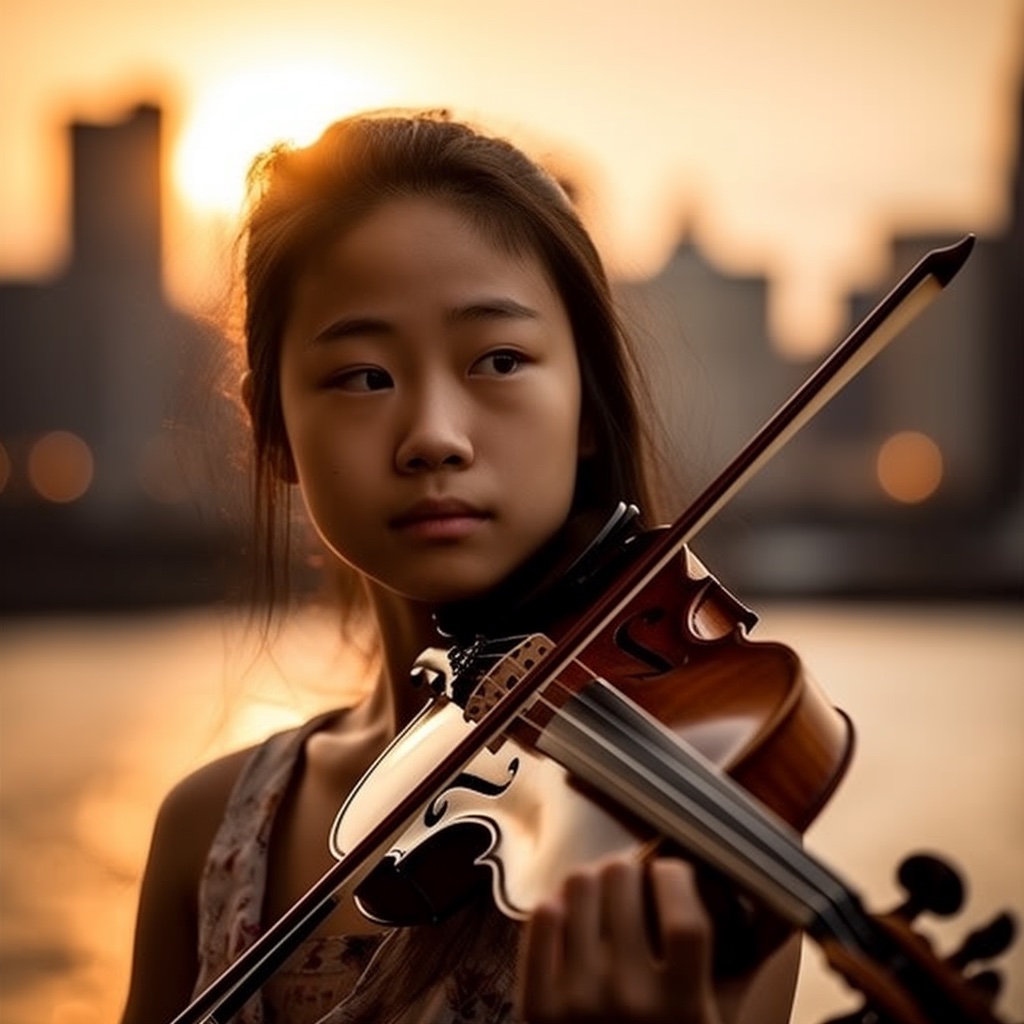
SEC 2027 G3 Music vocabulary is the language of hearing, making and performing music with understanding. A learner who can recognise a rhythmic pattern but cannot explain syncopation, heterophony, timbre or harmonic progression may struggle to describe what they hear. A composer may create an interesting piece yet find it difficult to justify how a stimulus shaped the final music. This guide provides 200 practical terms and clear meanings for listening, notation, musical cultures, composition, digital production and performance.
For the 2027 Singapore-Cambridge Secondary Education Certificate, G3 Music is syllabus K350 (former reference code 6085). Do not confuse it with Higher Music K351 or Higher Art K348. The assessed framework has three components: Music Studies 40%, Creating 30% and Performing 30%. These are original eduKate glossary definitions, not a prescribed SEAB list of 200 words. Students should consult the official K350 syllabus for precise requirements and permitted submissions.
Fast answers:
- Music Studies: a 90-minute written/listening exam, 75 marks, 40%.
- Creating: one composition of at most three minutes plus 400–500-word Reflection Notes, 30%.
- Performing: two contrasting performance items totalling 5–10 minutes plus 400–500-word Reflection Notes, 30%.
- Music Studies covers Western Classical traditions, Jazz and Popular Music, and Asian musical traditions.
- Be able to explain how the sound is produced and organised, not merely guess the genre.
- All assessed compositions, performances and reflections must comply with school supervision and originality requirements.
1–10: Listening and describing musical sound
- aural perception — Ability to notice and understand features heard in music.
- musical element — Component such as rhythm melody or timbre.
- musical style — Recognisable combination of artistic conventions.
- genre — Category of music sharing common characteristics.
- listening extract — Recorded music passage used for study or assessment.
- sound source — Voice instrument or device producing a sound.
- phrasing — Organisation of notes into expressive musical units.
- articulation — Manner in which notes are started joined or separated.
- dynamics — Relative loudness and softness.
- expression — Communication of musical character or emotion.
Application: Listen to a permitted classroom example or create your own short pattern, then describe one feature.
11–20: Rhythm and note values
- beat — Regular pulse underlying a musical passage.
- rhythm — Pattern of note durations and silences.
- pulse — Evenly recurring sense of time.
- note value — Duration represented by a written note.
- rest — Notated duration of silence.
- quaver — Note ordinarily lasting half a crotchet.
- crotchet — Note ordinarily representing one beat in common time.
- minim — Note ordinarily worth two crotchets.
- semibreve — Note ordinarily worth four crotchets.
- dotted note — Note whose dot adds half its original duration.
Application: Identify how changing this feature would alter the musical effect.
21–30: Metre and tempo
- metre — Grouping of beats into regular patterns.
- time signature — Notation specifying beat grouping and basic note values.
- simple metre — Beat grouping with standard two-part subdivision.
- compound metre — Beat grouping where main beats divide into three.
- duple metre — Recurring group of two main beats.
- triple metre — Recurring group of three main beats.
- quadruple metre — Recurring group of four main beats.
- syncopation — Rhythmic emphasis away from normally strong beats.
- tempo — Speed of the musical pulse.
- rubato — Expressive flexibility in musical timing.
Application: Compare two nearby terms and explain why they are not interchangeable.
31–40: Melody and pitch
- pitch — Perceived height or lowness of a note.
- melody — Organised sequence of pitches with rhythm.
- interval — Distance between two pitches.
- stepwise motion — Melody moving mainly between neighbouring scale notes.
- leap — Movement between pitches separated by more than a step.
- range — Distance from a melody’s lowest to highest pitch.
- contour — Pattern of rises and falls in a melody.
- motif — Short recognisable musical idea.
- sequence — Motif repeated at a different pitch level.
- ostinato — Pattern repeated persistently in a musical passage.
Application: Describe a performance or composition decision using the accurate term and a reason.
41–50: Reading and writing notation
- staff — Set of five parallel lines for standard notation.
- treble clef — Clef locating G above middle C on the second line.
- bass clef — Clef locating F below middle C on the fourth line.
- ledger line — Short added line for pitches beyond the staff.
- bar line — Vertical mark dividing measures.
- measure — Section of notated music between bar lines.
- accidental — Symbol changing the expected pitch of a note.
- key signature — Set of sharps or flats applying through a passage.
- score — Written representation of musical parts.
- skeleton score — Partially supplied notation used to follow or complete music.
Application: Listen to a permitted classroom example or create your own short pattern, then describe one feature.
51–60: Scales and tonality
- tonality — Organisation of pitches around a central home tone.
- tonic — Main reference pitch of a key.
- dominant — Fifth scale degree in common tonal systems.
- major scale — Seven-note pattern with characteristic step arrangement.
- minor scale — Seven-note framework with a minor third above its tonic.
- chromatic scale — Sequence moving by semitones.
- pentatonic scale — Scale using five pitch classes.
- mode — Distinct arrangement of intervals with a tonal centre.
- modulation — Change from one key to another.
- atonality — Music not organised around a conventional tonal centre.
Application: Identify how changing this feature would alter the musical effect.
61–70: Harmony and chords
- harmony — Simultaneous combinations and relationships of pitches.
- chord — Group of notes heard together as a harmonic unit.
- triad — Chord built from three notes in stacked thirds.
- seventh chord — Chord containing a seventh above its root.
- consonance — Harmonic combination perceived as relatively stable.
- dissonance — Combination creating tension in a musical context.
- cadence — Harmonic ending or point of pause.
- harmonic progression — Ordered movement between chords.
- pedal point — Sustained or repeated note beneath changing harmony.
- harmonic rhythm — Rate at which underlying chords change.
Application: Compare two nearby terms and explain why they are not interchangeable.
71–80: Texture and ensemble layers
- texture — Relationship among simultaneous musical lines.
- monophony — One independent melodic line without harmonisation.
- homophony — Melody supported by chordal accompaniment.
- polyphony — Several independent melodic lines combined.
- heterophony — Simultaneous varied versions of one melody.
- counterpoint — Interaction between independent musical lines.
- accompaniment — Part supporting another musical line.
- drone — Sustained or repeated pitch under other parts.
- unison — Several performers producing the same pitch or melody.
- layering — Building texture through added musical parts.
Application: Describe a performance or composition decision using the accurate term and a reason.
81–90: Timbre, instruments and orchestra
- timbre — Distinctive sound quality of a voice or instrument.
- instrumentation — Selection of sound-producing instruments.
- orchestration — Arrangement of parts among instruments.
- register — Low middle or high region of an instrument’s range.
- string section — Orchestral family using bowed or plucked strings.
- woodwind section — Family including flute oboe clarinet and bassoon.
- brass section — Family including trumpet horn trombone and tuba.
- percussion section — Instruments sounded by striking shaking or scraping.
- blend — How smoothly different sounds combine.
- balance — Relative prominence of parts within an ensemble.
Application: Listen to a permitted classroom example or create your own short pattern, then describe one feature.
91–100: Form and structural devices
- musical form — Overall organisation of a musical work.
- binary form — Two contrasting main sections.
- ternary form — Three-part design often returning to the opening.
- rondo — Form with a recurring main section between episodes.
- sonata form — Exposition development and recapitulation in a tonal design.
- theme and variations — Form altering a repeated musical idea.
- introduction — Opening section preparing the main work.
- coda — Closing section added after a main structure.
- repetition — Return of an earlier idea.
- contrast — Deliberate difference between musical passages.
Application: Identify how changing this feature would alter the musical effect.
101–110: Western Classical traditions
- Baroque — Western classical period known for ornate lines and contrapuntal techniques.
- Classical era — Western period emphasising formal balance and clarity.
- Romantic period — Western period often emphasising expressive individuality.
- dance suite — Sequence of contrasting dance-inspired movements.
- sonata — Extended instrumental genre often using several movements.
- symphony — Large-scale orchestral work.
- string quartet — Ensemble of two violins viola and cello.
- Lied — German-language art song often for voice and piano.
- character piece — Short instrumental work suggesting a mood or idea.
- Impressionism — Musical style often featuring colour atmosphere and nontraditional harmony.
Application: Compare two nearby terms and explain why they are not interchangeable.
111–120: Jazz vocabulary and styles
- jazz — Music tradition involving varied rhythmic harmonic and improvisatory practices.
- traditional jazz — Early jazz practices often featuring collective improvisation.
- swing — Jazz feel with uneven subdivisions and characteristic rhythmic drive.
- bebop — Jazz style known for complex rapid melodic and harmonic movement.
- cool jazz — Jazz style often featuring restrained textures and phrasing.
- improvisation — Creating musical material during performance.
- blue notes — Expressively altered pitches associated with blues practice.
- walking bass — Bass line moving steadily through successive beats.
- call and response — Alternation of musical statements and answers.
- riff — Short repeated musical figure often underpinning a section.
Application: Describe a performance or composition decision using the accurate term and a reason.
121–130: Popular music genres and production
- pop-rock — Popular music blending rock instrumentation and pop structures.
- synth-pop — Pop style prominently using synthesisers.
- rhythm and blues — Music tradition combining blues influences rhythm and vocal expression.
- soul music — Popular genre drawing strongly on gospel and rhythm and blues.
- verse — Song section commonly carrying changing text.
- chorus — Recurring central song section.
- hook — Memorable musical or lyrical feature.
- backbeat — Emphasis on commonly weaker beats of a metre.
- groove — Repeated rhythmic feel created by interacting parts.
- lead sheet — Simplified notation typically containing melody and chord symbols.
Application: Listen to a permitted classroom example or create your own short pattern, then describe one feature.
131–140: Traditional Malay music
- Zapin — Malay dance and music tradition with distinctive rhythmic patterns.
- Joget — Malay dance and music tradition associated with lively movement.
- gambus — Plucked lute used in some Malay music ensembles.
- marwas — Small hand drum associated with Zapin practice.
- rebana — Frame drum used across Malay musical traditions.
- accordion — Free-reed keyboard instrument used in some Malay ensembles.
- violin — Bowed string instrument appearing in several Southeast Asian traditions.
- seruling — Flute used in Malay musical settings.
- interlocking rhythm — Rhythms fitted together by alternating parts.
- dance accompaniment — Music providing rhythm and structure for dance.
Application: Identify how changing this feature would alter the musical effect.
141–150: Chinese ensemble music
- Jiangnan Sizhu — Chinese silk-and-bamboo ensemble tradition from the Jiangnan region.
- Guangdong music — Southern Chinese instrumental ensemble style.
- erhu — Chinese two-string bowed instrument.
- dizi — Chinese transverse bamboo flute.
- pipa — Four-string plucked Chinese lute.
- yangqin — Chinese hammered dulcimer.
- sheng — Chinese mouth organ with multiple pipes.
- gaohu — High-register Chinese bowed instrument.
- ornamentation — Decorative notes added around a melody.
- melodic variation — Change to a familiar melodic line.
Application: Compare two nearby terms and explain why they are not interchangeable.
151–160: Indian classical traditions
- Hindustani music — Northern Indian classical music tradition.
- Carnatic music — Southern Indian classical music tradition.
- raga — Melodic framework guiding notes and characteristic movement.
- tala — Cycle organising time and rhythmic emphasis.
- sitar — Plucked long-necked Indian lute.
- veena — Indian plucked string instrument family.
- tabla — Paired hand drums widely used in North Indian music.
- mridangam — Double-headed drum central to Carnatic music.
- tambura — Drone-producing plucked string instrument.
- alap — Exploratory melodic introduction in certain Indian classical forms.
Application: Describe a performance or composition decision using the accurate term and a reason.
161–170: Javanese gamelan traditions
- gamelan — Indonesian ensemble often featuring tuned percussion.
- Javanese gamelan — Gamelan traditions associated with Java.
- pelog — Tuning system with seven unequal pitch steps in its full set.
- slendro — Tuning system with five relatively even steps.
- gong ageng — Large hanging gong marking important structural points.
- kenong — Kettle-gong instrument marking formal divisions.
- kendang — Drum directing aspects of tempo and ensemble expression.
- saron — Metallophone type in Javanese gamelan.
- bonang — Set of small kettle gongs arranged on racks.
- colotomic structure — Form organised through recurring gong punctuation.
Application: Listen to a permitted classroom example or create your own short pattern, then describe one feature.
171–180: Digital audio and studio effects
- reverb — Effect simulating reverberant reflections.
- delay — Effect repeating an audio signal after a time interval.
- distortion — Effect altering sound through nonlinear processing.
- panning — Positioning sound between left and right channels.
- fade-in — Gradual increase in level from silence.
- fade-out — Gradual reduction in level towards silence.
- overdubbing — Recording a new part over existing recordings.
- multitracking — Capturing or mixing parts on separate audio tracks.
- looping — Repeating a recorded or programmed segment.
- digital audio workstation — Software environment for recording editing and mixing music.
Application: Identify how changing this feature would alter the musical effect.
181–190: Creating and composing
- composition — Original organised musical work.
- creative stimulus — Prompt used to begin musical ideas.
- compositional intention — What the creator aims to communicate.
- development — Transformation or extension of an initial idea.
- arrangement — Organisation of musical material for performers.
- graphic score — Notation using visual symbols outside conventional staff notation.
- compositional coherence — Sense that musical ideas form a purposeful whole.
- musical decision — Choice about structure sound or expression.
- reflection notes — Written account of intentions challenges and learning.
- source acknowledgement — Identification of borrowed material and its origins.
Application: Compare two nearby terms and explain why they are not interchangeable.
191–200: Performing and reflecting
- recital — Prepared presentation of musical performances.
- solo performance — Music performed by one principal player or singer.
- ensemble performance — Music played collaboratively by a group.
- accompanist — Performer supporting a soloist.
- technical control — Reliable management of instrument or voice.
- interpretative understanding — Insight into how music should be expressed.
- rehearsal — Planned practice towards a performance.
- performance practice — Conventions of execution within a musical tradition.
- stage presence — Communication and poise before an audience.
- performer reflection — Evaluation of choices and challenges after preparation.
Application: Describe a performance or composition decision using the accurate term and a reason.
How to use music vocabulary when you listen
In the K350 listening paper, students hear unfamiliar recordings and must describe musical features accurately. An answer such as “The music is fast and nice” is not necessarily wrong as a personal response, but it says little about musical structure. A more precise answer might state: “The tempo is brisk, a repeated bass figure supports a syncopated melody, and the texture becomes denser as additional parts enter.” Such a response identifies tempo, rhythm, texture and change, all with observable evidence.
That does not mean adding technical words without checking the sound. A passage with a sustained bass note is not automatically a walking bass. A song with a keyboard does not automatically belong to synth-pop. A performance with several layers is not necessarily polyphonic: the lines may be supporting one principal melody rather than remaining independent. Listen to the relationship between the parts before deciding on the correct term.
Worked example 1: pulse and rhythm are different
Imagine a student tapping four evenly spaced beats with one hand. They can clap a pattern over the beats using long sounds, short sounds and silence. The pulse stays steady; the rhythm changes. If the clap falls on an offbeat rather than the expected strong beat, the pattern may include syncopation. Counting only the number of notes does not describe the effect; the position of notes within the metre matters.
In classroom practice, ask students to tap the beat separately from a rhythmic line, then explain where the two coincide or differ. This simple exercise can make metre and syncopation easier to understand. It does not require reproducing any copyrighted song, and it allows the learner to create an original short pattern rather than simply memorising a written definition.
Worked example 2: texture describes the relationship among parts
Suppose a single flute performs a melody without accompaniment. That is monophonic texture. If a keyboard adds chords supporting the melody, the result may be described as homophonic. If two independent melodies combine, the texture is polyphonic. If a group of instruments play different ornamented versions of the same melody simultaneously, the texture may be heterophonic. The names depend on how parts relate, not merely on how many performers are present.
Asian ensemble styles offer important examples of varied texture, but students should avoid forcing a European classification onto every tradition without attention to its own practices. Listen to how instruments enter, vary and support each other, and use genre-specific terminology when that provides a more accurate explanation.
Worked example 3: what a cadence communicates
A cadence is a harmonic ending or point of pause. A strong ending may give listeners a sense of resolution, while a more open sound can suggest that a phrase will continue. Students should connect the impression to the relationship between harmonies, their placement and the musical context. They should not claim that the same chord has one emotional meaning in every style.
Similarly, a modulation is a change of key; the music may create a sense of new colour, direction or tension, but the effect depends on surrounding material. In the jazz area of study, the syllabus does not require aural identification of specific chord types in the same way as basic contextual descriptions. For popular music, it expects recognition of common chord progressions and selected studio effects. Read the exact requirements rather than assume all genres are examined identically.
The 2027 K350 Music Studies paper, explained
Paper 1 Music Studies is 1 hour 30 minutes, 75 marks and 40%. It includes six compulsory unprepared listening questions. The Western Classical Tradition part contains two questions worth 25 marks altogether. Jazz and Popular Music together contain two questions worth 25 marks. Asian Music contains two questions worth 25 marks. Students may encounter multiple-choice tasks, short explanations and simple melodic or rhythmic dictation. The first four questions have some score or lead-sheet support; Asian-music extracts are heard without accompanying notation.
Listening extracts are between 30 seconds and 1 minute 30 seconds, played four times with writing intervals. That makes the task a matter of focused observation rather than one-shot recognition. Each time the recording plays, the student can concentrate on a different layer: first the broad character and instrumentation; next rhythm and melodic motion; then changes in texture or harmony; finally the precise feature required by the question.
Western Classical Music: identify features, not simply the century
The syllabus includes selected Baroque, Classical, Romantic and twentieth-century music through genres such as dance suites, sonatas, symphonies, character pieces, string quartets and Lieder. These are not just calendar labels. A strong listener can describe relationships between sections, rhythmic conventions, melodic development, instrumentation and the texture of a particular extract. A style label becomes convincing only when justified by what was heard.
For instance, a passage in which a short idea moves sequentially through voices invites discussion of motif, sequence and imitation rather than a vague claim that the music is “fancy”. A Classical-period symphonic movement may reward attention to formal contrasts, orchestral dialogue and tonal direction. Historical context can inform style, but the assessment still begins with actual aural details.
Jazz and Popular Music: different traditions, different techniques
K350 Jazz includes Traditional Jazz, Swing, Bebop and Cool Jazz from American developments in the 1920s to 1960s. Popular Music includes late-1960s Pop-rock, Synth-Pop, and R&B and Soul. Learners should recognise that jazz is not one uniform speed or mood, and pop-rock and synth-pop cannot be distinguished merely by whether a recording has a singer. Instead, examine rhythmic feel, instrumentation, phrasing, harmonic language and stylistic practices.
Digital production vocabulary is especially helpful in Popular Music. Reverb simulates room-like reflections, while delay creates audible repetitions after an interval. Distortion changes the signal nonlinearly, often altering its colour; panning places a sound across the stereo field. Overdubbing adds a newly recorded part to existing audio, and multitracking records or mixes separate parts on different tracks. Calling every effect “echo” overlooks important differences.
Asian Music: hear cultural practices in their own terms
K350 covers Traditional Malay Dance Music such as Zapin and Joget, Chinese Ensemble Music including Jiangnan Sizhu and Guangdong Music, Hindustani and Carnatic Indian Ensemble Music, and Javanese Gamelan. These are distinct traditions with different instruments, forms and performance conventions. Students should not treat Asian music as a generic category that always sounds alike.
In a Chinese ensemble, instruments such as erhu, dizi, pipa and yangqin have distinguishable tone colours and performance roles. In Indian traditions, raga and tala describe melodic and rhythmic frameworks; they are not simply substitutes for Western key and metre. In Javanese gamelan, the sound of gongs and metallophones can help establish layers and formal cycles. Malay dance traditions likewise have particular relationships between instruments, rhythm and movement. Cultural accuracy matters as much as technical vocabulary.
Creating: from a stimulus to an original three-minute composition
Paper 2 Creating contributes 30% and has a 40-mark composition plus 10-mark Reflection Notes. The composition responds to one of six given stimuli: musical, text or context prompts. The finished work has a maximum performance duration of three minutes. The standard limit of one to five acoustic/electric instruments or voices does not restrict the number of MIDI instruments and samples in a DAW composition in the same way; see the precise syllabus instructions for the selected submission method.
Students should ask: what feature of the stimulus first sparked the idea? Which motif, rhythmic pattern, texture or instrumental colour expresses it? How does the first idea return, contrast or develop? A piece can be short and still show coherence. Adding many effects or instrumental layers may make the sound more elaborate without improving the musical argument. Evaluate each choice against what the work is meant to communicate.
Reflection Notes should show a real decision process
The 400–500-word composition Reflection Notes explain how the stimulus shaped the work and how one or two technical challenges were handled. A weak claim says “I changed the tempo to make the music better.” A stronger explanation might say “I reduced the tempo of the middle section because the original dense rhythm obscured the returning melodic idea.” This identifies the initial problem, specific change and intended effect. Students should describe actual decisions—not invent a dramatic creative struggle simply to fill the word count.
Paper 2 is completed over up to nine weeks with five hours of supervised composition time. All finished compositions must be recorded, and required scores or other submission materials depend on the chosen format. Borrowed loops, samples and other material must be acknowledged. An audio file that sounds polished is not evidence of original work unless authorship, source use and submission requirements are properly addressed.
Performing: technical control and interpretation are both assessed
Paper 3 Performing contributes 30% and includes a 40-mark recital plus 10-mark Reflection Notes. Candidates present two contrasting performance items totalling 5–10 minutes. The syllabus offers options involving two solo items, or a solo item with an additional approved second-instrument, ensemble or accompaniment item. The exact options and instrument combinations should be checked before repertoire is selected.
Good technical control means reliable pitch, timing, articulation and coordination appropriate to the style. Interpretative understanding means using those skills to communicate a convincing musical character and purpose. A technically accurate performance can still lack expressive shape; a passionate interpretation may suffer if pulse, intonation or coordination are unstable. Rehearsal should make room for both kinds of improvement. A learner should choose work appropriate to their level, not the most difficult piece they can almost manage.
Performing Reflection Notes
The additional 400–500 words explain the performer’s musical understanding, technical challenges, preparation and decisions. For example, a student might report that a phrase became clearer after changing breath planning or adjusting bow articulation. They should explain why the change fits the chosen style and what improved in actual rehearsal. Such observations must be the student’s own. The school teacher is required to supervise and certify the authenticity of the reflection.
Four-week 200-word practice programme
- Week 1 — Listen and name: learn terms for pulse, metre, melody, harmony and texture. Use short approved recordings to isolate each dimension, then say one precise observation aloud.
- Week 2 — Styles and cultures: compare Western Classical, Jazz, Popular and selected Asian traditions using instrumentation, musical organisation and context. Avoid stereotypes or blanket claims about regional music.
- Week 3 — Make: create short original musical ideas from classroom-approved stimuli, document a clear compositional choice and test whether the intended effect can be heard. Follow supervised-work rules for assessed material.
- Week 4 — Perform and reflect: rehearse an appropriately chosen skill or piece, focus on one technical and one expressive issue, then describe the effect of the adjustment using accurate vocabulary.
Students need not memorise 200 definitions in a single week. If a child already recognises the sound of a violin, the next useful step is to explain what the violin is doing in the texture and whether its role changes. An unfamiliar word becomes valuable when it improves an actual listening, composing or performing decision.
Common Music misconceptions
- “Tempo and rhythm mean the same thing”: tempo describes speed, while rhythm describes organised durations.
- “Many instruments means polyphony”: texture depends on relationships among parts, not just headcount.
- “One keyboard proves synth-pop”: identify genre using multiple musical features.
- “All Asian ensemble music uses the same scale”: investigate each tradition’s specific tuning and practice.
- “Reverb and delay are identical”: one simulates reverberation while the other introduces separately timed repetitions.
- “A longer composition earns more marks”: K350 sets a three-minute maximum and rewards coherent creative work.
- “Reflection Notes can be written for the student”: assessed reflections must demonstrate the student’s own decision-making and follow supervision rules.
Frequently asked questions
Is K350 the same as K351 Higher Music?
No. They have separate syllabus codes and different learning and assessment requirements. Do not use a Higher Music guide as a substitute for the Music K350 syllabus.
How is Music weighted in 2027?
Music Studies 40%, Creating 30% and Performing 30%, with all three papers compulsory.
Are students required to compose in the Western classical style?
No. The syllabus allows a range of styles and media subject to the prescribed stimulus and submission requirements.
Must compositions and performances be original?
The creating work must reflect the candidate’s own compositional response and declare borrowed material, while performance selections follow the specified repertoire options and reflection originality rules.
Can students compose using a digital audio workstation?
Yes, the syllabus provides DAW and audio-editor submission options with particular requirements for commentary, recordings and source acknowledgement.
Do students need to play more than one instrument?
No. One permitted recital option involves two contrasting items on the same solo instrument or voice. Check the full options before choosing repertoire.
Are all the 200 glossary words examinable?
No. They form a practical independent study bank, including connected explanatory terms. The official K350 syllabus defines the assessment.
How can a parent support practice without musical training?
Ask the student to explain one heard feature, one creative decision and one rehearsal improvement in clear language. This encourages reflection without directing assessed work.
Official syllabus and related learning
Consult SEAB’s official 2027 G3 syllabus index and K350 Music’s complete syllabus and assessment instructions. For other expressive disciplines, compare the G3 Art 200-word glossary and the standalone Literature in English glossary. Their vocabularies overlap in ideas such as structure, contrast, voice and interpretation, but each is assessed differently.
eduKate Punggol, November 2026. Independent teaching glossary. No copyrighted music or lyrics are reproduced; students must comply with SEAB and school requirements for original assessed work.


