
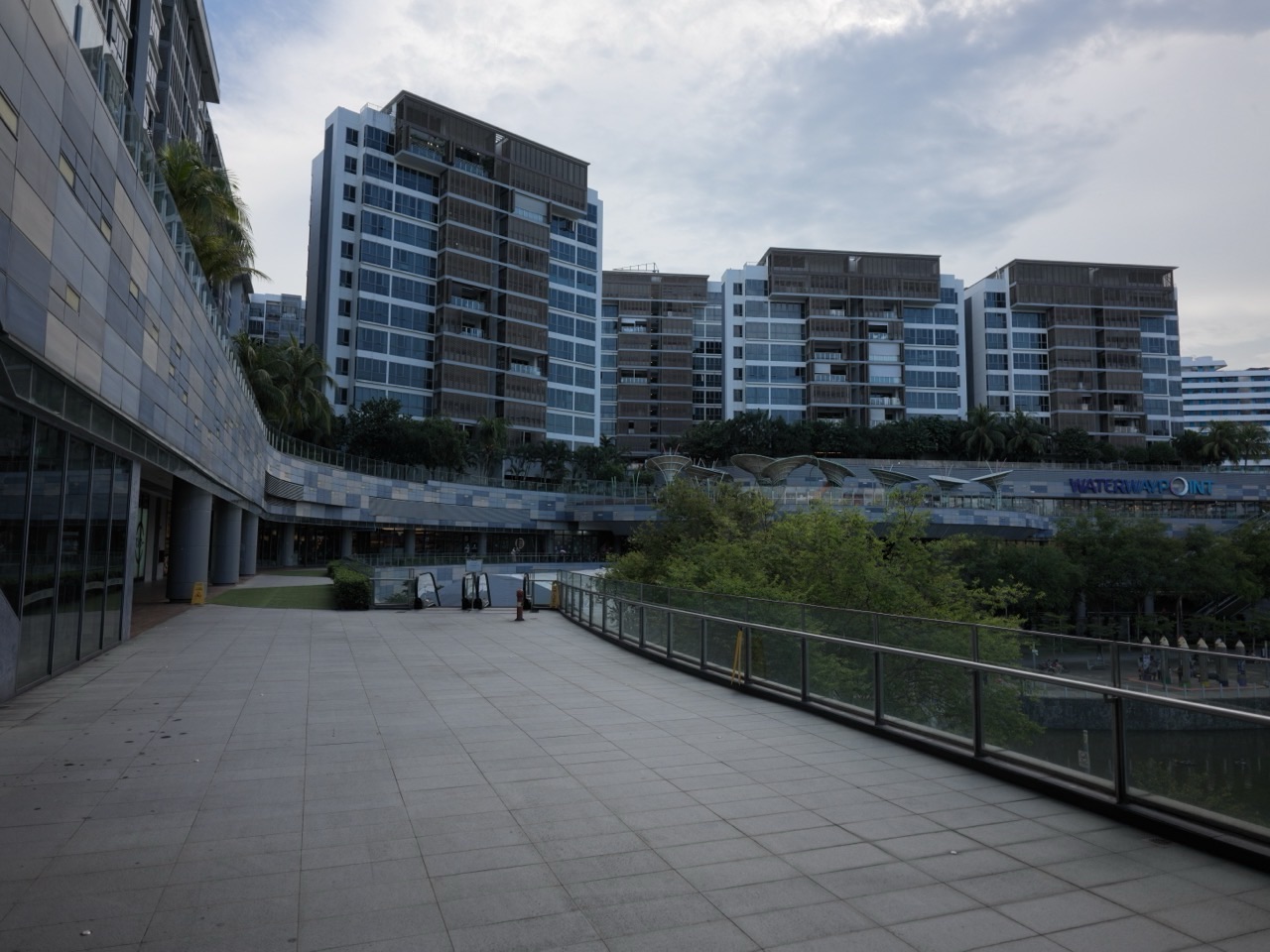
Punggol Waterway Park’s Therapeutic Garden is near Carpark A along Sentul Crescent. Use the full garden name in your map and look for the signed public approach. NParks lists Damai LRT and Punggol MRT among the park’s nearby stations. For a short visit, choose a suitable route from Damai or arrive near Carpark A, spend a little time at the garden and turn back from a comfortable viewpoint.
The garden has an elevated waterway view, a wellness zone with sensory planting, a communal planter and a fitness area. NParks lists it as open 24 hours, subject to current access conditions. Allow about 20 to 30 minutes at the garden if you want a few pauses, with the walk from the station or car park counted separately. Use the garden as a quiet outdoor visit or a small addition to a wider Punggol outing.
- Find the Therapeutic Garden near Carpark A, not a general pin for the entire waterway park.
- Use Damai LRT or check a public route from Punggol MRT.
- Look for the wellness zone, communal planter and waterway view where accessible.
- The published garden hours are 24 hours. Check current notices and choose a suitable time.
- Therapeutic horticulture programmes have their own arrangements. A casual garden visit is separate.
Find the garden near Carpark A
Use a precise walking destination
Punggol Waterway Park covers a long stretch. A pin for the park can take you to an access point that is convenient for another activity. Use the Therapeutic Garden as your walking destination and Carpark A as the location reference from NParks. Check the current route from your actual station, the bank you need and the appropriate public approach. Follow signed paths when you arrive.
From Punggol MRT, use the LRT service towards Damai if that fits your trip. The park’s information lists both stations as nearby options. From Damai, check the walking map for the garden near Sentul Crescent. If someone is joining from the Waterway Point side, let them take the route that suits their pace and meet at a named public place. Avoid sending a generic park pin to someone who needs a short route.
The photographs in this guide show Waterway Point and a separate rest area near that part of the waterway. They illustrate the wider neighbourhood setting. For the garden itself, use the NParks listing and location. This is especially useful if a family member searches for a waterway photo and expects to find the garden beside the mall.
If coming by car or arranging a lift
NParks identifies Carpark A along Sentul Crescent and lists parking charges and a designated accessible lot among the car park information. Check current arrangements before relying on a space. Use the public path from the car park and choose a safe meeting point away from moving vehicles. If someone is dropping you off, agree on a suitable legal point and how to reach it from the garden.
A driver and a person arriving by LRT may reach the area from different sides. Save the named garden, the nearby car park and the public spot where you plan to meet. Give people time to navigate the final approach. A short garden visit works best when the whole group can reach and leave it without having to follow an unfamiliar path in a hurry.
What to look for in the Therapeutic Garden
Take a moment at the waterway view
NParks describes an elevated view over the waterway. Start with a suitable public viewpoint and look at the water, planting and nearby paths. Let the group spend a few minutes without trying to cover every feature. Someone can focus on a reflection, a bird in the distance or the difference between an open view and a closer view framed by plants. Conditions and sightings vary.
A child can pick one detail to describe later. An older visitor may prefer to look quietly and take a rest at an appropriate place. Choose a position with room for others to pass and follow local guidance about open areas. A garden visit can be short and still provide a different experience from walking quickly along a connector.
Use the wellness zone and planting as an observation stop
NParks describes a wellness zone with plants selected to engage the senses. Look at differences in colour, leaf shape and the way plants are arranged. Notice any scent from an appropriate distance and follow signs about touching or handling. Leave plants and equipment as you found them. An adult can help a child notice a sound, colour or texture without removing anything.
The communal planter and fitness area are separate features. Look at what each space is designed for and follow posted directions if you intend to use anything. If other people are gardening or taking part in an activity, give them room. A casual visitor can enjoy the planting and waterway view without joining a programme or using the equipment.
Ask which of the features your group actually wants to see. A visitor who wants a quiet route may use the outlook and one planting area. A family with children may want a short observation task. A group interested in gardening can check the official information about organised activities rather than assuming a communal planter is open for anyone to use.
Plan a short sensory visit at your own pace

Give yourself one thing to notice at a time
Begin with a view, then choose one part of the planting to look at. For a child, use a simple prompt: find two different leaf shapes or describe one sound you can hear from a suitable point. For an adult, choose a detail that is easy to see without taking a longer path. Give the group time to look and stop the activity once everyone is ready.
Try a short comparison between the garden and the public waterway path. In the garden, look at the arrangement of planting and places to pause. On the path, look at the movement of people and the broader view of the water. They are different uses of the same neighbourhood setting. A visitor can choose which part feels more comfortable before deciding whether to continue.
A short walk with an older relative can include a conversation about a familiar plant or an earlier visit to Punggol. Ask an open question and give the person time to answer. Keep the route flexible and follow their pace. A short outing can have a clear purpose without asking the group to complete a circuit.
Separate a casual visit from a programme
NParks describes therapeutic horticulture programmes with organised nature and plant-related activities. A visit to the public garden is a separate choice. If you want a structured programme, check who it is for, whether there are dates or registration and what support is available. A garden’s ordinary opening hours do not indicate that a session is taking place.
Use the casual route for an outdoor pause, a short walk or a chance to look at planting. If someone has specific access or support needs, ask about the exact route or programme. Build the visit around what the person finds comfortable. The name of the garden explains its design focus and programme context. A casual outing is not a substitute for professional care.
Use a few simple observations rather than a long circuit
Notice how the planting changes your view
Begin with the area you can comfortably reach. Look at which plants frame the view of the waterway and which ones are more interesting close up. A child can describe a leaf’s outline or choose two colours to compare. An adult might notice how the planting separates a place to pause from the larger route. These are observations you can make without needing to identify species or walk through every part of the garden.
If someone wants to know a plant name, look for a label or use a reliable source after the visit. Give the child permission to describe what they saw without naming it. This keeps the activity accurate and accessible. You can take a photograph where appropriate and compare it with an official description later. Follow posted directions about access and leave the plants in place.
Think about whether you want to stay with one view or move to a second. A person who needs frequent rests may prefer to look from a single comfortable spot. A family that wants a small walk can move between two suitable viewpoints. The difference between near leaves and the wider waterway gives both options a clear subject.
Choose a sound or a change in the water
At a suitable public stopping point, pause for a short time and listen. One person might notice birds, wind or the sound of other visitors. Another might prefer to watch a reflection or a change in the water. Give people enough time to answer if you ask what they noticed. Keep to open public paths and find an appropriate place to pause before looking out.
You can compare that moment with a view along the busier waterway route if the group wants another short stop. Look at how the two places are used. A garden encourages looking or pausing, while a connector may be part of someone’s journey. The different uses help explain why it is worth finding a suitable place to stop before taking a photograph or starting a conversation.
A visitor who wants quiet can use the first suitable point and end the outing there. Time of day, organised activity and ordinary park use can change the setting. Choose the shorter route if it feels busy and come again at a different time if that suits you.
Look at the communal planter without interrupting a session
NParks identifies a communal planter as part of the garden. Take a look from a permitted area and check signs before using anything. If people are working there or taking part in a programme, respect the space they need. A family can ask what the arrangement makes easy to see or reach and look for an official programme if they want to participate.
A child might compare a raised planter with a planted area beside a path. Which is easier to look at from a comfortable position? What can you see from the side? An older visitor might describe a plant that reminds them of a home or garden. Let the conversation guide the visit. An adult can check organised gardening or horticulture options afterwards if the group is interested.
If you are planning an organised session, use the current NParks arrangements and ask about suitability, dates and support. Put the specific programme ahead of the casual walk. Someone arriving for a programme needs a confirmed time and location, while a visitor coming just to look at the planting can keep the route flexible. Give companions the correct version of the plan.
End the activity before the group gets tired
One view, one plant detail and one sound are enough for a short visit. Let a person choose whether to share what they noticed. If a child wants to keep going, choose one open path and a clear return point. If an older relative is ready to leave, finish the observation and head back. A simple activity can work for a mixed group because nobody needs to complete the same number of stops.
Save a note about the approach and a detail you would look for on a return visit. The next visit can focus on a different part of the garden or use a different time of day. A short first visit helps you learn what feels comfortable and how far the garden is from the transport you intend to use.
Make the approach work for your group
Check the route from the station to the viewpoint
NParks describes the wider park as wheelchair accessible. Check the actual station lift, the path from the exit or car park and the garden approach if your visit needs a continuous step-free route. A route across a park can feel different according to the weather, distance and changes in level. Ask about the specific access you need and choose a shorter viewpoint if that suits the group.
If bringing a stroller, look for a suitable place to pause clear of the main path. Shared waterway routes can be used by people walking, running or riding. Give others room before stopping for a photo or checking directions. A child who wants to walk part of the route can do so on a suitable public stretch while staying with an adult.
For someone who needs regular rests, decide how far the group will go before adding the waterway extension. Ask whether a shorter garden look is enough. Give that person an independent way to return if others want to go farther. A named meeting point close to the car park or station is easier to use than a place described only as beside the water.
Choose a time that suits an outdoor visit
The garden is outdoors. Check the weather and any park notices before travelling. If it is hot, keep the route brief and give yourself a comfortable finish. If rain or lightning makes the visit unsuitable, use an indoor venue with verified hours or return another day. A short local visit can be moved without needing to rearrange a longer itinerary.
NParks lists the garden as open 24 hours. That does not tell you whether a particular route is comfortable after dark. For a first visit, daylight can help you identify signs, changes of level and the way back. Choose a time that works for the people coming and confirm the onward transport if visiting in the evening.
Choose the shortest route or add the waterway
A garden-only visit
Go to the public approach near Carpark A, take a look at one planting area and spend a few minutes at a suitable view. Return by the same route. Use the garden time as a guide rather than a target. A person who wants a quiet pause may prefer a short stop, while another group may spend longer comparing the planting and water.
A garden and a short waterway walk
Add a brief signed public path after seeing the garden. Set the turn point before you start. If the group is comfortable, choose a second view of the water and return. If someone needs a rest or a shorter journey, keep the garden as the only activity. The wider waterway can be a separate visit.
A garden and an indoor finish
Choose a food, reading or other indoor stop with confirmed hours and check how to reach it from the garden. Depending on the route, Waterway Point or One Punggol can be separate destinations. Allow for the walk or train and use the correct entrance. Tell someone who is joining later the exact venue rather than asking them to find the garden group on the path.
Compare three starting points for different groups
Damai for a public transport route
From Punggol MRT, check the LRT directions for Damai and map the final public walk to the Therapeutic Garden. Count that final approach in your timing. If you have a tight window, make the garden your only outdoor stop and return by the same route. Give everyone a named meeting point near the entrance area or at the station. Someone taking a lift can then join without feeling that the group has walked ahead.
If you have a child with you, tell them which two things the visit will include. You might look at a planted area, see the water and return. The LRT journey can make the outing interesting in its own right. If the approach is longer than expected, shorten the garden part. Use the same route on the way back if it was comfortable.
Carpark A for a short outdoor visit
Use Carpark A as the location reference and check the current parking arrangements. Follow the designated public approach and look for the garden’s signs. Give a person who needs help getting from the car enough time. If you intend to rely on a designated accessible lot or a particular route, check what is available and prepare a shorter alternative.
For a party arriving in two vehicles, send the garden name and the meeting place rather than asking people to find one another while looking for parking. If one car arrives earlier, choose a comfortable place to wait. If the driver will collect someone, agree on the public route back and a suitable pickup point. Choose the point with the least mobile person’s route in mind.
Punggol MRT or Waterway Point for a separate longer plan
Someone already near Waterway Point can compare the public walking route with taking the LRT. The photos here show the central waterway area and can help orient that part of the journey. The Therapeutic Garden is a separate destination near Carpark A. Count the distance both ways and check whether the group wants a longer walk. If you want only the garden, start from the access point that keeps the outing manageable.
When adding lunch or a reading stop, choose the exact venue before extending the route. A walk that feels short near a map pin can be longer when it includes slopes, lifts or several changes of direction. Check the actual path and give yourself time for the slowest member of the group. One open garden and one planned indoor finish are enough for a useful half-day.
Choose an independent fallback
If weather, access or energy makes the garden unsuitable, pick one activity close to your actual location. Near Punggol MRT, that might be an indoor stop with verified opening arrangements. From Carpark A, it might mean returning another day instead of searching for another approach. Ask what the group was hoping to do. A short meal, a look at another public viewpoint or a quiet indoor visit may meet a different part of that aim.
When you return on another date, use what you learned about the approach rather than copying the original time estimate. Note the lift, path or parking choice that worked and anything you need to verify. A clear repeatable route is more useful than a long list of optional stops.
A worked plan for a three-generation group
Choose a shared stop and an optional walk
Suppose a family wants to bring a grandparent and a younger child for a short outdoor visit. Ask first how far the grandparent would like to walk and whether the child needs a rest, stroller or food stop. Choose the public approach that makes the first garden viewpoint easiest to reach. Count the walk back before promising a longer circuit. The shared activity can be a short look at the planting and the waterway.
If part of the family wants to walk farther, agree on a named point where everyone will meet again. Let the person who wants the shorter route return with a companion or take the agreed route to the next stop. A group that tries to keep everyone on the same extended route may spend more time coordinating than looking at the garden. Sharing one quiet view first gives the outing a clear centre.
For example, plan for twenty minutes at the garden only after allowing for the actual approach and return. If it takes ten minutes each way from your chosen access point, that would make a forty-minute outing before additional breaks. Use your own walking estimate. A route from Damai and a route from Carpark A can involve different approaches and timing. Adjust the plan if anyone wants to stop earlier.
Give the visit an easy finish
If the group plans to eat afterwards, agree on the named venue and check its opening time before leaving. Keep the meal flexible enough for someone who needs longer to reach the station or vehicle. If the weather becomes unsuitable, go directly to the confirmed indoor stop. If it remains suitable, leave room for one final look at the water before returning.
A family can ask the grandparent or child which part they would choose again. Their answer helps decide whether to repeat the same short visit, add a little walking or pick another activity. Keep notes about practical access and actual conditions. They are easier to use next time than a general description of the park.
Keep the return straightforward
Save the way back before walking farther
Use the signed public route that worked on arrival. If you intend to leave from a different station, check the walking route before deciding how far to go. Give the slowest person enough time and pick a suitable place to pause. A family that has only a short window can stay near the garden and return to the same access point.
At the end, choose one detail to remember. It might be a plant, a view or the part of the route that made the garden easy to reach. Save a note for a repeat visit. This makes a future walk simpler to arrange and gives the family a way to return for a different kind of observation without extending the distance.
Frequently asked questions
Where is the Therapeutic Garden?
NParks locates it in Punggol Waterway Park near Carpark A along Sentul Crescent.
Which LRT station should I use?
Damai is a nearby station listed by NParks for the park. Check the exact route to the garden.
What time is it open?
NParks lists 24-hour opening. Verify current access and choose a time that suits an outdoor route.
Do I need to join a programme?
A casual public garden visit is separate. Check NParks’ programme arrangements if you want an organised session.
Is it suitable for a wheelchair or stroller?
Check the exact approach and conditions. The park is described as accessible, but the particular route and any changes of level matter.
How long should I spend there?
Allow about 20 to 30 minutes for a short garden visit and add the approach and return separately.


