
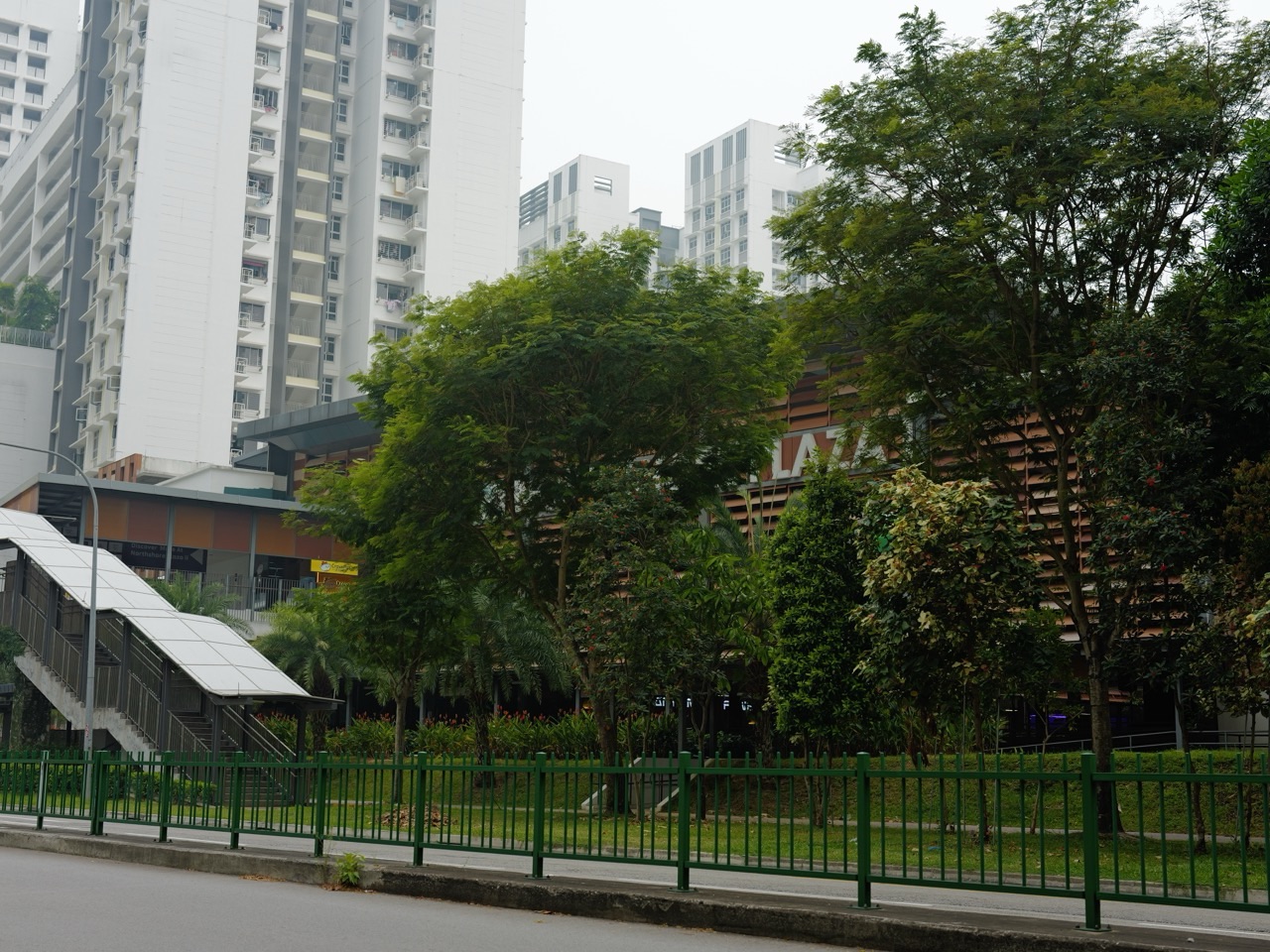
Shortlist Northshore if you want to use the waterfront and Northshore Plaza regularly and the weekday route from the exact block works. Shortlist Punggol Coast if the home gives you useful access to Punggol Coast MRT, the bus interchange or the Digital District. Start with a real address on each side because the two names can overlap in listing descriptions.
Try the school or work trip, the grocery route and the return in rain. Then compare the actual unit, recent transactions and what you can verify about any future plans. The better location is the one that makes your household’s most frequent trips easier.
Quick Read
- Northshore Plaza and Samudera LRT are useful Northshore reference points.
- Punggol Coast has its own North East Line station and bus interchange.
- Time the real route from the unit to your most frequent destination.
- Compare outlook, daily access and prices using the specific property.
CHAPTER 1 OF 10
Start with two exact addresses
Northshore and Punggol Coast describe nearby parts of northern Punggol, but property listings can use the names loosely. Begin with a specific block or development on each side. Plot the route you would take from its front door to work, school or the place you buy groceries. If you only have a project name, ask for the exact address and entrance before using a map result.
For Northshore, Northshore Plaza and Samudera LRT provide useful reference points. Around Punggol Coast, the North East Line station and the integrated bus interchange give you a different starting point. Some addresses reach either area comfortably, depending on the route and the people using it. A useful comparison describes the actual walks and transfers.
Replace a district label with a working route
Pick a destination that gives the comparison a clear purpose. It might be the place where a parent hands over to a caregiver before work, or the office a commuter reaches through the North East Line. Keep that destination the same when trying both properties. If you compare only the nearest station, a route with an extra transfer can appear closer than the one that gets you to the actual destination sooner.
For each address, note the block entrance, first crossing, where the route is covered and which platform or bus stop you use. Run the route once at the time you normally leave. The first result gives you a way to decide what to test next.
Choose a comparable pair before you visit
Pick addresses with a similar kind of home and a feasible budget. Comparing a larger waterfront unit with a smaller home chosen for station access can still be useful, but many differences will move together. If possible, add a similar-sized property on each side. The comparison becomes easier once you can see which differences belong to the route, the property type or the price range.
List what would make either area viable. A family may need a step-free path and space for an older relative. A commuter may need to reach a particular station reliably before a set time. Once those requirements are written, keep them the same for both visits. You can still change what matters after seeing an option, but do so consciously and apply the new test to both homes.
CHAPTER 2 OF 10
What the Northshore option may change
HDB’s Punggol Town Design Guide identifies Northshore Plaza and the wider waterfront context. Northshore is a useful area to explore if regular walks or nearby neighbourhood shopping are important to your household. Try the trip from the candidate block to the plaza before assessing the convenience. A shoreline address can put several destinations within reach while still giving each household a different daily route.
Samudera is on the Punggol LRT. If that is the connection you would normally use, test the full trip, including the transfer at Punggol when needed. If a walking or bus route is better for the exact address, record that route instead. An apartment can look well connected on a diagram yet require you to cross at a point a child or older relative prefers to avoid.
Test groceries and the evening route together
Begin with a small grocery trip and walk back to the exact block. Notice where rain would affect the trip and whether you can pause comfortably if carrying several bags. Go up by the lift you would actually use. A route through a sheltered passage can add a little time while being easier for a household member with a stroller or limited mobility.
On a separate visit, observe your normal evening route. The path may feel different when more people are returning home, while a waterfront walk may be more appealing once the day is cooler. Write down which features affect weekday travel and which mainly influence how the family would spend its leisure time.
Look beyond the waterfront frontage
Visit the block’s everyday side as well as the route to the promenade. Residents may spend more time at the lift, crossing and pick-up point than looking out toward the water. Try the side of the block used for ordinary errands. Check how a person arriving by car or bus would reach the entrance and where they could wait out rain.
If you expect someone to use Northshore Plaza for quick meals, plot the route that person would actually take at their usual hour. Try a similar food or grocery trip from the Coast address. Proximity to two different shopping areas is best compared using the same shopping task. The easier route may depend on the items you are carrying and how much time you have.
CHAPTER 3 OF 10
What the Punggol Coast option may change
Punggol Coast MRT is a separate North East Line station from Punggol MRT. LTA also confirms the Punggol Coast Bus Interchange within Punggol Digital District. A home with a convenient route to this transport hub can make a regular commute easier for some households. Try the route using the exact station entrance or bus boarding area you need.
The station area also serves people going to the Digital District and SIT. A visit around the hours you travel gives you a more representative impression of the passages and crossings you would use. On an initial property viewing, someone may walk you through the fastest route for that moment. Confirm the route that is open to residents and works at your actual departure or return time.
Give the transport hub a specific job
If you work in the Digital District, test the home-to-work walk or bus trip. If you travel farther, start from the apartment and continue to the right platform. If a family member mostly uses buses, plot the stop and boarding area they would need. Several households can choose the same address for different reasons.
A useful transfer includes the approach, wait and distance between the services. Count them when comparing an MRT-first route with a feeder-first route. Service timings can change, so use current operator information for a journey you intend to depend on. Record whether the observed wait seemed usual for the time or whether you need another visit to get a useful estimate.
Look at the station approach separately from the interchange
One member of the household might need the train, while another would walk to a bus bay or a Digital District workplace. Test where those journeys split. A route that works well for the train could take more effort for the particular bus your household uses. Read the current service information for a regular journey and time the transfer on the ground.
If a parent expects to meet a child or older relative near the hub, choose a specific meeting point. Make sure both people can identify and reach it. A clear route to a staffed or well-known location may be more useful than knowing the station is nearby. Keep the entrance information with your property notes so another member can repeat the test.

CHAPTER 4 OF 10
Compare commutes by a real clock
Set the same departure window for both homes. Measure lift time, walking, crossings, waiting and transfers separately. Use a destination both households can understand, such as an office entrance or a regular school drop-off point. Add a small note about the weather and whether the journey involved carrying anything. This gives a more useful benchmark than an estimated walking radius.
Suppose the Northshore route in a hypothetical test takes 19 minutes to reach the relevant North East Line platform and the Coast route takes 12 minutes. The difference in that test is seven minutes. A different block, time or direction could change the result. The value of the example is the method. It also reminds you that the platform time is just part of a longer trip.
Test what happens when the usual route is inconvenient
Walk the fallback route from each address. It could be a different pedestrian crossing, a bus or another station entrance. Ask whether the person who uses the route can manage the extra distance or steps. For a household with a caregiver who regularly picks up a child, test the trip at their pace. A fallback that works only for the fastest adult does little for a member of the household who needs more help.
Try making the trip back from the station as well. A crossing or passage can be easier to approach from one direction. If someone normally buys food on the way home, include the actual detour. Judge the total travel experience using the routine you expect to keep rather than a record set by an unusually quick walk.
| What to test | What to record |
|---|---|
| Platform or bus | Lift, crossings, wait and transfer |
| Groceries | Actual route home with bags |
| School or caregiver | Usable gate, travel time and pickup route |
| Wet-weather fallback | Shelter, access and changes of level |
| Evening return | Entrance used, lighting and last portion of the walk |
CHAPTER 5 OF 10
Check the seafront from the unit itself
A seafront walk, a water view and the experience of living beside the shoreline are different features. Begin with what can be seen from the windows of the exact rooms you care about. Look from a normal standing and seated position where appropriate. A listing photo may be taken from a different height or angle, so use it to identify a question rather than as a substitute for the visit.
With the owner’s permission, observe light, airflow and noise in the way you expect to use the unit. A sunny corner might be welcome in the morning and difficult for afternoon work. A breezy living room can be pleasant while a different bedroom is exposed to a less convenient orientation. Avoid generalising from a single balcony or from a different stack in the same block.
Separate the view from access to the waterfront
If you would use the promenade for regular exercise or time with children, walk from the candidate block to the public path. Note crossings, lighting, approach surfaces and any section you would skip in heavy rain. Consider what makes the trip work on a weekday as well as a weekend. A home farther back can still serve a regular waterfront routine if its route is good.
Think about which feature you would miss if the view changed. Check available planning information when future development matters to your choice. A map can help you identify the surrounding plots and what is currently proposed. Use the existing conditions for the present-day comparison, and keep uncertainty about future outlook separate.
Look at a weather question you can answer in person
If sea exposure is important, stand in the rooms you would occupy during an ordinary afternoon. Note which windows are open, where light lands and where you would place the furniture. Return under different conditions where the question remains important. Ask about the history of window maintenance or visible wear if the condition is part of the purchase decision, and get an appropriate check if necessary.
A view from a common area can still improve a routine even when the apartment faces inland. Walk to the shared space from the actual unit entrance and consider how often you would go. Compare that with the amount you would pay for a particular view inside the home. The activities are different, and the household can decide which one matters more.
CHAPTER 6 OF 10
Make family routines the test
Choose three routines that would apply whichever home you buy. One can be a school morning, one a workday return and one an evening errand. For the school trip, use the actual gate and check where pickup or drop-off happens. For the work trip, include the transfers. For the errand, choose somewhere you use often rather than the place you would show a visitor.
If there are two adults in the household, try both routines. One may value a direct MRT trip while the other needs an easy route to a relative or caregiver. A close result can often be resolved by comparing the more constrained trip. If one person can flex their time and the other has a fixed pickup deadline, give the second trip appropriate weight.
Include changes you can already foresee
A preschool routine may change when a child starts primary school. A family member’s mobility can change which route is comfortable. Someone who currently works at home could have a new travel pattern. You can compare candidates with the routines you know while recognising which parts might change. Write down a plausible new use for each location and check if the main advantage would remain helpful.
For example, a household may value an easy walk to Northshore Plaza even after its school trip changes. Another may keep using the Coast station regularly even if the adults change jobs. This is a practical way to judge whether the reason for choosing one home extends beyond the particular year in which you are moving.
Check the trip that has a hard deadline
A flexible adult can sometimes absorb a wait for the next train or feeder. A caregiver may have a narrow pickup window. Time the journey for the person whose deadline is least flexible. If the route would work only with a particular train or a particular crossing, include the buffer the household can realistically afford. That comparison can change which home feels closer in practice.
CHAPTER 7 OF 10
Visit once for weekdays and once for weekends
A weekday visit tells you more about work and school travel. A weekend visit can tell you how a route feels when families use it for errands and leisure. Make the two visits purposeful. On the first, time the transport route. On the second, try the trip to the waterfront or your preferred facilities and look at the outside of the block under different conditions.
If you want to compare sound inside two homes, ask for an appropriate viewing time and permission to check the relevant rooms. The road, public path, playground and lift lobby can all produce different conditions. The first viewing may happen while one area is quiet. Decide which sounds you can accept for the room in which they would matter.
Record observations you could reproduce
Instead of writing “busy”, put the place, time and reason it affected your trip. The next reader of your note should know whether you were held at a crossing or whether a preferred route was difficult with shopping. Record the good points the same way. A covered walk to the lift and an uncomplicated return from a bus stop are concrete advantages.
If the visits tell conflicting stories, look for the condition that differs. You may have visited one home on a rainy workday and the other in good weather at the weekend. Repeat the most consequential check. An honest small set of observations can be more useful than scoring every part of the neighbourhood on one visit.
CHAPTER 8 OF 10
Look at current facilities and future plans separately
Use HDB’s maps and LTA’s current transport information to orient the comparison. Confirm which facilities exist and can be reached from the property now. For the Digital District, use JTC or official district information to check access and services. If a feature is critical, look it up with the source that manages it and test the approach yourself.
A future route, shop or building may make an area more attractive. Write down the source, its date and what is actually confirmed. Then make a second column for amenities available today. If the property only works when an expected service arrives, think through what you would do if the schedule changes. If the existing routine already works, future improvements can remain possible benefits.
Be precise about what planning documents answer
A town design guide can help you see the intended connections between housing, neighbourhood centres and public space. It may not show every current access condition, entrance or changed operating arrangement. An LTA service page provides a different type of information from a planning drawing. Use each source for the decision it can support.
A buyer using listings and maps can end a first research session with two addresses and two confirmed journeys. That is already enough to make the next viewing more useful. Record the other details you want to verify after the agent or owner identifies the exact unit.
Translate a future amenity into a present decision
If someone says a planned feature will make the home easier to reach, ask which section of the current route would change. Then look up what the relevant agency has confirmed. You might discover that an anticipated connection would save only a small part of the trip, or that the household already has a workable alternative. This lets you compare the current addresses without inventing a completion date.
Keep a simple fallback. If the future project remains uncertain, imagine the route as it exists for the period that matters to you. If the purchase still works, record the improvement as a possibility. If the route would be difficult for a particular household member in the meantime, identify whether another block or station access would give them a more practical solution.
CHAPTER 9 OF 10
Compare property evidence once the route works
After the visits, look at the exact tenure, flat or property type, floor area, condition, expected possession and purchase cost. Use HDB registered resale records for HDB flats and URA’s private residential transaction search for private homes. Keep those datasets in separate comparisons. A home with more space or a much longer lease can justify attention even if it has a slightly longer commute.
If one property costs more, identify which differences you would be paying for. The relevant differences may be a faster trip for a household member, better room use, condition or an aspect you would enjoy. Use nearby completed transactions to test the asking price. Avoid treating the difference between two asking prices as the market value of the view or station access.
Make one fair adjustment to each shortlist
If the Northshore shortlist contains only water-facing units and the Coast shortlist contains smaller homes selected for price, the first comparison mixes two different sets of choices. Try an inland-facing Northshore unit and a similar-sized Coast candidate. Then look again at the route and budget. A like-for-like comparison may reveal that you were judging layout and price more than neighbourhood.
You may still choose a home whose strongest advantage is a view. There is room for preference once the budget and daily routine work. Write down why the view matters to your household and whether you could trade it for more space or a better route. That discussion often tells you where to focus the next round of viewings.
Test a price difference against a repeated activity
Suppose the higher-priced unit would reduce a school or work trip on most weekdays. Write down the observed saving and the person who benefits. Then compare the rest of the household’s trips, the layout and the property’s records. If the higher price mainly buys a feature used only on weekends, consider how important that use is and whether a nearby address can serve it just as well.
The worksheet should explain what you know about the market separately from what your household values. Use completed sale evidence for the first part. Use the routes and unit observations for the second. A useful outcome is a reason to view again or a clear answer about which part of the property deserves another check.
CHAPTER 10 OF 10
Which location should you shortlist first?
Start with Northshore if the specific home gives you useful everyday access to the waterfront or the plaza and the tested weekday trips work. Start around Punggol Coast if the exact address gives you a better route to the MRT, buses or the Digital District and the rest of the household’s trips remain manageable. An address that gives a useful combination of both can deserve a viewing even if the listing uses a different label.
Take one realistic candidate from each area and put the same five observations beside them. Use time to the relevant platform or destination, rain exposure, grocery route, unit conditions and evidence of price. Add one unresolved question per home. Assign a visit or source to each question before a decision depends on it.
Be ready to update your first impression
A buyer can start with a strong preference for one neighbourhood and discover that the other property’s entrance or layout fits better. Keep your reason for moving visible as you update the shortlist. If the new option satisfies the hardest daily requirement and the property evidence supports it, give it a fair comparison.
Finish by describing one ordinary day in each home from the first trip out to the return at night. Include the people who will actually make those trips. The answer is most useful when it connects a specific address to a routine that the household expects to live with over time.
Common questions
Is Punggol Coast MRT the same as Punggol MRT?
They are separate North East Line stations. Punggol Coast has a bus interchange within Punggol Digital District.
Which LRT station should I start with for Northshore Plaza?
Samudera is a useful starting point. Confirm the route from the exact property and the station exit you would use.
Is Northshore always better for a waterfront walk?
Start with the usable access from the exact address. A convenient route can matter as much as how close the block looks on a map.
Should I pay more for the shorter station walk?
Use the actual journey, comparable transactions and the full property costs. Consider how often the time saving will help your household.
Which visit is most useful?
Make one visit during your usual travel window and another to check the issue that could change your choice, such as a school route, evening access or afternoon light.
What to do next
Choose one real home in each area and repeat the same weekday trip from both. Use the results with the unit layout and current transaction evidence to decide which property to view again.
Official sources and tools
- HDB Punggol Town Design Guide
- LTA Sengkang–Punggol LRT network
- LTA Punggol Coast MRT announcement
- LTA Punggol Coast Bus Interchange announcement
- OneMap
- HDB resale transaction search
- URA private residential transaction search
- JTC Punggol Digital District transport information


