
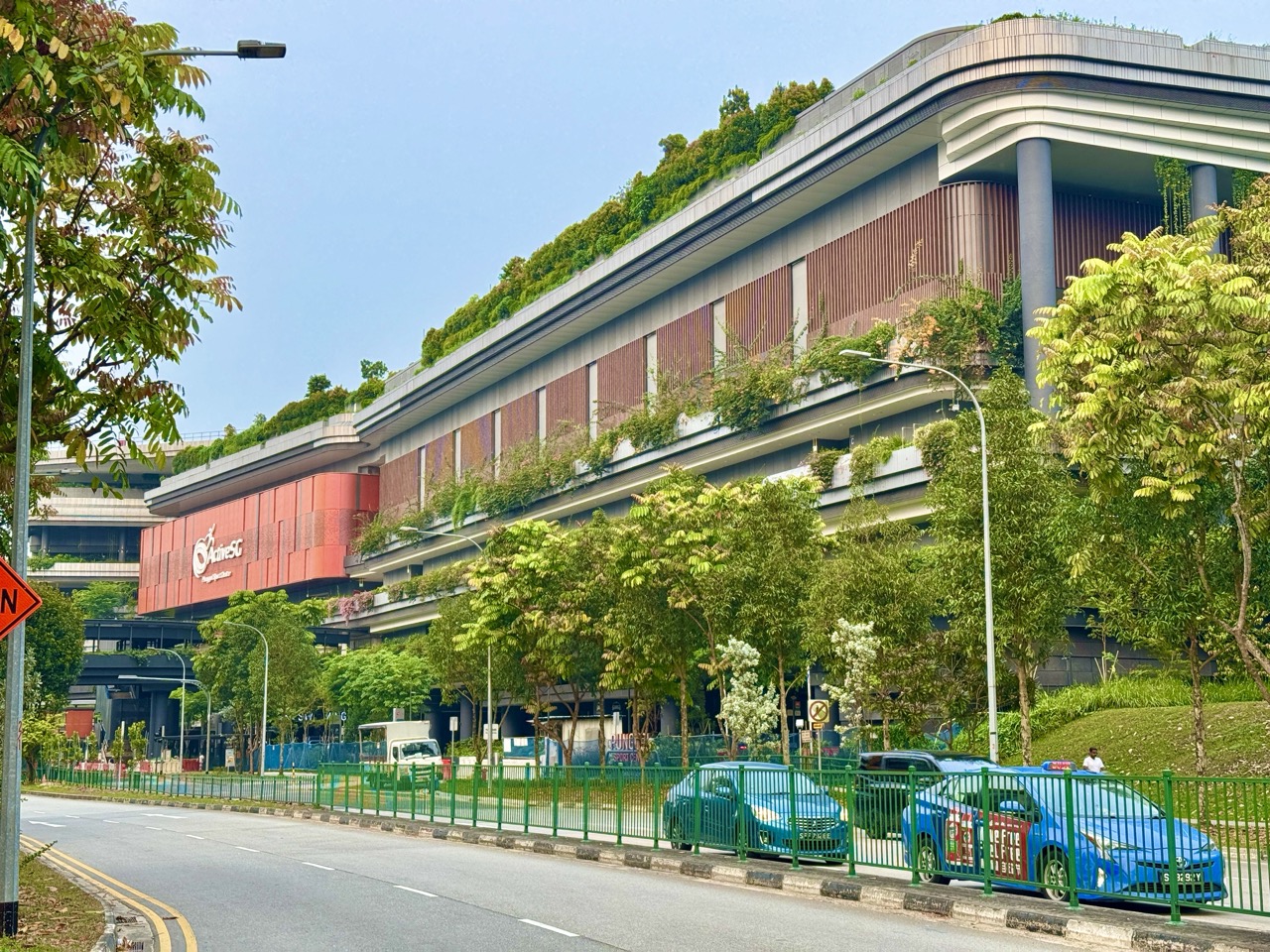
You can plan a school-holiday sports day around ActiveSG Punggol without enrolling your child in a paid camp. Choose a suitable public activity such as a safe walk near Punggol Waterway, a properly booked badminton or table-tennis session with family members, or an event that the operator actually confirms is open to visitors. Punggol Sport Centre is at 11 Sentul Crescent, Singapore 828656, near Sam Kee LRT. A good holiday activity does not need an intensive schedule, expensive equipment or a promise that every facility in the new complex is already operating.
As of 6 November 2026, the centre has entered its phased soft-launch period, with the public gym and selected racket courts reported operating since 27 October. SportSG has announced an official opening on 22 November 2026 with sport tryouts, carnival games and all-day free gym and swimming-pool entry on that specific date. Other courts, pools, school-holiday programmes and specialised spaces have their own access conditions. Parents should check MyActiveSG+ for the exact sport, venue, time and eligibility before telling children what has been booked.
- Where: ActiveSG Punggol Sport Centre, 11 Sentul Crescent, Singapore 828656.
- Main idea: build one realistic sports experience and leave plenty of room for rest rather than filling an entire day.
- No-camp option: a parent-led game in a correctly reserved court, a permitted public walk, or a verified public event.
- Badminton: choose the correct Punggol Sport Hall reservation, sport and slot, and bring suitable gear.
- Table tennis: confirm the specific table booking and equipment requirements; do not assume a walk-in table is free.
- Swimming: check named pool public opening, depth and supervision. Do not assume the five advertised pools are all available before the official launch.
- Gym: published ActiveSG rules exclude children below 12; teenagers under 15 have parent-linked account requirements.
- Parent accounts: MyActiveSG+ permits parents to link children under 15 and book or ballot on their behalf, subject to eligibility and system terms.
- Rainy day: check official warnings and facility closures; sheltered courts may still close.
- First check date: 6 November 2026. Schedules, promotions and activity availability can change.
Why a holiday sports day does not have to be a sports camp
Parents often search for school-holiday camps because they want children to move, spend less time on screens and have a meaningful break from the classroom. Camps can be valuable, but they are not the only way to achieve those aims. A normal family court booking or a safe public walk can be easier to schedule and may fit children who want a less structured day. There is no need to create another examination-style programme for every hour of the holidays.
Begin by asking what the child would actually enjoy. A Primary 2 child may prefer gentle ball games; a Primary 6 child might want badminton with a parent; a secondary student may prefer to meet friends. The useful plan matches that interest while respecting access, supervision and safety. A modest enjoyable activity can become a repeatable family habit instead of an elaborate one-day production.
What has really opened at Punggol Sport Centre?
The sports centre started selected operations in late October 2026, before the formal opening. Reports identified the gym and bookable badminton, pickleball, tennis and table-tennis products. The wider complex also includes a swimming development, indoor halls, a stadium, fitness studios and specialised areas, but their presence in a brochure does not establish unrestricted public use. A court may be open for bookings while a pool is not yet offering general admission.
This matters for parents because a child may see a photograph of the infinity pool or football stadium and assume they can use it today. Explain that each facility has a separate schedule and access rule. Before setting out, use the named official facility entry and current closure information. Our Punggol Sport Centre visitor guide explains the phased opening separately.
Decide whether the day is about playing, watching or exploring
These are three different experiences. Playing means a valid court booking or appropriate admission and equipment. Watching can mean attendance at an actual public event under its stated entry or ticket conditions; it is not permission to walk into any training venue or stadium stand. Exploring might mean a permitted public-area walk near the sport centre and waterway without entering a restricted sports room.
When you choose the type of activity first, planning becomes much easier. A younger child may enjoy exploring; a teenager might prefer a real game. A group of siblings may want a combination, but one core activity is enough. If the chosen event has no public fixture or the booking is unavailable, do not invent access. Choose another legitimate option rather than telling children that the stadium is open simply because the building looks complete.
A simple two-hour school-holiday plan
For a small family group, a two-hour outing could begin with travelling to Sam Kee, finding the correct authorised public entrance and participating in a booked racket-sport session of the length actually reserved. After the game, the family can move to a separate confirmed open food location if safe and convenient, then return home. That is the whole plan. There is no requirement to add a second court, pool or gym visit.
This example assumes a genuine booking has been confirmed. If not, substitute a short permitted public walk where weather and path conditions permit. The family’s goal is a relaxed shared experience, not using every minute of the afternoon for intense activity. Leave time for water, toilets, transport and rest. An outing that finishes with children still feeling comfortable is more likely to be repeated.
A free or low-cost option without a court booking
Walking in permitted public spaces near Punggol Waterway may be a useful low-cost holiday option. It does not require an ActiveSG court booking or gym pass, but it does require attention to weather, path access and other users. Plan a reasonable distance and turning point. Watch for cyclists on shared routes and do not enter construction areas or restricted building spaces for a shortcut.
A public walk is not the same as a free sports hall. The fact that a court is empty does not give the family the right to occupy it. For a clearer distinction between public recreation and paid facility access, use our free and no-booking activities guide. It is better to promise one genuine public option than several attractions that require unavailable reservations.
Badminton: an easy parent-child holiday match
Badminton can be a good family choice when the participants have the appropriate court, equipment and readiness. A booking through MyActiveSG+ should identify Punggol’s actual Badminton facility, date and time. Bring suitable shoes, rackets, shuttlecocks and water unless the operator explicitly states that equipment is provided. A badminton reservation does not authorise using an adjacent tennis or pickleball space.
For beginners, begin with cooperative rallies and short, manageable games. If a parent is far more experienced, feed gentle shots rather than overwhelming the child. Two people can play singles; four can organise normal doubles. More children may need fair rotations with appropriate supervision. The point is building a pleasant skill experience, not conducting an intense tournament.
Table tennis: a compact activity for short attention spans
Table tennis may suit a child who enjoys hand-eye coordination and shorter rally sequences. A Basement 1 table-tennis area was reported as part of the soft launch, but table access remains tied to current reservations and facility rules. Check the named table, session and equipment before travelling. Do not assume that every visible table can be used freely.
Begin with holding the racket comfortably, returning a gentle ball and counting successful cooperative shots. A younger child may enjoy ten minutes of this more than a full formal match. Let children rotate turns and collect balls without running into the neighbouring table area. Our Punggol table-tennis first-rally guide provides a focused beginner pathway.
Tennis or pickleball with older children
Tennis and pickleball can interest older primary or secondary students who already know the basics or want to learn a new sport. Both require the correct court and sport-specific equipment. Pickleball doubles normally uses four players; two people can choose singles. The games are not interchangeable merely because their courts are physically close to one another.
Punggol’s sheltered courts are still subject to weather and operator closures. A roof does not eliminate lightning concerns, wind-blown rain or wet-surface risks. If the booked facility closes, follow official instructions. Do not move the group into an unbooked indoor hall. A school-holiday plan is more successful when it is flexible enough to handle changed conditions without argument.
Swimming must be planned independently from the racket courts
The new complex has attracted attention for its swimming facilities, but the advertised five pools are not proof that general public swimming is available on 6 November. The official launch is scheduled for 22 November, with a free gym and pool offer for that day. A parent should verify Punggol Swimming Complex’s specific operating status, available passes, pool suitability and any programme requirements before bringing children in swimwear.
The child’s ability matters. A confident swimmer completing laps has different needs from a non-swimmer developing water confidence. A learner area, competition pool and diving facility are not interchangeable. Children require active adult supervision and must follow lifeguard and weather instructions. If the suitable pool cannot be confirmed, choose another holiday activity rather than promising an unscheduled swim.
The gym is not a drop-in holiday programme for young children
ActiveSG’s published rules exclude children under twelve from its gyms. That restriction applies during school holidays, even when a parent or older sibling holds a gym pass. For children aged twelve to fourteen, SportSG’s MyActiveSG+ guidance explains that a parent must link the child’s account and purchase an appropriate pass before gym entry. Other age and facility conditions may also apply.
A family should not leave younger children unsupervised while an adult uses the gym. If a secondary student wants to train, choose an age-eligible, appropriately guided session and arrange transport and supervision as necessary. A beginner should not imitate an advanced internet strength programme without knowing how to use equipment safely. A gym visit can be useful for some teenagers, but it is not an all-ages holiday attraction.
How parents can link a child’s MyActiveSG+ account
SportSG’s MyActiveSG+ guidance says parents can link a child under fifteen through their own account and Singpass authentication. The linked arrangement can allow eligible bookings, ballots, programme registration and pass purchases for the child. The parent who makes the booking or ballot handles payment and management. The exact interface may change, so follow the live step-by-step guidance rather than relying on a screenshot from a year earlier.
Linking an account does not make every facility age-appropriate or available. An under-twelve child remains ineligible for the public gym. A programme can have its own participant criteria, a booking can still be fully occupied and certain sports facilities can have limits on the number of slots per user. The account solves administration, not safety or availability.
What does a court ballot actually mean?
Some ActiveSG facilities use booking and balloting arrangements to allocate popular times. Placing a ballot is not the same as winning and paying for a confirmed booking. The parent should understand the current process, check results, complete any required payment and retain the final confirmation before inviting other children. The exact timing and eligibility rules should be read on the operator’s platform.
Do not tell family members a court is guaranteed while a ballot is still pending. This is especially important during school holidays, when several households may be looking for the same sports time. Keep a legitimate alternative ready in case the preferred reservation cannot be secured.
School holidays and the importance of a realistic budget
An outing can become expensive when families pay for several different activities without checking whether the child wants them. Begin with the actual court charge or admission shown by MyActiveSG+ for the specified date, sport and eligibility. Add transport, equipment, necessary clothing and any separately planned meal. A public walk may not have a sports admission fee, but transport and food can still affect the household budget.
Avoid citing one “ActiveSG Punggol price” for everything. Badminton, tennis, table tennis, gym entry, swimming and coached classes have different pricing arrangements. Some concessions or credits can apply under current rules, but they should not be assumed until the system confirms eligibility and the usable amount. The most helpful budget is the total the family can actually afford.
Is ActiveSG SG60 credit the same as cash?
ActiveSG credit schemes have rules governing eligibility and which programmes or passes can be paid for or offset. The official MyActiveSG+ information describes uses for eligible facilities, programmes, gym and swimming passes, with different limits for some categories. Credits are not the same as cash that can be spent at every nearby shop or on any unrelated commercial activity.
Before telling a child that a course is free, verify the balance, expiry and permitted redemption for that exact service. A remaining balance might not cover the full programme fee. Do not buy or transfer credits through unofficial messages. Official account information and published scheme rules are safer than an informal screenshot shared by another parent.
Why some holiday camps are still worth considering
A structured camp can be useful when it offers qualified teaching, age-appropriate progression and a schedule that works for the family. The decision is not a contest between paid programmes and free family recreation. Some children enjoy formal instruction and want to pursue a sport; others prefer casual play. The right choice depends on the child, the provider, the budget and the particular learning goal.
If you explore a programme, verify the exact location, dates, instructor, age range, fees, participant arrangements and any necessary venue permissions. Do not assume a national holiday advertisement refers specifically to Punggol Sport Centre. Families should compare genuine listed opportunities, not book a vague promise of “sports activities near Punggol” without knowing where the sessions will happen.
A no-camp day for a Primary 1 or Primary 2 child
A younger primary pupil may not need a full hour of intense competitive play. A suitable outing might involve a short public walk, a few simple movement games in an appropriate permitted area or a gentle badminton session under close supervision if a genuine court is booked. Choose one activity and stop before the child becomes overtired.
The parent can build confidence through small achievable tasks rather than constant scoring. Count three cooperative returns, practise waiting for a turn or notice a safe crossing on the way to the venue. There is no need to turn a holiday outing into a formal teaching session. The aim is physical enjoyment and a comfortable family routine.
A Primary 3 to Primary 5 family day
Children in this age range may enjoy more independence in sport choices while still needing appropriate adult planning. Ask whether they would prefer badminton, table tennis or an easy walk. If the family chooses a booked court, explain the facility boundaries, how to share turns and why other people’s reservations must be respected. Bring the correct gear and allow a simple warm-up.
A family may also discuss sportsmanship naturally: playing fairly, accepting mistakes and encouraging younger siblings. These lessons do not need a worksheet. The child learns through participation and observation. If the activity is not enjoyable, adapt the plan next time rather than forcing more sessions to justify a previous equipment purchase.
A post-PSLE Primary 6 outing
After the PSLE, some children want a break from academic routines. A friendly court game, a waterway walk or a relaxed activity with family can provide a change of pace. Do not frame the outing as a reward that must be earned by a particular result. The value comes from having time to move and enjoy the day, not from turning recreation into another performance judgement.
If the Primary 6 pupil wants to go with friends, agree on the real booking, transport, meeting place, supervision and finishing time with the relevant parents. Do not assume that a child may organise any payment or attend an adult gym independently without checking current age and account requirements. A little advance planning allows more genuine independence within sensible boundaries.
A Secondary 1 to Secondary 4 sports day
Teenagers may prefer choosing an activity with friends rather than being assigned a camp. Badminton doubles, table tennis or another legitimate booked sport can give them a social focus. Help the group understand the named facility, start and end time, player count and equipment. If they want to use the gym, check each participant’s age and eligibility, particularly for those under fifteen.
Avoid making every sporting activity about school competitions or fitness goals. Some teenagers want casual exercise; others want serious practice. Agree on the format before reserving a court. A group of mixed abilities can use cooperative drills and fair rotations so less experienced friends are not excluded.
A plan for children who dislike sports
Not every child enjoys a racket or ball game, and holidays should allow room for different interests. A safe public walk, a short outing to observe architecture and the waterway or a separate community activity may be more welcome. The sports centre can be a place to learn about the neighbourhood without needing a sports admission, provided the family remains in permitted public spaces.
Ask what the child is curious about rather than insisting that they complete a competitive activity. A child who enjoys drawing might observe the lines of the building from an appropriate public viewpoint. Another may prefer a photography walk with a parent, subject to privacy and venue rules. Interest can become a route into physical activity without pressure.
One Punggol, SAFRA Punggol and ActiveSG are not the same operator
Families can combine nearby destinations in a single outing, but they should not confuse their services. The new ActiveSG sport centre, One Punggol community hub and SAFRA Punggol operate under different arrangements. A library visit, food stop, club programme or SAFRA attraction is not automatically included in a SportSG court booking.
If your plan depends on a particular nearby outlet, check its address, hours and conditions separately. An attractive map pin does not guarantee that a commercial tenant is operating at the time you arrive. Planning the transitions clearly can make a holiday outing easier, particularly with children who become hungry or tired quickly.
Sam Kee LRT: getting there without losing the session
Sam Kee (PW1) on the Punggol West LRT Loop is the commonly recommended approach to Punggol Sport Centre. Visitors coming by the North East Line can transfer at Punggol MRT, then follow the appropriate West Loop service. A short distance on the map does not establish a universally fixed walking time, fully sheltered route or confirmed lift availability.
Allow enough travel time for school-age children, equipment bags, safe crossings and finding the booked hall. If several families are meeting, agree on a precise public location rather than saying only “meet at ActiveSG”. Our Sam Kee, bus and car transport guide explains the different modes in greater depth.
What to pack for an ordinary sports day
Pack for the actual sport you have confirmed. Badminton requires suitable rackets, shuttlecocks and appropriate footwear. Table tennis normally needs paddles and a ball, subject to the venue’s specific conditions. Tennis and pickleball use different equipment. Swimming, when available, requires suitable swimwear and personal items. Do not expect a general sports bag to cover every possible venue.
Bring water and a towel, and carry any appropriate personal care items. Keep valuables secure and observe locker rules. If a child brings a device, agree on when it can be used and protect booking-account credentials. A simple packing checklist prevents avoidable delays without making the outing feel like an expedition.
What to do when children have different abilities
A family may include a confident Secondary 2 player, an inexperienced Primary 3 pupil and a younger sibling who cannot participate in the chosen game. That is not a reason to exclude someone, but it does require a realistic supervision and rotation plan. The youngest child cannot be left unattended beside a court or in a gym. The group may need separate activities with responsible adults in appropriate permitted areas.
For the sport itself, choose games that allow less experienced children to participate. Cooperative returns, shorter turns and simple rules often work better than a winner-stays-on system where the same child never gets to play. A meaningful sports day leaves everyone feeling included, even when they do not have the same skill.
When a sibling has sensory or accessibility needs
Loud halls, unfamiliar rules and crowds may be difficult for some children. Ask the family what environment works for the child and verify relevant access arrangements beforehand. A new building may advertise accessible facilities, but that alone does not confirm that every route, specific toilet, programme or sport suits every visitor. Phased openings can also affect movement between floors.
If an organised activity is being considered, confirm whether it provides the necessary support and whether the child is eligible. Do not assume that a general public court booking includes adaptive equipment or personal assistance. Sometimes a shorter public-area visit or a different confirmed venue is the more comfortable choice. The child’s preferences should guide the decision.
Rain, heat, haze and lightning can change the holiday plan
Punggol’s outdoor waterfront is attractive in good weather, but it is not an all-weather venue. Check official advisories and the sport-centre closure listings before leaving. Sheltered courts may close in inclement weather, and a roof is not a guarantee of safe use during lightning. Heavy rain can also make travel routes slippery.
Keep the backup simple: a genuinely available indoor booking with proper access, an independently confirmed open community destination, or rescheduling. Do not enter restricted indoor facilities because an outdoor court is closed. If the operator cancels a paid activity, follow the applicable support and refund conditions; do not promise that rain alone always creates a refund.
What if the court ballot or reservation fails?
A pending ballot is not a confirmed booking. If the family does not win or the desired slot is fully booked, choose another legitimate time, sport or day. Do not tell guests the court is reserved merely because the booking screen displayed the facility. A lesson on planning can be as simple as recognising that popular shared spaces have limits.
Avoid paying unofficial resellers or strangers who claim to hold a guaranteed slot. Check the operator’s current rules on transfers and support. The no-camp holiday idea works precisely because it can be modest and flexible. If a paid court is unavailable, a public walk or different activity can still make the day pleasant.
A four-week school-holiday movement plan
Week one: discuss interests and try a short safe public outing. Find the travel route and ask what the child enjoyed. Do not book several sports before identifying an activity the child actually wants to repeat.
Week two: choose one appropriate sport and make a real reservation if needed. Prepare equipment, arrive comfortably and spend the session on cooperative play or simple games. Leave the court on time.
Week three: repeat the activity or change one feature, such as partner, time or pace. If a programme is genuinely available and suits the child, compare it with casual play. Do not treat a paid class as compulsory progress.
Week four: review enjoyment, costs, transport, safety and whether the family would like a monthly routine during school term. A relaxed, repeatable activity can be more valuable than an expensive camp that the child did not enjoy.
Frequently asked questions
Can we use ActiveSG Punggol during school holidays without enrolling in a class? Yes, where appropriate public access or a valid sports court booking permits it. A holiday camp is not compulsory for normal recreation.
Can we simply walk into an empty badminton court? Do not assume so. Book the named sport through the operator and respect the confirmation.
Can parents use a child’s ActiveSG account? MyActiveSG+ allows parents to link eligible children under fifteen and manage certain bookings and passes; facility age rules still apply.
Is the gym suitable for primary pupils? Children under twelve are not admitted to ActiveSG public gyms.
Is the swimming complex already open? Verify the current named pool and intended public use. A formal opening event announcement does not prove every pool is available before it.
Are the school-holiday programmes all held at Punggol? No. Read the actual provider and location for each listed programme.
What happens if there is lightning? Follow operator closures and official safety instructions; do not use a sheltered outdoor court merely because it has a roof.
Can teenagers organise their own court game? Appropriate parental arrangements, account eligibility, booking, equipment and safe travel still need to be considered.
Do we need to spend a whole day there? No. One suitable activity and a calm return home can make an excellent school-holiday outing.
Does free opening-day entry apply on every date? No. SportSG’s 22 November 2026 offer is specific to that event and does not waive other access rules.
Official checks and connected eduKate Punggol reading
Check MyActiveSG+ for bookable courts and programmes, the child-account linking guide for parent booking and ballots, SportSG facility closures, and the 22 November opening notice for the dated promotion and celebration. The main MyActiveSG+ information page explains how passes, credits, programmes and bookings differ.
For a different family focus, read our toddlers and preschoolers guide, family weekend plan and rainy-day alternative. This independent community guide was checked on 6 November 2026 and does not reserve a court, promise a class vacancy, guarantee pool admission or alter official age and supervision requirements.


