
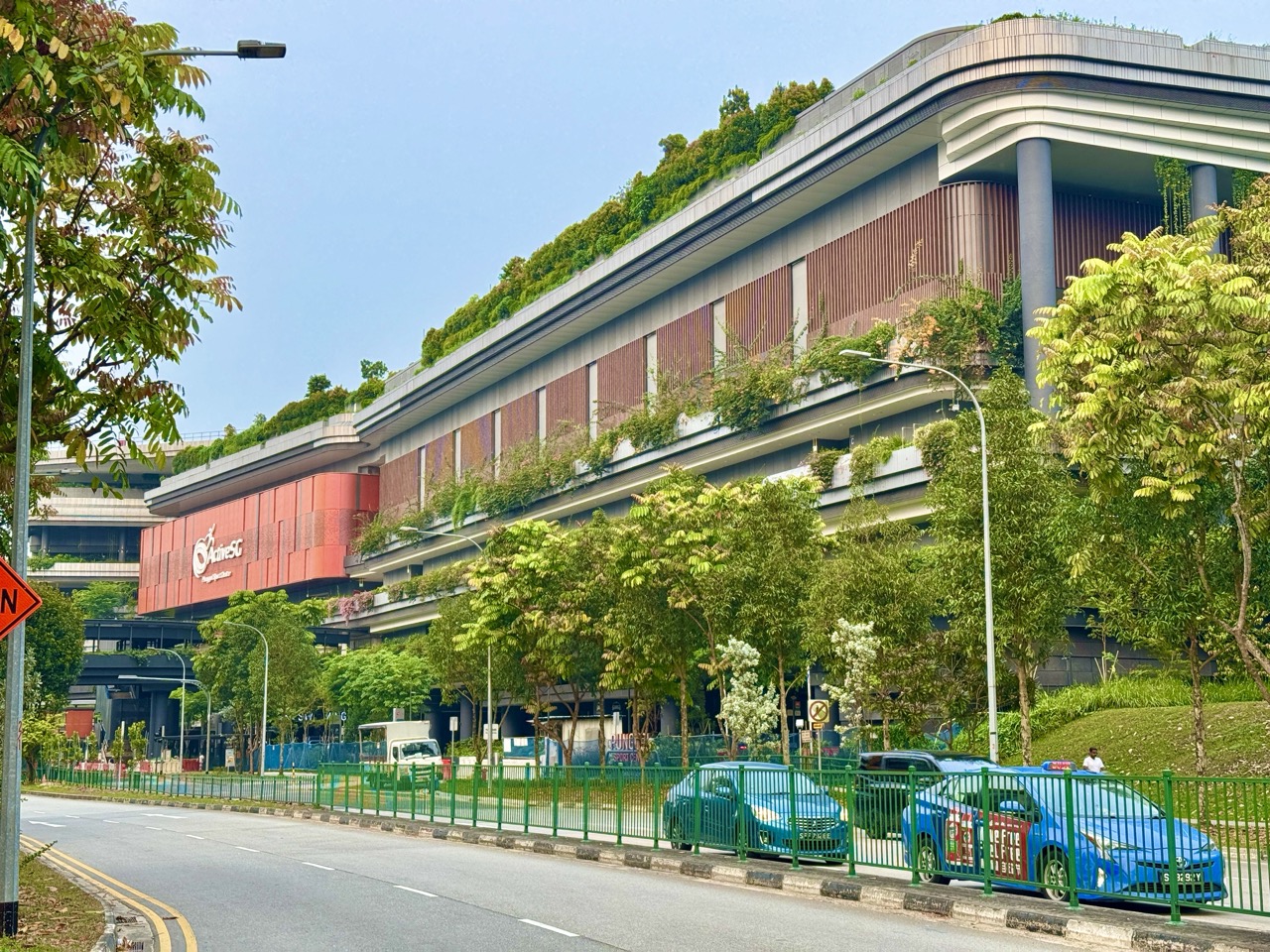
Can you take a dog into ActiveSG Punggol Sport Centre? No ordinary pets are allowed on ActiveSG premises under Sport Singapore’s published general rules. But Punggol Waterway Park, along nearby Sentul Crescent, is a separately managed NParks park where leashed dog walking is listed and a designated dog run is available subject to posted rules. The difference matters for anyone planning a badminton visit, an outing with a child and family dog, or a walk that includes the new sports centre’s exterior.
As checked on 6 November 2026, Punggol Sport Centre at 11 Sentul Crescent, Singapore 828656 remains in a phased opening period after selected facilities began operating on 27 October. SportSG’s official celebration on 22 November 2026 advertises free gym and pool entry that day, not a dog-friendly sports-hall policy. Keep pets on lawful permitted public routes, confirm dog-run access with NParks, and make separate arrangements if a family member intends to use the gym or courts.
- ActiveSG premises: no pets under published general rules.
- Nearby dog-walking destination: Punggol Waterway Park, separate NParks management.
- Ordinary park routes: keep dogs on a leash and clean up after them.
- Off-leash play: only in the designated dog run under current rules.
- Dog welfare: water, secure equipment, comfortable route and weather check.
- Children: ensure a responsible adult supervises both child and animal.
- Transport: Sam Kee LRT is nearby, but pet-carriage permission must be checked separately.
- Booking: an ActiveSG court pass does not provide pet admission or animal care.
- Assistance animal access: ask SportSG about the specific applicable arrangement.
- Checked: 6 November 2026; current official rules and on-site signs take precedence.
The key difference: sports centre versus public park
The new Punggol Sport Centre at 11 Sentul Crescent is operated under Sport Singapore’s ActiveSG rules. Punggol Waterway Park, also along Sentul Crescent, is a separate NParks destination. Being neighbours does not make these two properties one unrestricted recreation space. If you want badminton, tennis or gym exercise, check the SportSG booking and admission system and leave your pet in appropriate care. If you want to walk a dog, use the permitted park paths and the relevant NParks rules. This one distinction prevents a wasted journey and avoids conflict at the sports-centre entrance.
A visitor can appreciate the new sports building from a lawful exterior public viewpoint without treating its lobby or forecourt as a pet-friendly shortcut. Do not assume every walkway is managed by the same operator; look for current signs, barriers and staff guidance. In particular, an attractive photograph of the new facility does not constitute permission to enter with a pet.
What the official ActiveSG pet rule says
The ActiveSG Rules and Regulations state that no pets are allowed on its premises. The rule is listed among general prohibitions, not merely as a restriction for badminton players. A person who has purchased a gym pass or rented a court should therefore not bring their ordinary pet dog inside and expect an exception. SportSG also has rules concerning food, unauthorised filming, venue conduct, equipment and commercial activities.
A family can plan around the rule without giving up sport or pet ownership. One person might stay with the dog on an appropriate lawful public path while another attends a booking, but only if proper animal and child supervision is maintained. Do not tie a dog to an outside railing, leave it in a corridor or ask sports-centre staff to look after it. The safest solution may be to take separate trips.
Trained assistance animals require an individual access check
The words pet dog and assistance animal do not necessarily describe the same legal or practical situation. An individual using a trained assistance animal may have particular access needs, and the applicable rules must be considered carefully. Rather than publishing an unsupported universal exemption or refusal, this guide recommends contacting SportSG directly about the specific arrangement. Ask which entrance, facility and process may apply, and retain the operator’s current written guidance where possible.
This approach respects both disabled visitors and the shared venue. It is also more useful than relying on a general social-media comment about another person’s experience. Do not promise that a swimmer may automatically enter pool areas with an animal, or assume a court booking will provide animal supervision. Relevant operators should address those details on the facts of the individual visit.
Where to go instead: Punggol Waterway Park
NParks lists Punggol Waterway Park as a public park along Sentul Crescent with walking and cycling opportunities and dog-friendly recreation. Its directory describes four themed zones: Nature Cove, Recreation Zone, Heritage Zone and Green Gallery. The park is listed as open twenty-four hours, but that does not mean every path is equally suitable at night or during thunderstorms. Choose a time and route that work for the animal and handler.
A dog-friendly park is not permission to go everywhere within Punggol. A separate business, rail station, indoor community building or sports venue has its own rules. Check the exact route before leaving. If you cannot find a convenient safe legal route from the sport-centre surroundings to the park, choose another starting point rather than crossing a restricted service area.
Dogs on normal paths must be leashed
NParks’ Punggol Waterway Park walking material directs visitors to keep dogs leashed and clean up after them. The rule protects dogs, wildlife, walkers, cyclists and children using the same environment. Even a friendly dog can startle someone or become excited by a passing bicycle. The leash should be secure and kept under control instead of stretched across a shared path where others could trip over it.
Give way at narrow bridges and crossings. Do not allow dogs to rush towards unfamiliar children or other animals. A person who is nervous about dogs deserves space too. If the path is crowded, slow down, shorten your walk or choose another permitted section. A good pet outing allows other people to continue enjoying the park without having to make emergency movements around your animal.
What the official dog run allows
NParks’ current park listing includes a designated dog run at Punggol Waterway Park. In that enclosed area, dogs may play off-leash subject to the operator’s rules. This is not a blanket permission to unleash dogs along the entire waterway or near ActiveSG. Before visiting, use the NParks directory to identify the actual dog-run location and inspect the current entrance, notices and access status.
A dog run is shared space. Some dogs enjoy running and playing with others; some prefer quiet, controlled walks. Assess your dog’s temperament, readiness and health rather than assuming off-leash contact is compulsory. The run is not a kennel or daycare: the handler remains responsible. If it is very crowded or another dog seems distressed, wait or return another day instead of forcing an interaction.
Using dog-run double gates safely
The Animal and Veterinary Service explains the purpose of the double-gated entrances commonly found at dog runs. They help prevent an off-leash dog from escaping directly into a park or road. Enter in a controlled way, avoid opening both gates together and check whether another animal is already in the entry area. Follow any current written instructions about when to remove and replace the leash.
When leaving, leash the dog before returning to the ordinary park path. Do not leave the gate ajar while another owner gathers belongings. Supervise children carefully near the entrance so they do not accidentally open a gate or frighten an approaching dog. AVS dog-run etiquette is the useful official reference. Good gate discipline is a simple act of shared responsibility.
Twenty-minute dog walk with an easy turnaround
A short dog walk can begin at a safe, clearly permitted park entrance. Choose a public route with an easy turnaround and allow the animal time to sniff, rest and respond to the surroundings. You do not have to complete a long waterway loop or reach a particular exercise target. A twenty-minute example is just one possible window; a puppy, senior dog or animal with individual needs may require something different.
Bring water and waste bags. Choose the weather and surface conditions carefully. If the dog becomes distressed, overheated or unusually tired, shorten the outing. An ordinary weekday walk can be more useful than an elaborate itinerary that requires taking a tired animal across crowded paths. Consult a veterinary professional when the dog’s condition makes safe activity uncertain.
Choosing the right time in Singapore’s heat
Punggol’s waterfront can be warm and humid, and paved surfaces exposed to strong sun may become uncomfortable for paws. Do not assume all waterway routes offer continuous shade. Choose cooler or more comfortable conditions where practical and check the surfaces and dog’s behaviour along the way. Different animals tolerate heat differently, so there is no universal walk length or exertion target that applies to every breed and age.
Water, rest and an easy way home are essential. If the dog appears to be suffering, stop and seek appropriate advice or help rather than continuing for a photograph or fitness record. Avoid leaving the animal in a parked car while you attend an ActiveSG gym or sports session. A car can overheat dangerously, and it is not a substitute for supervised pet care.
Rain, lightning and the waterway
A dog walk is outdoor recreation and can be postponed when the weather is unsafe. Check current advisories before travelling. Heavy rain may make paths slippery, while lightning is especially concerning near exposed waterfront spaces. Some dogs become frightened during thunderstorms and may pull suddenly or try to escape. An unfamiliar, crowded route is not a good place to discover how the animal responds.
The fact that a sport centre has covered courts does not override its no-pets policy or make those courts public shelters for dog owners. A rain-soaked visit should not be rescued by entering an unbooked hall. Choose a legitimate safe return option, or leave the outing for another day. Being flexible protects the animal and other users.
How to share space with cyclists and runners
Punggol Waterway Park connects into the Park Connector Network. NParks describes shared and segregated paths and special attention zones where users should slow down. A dog walker must not spread a long leash across a cycle lane or stop unexpectedly where a cyclist has little room to pass. Keep control, stay attentive and follow actual signs for pedestrian and cycling routes.
Cyclists should also give way appropriately and maintain safe speed, but the dog owner should not rely on every other visitor noticing a leash in time. Give space at narrow bridges, crossings and busy amenities. If you stop for a photograph or drink, move to a permissible spot where others can pass. Respectful path use matters more than the speed or distance of the outing.
What to pack for a simple pet-friendly outing
Bring an appropriate leash, drinking water, a way to offer the dog water, waste bags and any usual pet-care essentials. Choose comfortable footwear for yourself, weather protection as appropriate and a phone or other means of communication. If your animal requires special equipment or medication, follow the relevant care arrangements. A short practical packing list is easier to manage than carrying a large sports bag full of unrelated rackets and balls.
If visiting the dog run, check whether personal toys or treats would be suitable and permitted. Some crowded dog runs are not appropriate places for resources that can cause conflict between animals. Secure your belongings and remain attentive to the dog. The outing should be designed around the animal’s actual needs, not the impressive sports facilities visible nearby.
Family dog walk with young children
An adult bringing both a young child and a dog must supervise both. Do not simply hand the leash of a strong, excitable dog to a preschooler and ask them to keep control near cyclists or roads. Choose a short legal public path and give children clear, age-appropriate instructions about keeping away from the water’s edge and asking permission before greeting unfamiliar dogs.
Children can enjoy spotting bridges, trees and LRT trains, but they should not be encouraged to chase an animal or pull at its tail. If the child becomes tired or the dog becomes anxious, shorten the visit. The point is a pleasant shared experience. Our Punggol toddlers and preschoolers guide covers the younger family member’s needs separately.
Walking with a grandparent and a dog
A multigenerational pet outing can be enjoyable, but it requires a route that works for both the dog and the older family member. Check accessible entrances and current crossings rather than assuming every stretch of the park is fully step-free. Leave time for rests and make sure the person holding the leash can comfortably control the animal, especially if it pulls or reacts to another dog.
Do not expect a grandparent who uses a walking aid to manage a strong unfamiliar dog while navigating a narrow shared path. Another adult may take responsibility for the leash. A short public outing can support family conversation without requiring any person to walk farther than they wish. Choose the group size and pace that make the visit genuinely comfortable.
Sam Kee LRT does not automatically mean pet-friendly transport
Sam Kee (PW1) is the commonly recommended rail station for Punggol Sport Centre, but being close to rail transport does not establish that ordinary pet dogs may travel on the LRT. Check the current public transport operator’s rules, including any distinctions involving assistance animals, before planning the journey. Do not rely on an old online comment that a different pet owner boarded without being challenged.
For some households, walking from home or using suitable lawful alternative transport may be easier. Plan the return trip as carefully as arrival, especially if the dog becomes tired. Avoid reaching the station with an animal only to discover that the intended transport arrangement is not permitted. Good logistics prevent needless stress.
Can the dog wait outside while you use badminton courts?
A person may be tempted to bring the dog, tie it outside the sports centre and attend a court booking. Do not treat that as a safe or acceptable pet-care plan. The animal may be frightened, exposed to heat or weather, or interfere with other people using the entrance. An ActiveSG booking is not a kennel service, and staff should not be expected to supervise pets.
If one adult wants to play sport while another takes the dog to a permitted NParks path, arrange who is responsible for the animal, any children and the meeting point. That can work when both adults agree and the routes are safe. Otherwise separate the outings. A dog owner does not need to give up community sport; it simply requires proper supervision and respect for venue rules.
A calm dog run visit when the animal is shy
Some dogs dislike close contact with unfamiliar animals. They may freeze, growl or retreat when a group rushes over. Do not insist that the dog must enter the run just because an official enclosure exists. Begin with a short leashed walk and observe the environment from a suitable distance. If the animal is not comfortable, leave rather than pushing for a social-media photograph.
Owners should also be considerate when another handler is entering with a timid dog. Call your dog away from the gate where appropriate and avoid crowding the new arrival. A dog run can be positive for a sociable animal, but a controlled solo walk may be more suitable for others. Respecting the dog’s behaviour is more important than completing a dog-park checklist.
Where is food or a café in this plan?
One Punggol, SAFRA Punggol and nearby private food businesses are separate operators from both ActiveSG and NParks. Their animal-access and seating rules can differ. Do not assume every waterfront café welcomes pets indoors or on a terrace. Check the actual business and its current policy before setting off with the dog. A waterway walk can be the whole outing without adding a meal.
Likewise, do not treat an ActiveSG sports court or gym corridor as a place to serve food to a group. The general venue rules have restrictions on food, pets and activities. If the family wishes to dine together after the walk, organise a legitimately pet-friendly destination independently and be prepared to change plans if conditions differ.
Photography with dogs near the waterway
A photograph of your own pet from a lawful public park viewpoint can be a pleasant keepsake, but it should not block paths or compromise control of the animal. Do not unclip the leash beside the water for a better photograph. Avoid photographing other visitors and their children without appropriate consent. The parks and sports facilities have different rules; SportSG restricts unauthorised photography within its facilities.
A strong composition can be created with the dog beside a permitted path, using greenery or water in the background. If another person is passing, step aside. The best image is not worth frightening an animal, obstructing a cyclist or stepping over a safety barrier. The dog should remain comfortable throughout the activity.
Do not feed, chase or disturb wildlife
NParks asks visitors not to feed, release or disturb animals or damage the natural environment. Punggol Waterway Park is used by people and wildlife, not just pets. Keep dogs from chasing birds, entering planted areas or approaching vulnerable animals. A dog may find wildlife intensely interesting, but the handler remains responsible for control and for following the park rules.
If you encounter a wild animal, create space and move calmly rather than trying to film a close interaction with your pet. Do not place food for wildlife or allow the dog to scavenge. A responsible walk protects the park’s ecological value and the dog’s safety. It also allows people who are visiting for nature observation to enjoy the same environment.
The difference between a public park and a pet-care provider
Some visitors may confuse a dog run with an organised pet daycare or a supervised dog-play service. A dog run is a public enclosure with shared rules; it does not automatically provide staff supervision, training, veterinary assistance or insurance for individual dogs. The handler should be present and attentive. A paid pet-care service, where available elsewhere, has separate terms and should be verified directly.
If you are planning to attend a long sports session and cannot supervise your dog, arrange suitable care rather than trying to leave it in the park or run. A short shared outdoor visit may be the easiest option for the whole family. Good planning recognises that exercise time for the owner and recreation for the dog are different responsibilities.
The dog does not have to complete a long fitness route
A family may see an official park map showing several kilometres of connected paths and assume a good outing requires completing the entire loop. That is unnecessary. Choose a route appropriate for the particular animal and handler, and be willing to turn back. A puppy, older dog or animal recovering from illness may have very different requirements from a healthy athletic adult dog.
Avoid using a generic internet challenge as a veterinary exercise prescription. If the animal has relevant health or mobility concerns, seek suitable veterinary guidance. A shorter walk that finishes calmly is better than an ambitious distance achieved through discomfort. The public park offers options; it does not impose a single standard of fitness.
What changes on a weekend?
Weekends can bring more families, cyclists, runners and dog owners into the park, but a general article should not invent exact peak-hour counts for every path. Plan for shared use and choose a route with reasonable space. If the dog becomes overstimulated or your family finds the path uncomfortable, shorten the visit or return at another suitable time. The official park’s twenty-four-hour listing does not guarantee that every route is equally welcoming at night.
If the family also wants ActiveSG sport, remember that courts may be popular and require a confirmed reservation. Do not bring the pet to the sports centre while waiting for an uncertain booking. Decide whether this outing is mainly a dog walk or a sport session, and arrange responsibilities accordingly.
How to deal with another uncontrolled dog
If an unfamiliar dog approaches too quickly, focus on keeping your own animal under control and creating space without escalating the situation. Do not let children move between two excited animals. Avoid shouting, aggressive handling or attempting to separate dogs physically in a way that creates injury risk. Seek assistance or professional advice as appropriate if an incident occurs.
In a dog run, watch the entrances and the other dogs’ behaviour before removing a leash. The fact that it is a dedicated enclosure does not guarantee every interaction will be friendly. An owner who chooses to leave early because the environment is too crowded has made a responsible decision, not failed at the outing.
Why cleaning up is part of the activity
Dog waste left beside the waterway affects the people who walk, run, cycle and play there. NParks expressly instructs pet owners to clean up. Carry enough bags, use legitimate bins and keep waste off the path. Do not leave a tied bag beside a bench or rubbish bin for someone else to collect later. Respect planted areas and avoid causing pollution.
These small actions influence whether shared public spaces remain comfortable for pet owners and people who do not own animals. A well-managed dog walk is a practical example of community responsibility. It also sets a good example for children learning how to use parks courteously.
A four-week Punggol dog-walking routine
In week one, verify the park route and current rules, then try one short leashed walk in suitable weather. Identify a safe starting point and turning point. Keep the animal’s reaction to bicycles, people and noise in mind.
In week two, repeat the comfortable route or explore another permitted public path. Bring the same essentials and maintain leash control. If the animal enjoys calm encounters, you may investigate the official dog run and its rules, without assuming socialisation is compulsory.
In week three, adjust the time, duration or companions based on what actually works. Do not force a hot midday route or remain outdoors during thunderstorms. If a family member wishes to use ActiveSG, arrange the pet outing separately.
In week four, decide whether the routine is affordable, safe and enjoyable. A regular modest park walk may be the best outcome. Continue respecting SportSG’s no-pets policy and NParks’ dog-friendly park conditions.
Frequently asked questions
Can I bring my dog into ActiveSG Punggol Sport Centre? No ordinary pets are allowed on ActiveSG premises under the published general rule.
Can I walk my dog in Punggol Waterway Park? Yes, subject to park rules, including keeping dogs leashed on ordinary paths and cleaning up.
Is there a dog run? NParks’ current Punggol Waterway Park listing identifies a designated dog run. Verify the location and entry notices.
Can I let my dog run off leash beside the water? Do not treat ordinary shared paths as off-leash areas. Use the designated run where permitted.
Does the opening celebration permit dogs inside? The 22 November 2026 announcement does not remove the sports-centre no-pets rule.
What about assistance animals? Contact the operator regarding the applicable access rights and specific arrangements.
May I leave the dog outside while exercising? Do not leave it unattended or tied in an unsuitable place; arrange proper supervision.
Can I carry my dog on the LRT? Check the transport operator’s live animal carriage rules rather than assuming.
What if my dog dislikes other dogs? A quiet leashed public walk may suit it better than a crowded run.
Can I feed wildlife while walking the dog? No. Follow NParks’ protection and park-use rules.
Official sources and connected local reading
Read ActiveSG’s published rules for its no-pets premises restriction, and NParks’ Punggol Waterway Park listing for dog-friendly activities and the dog run. The AVS dog-run etiquette guide covers double gates, animal health and safe use. The NParks PCN etiquette page explains sharing public paths.
For local planning, our dog walking and heat-safety guide covers the broader neighbourhood, and the ActiveSG no-booking guide explains public paths versus sports facility admission. This independent article was checked on 6 November 2026 and does not authorise pet entry, guarantee dog-run availability or give individual veterinary or legal advice.


