
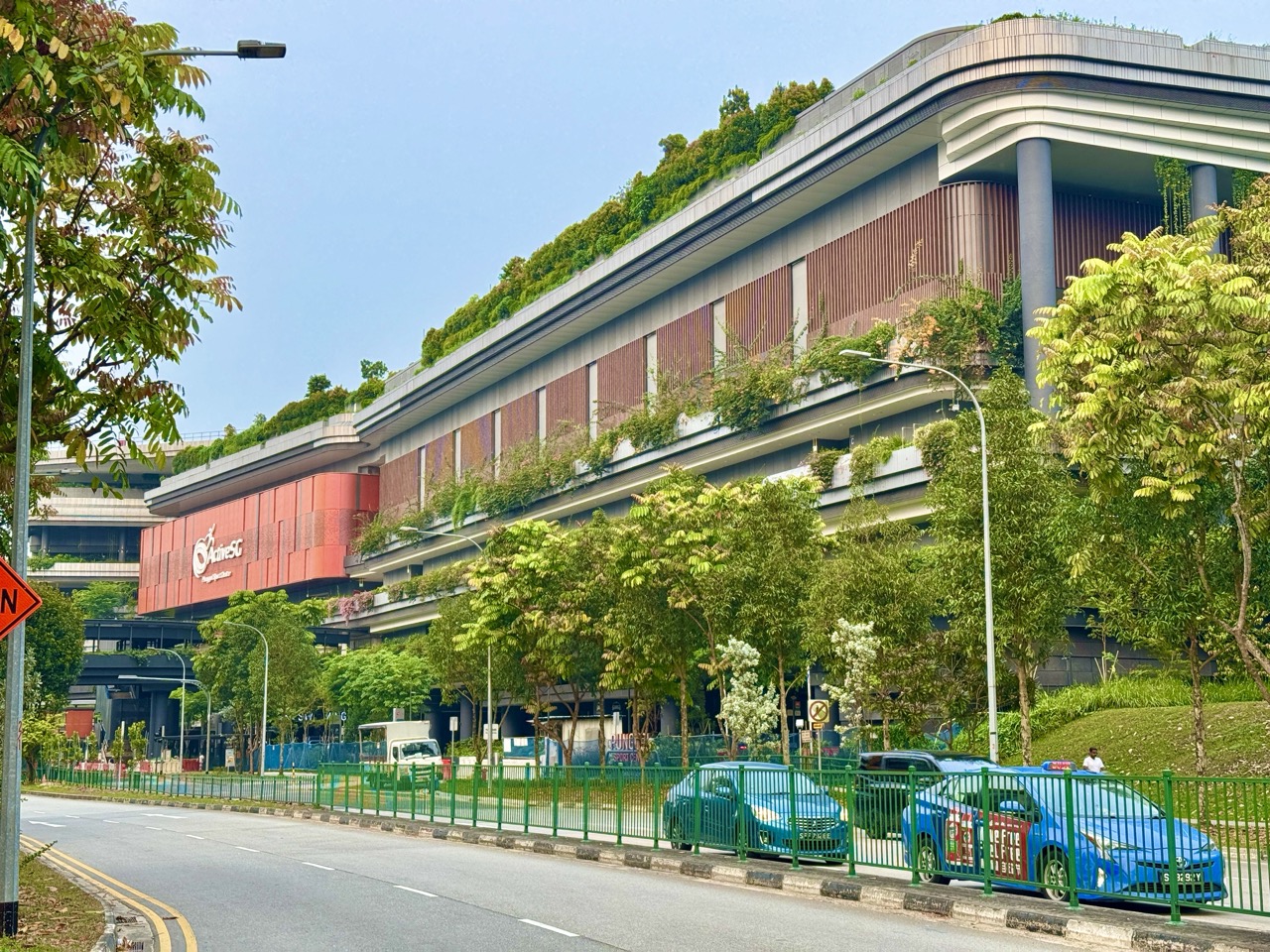
Basketball 2–3 zone defence is a team activity to practise only during a confirmed authorised basketball session at ActiveSG Punggol Sport Centre’s Level 3 Team Sport Hall, 11 Sentul Crescent, Singapore 828656. A first-hand walkthrough published in October 2026 showed the venue’s basketball layout, but this is a multi-use hall, not an unrestricted walk-in court. Check MyActiveSG+ or an approved organiser for an actual basketball slot, court configuration, price and training permissions. A five-player zone lesson can be enjoyable and educational even without a full competitive match.
A 2–3 zone begins with two defenders across the upper half-court regions and three nearer the basket and baseline. Players adjust together as the ball moves, protecting areas rather than following one named opponent everywhere. The biggest challenges are the high post, quick skip passes, overloaded wings, short corners and rebounds: moving to contest one threat may expose another. This article teaches what each row does, how to shift from wing to corner, why legal rebounding still matters and how to practise in a deliberate sequence. It answers a different question from our Punggol man-to-man help-side and closeout guides.
- Location: ActiveSG Punggol Sport Centre, Level 3 Team Sport Hall, 11 Sentul Crescent, Singapore 828656.
- Booking: confirm actual authorised basketball access in MyActiveSG+; a visible hoop does not grant walk-in use.
- Shape: two upper and three lower defenders working as one connected formation.
- Upper duties: pressure the top and wings while remaining aware of interior passes.
- Lower duties: contest corners, protect the low post and basket and prepare for rebounds.
- High post: a receiver near the free-throw line threatens the space between rows.
- Skip pass: a long cross-court pass makes coordinated zone reversal important.
- Corner: the lower wing defender needs support after approaching the baseline receiver.
- First drill: no-ball formation, then gentle top-to-wing-to-corner passes with a deliberate stop at each catch.
- Sources: https://www.breakthroughbasketball.com/defense/2-3zone and https://about.fiba.basketball/en/wabc-documents

What the numbers 2 and 3 describe
The digits identify a general five-player shape: two higher defenders and three lower defenders near the basket. They do not create five invisible boxes in which players must stand motionless. A zone moves as the ball moves and as offensive players cut into dangerous areas. A lower wing defender may close out to the corner, while the middle player shifts to cover a low-post pass. Learning that connection prevents a beginner from thinking zone defence means waiting for somebody else to do the work.
Zone versus man-to-man
In man-to-man defence a player usually starts with an assigned opponent and receives help when the matchup becomes vulnerable. In a zone players coordinate by space and ball position, though they still guard real opponents actively inside that space. Neither system makes proper footwork, closeouts or legal contact unnecessary. A player who has learnt a defensive slide can use it while contesting a wing receiver in the zone. Our separate help-side article deals with opponent-based assignments rather than this area-based pattern.
What was actually confirmed at Punggol
A late-October 2026 first-hand venue report documented a basketball-court configuration in Punggol’s Level 3 Team Sport Hall. The same multi-use development has other sports halls and racket courts, and not every configuration is open to every visitor at all times. Check MyActiveSG+ or the relevant approved organiser rather than assuming an empty-looking surface is free to use. This distinction matters when five defenders and several cooperative passers need a safe half-court for a planned drill.
Arrive at the correct hall
Punggol Sport Centre is at 11 Sentul Crescent near Sam Kee LRT and SAFRA Punggol. Give participants the exact Level 3 Team Sport Hall name, the booking’s designated area and the meeting point. The gym and racket courts are different spaces, so a message saying simply ‘meet at ActiveSG’ may cause confusion. Plan enough time to change into court shoes, inspect the floor, arrange equipment and warm up. A calm introduction makes complex defensive learning easier.
How the upper row works
The two upper players protect the top of the key and neighbouring wing spaces. When a pass goes right, the closest upper defender may approach the receiver, while the other adjusts towards the middle. Both should know how a pass could enter the high post. If both rush towards the same ball handler, an opposite-wing receiver may become free. A first shadow drill can make the distinction visible without anyone trying to steal the ball.
How the lower row works
The lower three protect regions nearer the basket, low blocks, corners and likely rebounding lanes. The middle lower defender cannot be everywhere, so wing-side teammates must adjust when the ball moves towards a corner or the high post. In a drill, each player should explain which attacker is dangerous after one teammate leaves their starting location. This builds an understanding of support instead of encouraging three people to remain in fixed baseline positions.
Why the ball at the top matters
An attacker holding the ball above the key can pass towards either wing, the high post or a cutter. The defenders should be able to see the basket and likely receivers while preserving appropriate spacing. An upper player who overcommits may allow a simple pass behind them. Start by placing a stationary ball handler centrally and asking each defender to point to their nearest threats. This helps players understand position before any live movement.
Top-to-wing passage
When the ball travels from the top to a wing, the nearest upper defender generally moves to contest the new ball handler, while teammates adjust. The closeout should finish in control, because the receiver might shoot, drive or pass to the corner. Practice an announced gentle top-to-right-wing pass and stop the action as the receiver catches. Ask the group which player faces the ball and where the others are supporting. Then repeat on the left.
Why a balanced closeout matters
A defender running full speed through a wing receiver may surrender a driving lane or commit illegal contact. A proper approach slows during the final steps and leaves the body able to react to a shot fake. This individual skill remains essential inside a zone. Begin without an active dribble: the defender approaches a stationary receiver, stops comfortably and calls responsibility. A short controlled repetition is more valuable than a dramatic attempted block.
A corner pass creates competing threats
A corner player near the baseline can shoot, pass into the low post or drive towards the basket. When the lower wing defender moves to contest the corner, teammates must cover the nearby spaces they leave. This is one of the common difficulties described in Breakthrough Basketball’s zone-defence teaching. During practice, freeze the ball in the corner and ask who protects the low block, who prevents an easy return to the wing and who watches the middle.
A corner closeout is not a collision
A lower defender may be tempted to sprint into the corner to prevent a shot. But arriving with uncontrolled momentum can create an easy baseline drive or a collision. Use a passive attacker holding the ball and have the defender take a short controlled route, stopping in legal guarding position. Other teammates shift slowly to support. Only later should the receiver make an announced safe pass or shot fake. The focus is balanced five-player movement.
The short corner is not the deep corner
The short corner lies along the baseline but nearer the basket than the outside corner. A player catching there can threaten a short shot, a pass to the low block or a pass back out. Zone defenders must coordinate who pressures that receiver and who protects the rim. A simple demonstration can place one stationary attacker in that region and move the ball slowly there. The question is how the three lower defenders remain connected rather than all chase one ball.
A high-post catch threatens the gap
A receiver near the free-throw line sits between the upper and lower rows. If allowed to catch and face the hoop freely, they may shoot, drive or pass to the low post. The lower middle defender may step up in some schemes while another defender protects the basket. Practise a gentle announced pass into the high post and freeze the action before any contact. Ask which attacker becomes open when the first defender moves.
High post does not justify abandoning the rim
If all five defenders converge on a high-post player, the offence may feed a cutter near the basket. A connected zone protects the highest-value threats with support behind the first defender. A beginner should understand the cost of overcommitting. Use a stationary low-post attacker while the ball arrives at the foul line. Have each defender explain their new duty. A coach can then adjust the shape according to the actual team.
Low-post position requires lawful defence
The low post is close to the basket and often involves physical proximity. Zone players still have to follow the normal rules on holding, pushing, blocking and legal guarding positions. They cannot shove an attacker away simply because the ball entered their area. Begin with a passive low-post receiver and let the defender identify basket side, ball side and nearby passing routes. Good body orientation and footwork are safer and more useful than aggressive grabbing.
The middle defender needs a decision
The central lower player may move towards the high post or remain close to the basket depending on the ball and teammate support. Moving too far upwards exposes the rim; staying too deep leaves an easy central catch. Rather than prescribing one universal step count, practise alternating gentle feeds to high and low positions. The player identifies the threat and adjusts with help from the wing defenders. A useful response is balanced and clearly communicated.
Weak-side movement protects the interior
The weak side is the region away from the current ball. Defenders there often move towards the middle to provide support and prepare for interior cuts. But collapsing so far that an opposite-wing attacker receives an easy long pass creates another problem. During a slow practice, keep one offensive player on the opposite wing and ask the weak-side defenders to retain awareness of that person while moving. They should be ready to close out if the ball reverses.
The skip pass challenges the entire team
A skip pass travels across a substantial part of the half court, perhaps from one wing to the opposite corner. Because the ball moves faster than players, defenders should start adjusting as it travels, not wait until the receiver has already turned towards the basket. Use an announced gentle cross-court pass. The upper and lower rows change sides together and call who takes the next ball. The aim is coordinated recovery, not an attempted full-speed steal.
Ball reversal can expose gaps
An offence may pass from right wing back to top and then left wing repeatedly, hoping one defender moves too far and opens a seam. In a beginner zone, the lower row sometimes remains frozen while the upper two do all the running. A gentle three-pass sequence can reveal that fault. Pause after each catch and have all five explain their adjusted positions. Small connected movements are better than one exhausted defender making every closeout.
The seam is shared responsibility
A receiver may stand between two neighbouring zone regions, making both defenders uncertain who should contest. If each waits for the other, the attacker has time. If both rush, another offensive player becomes open. The team should agree on the nearest responsible defender and supporting cover. A slow feed into a seam can teach the assignment. Stop before the receiver shoots and ask each player to state the next pass they must be ready to defend.
Outside shooting is a trade-off
A zone concentrating protection near the paint may concede some outside attempts, especially when the offence reverses the ball quickly. An opponent with accurate perimeter shooters can punish late closeouts. The zone is therefore not inherently superior in every matchup. A teaching drill can leave passive shooters at the wings and corners, then count how often they would have time for an uncontested shot. This gives useful feedback about spacing without demanding a frantic competition.
A good high-post player creates problems
An attacker who receives near the foul line can draw a defender and create a pass to the baseline or another shooter. Breakthrough Basketball’s 2–3 guide includes responses to strong post threats. The best adjustment depends on the actual offensive formation, so it is misleading to promise one fixed answer. Begin by understanding where the next pass could travel, then rehearse a simple support rotation. Tactical sophistication should grow from clear basic coverage.
Overloading a wing can stretch the shape
An offence may put multiple receivers on one side, including wing, corner and low-post threats. Two nearby zone defenders may not be able to contest every option without help. The middle and weak-side players must recognise which pass represents the most immediate danger. A coaching exercise can position three stationary attackers on one side and ask five defenders to identify coverage. Begin with no active cutting or shooting. The exercise teaches priorities rather than physical intimidation.
Drives through the seam still need help
A ball handler may find room between two zone defenders and drive into the paint. A player must respond legally while teammates protect the basket and available passing lanes. Zone responsibilities do not replace individual footwork or proper help. In practice, have a cooperative attacker walk through an agreed route while defenders make short controlled movements. Stop before contact and ask who now guards the ball. More realistic pressure should wait until basic assignments are understood.
A trap is an optional variation
Some 2–3 schemes trap at the wing, corner or top by sending two defenders towards the ball handler. That may pressure an attacker but also leaves an area that somebody else must cover. A poorly coordinated trap can create an easy pass to an open shooter. Beginners should first learn the basic formation, corner closeouts and recovery before trying this advanced option. A simple no-contact explanation is enough for the first session.
The weak side matters after a trap
When two defenders trap the ball on one wing, a receiver across the court may have extra room. The remaining three need to anticipate passes while keeping the basket protected. That is difficult at game speed. A slow teaching drill can freeze the two defenders near the ball and have the others point to their responsibilities. The purpose is demonstrating the cost of the trap rather than treating it as a guaranteed turnover tactic.
Rebounding after a zone stop
Unlike man-to-man play, a zone player may not already be beside a single assigned opponent when the shot is taken. Defenders need to locate nearby attackers, establish legal box-out positions and pursue the rebound safely. A forced miss is not a completed possession if the offence gets another easy attempt. Practice a gentle shot after perimeter passes, then pause to identify rebounding threats. No one should jump into another player’s landing path to prove their effectiveness.
A made basket also changes the task
When the defence concedes a basket, the team must prepare for the next legal possession rather than continue standing in its zone positions. When it gains a defensive rebound, it must choose an outlet or another lawful transition action. Zone defence is one phase of play. A good training session can finish each shadow possession by naming the next task: inbound, rebound, outlet or return to ordinary half-court organisation.
Defensive transition takes time
A team returning from offence cannot instantaneously become a set 2–3 zone. Players must first recognise possible fast-break threats, protect the direct route to the basket and communicate as they recover. A rushed attempt to run to a precise diagram while an attacker reaches the rim can be ineffective. Practice a slow transition after a controlled change of possession, with clear roles and no contact. The zone shape becomes useful only after immediate threats are addressed.
Use a simple shared vocabulary
Calls such as ‘ball’, ‘wing’, ‘corner’, ‘high post’ and ‘help’ can make team movement clearer when everyone knows what they mean. An overly complicated set of secret terms can overwhelm beginners. Agree on a few simple cues before practice. The point is to tell teammates what responsibility changed soon enough for them to react, not to shout louder than the other team. Good communication can make a modestly athletic group more organised.
The first no-ball formation drill
Start with five defenders and no attackers. Identify the two upper and three lower positions, then pretend the ball has moved to the right wing. Everybody shifts a small safe distance, keeping useful spacing. Return to the centre and repeat on the left. The players should explain which area they are helping to protect. This quiet rehearsal prevents confusion later and does not require a full basketball squad or a competitive game.
Top-to-wing cooperative passes
Place three passers at the top and two wings, with five defenders in the 2–3. The offence passes gently without dribbling or shooting. On each catch the nearest defender approaches in control, while the other four adjust to the new passing threats. Pause and identify a possible open receiver before passing again. Repeat to both sides. A successful drill is one in which everyone moves coherently rather than one person making a spectacular steal.
Wing-to-corner cooperative passes
Add a corner receiver and use a predictable top-to-wing-to-corner sequence. The lower wing player contests the corner while teammates cover the low block and perimeter return. Freeze the play as the receiver catches and identify the new responsibilities. Repeat slowly until the whole team understands. This specific situation often teaches more about zone relationships than a random five-on-five game in which beginners simply follow the ball.
High-post entry practice
Place a patient attacker near the free-throw line and feed the ball there with a gentle pass. The defenders adjust without trying to grab the receiver. Ask which defender takes the ball, who protects the basket and who watches the wings. The sequence can stop after the catch. Later add a slow pass from high post to a low-post teammate. The exercise exposes the most important interior coverage choices in a controlled way.
Short-corner passing pattern
A cooperative receiver stands near the baseline inside the extreme corner. The ball is passed from wing to that short-corner area, and the defenders make an agreed response. Freeze before any shot and ask whether the low block, the wing and the basket remain defended. Avoid aggressive trapping at first. The challenge is recognising several simultaneous threats and using the other four defenders as support.
Skip-pass reversal drill
Begin with the ball on the right wing, then use a gentle long pass to the opposite side. The zone shifts together while the receiving-side upper or lower defender makes a controlled closeout. An observer can note which player arrived late or left a central gap. Return to the original side and repeat. Only increase the passing pace when the shape remains understandable. The drill tests anticipation and communication without requiring high-speed contact.
A five-pass shell exercise
Five offensive players occupy suitable top, wing and interior positions while five defenders stand in the 2–3. The offence passes the ball five times but does not drive or shoot. The defenders move, call and maintain appropriate spacing. Pause after the fifth pass to identify the most open receiver. Then repeat with a single adjustment. The exercise teaches the team to solve a spatial problem together instead of asking one strong defender to compensate for everybody else.
Introduce a controlled drive
After passing drills are successful, allow one offensive player to make a walking-speed drive into an announced lane. The defenders respond legally and stop before contact. Add a slow pass out to a wing if the group understands the first movement. Realistic contested drives belong later under suitable supervision. The lesson is whether the five players can protect the basket and the next receiver without a chaotic crowd forming around the ball.
Finish with one safe rebound
A cooperative attacker can take a gentle shot after several perimeter passes. The defenders then identify nearby rebounding opponents and establish lawful positions. For complete beginners, assign one catcher so the paint does not become crowded. This reminds the group that the zone’s purpose is to protect a possession, not merely influence the initial shot. A good defensive sequence ends with securing the ball or preparing for a legal inbound.
Ten minutes for an absolute beginner
An introductory ten-minute block can teach the 2–3 shape, the names of top and corner regions and one gentle pass to the wing. That is an illustrative portion of authorised court time, not an advertised ActiveSG programme or a guarantee of proficiency. A learner who knows why the lower row shifts when the ball goes to the wing has gained something useful. There is no need to start with a full-speed five-on-five contest.
Thirty minutes with a team
After warming up, spend time on the initial formation, top-to-wing passes, wing-to-corner coverage and one high-post feed. Rotate players through different defender roles so everybody understands the upper and lower duties. Finish with a gentle shot and rebound if ready. The practice should include rest and a handover buffer. Clear assignments and balanced footwork matter more than completing a predetermined number of sprints.
One hour with ten participants
Five cooperative attackers can face five defenders for a sequence of gentle passes and controlled tactical decisions, then exchange roles. Introduce only one live complication at a time, such as a high-post catch or slow drive. A qualified coach can add more realistic pressure when players demonstrate safe movement. Keep the group within the authorised court and stop before the next booking. A useful hour ends with each participant understanding the team’s shape.
Age-group rules and youth development
Some youth basketball leagues restrict or discourage zone defences in younger age groups to encourage individual guarding and broader skill development. Check the actual competition rules rather than assuming all youth programmes follow adult tactics. Children can still learn the geometry as a no-contact team game while continuing to practise slides, passing, rebounding and sportsmanship. A zone demonstration should not become a tactic to overwhelm complete beginners physically.
Mixed-ability and returning players
A zone can be explored at walking pace by participants with different athletic abilities. Someone returning after years away may contribute through early recognition and clear calls without needing repeated maximal sprints. The suitable footwork range depends on mobility, balance and relevant health concerns, not simply age. Modify the drill instead of demanding identical speed from every player. A supportive experience encourages repeatable local sport rather than one exhausting session.
Legal guarding still governs every action
The word zone does not remove ordinary basketball personal-contact rules. Defenders cannot hold, push, strike, undercut or move recklessly into another person’s path. The same legal guarding and shot-contest principles apply as in man-to-man defence. Begin with passive offensive players and no-contact movements. If a group cannot maintain spacing, simplify the exercise. Good tactics should produce better decisions, not a higher risk of collision.
Inspect shoes, floor and equipment
A basketball zone shifts laterally as the ball travels. Players may look towards a pass and miss a wet patch, spare ball or bag near their feet. Wear suitable court shoes, secure laces and keep equipment out of movement lanes. If the floor is slippery or damaged, stop and tell staff. A new sports centre still requires ordinary maintenance. A paid booking does not make an unsafe surface suitable for practice.
Respect the multi-use hall
The Punggol Team Sport Hall supports multiple kinds of organised activity. A group booked for basketball should remain within its assigned space, respect any barriers and leave before the next reservation. Do not move volleyball fixtures to widen a drill or chase a stray ball into another group’s active court. Pause and communicate before retrieval. Public sport works best when each group follows predictable boundaries and leaves equipment in safe condition.
Stop if the drill becomes unsafe
Sharp joint pain, faintness, significant dizziness, chest discomfort or severe unusual breathlessness require stopping and appropriate assistance. This guide cannot diagnose a condition or decide when a player can resume. Repeated collisions, confusion or unstable stopping also show that the drill is too difficult. Rest, slow the pass or return to shadow movement. A shorter controlled session is more useful than completing every paid minute at unnecessary risk.
A four-week learning path
Week one can teach the two-upper, three-lower shape and one wing pass. Week two adds wing-to-corner and short-corner coverage. Week three introduces the high post and skip-pass reversal. Week four connects a few safe passes with a controlled drive, legal shot contest and rebound. This is a suggested recreational sequence, not an official ActiveSG course. Repeat an easier stage whenever five-player communication deteriorates. Better spacing at the same pace is genuine progress.
Five errors and their remedies
Standing still makes passes easy, so teach all five to adjust. Both upper players chasing the ball opens the opposite wing, so agree who takes the receiver. Forgetting the high post exposes the gap between rows, so add central entry drills. Rushing to the corner without lower-row support can expose the low block, so practise linked coverage. Finally, failing to locate rebounders can waste a good defensive effort. Each problem requires a specific correction, not a generic demand for greater speed.
Frequently asked questions
Where can zone defence be practised? At Punggol’s Level 3 Team Sport Hall during an authorised basketball booking or programme. What does 2–3 mean? Two upper and three lower defenders who move with the ball. Must players stand inside fixed zones? No. Is this identical to man-to-man help defence? No. What areas are difficult? High post, short corner, deep corner and skip-pass targets. Does the court booking include coaching? Not automatically. Can beginners learn without contact? Yes; gentle passing and shadow movement are appropriate first steps.
Sources and your next step
The Punggol venue was documented in the 30 October 2026 first look. Breakthrough Basketball’s 2–3-zone guide explains wing, high-post, corner and skip-pass adjustments. Use FIBA’s coaching resources and official rules for legal defensive fundamentals. Confirm an actual session through MyActiveSG+. Start with five defenders moving together after a gentle top-to-wing pass. For individual opponent-based defensive support, see our separate help-side guide.


