
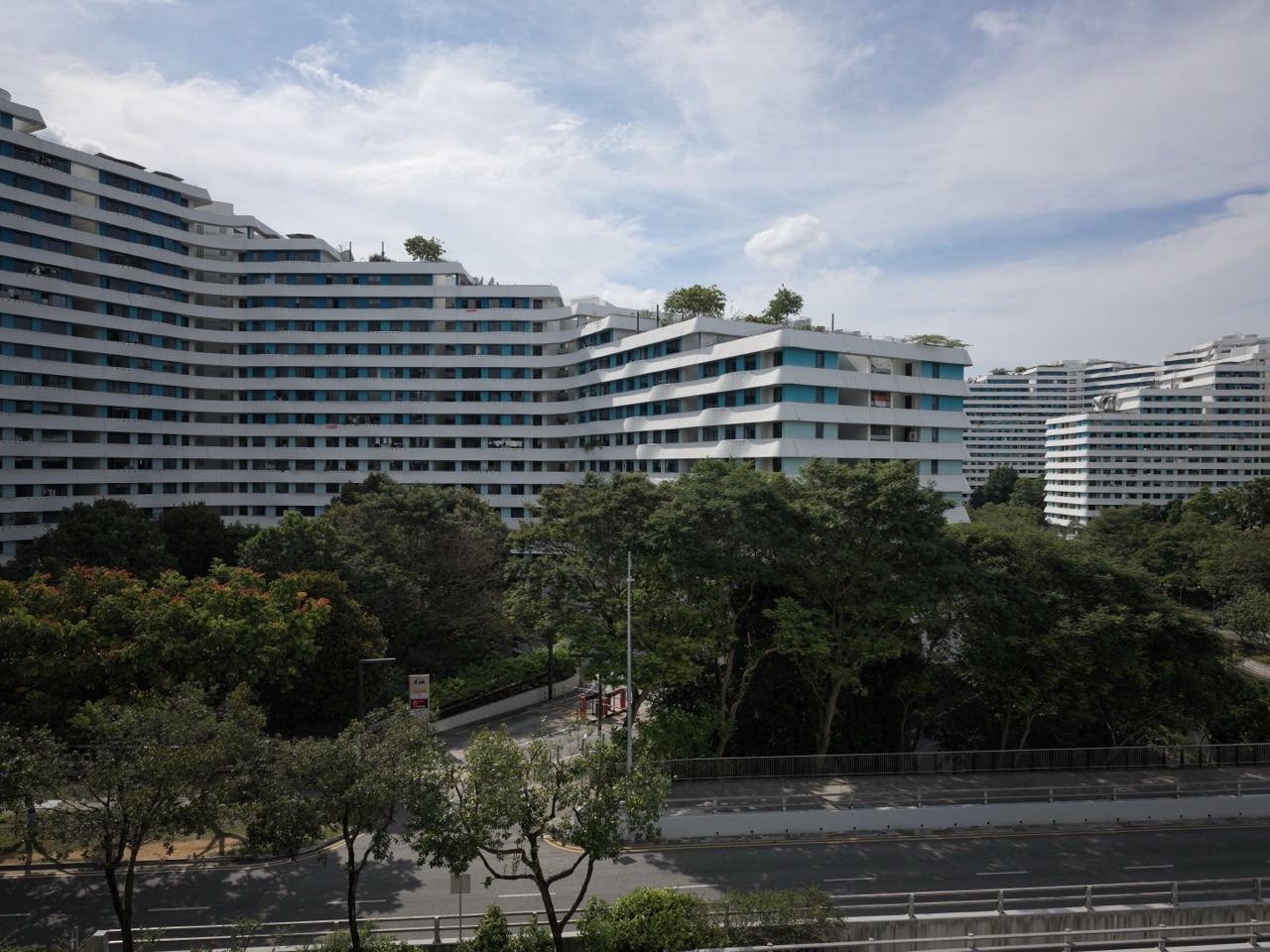
A Punggol lift is meant to have a reliable way for passengers to call for assistance if it stops unexpectedly or somebody cannot leave safely. If its emergency alarm or intercom seems not to respond, the concern should be reported to the owner or managing agent. A person who is trapped should use the designated assistance controls and any available emergency contact, remain inside the car and avoid prying its doors open. A person who is not trapped should not repeatedly activate an emergency button merely to test it.
Singapore’s Building and Construction Authority (BCA) tells trapped passengers to press the lift alarm, wait for help, avoid trying to pry doors apart and call the posted emergency number. Its safety guidance includes functioning alarms and intercoms, where installed, in the lift maintenance responsibilities of owners and their contractors. The absence of a voice response to one press does not establish which technical component failed, so reporting must separate what the passenger heard, what they observed and what remains uncertain.
- Trapped passengers: use the alarm or intercom as labelled, contact the official emergency number when available, and wait for authorised help.
- No response: do not assume the signal reached a responder; try another safe contact channel such as a mobile phone.
- Do not force doors: the car may be between floors, and the lift well has severe hazards.
- Location: give building, block, lift identifier, floor indication and number of people inside.
- Medical concern: contact 995 where immediate emergency rescue or care is needed.
- Non-emergency fault: notify the Town Council, MCST, station operator or facilities manager without deliberately trapping anyone.
- Record: note time, observed response, operator and case number.
- Operator: arrange proper inspection and decide whether the lift should remain in service.
1. The alarm and intercom have different purposes
The emergency alarm may produce an audible signal meant to alert someone outside the lift. An intercom is designed to support two-way communication with a responder or monitoring point. Some lifts use separate controls, while others integrate their functions. A bell icon, microphone grille or illuminated call symbol cannot by itself explain the full communication system.
A person who presses a bell may hear a sound without getting a spoken reply. A person using an intercom may see a call indicator but hear nothing. Both observations are useful, but the repair team must determine whether the signal was transmitted, answered and audible in both directions. Avoid declaring a device functional solely because its light appears on.
2. The first response when the lift stops unexpectedly
If doors do not open at a normal landing, remain inside the lift and use the designated emergency alarm or intercom. State the building, lobby, lift number and any floor indication you can see. If a mobile phone is available, use the emergency or maintenance number posted in the car. Give the number of passengers and tell the operator whether anybody is injured or unwell.
Do not try to climb through a roof hatch, prise open doors or crawl into the lift well. A stopped lift can be at an unsafe level and can move under controlled rescue procedures. The trained rescue team should handle the equipment. If another person is with you, coordinate communications rather than pressing every button or shouting simultaneously.
3. What if nobody speaks back?
A silent response is unsettling, but it does not prove a lift has no assistance system. The call may take time to route, may produce only a signal initially, or may have failed. Because the passenger cannot establish the cause, use another available contact rather than relying entirely on a silent panel. The posted emergency number is a practical second channel.
If there is no mobile coverage, continue trying the labelled assistance control in a reasonable way and call out to people outside if possible. Do not strike the panel, insert objects into the speaker or remove covers. When help is heard, state your situation clearly and ask the responder to confirm they have the correct lift.
4. Emergency versus non-emergency investigation
A suspected intercom fault noticed during normal travel needs the lift owner’s maintenance team, not an improvised public test. The situation is different if somebody is currently trapped, injured or in acute distress. In that case, access to help becomes urgent. Use the legitimate emergency system, contact the operator, and seek medical or rescue assistance where the circumstances warrant it.
BCA’s Lift and Escalator Safety page explains the immediate actions for trapped passengers. The owner’s repair process follows afterward. A good guide should not suggest that residents schedule a self-test by intentionally trapping themselves or interrupting the lift. Technical testing is a contractor’s responsibility.
5. What to say when you get through
Begin with the precise location, even if you think the responder already knows. A useful message is: ‘I am inside the lift at Block [number], Punggol [street], from the [lobby], and the doors have not opened. We selected Level [number]. There are [number] people inside.’ Then explain whether the car seems stationary and if anyone needs care.
Do not guess the exact height of the car inside the shaft. The operator can use technical information and the history of movements. Tell the truth if a floor display is blank. Responders benefit more from an accurate entrance and lift identifier than from an invented precise position.
6. How the emergency number should help
The emergency contact displayed inside or beside a lift is meant to reach the appropriate lift owner, managing agent or maintenance response. A large development may have several contracts and different lift banks. Use the number actually displayed for the car involved, not a number copied from an unrelated Punggol residents’ chat.
If the notice is missing, covered by advertisements or unreadable, report that as a separate problem. It can make a real incident harder for visitors. A building manager should maintain clear contact information and arrange replacement where necessary. Residents should not write an unverified telephone number onto the emergency panel.
7. Why the exact car identifier matters
A high-rise building can have several lifts serving different entrances, floor ranges or car parks. A report saying ‘the lift in Punggol is faulty’ does not tell a contractor where to go. When safe, note the lift label or number, building name, block, lobby and floor. Add the time of the incident and what appeared on the display.
If the identifier is not visible, describe the route used: ‘the second car at the entrance opposite the sheltered walkway’ is more informative than an unsupported guess. Responders can combine that description with building records. Passengers should not leave a stopped lift or approach a shaft to obtain a better number.
8. HDB Town Council or private managing agent?
HDB residential lifts normally fall under the relevant Town Council or authorised estate maintenance arrangements. A condominium lift is usually managed by its MCST or agent. Shopping malls, community hubs and transport stations have their own facilities operators. The correct contact depends on who owns the installation, not simply the nearest residential block.
In a live entrapment, use the official assistance system and posted number immediately. Once everyone is safe, a non-emergency report through the appropriate manager or OneService can document the suspected fault. For private properties, do not assume the Town Council can direct the contractor to inspect a condominium car.
9. The difference between a delayed call and failure
A brief wait for a spoken response can feel long when somebody is anxious. But delayed communication, a one-way audio problem and a disconnected intercom are different findings. A layperson should describe ‘there was no spoken reply during the time I waited’ rather than assert a broken cable or failed monitoring centre.
Technicians can check whether the button activates a signal, whether the called point receives it and whether audio is transmitted both ways. The owner should take reasonable safety steps while investigating. An article cannot decide whether one observed delay meets or breaches a particular equipment standard.
10. The two-way audio problem
An intercom is useful only if the passenger can communicate with an appropriate outside point. If the passenger hears someone but the responder cannot hear the passenger, or the reverse, this may be an operational fault. A light on the panel does not establish that both audio directions work correctly.
Describe the observed direction of communication if known. For example, ‘a voice was audible but my reply was not acknowledged’ is more precise than ‘intercom spoiled’. Do not open the microphone grille, clean inside the panel or attempt adjustments. The authorised maintenance team should perform the proper test.
11. Why power interruptions matter
A power interruption can affect lighting, ventilation, lift movement and communication. BCA’s Good Practices Guide for Lift Owners discusses backup functions, alarms and intercom performance. These systems are part of lift safety engineering rather than optional comforts.
Passengers should not try to operate an electrical cabinet if the car lights dim or go out. Use the designated help controls and a phone if available. Tell the operator about the lighting and ventilation as separate observations. The actual backup arrangement and condition require a competent technical check.
12. A dark cabin is not a signal to force exit
If the cabin becomes dark, occupants may be tempted to search for a panel, hatch or manual release. This is dangerous. A lift can be positioned away from the landing, and hidden machinery can move during rescue. Stay away from the doors and follow instructions from authorised responders.
If a passenger has a medical condition that worsens in the dark or heat, communicate that promptly. The operator needs to know not just that the lift stopped but also whether anybody has breathing difficulty, faints, needs urgent medication or is injured. Emergency responders can assess the required priority.
13. The sound of an alarm is not proof that help heard it
An alarm might make a local sound that is audible near a lift well or at a designated point. A passenger inside may hear that sound and assume a person has already been notified. That assumption could be wrong if the installation has a communication problem or no one has yet responded.
Where possible, try to establish confirmed contact through the intercom or official emergency number. Say the location and wait for acknowledgement. The correct technical assessment of alarm audibility belongs to the operator and its maintenance contractor, not to passengers conducting improvised acoustic experiments.
14. Why the door-open button is not an alarm
The ordinary door-open control and the emergency bell have different functions. A door-open button is intended for use when the car is at the right landing and doors are operating normally. It will not necessarily solve an abnormal stop or broken intercom. Repeatedly pressing the control does not override the safety design.
Do not force a partially open door while holding down the button. The correct safety action after an entrapment is to ask for authorised assistance. If a separate door sensor appears defective on normal journeys, report that distinct symptom too, since it may require another maintenance check.
15. A lift that opens above or below the landing
A misaligned stop can create a trip hazard even if the intercom responds normally. Do not step across a significant unexpected gap or push a stroller or wheelchair over it. Use the building’s assistance process if safe passage is uncertain. The issue is not merely a communications fault.
For a separate explanation of levelling hazards, read Punggol | What to Do When an HDB Lift Stops Above or Below the Landing. Distinguishing symptoms helps the maintenance team check the right system and prevents a report from assuming a single technical cause.
16. Reporting outside an ordinary passenger journey
A person standing in a lobby who notices the emergency number notice is torn or who hears about a previous communication failure should report the observation without triggering the alarm for curiosity. The owner can arrange an inspection. Do not use the lift simply to test whether it will malfunction.
Provide the precise car, floor and time of the observed concern, and distinguish your personal observation from somebody else’s account. The managing agent can request additional information or technical checks. A report is useful even when the resident cannot diagnose or reproduce the fault.
17. What a child should know about being trapped
A child travelling independently should know that an unexpected lift stoppage is a reason to use the proper emergency assistance button, not a challenge to force a door open. Parents can explain where the button is and how to state the block, location and whether the child is alone. The lesson can be taught during normal travel without pressing an emergency control.
Children should also know not to climb a lift hatch, jump inside a stopped car or follow risky instructions from strangers shouting through the door. A calm, short message to parents and the operator is more valuable. Never shame a child for asking for help.
18. How to assist an older resident
An older person may have difficulty reading a small emergency notice or hearing a quiet intercom reply. A family can keep estate maintenance contacts accessible and discuss how to describe the block and lift. However, the installed safety system must not be treated as optional just because a relative usually carries a phone.
If the resident is trapped and cannot communicate clearly, a bystander or family member should contact the owner with the likely car details and explain the person’s needs. Do not propose that the senior climb out or use stairs if the person has mobility limitations. The rescue team should manage access safely.
19. A wheelchair user cannot be carried through an unsafe opening
When a car stops abnormally, a wheelchair user may not be able to cross an uneven landing or use a stair route. That makes reliable lift assistance particularly important. A well-intentioned bystander should not pull a wheelchair through a gap or carry the occupant down stairs without the right training and an appropriate safe plan.
Tell the operator about the mobility need and ask for qualified rescue assistance. The actual response should be led by those responsible for the lift and emergency situation. Later, the manager should consider the user’s accessibility needs in the repair and communication process.
20. What if a passenger faints or becomes unresponsive?
A medical emergency changes the response. Contact 995 and provide the exact building and lift identifier, number of occupants and the person’s condition. Follow the emergency dispatcher’s instructions. Do not use physical force to open a stopped lift because another person needs urgent care.
The rescue and medical teams can coordinate access. A bystander should communicate useful facts without inventing a diagnosis. The operator should be alerted as well, so it can identify the lift and facilitate authorised access to the installation.
21. Help from outside: useful actions
If you hear people calling from a stopped lift, answer verbally when safe and ask whether anyone needs immediate medical care. Contact the posted emergency service or building manager and provide the exact car location. Keep the lobby clear for maintenance or rescue personnel.
Do not pull on landing doors, insert tools in the gap or attempt to release a latch. Such actions may create severe injury risks. A passenger may be able to hear you without the intercom; this can reassure them while authorised help is arranged. Avoid promising an arrival time that has not been confirmed.
22. The value of maintenance records
BCA’s periodic maintenance requirements describe owner and contractor duties. A complaint about an alarm or intercom should be recorded so the responsible team can inspect the exact function and document its findings.
A building owner should be able to identify which contractor attended and whether the observed problem was tested and repaired. Residents do not need to inspect service logs personally or handle equipment. A useful follow-up asks whether the reported safety function was assessed, not whether a particular electronic part was replaced based on an online guess.
23. Why routine checks and resident reporting complement each other
Regular inspections reduce the risk of unnoticed defects, but an electronic or mechanical failure can still arise between visits. A resident’s timely observation can prompt an additional check. That is not evidence that routine maintenance was absent; it is a reason to describe the incident clearly.
A single complaint should not become a broad allegation that all lifts in Punggol are unsafe. The operator can review the specific car and relevant reports. If several incidents occur, link the case numbers and dates so the maintenance team can identify a pattern without relying on rumours.
24. OneService is not a rescue intercom
The OneService App supports municipal reports and information about HDB lift faults. It can help a resident submit a follow-up after leaving safely or report equipment that appears to need inspection.
A trapped passenger should not rely only on an ordinary municipal feedback submission. Direct communication with the lift’s emergency service, owner or emergency responders is essential when immediate assistance is needed. Use the right channel for the time-critical part of the situation.
25. How to write a factual maintenance report
A useful report might say: ‘At [Punggol block], lift [ID], around [time], the car stopped and the intercom call control was operated. No voice response was heard before the posted emergency number was called. The lift was later attended to by staff.’ Add observations without making a diagnosis.
Do not include private details about passengers beyond what the operator needs securely. A photo of the lift identifier and control label may be sufficient when the lift is operating normally and it is safe to photograph. Do not film the occupants during an emergency merely for social-media evidence.
26. What if the operator says it worked when tested?
An intermittent complaint can be difficult to reproduce. A qualified test that passes does not necessarily invalidate an earlier observation, and an earlier difficulty does not prove a permanent defect. Preserve the original date, circumstances, button used and any response from outside.
Ask the manager whether the incident was logged and whether further monitoring is appropriate. Avoid accusing a contractor of falsifying a test without evidence. A reliable safety process values both the technical finding and an accurate passenger account.
27. What if different lifts in one block behave differently?
One lift may have a separate intercom panel, another a different style of alarm button, and a newer car a combined communication unit. The operator may have modernised or replaced individual equipment at different times. These visual differences do not automatically establish a safety problem.
Report the condition of the specific car instead of comparing appearance alone. The qualified contractor must assess the requirements applicable to each installation and verify that its emergency functions operate properly. A building manager may provide reassurance by explaining the different designs without disclosing sensitive equipment details.
28. How to respond during a brief power cut
A passenger notices dim lighting, a stopped lift and an unresponsive help panel. The passenger stays inside, uses available assistance controls and calls the posted number if the mobile phone works. Others outside notify the managing agent. Nobody touches the lift controller, opens electrical cupboards or attempts to lower the car manually.
After the incident, the maintenance team checks the reported lift and any relevant backup functions. A power interruption and a communication malfunction may be connected, but the cause cannot be assumed. The record should describe what occurred before, during and after the outage.
29. A resident notices a missing emergency notice
A commuter sees that the emergency phone number printed inside the car has peeled off. There is no entrapment. Instead of pressing the alarm to locate someone who can answer, the resident reports the missing notice through the estate-management channel and provides the lift ID.
The operator can check the displayed instructions and ensure they are current and readable. This is a simple but important part of emergency preparedness. People visiting the building may not know the Town Council or contractor and need reliable information at the point of use.
30. A Punggol family prepares for independent school travel
Parents can show an older child the normal lift layout and explain the emergency button without pressing it. They can practise a short verbal script: ‘I am in the lift at Block [number]. The doors are not opening and I need help.’ The family should also discuss how to contact a trusted adult.
The child does not need to understand lift engineering. They need to recognise a stopped car, ask for help, stay safe and avoid risky escape attempts. Those habits matter as much as knowing the bus route or correct pedestrian crossing on the school journey.
31. The difference between a bell and a personal phone
A mobile phone is an additional tool, not a replacement for the installed alarm and intercom. Personal devices can lose battery power, connection or accessibility. A building’s emergency communication should support occupants regardless of whether they remembered a charged phone.
If a phone works in a real incident, use it to connect with the appropriate service and provide the precise location. If the lift’s own system is suspected faulty, report that afterwards. The availability of another method does not make the original fault irrelevant.
32. What building managers should do after a serious complaint
The operator should establish which lift and function were reported, arrange competent testing, take suitable interim safety measures and communicate a maintenance outcome as appropriate. The actual decision on isolating the lift depends on the condition and professional assessment.
A brief statement that the car ‘is working’ is less useful than confirmation that the alleged alarm or intercom problem was considered. A repair log also helps if a later complaint concerns the same equipment. Residents need a safe functional installation, not access to the internal control system.
33. Do not spread an unverified warning
After hearing that someone was trapped, a resident may post ‘all lifts in Punggol have broken alarms’. That may alarm people without evidence and obscure the specific hazard. Describe the exact car, observed issue and the official contact instead.
Public reporting should not reveal a trapped child’s face, name or medical condition. The incident can be made actionable with an accurate time, location and maintenance case number. Privacy and truthful reporting help people receive support without turning an emergency into an online spectacle.
34. Special case: construction or renovation near the lift
A common-area project may temporarily change access routes or cause a lift to be taken out of service. Follow official notices and do not enter restricted work areas. A posted shutdown is different from an unexpected breakdown, and a temporary detour does not establish that the emergency intercom is faulty.
If a sign tells residents to use another lift, check whether the route is suitable for mobility needs. An operator should provide accurate accessibility information. A resident can report an unclear notice or inaccessible alternative without interfering with construction or lift machinery.
35. What ‘safe to use’ actually means
The public cannot decide safety from whether the car moved once after a complaint. The owner and qualified contractor must assess the relevant condition and applicable obligations. A lift marked out of service must not be used merely because its doors happen to open.
Ask the operator for current usage instructions and follow them. If a family member relies on the lift for essential travel, explain the access problem and request advice about legitimate alternatives. Do not encourage anyone to override a fault or take unnecessary physical risks.
36. A final action plan for residents
Report an apparent communication failure promptly with the actual lift identifier and observations, and preserve the reference number. When an entrapment occurs, the passenger’s safety and communication take precedence over photographing the device or working out the technical cause.
The larger lesson is simple: reliable lift safety is a shared outcome of good equipment design, licensed maintenance, responsible ownership and clear reports from users. Residents contribute by seeking appropriate assistance, staying away from the lift well and keeping claims accurate.
Checklist: what to report after the incident
- Building name, full Punggol block and entrance.
- Lift identifier and approximate floor indication, without guessing.
- Time and date when abnormal operation occurred.
- Which control was used: alarm, intercom or emergency telephone.
- What was heard or seen and what remains uncertain.
- How many people were inside and any medical/accessibility needs.
- Who responded and what instructions were provided.
- Whether the lift remained in service or was isolated by the operator.
- Case reference and any later maintenance confirmation.
Frequently asked questions
If the alarm sounds, does that prove a person heard it?
No. It may be an audible alert without confirmed communication. Use the installed intercom and posted emergency number when possible. If you are trapped, continue seeking confirmed assistance while remaining safely inside.
Can I open the doors myself if the car is stopped?
No. BCA advises trapped passengers not to prise lift doors apart. The car can be in an unsafe position and its machinery may still move under authorised rescue procedures.
Does every Punggol lift use the same intercom?
No. Lift models and applicable standards vary. Some combine controls and others separate them. The owner must maintain the relevant safety functions as intended.
Who handles a fault in an HDB lift?
The relevant Town Council or authorised maintenance arrangement handles HDB residential lifts. The posted emergency contact for the exact car is the best first source during an entrapment.
What if I am in a private condominium?
Use the MCST or managing agent’s emergency contact and the assistance controls in the car. For an immediate medical or rescue emergency, use 995 where appropriate.
Should I press the alarm to test it on an ordinary trip?
No. Do not activate an emergency assistance system for curiosity. Report concerns and ask the owner to arrange appropriate contractor testing.
What if my phone has no signal?
Use the installed alarm or intercom and call out for safe nearby assistance. Bystanders should contact the owner or emergency responders. Do not attempt to climb or force exit.
What if the intercom works in only one direction?
Report which side appeared unable to hear, and let the maintenance contractor test the communication path. A light on the panel is not a substitute for functioning two-way communication.
Can a child wait alone for help?
A trapped child should use the correct assistance system, stay inside and communicate location and condition. Adults outside should alert the operator without trying a risky physical rescue.
What if the cabin lights and intercom stop together?
Treat the situation as a potentially broader lift fault. Use available communication channels and remain inside if stopped abnormally. The owner should assess backup functions and other reported symptoms.
What if a senior cannot hear the intercom reply?
Communicate through other safe available channels and tell responders about hearing or mobility needs. The operator must assess whether the installed system works as intended; a hearing difficulty alone does not identify the technical cause.
Should I call 995 every time the intercom is quiet?
An apparent fault with no trapped passenger or immediate danger belongs in a maintenance report. Call emergency services for actual rescue, medical or fire emergencies, giving the exact location.
Is OneService enough during entrapment?
No. OneService is useful for ordinary reports and updates. Direct contact with the lift’s emergency service, owner or emergency responders is essential for a time-critical incident.
Can a working lift still have an alarm fault?
Yes, moving between floors and functioning emergency communication are different systems. The operator must assess a credible communication complaint even if the car completes ordinary trips.
Official sources and next reading
- BCA — Lift and Escalator Safety
- BCA — Lift Maintenance Requirements
- BCA — Good Practices Guide for Lift Owners
- SCDF — Emergency Medical Services and 995
- OneService — HDB Lift Fault Information and Reports
- eduKate Punggol — Lift Landing Level Faults
- eduKate Punggol — Neighbourhood Guides
Last reviewed 6 November 2026. This guide is not an inspection or technical opinion about any individual lift. The operator and qualified rescuers must determine the safe response and repair. Call 995 for a genuine rescue or medical emergency.


