
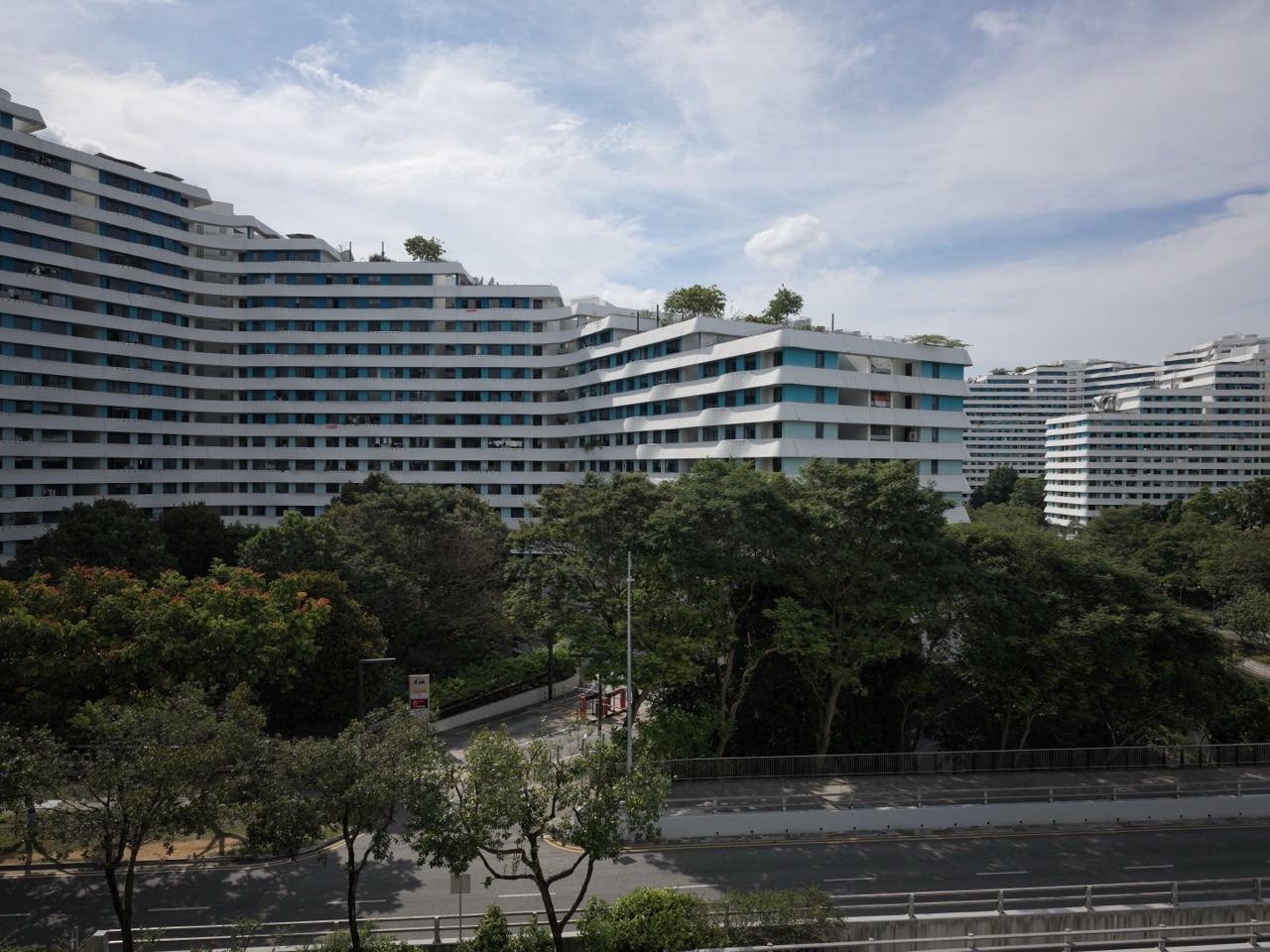
An HDB lift in Punggol should normally stop with its car floor level with the landing so that passengers can enter or leave without tripping. If the car comes to rest noticeably higher or lower than the corridor floor, that difference is called a levelling or stopping-accuracy problem. It is especially important for residents pushing strollers, using wheelchairs, pulling wheeled bags or walking with reduced mobility. The fault should be reported promptly, not treated as an interesting step to jump across.
Singapore’s Building and Construction Authority explains that the stopping accuracy of a lift car is a lift-maintenance safety criterion. BCA’s published maintenance article describes an allowable stopping accuracy of within 10 mm under the referenced checks and says an ideally level landing helps avoid trip hazards. That technical statement is not permission for passengers to measure a lift floor with a ruler or decide that a specific gap is safe to use. If the landing looks unexpectedly uneven or the lift behaves abnormally, avoid using it and notify its owner or managing agent.
This Punggol guide explains what a levelling fault looks like, how to protect other passengers, which details make a good maintenance report and what to do if a passenger becomes trapped. It distinguishes a lift that has stopped awkwardly from a normal small floor transition or door threshold. It does not provide instructions for opening lift doors, resetting controllers or modifying mechanical equipment.
The immediate answer
- If the lift car is visibly above or below the landing, do not rush through the doorway or push a stroller, wheelchair or trolley over an unexpected step.
- If you are outside, avoid boarding that lift and alert the building’s lift operator or managing agent. Use a safe alternative route.
- If you are inside, do not step or jump across an unsafe difference. Use the lift’s communication device or alarm and follow the operator’s instructions.
- Do not pry open lift doors, put objects into the gap, force an automatic door or attempt a lift rescue yourself.
- Record the exact block or building, lift identifier, floor, time and visible symptom from a safe position.
- Report immediately to the Town Council or owner for an HDB estate, or the MCST/managing agent for a condominium; BCA says lift malfunctions should be reported to owners and managing agents without delay.
1. What ‘levelling’ actually means
The car is the passenger compartment that moves between floors. The landing is the fixed floor outside the doors. When a lift arrives, the equipment is designed to position the car floor at the intended landing level so people can move safely between the two. If the two surfaces do not line up as they should, the result may create a step or trip hazard.
A slight-looking difference may be difficult to judge while someone is entering quickly. For a person with a cane, walking frame or wheelchair, an unexpected edge can be particularly troublesome. A trolley wheel may catch on a lip, a child may stumble, or someone may lose balance while carrying bags. The sensible rule is to use a safely operating lift, not to test an abnormal one.
BCA’s lift maintenance explainer describes checking stopping accuracy along with door gaps and other items. These checks are for trained maintenance personnel. They do not turn every resident into a lift inspector.
2. Why a lift may not stop perfectly
Lifts are complex systems involving controls, sensors, drive equipment, brakes, doors and safety devices. A levelling problem may have several technical causes and needs the contractor’s assessment. Residents should not assume that a misaligned stop proves a particular component has failed or that the whole block’s lifts are defective.
Some abnormalities can be intermittent. A resident may notice one awkward stop in the morning and find the next trip appears normal. That does not make the earlier observation unimportant. Tell the maintenance team which floor and lift were involved, whether the issue happened more than once and whether anyone was hurt.
A damaged floor finish, worn threshold strip or door-sill issue can also create an apparent uneven surface. Describe what you saw rather than assigning a technical cause. The operator can distinguish problems with car positioning, landing surfaces and doors.
3. What an unsafe landing can look or feel like
- A visible step up or down when the lift doors open.
- A stroller or trolley wheel catching as it crosses the threshold.
- A sudden unusual jolt or abrupt stop, followed by an uneven landing.
- A repeated irregular stop at one floor, with other floors apparently less affected.
- A landing where passengers seem to have to lift their feet unexpectedly.
- A door that behaves abnormally while the car does not appear level.
- A sudden change from the lift’s usual operation, even if it later appears to work.
The list is descriptive, not a diagnostic test. Do not deliberately make repeated trips to reproduce an apparent fault. If it looks abnormal, report it and use a different safe route. A malfunctioning lift is equipment that belongs to an operator with trained maintenance support.
4. If you are waiting outside the lift
- Stop before entering; look at the car floor and fixed landing.
- If the two levels are unexpectedly misaligned, do not board. Keep children from rushing forward.
- Step away from the door and allow space for other commuters to notice the issue.
- Avoid placing an unauthorised wedge, barrier or sign into the door mechanism.
- Use a safe alternative lift or route that meets your mobility needs.
- Report the block, lift number, affected floor, time and symptom through the displayed official channel.
- If someone is injured, trapped or in immediate danger, follow the appropriate emergency procedure.
Lifts often have identifying labels in the car or at the lobby. Use the identifier that is actually visible; do not invent a ‘Lift A’ or ‘Lift 2’ from memory. Distinguish between the floor at which you were waiting and the floor where the car was observed to stop incorrectly.
5. If you are inside when the car stops unevenly
The safest decision depends on the actual situation, especially whether the doors are open, whether you can move safely and whether there is an ongoing mechanical problem. Do not jump, pull another person across a step or force a wheelchair or stroller over an unsafe gap. Use the lift’s alarm, intercom or posted emergency telephone to request instructions and assistance.
BCA’s Lift and Escalator Safety advice says people trapped in a lift should press the alarm button, wait for help and not pry open doors. Use that official principle whenever the lift’s behaviour prevents safe exit. Authorised rescuers and maintenance personnel can assess and assist.
If the doors appear to function but the car floor is not where it should be, do not improvise with another passenger’s strength. Giving responders clear information is more useful: your building, car identifier, floor indication, number of occupants and whether anyone has a medical need. If there is an emergency medical situation, communicate it promptly.
6. Why this matters for seniors and people with disabilities
People who have less balance, limited vision or mobility restrictions can be disproportionately affected by an unexpectedly uneven landing. Someone using a walking frame may not be able to step back quickly. A wheelchair or mobility device cannot necessarily negotiate a sudden lip safely. A family accompanying an older parent should not assume that a small-looking change is manageable.
If a lift is unsuitable, seek help to find a safe alternative rather than asking a person to tackle stairs they cannot negotiate. Building management can advise on service arrangements and accessibility options. If a fault prevents essential access, clearly explain that consequence when reporting it.
The aim is accessibility in real use, not merely the existence of a lift. A lift that opens but stops incorrectly may not deliver the safe step-free connection residents need.
7. What to put in a strong Punggol maintenance report
- Exact address: block number, street and building name.
- Lift identifier: copy the label where safely visible.
- Affected floor: specify the landing, not just ‘somewhere upstairs’.
- Time: the date and approximate hour when you observed the condition.
- Symptom: ‘car floor stopped visibly below Level 8 landing’, for example.
- Frequency: state whether observed once or on several occasions.
- Impact: mention if a resident nearly tripped or a wheelchair or stroller could not pass safely.
- Supporting photo: a safe image that does not require entering or reopening a suspect lift.
- Reporting record: keep the maintenance case number and response.
A short, precise description is better than a dramatic public accusation. Avoid naming specific residents in complaints or posting children’s faces from a lift recording online. The operator needs the mechanical symptom and location, not private passenger details.
8. HDB estate, private condominium or shopping centre?
HDB lift
An HDB residential lift is generally handled by the relevant Town Council and its appointed contractors. Check the displayed maintenance hotline in the lift lobby or the Town Council’s official site. BCA also directs users to report malfunctioning lifts to owners and their managing agents immediately.
Condominium lift
Notify the MCST or managing agent. A condominium may have several banks of lifts with different service areas, so the car label and lobby location are essential. Do not assume that an HDB Town Council maintains a private residential lift.
Mall or transport-related lift
Report a fault to the facility operator or onsite staff. A lift at a mall, MRT station or community hub may have a different managing body from the nearest residential block. An accurate operator identification can speed up the response.
9. How BCA oversees lift safety
BCA states that lift and escalator owners have duties relating to operation, maintenance, testing and incident reporting under the relevant regulatory framework. It publishes a regulatory overview and guidance for lift owners. Trained contractors are responsible for maintenance checks, and an owner is responsible for managing the installation in accordance with applicable requirements.
The public should not interpret this framework as a promise that a lift can never develop a fault. Regular checks reduce risk and support proper maintenance, but users still have a role in noticing and reporting changes. A clear report can lead to a technical assessment before another resident is injured.
10. A useful example: a child almost trips after school
A parent and child reach their HDB floor after school. The car stops with a visible step at the doorway. The parent prevents the child from rushing out and contacts the lift’s help point or operator for instructions, rather than treating the step as ordinary. They provide the lift number and floor and arrange a safe way to continue their journey.
Later, the parent does not post an unverified explanation that the entire lift bank is ‘falling’. They keep the case number, explain the observed misalignment and check whether the responsible operator has advised that the lift may be used. That is a safer and more useful contribution to the estate.
11. Another example: an older neighbour cannot get home
A lift fault can be much more consequential for a resident who cannot safely use stairs. Reporting should include the accessibility impact and the absence of a suitable alternative. Neighbours can offer practical assistance without physically carrying a person or mobility device on stairs unless trained and appropriate support is available.
The building’s responsible party can assess what repair, isolation, communication or other assistance is needed. A resident should not attempt to override a faulty lift merely because a medical appointment or family timetable is urgent. Seek the appropriate support for that situation.
12. What not to do
- Do not put a foot or hand into a moving lift doorway to investigate the landing.
- Do not use a metal object, key or tool to release or wedge the doors.
- Do not repeatedly summon an abnormal lift just to record a better video.
- Do not encourage a child to jump across a misaligned sill.
- Do not assume an apparent fault is harmless because the lift worked on the next trip.
- Do not publish a fault report that identifies unrelated passengers or invents a technical cause.
- Do not wait for a routine inspection cycle to report a newly observed hazard.
Frequently asked questions
Is a tiny difference between the floors always unsafe?
A lift has defined stopping-accuracy criteria assessed by professionals. A public article cannot evaluate the gap in an individual installation. If a landing looks abnormal or creates a trip risk, avoid using the lift and report it.
Can I use my phone as a spirit level to prove a fault?
A consumer phone does not replace proper lift testing. The operator may use your photo or description to investigate, but technicians need approved measurement and assessment procedures.
Can I pry open a door if I am inside?
No. BCA advises trapped passengers to use the alarm or intercom and wait for assistance rather than forcing doors open.
What if the problem only happened once?
Report the observation anyway, including that it was a one-time event. An intermittent symptom may still help a contractor find a fault.
Who should take my report?
The lift owner or managing agent: typically the relevant Town Council for an HDB block, the MCST for a condominium or the venue operator for a mall or station lift.
Official sources
- BCA — Lift and Escalator Safety
- BCA — Lift Maintenance and Stopping Accuracy
- BCA — Lift Operation and Maintenance Regulation
- OneService — Municipal Feedback and Lift Fault Information
- eduKate Punggol — Neighbourhood Guide
Updated 4 November 2026. This guide is for public information and does not establish whether a particular lift meets statutory stopping-accuracy requirements. For a malfunction, contact the lift owner immediately. For trapped passengers, use the lift alarm/intercom and follow BCA safety guidance.


