
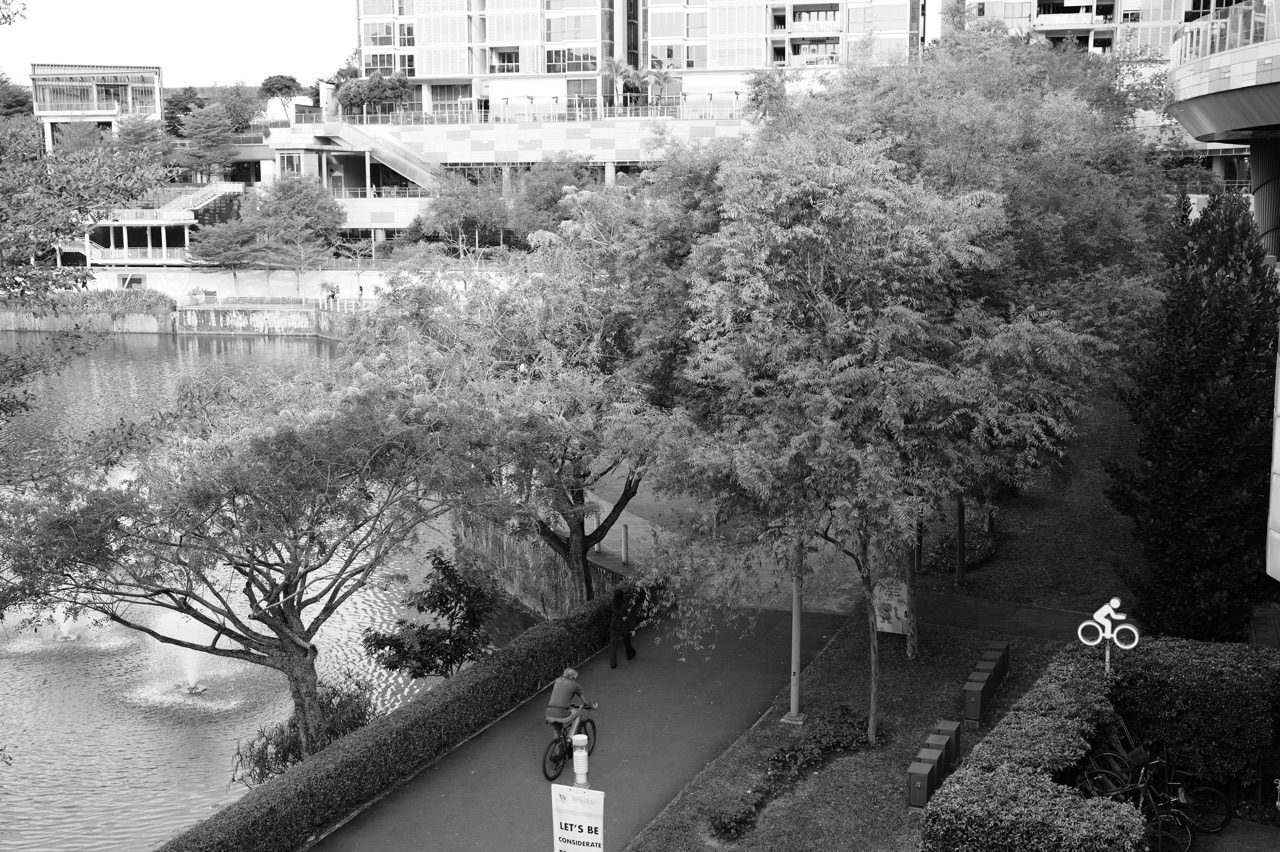
Where should you walk or cycle in Punggol? For a flexible everyday outing, start at Punggol Waterway Park and select a short section of its connected paths. For a longer, rustic nature experience, consider Coney Island Park and its entrances near Punggol Point and Lorong Halus. Punggol’s park connectors support active living, but they are not one uniform path and they do not all share the same opening hours or terrain.
The key differences are simple. Punggol Waterway Park is listed as open 24 hours; Coney Island Park is listed as open 7am to 7pm. NParks describes the Punggol Waterway Park Connector as an 8.4 km route, but that is not a compulsory cycling distance. Choose a route by fitness, shade, weather, path rules and the ability to return—not by an ambitious map screenshot.
- Easy first walk: choose a short part of the waterway with a comfortable return point.
- Jogging or cycling: use designated permitted paths and follow current LTA rules.
- Nature photography and birdwatching: look from designated park trails without disturbing animals.
- Coney Island: use the park’s official two entrances and respect the 7am–7pm entry window.
- For small children or accessibility needs: check the actual terrain, not just the park name.
- In rain, lightning, heat or poor visibility: adjust, postpone or move indoors.
- For route accuracy: rely on current NParks maps and ground signs; do not assume an old blog route is unchanged.
Which Punggol outdoor route matches your reason for going?
A park route works only when its character matches the day. A person wanting a gentle evening walk may prefer Punggol Waterway Park. A wildlife watcher seeking a quieter, more rugged environment might enjoy Coney Island during its published hours. A beginner on a bicycle should not begin with the longest route merely because it appears as a continuous line on a digital map. Routes connect, but the surfaces, crossings, other users and return options matter.
| Outdoor option | Best for | Important constraint |
|---|---|---|
| Punggol Waterway Park | Short walks, jogging, family exercise, photography | Individual amenities and weather still vary; NParks lists park itself as 24-hour |
| Punggol Waterway Park Connector | Longer jogging and permitted cycling | 8.4 km refers to full route, not a beginner’s target |
| Coney Island Park | Nature exploration, birdwatching, rustic cycling | 7am–7pm, some interior terrain rugged |
| Punggol Point / promenade corridor | Coastal views and an approach to Coney Island | Check current crossings and the particular park connector section |
| A short repeated neighbourhood walk | Older adults, first-time exercisers, recovery day | Start with sustainable duration; no need to reach a landmark |
Punggol Waterway Park: the everyday route worth knowing
NParks describes four themed zones—Nature Cove, Recreation Zone, Heritage Zone and Green Gallery—and a town-spanning park along Sentul Crescent. Its park page also identifies a therapeutic garden, sand play and dog run among its amenities. These details matter because an outing can have a clear purpose without needing to traverse the whole park. One person wants a quiet stroll; another wants to practise running; a parent wants a short play break.
For a first visit, choose the nearest accessible entrance, walk out for a manageable amount of time, and return by the same known route. This makes the route easy to abandon if the weather changes. On the second visit, use a different short segment. Familiarity develops gradually. Residents who learn one useful stretch and one alternative route often enjoy Punggol more than visitors who attempt every landmark in a single day.
It also helps to recognise that the waterway is working urban infrastructure as well as scenery. The paths connect housing areas, green spaces and neighbourhood conveniences. You may meet commuters, dog walkers, cyclists, children and slower pedestrians on the same outing. Good etiquette is not a courtesy added after choosing a route; it determines whether the path remains enjoyable for everyone.
If a path is busy, step aside before consulting your phone or map. Do not block a bend or bridge with a group photograph. Keep children away from the water’s edge, even when the surface appears calm. A pleasant waterfront does not guarantee shallow water or safe entry. The park is a space to observe and move through, not a swimming pool.
Understanding the 8.4 km Punggol Waterway Park Connector
The official NParks park-connector page states that the Punggol Waterway Park Connector is 8.4 km long, running around the waterway with opportunities for jogging, cycling and birdwatching. It is a description of the network, not a universal trip length. A beginner planning a 20- to 30-minute walk should select a much shorter reachable stretch and reverse direction when ready.
The connector can serve several different purposes. An adult might make it part of a regular fitness routine. A student could use a supervised walk to decompress after school. A visiting relative could choose a short view-and-rest section. The route can also link to other park areas, but connections do not erase the need to check current detours or wayfinding. Temporary works can change the practical journey.
A cyclist should use the signposted cycling or shared portions and treat pedestrians as people, not obstacles. Where the route narrows, slowing down or walking the bicycle is an intelligent choice. A parent guiding a child learning to ride should start in a suitable low-traffic area and avoid crowded bottlenecks until the child can brake and steer reliably.
The most useful measure of a park connector ride is not speed. It is whether you can travel with control, keep enough attention for other users, and reach home without an avoidable incident. That may mean cycling less distance than an experienced rider. The improvement is still real.
Choosing a start point: MRT, LRT, home or a planned meeting place
Punggol MRT can be a practical reference point for visitors approaching the town centre, while some sections of the park are closer to LRT stations or nearby housing blocks. The exact best start varies by the section you want and current works. Use the official NParks park map and up-to-date public transport navigation; never infer that the nearest-looking station creates a step-free route to the point you selected.
If walking with an older adult, pick the entrance closest to a convenient rest point or return service, not the entrance that makes the outing sound most impressive. For families bringing bicycles by car, check legitimate parking locations and fees rather than assuming spaces exist near a nature entrance. For public-transport visitors, take extra care with peak-hour bicycle carriage restrictions and operator requirements, which differ by the type of bicycle and service.
Write down where the group will meet after the activity. ‘The bridge’ is an ambiguous instruction in a waterway with several bridges. Prefer a precise recognised landmark, station exit or official wayfinding point. Children old enough to explore with some independence should know how to contact the adults and what to do if they miss the meeting time.
Cycling in Punggol: the rules that matter more than speed
The Land Transport Authority’s active mobility guidance distinguishes footpaths, pedestrian-only paths, cycling paths, shared paths and roads. A bicycle may be used on eligible footpaths and on cycling/shared paths, subject to applicable rules, but not on pedestrian-only paths. A rider should follow the pavement markings and signs on site rather than assume every paved route through a park has the same status.
LTA says riders should give way to pedestrians, reduce speed around others, keep left where appropriate, and walk their devices in crowded areas. On-road cyclists have further requirements, including using helmets and lights as specified by current rules. This article is not a substitute for the legal rules: consult LTA when choosing a device or planning a ride on public roads.
Parents should practise emergency stopping, looking behind before changing direction and communicating with other users. A child who can pedal quickly but cannot stop predictably is not ready to mix freely with commuters and busy families. An enjoyable first ride often happens on a short suitable section at a quiet time.
The speed limit is not a target. It is never safe to use the legal maximum as a reason to pass closely beside a slower person, a dog on a leash or a child who may move unexpectedly. If you cannot overtake with enough space, wait. You will lose seconds and preserve everyone’s day.
What changed for motorised mobility aids in 2026?
LTA’s 2026 update states that the new motorised personal mobility aid rules took effect from 1 June 2026, including a 6 km/h maximum speed on public paths for motorised PMAs and certification conditions for relevant mobility scooters, subject to published exemptions. These requirements are different from those for an ordinary bicycle. It is important not to lump bicycles, e-scooters and mobility scooters together as if they were the same legal device.
For a family planning a multi-generation outing, ask the person using a mobility aid what route and surface are suitable. Confirm the applicable rules and travel method beforehand. An accessible route is one that works from home to destination and back, not one that contains a short wheelchair symbol somewhere in its marketing. Ground conditions and temporary works need the same attention as formal labels.
Coney Island Park: a different experience from the town waterway
Coney Island is not just a long extension of the neighbourhood promenade. According to NParks’ current park page, the 81-hectare park supports forest and coastal habitats, birdwatching and rustic trails. It has two official entrances: West near Punggol Point Walk / Punggol Promenade, and East near Lorong Halus Wetland. The visitor window is 7am–7pm. There are no public car parks on the island.
The park is especially rewarding when visitors are willing to notice small things: changing ground cover, mangrove species, birdsong, an unusual tree shape or the meeting of different habitats. You do not need to approach wildlife to enjoy it. Looking quietly is better for both animals and visitors. Insects are part of the natural setting, and NParks recommends covered shoes and suitable clothing.
The East and West ends are described by NParks as stroller- and wheelchair-friendly, but parts of the park’s terrain are rugged. That is not a contradiction. A park may have some accessible segments and other sections that are unsuitable for a particular visitor. Check the route as a whole, including turning options and weather, rather than reading a single accessibility icon as an absolute promise.
NParks advises staying on designated trails, avoiding contact with wildlife, and not feeding animals. Fishing and camping are not permitted. Wild boars, stray dogs and other animals may be encountered. If a visit becomes uncomfortable, leave calmly by an appropriate route. The objective is to return with a better understanding of nature, not a trophy photograph taken at unnecessary risk.
How to time a Coney Island visit responsibly
Arrive early enough to complete the chosen route during the stated opening window. Leave a sensible buffer for navigation, rest and return, rather than planning to emerge at the closing time. A family starting late in the afternoon should consider a shorter promenade walk instead of entering a rustic park that closes at 7pm. Nightfall, bad weather and fatigue can make an ordinary nature route more challenging.
If you intend to explore from one entrance toward the other, verify the distance on the current NParks map and assess whether every participant is comfortable with the surface and duration. An end-to-end route can be a poor choice for a person who may need to turn around halfway. Returning by the same entrance is often simpler for beginners.
Do not treat an older, still-indexed PDF map as proof of current access. The modern NParks park page is a better first check for visitor guidance. Park areas can be improved or temporarily managed for habitat protection, and opening arrangements may change. Save the official page before travelling.
Punggol Point and the waterfront: useful as a shorter alternative
Punggol Point can work as a view-and-return outing instead of a gateway to a full Coney Island exploration. If the group wants sea air and a change from the town centre, choose a publicly accessible coastal section, enjoy a short stop, and return by the same way or a confirmed transport route. Do not assume that a coastal promenade has the same lighting, shelter or facilities as an indoor mall.
A short waterfront break can be a useful option for an older relative, a couple or someone recovering from a demanding workweek. The absence of a complicated objective is a benefit. Plan a comfortable point at which the group can sit or have a meal. If the wind, heat or rain becomes unpleasant, shorten the visit.
Birdwatching and nature observation without harming the place
A nature outing begins with a small habit: stop moving for a moment and notice what is already there. Look for birds along the waterway, identify different kinds of leaves, or compare shady and exposed portions of a trail. A notebook or photograph can help a student remember the observation, but the animal does not owe visitors a close view.
Keep your distance, do not lure animals with food and avoid flash photography where it disturbs wildlife. Never remove plants, branches, shells or organisms from managed park habitats without permission. A responsible family can make the experience interesting through questions: Why do some plants grow near water? Why are some birds active at particular times? What makes a public park useful to both residents and biodiversity?
Those questions connect leisure with learning without turning the weekend into a school assignment. The best nature observation often happens when a child is simply allowed to wonder. If the family visits repeatedly, a small set of observations can show how weather, vegetation and human activity change across months.
Heat, rain and lightning: the route can wait
Singapore’s outdoor conditions change quickly. Check weather alerts and the sky before setting off, and avoid exposed sections during lightning risk. Carry drinking water and plan rest stops. On particularly hot days, a short early or later walk may be more pleasant than an ambitious midday outing. A shaded path can still be humid; pacing matters.
If rain begins while cycling, do not race for shelter through pedestrians. Slow down, judge visibility and traction, and stop in a safe place if needed. Avoid riding through pooled water when surface hazards cannot be seen. During a thunderstorm, move to appropriate shelter rather than waiting beneath an isolated tree or beside exposed waterfront structures.
The family should agree before leaving that cancelling an outdoor activity is an acceptable decision. That agreement prevents pressure from sunk time or transport cost. Punggol has indoor alternatives—libraries and malls—when the weather makes open paths unsuitable. There will be another day to cycle.
Dogs, runners and people walking at different speeds
Shared paths belong to different users at once. Dog owners should keep animals under appropriate control, clean up after them and obey the park’s leash and designated dog-run rules. Runners should avoid darting past people without warning. Cyclists should anticipate that a dog lead can extend across a path without being obvious from a distance.
When passing a group, a gentle voice warning and a slow speed are more useful than a sudden bell at close range. Parents should teach children not to approach unknown dogs, touch wildlife or cross a bicycle path without checking. The success of an active living neighbourhood is measured partly by whether people with different needs can share it without fear.
For dog-specific options, see our Punggol pet-friendly walking and etiquette guide. This article instead focuses on choosing a safe walking or cycling route.
Three sample Punggol outdoor plans without invented journey times
A: First-timer’s waterway walk
Start at a known, reachable Punggol Waterway Park entrance. Walk a short signed section while noting your return point. Observe one garden or bridge area, stop for water and return before anyone is tired. An optional nearby food stop can follow. This plan is successful even if the group walks for only a modest period.
B: A beginner’s supervised cycling session
Choose a permitted, lower-traffic cycling or shared path near the waterway. Check tyres, brakes, fit, lights where required and the rider’s ability to stop. Practise starting, steering and giving way. Ride out only as far as the least experienced cyclist can comfortably return. Keep the first session short enough that confidence grows instead of fatigue.
C: A deliberate Coney Island nature outing
Read the official park map, select the appropriate East or West entrance, and plan a trail suitable for every participant. Travel during the 7am–7pm opening window with a buffer. Wear suitable shoes, bring water and follow the park’s wildlife rules. End the visit while the group still feels comfortable, rather than trying to cover every corner.
Common mistakes that turn a pleasant Punggol outing into a difficult one
- Treating the entire 8.4 km connector as a minimum fitness requirement.
- Assuming a park open 24 hours means Coney Island and every facility are also open at night.
- Following an old route without checking present-day closures or path markings.
- Choosing a route based only on a distance number instead of weather, terrain and return options.
- Letting a beginner cyclist ride close to pedestrians before learning controlled stopping.
- Confusing cycling paths, shared paths and pedestrian-only paths.
- Ignoring how an older relative or young child will return when tired.
- Approaching or feeding wild animals for a photograph.
- Relying on the legal maximum speed rather than slowing to the safe speed for the situation.
- Going ahead during a thunderstorm because travel time has already been spent.
Frequently asked questions about Punggol cycling and walks
Is Punggol Waterway Park open all night?
NParks lists Punggol Waterway Park as 24-hour. Specific facilities, businesses and connected parks follow their own operating arrangements.
What time does Coney Island Park open and close?
NParks currently lists 7am–7pm. Check its current park page for advisories or changes.
How long is Punggol Waterway Park Connector?
NParks lists 8.4 km for the park connector route. Most beginners should choose a comfortable part rather than attempt the whole distance.
Can I cycle inside Coney Island?
NParks includes cycling among the park’s activities, subject to permitted routes and park safety conditions. Always follow signs and stay on designated trails.
Can I bring a stroller to Coney Island?
NParks identifies stroller-friendly sections at both ends but notes rugged interior terrain. Check whether the specific section suits your family.
Where can I park for Coney Island?
NParks says there is no car park on the island and identifies Punggol Settlement as the nearest car park. Verify present-day access and fees.
Can we fish in Punggol Waterway Park?
NParks says fishing is not permitted within Punggol Waterway Park.
Are bicycles allowed on pedestrian-only paths?
No. Follow LTA’s present-day path classifications and signage. Bicycles can use permitted cycling and shared paths, and eligible footpaths subject to rules.
What should I do when a shared cycling path is crowded?
Slow down, give way and walk the bicycle if riding would interfere with pedestrians. Safety outranks speed.
Are Punggol park routes good for seniors?
Many short sections can be enjoyable, but route surface, shade, rest points, ramps, crossings and each person’s mobility need checking.
Should children cycle alongside fast adult riders?
The least experienced rider should determine the route and pace. Supervision and reliable stopping skills are essential.
What if a path becomes blocked?
Do not ride through an unsafe obstruction. Turn back or follow a lawful signed diversion. Report hazards through appropriate official channels.
Is the waterway park connector the same as Coney Island?
No. They are different areas with distinct terrain and operating rules. Linked park routes should not be described as one uniform facility.
Further reading and official route checks
- NParks: Punggol Waterway Park Connector, 8.4 km
- NParks: Punggol Waterway Park information
- NParks: Coney Island Park, visitor times and terrain
- LTA: Active mobility rules and code of conduct
- LTA: 2026 mobility-aid rule changes
- Lifestyle in Punggol: family weekend plans
- Punggol pet-friendly walking guide
- How to handle a shared bicycle app that will not end a trip
- What to do about a damaged cycling-path bollard
Public route and safety details reviewed in November 2026. Follow current NParks and LTA signs, advisory notices and closure information at the time of travel.


