
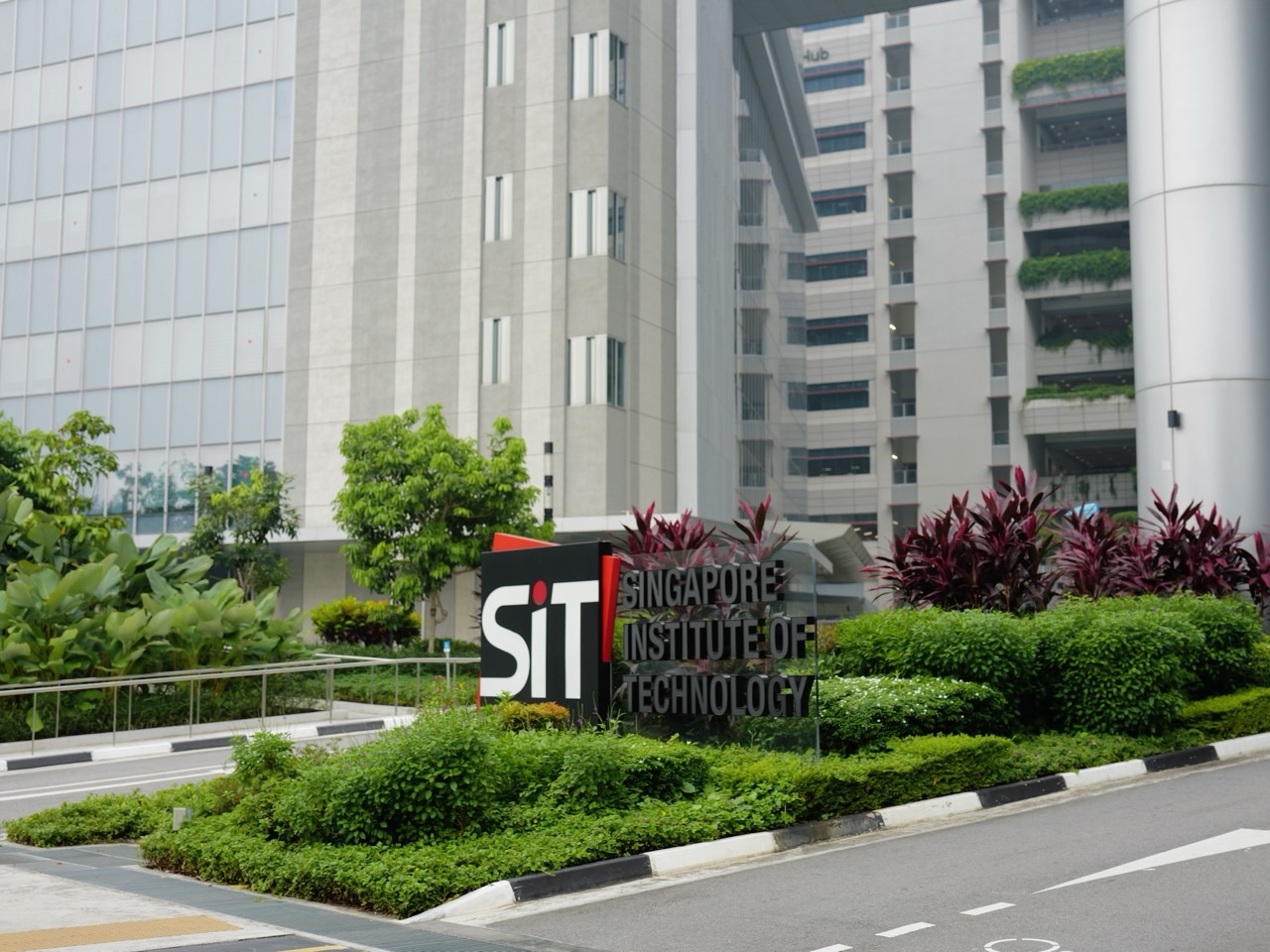

Singapore Education 2027: Allied health professions help people recover movement, communicate, participate in daily life and receive safe clinical investigations and treatment. In Singapore, students can research degree pathways in physiotherapy, occupational therapy, diagnostic radiography, radiation therapy and speech-language therapy, while also exploring other healthcare disciplines such as dietetics and nutrition. These are different occupations, and their qualifications and legal requirements must not be treated as interchangeable.
Quick answer: The Allied Health Professions Council (AHPC) regulates five professions: diagnostic radiographers, occupational therapists, physiotherapists, radiation therapists and speech-language therapists. AHPC requires practitioners in these professions to hold registration and a valid practising certificate. The Singapore Institute of Technology (SIT) lists relevant four-year undergraduate programmes, including these fields and Dietetics and Nutrition. Prospective students should first identify the occupation, check its recognised qualification, and then verify the specific 2027 course and entry requirements.
- Who this helps: secondary students, JC and polytechnic graduates, career-changing adults and families comparing healthcare qualifications.
- Profession first: decide whether the work concerns movement, everyday functioning, imaging, radiation treatment, communication or nutrition.
- University route: SIT publishes four-year degrees in several allied health disciplines, but places and admission prerequisites vary.
- Legal distinction: AHPC registration is required for five regulated professions; do not automatically apply those rules to every health-related role.
- Workplace learning: course demands may include supervised clinical placements, communication, science, safety, ethics and reflection.
- 2027 conversion option: the published Career Conversion Programme for Allied Health Professionals describes training towards physiotherapy, occupational therapy and diagnostic radiography for eligible adults.
- Do not assume: a course title, internship, short certificate or overseas qualification automatically grants the right to practise.
What does an allied health professional actually do?
A hospital has more than doctors and nurses. A person recovering from injury may need physiotherapy to improve movement, occupational therapy to regain independence in daily activities, diagnostic imaging to understand a medical condition, or speech-language therapy to rebuild communication or swallowing abilities. A patient receiving cancer treatment may work with radiation therapy professionals. A person with complex nutritional needs may receive dietary assessment from a qualified dietitian.
These roles are complementary but not the same. A physiotherapist does not become a diagnostic radiographer because both professions use anatomy. A speech-language therapist’s training cannot be replaced by a generic communications diploma. The student should understand the specific professional problem, daily work, legal scope and qualification before choosing a university title.
Physiotherapy: movement, rehabilitation and evidence
Physiotherapy studies human movement, health conditions, physical functioning and rehabilitation. The work can involve assessing mobility, developing an appropriate plan, guiding safe exercises and reviewing progress, within professional scope. The learner needs biology and anatomy, but also analytical thinking, careful communication and the judgement to know when a problem requires referral or additional assessment.
A teenager may see physiotherapy as ‘helping someone exercise’. Real practice is more complicated: patients may have pain, limited strength, multiple medical conditions or different goals. University training develops ways to evaluate relevant information and choose interventions under supervision. It also requires understanding consent, safety and accurate clinical records.
SIT lists a four-year Physiotherapy degree in its current Health and Social Sciences directory. Candidates must check the actual 2027 intake requirements, any interview or assessment, and the programme’s recognition with AHPC. An applicant should not assume that high marks in sports or PE alone substitute for academic prerequisites.
Occupational therapy: learning to participate in daily life
Occupational therapists work on meaningful activities: preparing a meal, dressing, studying, participating in school or working safely after illness or disability. The term occupation does not mean that every client is looking for a job. It refers to the things people need or want to do in everyday life.
Occupational therapy may involve adapting an environment, selecting aids, helping someone learn a task or supporting participation after a change in health. An applicant interested in human behaviour, function, practical problem-solving and working with different age groups may want to explore it. SIT lists a four-year Occupational Therapy degree, and AHPC is the relevant regulator for professional registration.
Diagnostic radiography versus radiation therapy
Diagnostic radiography uses imaging technologies to help clinicians investigate disease or injury. The work requires technical accuracy, patient positioning, knowledge of equipment, radiation protection and careful coordination with healthcare teams. Students need to understand physics and anatomy together.
Radiation therapy is different: it concerns using planned radiation treatments in appropriate clinical care, commonly oncology. It requires precise planning and delivery, communication with patients and strict safety procedures. Do not choose either course solely because the word radiation appears in its title. The day-to-day objectives and professional responsibilities differ.
SIT lists four-year programmes for Diagnostic Radiography and Radiation Therapy. AHPC regulates both professions. A graduate must still apply for the appropriate registration and practising certificate; completing a degree and becoming legally authorised to practise are distinct stages.
Speech-language therapy: communication, language and swallowing
Speech-language therapists support people with communication and swallowing difficulties, using professionally assessed needs and intervention plans. Their clients can include children and adults. The work may involve language development, speech sounds, communication after neurological injury or swallowing difficulties. The specific assessment and intervention are professional matters requiring accredited training.
A student who enjoys language and psychology may find the field interesting, but liking literature or teaching vocabulary is not enough. Speech-language therapy calls for science, ethics, supervised clinical experience and the ability to communicate clearly with clients and families. SIT offers a four-year Speech and Language Therapy degree in its current course list.
Where Dietetics and Nutrition fits
Dietetics and nutrition courses concern food, health and nutritional assessment. SIT lists a four-year Dietetics and Nutrition degree. Graduates can explore clinical or other appropriate nutrition-related roles depending on their qualification and the employer’s professional requirements.
However, dietetics should not be incorrectly listed as one of the five professions regulated by AHPC. AHPC’s published register covers diagnostic radiography, occupational therapy, physiotherapy, radiation therapy and speech-language therapy. Readers must check the professional standards and hiring requirements applying to their intended dietetics role separately.
How to distinguish a regulated degree from a healthcare support course
A hospital may employ therapy assistants, care coordinators, medical technologists and other support staff whose education and professional responsibilities differ from those of registered allied health professionals. These can be meaningful careers. But a support-course certificate is not automatically an AHPC-recognised primary professional qualification.
For a student planning to be a registered physiotherapist or radiographer, the correct first step is the AHPC recognised qualifications list. This list identifies the exact awarding institution and qualification title. AHPC warns that discrepancies in programme titles can delay registration and that foreign qualifications not on the list may require further assessment or qualifying examinations. Recognition should be verified before paying for an unfamiliar overseas degree.
Why the exact qualification matters more than a university ranking
A university may be well regarded without every health programme being recognised for every regulated profession. Professional registration depends on whether the required qualification is recognised, whether the individual meets personal requirements and whether the applicant successfully completes the required regulatory process.
That is different from an ordinary entry-level office job where a variety of degrees may be acceptable. For regulated health professions, the qualification itself can determine whether the graduate can lawfully practise. Prospective students should research the regulator before comparing campus life or advertised graduate salaries.
What students should prepare in Secondary 3 and 4
- Mathematics: become comfortable with units, ratios, graphs, statistics and interpreting numerical evidence. Different programmes use different subject prerequisites.
- Science: develop understanding of the human body, physical measurements and scientific reasoning as appropriate to the intended discipline.
- English: learn to read technical instructions accurately, make an evidence-based explanation and communicate with people in clear language.
- Ethics: practise distinguishing an observation from an inference. Protect privacy when completing school projects.
- Experience: where suitable, learn about health-related careers through official talks, approved volunteering or job-shadowing opportunities without representing yourself as a clinician.
- Qualifications: check the real admission conditions of target diplomas or university degrees, not a broad claim that ‘healthcare requires Biology’.
JC and polytechnic students: compare admissions paths
A JC student considering allied health should check the relevant university’s A-Level subject prerequisites for the exact programme. A student with a polytechnic diploma should check which diplomas are accepted, whether additional subject preparation or assessments are required, and whether previous work experience is considered. A minimum eligibility threshold is not a guaranteed place.
An allied health course’s selection process may also examine communication, motivation and an understanding of professional responsibilities. Someone who says ‘I like helping people’ should go further: which kind of patient needs do they understand, which tasks are involved, and what have they learned about professional boundaries? Accurate answers show more preparation than stock interview phrases.
Career conversion for adults in 2027
The published Career Conversion Programme for Allied Health Professionals (CCP-AHP) supports eligible mid-career applicants training towards physiotherapy, occupational therapy or diagnostic radiography. Its September 2026 programme information says the relevant SIT applications are expected to reopen in January 2027, with separate employer and application processes. The programme describes course-fee funding and a monthly training allowance for successful eligible participants under its specified sponsorship arrangements.
This is not an open cash grant to everyone who wants a career change. Candidates must meet programme and sponsorship conditions and should confirm course recognition, selection requirements, employer obligations and financial commitments. The published dates are a starting point; only the current 2027 application notice can confirm an open intake.
A mid-career learner should also calculate the practical cost of returning to full-time study. Clinical programmes may require intensive placements and structured study that cannot always be combined with a regular full-time job. Confirm funding in writing, compare household expenses and clarify any bond or service obligation before resigning.
What about an overseas allied health degree?
An overseas course may be appropriate for some students, but not every university or qualification is accepted for Singapore professional registration. AHPC’s recognised qualifications lists are profession-specific and can change. The regulator publishes additional conditions for foreign-trained applicants, including requirements about employment and supervised practice.
Applicants without a listed recognised qualification may need to undergo an AHPC qualifying-examination process where available. AHPC’s published schedule includes specific examinations in 2027 for some professions, but these are regulatory qualification assessments for applicants, not university admissions tests. Do not confuse the two.
How to compare the costs and the daily workload
Compare the programme’s published tuition after applicable support, materials, clinical attire, possible placement transport, meals and any living arrangements. Check bursaries and scholarships on the institution’s financial-aid pages. A professional clinical degree can require full attendance for skills laboratories and practical training, so the student should not budget on the assumption that every afternoon will be free for paid work.
Practical exposure also carries emotional and ethical demands. The learner may encounter serious illness, disability and families under stress. Training should equip students with appropriate communication and professional support. A career decision should consider whether the student understands these responsibilities, not just whether healthcare is perceived as a stable industry.
A seven-step 2027 decision plan
- Choose one or two professional roles to investigate in depth; ask what problems each professional solves.
- Check whether the intended role is among the professions registered by AHPC.
- Find the exact recognised qualification and provider in AHPC’s list, or the appropriate alternative professional standard for a non-AHPC role.
- Check the 2027 institution programme and minimum entry requirements for the applicant’s A-Level, diploma or other qualification.
- Review placement, practical assessment, interview, health and professional responsibilities.
- Calculate net fees and the feasibility of living and travel arrangements; check course funding rather than assuming it.
- Identify a credible second choice—such as a different allied health field, nursing or appropriate support role—if the first route is not available.
What not to do
- Do not treat physiotherapy, occupational therapy, radiography, radiation therapy and speech-language therapy as the same occupation.
- Do not say that any course using the term ‘health sciences’ automatically leads to AHPC registration.
- Do not assume that dietetics is one of the five AHPC-regulated professions.
- Do not assume the graduating student can practise before obtaining required registration and a valid practising certificate.
- Do not use unauthorised real patient data in an admissions portfolio.
- Do not promise a career-conversion allowance or sponsoring employer before the relevant scheme confirms eligibility.
- Do not assume that a foreign diploma or degree meets Singapore regulation without checking the exact AHPC list.
Frequently asked questions
Does SIT offer allied health degree options in Singapore?
Yes. SIT’s current course directory lists Diagnostic Radiography, Occupational Therapy, Physiotherapy, Radiation Therapy, Speech and Language Therapy and Dietetics and Nutrition, among other health programmes. Candidates should verify 2027 admission conditions for the particular degree.
Is a university degree enough to work as a physiotherapist immediately?
No. Physiotherapy is regulated by AHPC. The graduate must meet registration requirements and obtain a valid practising certificate before practising in Singapore.
Is a therapy assistant the same as an occupational therapist?
No. They have different qualifications, responsibilities and professional scopes. A support-role qualification should not be described as an accredited professional therapy degree.
Is there a mid-career conversion programme for allied health in 2027?
The published CCP-AHP guidance refers to a 2027 application cycle for eligible physiotherapy, occupational therapy and diagnostic radiography trainees. The actual current programme and individual eligibility must be confirmed directly.
Official sources and further Singapore Education 2027 guides
- AHPC — List of recognised qualifications, updated September 2026
- AHPC — Locally trained health professional registration requirements
- AHPC — Registers and practising-certificate requirements
- SIT — Health and Social Sciences programmes
- Career Conversion Programme — Allied Health Professionals
- AHPC — Qualifying examinations for non-recognised qualifications
- eduKate Punggol — Nursing courses from ITE to SIT
- eduKate Punggol — Polytechnic diploma choices
- eduKate Punggol — University and career pathways
Information reviewed 5 November 2026. Programme examples, registration requirements and 2027 conversion guidance are subject to official changes. Individual eligibility and course availability must be checked with AHPC, SIT and the relevant sponsoring organisation.


