

Singapore Education 2027: University and career education are no longer a single decision made after secondary school. Students considering degrees, diploma holders seeking progression, working adults changing industries and parents returning to study need different information. This guide sets out Singapore’s university routes, practical approaches to choosing courses, and where to verify SkillsFuture and career-training options in 2027.
The central mistake is to start with the name of a degree or a fashionable occupation and only later ask what the work requires. A better sequence is to understand the kind of problems a person wants to solve, identify the capabilities involved, compare recognised qualifications, assess time and fees, and then investigate employment or professional requirements.
Quick answer: Singapore has six autonomous universities with different programme strengths, plus specialist arts pathways and work-study options. Adult learners can use official SkillsFuture and Workforce Singapore resources to check training and career conversion support. Every applicant should verify the exact 2027 intake, programme accreditation, prerequisites, costs and funding before paying or resigning from a job.
Singapore’s six autonomous universities: start with course fit
The six autonomous universities are the National University of Singapore (NUS), Nanyang Technological University (NTU), Singapore Management University (SMU), Singapore University of Technology and Design (SUTD), Singapore Institute of Technology (SIT) and Singapore University of Social Sciences (SUSS). They differ in pedagogy, degree offerings, industry partnerships and programme structures. A university’s reputation cannot tell a student whether a specific course suits their interests or preparation.
Universities and programme directories feature a broad spread of disciplines: engineering, computing, business, humanities, social sciences, health-related fields, design, communications and interdisciplinary programmes. The course menu, subject prerequisites and admission rules may change between intakes. A student should open the exact faculty and programme page for the intended 2027 entry year rather than assume that a programme mentioned in an old article is still offered unchanged.
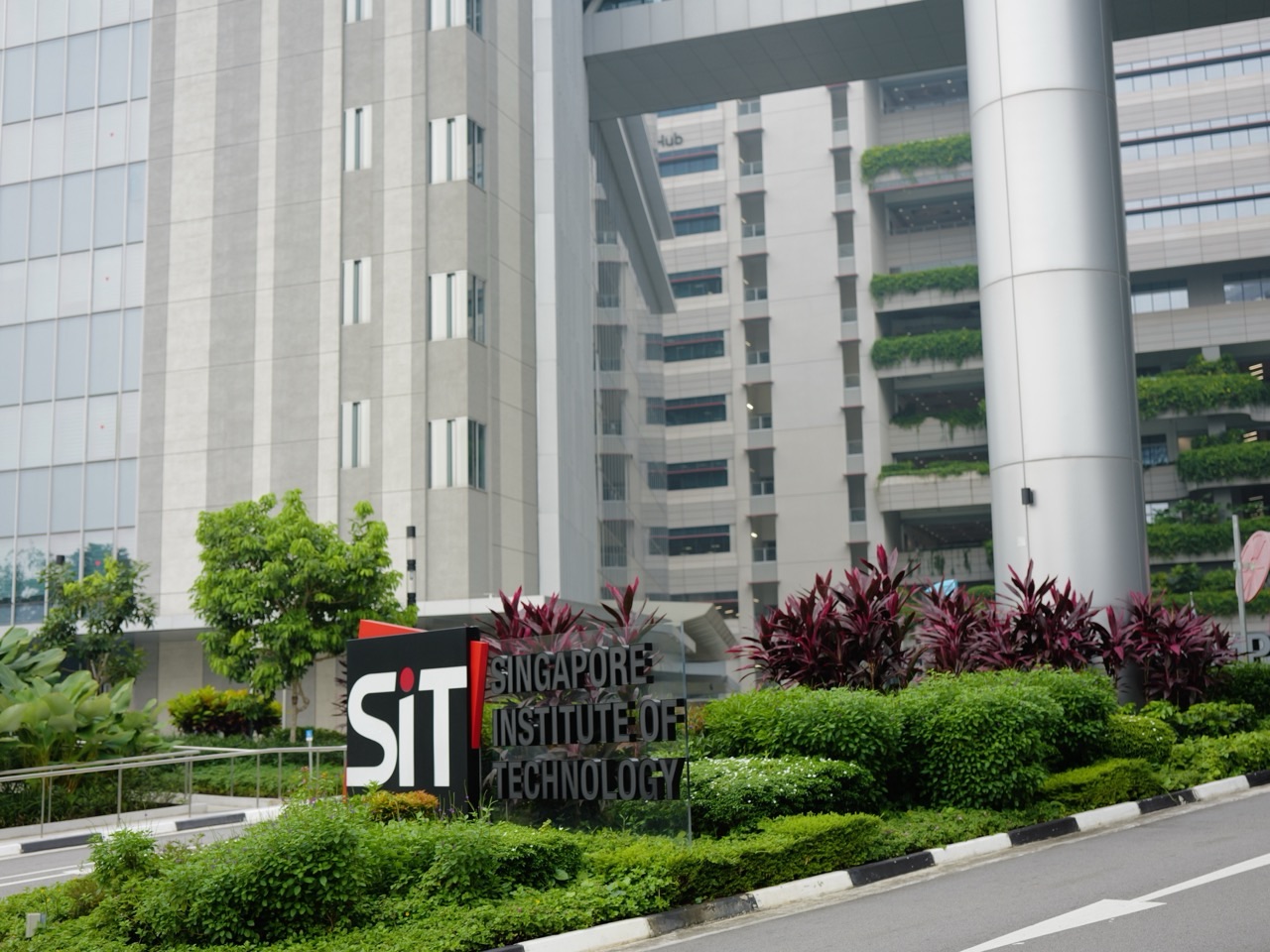
For readers in the North-East, SIT’s Punggol campus gives a visible example of Singapore’s applied university pathway. Campus proximity may make commuting easier for some students, but location is not a substitute for programme fit, practical placement requirements or graduate outcomes.
What A-Level, polytechnic and ITE learners should understand
Students can approach degrees from different qualifying routes, with different prerequisites. A-Level students may need specific H2 subjects for certain programmes; a polytechnic diploma holder may need a relevant diploma, adequate GPA, additional assessments or an interview. ITE graduates may progress through eligible diploma routes before applying to a degree, depending on their qualifications. Not all programmes accept every prior qualification, and a stated minimum does not guarantee an offer.
Before choosing a pre-university subject combination or diploma, work backwards from possible future degree requirements. A teenager need not decide an occupation for life, but should know which choices preserve options and which close particular subject-based routes. For regulated professions, check the relevant professional authority’s recognition requirements rather than relying on a university or course brochure alone.
Arts qualifications and specialist study
Singapore also has the University of the Arts Singapore and its constituent arts institutions, LASALLE College of the Arts and Nanyang Academy of Fine Arts. Students drawn to visual arts, design, music, performance or creative production should examine portfolio expectations, auditions, practical studio work and the precise qualification awarded. An impressive portfolio with a clear process often tells an admissions panel more than a list of unrelated extracurricular activities.
Work-study degrees: learning and workplace practice together
SkillsFuture’s Work-Study Degree pathway integrates academic learning with structured on-the-job training in programmes co-designed or supported by institutions and employers. It may interest suitable JC, polytechnic or adult applicants who want to connect theory with workplace tasks. Arrangements differ by programme: do not assume every degree guarantees a sponsoring company, job offer, allowance or tuition sponsorship.
An applicant should compare the weekly time split, employer selection, assessment at work, compensation terms and consequences if a placement changes. A course that offers industry exposure may be valuable, but the quality of the placement and the student’s willingness to learn remain important.
How to choose a degree without relying on rankings alone
- Read the curriculum: list the first-year foundation modules, compulsory advanced modules and final-year project or capstone requirements.
- Check entry requirements: note required subjects, qualifying diplomas, portfolio or interview expectations and any language conditions.
- Examine professional outcomes: identify whether the course leads to an accredited professional qualification or simply provides general preparation.
- Inspect the real costs: include tuition after subsidies, materials, living and travel expenses, and potential loss of earnings.
- Look for evidence: ask about teaching, internship quality, graduate-employment data and opportunities for further study, while recognising that published outcomes are historical.
- Compare alternatives: consider another degree, relevant diploma, technical qualification or a shorter accredited skills course if it solves the actual problem more efficiently.
Financial support: calculate affordability before accepting
Applicants should consult current university financial-aid pages, government tuition grant and bursary eligibility, scholarships and official higher-education student-loan information. Citizenship and income circumstances affect availability, and some aid carries obligations. An advertised total programme fee may not represent the amount payable by every applicant.
Calculate the full cost of attendance, not merely the first tuition bill. For full-time study, consider commuting, accommodation if relevant, meals, mandatory equipment, software, fieldwork and whether paid work is realistic alongside the course. For part-time adult study, account for reduced rest, childcare or family commitments and any days of unpaid leave.
Career courses in 2027: what choices actually exist?
Singapore’s continuing-education landscape includes institute-led part-time diplomas and certificates, SkillsFuture-supported training, Work-Study programmes, ITE short courses and Workforce Singapore career-conversion programmes. Course topics span areas such as data analytics, AI applications, cyber security, cloud services, logistics, advanced manufacturing, green skills, health and community care, finance operations, customer service and digital marketing. This is a map of possible training fields, not a promise that any named course has an open 2027 class.
The value of a course comes from the capability it builds. For example, someone transitioning into data work may need spreadsheet fluency, basic statistics, data cleaning, visualisation and knowledge of how the relevant business operates before advanced machine learning is useful. A worker considering a care career should understand patient or client interaction, safety, communication and the applicable employment or professional requirements, not only the course title.

How SkillsFuture support works in practice
SkillsFuture Singapore provides official resources to search for eligible courses and training initiatives. Certain Singapore Citizens aged 40 and above may qualify for additional mid-career support, including the SkillsFuture Credit (Mid-Career) top-up for eligible programmes, while other credit tiers and subsidies have their own criteria. The amount available to a person depends on age, previous use, the course and rules in force when the claim is made.
Do not assume a training provider may deduct any SkillsFuture balance from any invoice. Confirm that the precise course is eligible, the approved start date, the funding conditions and the final payable amount in the official system. Training allowances, where applicable, follow separate conditions. Check directly rather than relying on an outdated online table.
Workforce Singapore’s career guidance and conversion resources can complement course search. A person seeking a new role should check whether the route includes employer placement, paid workplace learning or only classroom training. A short course can improve an existing career, but it may not by itself meet the hiring requirements of a different profession.
A decision checklist before enrolling in adult training
- Identify the target job task or capability. Write down the evidence you currently have and what you still cannot do.
- Check whether the qualification is recognised where it matters: by employers, a professional regulator or the next education institution.
- Inspect the syllabus, assessment methods, practical hours, training provider credentials and instructor experience.
- Verify the exact 2027 intake date, entry conditions, refund policy and net fees after any applicable funding.
- Ask what portfolio, work sample, examination or demonstration of competence you will produce by the end.
- Compare the programme against lower-cost alternatives, employer-supported training and supervised experience.
- Keep enough financial and household flexibility to complete the programme.
Three realistic learning plans
A polytechnic diploma graduate exploring a degree
Begin with degree prerequisites and programme structure, not a broad university ranking. Compare applications to relevant universities and work-study options. Prepare evidence from diploma projects or internships, and check whether extra subject preparation is needed. Keep employment or further diploma options open while waiting for admissions outcomes.
A working adult learning digital operations
First identify an existing workflow that is slow or error-prone. A focused course in data handling, spreadsheets, automation or cybersecurity awareness may make more immediate sense than committing to a full new degree. Build one useful project, measure the result and seek feedback at work. If the career goal later requires more formal qualifications, use that evidence to choose the next step.
A mid-career worker considering a change of industry
Talk to employers or career advisers about actual hiring requirements before spending money. Review SkillsFuture-supported programmes and Workforce Singapore career-conversion options, then compare the cost of study with expected wages, job availability and the time needed to become competent. A transition plan should contain a financial buffer and an alternative path.
What not to do in 2027
- Do not enrol in a degree or short course because its advertisement promises an ‘AI-proof’ job; no course can guarantee this.
- Do not equate a completion certificate with a professional licence or university admission eligibility.
- Do not claim SkillsFuture or career conversion support until the personal and programme criteria are checked.
- Do not trust anonymous recruiters who pressure applicants to pay through unofficial channels.
- Do not treat a temporary career trend as a substitute for literacy, numeracy, communication, judgement and domain knowledge.
- Do not give up a current job before understanding the course timetable, income effects and realistic employment route.
Frequently asked questions
Does every career require a university degree?
No. Many careers have technical, vocational, diploma, work-study or experience-based routes. Some professions require specific accredited degrees or registration. Research the occupation and its actual requirements before deciding.
Will SkillsFuture pay for any course I choose?
No. Eligibility is tied to the individual, funding tier and approved course. Verify course recognition and claim rules through the official SkillsFuture channels.
Should a student select a degree only from job forecasts?
Forecasts provide context, not certainty. Choose a course with serious foundational training, evidence of quality and a subject the student can sustain. Skills, adaptability and continued learning often matter across several occupations.
Official links to verify university and career courses
- MOE: Post-secondary education and pathways
- NUS, NTU, SMU, SUTD, SIT and SUSS official university websites
- SkillsFuture: Work-Study Degree
- SkillsFuture: Training and support for individuals
- Workforce Singapore: Career guidance and career conversion
- MOE: Higher Education Student Loan information
- ITE: Part-time, short-course and work-study intake information
Information checked on 4 November 2026. Individual university and career-course offerings, 2027 enrolment dates, professional recognition and eligibility for funding should always be reconfirmed with the institution or government portal before applying.


