
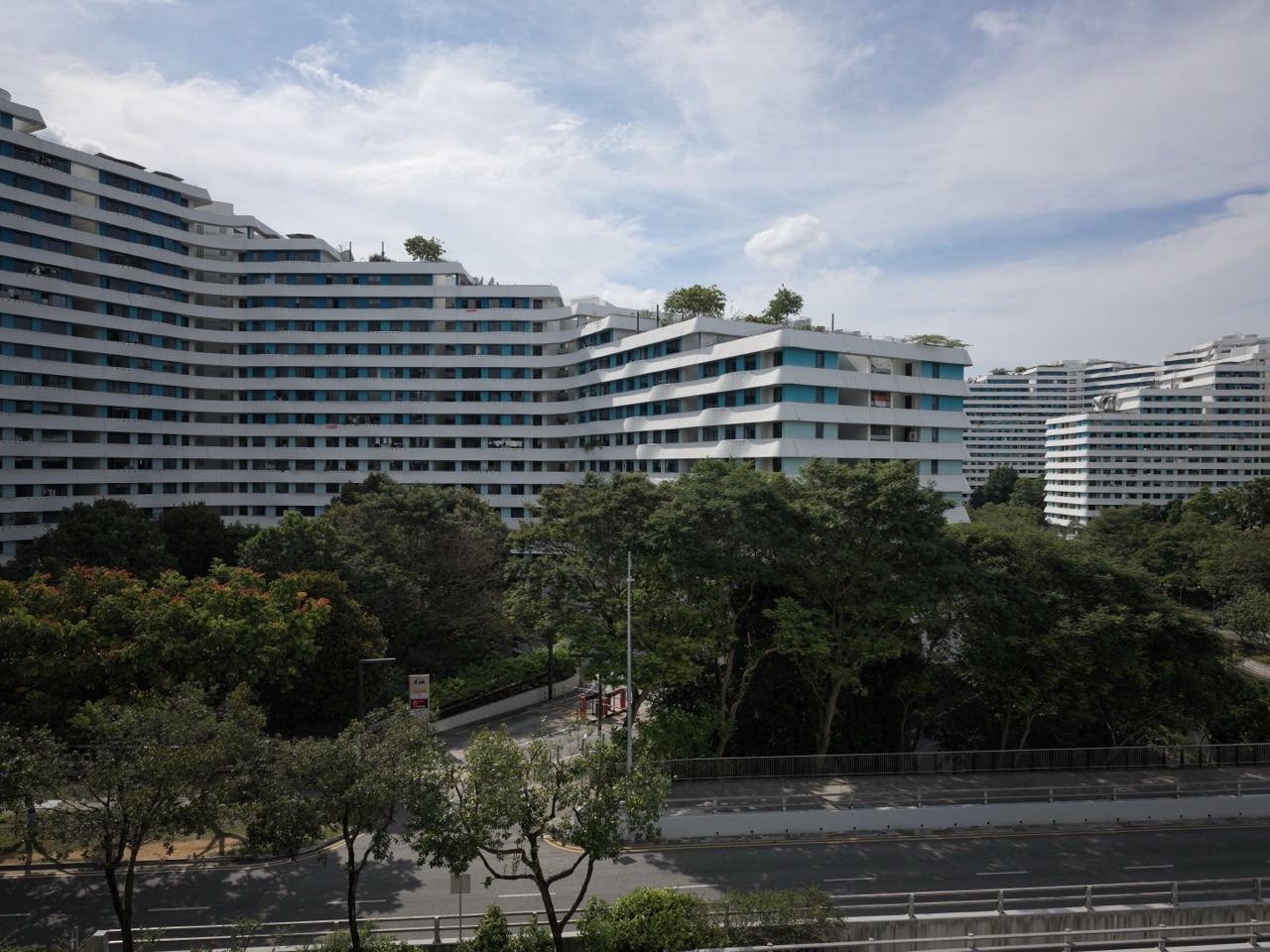
A loud bang when someone turns off a tap in a Punggol flat may be a water-pressure shock known as water hammer. It can sound like a knock inside the kitchen wall, a sharp thud after a washing machine finishes filling, or a short series of rattles. Sometimes the cause is a quick change in water flow; other causes include a loose pipe, a valve or an issue in the building’s water-distribution system. You cannot identify the cause solely by listening to a recording.
Punggol HDB residents should pay attention when a new pipe noise repeats, grows louder, or is accompanied by a leak, vibration or loss of pressure. The safe starting point is to note when the sound occurs, which fitting was used, and whether it affects one flat or a group of neighbours. Do not open shared pipe shafts, adjust pressure devices, disassemble valves or engage an unlicensed person for regulated plumbing works. HDB’s official home-care guide explicitly lists vibrating sounds among water-pipe symptoms that may need attention.
This guide explains the physics in everyday language, shows how to make a useful observation record, separates internal flat plumbing from shared building equipment, and points to the correct Singapore reporting channels. It is not a do-it-yourself method for changing water pressure. The aim is to help residents resolve a noisy-pipe complaint with accurate information and a qualified inspection when required.
The seven things to know first
- Water hammer describes a pressure disturbance caused when flowing water stops or changes direction suddenly.
- A bang after a fast-closing tap or washing-machine valve is a clue, not a final diagnosis.
- Loose or insufficiently supported pipework, valve problems and air in pipes can also produce knocks and rattles.
- Observe the timing and location without dismantling any pipe fittings or entering restricted service areas.
- A visible leak, persistent severe vibration or other safety concern needs prompt action from the responsible plumber or building operator.
- PUB requires regulated drinking-water and sanitary plumbing works to be carried out by a Licensed Plumber, except simple works covered by its guidance.
- Problems involving a common HDB booster pump or shared riser should be reported to the appropriate Town Council or estate manager rather than altered by an individual resident.
1. What does water hammer mean?
Water in a pipe has motion and energy. When a tap or appliance valve closes very quickly, that moving flow cannot simply disappear without a change in pressure. A transient pressure wave may travel through the piping and produce a sudden bang, vibration or repeated knocking. This phenomenon is known as water hammer, and it can happen in many kinds of buildings, not only in high-rise flats.
The technical explanation is simpler than it sounds. Imagine people walking down a corridor and stopping abruptly at a door: a sudden halt changes how forces are transferred. Water is not a line of people, but that comparison helps explain why an abrupt flow change differs from a gradual one. The actual pressure response depends on pipes, valves, flow rate, water supply arrangement and the system’s design.
The UK WaterSafe-approved-plumber register describes sudden pressure changes, loose supports and faulty valve components among the causes of banging pipes. Singapore’s HDB home-care guide for pipes also identifies vibration, air locking and booster-pump problems as things residents might encounter.
2. Why the noise sometimes occurs after turning OFF the tap
A quick-closing valve can stop a moving column of water sharply. Washing machines and some sanitary fittings may use valves that close automatically. If a bang follows the exact moment of shut-off, tell the plumber about that sequence. This timing is a helpful clue because it distinguishes a possible flow-change event from a constant mechanical hum.
Do not repeatedly slam taps shut to reproduce the sound for a video. Gentle ordinary use is enough to notice whether a pattern exists. Even if the noise stops when a tap is turned more slowly, that observation does not establish whether the plumbing is adequately supported or whether another defect needs correction.
A sudden hammering noise may also originate elsewhere in the block. Water distribution systems connect multiple users; a neighbour’s valve operation or shared pump event may coincide with sounds heard in your wall. This is why location and timing matter more than an unverified claim that one household caused the problem.
3. The other causes of banging pipes
Loose or poorly supported pipes
Pipework that moves can strike an adjacent surface and make a knock audible through a wall or cupboard. A resident may sometimes see a pipe vibrating beneath a sink without touching it, but hidden supports and common risers should be checked by an appropriate professional. Do not install makeshift clamps on a shared pipe.
A valve or fitting that is worn or faulty
Some valve components can chatter or vibrate, particularly during changes in flow. The way a washing machine fills or a toilet cistern refills may be useful information to provide to a technician. The specific fault cannot be inferred from a noise alone.
Air or interrupted supply
HDB notes that air locked in pipes can be associated with problems and provides basic homeowner guidance. This is not a reason to dismantle fittings or drain an entire building system. If the problem appears after planned maintenance or comes with poor pressure, tell the responsible operator.
Building pump and pressure arrangements
High-rise developments require engineered systems that provide suitable water pressure at their fittings. In May 2026, the Ministry of Sustainability and the Environment explained that water-pressure conditions vary with building heights, pipe layouts and usage patterns and that owners rely on appropriate water-system designs. That background helps explain why an upper-floor complaint and a ground-floor complaint can require different checks.
4. What you can record without touching equipment
- Write the date and time of the first unusual bang.
- Note the exact action just before the sound: kitchen tap closed, washing machine stopped filling, toilet cistern refilled, or no tap used in your flat.
- Describe the sound: one thud, several knocks, sustained vibration, high-pitched squeal, or a continuous pump-like hum.
- Record which room seems closest to the sound and whether there are obvious visible leaks or damp areas.
- Note whether water flow and pressure are normal, weak or intermittent.
- If convenient and safe, ask one nearby neighbour whether a similar issue occurs; do not start a building-wide alarm without evidence.
- Report with this record to the responsible person or a Licensed Plumber, and retain the case or job reference.
An ordinary smartphone recording can demonstrate the sound and time, but a phone microphone is not calibrated for diagnosing water pressure. A sample in a quiet room may sound alarming when played loudly, while a relevant low-frequency vibration might be poorly captured. Describe the physical observations rather than relying only on audio.
5. A single tap versus every tap in the flat
Suppose a kitchen mixer produces a knock after being turned off but the bathroom fittings are quiet. That pattern is worth reporting as a localised symptom. It might involve the fitting, branch pipe or a condition triggered by that particular flow. A plumber can assess the right location.
If the noise seems to happen throughout the flat, including when nobody operates a tap, the investigation may need to extend to common building services or neighbouring usage. A professional can distinguish a fault in a private pipe from a shared water-supply arrangement. Never remove panelling or open a common riser cabinet to locate the sound.
If many neighbours also experience reduced pressure or vibrations at the same time, the building operator may need to investigate common infrastructure. HDB specifically advises residents to inform the Town Council when low pressure is due to a booster-pump malfunction.
6. What if water begins leaking?
A visible leak changes the situation from a noise complaint to a water-damage concern. Protect people and electrical equipment from exposure where safe, and contact the responsible operator or licensed plumber promptly. HDB’s pipe-care guidance explains that a stopcock at the PUB water sub-meter may be used to cut off supply in a leakage situation, but residents should follow current building instructions and not operate unknown shared valves.
Do not open electrical covers, stand in water near electrical outlets or attempt to tighten pressurised pipe joints. If the leak affects common property or other homes, report that impact. For a serious public-network burst or major water interruption, PUB’s official contacts provide an urgent reporting route.
7. Why a plumber’s licence matters
PUB distinguishes between drinking-water service plumbing and sanitary plumbing. Regulated work on pipes, tanks and fittings that convey PUB’s water must be handled by a Licensed Plumber. Certain simple plumbing works may be carried out by others under the relevant guidance. Ask which category the proposed repair falls under before anyone changes a pressure valve, shared pipe or permanent fitting.
PUB’s Plumbing Works page provides the rules and links to its licensed-plumber listing. The agency advises discussing the scope and costs before engaging a professional, requesting itemised quotations and comparing alternatives where appropriate. A plumber should explain the observed cause and proposed correction, not sell a generic ‘hammer eliminator’ without inspecting the system.
8. Do water-hammer devices always solve the problem?
No. Pressure-control devices and shock-absorbing components are engineering options for some systems, but the correct solution depends on the cause. For instance, a loose pipe and a badly adjusted valve are not the same problem. A product that reduces one symptom may leave another fault unresolved.
An appropriately qualified plumber may assess water pressure, valve characteristics, pipe support and relevant equipment. Homeowners should not select a device solely because it is described as a ‘water hammer arrestor’ on a shopping page. Compatibility, safe installation and compliance with the building’s plumbing requirements matter.
The first question for a technician is, ‘What evidence shows this is the cause?’ The second is, ‘Will the work affect only my flat, or any common water installation?’ Those two questions reduce unnecessary expense and help protect neighbours.
9. The difference between water hammer and drainage sounds
A thud from the clean water-supply pipe is different from gurgling in a sink waste pipe. Sanitary pipes carry used water away from a sink, shower or toilet. A drainage gurgle or floor-trap smell may have a different cause and should not be called water hammer without evidence.
The layout of a high-rise building can make the location of a sound deceptive. A noise heard behind a bathroom wall may travel along a pipe or structural surface. Tell the professional whether the sound accompanies an incoming-water action or a wastewater discharge, but avoid guessing which hidden pipe it came from.
10. Case study: a Punggol washing machine makes a loud thud
A family reports that every time the washing machine stops filling, a sharp knock is heard near the kitchen. Instead of pulling the appliance away while it is operating or loosening its hose, the adult records the model, the time in the cycle and any visible leak. They arrange an appropriate plumber’s inspection and ask whether the appliance’s valve behaviour and the surrounding plumbing were assessed.
If a neighbour hears the same noise, the family also informs the estate manager. The point is to find the source and safeguard the system, not to prove in advance that the appliance manufacturer or another resident is at fault.
11. Case study: the sound comes from a service duct
Another resident hears repetitive banging at night but cannot link it to any tap. The noise is close to a common pipe shaft, and neighbouring flats have noticed pressure changes. They report the shared pattern to the estate-management channel, including times and affected levels. They do not remove the shaft cover or touch any common valve.
The building operator may arrange its maintenance contractor to check pressure equipment and risers. This separates a safe resident role—describing and reporting—from a specialist role—diagnosing and modifying shared water infrastructure.
12. A useful Science lesson for children
A parent can explain that liquids in motion behave differently when their flow changes abruptly. They can connect the idea to inertia, pressure and engineering design without making children operate valves or dismantle a tap. The most practical lesson is that real systems have hidden connections and need evidence before repair.
Ask a child to list observations separately from theories: ‘I heard a bang at 6.30 pm when the washing machine stopped filling’ is an observation. ‘The neighbour’s pump is broken’ is a theory. The distinction is important in Science, engineering and everyday problem-solving.
13. Common mistakes
- Calling every pipe noise water hammer without checking the timing.
- Repeatedly slamming taps closed to create a louder demonstration.
- Trying to reach a common riser or pump control.
- Changing valves or pressure settings without the right qualifications or permission.
- Assuming the public water network is defective when only one tap behaves oddly.
- Ignoring leaks or visibly moving fittings because the water still flows.
- Paying for a device before the actual cause has been investigated.
- Confusing potable-water supply pipes with sanitary drainage pipes.
Frequently asked questions
Is water hammer dangerous?
It can indicate pressure shocks or other pipe issues that merit attention. A public article cannot determine the condition of a specific system. Repeated loud banging, leaks or severe vibration justify a professional review.
Does it mean PUB has increased pressure across Punggol?
No. A localised sound is not proof of a town-wide change. Building height, plumbing configurations, appliances and shared systems can affect what residents hear.
Should I change the tap myself?
Do not carry out regulated plumbing works unless you are appropriately authorised. A Licensed Plumber can assess what the problem requires, while PUB’s guidance explains the limited category of simple works.
Who should check a common building pump?
Contact the relevant Town Council or building management body for the installation. Do not make adjustments yourself.
What is the most useful information to give a plumber?
Which tap or appliance was operating, the exact moment of the bang, the room or location, whether the sound repeats, any pressure change, and whether leakage or visible vibration has occurred.
Official sources and useful links
- HDB — Fixing Clogged or Leaking Pipes in HDB Flats
- PUB — Plumbing Works and Licensed Plumbers
- MSE — Written Reply on Water Pressure, 7 May 2026
- WaterSafe — Causes of Banging Pipework
- PUB — Official Contact and Reporting Channels
- eduKate Punggol — High-Rise Water Tanks and Pumps
Updated 4 November 2026. This general guide is not a site-specific plumbing diagnosis. Actual water systems vary between HDB blocks and private buildings. Use licensed professionals and the responsible building operator for repairs or work on regulated installations.


