
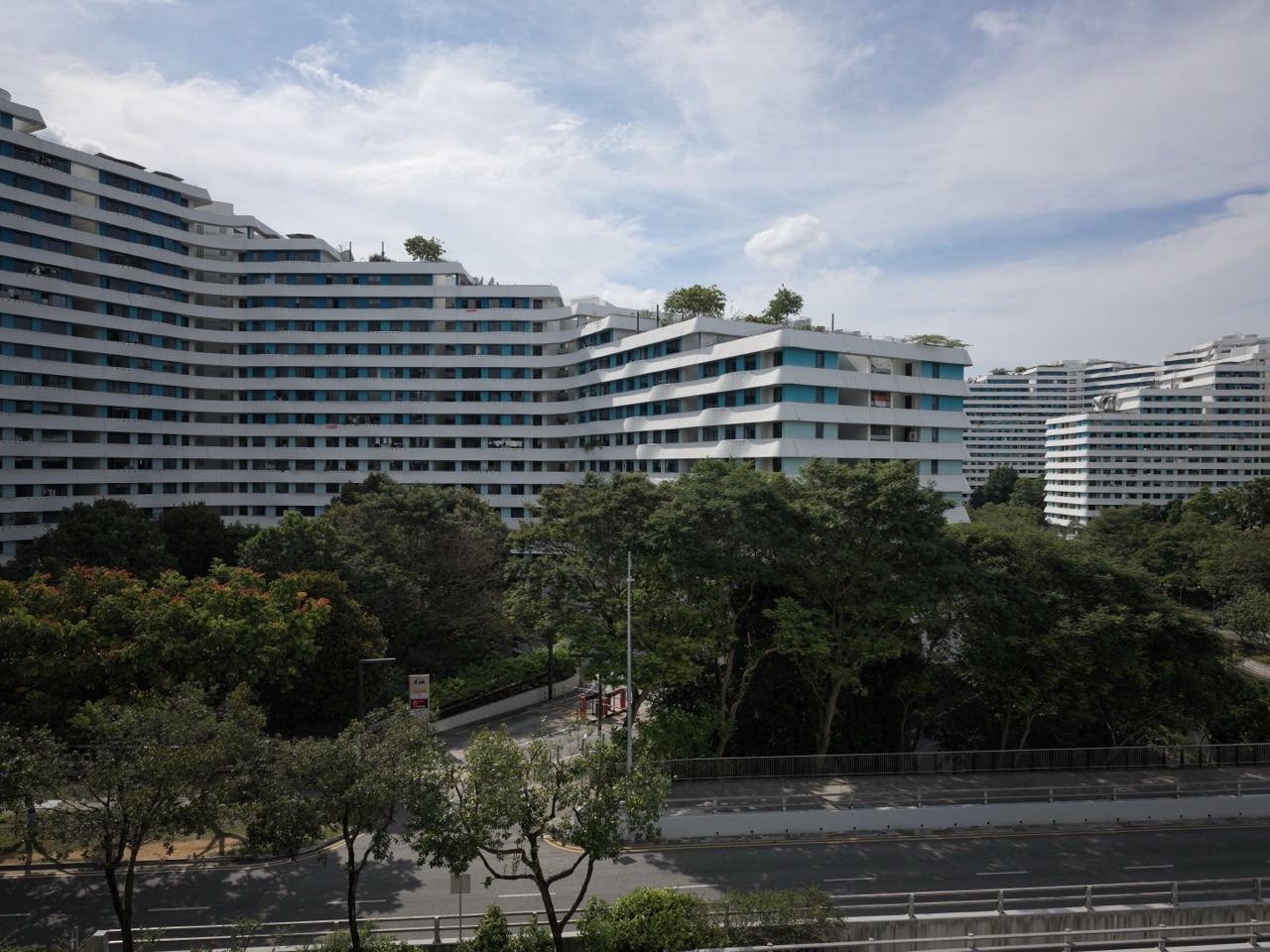
Punggol has many high-rise HDB blocks and condominium buildings. Residents turn a tap and expect clean water to appear at a useful pressure, whether they live near Punggol Central, Northshore, Waterway or Punggol Coast. Behind that ordinary moment is a building water-supply system that may include pumps, storage tanks, distribution pipes, meters and maintenance arrangements. Understanding the system helps families report a problem accurately rather than guessing that every weak tap is a PUB-wide outage.
High-rise tap water in Punggol starts with Singapore’s public drinking-water supply, but the final delivery arrangements inside a development depend on the building’s approved design. A high-rise system may use storage tanks, booster pumps, pressure zones and internal risers. Not every building has exactly the same pipe route, tank location or control arrangement. A photograph of a rooftop is not proof of how a particular block distributes water.
This guide explains the difference between a building problem, an individual-flat plumbing issue and an upstream water-supply issue. It also shows what residents can safely observe, what owners and management bodies must maintain, and where to find official PUB guidance. It is a practical explanation for Punggol households, not a blueprint or permission to enter restricted mechanical rooms or water-tank areas.
The answer in one minute
- Tap water is supplied through Singapore’s regulated drinking-water network; buildings then distribute it to individual units through their installed systems.
- Height matters because water must reach upper floors with suitable operating pressure. Pumping and/or elevated storage can form part of the building’s engineered solution.
- A weak tap in just one flat can have very different causes from weak pressure across several floors or an entire block.
- PUB’s water-storage-tank rules place maintenance and security responsibilities on building owners and MCSTs where applicable.
- Water storage tanks covered by PUB’s requirements must be inspected and certified by a Licensed Plumber at least once every 12 months, with cleaning or disinfection where necessary.
- Residents should report symptoms with an accurate location and time. They should not touch pump controls, valves, secured tanks or common water infrastructure.
1. Follow the water from the public network to the kitchen tap
The simplest mental model has four stages. First, PUB supplies treated drinking water through the public network. Second, the building’s approved water-service installation receives and handles that supply. Third, internal pipes carry the water to particular levels or groups of units. Finally, a flat’s own taps, fittings and internal plumbing deliver water to the household. The actual arrangement of tanks, pumps, valves and meters varies.
Think of a water supply as a chain. An interruption at the upstream end can affect many users. A closed valve in a flat can affect only that household. A building booster pump or common riser problem may affect a recognisable group of floors. These patterns help the responsible operator investigate, but they do not allow a resident to diagnose the equipment from a bedroom.
One household might see a thin stream at the kitchen sink while bathroom pressure seems normal. Another may find that several neighbours have no water at the same time. The correct response begins by distinguishing the two, not by calling every case a ‘water shortage’.
2. Why height changes water pressure
Water has weight. Moving it from street level to the upper parts of a tall building involves overcoming a difference in elevation as well as friction and other losses in the piping. Engineers design water systems so that occupied floors receive suitable service while pressure at lower floors and equipment stays within safe limits.
There are two familiar engineering ideas. A pump can add energy to the water, and a tank placed at a suitable height can let gravity assist its flow. A high-rise development may combine these ideas or use another approved arrangement. Pressure-reducing equipment and separate zones may also be needed. There is no responsible way to infer the exact arrangement from the appearance of one Punggol block.
For a child studying Science, a useful comparison is lifting a bucket to a higher shelf: height makes the task harder. That analogy explains the direction of the problem, not the actual pressures, equipment settings or flow rates in a real high-rise system.
3. What storage tanks do—and what they do not do
A water storage tank is part of a controlled water-service installation. It can help store water for an engineered distribution arrangement. It is not the same thing as the large reservoir or waterway residents see outdoors, and its presence does not mean that rainwater from the roof is being sent directly to household taps.
The important point for residents is hygiene and security. Water stored for drinking must remain fit for consumption. PUB explains that a neglected or unsecured water storage tank can create a contamination risk affecting many people. Building owners and MCSTs therefore have defined duties for maintenance, inspections, records and security.
The location of a tank, who can access it, and the permitted maintenance procedure are controlled matters. A resident should never climb into a secured rooftop or plant area, tamper with a water tank, open a hatch, operate common valves or invite an unverified contractor to inspect shared equipment.
4. What PUB actually requires from building owners and MCSTs
PUB’s current Water Storage Tanks guidance states that persons responsible for water-service installations with covered water storage tanks must engage a Licensed Plumber at least once every 12 months to inspect and certify the tank, and clean or disinfect it where needed. The certification addresses water quality, condition, leakage and maintenance. PUB also describes water sample testing at appropriately accredited laboratories and tank-security requirements.
This rule is not a request for individual residents to obtain a key or perform an inspection. The party responsible for the building’s water installation should appoint the suitable licensed professional and keep track of certification. Different exceptions and responsibilities can apply to particular property types, so follow PUB’s current requirements rather than a social-media summary.
For a Punggol condominium, the managing agent or MCST may be the first appropriate channel for asking about common water facilities. For an HDB property, residents can start with the relevant HDB or estate-management channel and use the contact information published for their block. The exact party responsible for a given pipe or fitting depends on where it lies and the applicable maintenance arrangements.
5. What belongs to PUB, the building and the flat?
- Public water supply: Report suspected public-network interruptions or supply-quality problems to PUB through its official channels, while supplying precise details.
- Common building installation: For common tanks, pumps, distribution risers and shared facilities, raise the issue with the correct estate manager, MCST or building owner.
- Inside a private flat: For an individual tap, flexible hose, mixer, isolation valve or private internal pipe, check the household’s responsibilities and use a suitable professional.
- Regulated plumbing: PUB says regulated water-service and sanitary plumbing works require a Licensed Plumber; simple works may be handled differently. Do not assume every handyman may alter shared supply pipes.
PUB explains the difference between drinking-water plumbing and sanitary plumbing in its Plumbing Works guidance. Drinking-water pipes and wastewater discharge pipes serve very different purposes. A blocked sink discharge is not itself a failure in the potable-water tank.
6. Read the pattern before deciding what failed
Only one tap is weak
If a bathroom tap seems normal but the kitchen tap is weak, describe that difference. It may point the investigation toward that particular fitting or branch of plumbing, though only a qualified person can establish the cause. A resident can check whether a tap was unintentionally left partly closed without dismantling shared systems. Do not remove fittings or improvise repairs to regulated plumbing.
Every tap in one flat is affected
Ask whether the problem started after a planned shut-off, internal repair or maintenance notice. Verify the official notice through the building’s normal channel. Record whether pressure changes over time and which fixtures are affected. Avoid assuming that opening taps wide will restore water faster.
Several neighbouring flats or floors are affected
This pattern is useful information for the estate manager, but it is not proof of a failed pump. Neighbours may share a distribution zone; the problem may also arise elsewhere in the system. Tell the operator the block, floor range where known, time of onset and whether someone has a notice of planned works.
The water looks or smells unusual
A colour, taste or odour change deserves prompt attention. Avoid making reassuring claims based on appearance alone or conducting unsafe home experiments. Follow PUB’s official water-quality reporting guidance and any instructions from the responsible building operator. If you suspect contamination, do not use the water for drinking or food preparation until the responsible authority or building operator has provided appropriate advice.
7. A safe first-response checklist for Punggol households
- Note the exact start time and whether the issue is continuous or intermittent.
- Record what changed: no flow, reduced flow, unusual colour, smell, sound, visible leak, or a posted maintenance notice.
- Check which fixtures are affected without dismantling pipes, electrical equipment or common valves.
- If safe and appropriate, ask one neighbour whether they are affected. Do not spread unverified claims of a ‘whole-town outage’.
- Read official maintenance notices and verify them using the known HDB, MCST, Town Council or managing-agent contact, not a random QR code.
- Report with the block, unit or floor details, time, symptoms and photographs of safe-to-observe evidence.
- Follow the responsible operator’s instructions. Use PUB’s official channels for public-supply concerns and licensed professionals for regulated plumbing.
8. Four realistic situations
Situation A: A Punggol family wakes up to no water
Before blaming the reservoir, the family checks for a planned shutdown notice, whether all taps are affected and whether neighbours in the same block have the problem. They then contact the estate manager or appropriate official channel with the observed pattern. A confirmed water interruption requires a household plan for drinking, food preparation and hygiene, but the plan should follow current official advice rather than speculative restoration times.
Situation B: The top floors have weak flow
Residents may think gravity is ‘running out’. In fact, the answer depends on the building’s designed pressure zones, equipment and the location of the defect. Tell the managing body which levels have the problem and allow its qualified contractor to inspect. Residents should not change a common pressure setting themselves.
Situation C: A contractor offers to ‘flush the water tank’ door to door
Treat unsolicited offers cautiously. Confirm the contractor’s identity through the known management office and check whether the work is authorised, what part of the installation is involved and whether a Licensed Plumber is required. Never surrender access to secured tank facilities or transfer money merely because somebody names a regulator.
Situation D: A child’s Science question asks why taps work on the 20th floor
Explain that engineers design the system to move drinking water to different elevations using pumping, storage and controlled distribution as appropriate. Then emphasise the less visible lesson: clean water depends just as much on inspection, records, maintenance and responsible reporting as it does on machines.
9. What good maintenance looks like to an ordinary resident
Residents normally will not see a water tank being certified, and that is appropriate. A well-run estate makes legitimate maintenance notices understandable, keeps restricted plant areas secure, provides a clear fault-reporting contact and escalates recurring problems. A managing body should be able to explain its responsibility and whether a qualified contractor has been appointed without exposing sensitive access information.
It is reasonable for owners at a condominium meeting to ask whether required tank certification is current and how the MCST handles water-quality complaints. It is not reasonable to demand individual access to a tank or to diagnose the pump from a corridor sound. Professional assessment and audit trails are part of keeping drinking water safe.
10. Common mistakes to avoid
- Equating weak pressure at one mixer tap with a PUB network failure.
- Assuming that a tank visible on a neighbouring roof is part of your own block’s drinking-water system.
- Treating an online diagram as an as-built drawing of your particular development.
- Opening a shared valve or secured door to ‘test’ the water.
- Hiring an unlicensed person to perform regulated plumbing works.
- Repeating an unverified outage notice without a date, block number or source.
- Using a reservoir, canal or rainwater-harvesting explanation interchangeably with drinking-water distribution.
Frequently asked questions
Does every Punggol block have a rooftop drinking-water tank?
No blanket claim can be made for every building. The specific approved water-service system differs by development. Ask the responsible building owner or estate manager if a genuine maintenance issue requires clarification; don’t guess from rooftop shapes.
Can residents inspect a water tank themselves?
Not as an informal DIY activity. Shared water-storage facilities are controlled, sensitive installations. The responsible party should engage the proper Licensed Plumber and follow PUB’s maintenance and security requirements.
Does an annual tank inspection guarantee that a tap can never have a problem?
No. Tank certification is an important safeguard, but individual fittings, internal pipes, pumps and upstream supply conditions may still need attention at other times.
What if a water-supply complaint happens during a school morning?
Record the information, make a practical household hygiene and drinking-water plan, and use the correct official reporting channel. Do not delay seeking help for a serious suspected contamination issue merely to gather more neighbour reports.
Where can I check whether a plumber is licensed?
PUB provides a plumbing-works explainer and a route to its official Licensed Plumber listings. Confirm eligibility and the proposed scope of work before engaging someone.
Official sources and further reading
- PUB — Water Storage Tanks, maintenance and certification
- PUB — Regulated plumbing works and Licensed Plumbers
- HDB — Home Care Guide
- eduKate Punggol — What to check when a water bill suddenly rises
- The Complete Punggol Guide — housing, community services and local information
Editorial note (31 October 2026): This is a general public-information guide. Water system arrangements differ by building. For emergencies, suspected contamination, regulated works and specific responsibilities, follow the latest instructions from PUB and the responsible building operator. No individual Punggol block or building has been inspected for this article.


